The Prince Kitano New York

Preferred Hotels Member
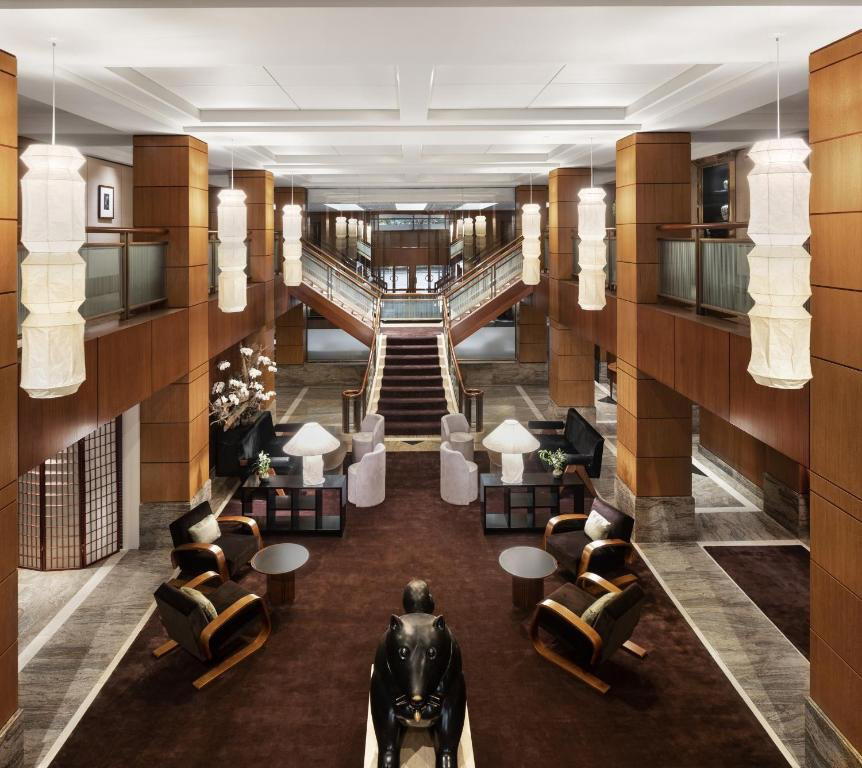
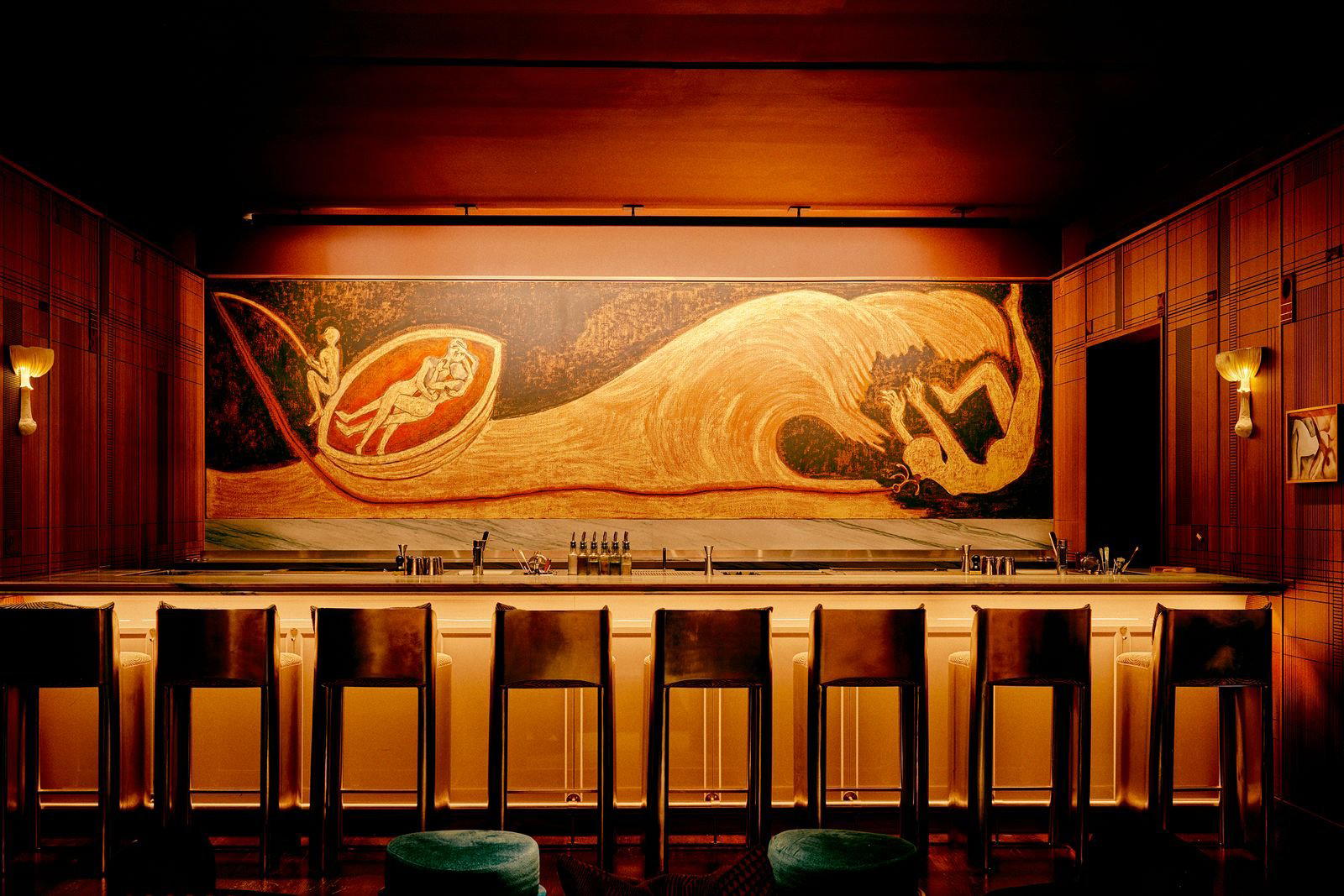
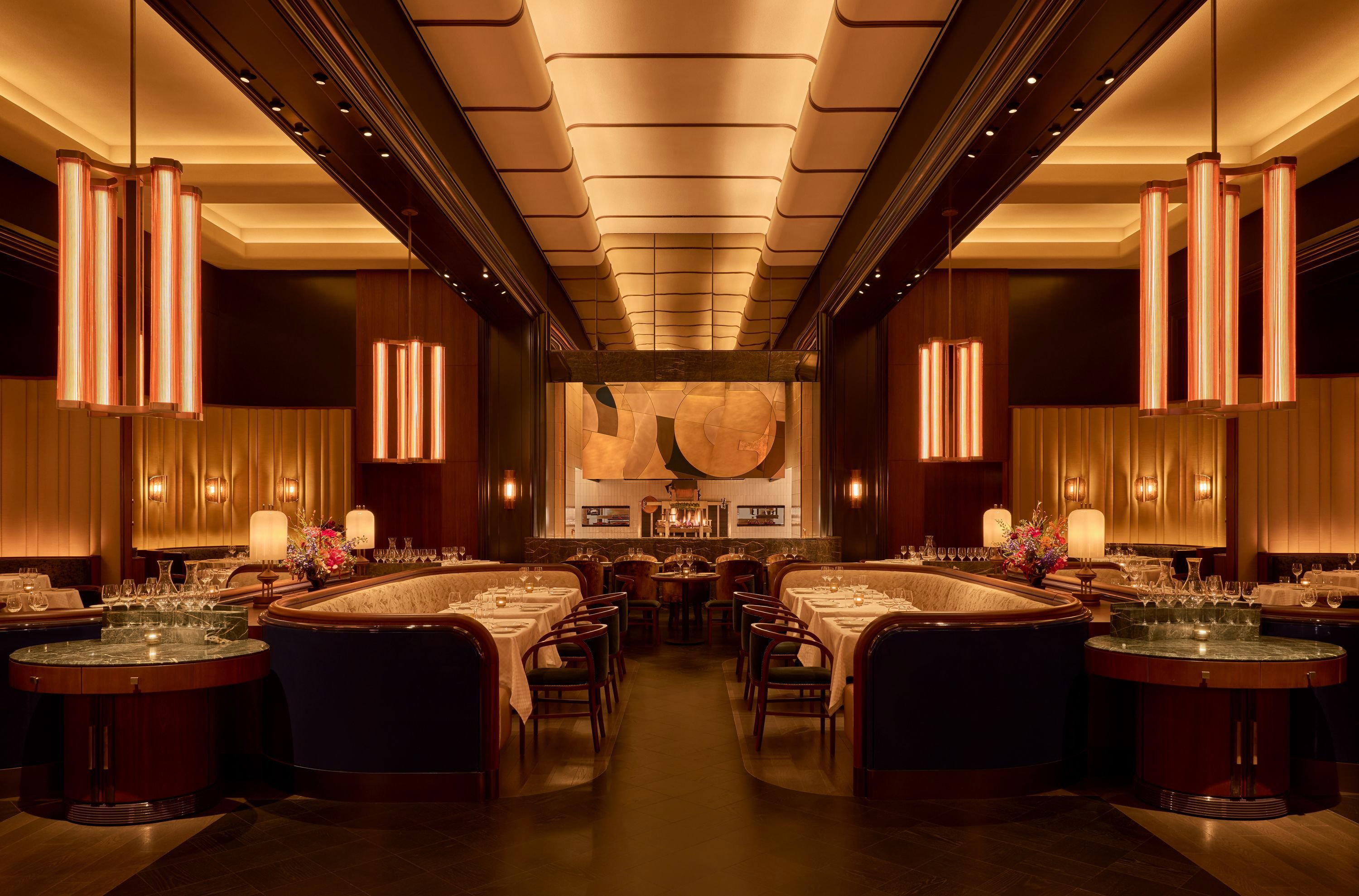
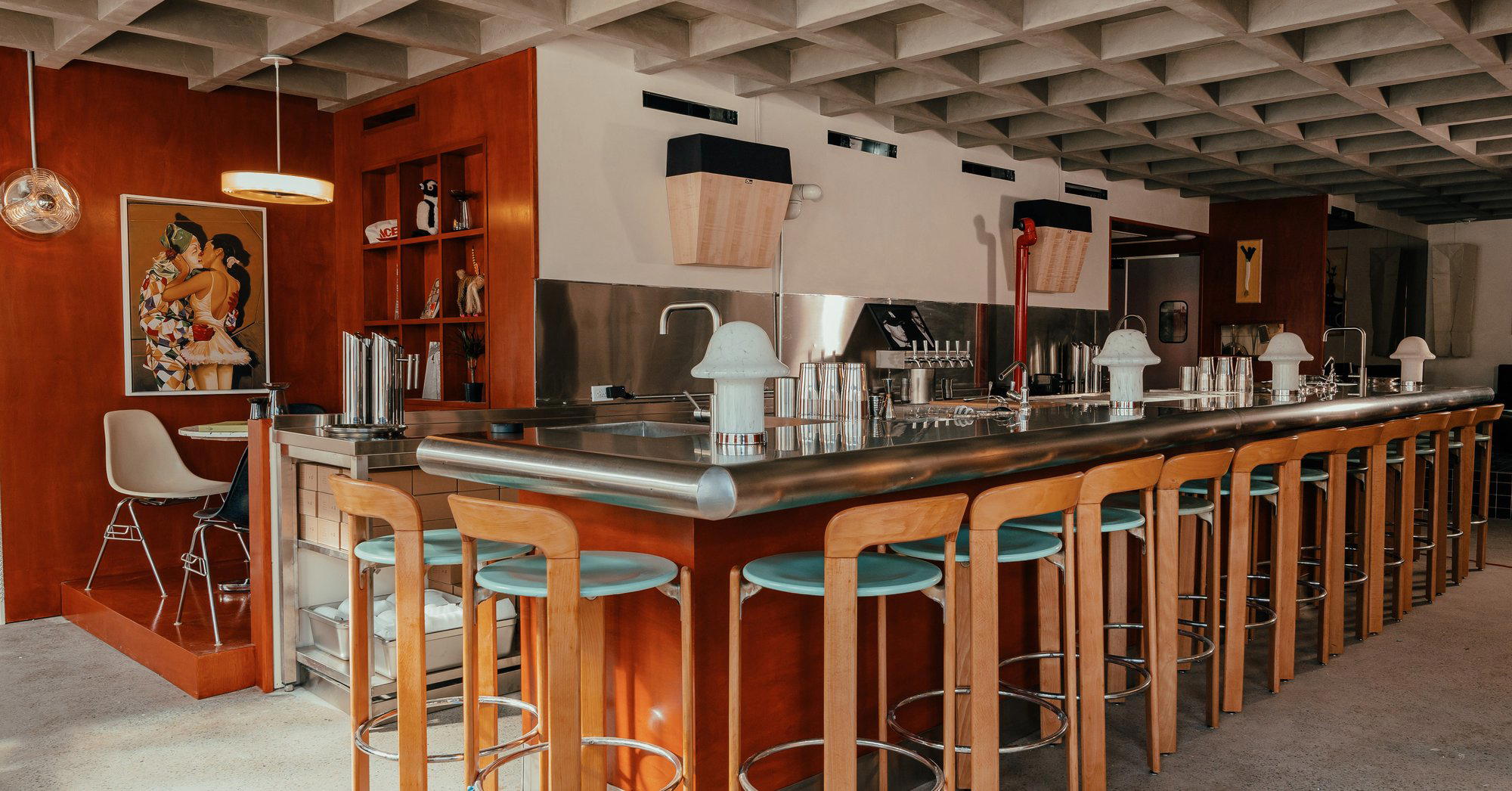
The Prince Kitano New York occupies a composed corner at Park Avenue and East 38th Street in Murray Hill, offering 149 rooms with a Japanese-owned and operated character that separates it from the standard Midtown hotel tier. Against a New York market dominated by major international chains and design-led independents, it holds a quieter position, purposeful and unhurried in a neighbourhood that rewards exactly that quality.

Pearl is the En Primeur Club membership app, where members save venues, book tables and use the concierge.
Murray Hill's Quiet Counterpoint
Park Avenue between the 30s and 40s operates at a different register from Midtown's main commercial corridor. The blocks are calmer, the street-level activity more considered, and the hotel stock less obviously performative. That context matters for understanding where The Prince Kitano New York sits in the broader city. At 66 Park Avenue, on the corner of East 38th Street, it occupies a position that is geographically central but temperamentally removed from the spectacle of Fifth Avenue hotel culture. For travellers arriving from properties like Aman New York or The Fifth Avenue Hotel, the shift in atmosphere is immediate and deliberate.
Murray Hill has long served as a residential and diplomatic quarter, and the neighbourhood's character influences what this hotel is designed to do. The Prince Kitano is Japanese-owned and operated, a classification that carries genuine weight in a city where branded affiliations often flatten individual identity. The property's 149 rooms place it in a mid-scale inventory count, large enough to handle business travel, compact enough to avoid the impersonality that comes with convention-scale hotels. That positioning, between boutique discretion and full-service capacity, defines its competitive niche more precisely than any style descriptor.
The Dining Programme and Its Japanese Frame
In New York, hotel dining programmes face a fundamental challenge: the city's standalone restaurant culture is aggressive enough that a hotel restaurant must justify itself independently, not merely as a convenience for in-house guests. The approach that tends to work in this market is either a celebrity-chef partnership that draws neighbourhood traffic, or a focused culinary identity that gives the hotel a distinct editorial voice in the food press. Japanese hotel operators have historically favoured the latter approach, and The Prince Kitano fits that pattern.
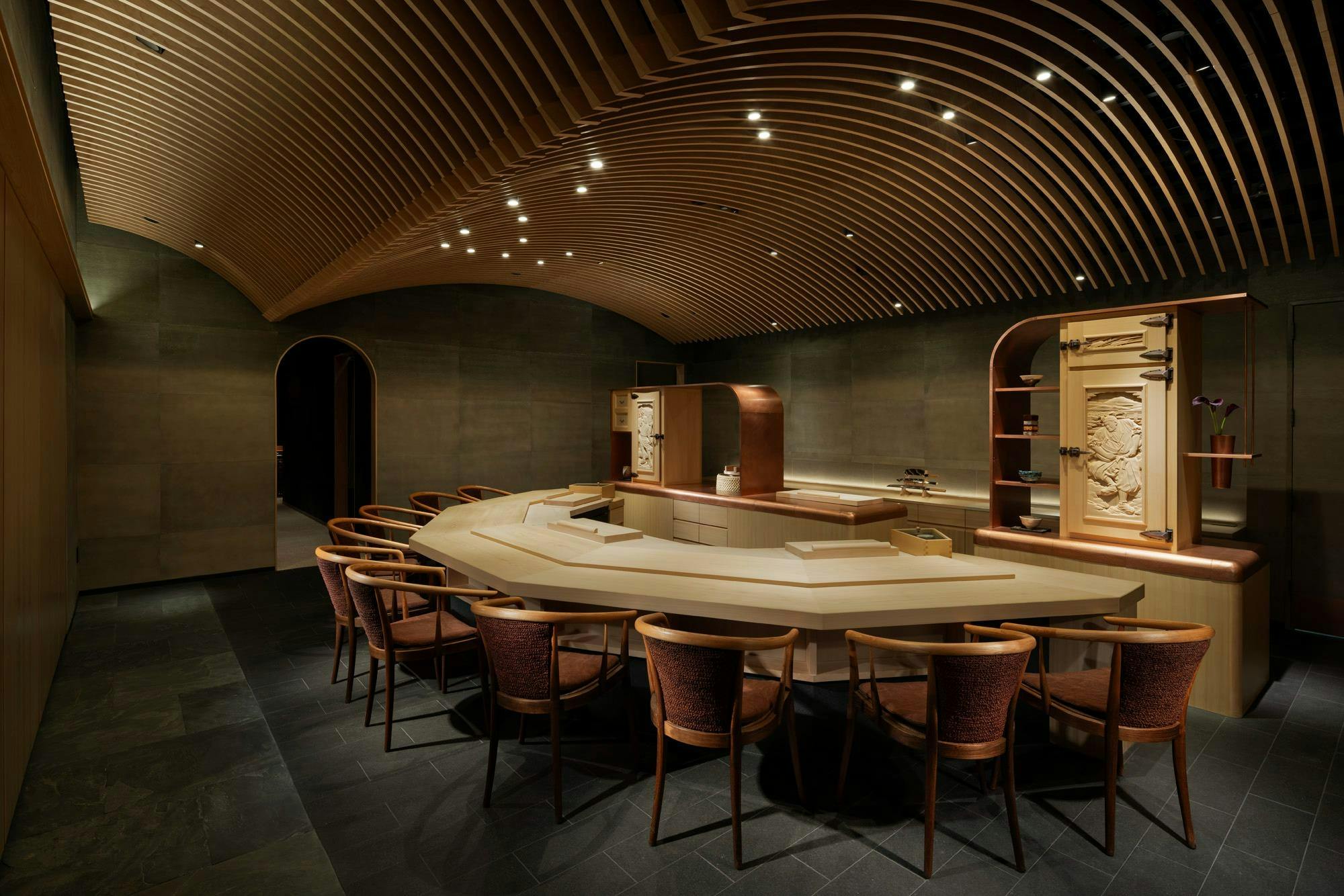
The property's Japanese ownership connects it to a broader tradition in which hospitality groups export not just logistics but a specific culinary and service sensibility. In New York, where Japanese dining commands some of the city's most competitive reservation queues, from omakase counters in the West Village to kaiseki formats in Midtown, a hotel with genuine institutional ties to Japan holds a positioning advantage that is harder to manufacture than a chef collaboration. The dining programme here draws on that institutional credibility rather than relying on a marquee name to do the work.
This stands in contrast to the approach taken by properties like The Carlyle, A Rosewood Hotel on the Upper East Side, where Bemelmans Bar functions as a near-independent cultural institution, or Casa Cipriani New York, whose dining identity is entirely built around a globally recognised brand. The Prince Kitano operates with less surface noise and more structural coherence, the culinary programme exists as an extension of the hotel's overall character rather than as a separate revenue centre with its own publicity machinery.
Where It Sits in the New York Hotel Conversation
New York's hotel market has stratified sharply over the past decade. At the leading, ultra-luxury properties command rates that benchmark against residential real estate. In the middle tier, a generation of design-led independents, among them Crosby Street Hotel in SoHo and The Whitby Hotel in Midtown, have captured the market for travellers who want personality without the formality of legacy luxury. The Prince Kitano fits neither tier cleanly, which is itself a signal.
Its 149-room count and Park Avenue address suggest a property oriented toward business and diplomatic travel rather than lifestyle positioning. That is not a limitation so much as a deliberate editorial choice about who the hotel is for. Travellers seeking the maximalist design statements of The Mark on the Upper East Side or the downtown energy of The Greenwich Hotel in Tribeca will find The Prince Kitano operating in a quieter register. Those who value operational precision, a coherent Japanese service culture, and proximity to Grand Central Terminal (roughly three blocks north) without the noise of Penn Station-adjacent properties will find the trade-off direct.
For reference across the broader US luxury hotel market, properties with comparable institutional character, specific ownership identities that shape every operational decision, include Troutbeck in Amenia, SingleThread Farm Inn in Healdsburg, and internationally, Bvlgari Hotel Tokyo, which similarly deploys brand identity as the primary organising principle of its hospitality offering. You can also explore our full New York City restaurants guide for dining context across every neighbourhood.
The Neighbourhood as Context
Murray Hill's dining scene is less documented than those of the West Village, SoHo, or the Upper East Side, but it has accumulated a durable set of Japanese restaurants that predate the recent wave of omakase speculation. The proximity of the hotel to this concentration is not incidental. The neighbourhood has historically housed Japanese businesses, consular offices, and long-running Japanese-owned restaurants, a geographic clustering that gives the area a specific culinary identity independent of trend cycles. Arriving at The Prince Kitano, guests step into that existing cultural logic rather than into a hotel that has parachuted a concept into a neutral location.
That specificity of place is worth more in New York than it might be in a city with less neighbourhood differentiation. The contrast with destination-resort properties such as Amangiri in Canyon Point or Post Ranch Inn in Big Sur is instructive: those properties are designed to remove guests from urban context entirely. The Prince Kitano does the opposite, anchoring its guests in one of New York's more textured and less tourist-processed neighbourhoods.
Know Before You Go
- Address: 66 Park Avenue at East 38th Street, New York, NY 10016
- Room Count: 149 rooms
- Neighbourhood: Murray Hill, Manhattan
- Nearest Transit: Grand Central Terminal (approximately 3 blocks north); Park Avenue S subway access nearby
- Leading For: Business and diplomatic travel; travellers who want Japanese hospitality infrastructure in a central but calm Manhattan location
- Context: Japanese-owned and operated; dining programme reflects institutional culinary identity rather than celebrity partnership model
Just the Basics
Comparable venues nearby, for context on price, style, and recognition.
| Venue | Price | Awards | Notes |
|---|---|---|---|
| The Prince Kitano New YorkThis venue (the venue you are viewing) | $200–300 | Preferred Hotels Member | Not listed |
| 33 Hotel New York City Seaport | Not listed | Michelin Selected | Financial District-Battery Park City, contemporary yet classic retreat with personalized service |
| Royalton New York | Not listed | Not listed | Midtown-Times Square, Sophisticated boutique hotel blending historic charm with modern luxury. |
| McCarren Hotel & Pool | Not listed | Not listed | Williamsburg, Sleek boutique urban retreat overlooking McCarren Park. |
| HGU New York | $100–200 | Small Luxury Hotels of the World Member | Midtown South-Flatiron-Union Square, Historic Beaux Arts boutique with contemporary art and sustainable design. |
| The Towers at Lotte New York Palace | Not listed | Forbes 5-Star | Midtown-Times Square, Ultra-luxurious all-suite tower with five-star personalized service |
Recognition history
Dated appearances from independent guides and award organizations, with the underlying list record or original source where available.
Preferred Hotels Member
Preferred Hotels
Continue exploring
More in New York City
Hotels in New York City
All hotels in New York City →
Bars in New York City
All bars in New York City →




Details
- Elegant
- Sophisticated
- Quiet
- Modern
- Business Trip
- Romantic Getaway
- Historic Building
- Wi Fi
- Fitness Center
- Room Service
- Concierge
- Business Center
- Valet Parking
- Skyline
- Elevator
- Wheelchair Accessible
Serene and sophisticated with soundproofed rooms, soft lighting, and a calming traditional Japanese influence.