
The Prince Hotel occupies a heritage-listed corner on Acland Street in St Kilda, one of Melbourne's most architecturally layered neighbourhoods. The property sits at the intersection of Victorian-era street culture and contemporary design sensibility, placing it within a distinct tier of Melbourne accommodation that prizes character over corporate uniformity. For travellers using St Kilda as a base, its address and heritage credentials do most of the positioning work.
Pearl is the En Primeur Club membership app — saves, bookings, and concierge access live there. Same editors, same standards.
- Address
- 2 Acland St, St Kilda VIC 3182, Australia
- Phone
- +61 3 9536 1111
- Website
- theprince.com.au
- Directions
- Get directions
 Saves & bookings on Pearl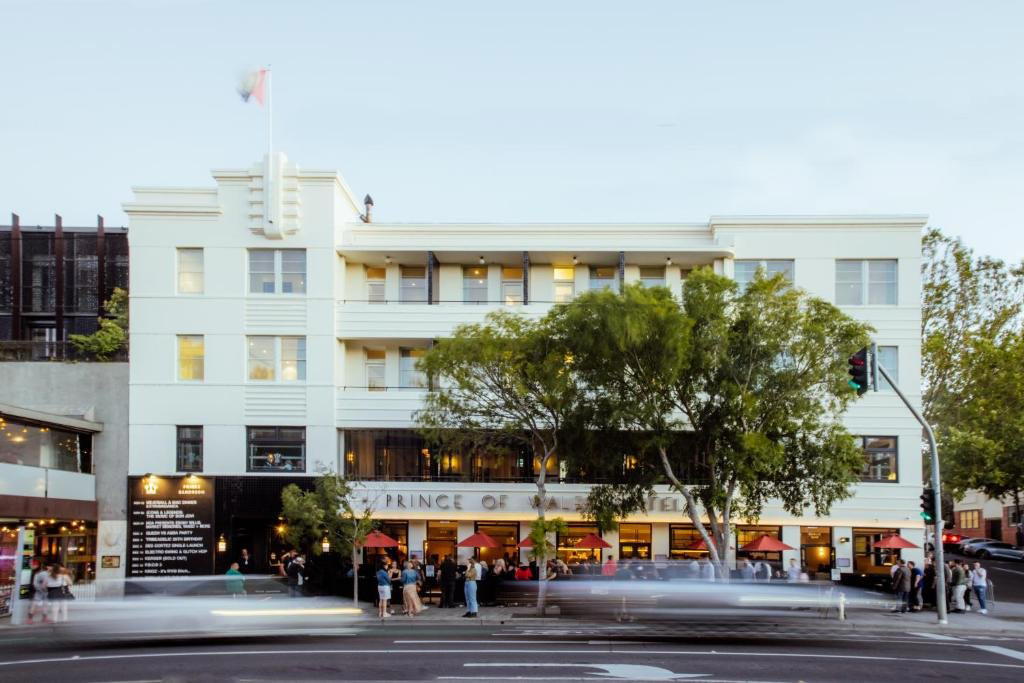
A Corner That Has Always Held Its Ground
St Kilda has never resolved its contradictions, and that is precisely what makes it work. The suburb sits roughly 6 kilometres south of Melbourne's CBD, close enough to be convenient and far enough from the glass towers of Southbank to feel genuinely local. Acland Street, which has operated as a commercial and social spine for over a century, concentrates this tension in a single strip: heritage shopfronts alongside contemporary bars, European cake shops next to late-night venues, the foreshore always visible at the end of the block. The Prince Hotel occupies the corner of Acland and Fitzroy Streets, a junction that has been one of St Kilda's most trafficked intersections since the suburb's Victorian-era peak as a seaside resort destination.
Heritage-listed properties along this stretch carry a different kind of weight than purpose-built hotels. The architecture does not perform history, it simply is history, and guests either respond to that or they don't. For those interested in Melbourne's built environment, the Acland Street corridor reads as a compressed timeline of the suburb's shifts: from resort town to working-class neighbourhood, through the bohemian decades of the 1970s and 1980s, into the mixed-use, gentrifying present. The Prince sits at the fulcrum of all of it.
The Architecture and What It Signals
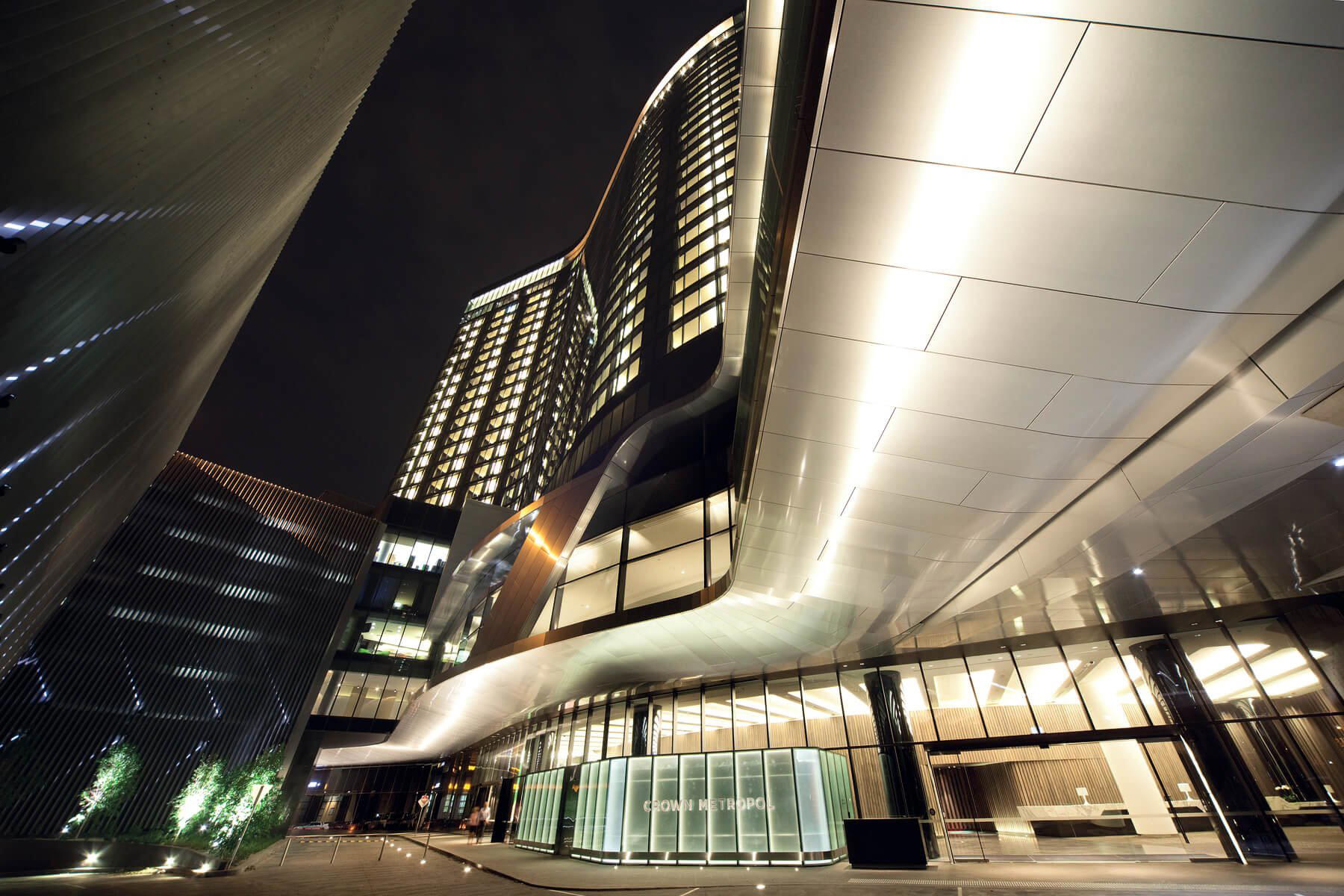
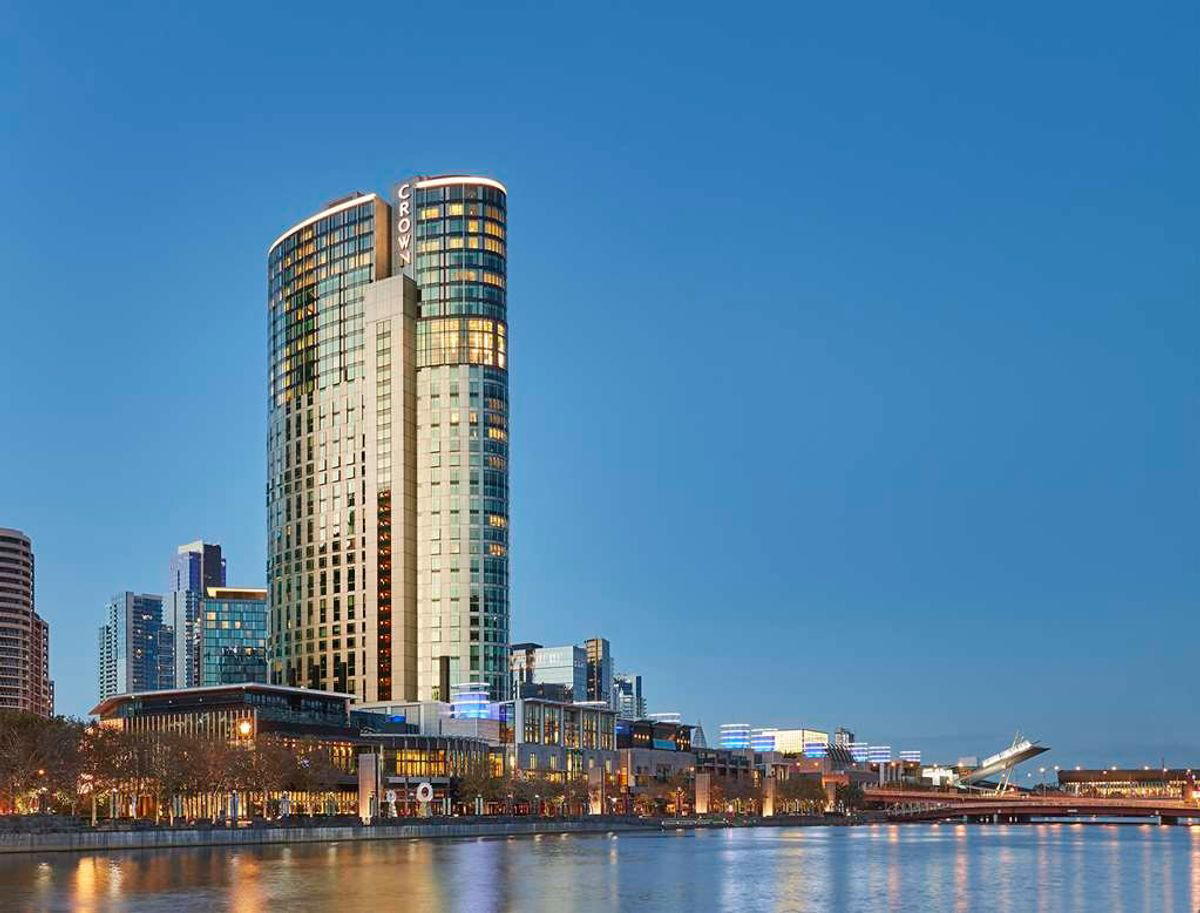
Melbourne's hotel market has split fairly cleanly over the past two decades. On one side sit the large-footprint international operators, the Grand Hyatt, Park Hyatt, and Crown Metropol cluster in the CBD and Southbank, offering high room counts, convention infrastructure, and brand consistency. Crown Metropol Melbourne in Southbank exemplifies this category: volume, amenity breadth, and a corporate address. On the other side, a smaller cohort of character-driven properties has emerged in inner suburbs, trading scale for specificity of place. The Prince Hotel belongs to this second group.
Within Australia, this pattern repeats in different forms. The Calile in Brisbane represents the design-led, architect-driven approach to inner-suburb hospitality. Lake House in Daylesford trades on landscape and culinary identity rather than urban heritage. Bells at Killcare operates in a similar register of intimate, place-specific accommodation. The Prince Hotel sits in this cohort but with a distinctly urban, street-facing character that separates it from the retreat model.
The building itself is Victorian-era in origin, and its position on a prominent corner means the facade reads as a local landmark before it reads as a hotel. This is architecturally significant: most hotel design in Australia defaults to either heritage restoration (preserving exterior, gutting interior) or full contemporary insertion. Properties that manage to hold legible historical character through their public spaces while meeting modern accommodation expectations occupy a narrow band. The hotel's listed status constrains what can be changed, which in practice protects it from the kind of aggressive refits that strip period buildings of their character in the name of brand alignment.
St Kilda as a Base: What the Address Delivers
Staying in St Kilda rather than the CBD involves a deliberate trade. You lose immediate proximity to Federation Square, the National Gallery of Victoria, and Melbourne's laneway dining concentration. You gain the foreshore, the Sunday market on the Esplanade, the Acland Street cake shops that have operated for generations, and a neighbourhood rhythm that feels less performative than the central city. The tram line along Fitzroy Street connects directly into the CBD in roughly 20 minutes, which softens the practical calculus considerably.
The suburb's food and bar scene has matured considerably. St Kilda now holds a legitimate position on Melbourne's dining map, with venues ranging from long-established neighbourhood institutions to newer openings that draw from across the city. The foreshore precinct, particularly around the St Kilda Pier and Acland Street's side streets, concentrates a density of options within walking distance of The Prince's address.
For context on what an inner-suburb Melbourne address competes against in the broader Australian market: Capella Sydney occupies a premium tier defined by its CBD position and architectural pedigree. The Tasman in Hobart uses heritage credentials in a different city context. Southern Ocean Lodge on Kangaroo Island operates in a remote luxury register entirely separate from the urban hotel question. The Prince is positioned against none of these directly, its comparable set is inner-suburb, character-driven, Melbourne-specific.
Medusa Hotel in Darlinghurst, Bondi Beach House, or Harbour Rocks Hotel in The Rocks for Sydney-based alternatives with comparable inner-suburb positioning. For wilderness-adjacent experiences, Wildman Wilderness Lodge in the Northern Territory and Cape Lodge in the Margaret River region offer a different Australian accommodation register entirely. Beyond Australia, Aman New York and Aman Venice represent the upper tier of design-led urban hospitality for points of international comparison.
At-a-Glance Comparison
Comparable venues nearby, for context on price, style, and recognition.
| Venue | Cuisine | Price | Awards | Notes |
|---|---|---|---|---|
| The Prince HotelThis venue — the venue you are viewing | Historic Art Deco boutique hotel with modern upgrades. | $$$ | 4-Star | Not listed |
| Saint Hotel | beachside boutique hotel | $$$ | 4-Star | St Kilda |
| Panorama Hotel | A newly constructed, multi-venue suburban lifestyle hotel that positions itself as a total hospitality destination for dining, drinking and accommodation near Adelaide’s southern health and education hubs. | $$$ | 4-Star | Panorama |
| Art Series - The Larwill Studio | Art-inspired boutique hotel in contemporary high-rise. | $$$$ | 4-Star | Parkville |
| El Questro - The Homestead | rustic luxury homestead | $$$$ | 4-Star | East Kimberley |
| voco Brisbane City Centre | Contemporary boutique-style hotel with industrial and scholarly design influences reflecting the riverside setting and nearby universities. | $$$ | 4-Star | North Quay |
Recognition history
Dated appearances from independent guides and award organizations, with the underlying list record or original source where available.
Michelin Selected
Michelin
Continue exploring
More in St Kilda
Hotels in St Kilda
Browse all →
Bars in St Kilda
Browse all →

Restaurants in St Kilda
Browse all →
At a Glance
- Classic
- Elegant
- Modern
- Romantic Getaway
- Weekend Escape
- Historic Building
- Terrace
- Wi Fi
- Spa
- Pool
- Concierge
- Room Service
- Waterfront
- Wi Fi
- Spa
- Pool
- Concierge
- Room Service
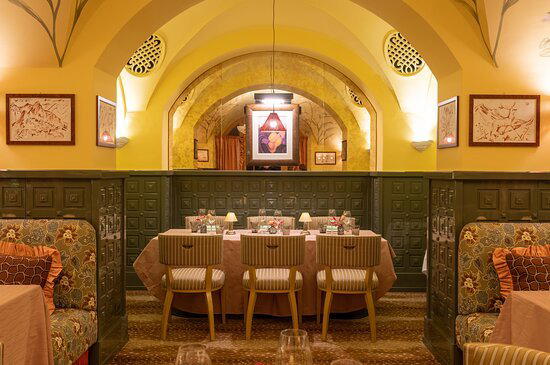
Art Deco elegance meets modern relaxed luxury with lively cultural atmosphere.