The Jane Ballroom
The Jane Ballroom occupies a storied address on the West Village waterfront, where the Hudson River meets one of Manhattan's most architecturally layered neighbourhoods. The venue draws on a century of history at The Jane Hotel, a building that housed Titanic survivors and later became a touchstone of downtown New York nightlife. It sits at the intersection of heritage architecture and contemporary social programming.
- Address
- New York City, United States
- Directions
- Get directions
West Village, River's Edge: What the Address Means
Manhattan's West Village has undergone several identities in the past century, but its waterfront blocks have maintained a particular character: industrial in origin, architecturally dense, and resistant to the kind of blank-slate redevelopment that reshaped other Manhattan neighbourhoods. The Jane Hotel, which houses The Jane Ballroom, sits on West Street facing the Hudson, a position that places it at the boundary between the intimate grid of the Village and the open expanse of the waterfront greenway. That geography shapes the experience before you step inside. The building itself is a 1908 American Seaman's Friend Society structure, a designation that explains the maritime scale of its interiors and the Gothic Revival detailing on its facade. History here is architectural rather than decorative.
The West Village's hospitality offer has consolidated around a specific type of property: smaller, character-led, with a strong sense of neighbourhood belonging. The Greenwich Hotel operates on a similar axis a few blocks east, while Crosby Street Hotel and The Whitby Hotel define the design-led boutique tier further north and east. The Jane sits closer to the edge of that map, both literally and in terms of its programming aesthetic: it has historically attracted a younger, night-oriented crowd distinct from the hotel bars of Midtown or the Upper East Side properties like The Carlyle, A Rosewood Hotel or The Mark.
The Ballroom in Context: A New York Night-Out Format
New York's premium nightlife and event venues have fragmented significantly over the past two decades. The large-format club model of the 1990s gave way to a more varied set: members' clubs, hotel bars with selective door policies, rooftop venues, and smaller performance spaces. The Jane Ballroom represents a distinct category within that spectrum: a high-ceilinged, architecturally significant room inside a hotel with a public-facing social identity. This format, where a hotel's most dramatic interior space doubles as a destination in its own right, is more common in European cities than in New York, which makes The Jane's iteration of it genuinely unusual.
The building's history adds a layer that purely contemporary venues cannot replicate. The Jane Hotel is documented as having housed survivors of the Titanic sinking in 1912, when the building operated as a seamen's boarding house. That historical record is part of the public identity of the address, and it gives the Ballroom a narrative weight that matters in a city where novelty is the default currency. For travellers arriving from properties like Aman New York or The Fifth Avenue Hotel, The Jane represents a different register entirely: less polished and oriented toward a social rather than a service-led experience.
The Room Itself: Architecture as Programming
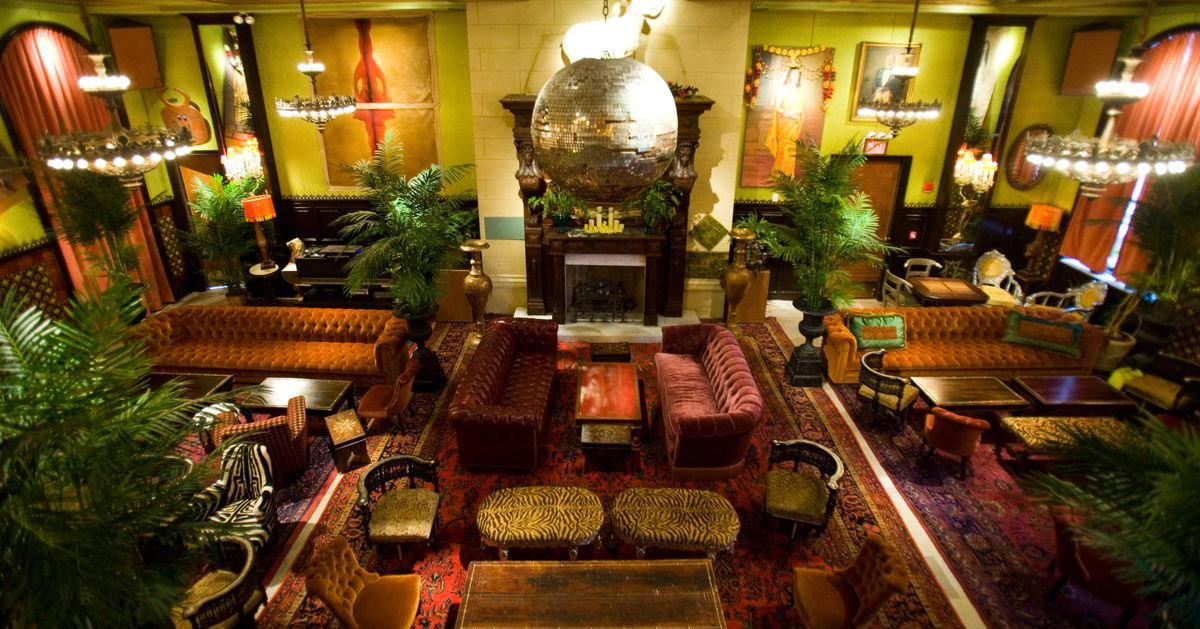
The Ballroom's physical character derives from its original construction rather than any subsequent renovation. Gothic Revival arches, wood panelling, and a scale calibrated for civic gatherings rather than hotel amenity use give the room a presence that designed-from-scratch venues rarely achieve. This kind of inherited architecture functions differently in a social setting: it creates a frame that demands a certain quality of event or atmosphere to fill it, which in turn shapes what gets programmed there.
New York has a small number of analogous rooms, spaces where historical fabric and contemporary programming coexist at a high enough level that the architecture itself becomes part of the draw. The Jane Ballroom occupies that tier. For visitors whose accommodation reference points run toward the international luxury circuit, including properties like Aman Venice or Badrutt's Palace Hotel in St. Moritz, the Ballroom offers a distinctly New York version of historic grandeur: less formal, more charged with social energy, and embedded in a neighbourhood rather than set apart from it.
Where It Fits in Downtown New York's Social Circuit
Downtown Manhattan's social venues cluster by type and by neighbourhood in ways that matter for planning. The hotel's West Village waterfront position places it close to the Hudson River Park, a twenty-minute walk from the High Line, and within the orbit of the Meatpacking District's concentrated hospitality density. This is a neighbourhood where the gap between a quiet residential street and an active nightlife corridor can be a single block, which gives the area a particular energy at night that differs from the more diffuse spread of Midtown or the residential calm of the Upper East Side.
The Jane's position near the waterfront also makes it a logical anchor for evenings that begin or end with a walk along the Hudson, a consideration that rarely applies to venues further inland.
Across the broader American hotel and hospitality circuit, the character-driven urban property has carved out a durable niche. Properties like Troutbeck in Amenia and SingleThread Farm Inn in Healdsburg represent the rural equivalent of that sensibility: strong architectural identity, programming that reflects the place rather than a brand standard, and a guest profile that values authenticity of setting. The hotel fits that lineage in an urban key.
Cuisine Context
Comparable venues nearby, for context on price, style, and recognition.
| Venue | Cuisine | Price | Awards | Notes |
|---|---|---|---|---|
| The Jane BallroomThis venue — the venue you are viewing | Restored historic sailors' home with nautical cabin rooms and lively social spaces. | $$ | 2-Star | Not listed |
| Hyatt Union Square New York | Contemporary urban luxury blending high style with natural elements in a boutique setting. | $$$ | 4-Star | Greenwich Village |
| EVEN Hotel New York - Midtown East by IHG | Wellness-oriented urban hotel emphasizing fitness and recovery. | $$$ | 4-Star | East Midtown-Turtle Bay |
| Moxy Brooklyn Williamsburg | Trendsetting boutique with timeless industrial architecture and playful, neighborhood-integrated design | $$$ | Not listed | Williamsburg |
| The Jane Hotel | historic nautical pod hotel | $ | Not listed | West Village |
| Hotel Indigo Lower East Side New York by IHG | Neighborhood-inspired boutique urban oasis | $$$ | 4-Star | Lower East Side |
Continue exploring
More in New York City
Hotels in New York City
Browse all →


Bars in New York City
Browse all →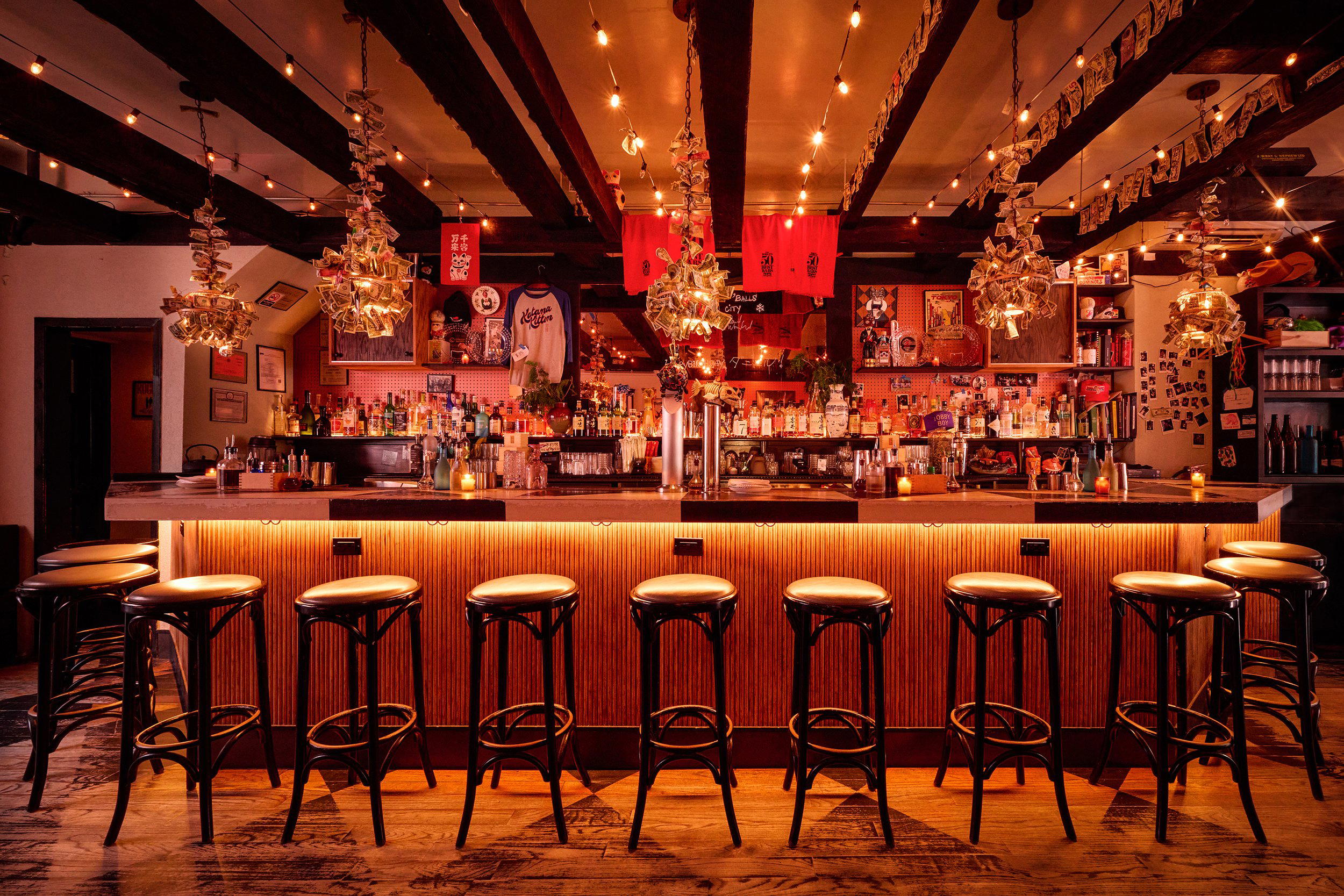
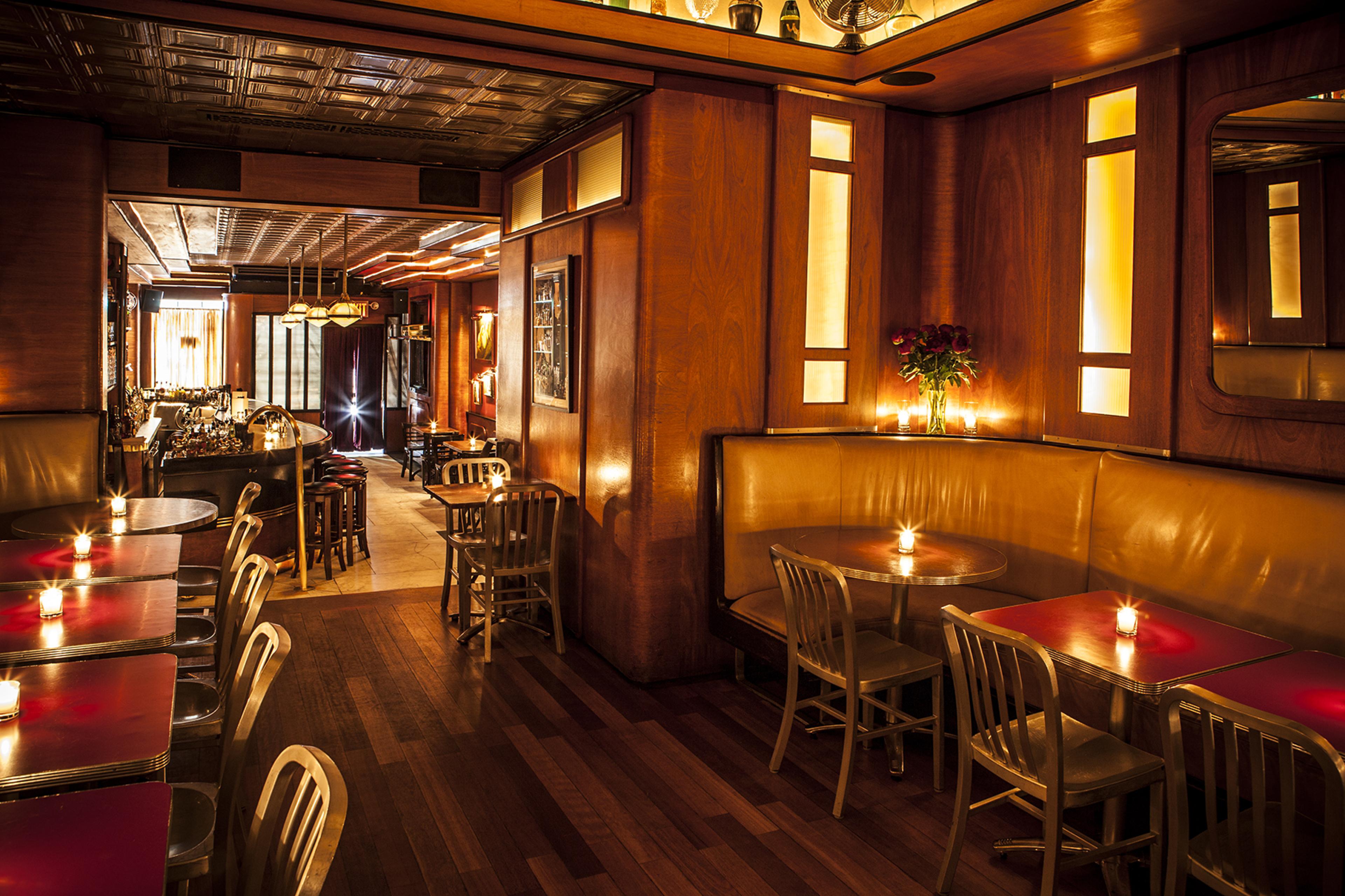
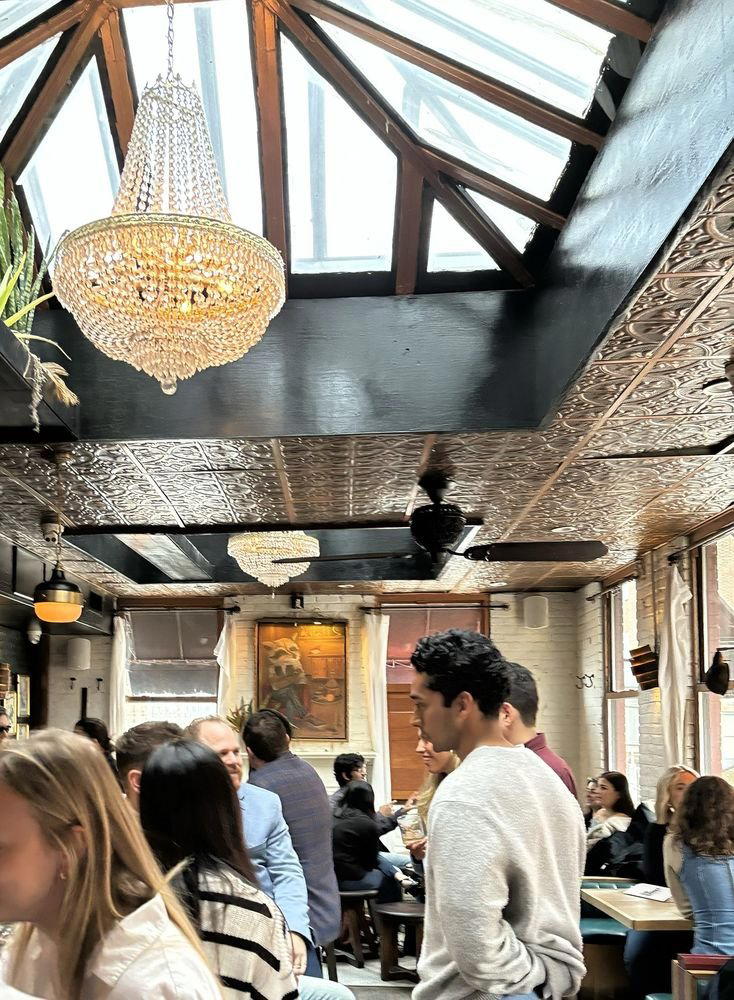
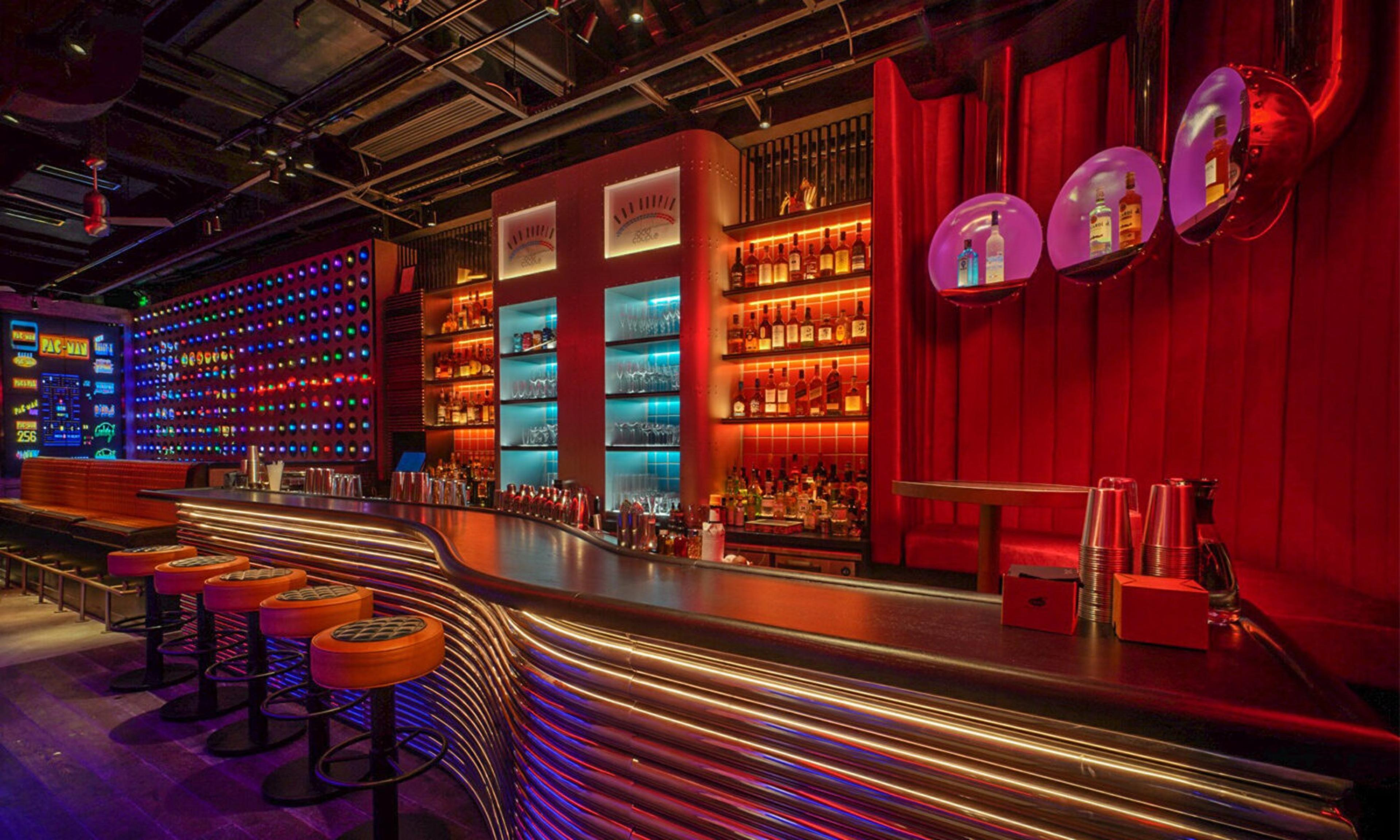
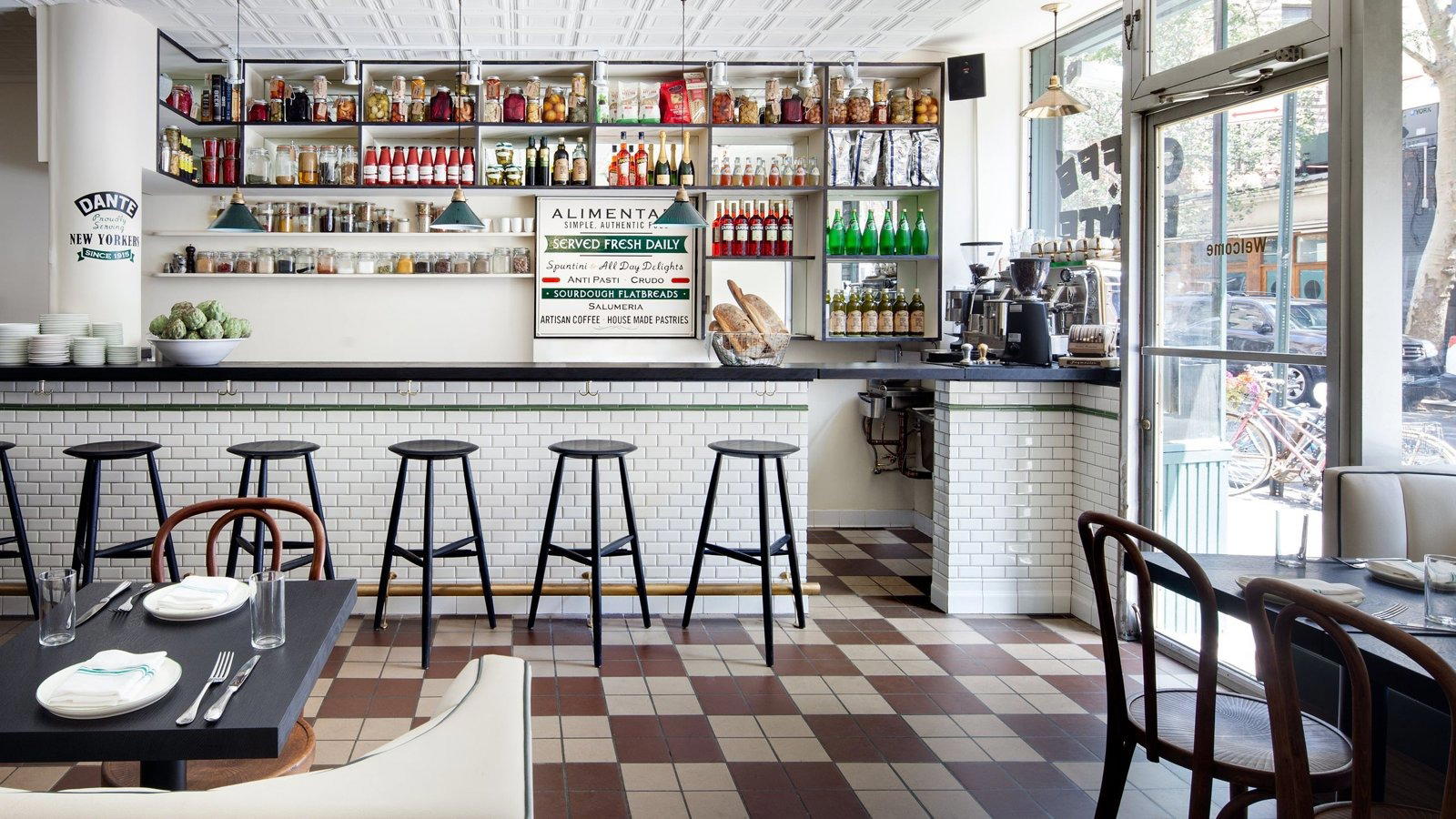
Restaurants in New York City
Browse all →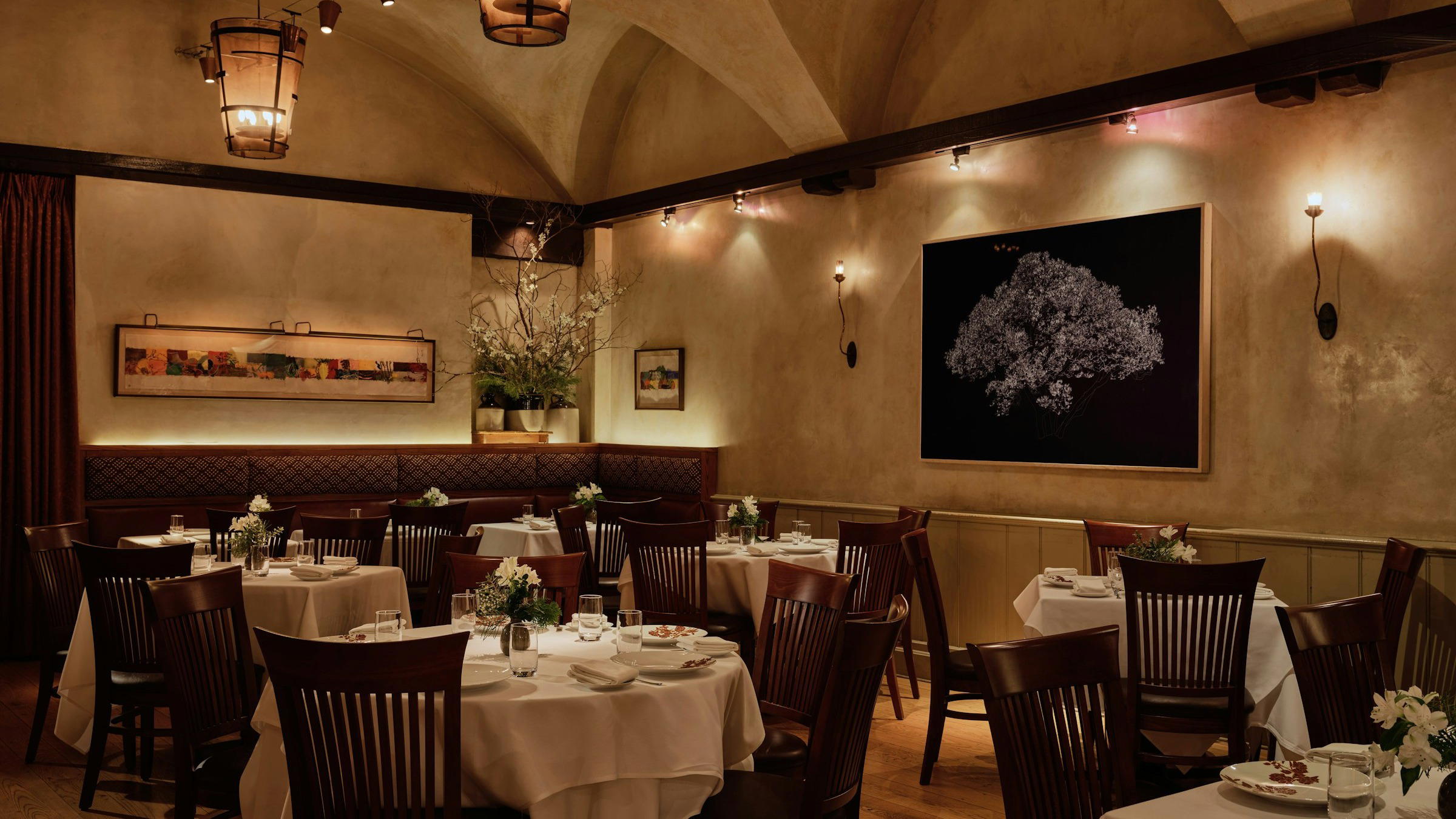
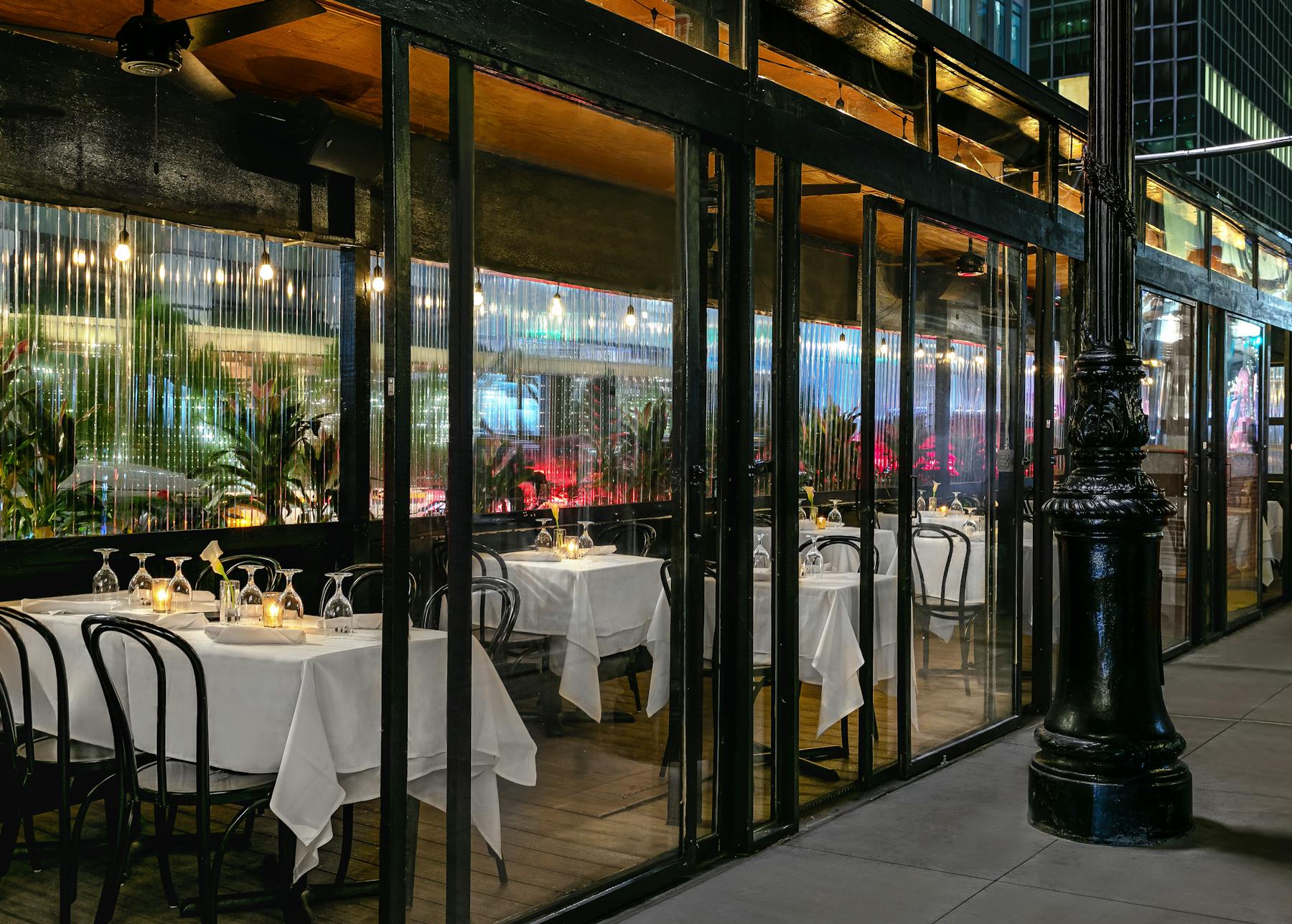
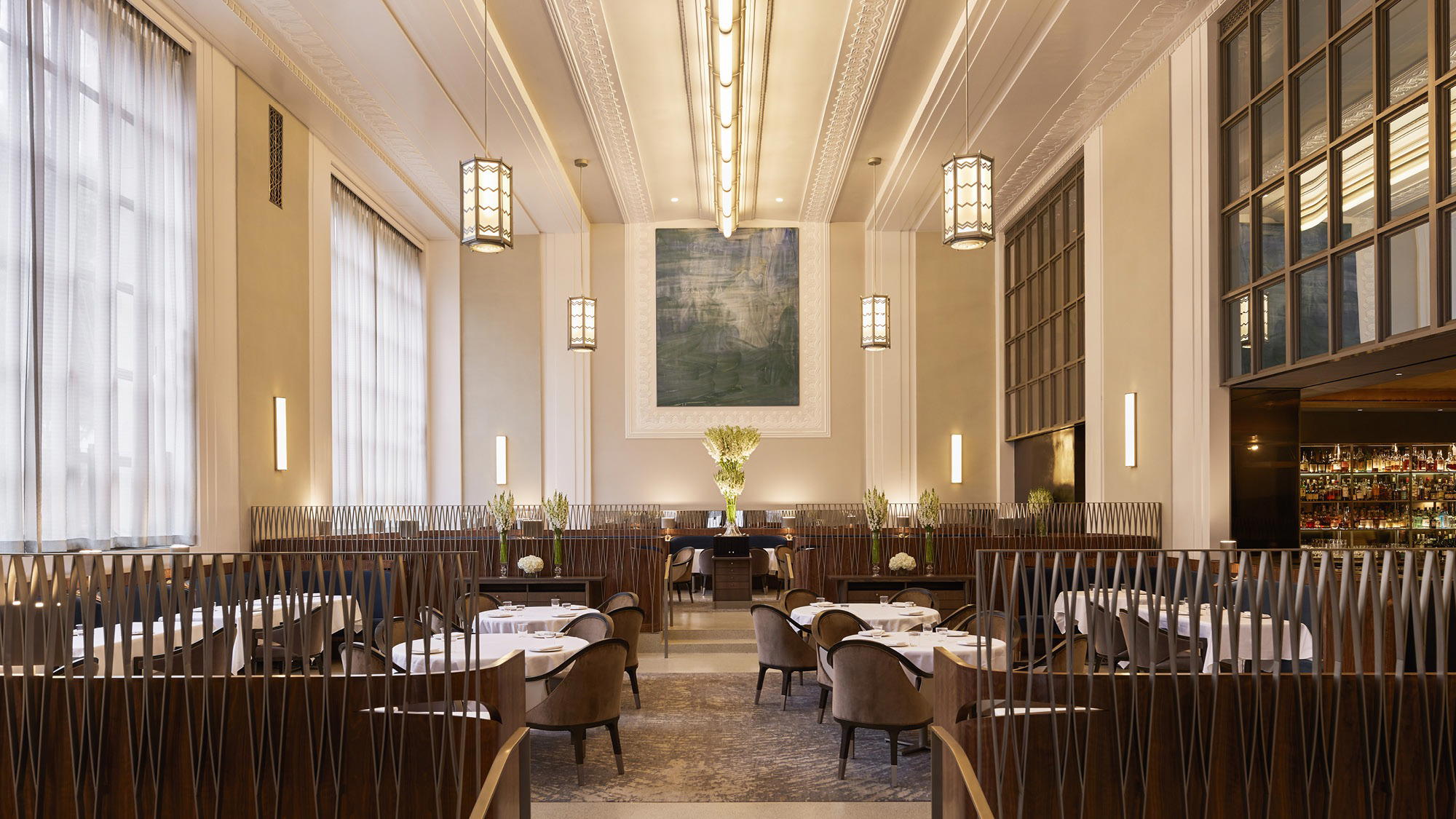
Wineries in New York City
Browse all →


At a Glance
- Trendy
- Historic
- Intimate
- Bohemian
- Weekend Escape
- Historic Building
- Rooftop Pool
- Wi Fi
- Air Conditioning
- Concierge
- Luggage Storage
- Wi Fi
- Air Conditioning
- Concierge
- Luggage Storage
Eclectic and atmospheric with dark woods, velvet sofas, roaring fireplaces, chandeliers, and a disco ball in the grand ballroom lounge.