Stock Exchange Hotel, Manchester, Autograph Collection

Michelin Selected
A Michelin Selected hotel occupying one of Manchester's most architecturally significant financial buildings, the Stock Exchange Hotel sits at the intersection of heritage preservation and contemporary hospitality. The dining programme anchors the property's identity, drawing visitors as much as overnight guests. Located on Norfolk Street in the city centre, it competes in the upper tier of Manchester's independent luxury hotel set.

Pearl is the En Primeur Club membership app — saves, bookings, and concierge access live there. Same editors, same standards.
- Address
- 4 Norfolk St, Manchester M2 1DW, United Kingdom
- Phone
- +44 161 470 3901
- Website
- marriott.com
- Directions
- Get directions
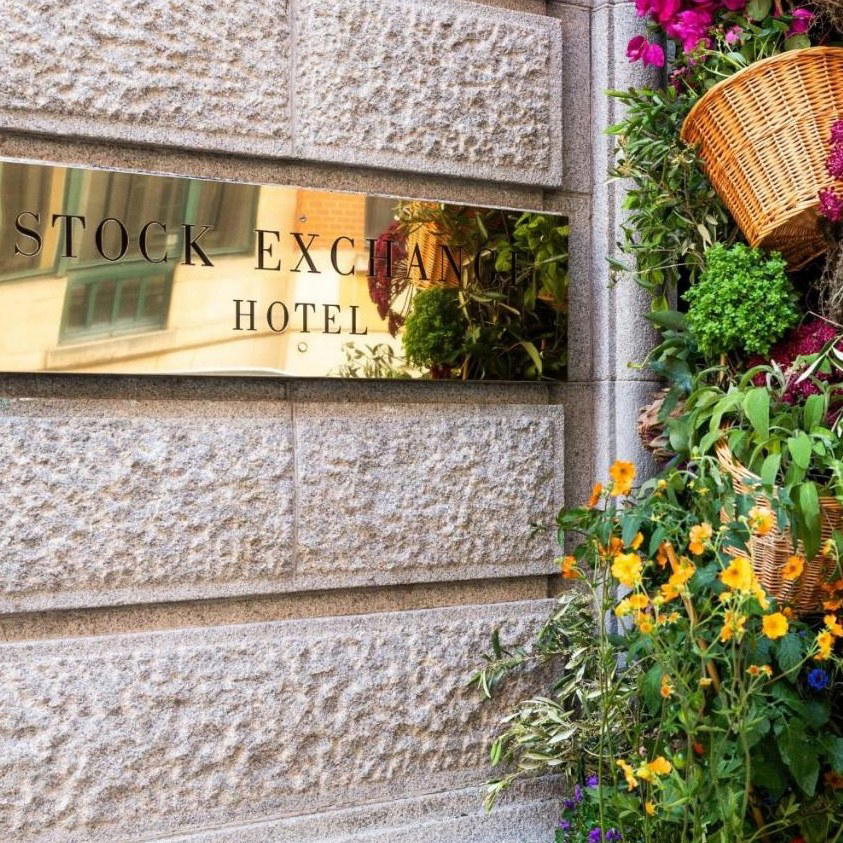
A Building That Precedes Its Hotel
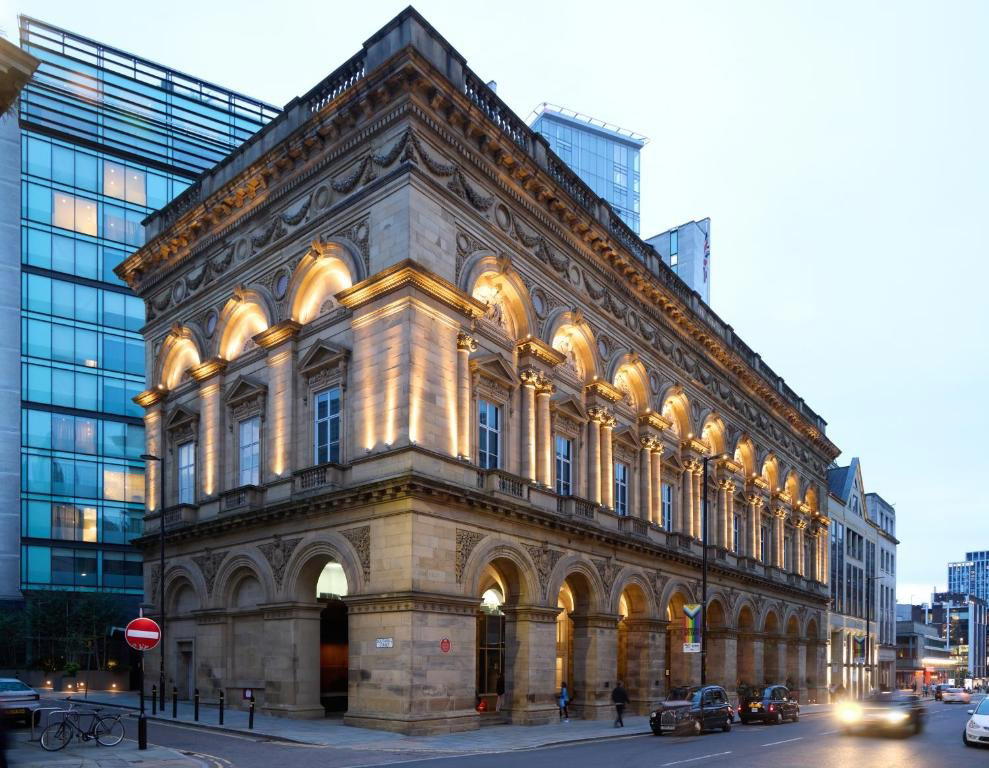
Manchester's Victorian commercial core has been reinterpreted many times over, but few conversions carry the weight of the former Stock Exchange on Norfolk Street. The trading floor, the coffered ceilings, the sense of scaled civic ambition — these are not decorative additions. They are the structure, and the hotel has been built around them rather than over them. Approaching the building, the architecture signals a different register from the glass-and-steel city-centre openings that have characterised much of Manchester's recent hospitality growth. Inside, the proportions remind guests that this room was designed to conduct serious business, which lends an oddly appropriate atmosphere to the act of checking in.
That recognition sits alongside its position in Marriott's Autograph Collection, a portfolio that groups independent-character properties under a shared loyalty and distribution infrastructure. The combination gives the hotel both local distinctiveness and international booking reach.
Where the Dining Programme Defines the Stay
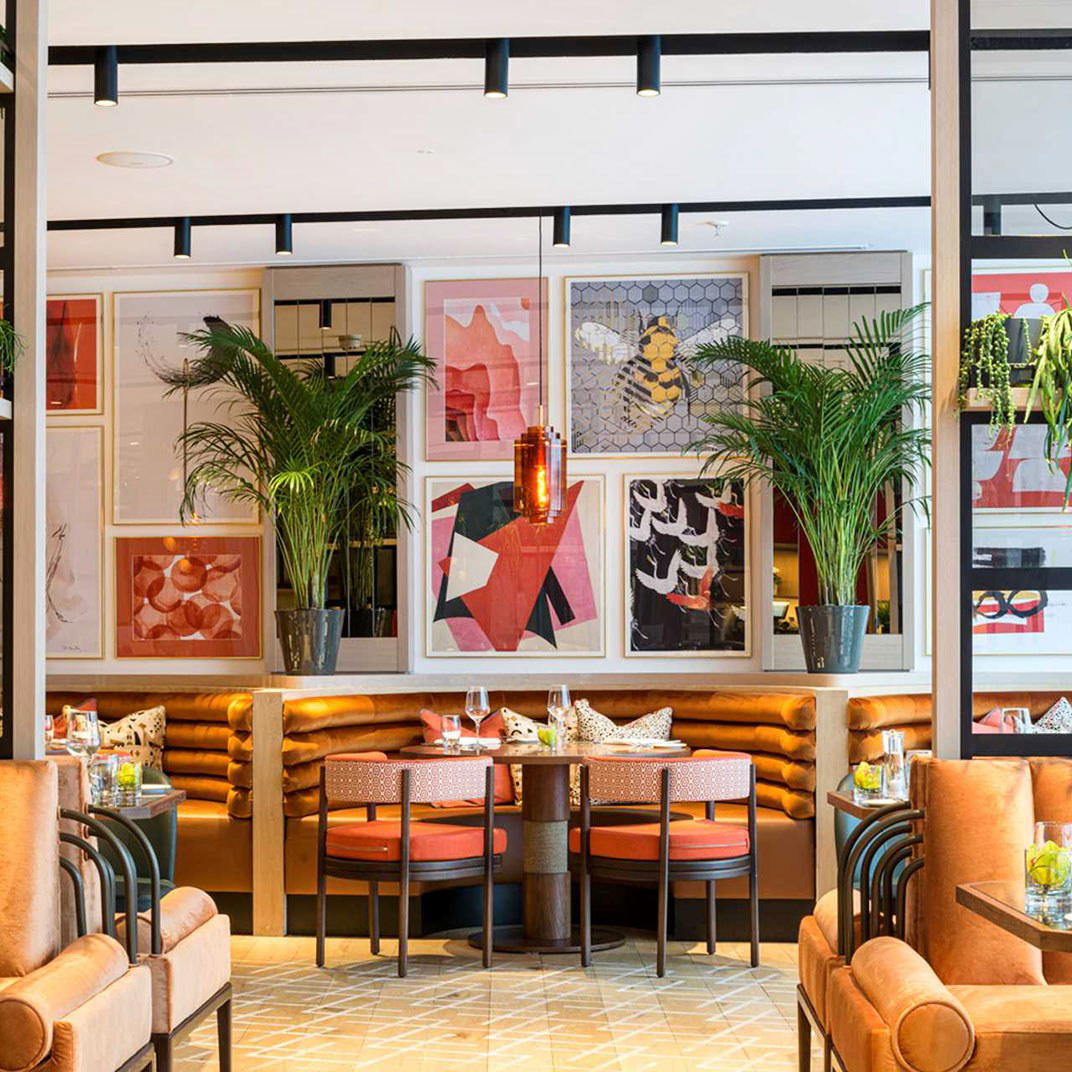
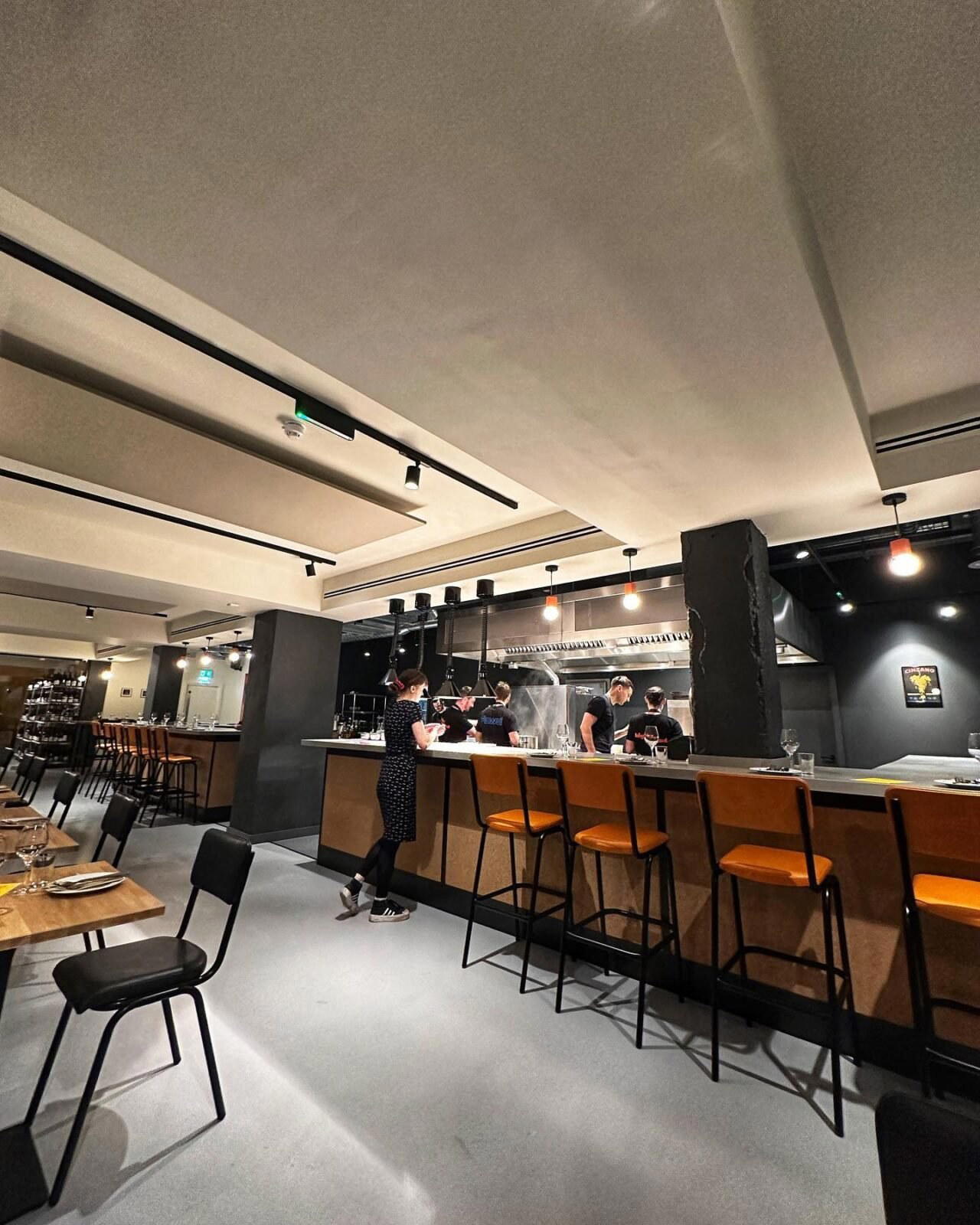
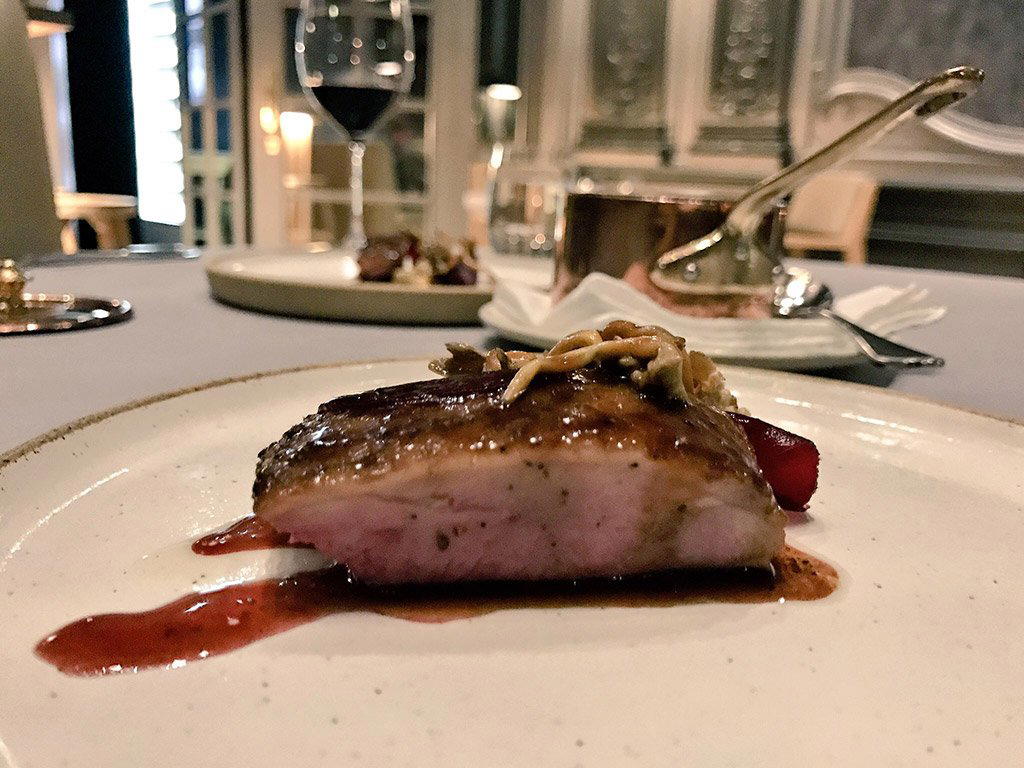
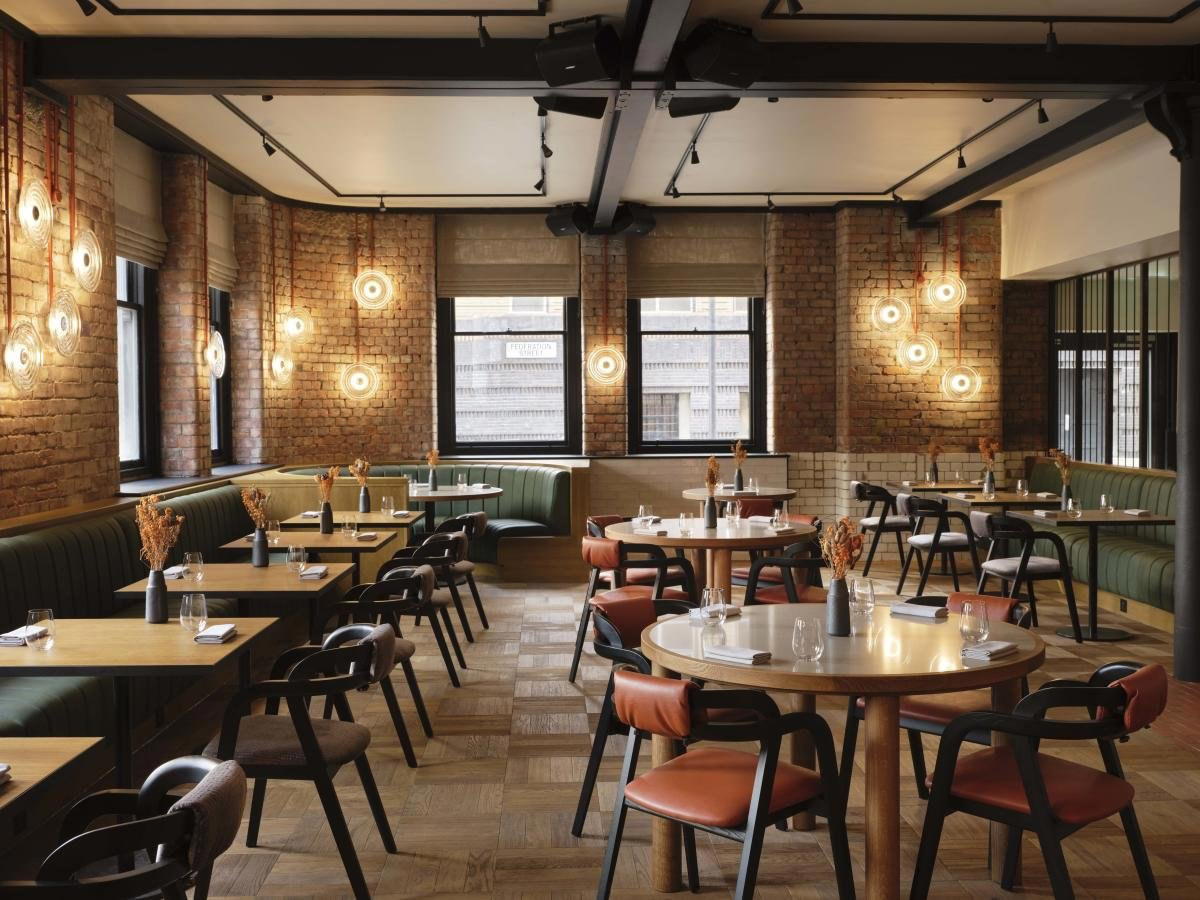
In Manchester's premium hotel sector, food and beverage programming has become a primary differentiator. The city's hotel restaurant scene has matured considerably over the past decade, moving away from safe in-house menus toward programmes with genuine culinary ambition. The Stock Exchange Hotel sits within that shift. Its dining spaces occupy the historic rooms of the building, which means the physical environment contributes substantially to how a meal reads — the architecture does some of the work that a chef would otherwise have to do through plating and theatre alone.
This matters in a competitive context. Hotels in Manchester's upper bracket, including the Kimpton Clocktower Hotel and Hotel Gotham Manchester, have each developed food and beverage identities that function as standalone destinations within the city. The Stock Exchange occupies a similar position: guests come for the restaurant as much as the rooms, and locals treat the venue as a dining address rather than simply a hotel. That dynamic, where the F&B programme builds an audience independent of the accommodation business, tends to sustain a property's reputation more durably than room design alone.
The building's heritage rooms also create a natural hierarchy of spaces across different meal occasions and times of day, a structural advantage that more recently built hotels cannot easily replicate. Bars occupying former trading floors, dining rooms set within the original exchange chambers: these spatial inheritances shape how a hospitality programme is experienced without requiring substantial intervention from the operator.
Manchester's Hotel Set: Where Stock Exchange Sits
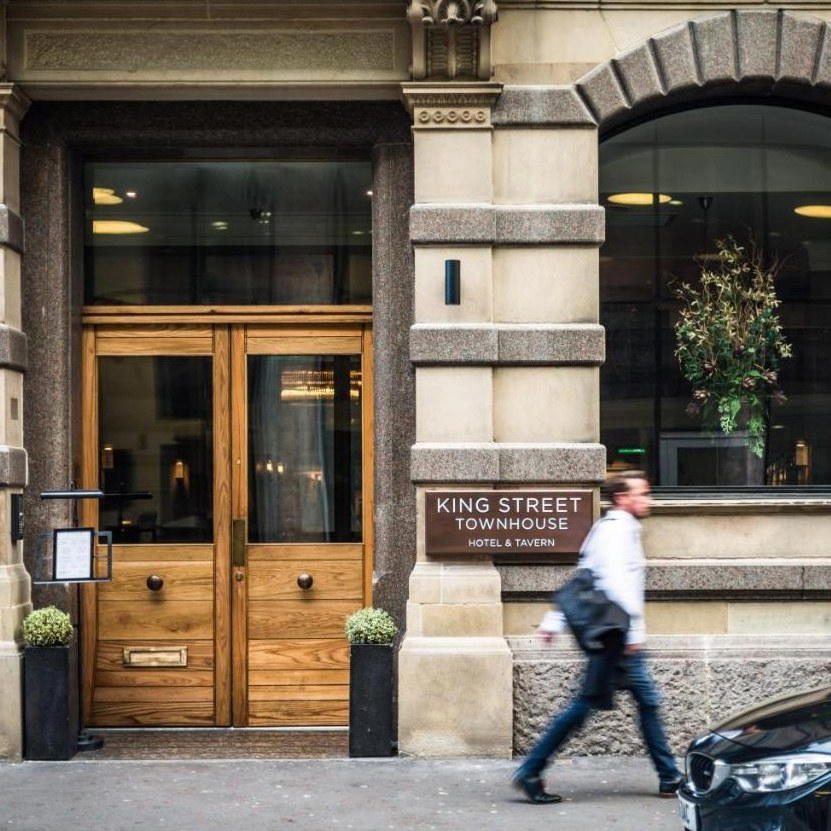
Manchester's premium hotel market has consolidated around a handful of distinct positions. On one side sit the larger international brands. On the other, a smaller cohort of character-led independents and boutique operators has developed, including King Street Townhouse, ABode Manchester, and Dakota Manchester. The Stock Exchange sits closest to this second group in terms of identity, even though its Autograph Collection affiliation connects it to Marriott's broader network.
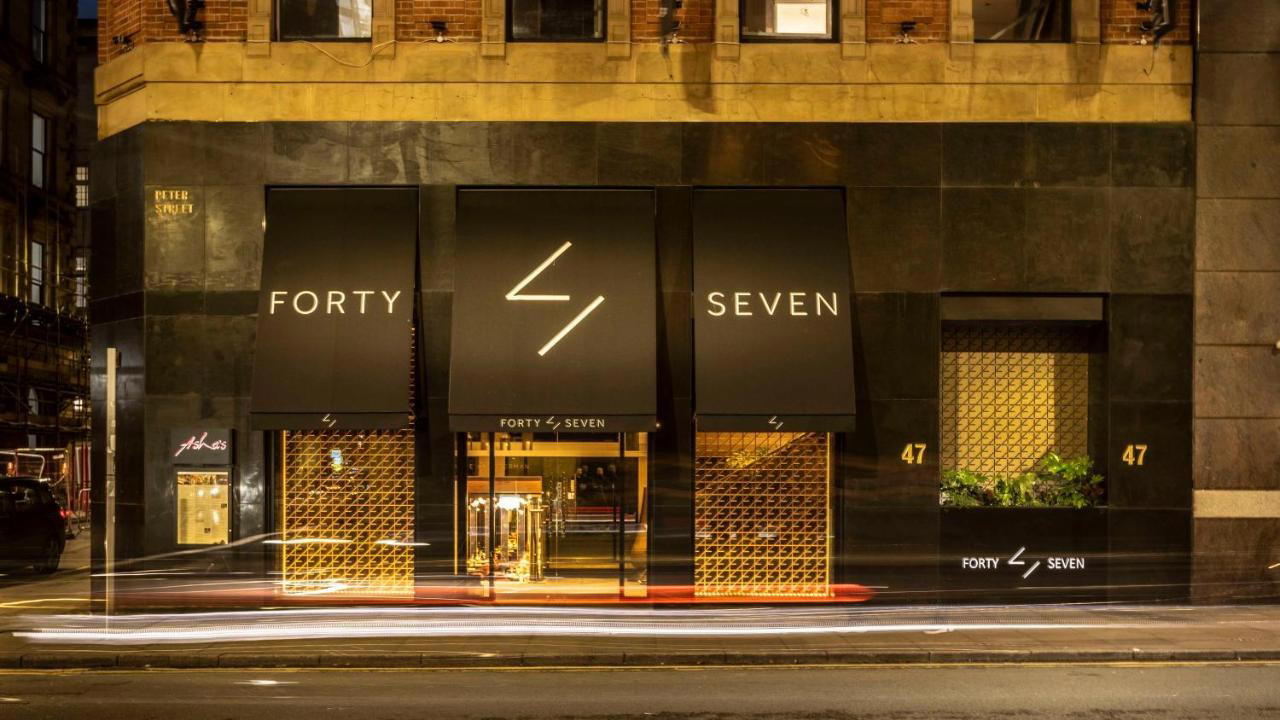
What separates this tier from the mid-market is not simply price. It is the degree to which the property has a legible point of view: a reason to choose it over a functionally comparable room elsewhere. Heritage buildings converted with architectural intelligence tend to generate that legibility more reliably than purpose-built hotel blocks, and Manchester has a strong tradition of such conversions. The Forty-Seven operates on a similar logic in its own neighbourhood. Further south, Didsbury House Hotel uses Victorian residential architecture to comparable effect.
Nationally, the pattern of historic-building hotel conversions producing Michelin Selected properties is consistent. Gleneagles in Auchterarder, The Savoy in London, and Estelle Manor in North Leigh each use their buildings as primary assets. The Stock Exchange belongs in that conversation, though at a city-centre urban scale rather than the country house register.
The Autograph Collection Context
Marriott's Autograph Collection functions as a distribution mechanism for independently conceived hotels. The brand's proposition is that each property within it maintains a distinct identity while benefiting from loyalty programme integration and global booking infrastructure. For guests who accumulate Marriott Bonvoy points, the Stock Exchange offers a way to use or earn those points in a hotel that doesn't look or feel like a chain. For the hotel itself, the affiliation provides access to a global customer base that would otherwise require significant independent marketing spend to reach.
This model has proliferated across UK cities. In Edinburgh, The Rutland operates in a similar space. Internationally, properties like The Fifth Avenue Hotel in New York City and Badrutt's Palace Hotel in St. Moritz represent the upper ceiling of what character-led hotels with brand infrastructure can achieve. The Stock Exchange positions itself within that continuum, using the Autograph Collection platform while maintaining the architectural and programmatic identity that earned its Michelin selection.
Planning a Visit
The hotel is located at 4 Norfolk Street, placing it within walking distance of Manchester's key cultural and business addresses. The city centre's main transport connections, including Manchester Piccadilly and Victoria stations, are both accessible on foot, which makes the hotel workable as a base for both business visits and leisure weekends. Given the Autograph Collection affiliation, bookings can be made through the Marriott platform with points applied or accumulated in the standard programme structure. Guests who prioritise the dining programme should consider reserving restaurant tables at the point of booking accommodation, as the F&B spaces draw a local audience alongside hotel guests, and availability on peak evenings tends to compress.
For those building a broader Manchester itinerary, the EP Club Manchester guide maps the city's dining and hotel options across neighbourhoods and price tiers. Elsewhere in the UK, comparable heritage-conversion hotels include Crossbasket Castle in High Blantyre and Lime Wood in Lyndhurst, each using their buildings as a primary asset in a similar way.
Price and Recognition
Comparable venues nearby, for context on price, style, and recognition.
| Venue | Price | Awards | Notes |
|---|---|---|---|
| Stock Exchange Hotel, Manchester, Autograph CollectionThis venue — the venue you are viewing | $200–300 | Michelin Selected | Not listed |
| The Edwardian Manchester, A Radisson Collection Hotel | Not listed | Michelin Selected · Virtuoso Luxury Hotel Partner | city centre, Historic landmark reimagined as a modern luxury lifestyle destination |
| Oddfellows On The Park | $1–100 | Michelin Selected | Cheadle, Victorian Gothic boutique mansion with contemporary quirkiness |
| Velvet Hotel | $100–200 | Michelin Selected | Piccadilly, Victorian warehouse with contemporary luxury |
| Whitworth Locke, Civic Quarter | Not listed | Not listed | Piccadilly, Converted cotton mills into design-led aparthotel with co-working and social spaces |
| Didsbury House Hotel | $200–300 | Not listed | Didsbury East, Luxury Victorian townhouse with eclectic global design influences |
Recognition history
Dated appearances from independent guides and award organizations, with the underlying list record or original source where available.
Michelin Selected
Michelin
Details
- Elegant
- Sophisticated
- Historic
- Modern
- Well Known
- Business Trip
- Romantic Getaway
- Weekend Escape
- Historic Building
- Design Destination
- Wi Fi
- Room Service
- Concierge
- Restaurant
- Spa
- Business Center
- Valet Parking
- Wheelchair Accessible
- Elevator
- Step Free Entrance
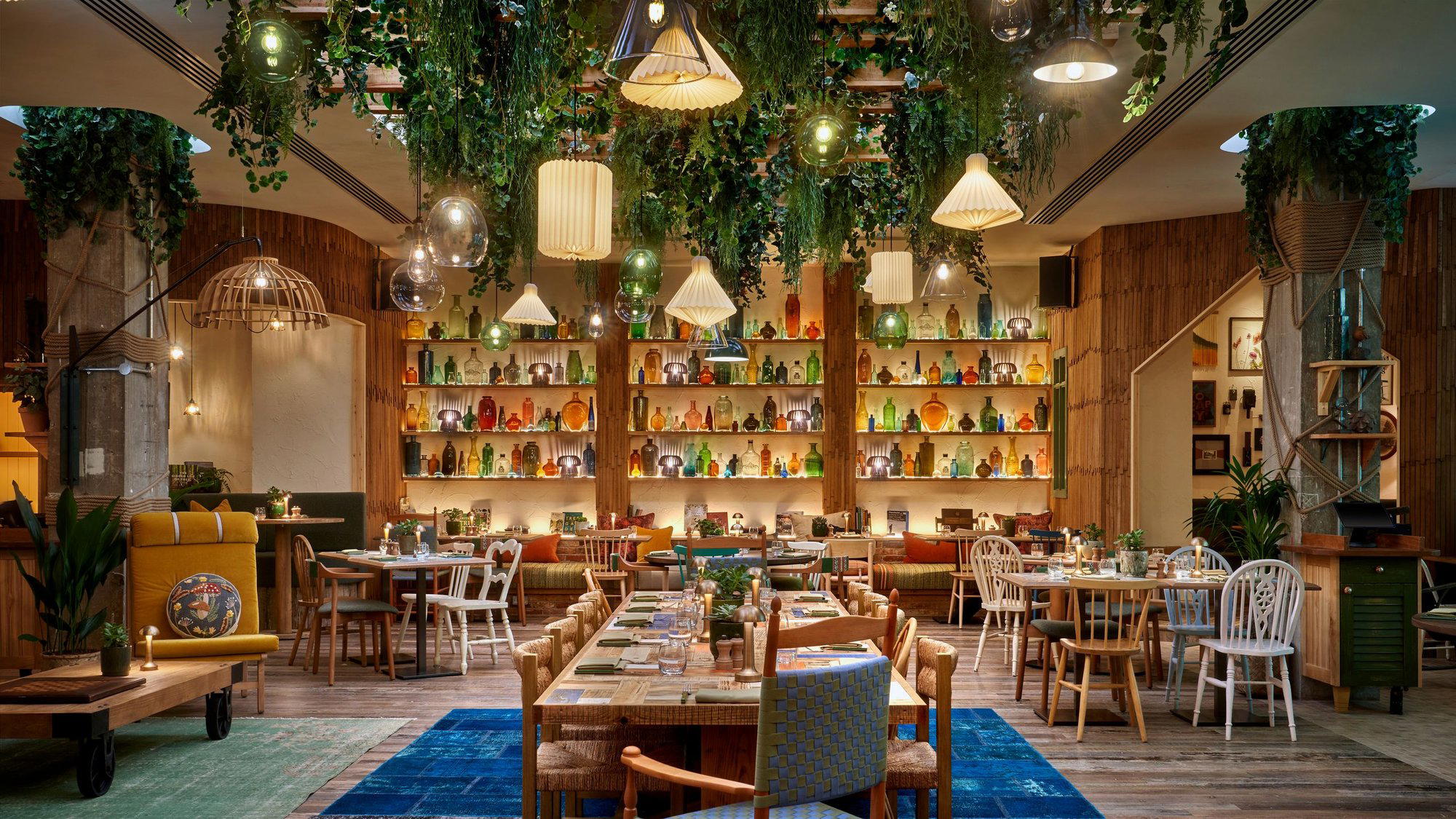
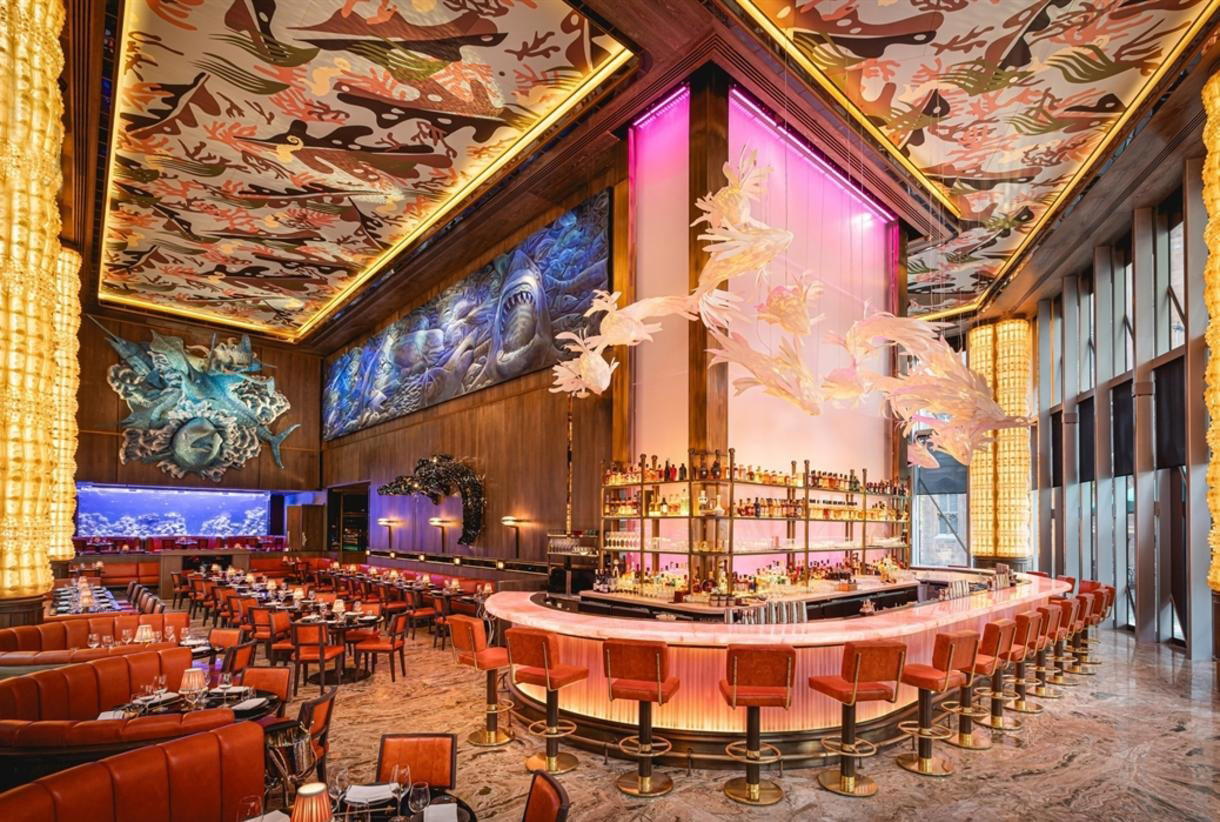
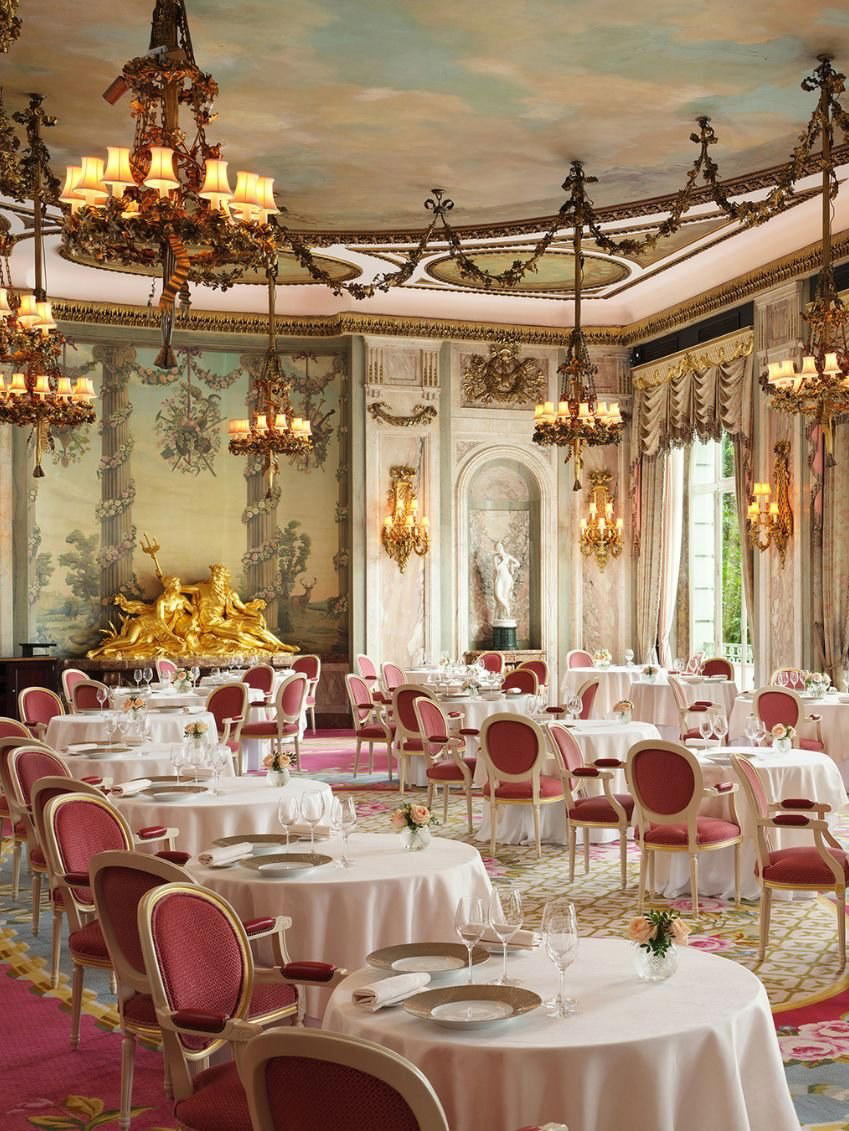
Elegant atmosphere blending historic grandeur with original marble, brass, woodwork, and modern luxury featuring sleek black marble and gold accents under dramatic domed ceilings.