Forty-Seven

Michelin Selected
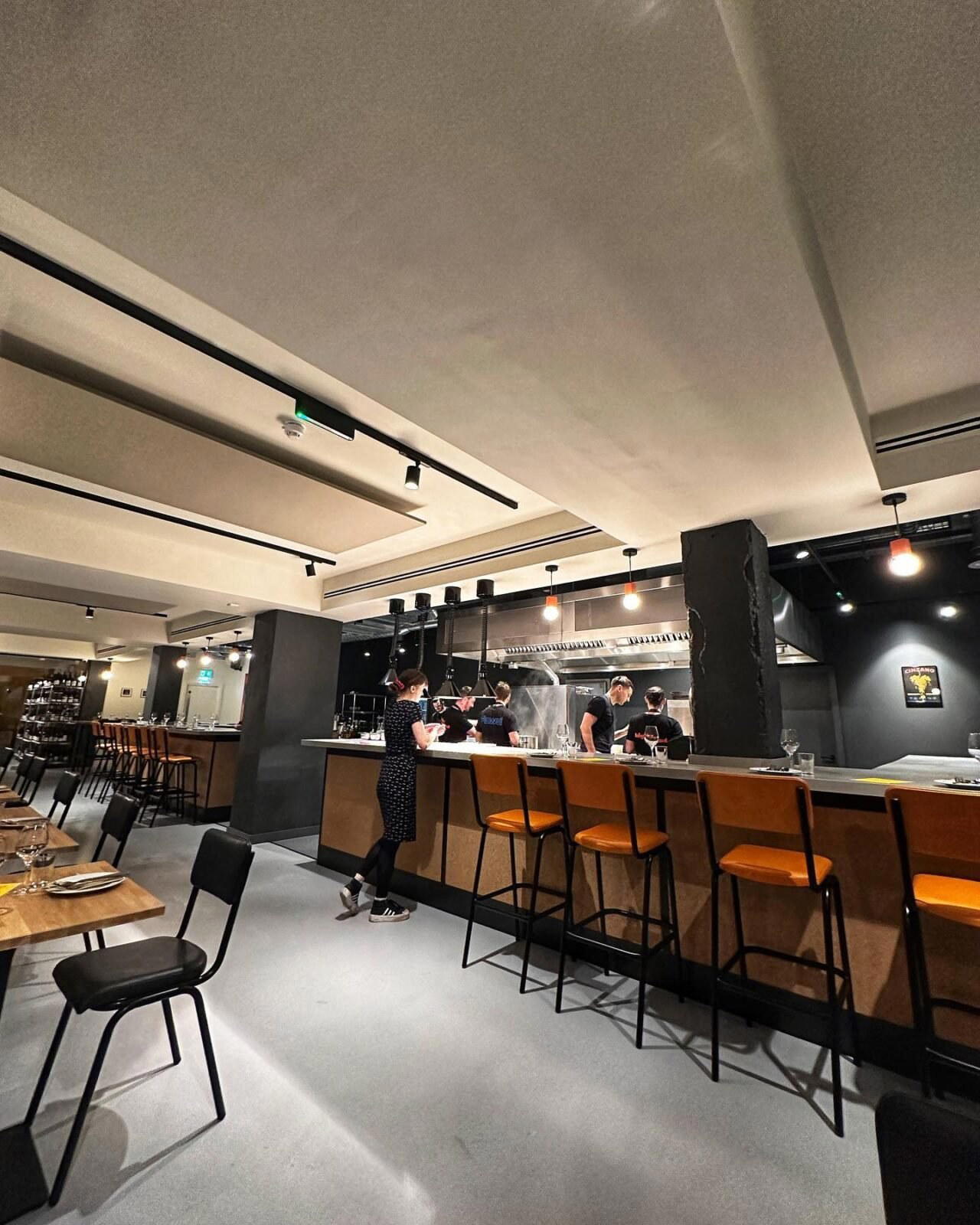
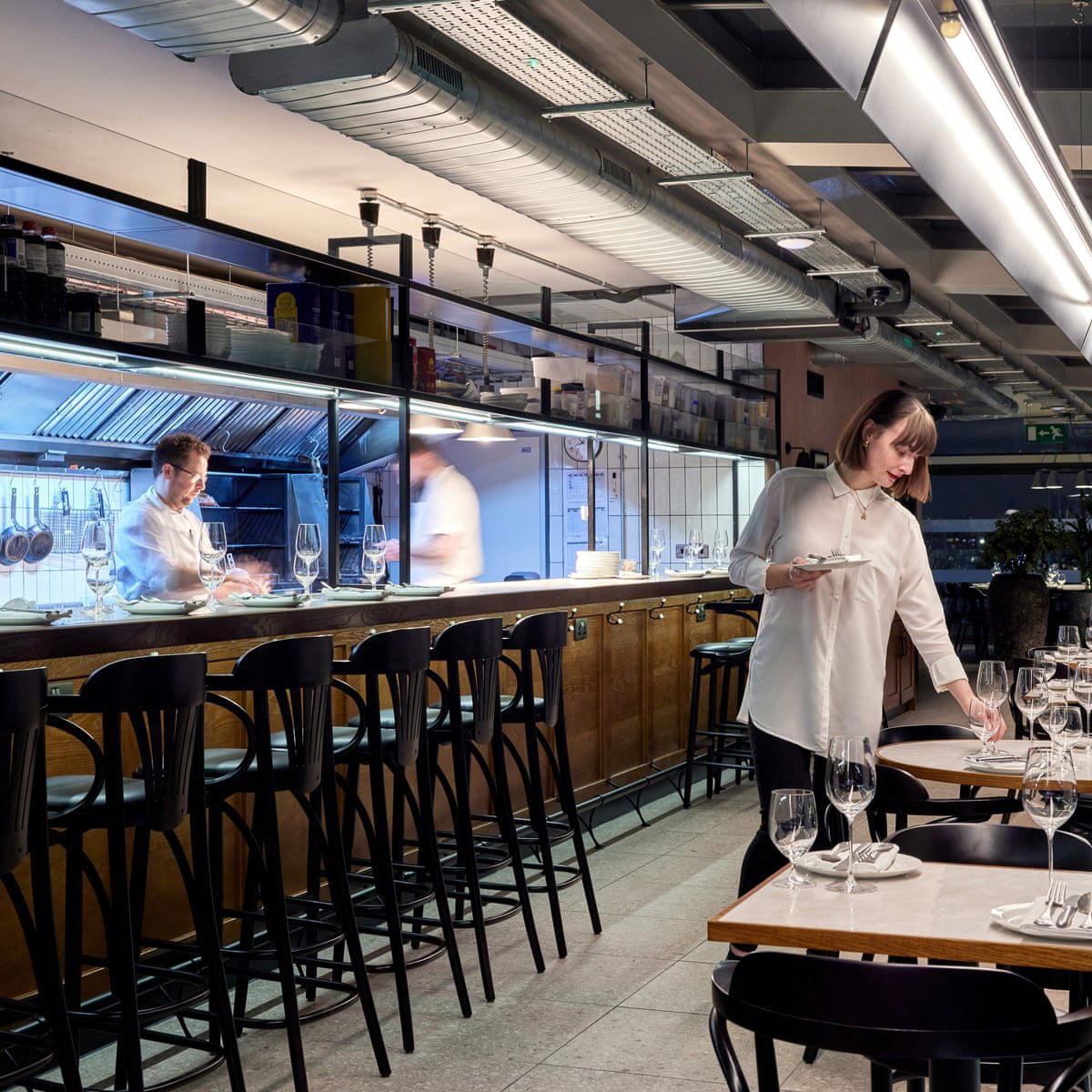
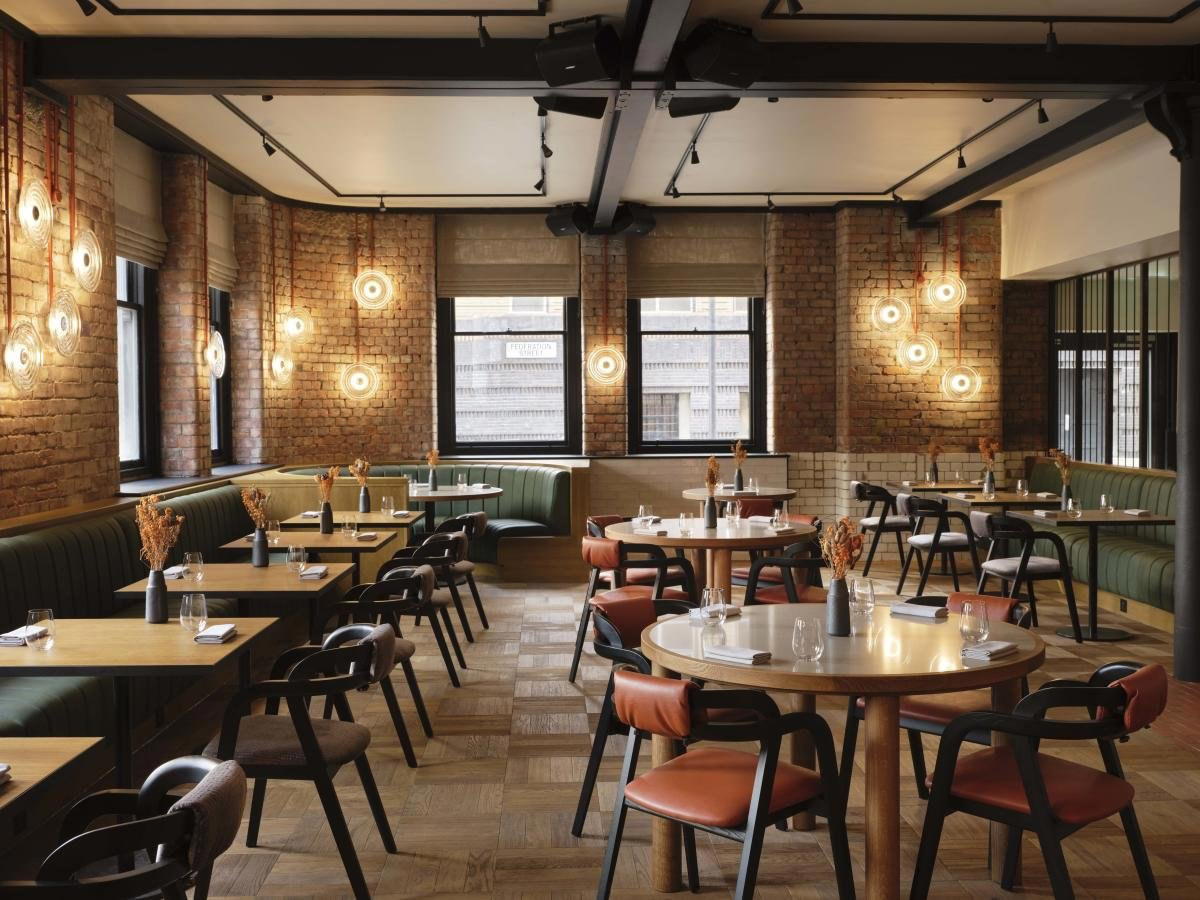
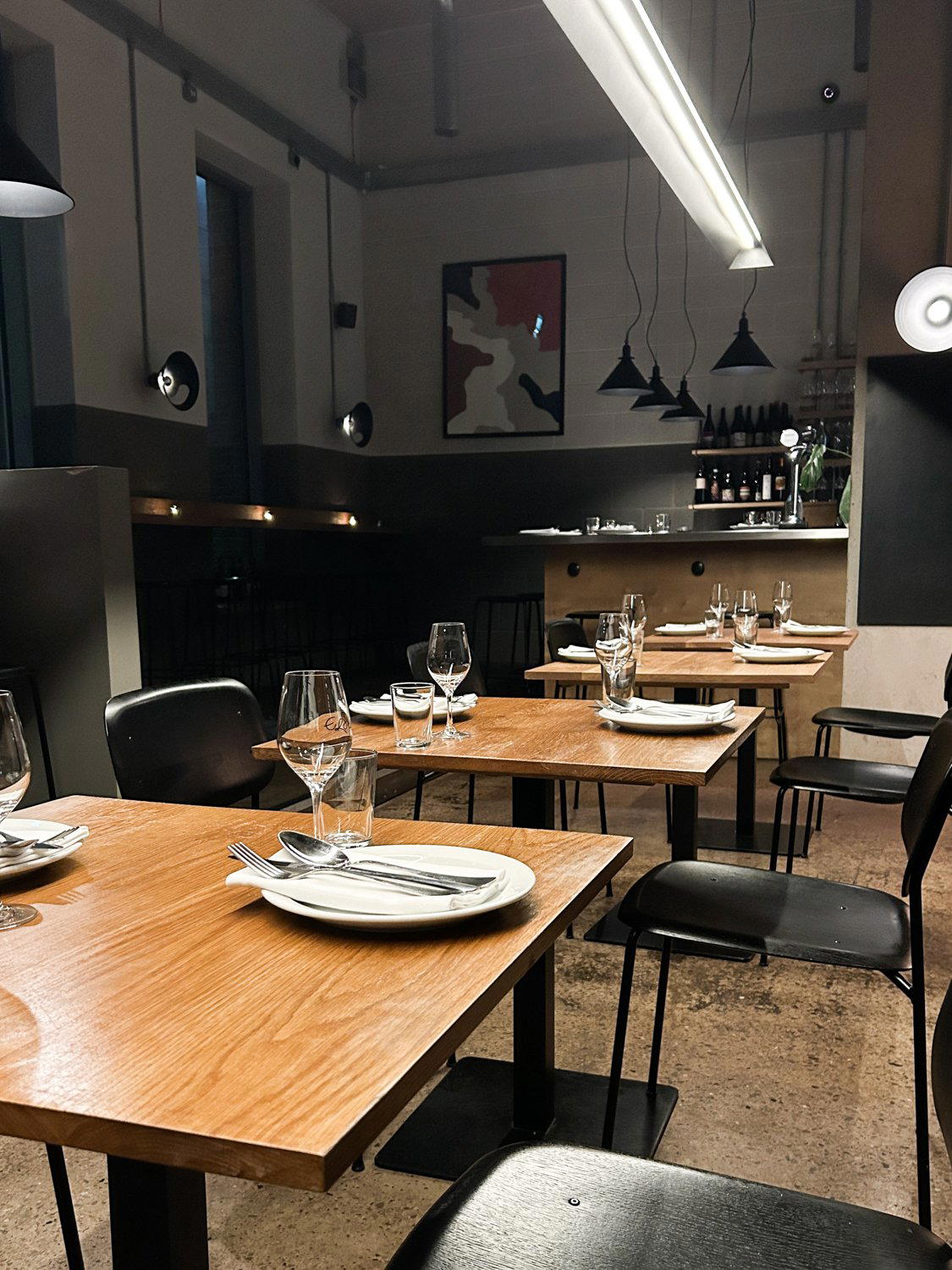
Forty-Seven occupies a converted address on Peter Street, one of Manchester's most architecturally layered streets, and carries a 2025 Michelin Selected designation that positions it among the city's more considered hotel options. The property trades on atmosphere and location rather than scale, making it a useful reference point for travellers weighing character-led stays against the larger branded options nearby.

Pearl is the En Primeur Club membership app — saves, bookings, and concierge access live there. Same editors, same standards.
- Address
- 47 Peter St, Manchester M2 3NG, United Kingdom
- Phone
- +44 161 553 0047
- Website
- fortysevenmanchester.co.uk
- Directions
- Get directions
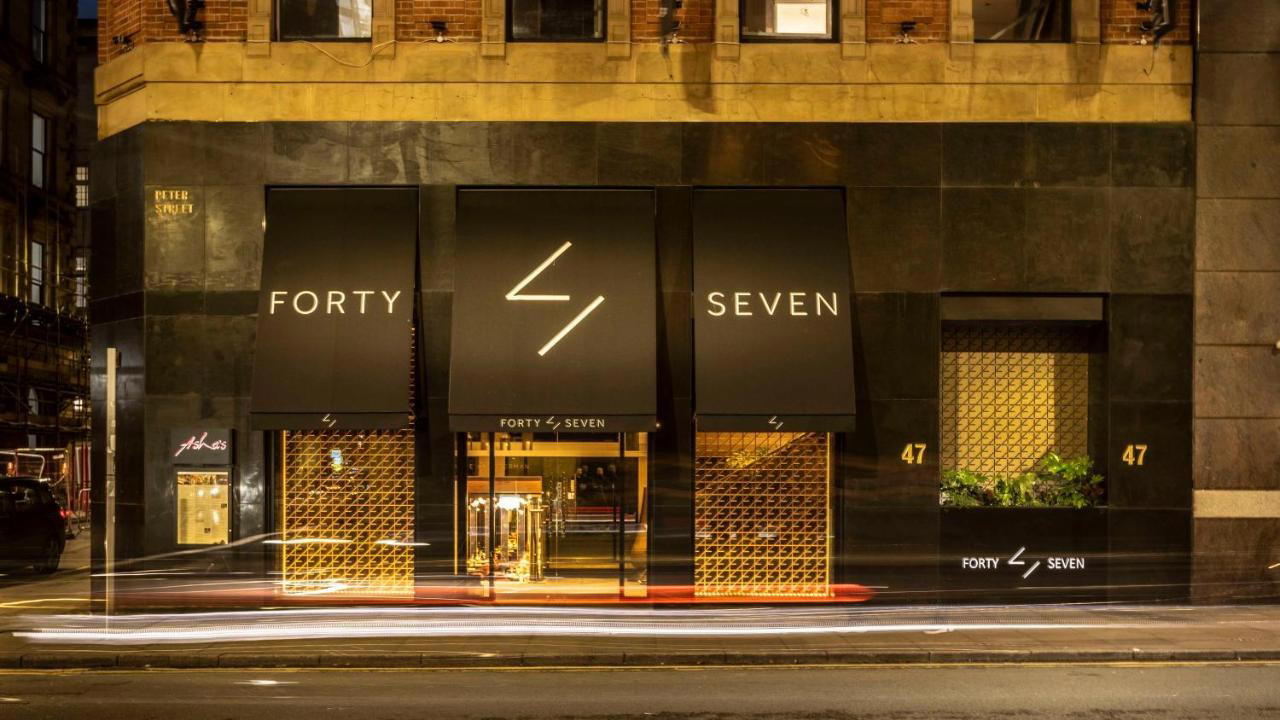
Peter Street and the Case for Staying in Manchester's Creative Quarter
Peter Street runs through the part of Manchester that absorbed the city's Victorian civic ambition and its subsequent reinventions in roughly equal measure. The Free Trade Hall stood here. So did a series of warehouses, theatres, and clubs that shaped the city's cultural identity through the twentieth century. That accumulated texture is precisely why a property at 47 Peter Street reads differently from hotels that occupy purpose-built towers on the edge of Spinningfields or the Piccadilly fringe. Address, in this part of the city, carries meaning beyond postcode convenience.
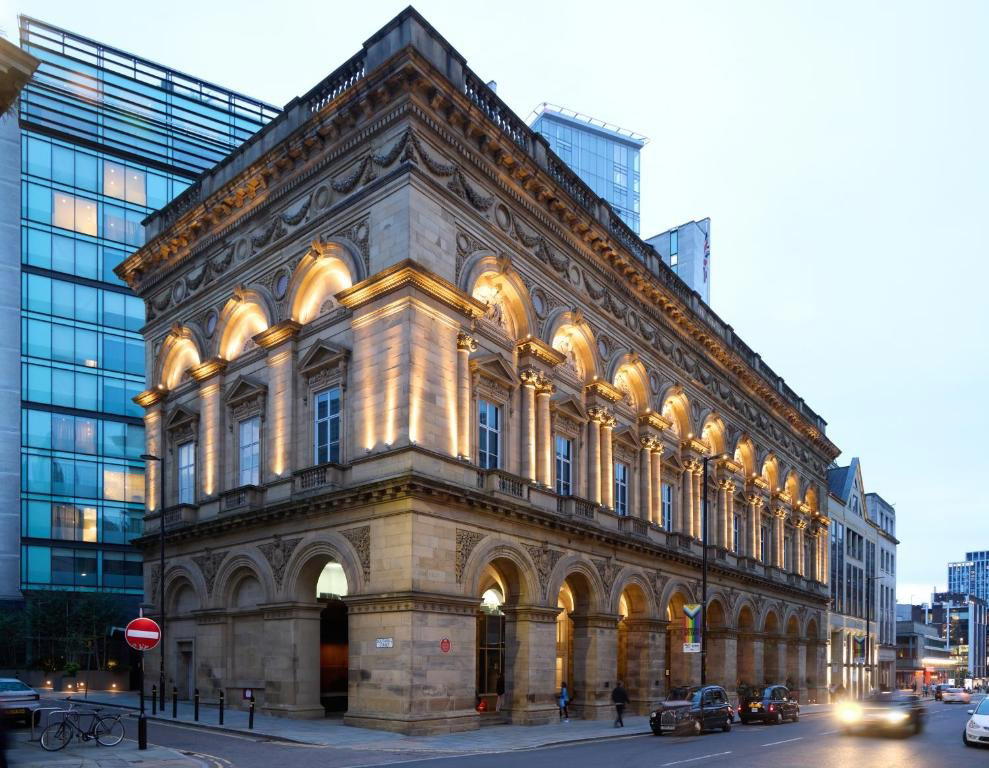
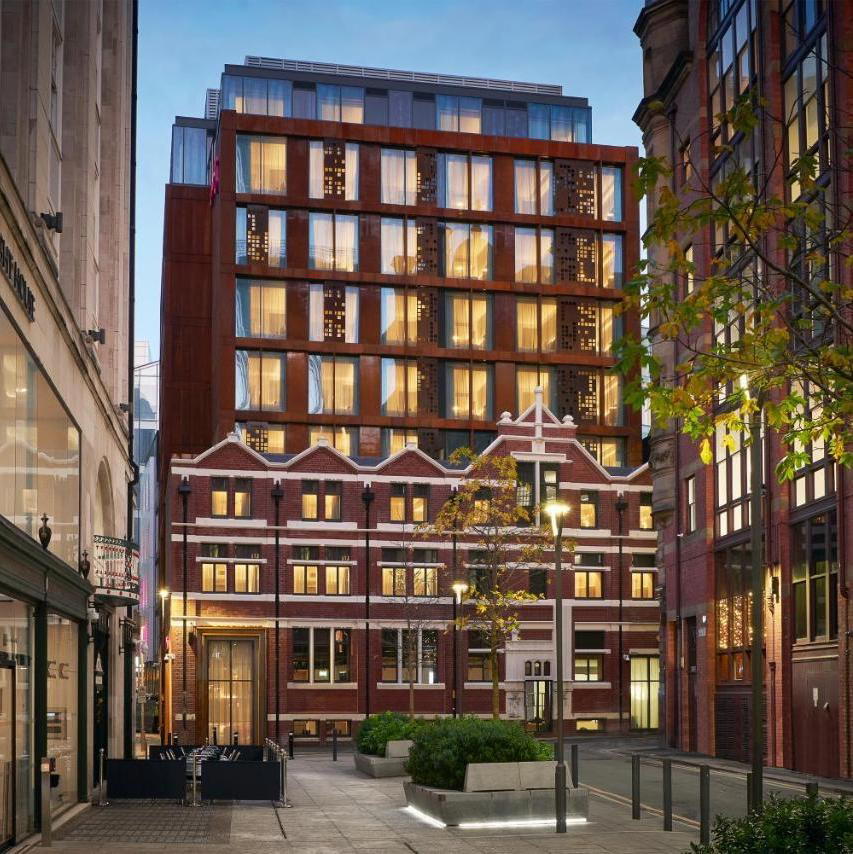
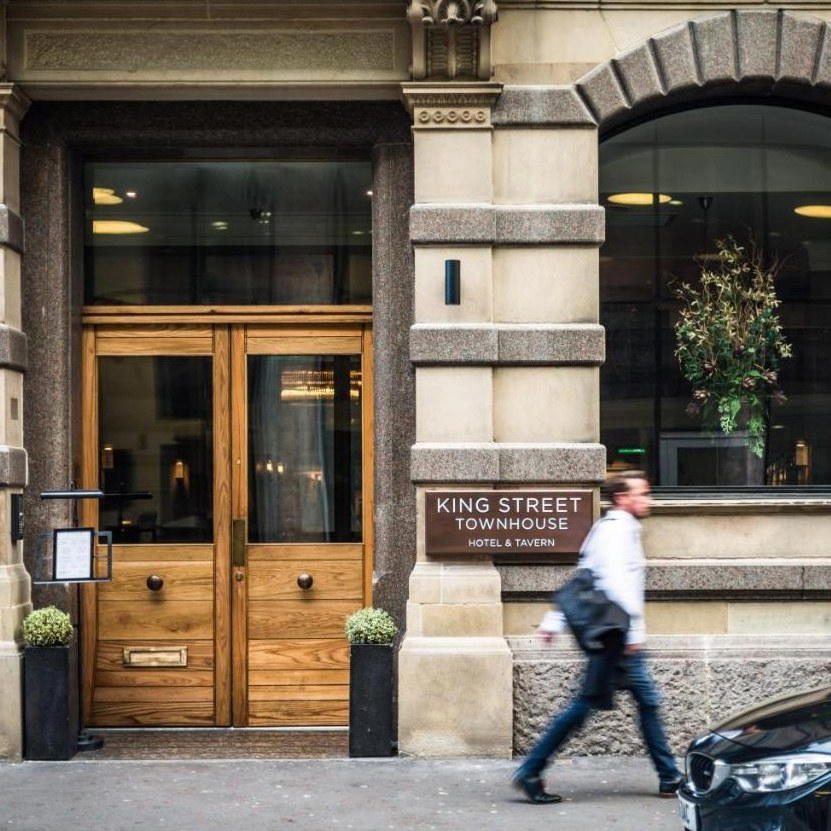
Forty-Seven sits within that context. For Manchester, where the hotel market has grown substantially in the past decade, that kind of third-party recognition functions as a useful sorting mechanism. Properties like Hotel Gotham Manchester, Kimpton Clocktower Hotel, and King Street Townhouse occupy the upper tier of city-centre options, each with distinct positioning. Forty-Seven competes in that same general bracket on the basis of setting and sensibility rather than facility count.
The Retreat Impulse in an Urban Setting
There is a shift happening in how city hotels position their wellness offer. For years, the model was additive: pool, gym, sauna, treatment menu, all stacked together as a list of amenities. The more considered approach, which has gained traction particularly in properties occupying historic buildings, is to treat the physical environment itself as the primary restorative element. Light, proportion, quiet, and the friction-reducing effect of a well-chosen location all contribute more to a guest's sense of recovery than a treadmill in a basement. Properties like Lime Wood in Lyndhurst and Estelle Manor in North Leigh have demonstrated how strongly guests respond to that philosophy in rural settings. Forty-Seven makes an analogous argument in an urban one.
A Peter Street address delivers the kind of location logic that makes urban retreat plausible: close enough to the city's principal dining and cultural offer to walk, but in a street that carries its own architectural seriousness rather than the ambient noise of a purely commercial strip. That positioning matters for travellers who want the city accessible but not constantly pressing in. It is a different calculation from booking a room above a high-traffic bar district, and it aligns with how wellness-minded urban stays are increasingly marketed across Europe's second-tier cities, from Bristol to Bordeaux.
Where Forty-Seven Sits in Manchester's Hotel Tier
Manchester's premium hotel market has widened considerably. Dakota Manchester brought a moody, precision-led aesthetic to a city that had previously defaulted to either grand Victorian restoration or generic business hotel format. ABode Manchester demonstrated that mid-scale properties in heritage buildings could sustain critical interest. Leven Manchester pushed into the design-led apartment-hotel format. Didsbury House Hotel showed that the city's residential suburbs could carry boutique accommodation with genuine neighbourhood character.
Against that backdrop, a Michelin Selected designation for Forty-Seven signals that it meets a quality threshold the guide treats as meaningful, even where the property's scale and format keep it out of the conversation that surrounds the largest or most decorated hotels. For travellers who treat Michelin's hotel programme as a reliable filter, the 2025 listing is a concrete endorsement rather than a marketing claim. Comparable Michelin Selected properties elsewhere in the UK, including The Rutland in Edinburgh and Hotel du Vin at One Devonshire Gardens in Glasgow, tend to share a similar profile: strong location, interior character, and an absence of the corporate uniformity that Michelin's selection criteria implicitly penalise.
Planning a Stay: What to Know Before Booking
That absence of a listed price range is worth noting: properties in the Michelin Selected tier in UK regional cities typically span from roughly £150 to £350 per night depending on room type, date, and occupancy, though those figures are not Forty-Seven's confirmed rates and should be verified before booking.
Peter Street is walkable from Manchester Piccadilly in around fifteen minutes and from Manchester Victoria in around twelve, making the location as direct for train arrivals as it is for those driving into the city centre. For travellers coming in from Manchester Airport, the Metrolink tram connects directly to the city centre, with the journey running approximately twenty-five minutes to St Peter's Square, which is a short walk from the property. Advance booking, as with most Michelin-recognised properties in UK regional cities, is advisable for peak weekends, particularly around the football calendar and the city's growing conference season.
Travellers comparing Forty-Seven against the wider UK hotel programme should note the contrast with larger-scale Michelin-associated properties like Gleneagles in Auchterarder or The Newt in Somerset, which operate extensive wellness and estate facilities. Forty-Seven's offer is urban and more compact, suited to a different kind of stay: the city break where the hotel functions as a calibrated base rather than a destination in itself. For reference points in that category internationally, The Fifth Avenue Hotel in New York City and Hôtel de Paris Monte-Carlo in Monte Carlo demonstrate how address-led urban properties can sustain a reputation disproportionate to their room count.
For a broader view of where Forty-Seven fits within Manchester's dining and hospitality scene, the EP Club Manchester guide maps the city's key venues across categories and neighbourhoods.
Where the Accolades Land
Comparable venues nearby, for context on price, style, and recognition.
| Venue | Cuisine | Price | Awards | Notes |
|---|---|---|---|---|
| Forty-SevenThis venue — the venue you are viewing | Refurbished Grade-II listed warehouse offering intelligent luxury with bold statements and polished style. | Not listed | Michelin Selected | Not listed |
| King Street Townhouse Hotel | Hotel | $200–300 | Michelin Selected · Mr & Mrs Smith Seal of Approval | Deansgate |
| Kimpton Clocktower Hotel | Victorian landmark luxury hotel blending heritage with contemporary style | $100–200 | Michelin Selected | Deansgate |
| Nobu Hotel Manchester | Luxury mixed-use skyscraper hotel integrated into Manchester’s tallest tower, combining hospitality, residences, and destination dining under the Nobu lifestyle brand. | Not listed | Not listed | Deansgate |
| Dakota Manchester | Relaxed luxury with refined style and charming service | Not listed | Michelin Selected | Piccadilly |
| Velvet Hotel | Victorian warehouse with contemporary luxury | $100–200 | Michelin Selected | Piccadilly |
Recognition history
Dated appearances from independent guides and award organizations, with the underlying list record or original source where available.
Michelin Selected
Michelin
Details
- Modern
- Elegant
- Sophisticated
- Trendy
- Romantic Getaway
- Business Trip
- Weekend Escape
- Historic Building
- Design Destination
- Wi Fi
- Air Conditioning
- Room Service
- Concierge
- Elevator
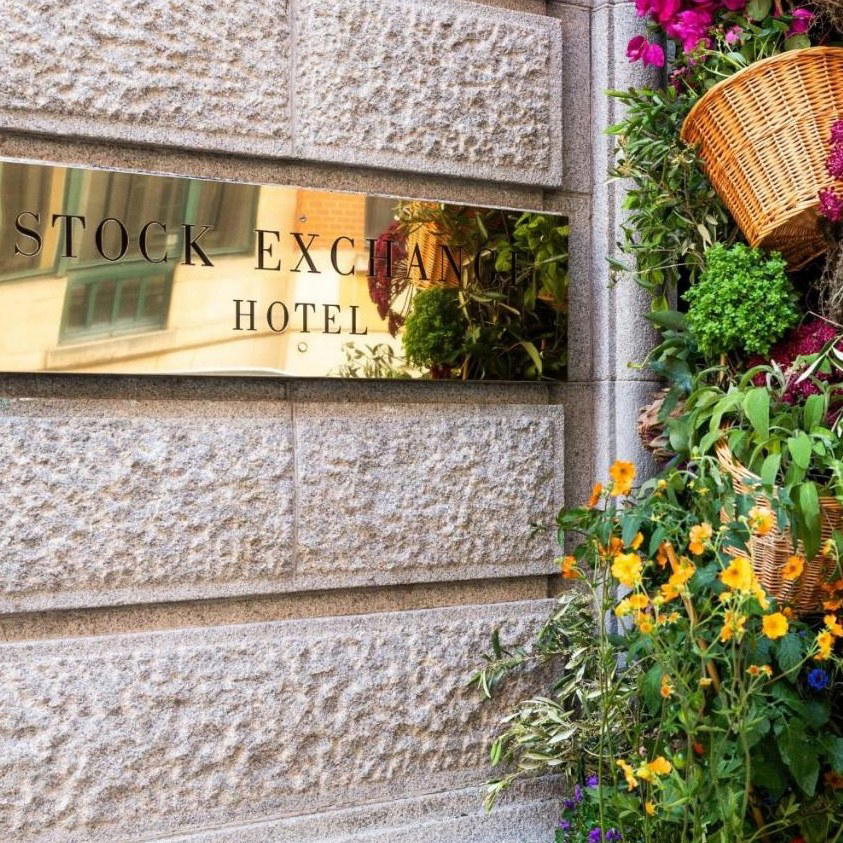
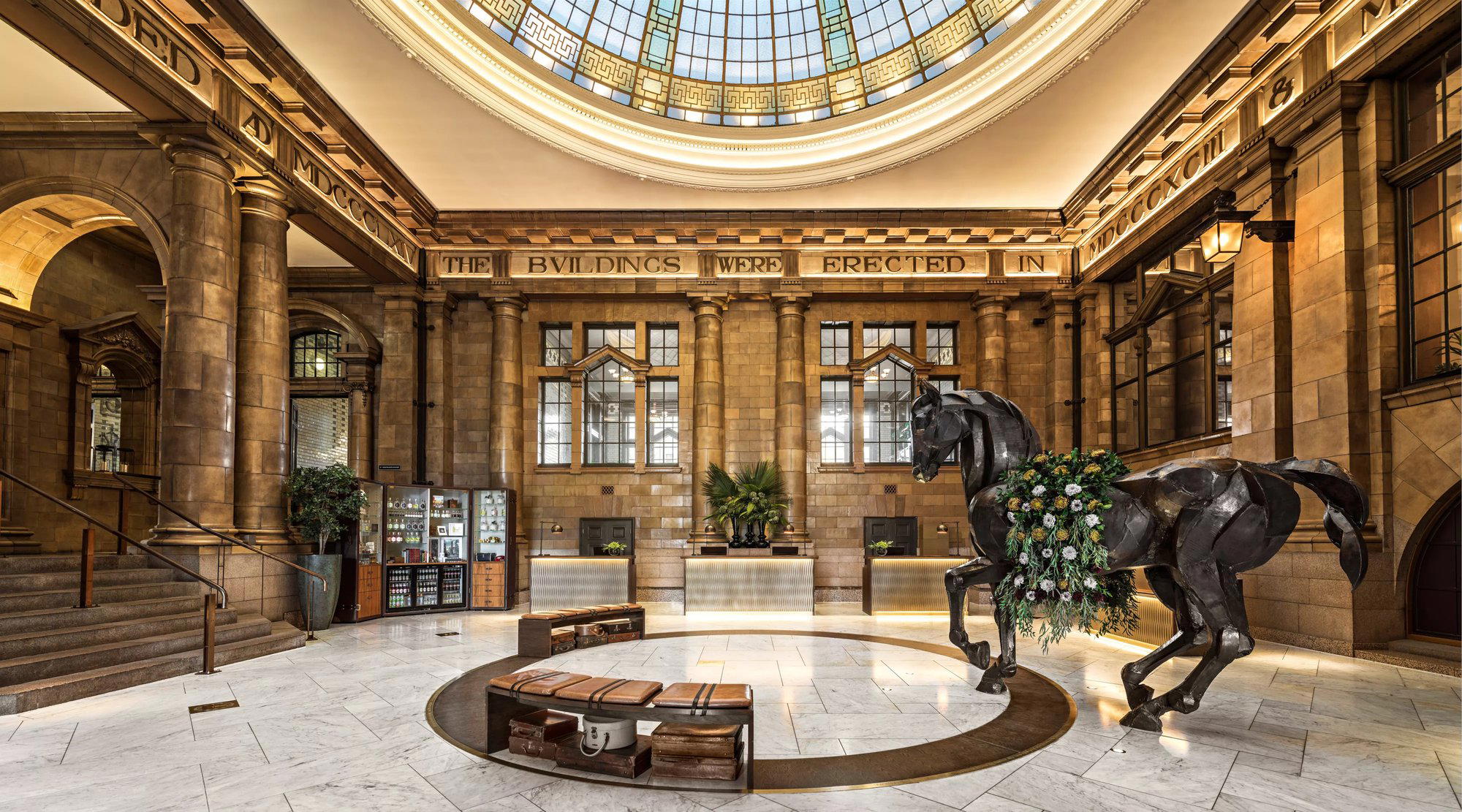
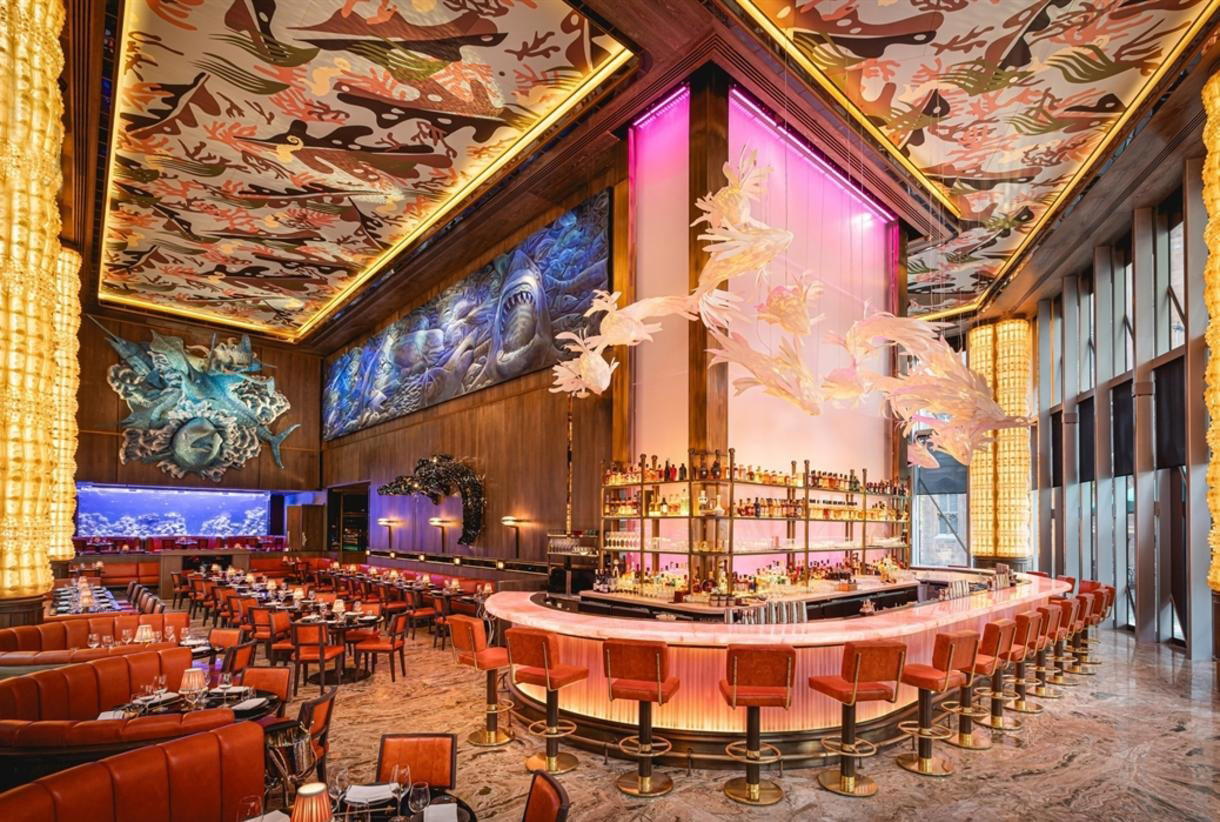
Bold interior design juxtaposed with heritage architecture, featuring luxury fittings, sensual textures, Lutron lighting, blackout blinds, and soundproof rooms for an intimate, stylish atmosphere.