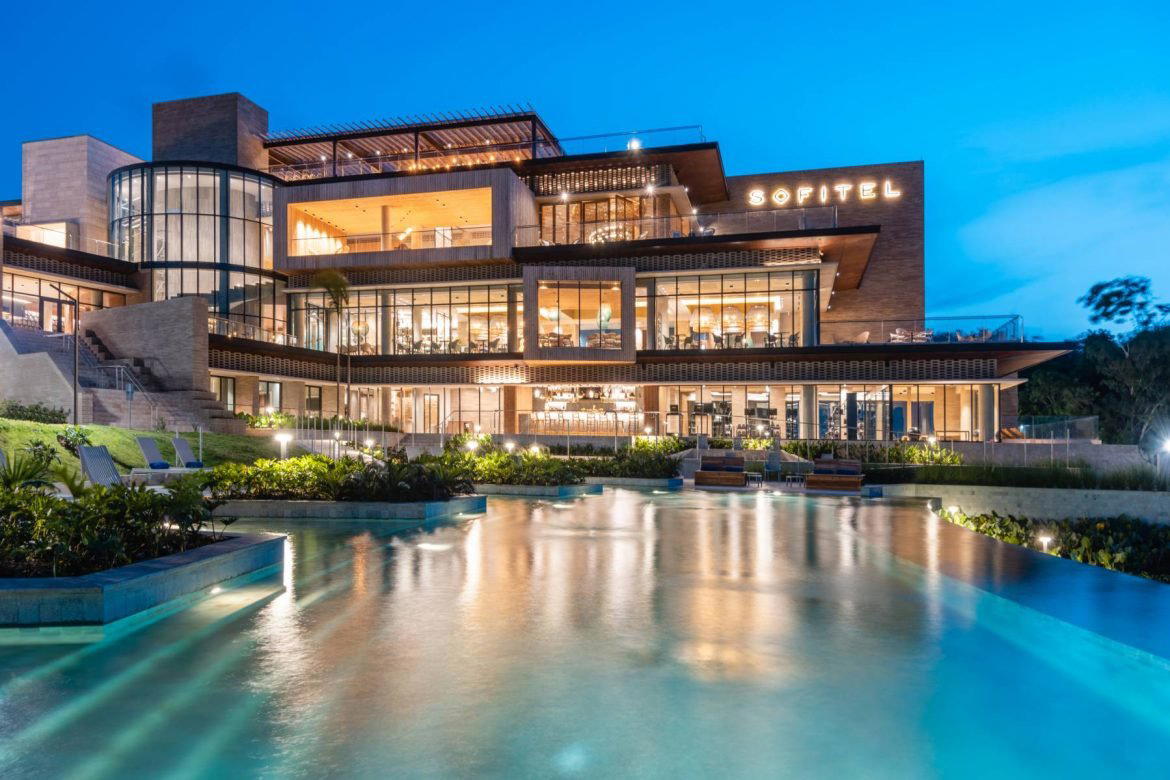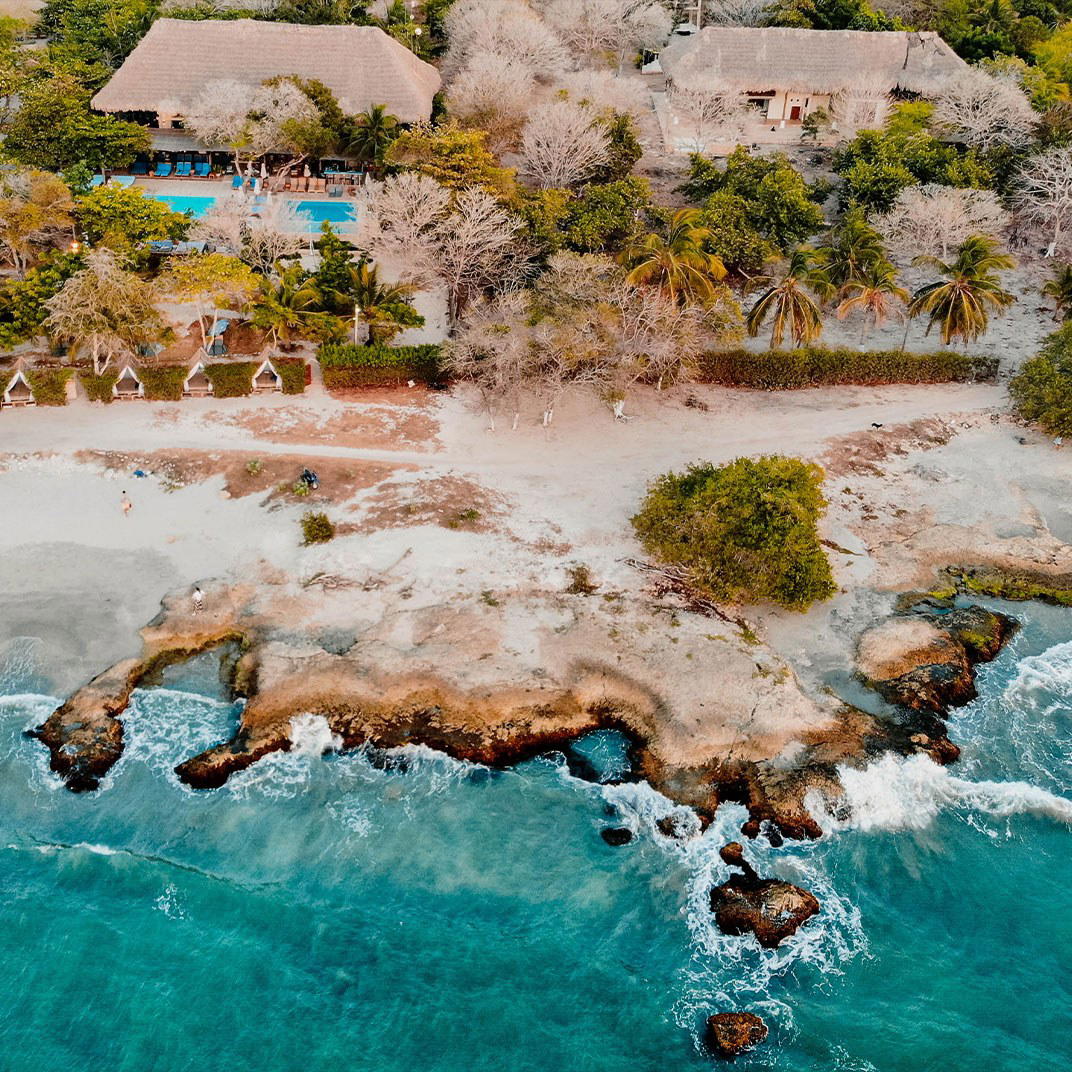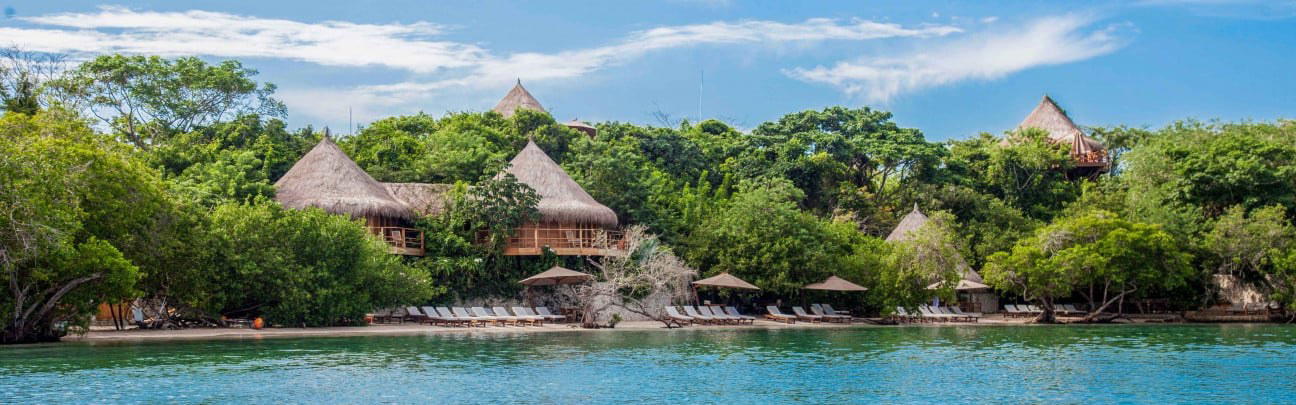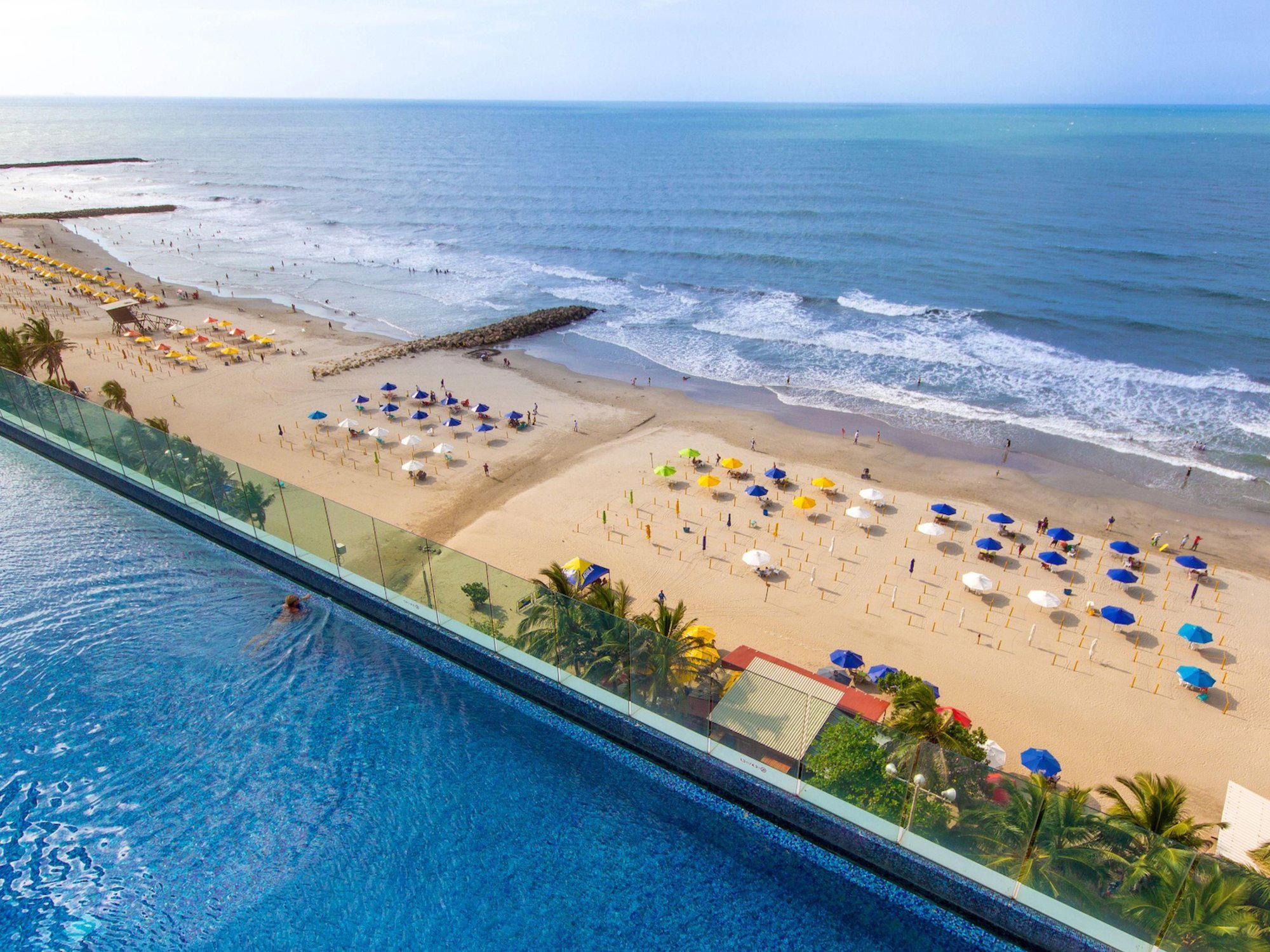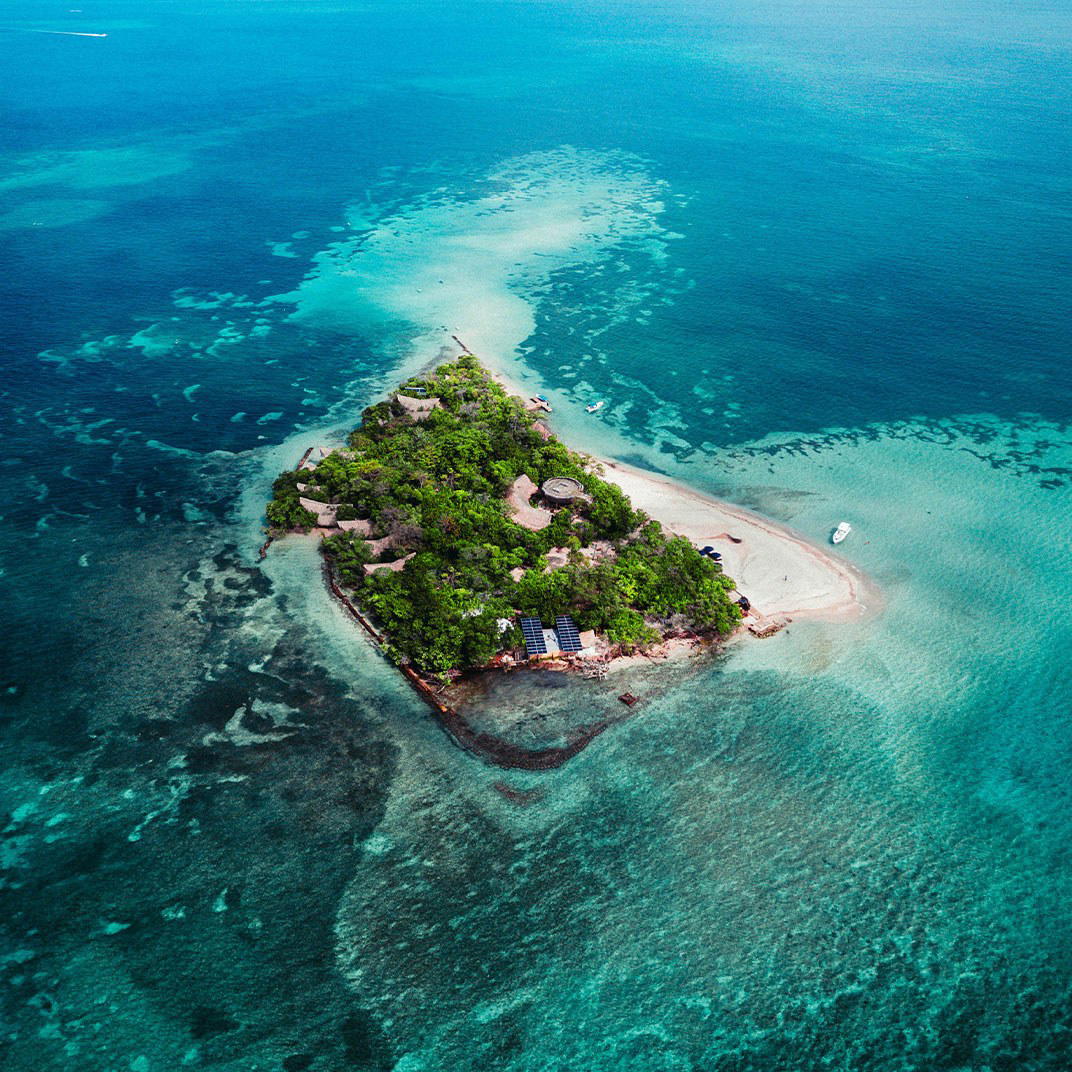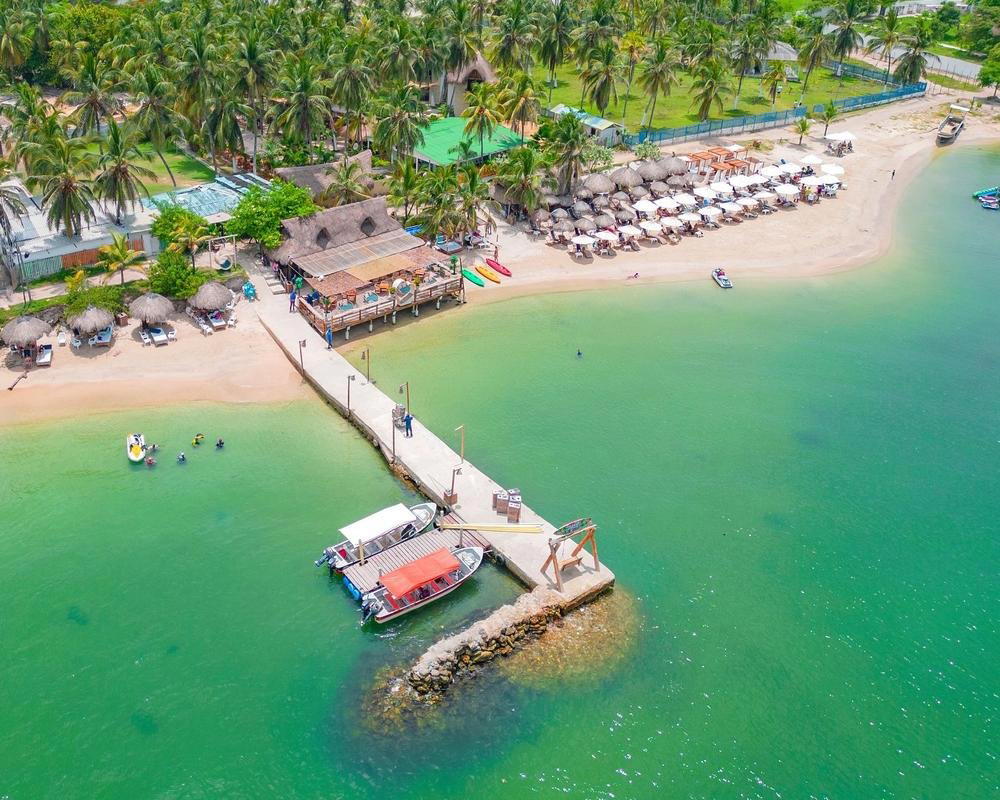
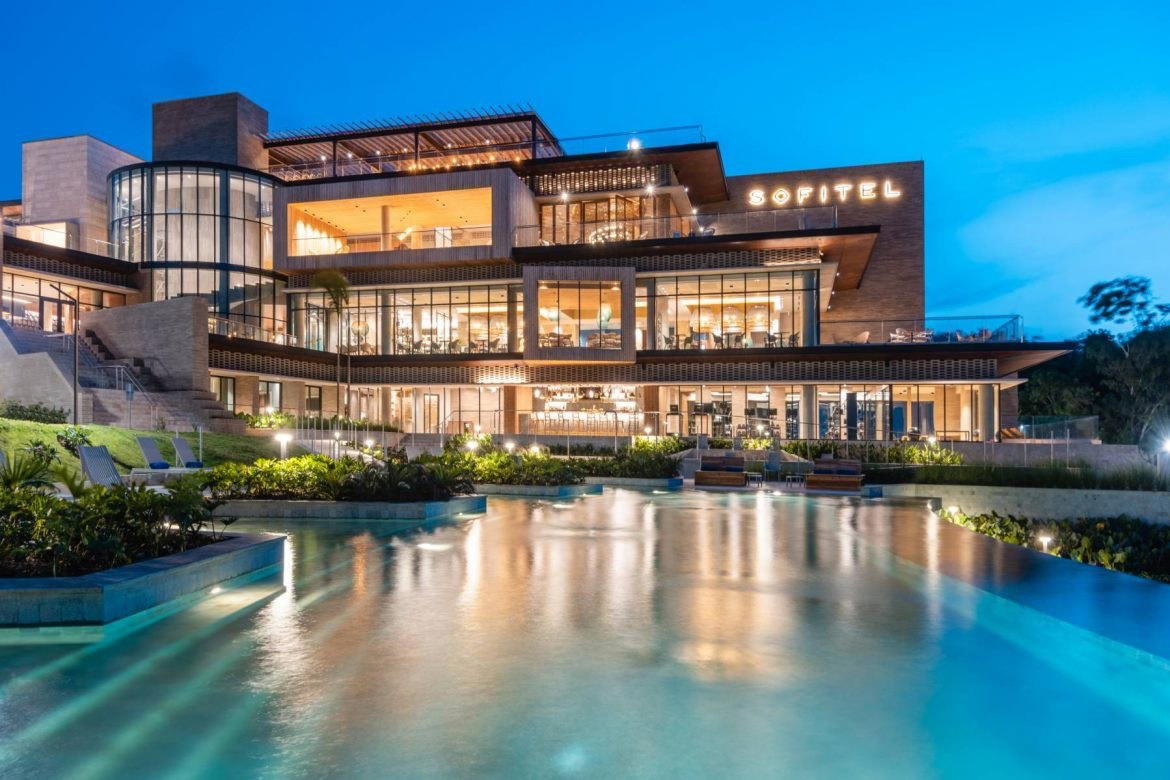
The only hotel on Isla de Barú, Sofitel Barú Calablanca Beach Resort sits 40 minutes by catamaran from Cartagena, LEED-certified, French-managed, and entirely oriented toward the Caribbean. All rooms face the sea, with 23 top-floor suites offering the most direct ocean exposure. The rooftop bar, spa, and bioluminescent-ocean swims make it a resort where the setting does most of the programming.
 Discover on Pearl
Pearl is the En Primeur Club membership app — saves, bookings, and concierge access live there. Same editors, same standards.
- Address
- Km 7 Sector, Cartagena, Cartagena de Indias, Bolívar
- Phone
- +57 605 6411690
- Website
- sofitel.accor.com
Forty Minutes from Cartagena, a Different Pace Entirely
Sofitel Barú Calablanca Beach Resort is a hotel on Isla de Barú, Cartagena, in Bolívar, with one total award in the record. Isla de Barú sits toward the quieter end. Arriving by the hotel's luxury catamaran from Cartagena's port, roughly 40 minutes on the water, with the city skyline shrinking behind you and low green coastline rising ahead, sets a particular register before you've checked in. The journey sets the tone for the stay.
Sofitel Barú Calablanca Beach Resort holds a specific position among Cartagena-area luxury properties. It is not a walled-city boutique in the tradition of Casa Pestagua, Casa San Agustín, or Hotel Boutique Santo Domingo, each of which draws its identity from colonial architecture and proximity to the historic centre. Calablanca belongs to a different category entirely: the island resort that makes geographic removal part of its value. Among Cartagena-adjacent hotels, it occupies a niche with almost no direct competition, it is the only hotel on Isla de Barú, full stop.
How the Days Actually Unfold
Resort rhythm at Calablanca follows a logic that's familiar across the top tier of Caribbean beach properties, but the Sofitel's French-service heritage, part of the Accor group, brings a particular attention to pacing and formality that distinguishes it from more casual island alternatives. Mornings tend to anchor around the beach and pool, with structured activity options available for those who want them: guided mountain bike tours, sombrero-making workshops that connect guests to the island's craft traditions, and scuba diving for those oriented toward the underwater geography of the Colombian coast.
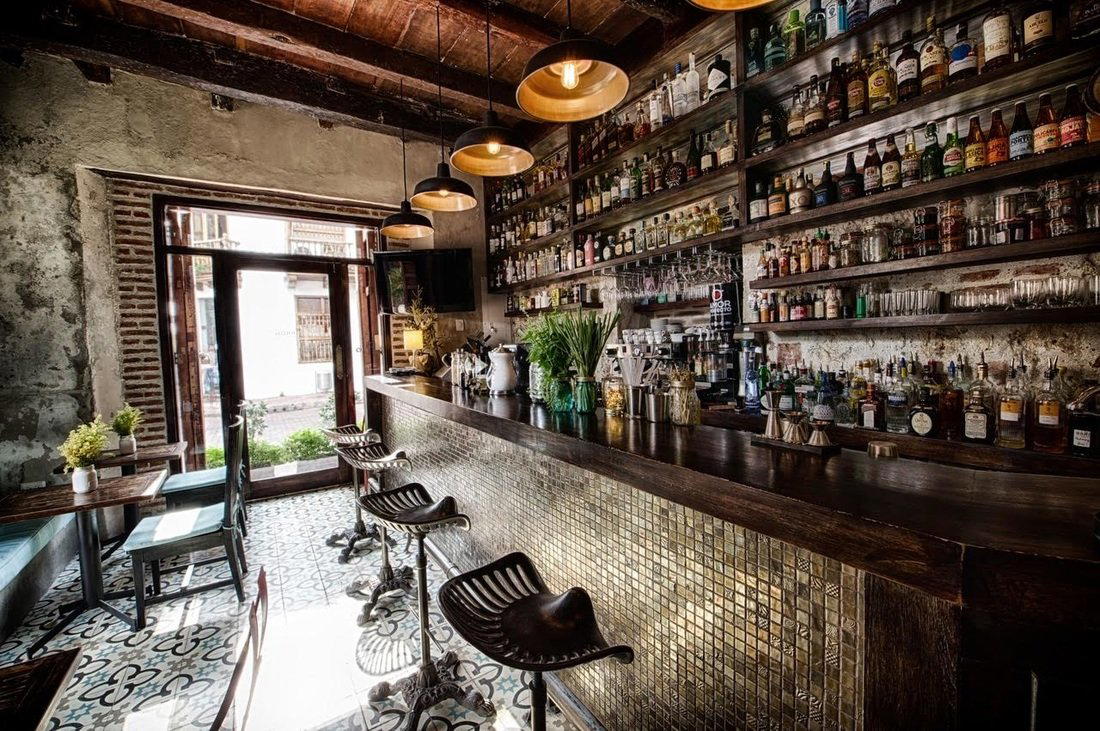
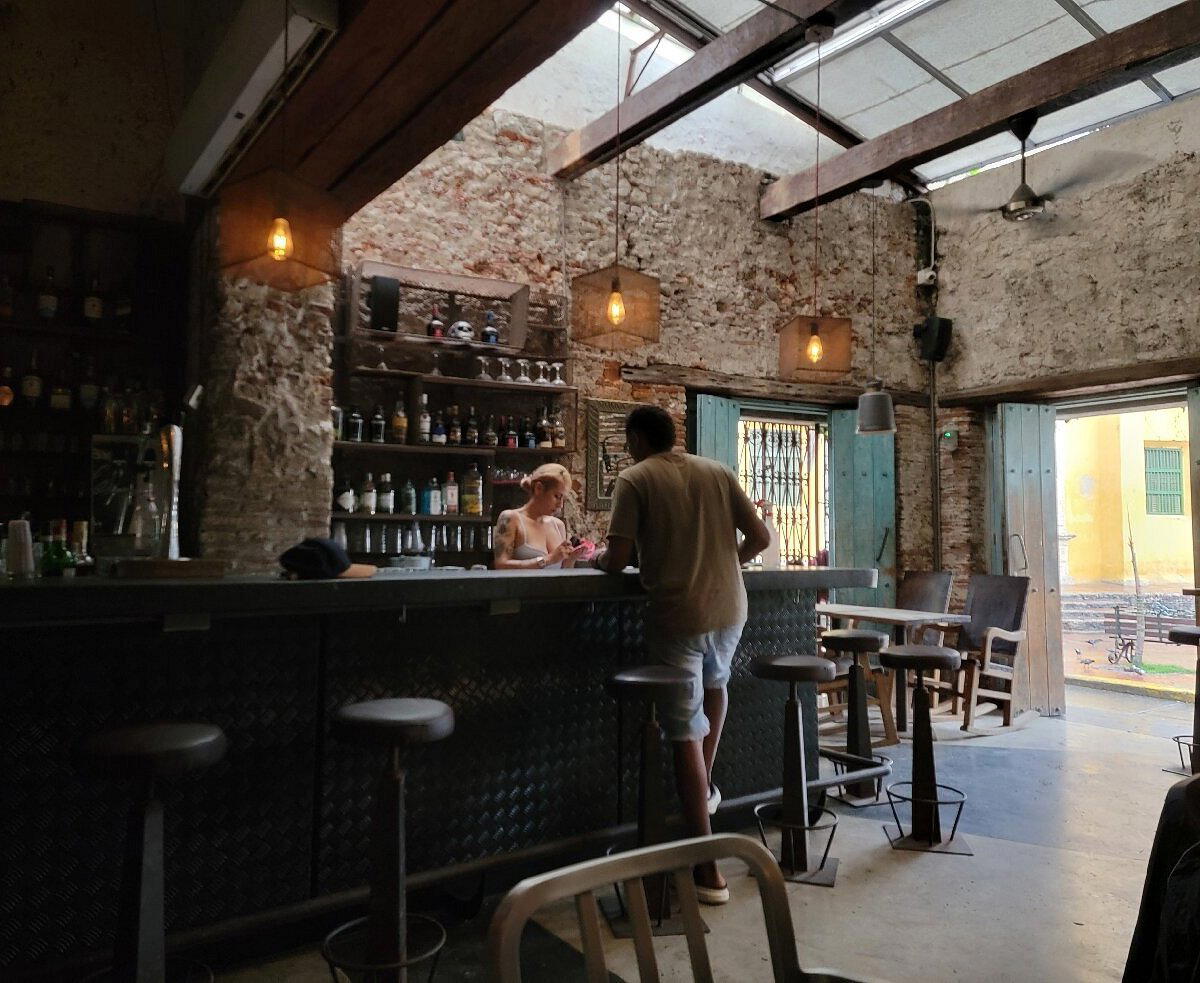
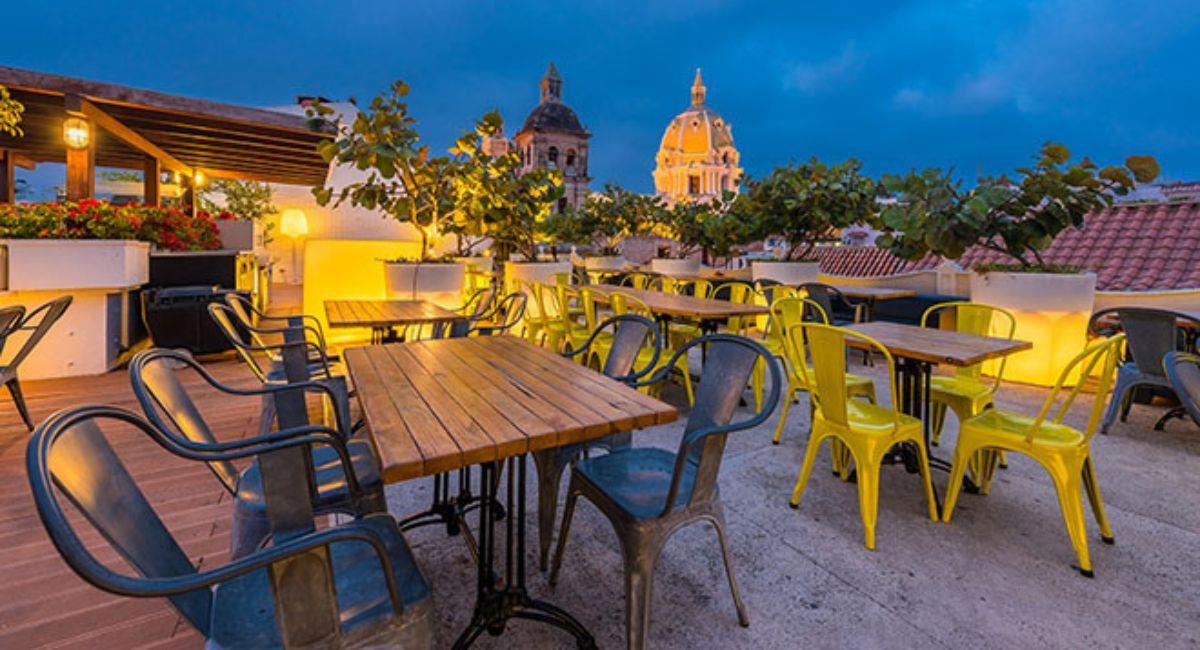
The rooftop terrace bar La Pérgola is the day-to-evening gathering point.
For suite guests, the Calablanca Floating Breakfast is served on a floating platter in a private Jacuzzi.
LEED Certification and What It Signals
The property carries LEED certification. It signals specific operational commitments. Bio Habitat Hotel, AKEN Soul in Quindío and Cannúa Lodge in Marinilla, both of which take a nature-integration approach from a different geographic and architectural starting point.
The Spa and the Night Ocean
The spa's design draws on Colombian materials, exotic wood and stone, to create something that reads as regional rather than generic resort wellness. Ayurvedic and hydrotherapy treatments are among the offerings, positioned at the more considered end of the program. The space functions as a counterpoint to the beach and pool energy: quieter, more deliberate, and specifically oriented toward guests who want structured recovery rather than activity.
Separately, and not something that any spa can manufacture: bioluminescent plankton appear in the ocean around the island, and swimming among them at night is among the experiences the property highlights for guests. This is a natural phenomenon that varies with conditions and season, not a guaranteed amenity, but it represents the kind of encounter that makes island properties genuinely different from urban luxury hotels.
Which Room to Book
All rooms at Calablanca face the sea. That baseline is worth noting, because at many beach resorts, sea-view rooms are the exception and carry a significant premium. Here, the orientation is standard across categories. For the most direct and refined oceanscapes, the 23 suites on the upper floors of towers four through ten offer the clearest sightlines. These are also the rooms that unlock the floating breakfast format. Guests travelling with children should note the complimentary Kid's Villa, open daily for children aged three to twelve, which operates as a dedicated space rather than an afterthought.
How Calablanca Sits in the Cartagena Hotel Picture
Cartagena's luxury hotel options divide broadly into two camps. The walled-city cluster, which includes Casa San Agustín, Charleston Santa Teresa, Hotel Boutique Casona del Colegio, Hotel Casa del Coliseo, Hotel Casa Don Sancho by Mustique, and the Four Seasons Hotel and Residences Cartagena, competes on heritage architecture, restaurant programming, and walkable access to the city's cultural core. The Hotel InterContinental Cartagena de Indias operates at a larger scale with city-side positioning.
Calablanca trades all of that for island isolation, a beach, and a completely different relationship with time. The mismatches that generate negative reviews at island resorts tend to come from guests expecting urban convenience; the consistently high score here indicates that the property communicates its format effectively and delivers against the expectations it sets. For broader context on Colombia's hotel tier, B.O.G. Hotel in Bogotá, Elcielo Hotel and Restaurant in Medellín, and Hilton Santa Marta each represent different city-based anchors for the country's premium accommodation market.
Planning Your Stay
Access by the hotel's luxury catamaran from Cartagena's port takes approximately 40 minutes and is the approach most guests choose. The drive via land takes around one hour and involves a different routing. The resort runs 24-hour room service, a gym, fitness classes, an outdoor pool, tennis, meeting rooms, and is pet-friendly. The Kids' Villa operates daily. All amenities are on-property, which matters at an island resort where leaving to find alternatives is not a casual option, factor that into how you plan your days.
Amangiri in Canyon Point, Aman Venice, Aman New York, The Fifth Avenue Hotel in New York City, and Badrutt's Palace Hotel in St. Moritz offer useful reference points on how isolation and exclusivity are handled at different price points and latitudes. Closer to home, Hotel el Prado in Barranquilla and Casa Lėlytė in Bogotá represent Colombia's inland hotel alternatives for those building a broader itinerary. BOSKO HOTEL in Guatapé and Bio Habitat Hotel in Armenia round out the country's nature-oriented options for those adding time before or after the coast. Hotel Spiwak in Cali completes the picture of Colombia's main urban hotel tier.
Where the Accolades Land
Comparable venues nearby, for context on price, style, and recognition.
| Venue | Cuisine | Price | Awards | Notes |
|---|---|---|---|---|
| Sofitel Barú Calablanca Beach Resort | Hotel | Cartagena | ||
| OSH Hotel Cartagena | Modern boutique blending local tradition with contemporary style | $$$ | 5-Star | Getsemani |
| Tcherassi Hotel + Spa | Colonial mansion renovated with modern luxury amenities | $$$$ | 5-Star | Centro Historico |
| Hotel Boutique Casona del Colegio | Colonial boutique with 21st century Colombian design | $$$$ | 5-Star | Centro |
| Hotel Casa Don Sancho By Mustique | Historic colonial boutique with modern amenities in Cartagena's walled city | $$$$ | 4-Star | Centro Historico |
| Hotel Casa del Coliseo | Luxury boutique hotel housed in a restored 17th-century colonial mansion, blending heritage architecture with contemporary design and personalized service. | $$$$ | 5-Star | Centro Histórico (Old Town) |