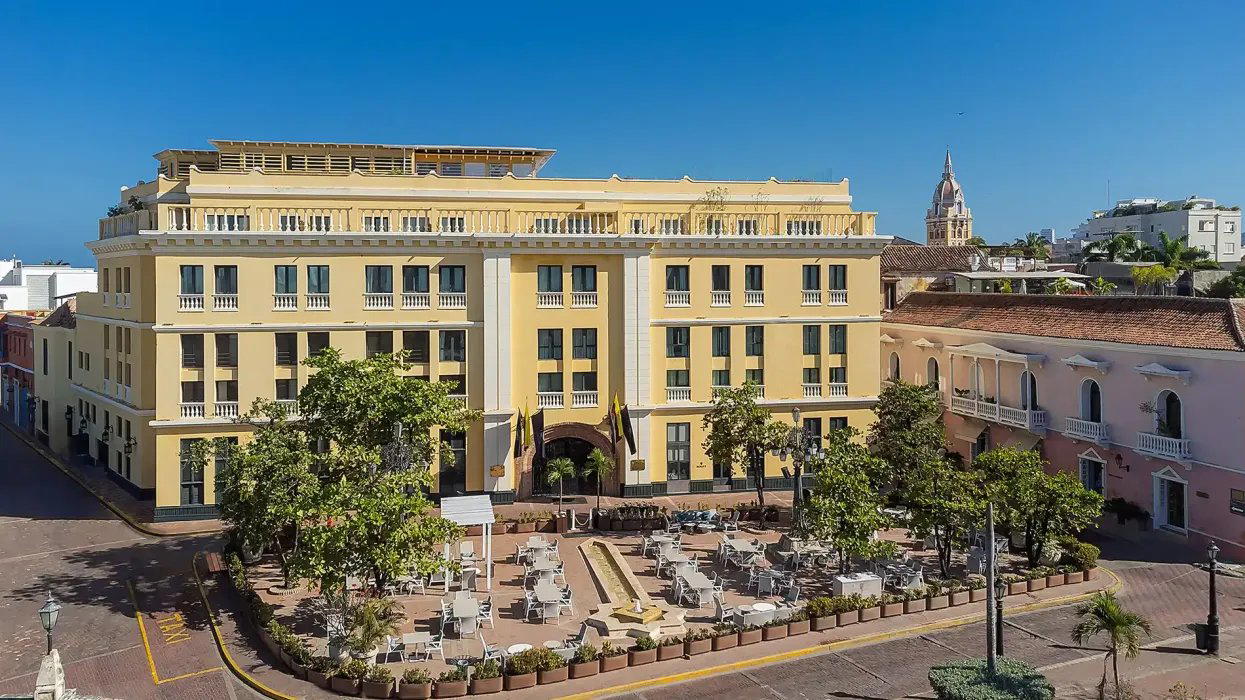
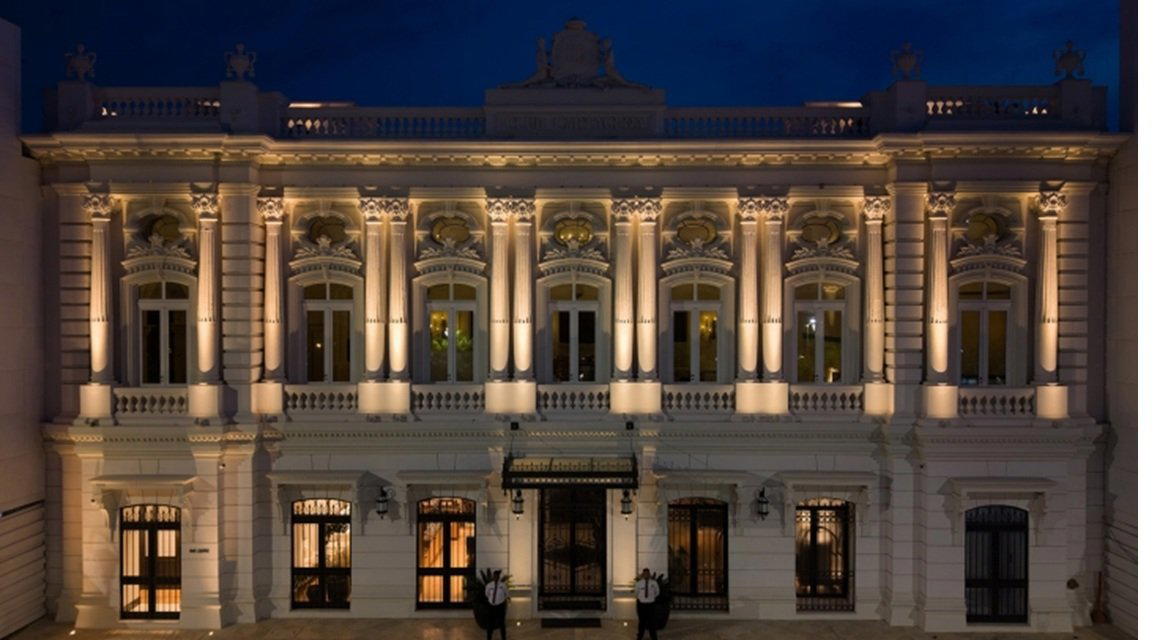
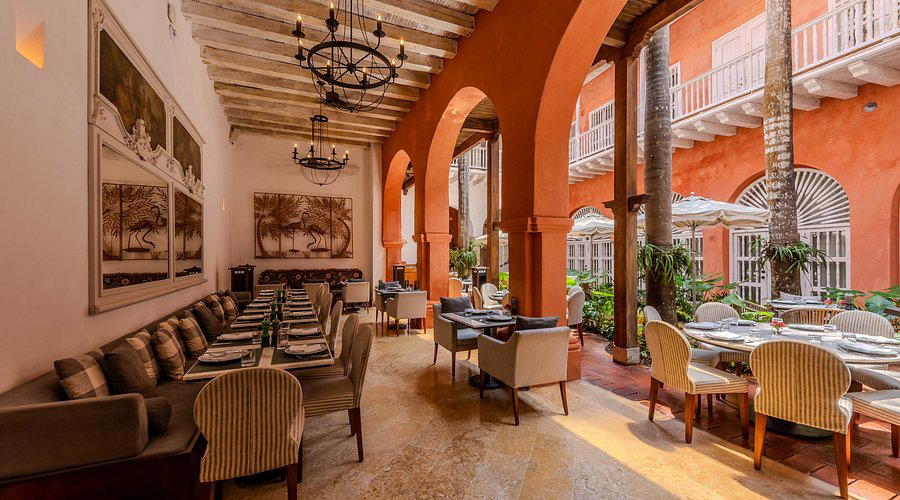
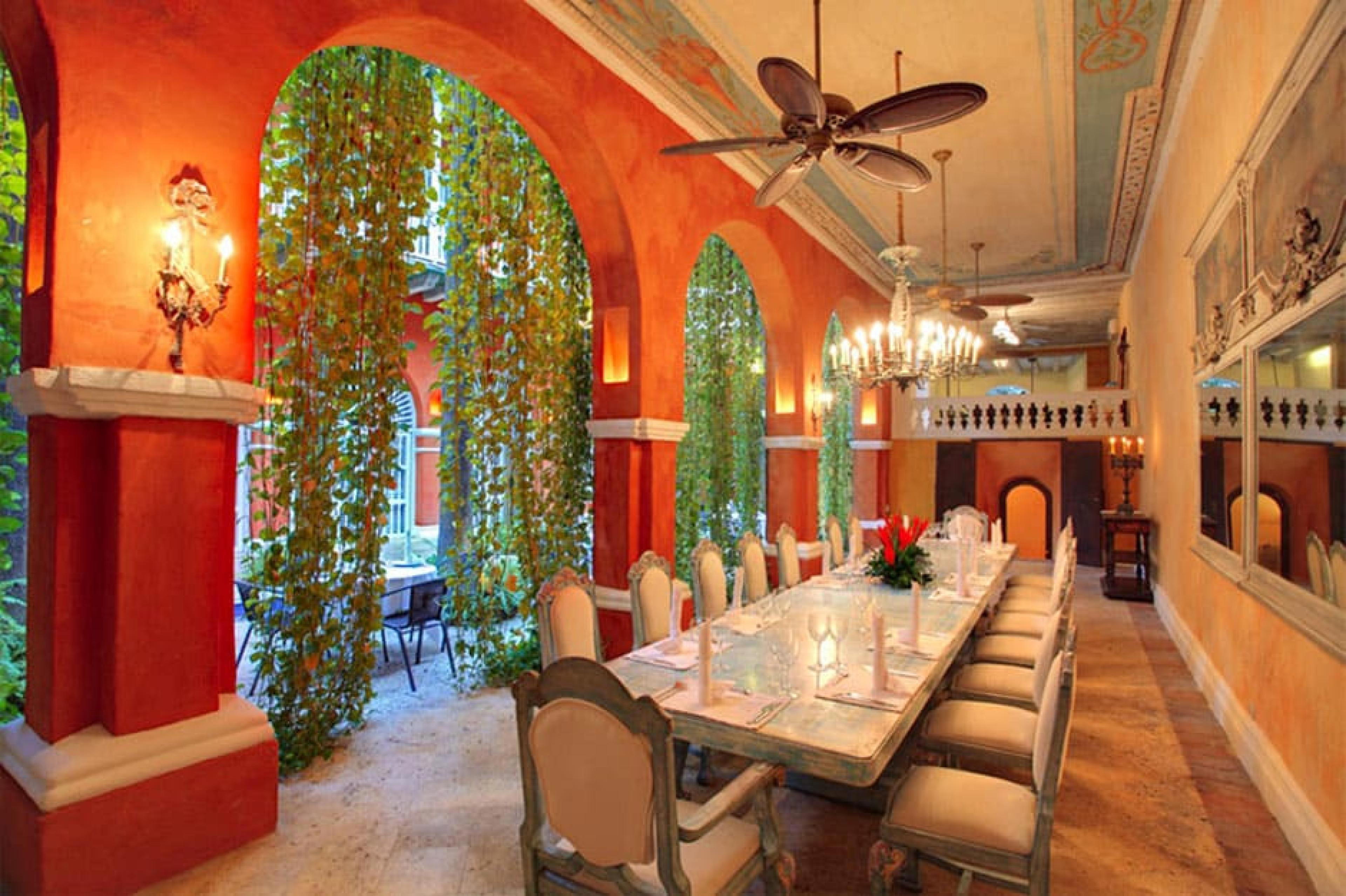
Hotel Boutique Santo Domingo occupies one of Cartagena's most storied addresses in the walled city's historic centro, placing guests within walking distance of Plaza Santo Domingo, colonial churches, and the dense concentration of restaurants and bars that define the neighbourhood. Among Cartagena's growing tier of intimate heritage properties, it competes on location and atmosphere rather than scale, appealing to travellers who prefer the texture of a converted colonial house over the amenity stack of a larger resort.

Pearl is the En Primeur Club membership app, where members save venues, book tables and use the concierge.

Address as Architecture: The Santo Domingo Quarter
In Cartagena's walled city, location is not a convenience factor, it is the central argument for where to sleep. The historic centro divides roughly into a handful of pocket neighbourhoods, each with its own character, and Plaza Santo Domingo sits at the heart of what many travellers consider the most concentrated slice of colonial urban life the city offers. The plaza itself functions as a social engine: street vendors, outdoor restaurant seating, the famous Botero sculpture, and a near-constant flow of foot traffic at almost any hour. A boutique hotel on this address puts guests inside that circulation rather than adjacent to it, which changes the rhythm of an entire stay.
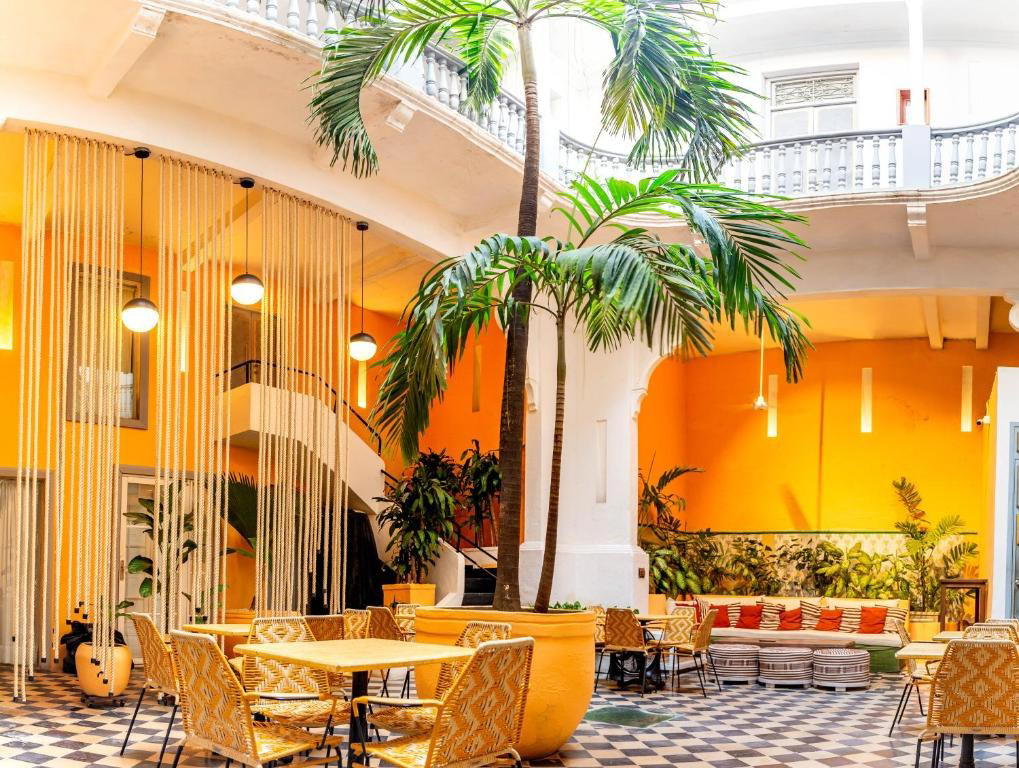
That address-first logic is what defines the positioning of Hotel Boutique Santo Domingo within Cartagena's mid-to-upper tier of heritage accommodation. Where larger properties like the Four Seasons Hotel and Residences Cartagena or the Hotel InterContinental Cartagena de Indias trade on amenity depth and international brand infrastructure, smaller colonial conversions like this one compete primarily on grain: the specific thickness of the walls, the courtyard that catches the afternoon breeze, the proximity to the street life that tourists came to Cartagena to experience in the first place.
How Cartagena's Boutique Hotel Tier Works
The walled city has seen a sustained wave of colonial mansion conversions over the past two decades. Properties like Casa San Agustin and Casa Pestagua set an early benchmark for what high-end conversion could look like, with carefully restored courtyards, limited room counts, and positioning that aligned them with international design-led boutique hotels rather than standard Caribbean resort categories. That template has since filtered down into a wider tier of properties with varying levels of investment and finish.
The Charleston Santa Teresa Cartagena Hotel occupies a slightly larger footprint at the upper end of this group, offering more formal programming alongside its colonial bones.
What separates the stronger performers in this tier from weaker ones is rarely the quality of the colonial architecture, nearly all of these buildings carry genuine historical material. The differentiator is typically the management of noise, the quality of the climate control, the investment in bedding and bathrooms, and the coherence of the guest experience from arrival to checkout. In a neighbourhood as sonically active as Santo Domingo, how a property handles the ambient noise of plaza life is a legitimate operational question, not an aesthetic footnote.
The Neighbourhood Calculus
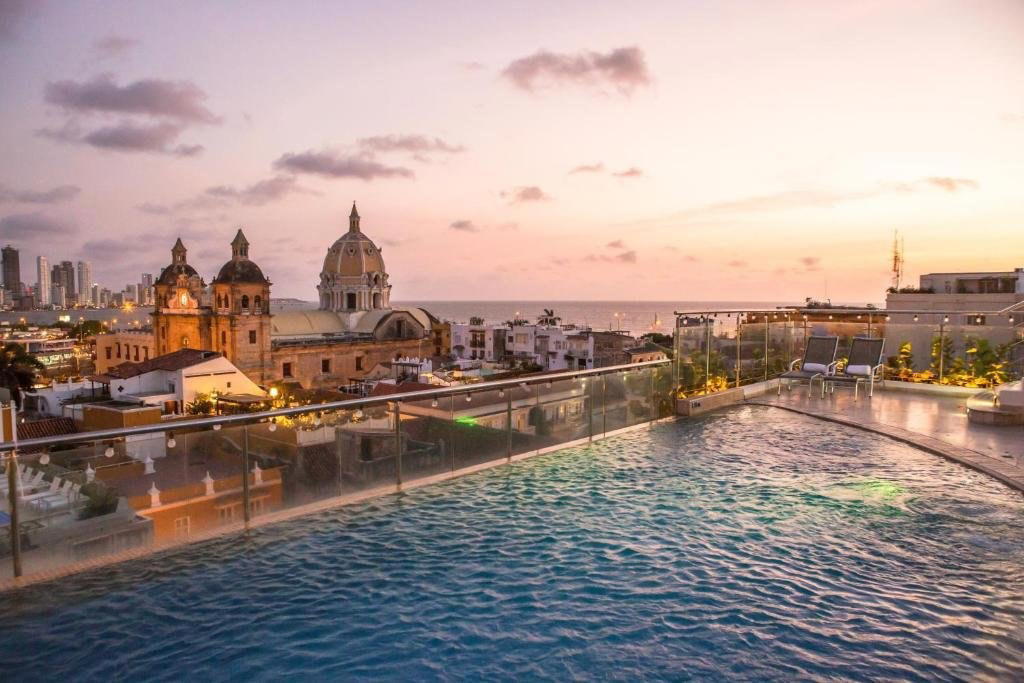
Staying within the walled city, particularly close to Plaza Santo Domingo, compresses the logistics of a Cartagena visit considerably. The city's premium dining concentration, the cluster of restaurants and bars that define its culinary reputation, is largely walkable from this address. Cartagena's broader dining and nightlife programming, detailed in our full Cartagena restaurants guide, reflects a scene built around colonial courtyards, rooftop terraces, and Caribbean-inflected cooking that draws as much from the Pacific and Atlantic coasts as it does from internal Colombian traditions.
For guests arriving by air, Cartagena's Rafael Núñez International Airport sits close enough to the city centre that transfers are measured in minutes rather than hours, a practical advantage over some Caribbean destinations where airport-to-hotel transit consumes a meaningful portion of a short trip. The trade-off for walled-city positioning is that vehicular access and parking are constrained by the urban fabric, which makes the walkability of the address not just a selling point but a functional necessity.
Travellers comparing Cartagena against other Colombian destinations should note the distinct character difference. Bogotá's boutique tier, represented by properties like the B.O.G. Hotel or the Hotel Boutique y Restaurante Vegetal Casa Lėlytė, operates in a cooler, higher-altitude urban context where the hotel's interior programming tends to matter more than its street-level proximity. Cartagena's heat and humidity push social life outward, toward plazas and terraces, which makes proximity to active public space a more direct driver of experience quality than it would be in a temperate city.
Planning a Stay
Cartagena's peak season runs from December through March, when the Caribbean dry season coincides with international holiday travel and Colombian domestic tourism. This period brings higher prices and compressed availability across the walled city's boutique tier, and properties in the Santo Domingo area, where demand tends to track plaza activity, fill correspondingly early. Travelling in the shoulder months of April through June or October through November introduces some humidity and occasional rain but reduces both rates and congestion in the streets immediately surrounding the hotel.
Travellers interested in exploring Colombia's wider accommodation offering beyond the coast will find strong reference points in the design-led properties of the coffee region, including Bio Habitat Hotel, AKEN Soul in Quindío and Cannúa Lodge in Marinilla, both operating in a completely different register from Cartagena's colonial urban properties. For coastal comparison further along the Caribbean, the Hilton Santa Marta represents the branded resort end of the Colombian Caribbean spectrum.
Internationally, the boutique heritage hotel format that defines Cartagena's walled city has clear counterparts: the logic of a converted palazzo in Venice, as represented by Aman Venice, or the dense urban proximity of The Fifth Avenue Hotel in New York, properties where the address and the building itself carry weight that amenity count alone cannot replicate. Hotel Boutique Santo Domingo operates in that same category logic, scaled to a Caribbean colonial context.
The Essentials
| Venue | Price | Awards |
|---|---|---|
| Hotel Boutique Santo DomingoThis venue (the venue you are viewing) | $200–300 | Not listed |
| Sofitel Barú Calablanca Beach Resort | Not listed | Michelin Selected · Star Wine List |
| Sofitel Legend Santa Clara Cartagena | Not listed | 1 Michelin Key · La Liste Top Hotels |
| Casa Pestagua | $500–750 | 2 Michelin Keys · Virtuoso Luxury Hotel Partner |
| Casa San Agustin | $300–500 | 2 Michelin Keys · La Liste Top Hotels |
| Charleston Santa Teresa Cartagena Hotel | $200–300 | Michelin Selected · World Luxury Hotel Awards WLHA Continent Winner |
Continue exploring
More in Cartagena
Hotels in Cartagena
All hotels in Cartagena →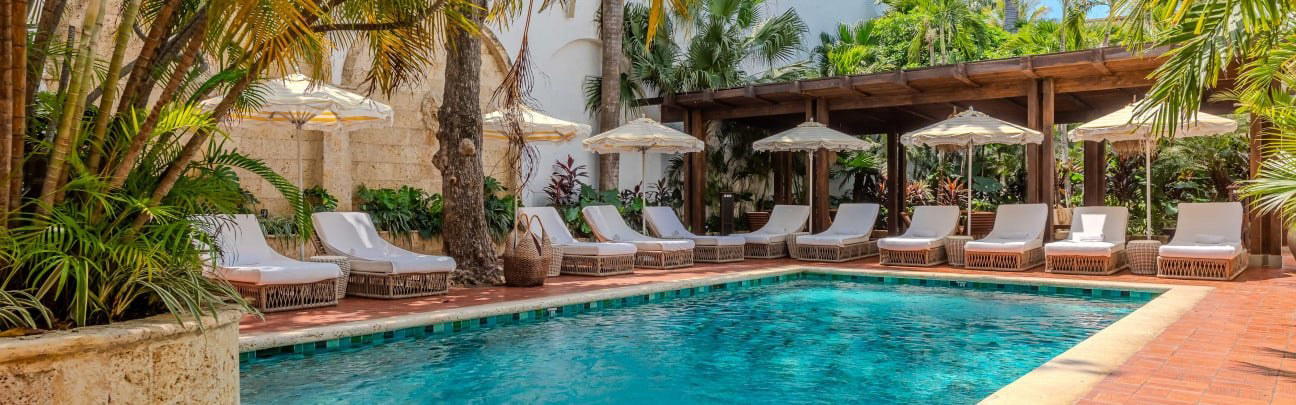
Bars in Cartagena
All bars in Cartagena →
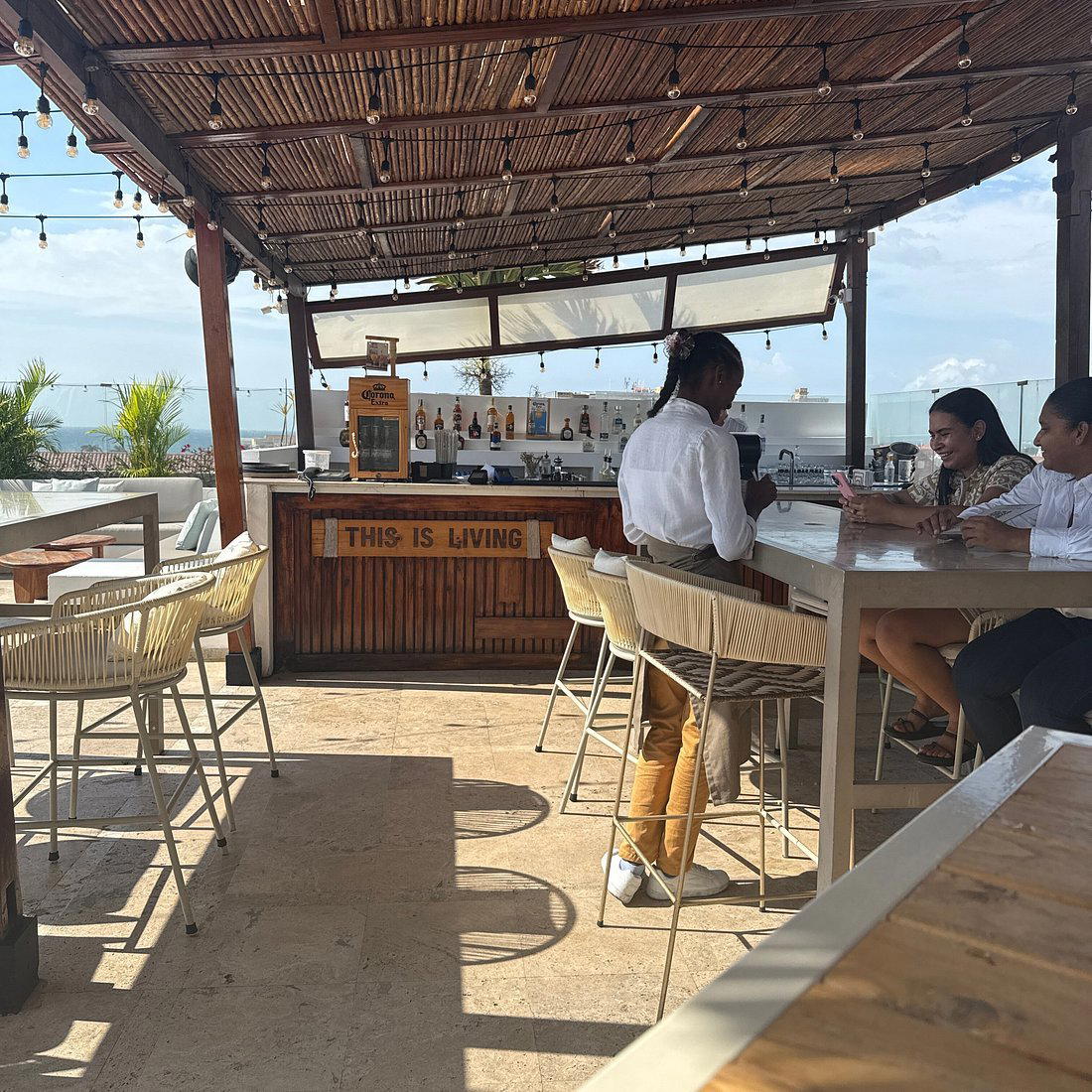
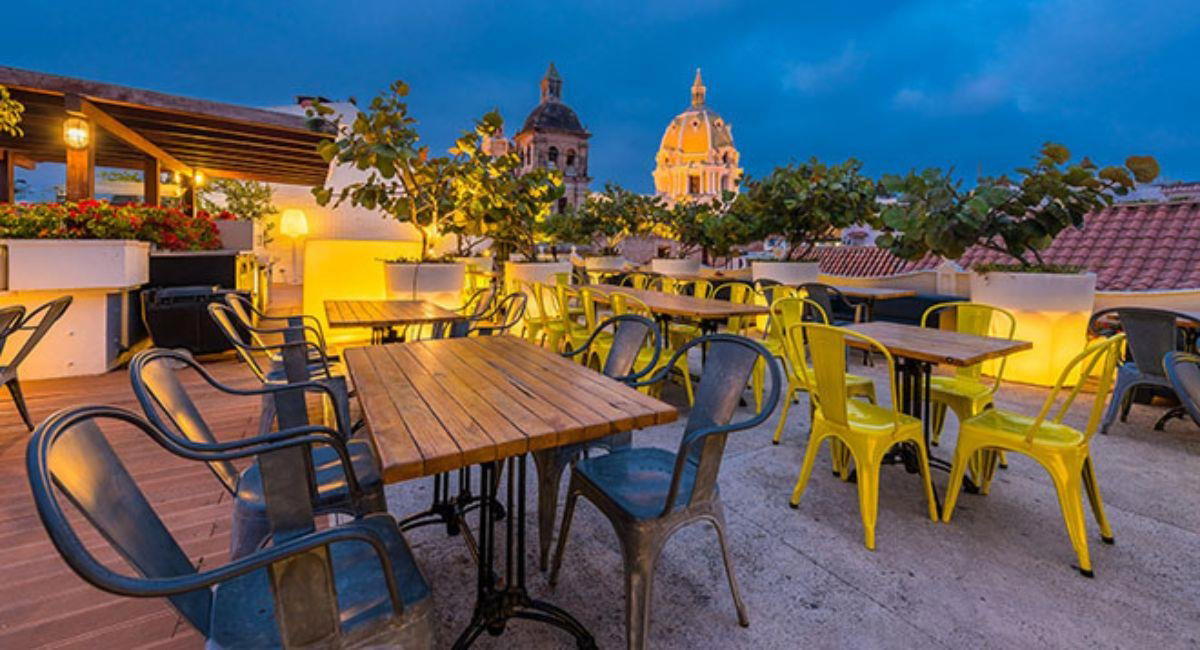
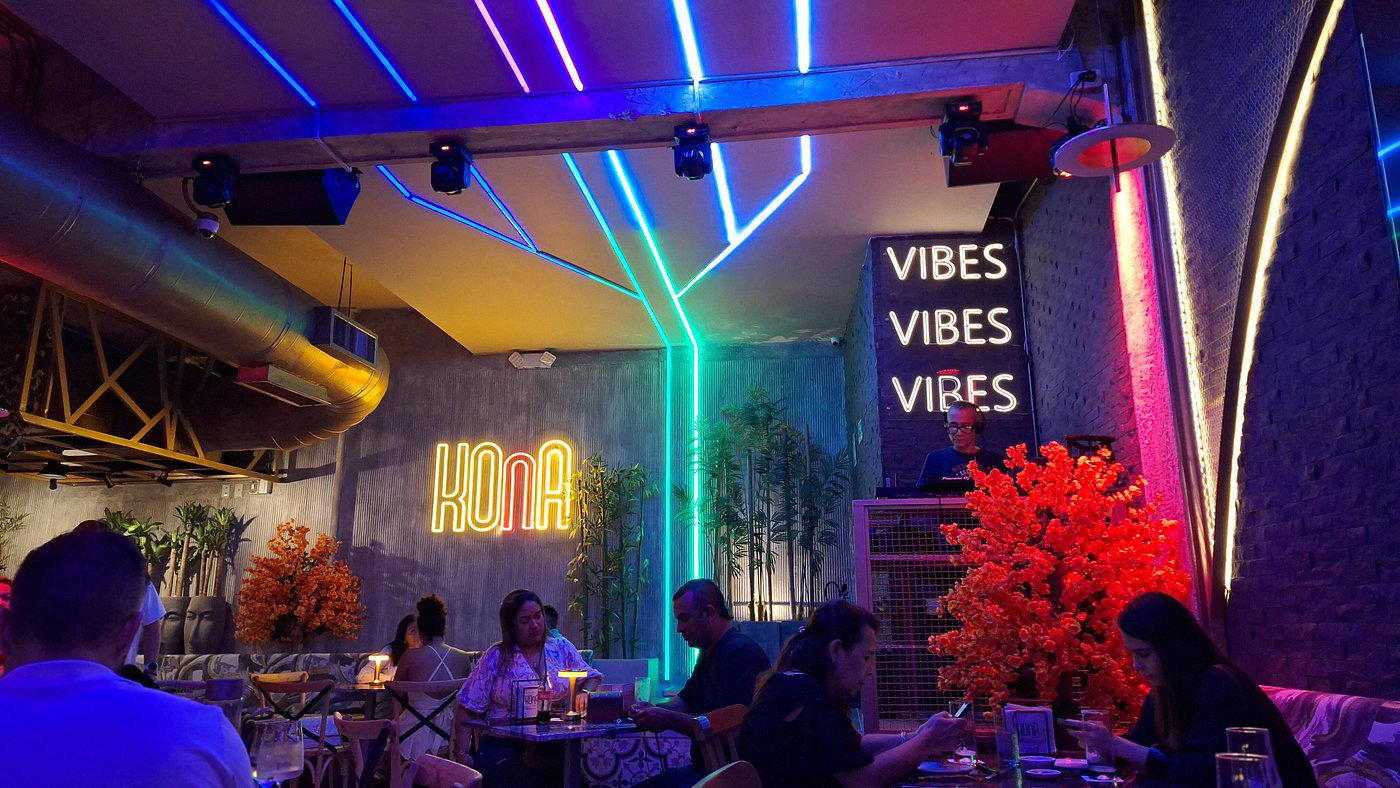
Details
- Romantic
- Classic
- Elegant
- Family Vacation
- Romantic Getaway
- Weekend Escape
- Historic Building
- Garden
- Terrace
- Wi Fi
- Air Conditioning
Charming colonial-style property with air-conditioned rooms and a relaxed atmosphere suitable for families and small groups.