andBeyond Nxabega Okavango Tented Camp

Preferred Hotels Member
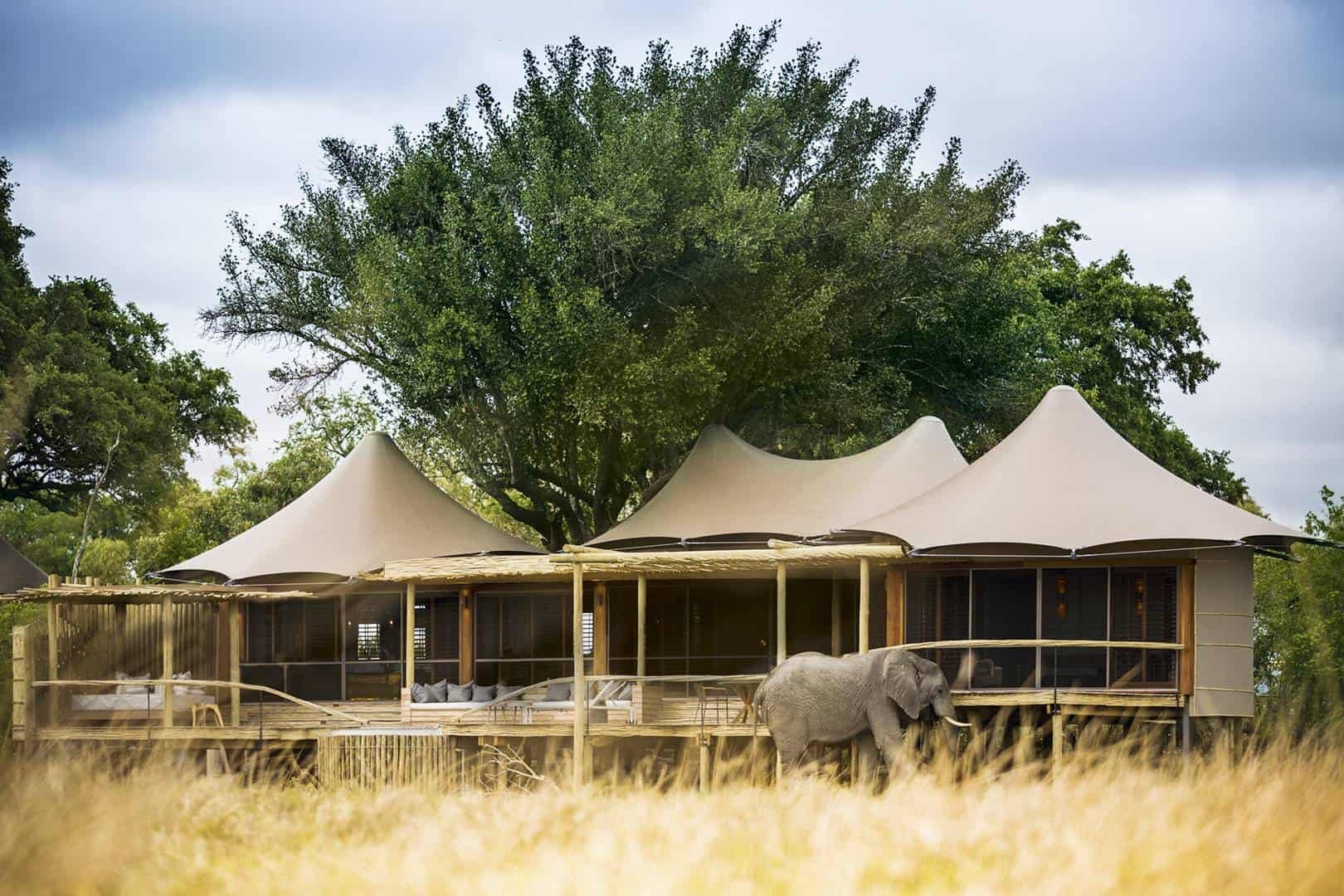
A nine-tent camp on the private Pom Pom Concession (NG 27A) in the Okavango Delta, andBeyond Nxabega operates within one of Botswana's most carefully managed wildlife areas. The small-footprint format keeps guest numbers low relative to the surrounding wilderness, and the camp's placement inside a dedicated concession means game drives run without the interference of competing vehicles.

Pearl is the En Primeur Club membership app, where members save venues, book tables and use the concierge.
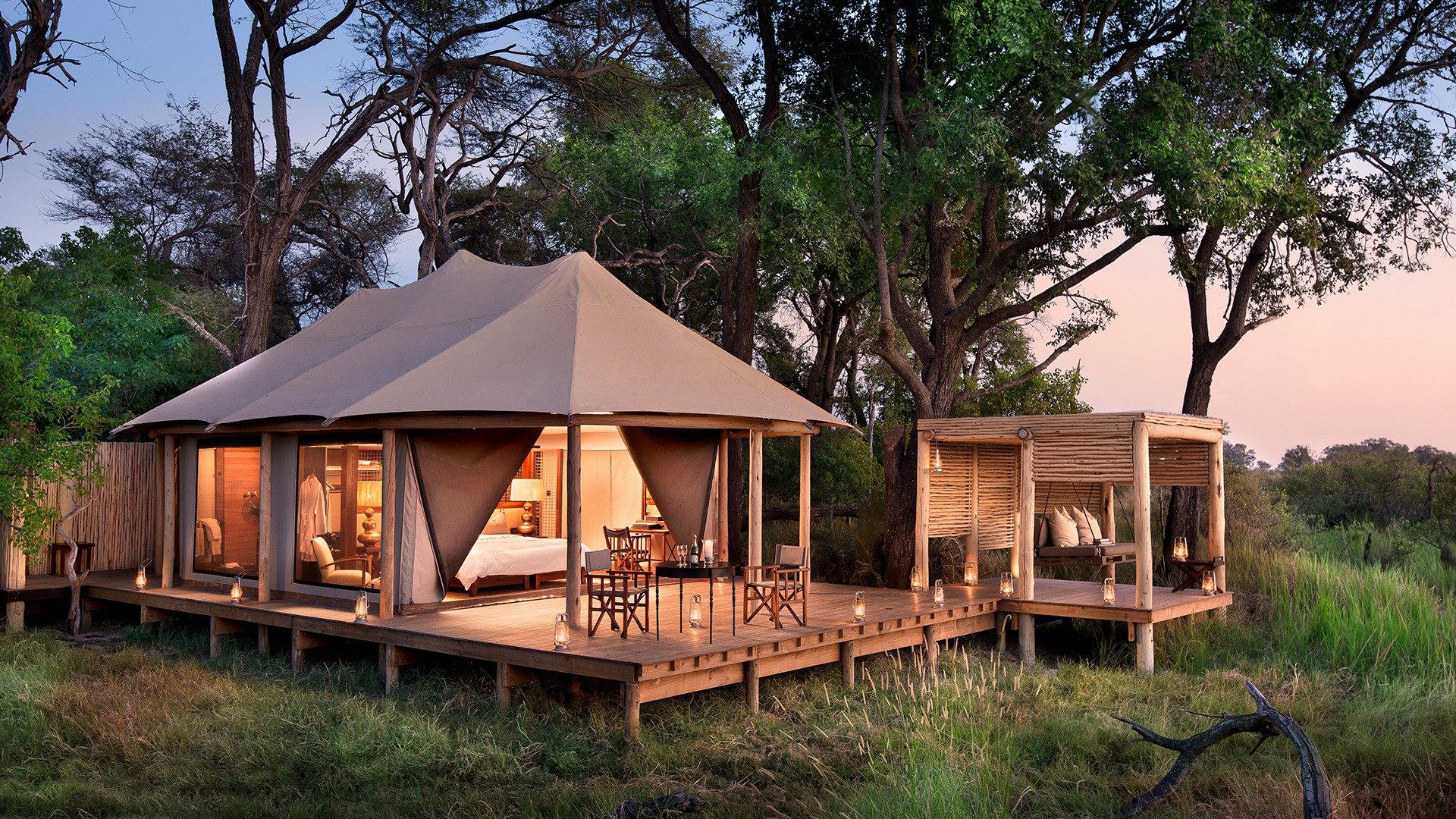
Wilderness by Allocation: The Pom Pom Concession in Context
The Okavango Delta's premium tier has long been defined less by infrastructure than by access, specifically, which operators hold private concessions and how they manage them. andBeyond Nxabega Okavango Tented Camp sits within the Pom Pom Concession (NG 27A), a private block where the camp operates as the controlling presence rather than one of several competing camps. That arrangement shapes everything: game drives here do not share roads with other operators, and the land is managed according to a single conservation framework rather than a patchwork of agreements. For context, comparable concession-controlled camps in the Delta, properties like andBeyond Xaranna Okavango Delta Camp and andBeyond Sandibe Okavango Safari Lodge, operate on the same principle: low guest counts, exclusive land rights, and environmental accountability that flows from having your name on the concession deed.
Nine Tents, One Concession: What Small-Footprint Means in Practice
At nine rooms, Nxabega operates in the smallest capacity tier among permanent tented camps in the Okavango. This is not a marketing position, it is a structural one. Low key counts in the Delta translate directly into lighter ecological load: fewer vehicles on the land, less water drawn from surrounding wetlands, smaller kitchen and laundry operations, and lower pressure on wildlife corridors. The Okavango's seasonal flood cycle, which pushes water north from Angola each year and transforms dry scrub into navigable channels between roughly June and October, is particularly sensitive to disturbance. Camps that limit guest numbers through the flood peak, when mokoro excursions and boat transfers become the primary movement mode, preserve the acoustic and ecological character of that period in ways that larger operations cannot replicate. Sitatunga Private Island and Duba Plains Camp sit in the same small-capacity bracket across the Delta.
andBeyond's Conservation Architecture
The broader andBeyond portfolio is built around a conservation model the operator calls Care of the Land, Care of the Wildlife, Care of the People, a framework that governs land management across its African properties. In practice, this means concession fees are structured to fund anti-poaching and community programs in the surrounding areas, and the operator's land management decisions are subject to conservation monitoring protocols rather than being left solely to camp management. For guests, the most visible expression of this is the presence of conservation-focused guides and, in many cases, the ability to participate in or observe land management activities. The model places Nxabega alongside properties like andBeyond Chobe Under Canvas in Chobe National Park within a consistent operational philosophy that extends across national borders.
The Pom Pom Concession specifically benefits from being adjacent to the Moremi Game Reserve, which means the wildlife population on the concession draws from a protected gene pool rather than an isolated fragment. That adjacency matters when assessing wildlife diversity across seasons, elephants, wild dogs, and lion prides move between the reserve and the concession without fence interruption. Guests at Moremi Game Reserve properties and Nxabega often encounter the same prides and packs across different sightings.
Responsible Luxury in the Delta's Competitive Set
Premium Delta camp market has split into two distinct tiers: ultra-luxury lodges with high design ambition, properties like Xigera Safari Lodge in Moremi Game Reserve, and tented camps where the canvas-and-timber format is itself the design statement. Nxabega belongs to the latter, where the ecological argument for tented construction, lower embodied carbon, easier removal, less land clearance, is also the aesthetic argument. Across the Delta, the camps that command the strongest conservation credentials are predominantly tented rather than lodge-format, partly because the tented model enforces the discipline of minimal footprint from the ground up. Elsewhere in Botswana, Jack's Camp in Makgadikgadi Salt Pans and Wilderness DumaTau in Linyanti demonstrate similar alignments between format and conservation ethos.
Within the andBeyond group specifically, Nxabega occupies a mid-point in the brand hierarchy: not the most architecturally ambitious property in Botswana, but one of the most concession-complete. The combination of private land control, nine-tent capacity, and proximity to Moremi gives it a wildlife-density argument that properties on smaller or shared concessions cannot make with the same confidence. For travelers building a multi-camp Botswana itinerary, a route that might also include Duba Concession or Little Mombo Camp, Nxabega works well as a Delta anchor before moving north or east.
Getting There and Planning the Visit
Access to the Pom Pom Concession is by light aircraft, typically via Maun, which serves as the main hub for Delta-bound travelers. Charter flights into the camp's airstrip are the standard approach, and the andBeyond booking infrastructure handles transfers as part of the overall package. The Delta's flood season, from roughly June through October, brings the highest water levels and peak wildlife concentration, and this is when mokoro and boat activities supplement game drives as the primary ways to experience the land. Dry season visits (May and then November onward) offer different but equally compelling wildlife conditions, with animals concentrating around permanent water sources. Botswana's conservation levy, applied across all safari camps in the country, means that a portion of each night's rate contributes directly to national wildlife management, a structural arrangement that distinguishes Botswana from many other safari destinations. For a broader orientation before booking, our full Okavango Delta restaurants guide covers the range of camps and experiences across the region. Those comparing Botswana against other southern African destinations should also consider Zambezi Queen in Chobe River and Belmond Safaris in Maun as reference points in the broader premium market. Given the concession's private status, advance booking is essential, particularly for the peak flood months, and multi-night stays are standard across all Delta camps at this tier.
Budget Reality Check
Comparable venues nearby, for context on price, style, and recognition.
| Venue | Price | Awards | Notes |
|---|---|---|---|
| andBeyond Nxabega Okavango Tented CampThis venue (the venue you are viewing) | Not listed | Preferred Hotels Member | Not listed |
| andBeyond Xaranna Okavango Delta Camp | $1,000–1,500 | Preferred Hotels Member | Okavango Delta, Luxurious tented safari camp blending canvas and timber with modern comforts. |
| Duba Plains Camp | Not listed | Relais Chateaux Award · World Travel Awards | Okavango Delta, Classic 1920s African safari tents on raised decks blending seamlessly with the wilderness. |
| Little Mombo Camp | Not listed | La Liste Top Hotels | Moremi Game Reserve, Chief's Island, Luxury safari camp blending modern comfort with authentic African wilderness experience under giant indigenous trees. |
| Moremi Game Reserve | $1,500–2,500 | La Liste Top Hotels | Moremi Game Reserve, Classic safari tents in a lush green oasis amid abundant wildlife. |
| andBeyond Sandibe Okavango Safari Lodge | Not listed | World Travel Awards · Preferred Hotels Member | Okavango Delta, Organic luxury eco-lodge with distinctive architectural design inspired by natural forms, seamlessly integrated into the forest canopy environment. |
Recognition history
Dated appearances from independent guides and award organizations, with the underlying list record or original source where available.
Preferred Hotels Member
Preferred Hotels
Continue exploring
More in Okavango Delta
Hotels in Okavango Delta
All hotels in Okavango Delta →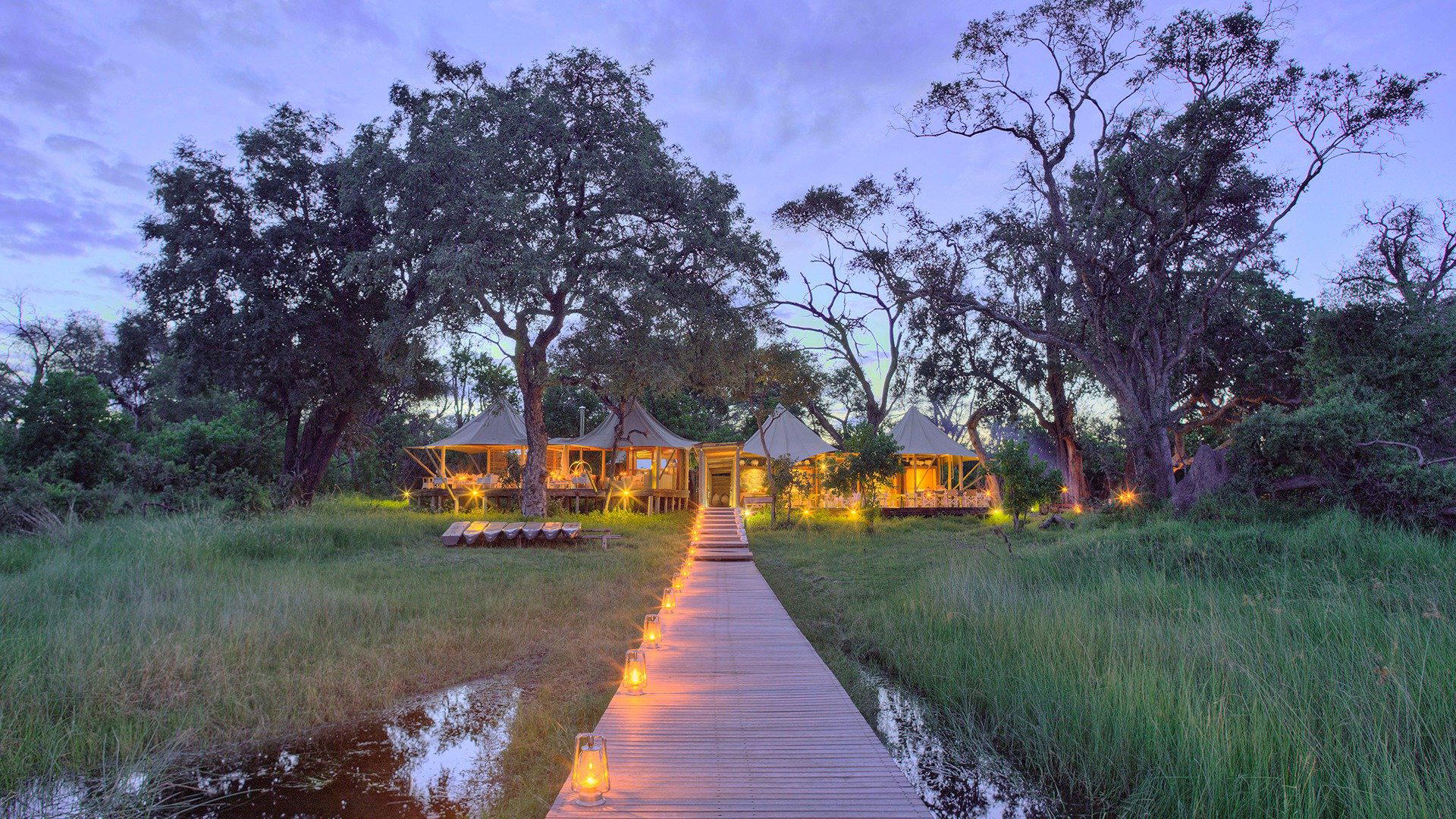
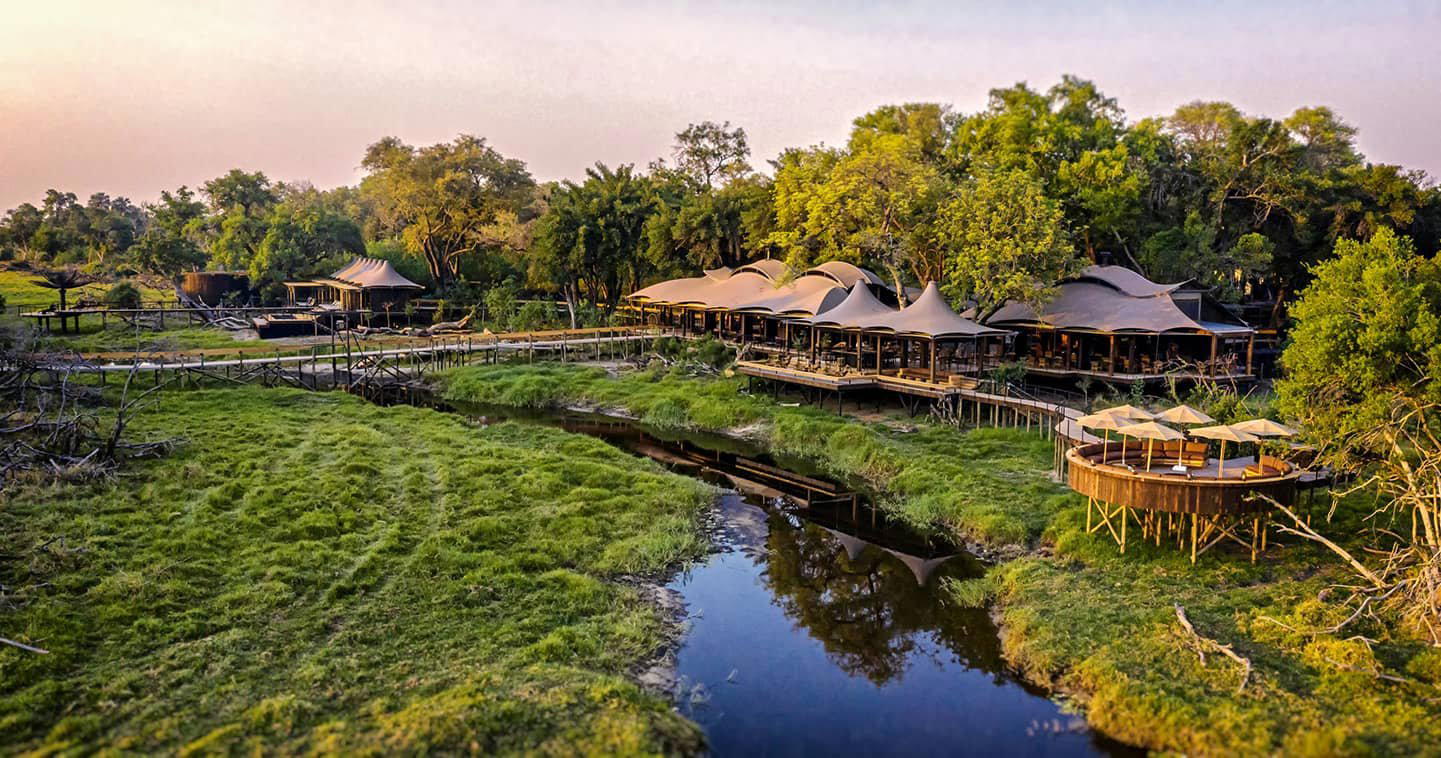
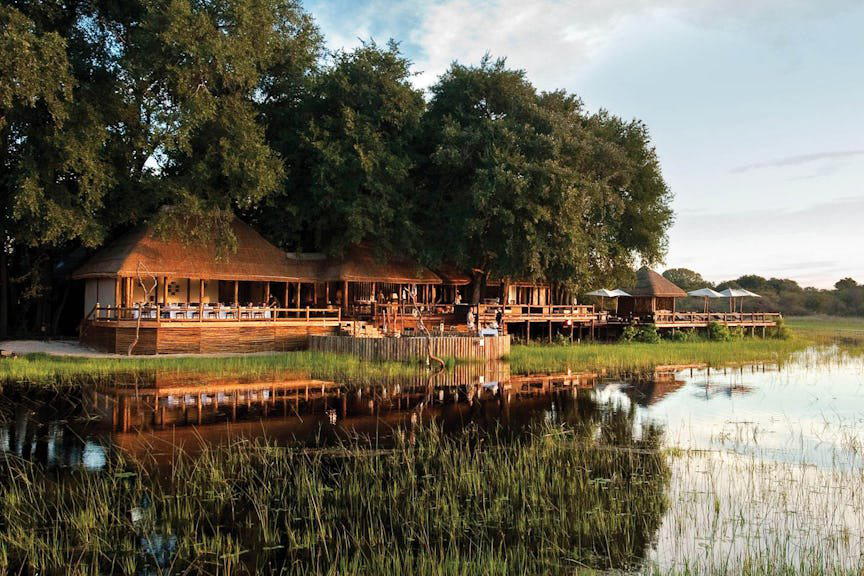
Restaurants in Okavango Delta
All restaurants in Okavango Delta →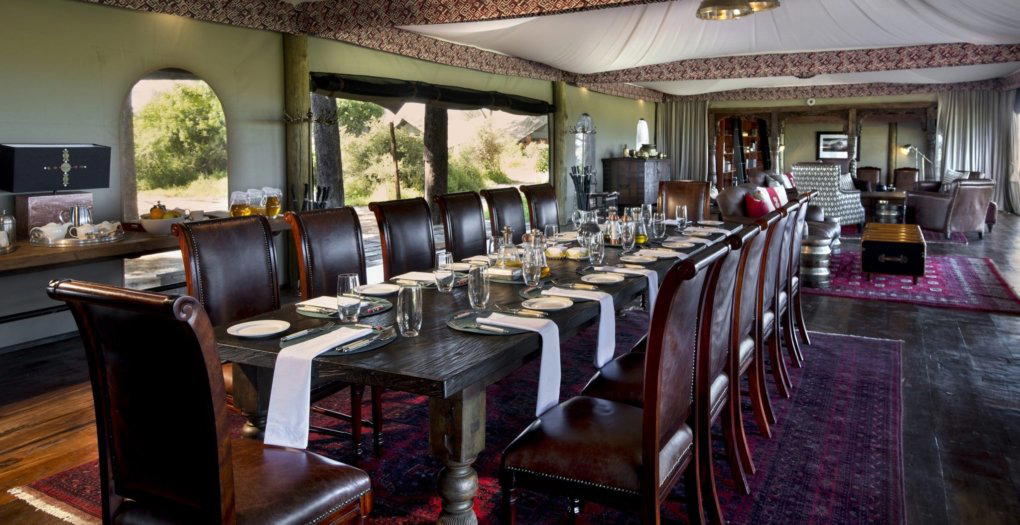
Details
- Scenic
- Elegant
- Rustic
- Intimate
- Sophisticated
- Honeymoon
- Romantic Getaway
- Family Vacation
- Panoramic View
- Waterfront
- Pool
- Spa
- Wi Fi
- Room Service
- Concierge
- Laundry Service
- Waterfront
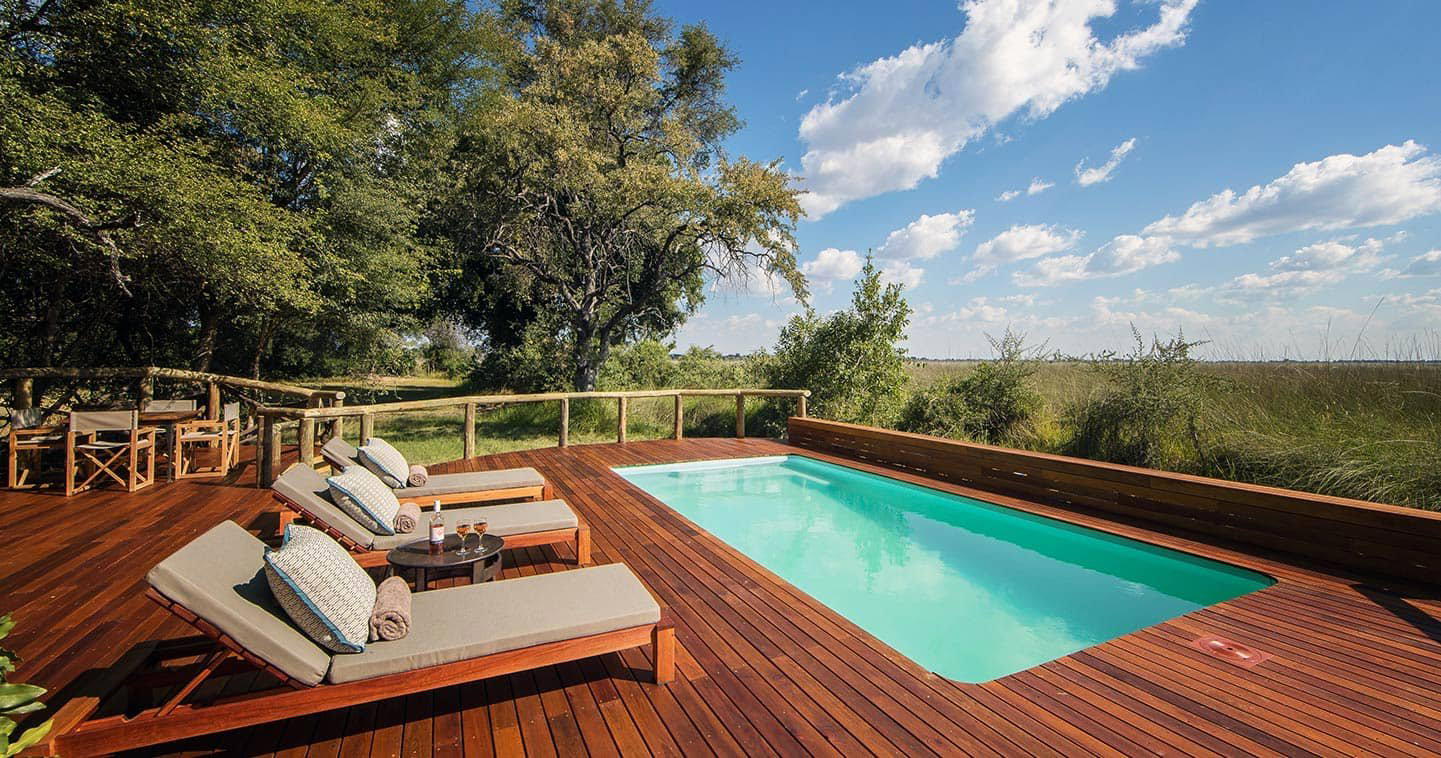
Rustic elegance with burnished teak floors, open-truss ceilings, shaded salas, and an open-air boma under massive ebony trees, blending indoor-outdoor spaces overlooking the Delta.