Duba Concession

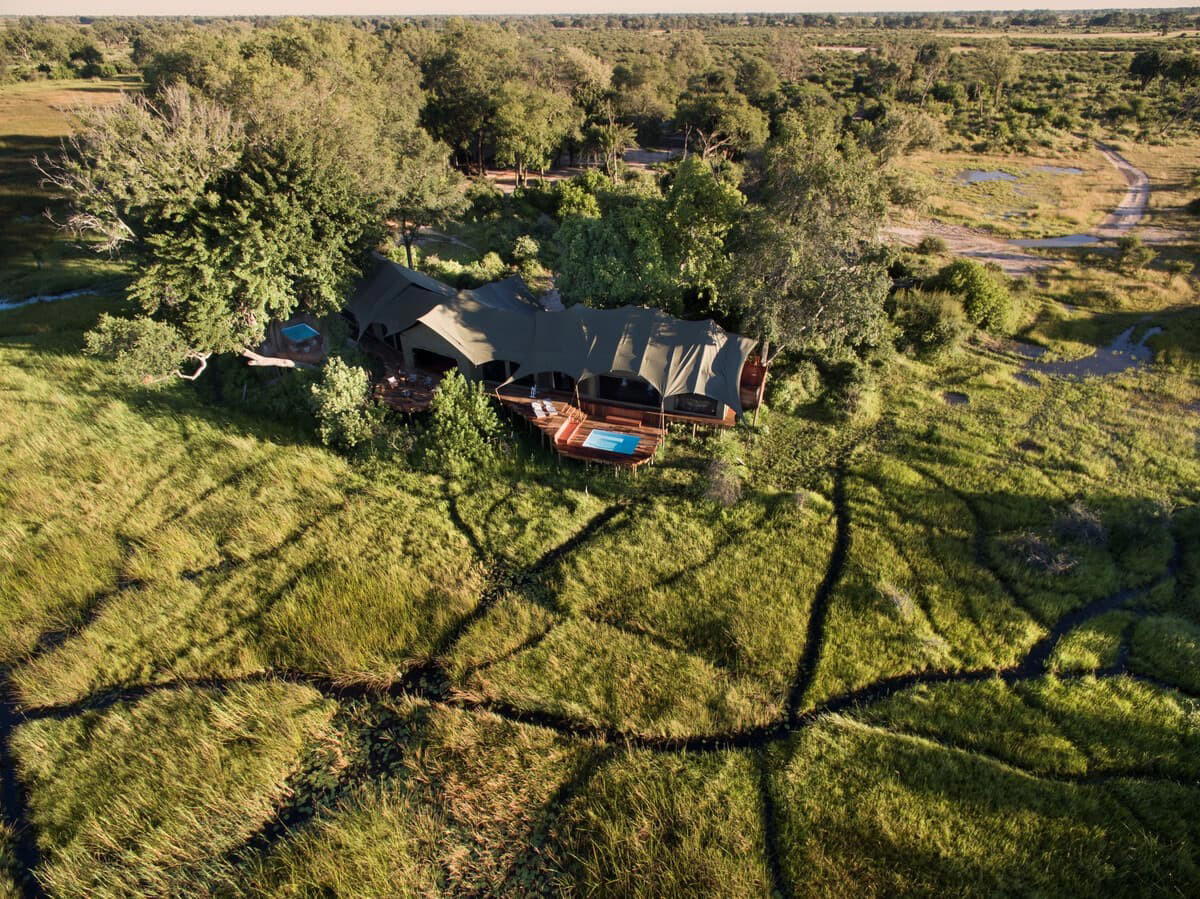
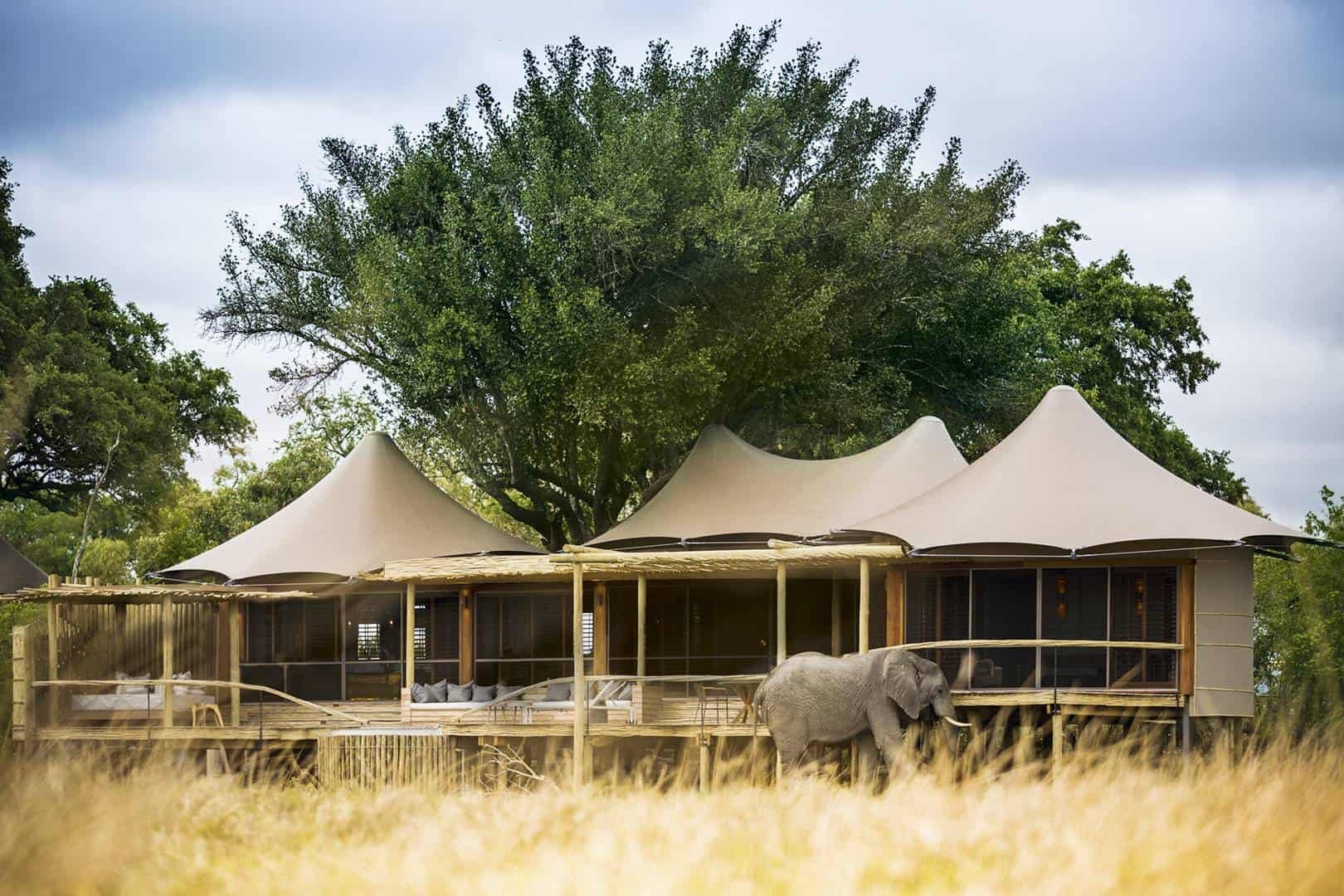
Duba Concession sits deep in the Okavango Delta, where the food served at camp is as much a product of its surroundings as the landscape itself. Large canvas suites and an intimate, conservation-led atmosphere place this property in a narrow tier of bush camps where the experience extends well beyond the vehicle. A Google rating of 4.6 from 89 reviews reflects a consistency that remote safari properties rarely sustain.
 Discover on Pearl
Pearl is the En Primeur Club membership app — saves, bookings, and concierge access live there. Same editors, same standards.
- Address
- Kakoro, Botswana
- Phone
- +267 319 2008
- Website
- greatplainsconservation.com
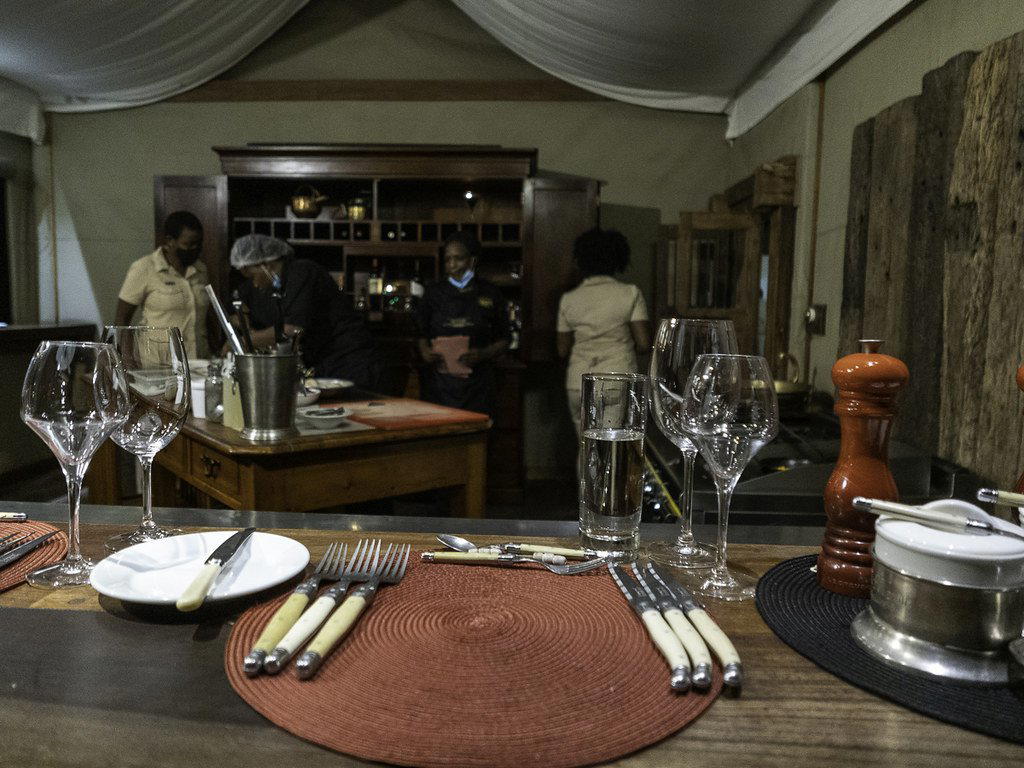
Where the Okavango Feeds You First
Duba Concession is a restaurant in Kakoro, Botswana, serving Modern African Safari Cuisine. The Delta's floodplains shift with the seasons, and the land around Kakoro holds a particular density of wildlife that makes the journey in feel less like arrival and more like immersion. By the time guests reach camp, the perimeter between wilderness and domestic space has already dissolved. That dissolution is the entire premise of bush dining in the Okavango, and Duba takes it seriously.
The Okavango Delta is not a conventional food destination in the way that Cape Town or Nairobi might be. There are no restaurant rows, no wine districts, no critic circuits. What exists instead is a form of hospitality where sourcing is not a marketing choice but a logistical reality: provisioning this part of Botswana requires planning weeks in advance, and the leading concessions use that constraint as discipline. Food at the camp level reflects the supply chain that feeds it, and the camps that do this well treat proximity to local producers and seasonal availability as the defining framework for their kitchens.
Sourcing in the Bush: What the Kitchen Is Working With
Bush camp dining in the Okavango occupies a specific culinary position: it draws on southern African pantry traditions, dried legumes, grain-based staples, preserved and fermented ingredients, while adapting to what can be flown or driven in reliably. The leading camps in this tier have long-standing relationships with Botswana suppliers and a working knowledge of what arrives fresh versus what travels well. Duba's African Bush cuisine designation points toward that local-sourcing orientation: not fusion, not international hotel food airlifted to a remote site, but a menu that takes its cues from regional produce and preparation methods.
The Okavango Delta's kitchen culture has more in common with lodge traditions across sub-Saharan Africa than with the tasting-menu format that defines premium dining in cities like Hong Kong or Paris. At Duba, the food serves a different function: it anchors the day's rhythm, transitions guests between drives, and grounds the experience in place. A camp-fire dinner after an evening game drive is not a set piece, it is simply what happens when the vehicle returns and the Delta darkens around you.
That context matters for understanding what makes bush food at this level satisfying. Ingredient quality in remote settings depends on provenance chains that most city restaurants never have to think about. At concessions like Duba, the sourcing challenge is real: the camp's location in the Kakoro area means that everything consumed on site has been deliberately chosen and transported. When that process is managed well, the food tastes of considered logistics rather than improvisation.
The Physical Setting and Its Role in the Experience
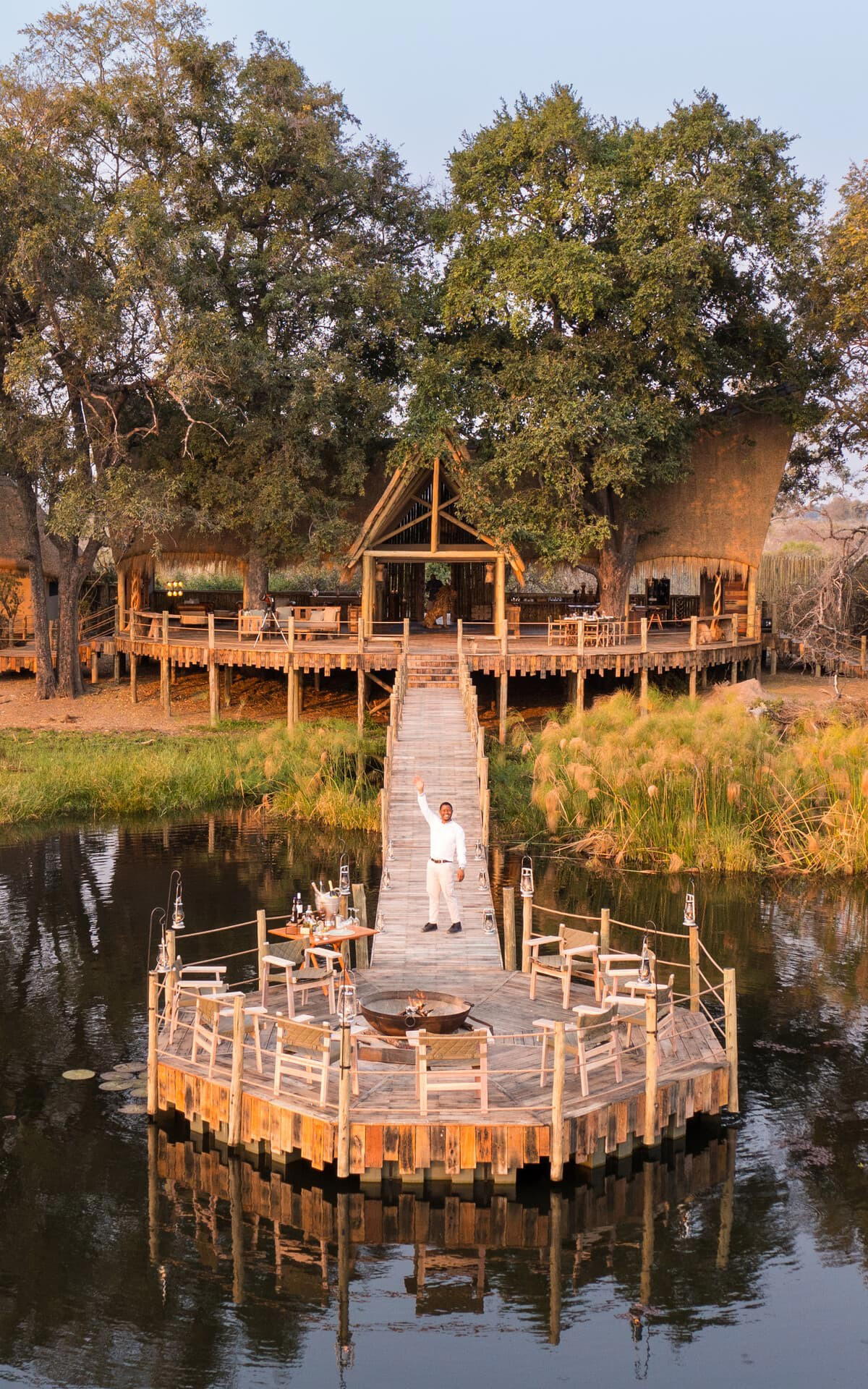
Duba's large canvas suites locate it firmly within the intimate, low-density tier of Okavango accommodation, a category that has grown in critical standing as larger, more anonymous lodges have come and gone. The canvas format is not rustic compromise; in the Delta's premium concession market, it represents a deliberate material choice that keeps sound, air, and light in conversation with the environment. At this scale, a camp's atmosphere is inseparable from its physical fabric.
The intimacy of the space shapes how food and drink are experienced. Meals at small concessions are not served to a dining room of fifty guests. They happen at communal tables or private setups where the rhythm of conversation, the quality of fire light, and the sounds arriving from outside the canvas are all part of what you consume. That format has more in common with the ethos behind places like Lazy Bear in San Francisco, where the communal, chef-driven experience is the point, than with any conventional restaurant.
Conservation, Birdwatching, and Why the Non-Food Hours Matter
A key feature of Duba's offering is its wildlife conservation program, a designation that places it alongside a small group of concessions in Botswana that manage land actively rather than simply occupying it. Conservation-integrated camps operate differently from pure tourism products: the presence of researchers, anti-poaching efforts, and managed habitats changes what guests see and how staff relate to the landscape. That active relationship with the land feeds back into how the camp presents its environment at every level, including at the table.
Birdwatching in the Okavango is a serious pursuit. The Delta supports over 400 bird species, and the floodplain habitats around Duba's concession area provide conditions for waterbirds, raptors, and grassland species that are difficult to observe elsewhere in Botswana. For guests whose experience of a destination is partly shaped by morning walks and the quality of a guide's knowledge, this matters. The non-dining hours at a camp like Duba are as carefully considered as the food, and the two inform each other: what you see before breakfast sharpens how you experience it.
Guests interested in the full range of what the region offers beyond the camp boundary should consult the surrounding Delta landscape.
Planning Your Stay
Duba Concession is located near Kakoro in the Okavango Delta and is accessed by light aircraft, which is standard for the Delta's more remote concessions. Guests should coordinate transfers through their booking agent, as road access to this part of the floodplain is seasonal at leading and non-existent at others. The dry season (roughly May through October) brings the highest wildlife concentrations as animals cluster around permanent water, and the reserve's birdwatching peaks during the wet season (November through April) when migratory species arrive. Both windows offer distinct conditions, and the camp's 4.9 Google rating across 56 reviews suggests a consistent standard across seasonal variables.
Given the premium positioning of Delta camps, pricing is typically bundled across accommodation, meals, and activities. Guests should expect premium concession rates in line with the broader Okavango market, where exclusivity and conservation levies are factored into the tariff.
In Context: Similar Options
Comparable venues nearby, for context on price, style, and recognition.
| Venue | Cuisine | Price | Awards | Notes |
|---|---|---|---|---|
| Duba ConcessionThis venue — the venue you are viewing | Modern African Safari Cuisine | $$$$ | 1 recognition | |
| Sitatunga Private Island dining room Restaurant | Fine dining with traditional Botswana-inspired cuisine | $$$$ | , | Okavango Delta |
| Great Plains Selinda | Fine Dining Safari Cuisine | $$$$ | 1 recognition | Selinda Reserve |
| Selinda Camp | Zarafa Camp Restaurant | Relais & Châteaux safari fine dining | $$$$ | , | Selinda Reserve |
Continue exploring
More in Okavango Delta
Restaurants in Okavango Delta
Browse all →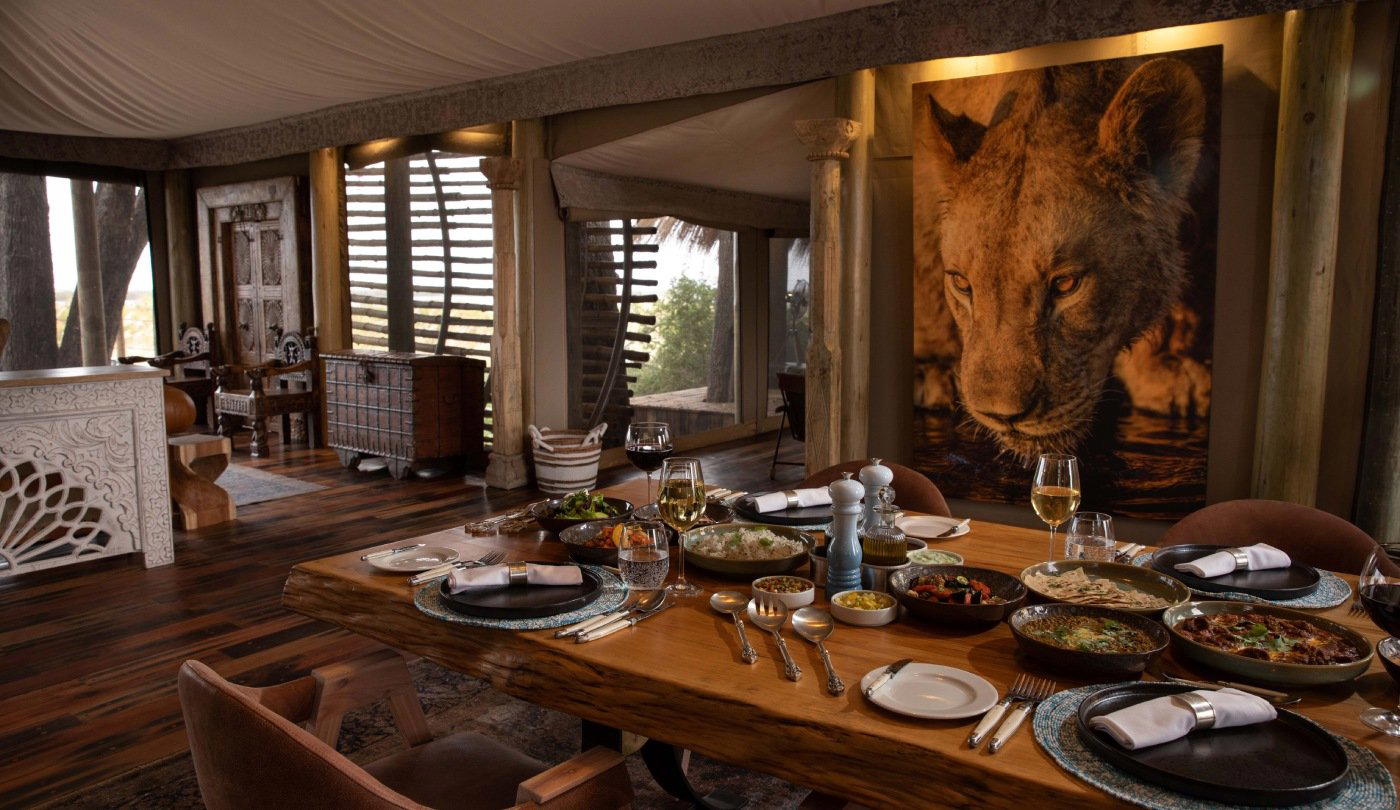
At a Glance
- Rustic
- Scenic
- Elegant
- Intimate
- Classic
- Special Occasion
- Waterfront
- Hotel Restaurant
- Extensive Wine List
- Local Sourcing
- Waterfront
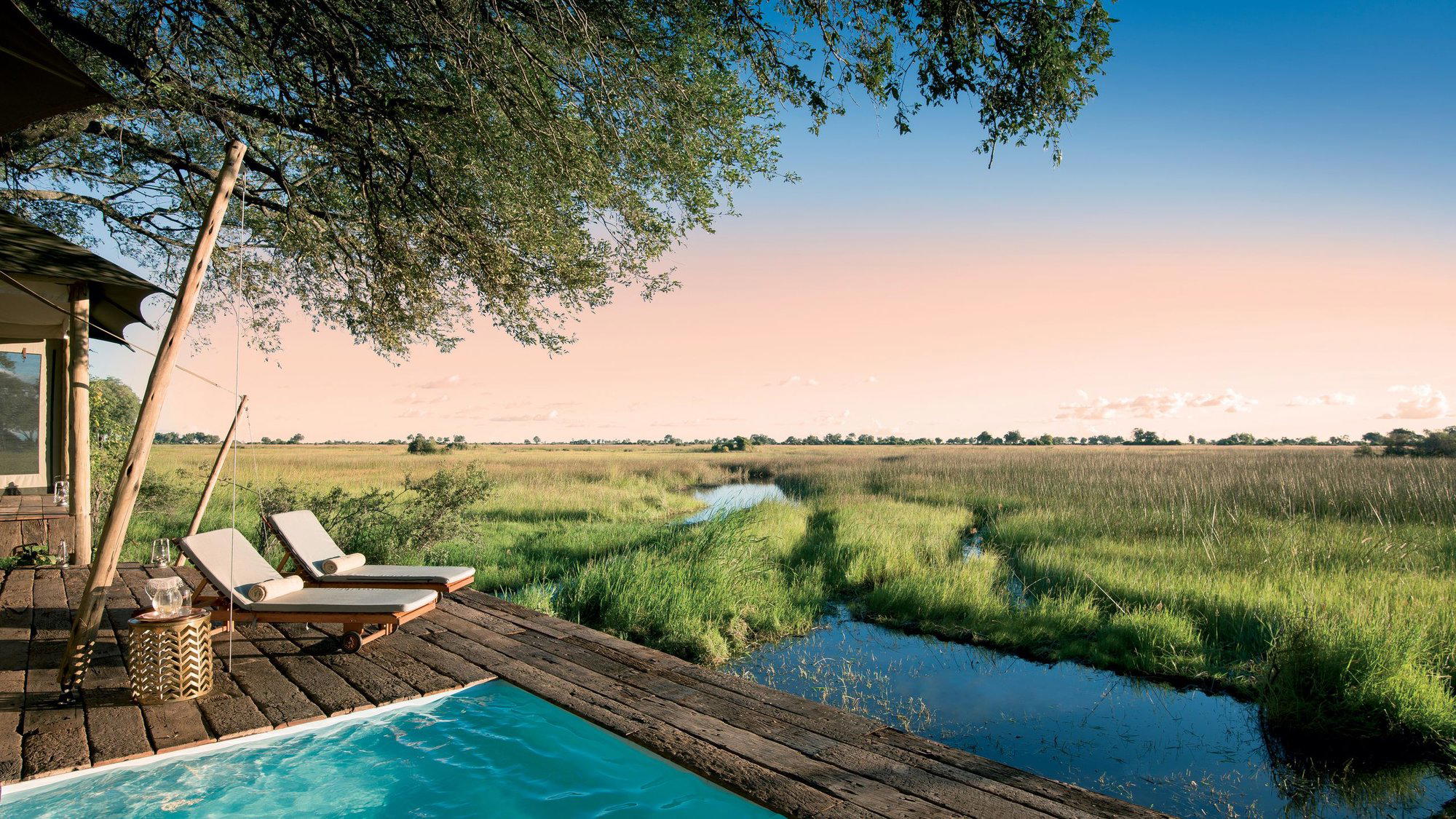
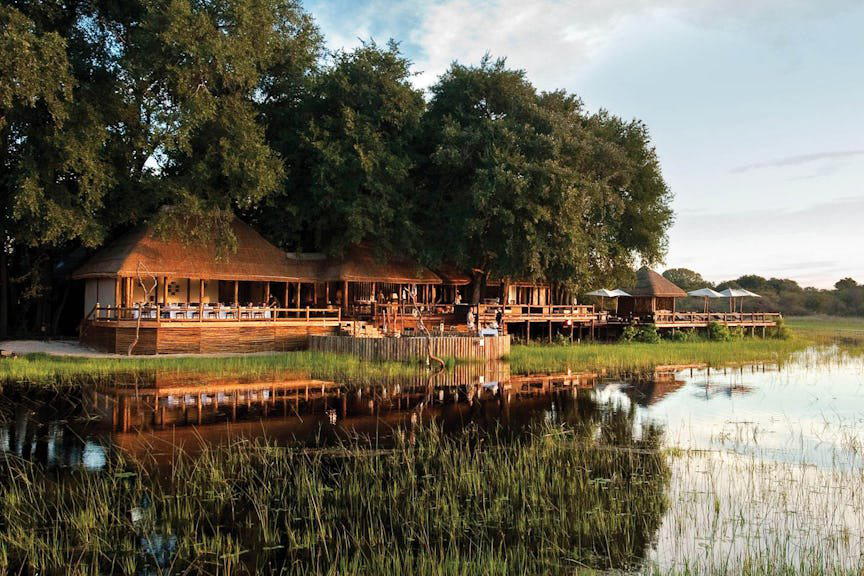
Relaxed bush atmosphere with communal dining under thatch, candlelit dinners, and stunning views of floodplains.