Senda Monteverde Hotel

Senda Monteverde Hotel sits in the heart of Costa Rica's cloud forest zone, placing guests within reach of Monteverde's nature reserves and canopy trails. The property positions itself around eco-conscious principles without withdrawing from comfort, making it a grounding base for travelers who want serious access to the forest alongside hotel-grade amenities.
Pearl is the En Primeur Club membership app — saves, bookings, and concierge access live there. Same editors, same standards.
- Address
- 250m norte del BCR en Cerro Plano, Provincia de Puntarenas, Monteverde, 60109
- Phone
- +1 866-380-4032
- Website
- sendamonteverde.com
- Directions
- Get directions
 Saves & bookings on Pearl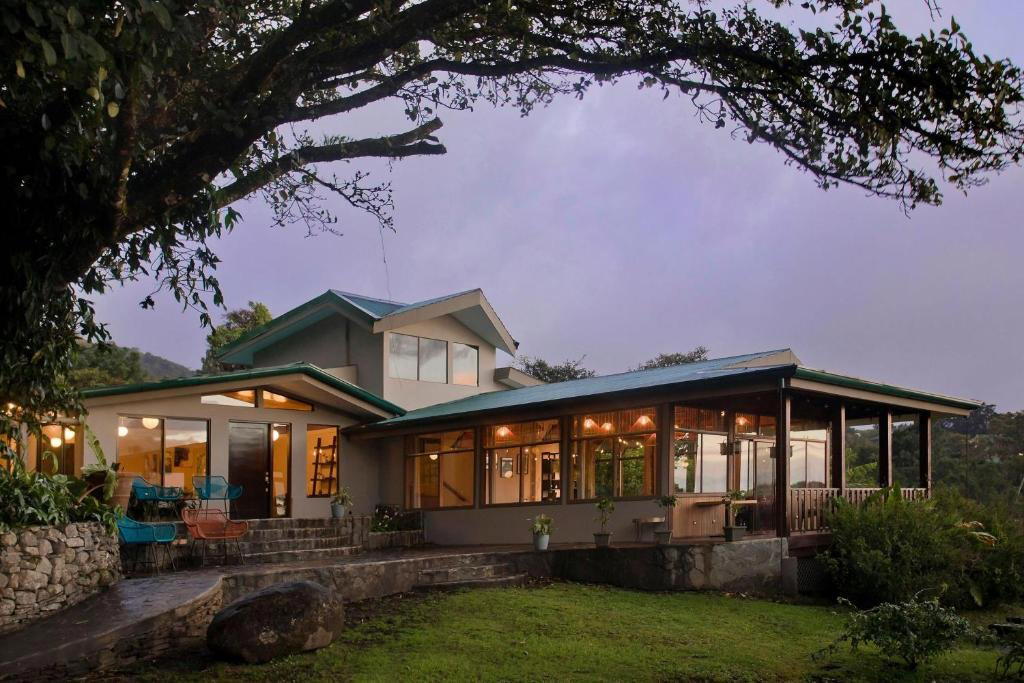
Where the Cloud Forest Sets the Table
Monteverde operates on different terms from Costa Rica's beach and peninsula circuit. There are no ocean views here, no coral-reef diving programmes, no sunset cocktails with Pacific backdrops. What the zone offers instead is altitude, mist, and one of the most biodiverse cloud forest systems in the western hemisphere. The Monteverde Cloud Forest Biological Reserve and the adjacent Santa Elena Reserve together protect tens of thousands of acres of canopy, supporting roughly 400 bird species and a density of orchids that rivals any comparable area in Central America. Hotels in this zone succeed or fail on how well they connect guests to that environment, and Senda Monteverde Hotel, located in the Cerro Plano district approximately 250 metres north of the BCR branch, is positioned directly within that access corridor.
The Eco-Luxury Tension, Handled Honestly
Costa Rica's premium accommodation market has split into two recognisable camps. The first is large-footprint international resort development: properties like the JW Marriott Guanacaste Resort & Spa in Santa Cruz or the Andaz Costa Rica Resort at Peninsula Papagayo in Guanacaste, which offer polished amenity stacks at scale. The second is smaller, ecology-driven properties where the surrounding environment is the primary product and the built infrastructure is intentionally restrained. Senda Monteverde Hotel sits in this second camp. Its positioning, as a property that puts nature first while keeping comfort within reach, reflects a model that has gained serious traction across Costa Rica's interior lodges, from El Silencio Lodge & Spa in Bajos del Toro to Lapa Rios in Puerto Jimenez. The proposition is not austerity but calibration: luxury scaled to the environment rather than imposed upon it.
Dining in the Cloud Forest Context
Cloud forest hotels occupy a different culinary position from Costa Rica's coastal resort tier. The proximity to Guanacaste's produce networks, the Pacific's seafood supply chains, and the international chef pipelines that flow through Peninsula Papagayo does not apply in Monteverde. What this zone has instead is altitude-cooled growing conditions, proximity to small-scale dairy and agricultural production in the surrounding Puntarenas highlands, and a guest profile that skews toward nature-focused travellers with genuine interest in regional food traditions. The dining programmes at cloud forest lodges tend to reflect that context: locally sourced ingredients, menus oriented around Costa Rican staples updated for a traveller palate, and a food-and-beverage approach that reinforces rather than competes with the environment outside the window.
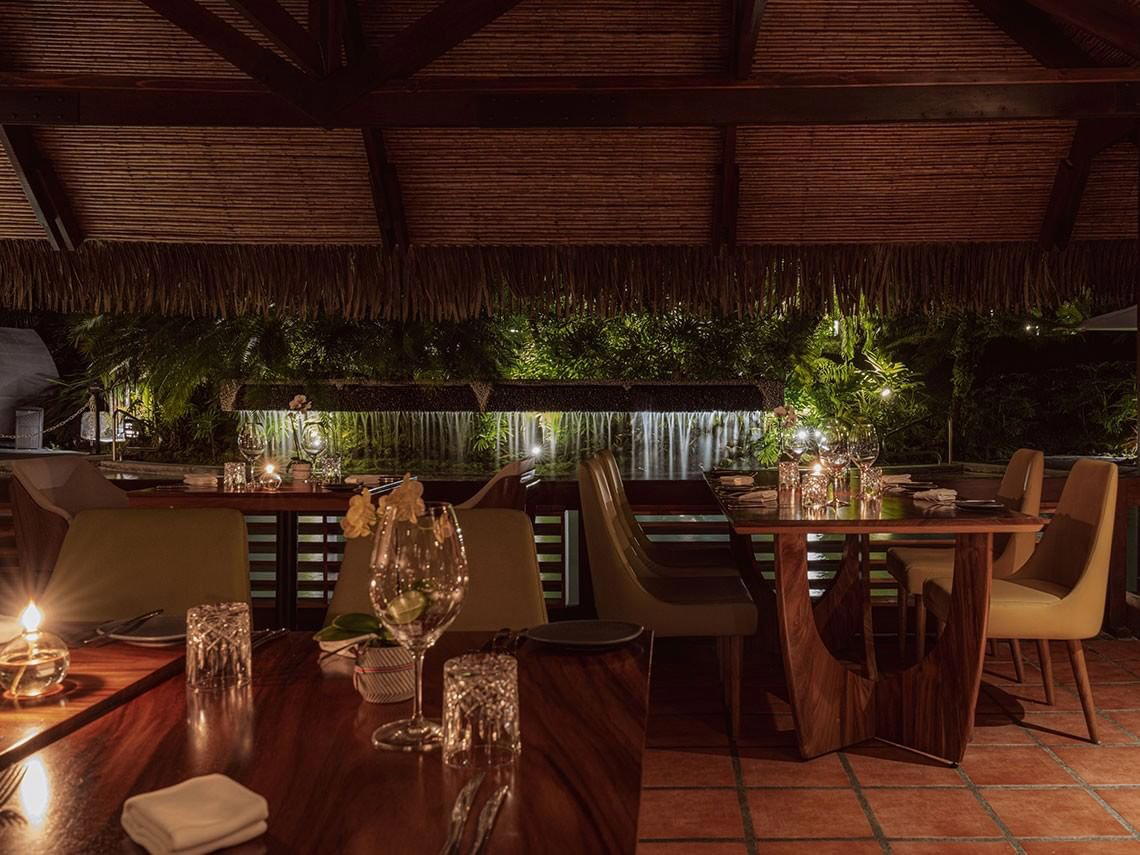
At Senda Monteverde Hotel, the setting for any meal is the cloud itself. The property sits at elevation where morning mist moves through valley views, and evening light across the green hills has a quality that shifts the entire sensory context of a meal. This is not a backdrop that can be engineered elsewhere. For properties in this zone, that atmospheric specificity is a form of culinary identity, even before any dish arrives at the table. Compared to competitors like Hotel Belmar, which has developed a stronger individual culinary identity within Monteverde's accommodation tier, Senda positions itself around the forest experience as the organising principle, with food and drink programmes serving that larger frame.
The Nature Programme as the Real Offering
Understanding what to book at Senda Monteverde Hotel requires understanding Monteverde's activity structure. The cloud forest reserves operate on timed entry systems during peak season, typically running from December through April, when visitor numbers to the Monteverde Cloud Forest Biological Reserve are highest and trail access requires advance reservation. Night tours, canopy walkways, and guided birding sessions are the core activity stack for most guests, and proximity to the reserve trailheads is a meaningful practical variable when choosing accommodation in the Cerro Plano zone. Senda's address places it within the Cerro Plano corridor that connects the town of Santa Elena to the reserve entrance, which makes logistics for early-morning starts, when cloud forest wildlife is most active, more direct than staying in Santa Elena itself.
For those comparing options across Costa Rica's eco-lodge tier, the range of reference points is wide. The Hacienda AltaGracia, Auberge Resorts Collection in Pérez Zeledón operates at a significantly higher price and amenity level, with a defined wellness and horseback programme. The Drake Bay Getaway Resort in the Osa Peninsula offers a more remote, expedition-style experience. Senda fits between these poles: more amenity than a bare-bones nature lodge, less infrastructure than a full resort. That positioning makes it coherent for travellers who want a managed experience of the cloud forest without the distraction of a large hotel operation around them.
Planning Your Stay
Monteverde is a four-hour drive from San José on roads that include significant stretches of unpaved surface through the Guanacaste ranges. Many visitors choose to break the journey with a stop in the Central Valley, and properties like the Finca Rosa Blanca Coffee Farm and Inn in Jesús de Santa Bárbara serve that transit function well. Alternatively, shared shuttle services from San José operate daily during high season and are the standard approach for travellers without a 4WD vehicle. The Senda Monteverde Hotel sits at the Cerro Plano address, 250 metres north of the BCR, which is a landmark most local drivers know. Booking the cloud forest reserves separately from accommodation is advisable, as entry slots fill during December through April. For a broader orientation to what the area offers, our full Monteverde restaurants guide covers the dining and experience options across the zone.
Those building a longer Costa Rica itinerary around Senda should consider that the country's main lodging and dining concentrations span distinct ecosystems. The Pacific coast options, including Hotel Nantipa in Santa Teresa de Cobano, Casa Chameleon at Las Catalinas in Potrero, and Azura Resort in Sámara, each represent a different ecosystem and pace from Monteverde's cloud forest. The Arenas Del Mar Beachfront & Rainforest Resort in Aguirre and the Kura Boutique Hotel in Uvita de Osa cover the southern Pacific alternatives. Building Monteverde into an itinerary that also includes the Nicoya Peninsula or the Osa routes adds significant variety without requiring backtracking through San José.
How Senda Monteverde Hotel compares with similar nearby venues.
| Venue | Awards |
|---|---|
| Senda Monteverde Hotel | Small Luxury Hotels of the World Member (2025) |
Recognition history
Dated appearances from independent guides and award organizations, with the underlying list record or original source where available.
Small Luxury Hotels of the World Member
Small Luxury Hotels of the World

At a Glance
- Romantic
- Scenic
- Cozy
- Rustic
- Elegant
- Romantic Getaway
- Family Vacation
- Wellness Retreat
- Weekend Escape
- Panoramic View
- Garden
- Terrace
- Wi Fi
- Pool
- Restaurant
- Room Service
- Concierge
- Laundry Service
- Garden
- Mountain
- Garden
- Wi Fi
- Pool
- Restaurant
- Room Service
- Concierge
- Laundry Service
- Garden
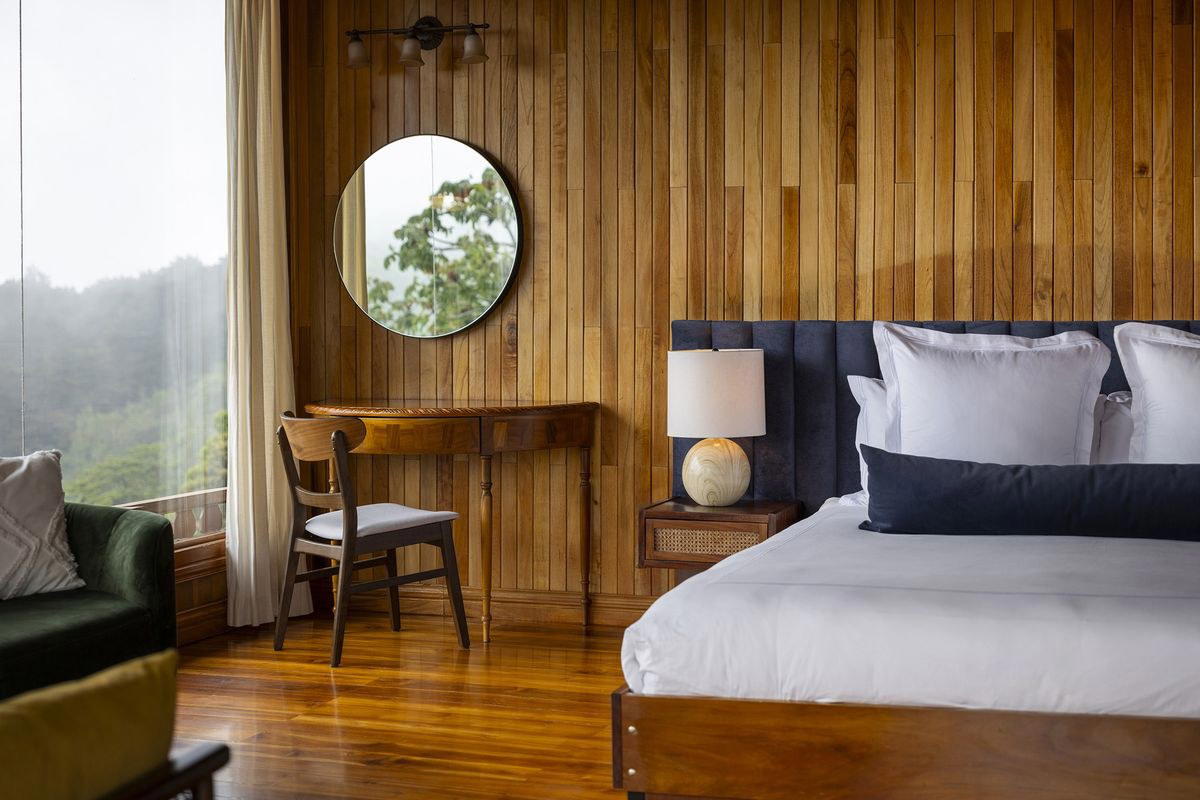
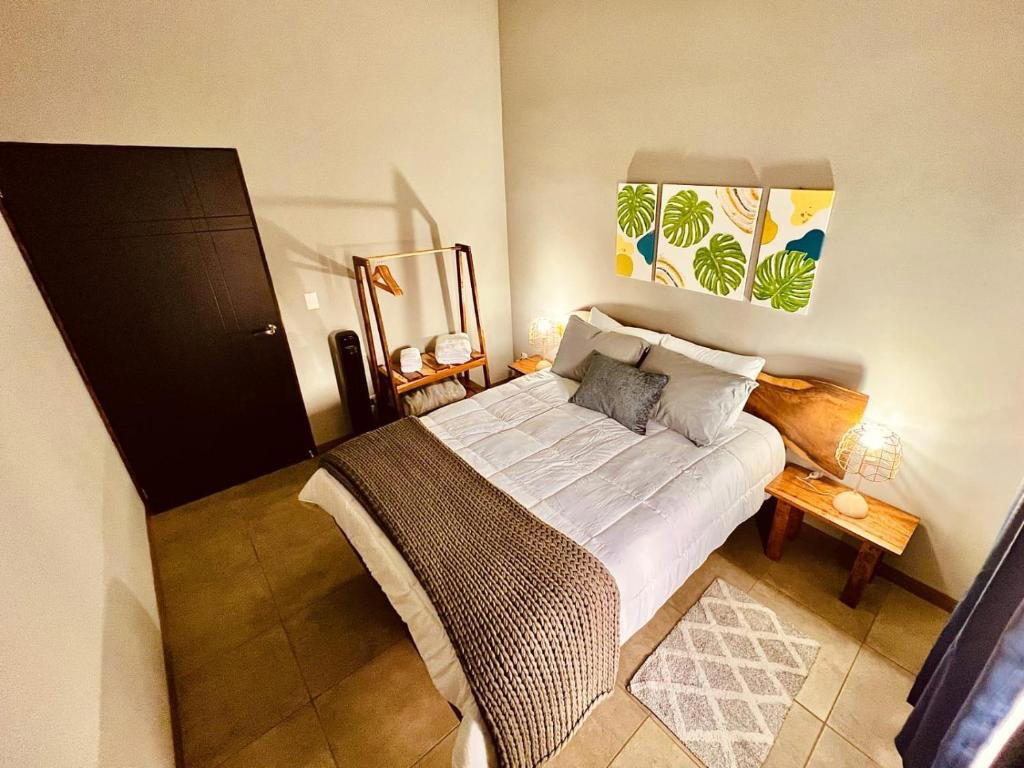
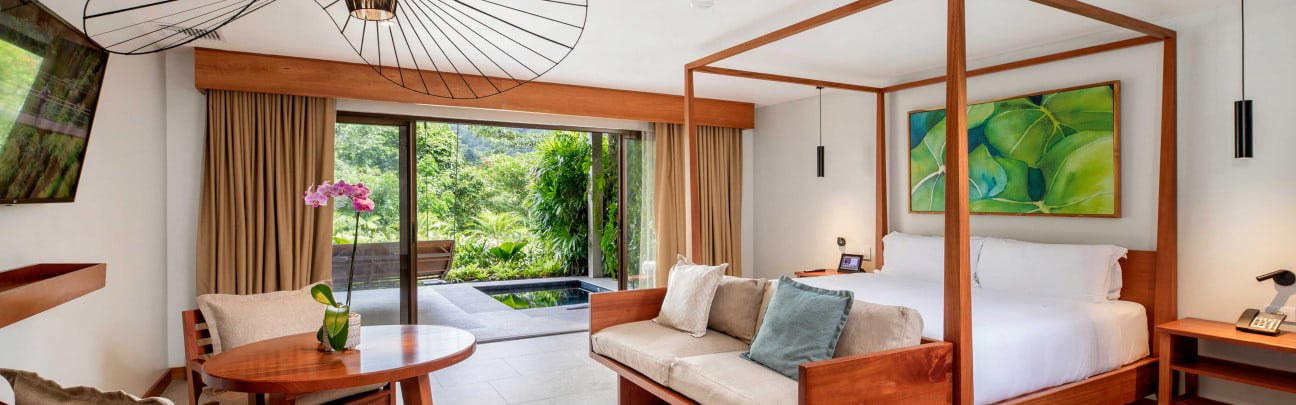
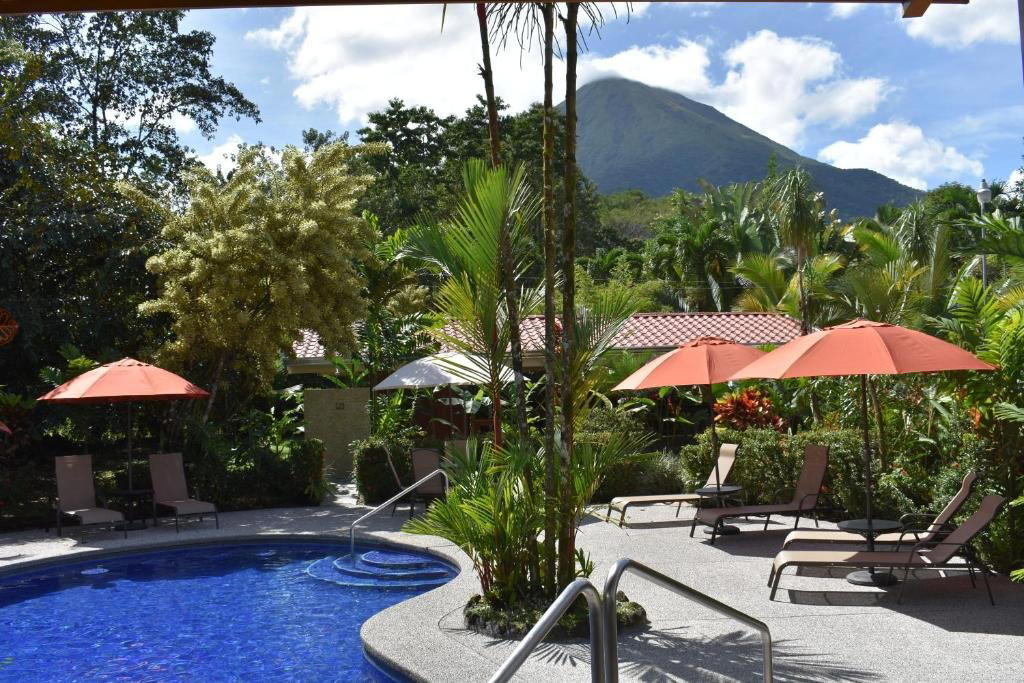
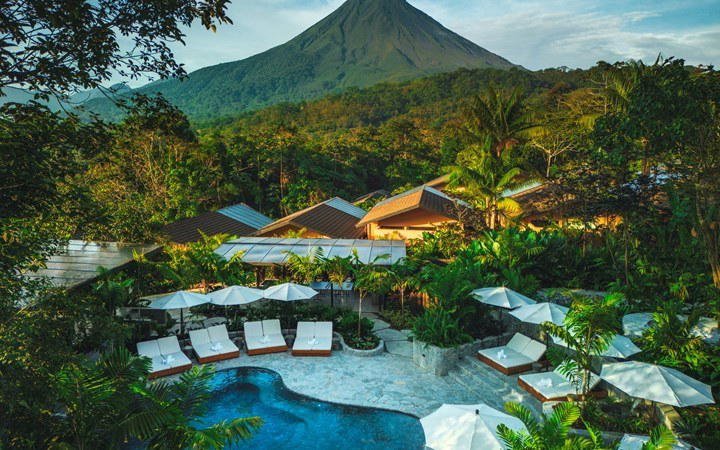
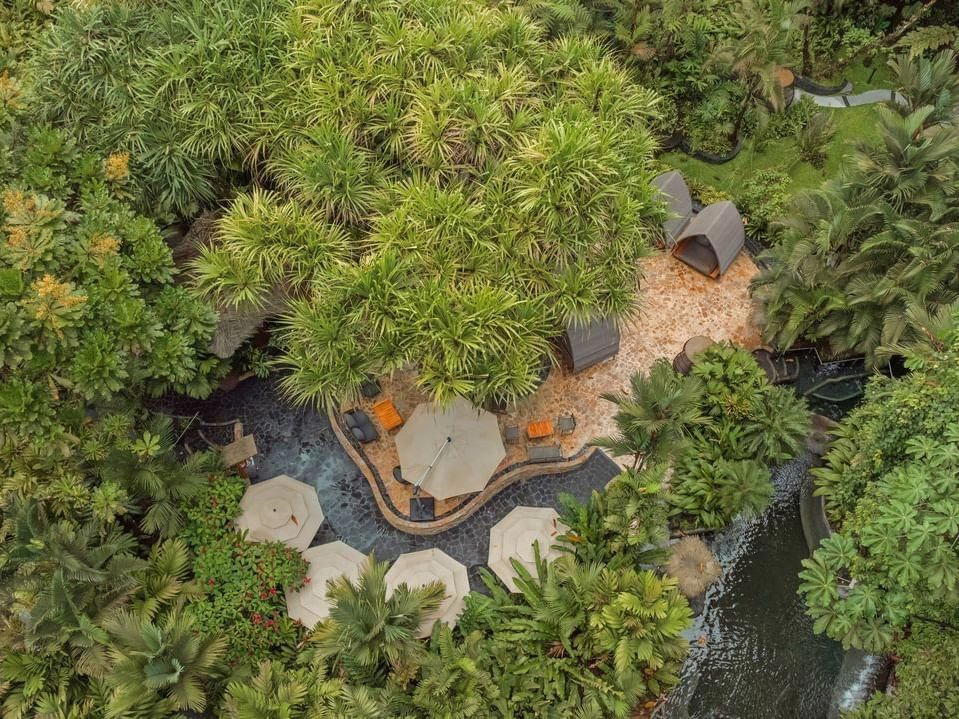
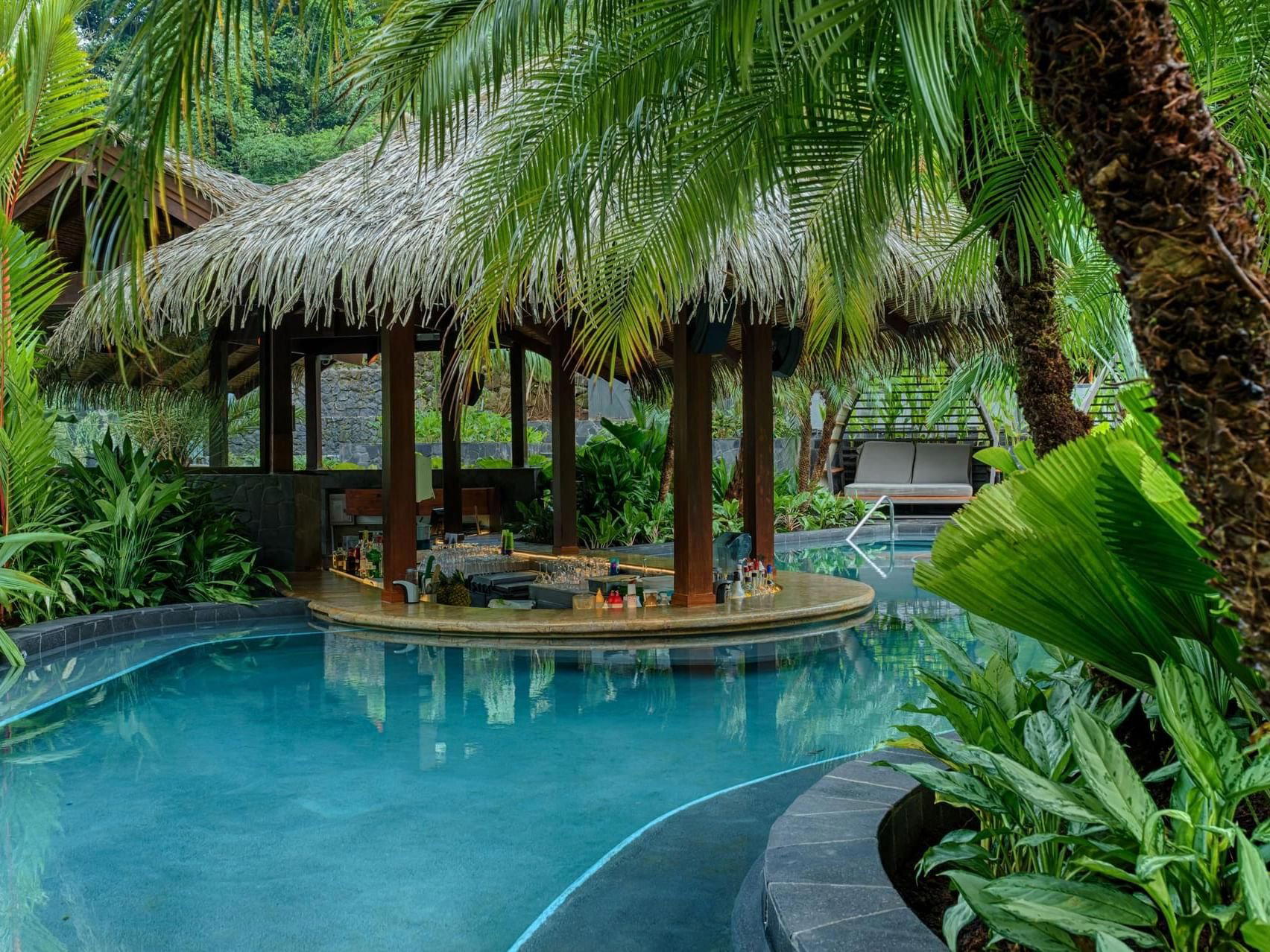
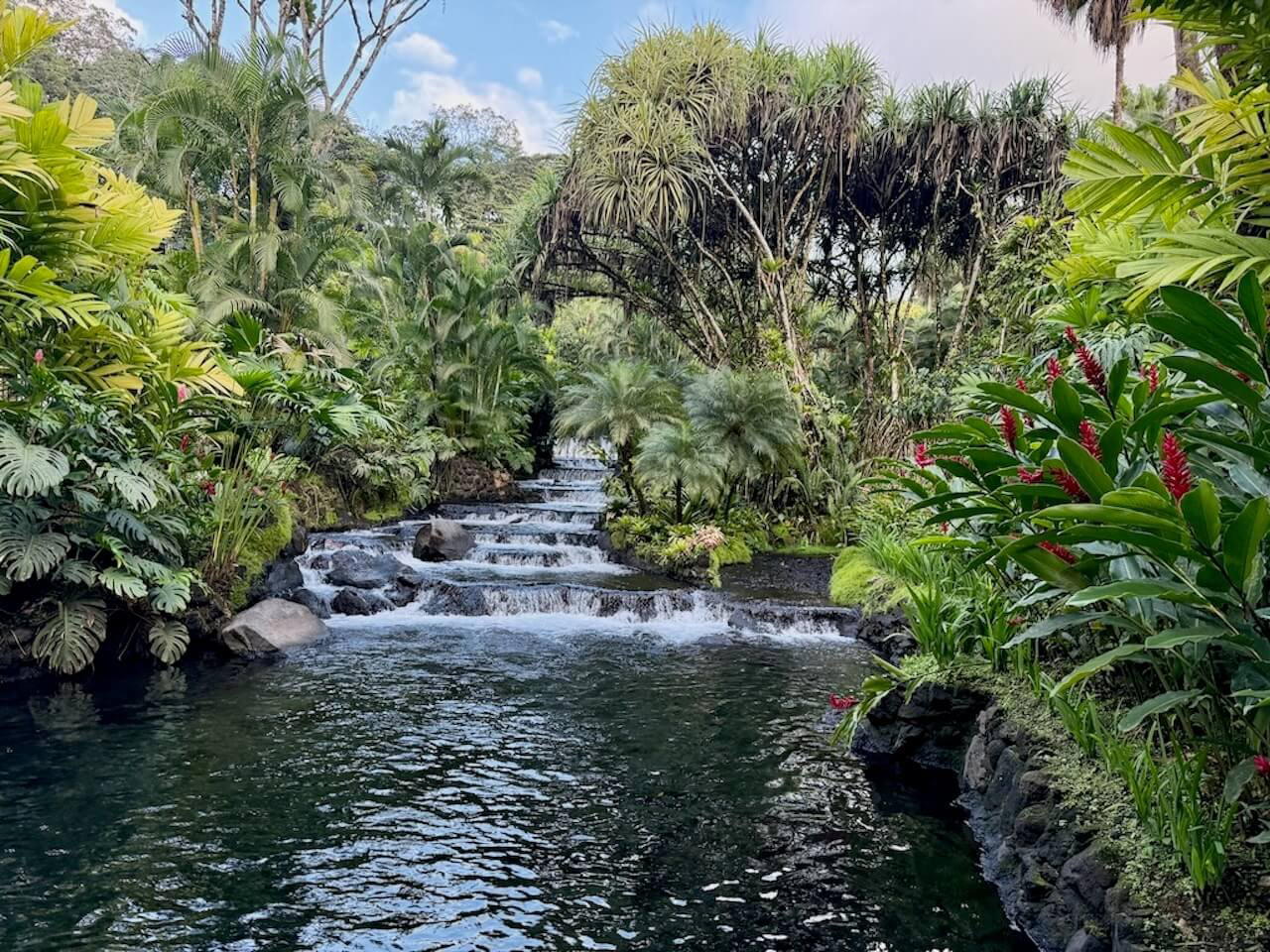
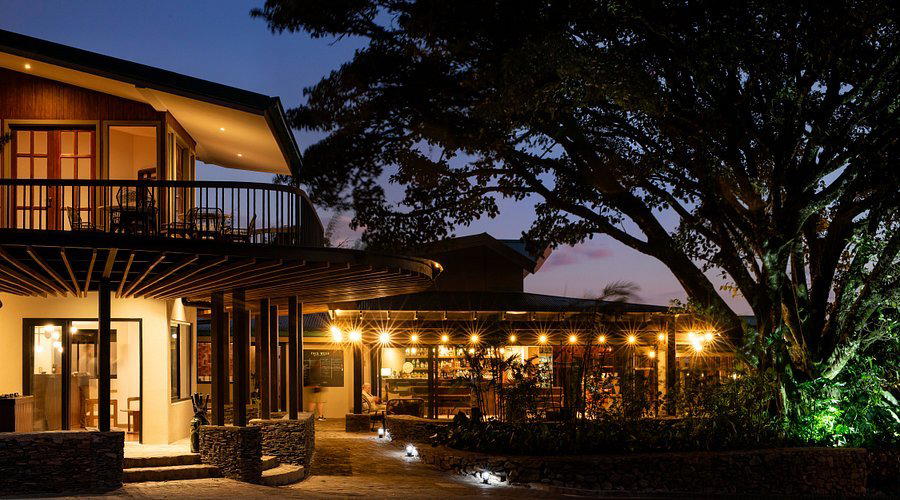
Enchanting rainforest atmosphere blending luxury with nature, featuring cozy rooms with plush bedding, open-air terraces overlooking misty mountains, and warm attentive service.