Restaurante Tiquicia
Restaurante Tiquicia sits 700 metres south of La Fortuna's central roundabout, positioning it within the town's everyday dining circuit rather than the resort-adjacent restaurant corridor. Where many options in La Fortuna tilt toward international visitors, Tiquicia operates closer to the local register — a reliable reference point for Costa Rican home cooking in a town better known for its adventure tourism infrastructure.
Pearl is the En Primeur Club membership app — saves, bookings, and concierge access live there. Same editors, same standards.
- Address
- 700 metros sur del Polideportivo, Provincia de Alajuela, La Fortuna, 21007, Costa Rica
- Phone
- +506 6303 0988
- Website
- latabernitatiquicia.com
- Directions
- Get directions
 Saves & bookings on Pearl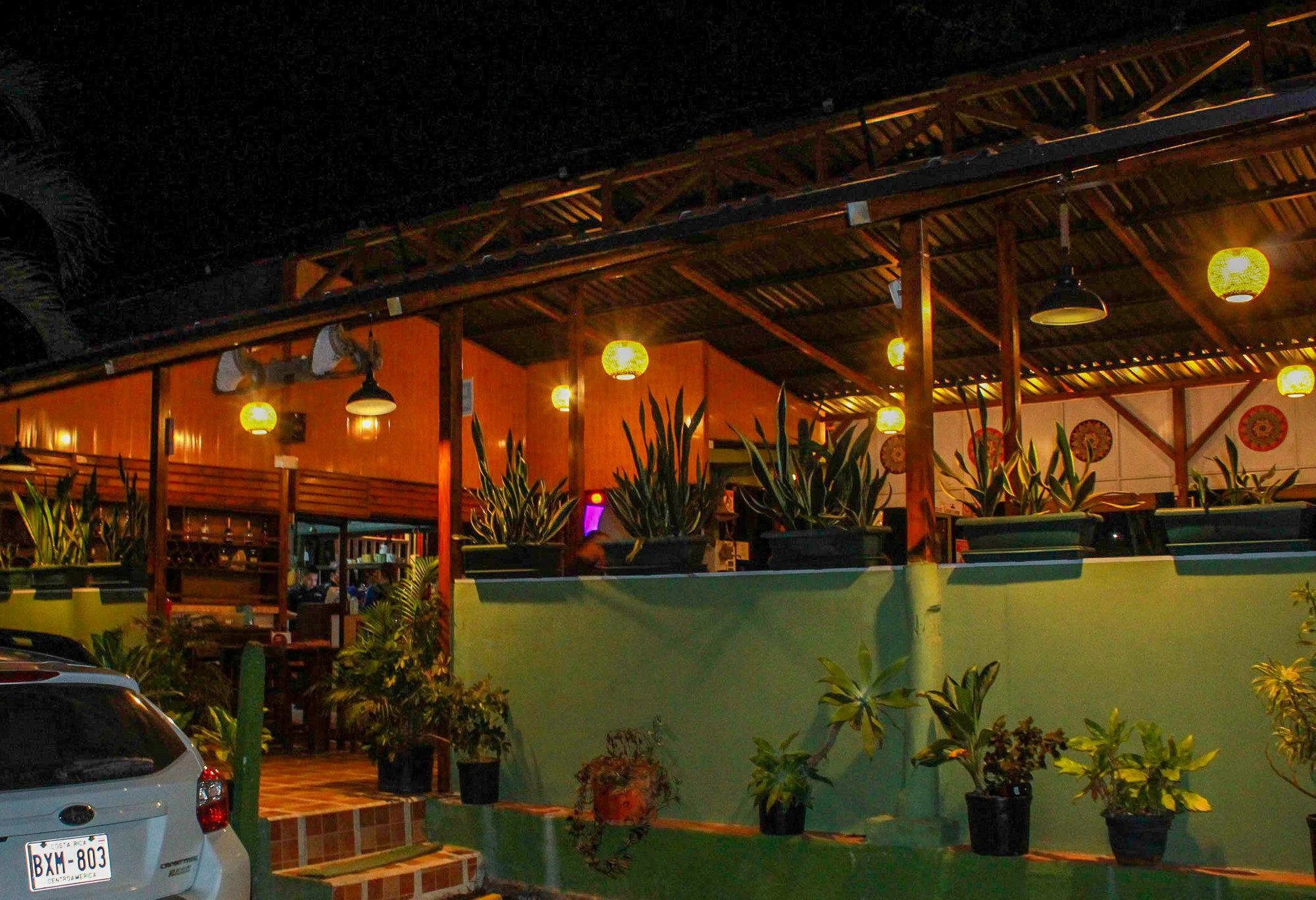
La Fortuna's Dining Geography, and Where Tiquicia Fits
La Fortuna de San Carlos organises its restaurant scene along a predictable axis: the closer a venue sits to the central park or the main highway toward Arenal Volcano, the more calibrated it tends to be for tourist throughput. Menus in that corridor lean international, prices climb with proximity to resort zones, and the pace is tuned for travellers passing through on multi-stop itineraries. Move 700 metres south of the central roundabout, and the character of the town shifts. Restaurante Tiquicia occupies that southern position — physically and commercially outside the tourist-facing strip that defines most first-time visitors' experience of La Fortuna.
That location is not incidental. In Costa Rican towns built around a single natural draw (here, Arenal Volcano and the surrounding national park), the restaurants that survive outside the tourist corridor do so by serving the people who actually live and work there. Tiquicia's address places it in that category, which shapes both its likely pricing register and its menu logic — geared toward repetition and familiarity rather than novelty and spectacle.
The Costa Rican Casado Tradition and What It Means at This Address
Costa Rican home cooking is built around a remarkably consistent framework. The casado, rice, black or red beans, a protein, fried plantains, and a small salad, functions as the baseline meal across the country, from roadside sodas to sit-down restaurants operating outside the luxury tier. The name itself derives from the Portuguese word for married man, referring historically to the balanced plate a wife might pack. That etymology aside, the casado is now simply the working architecture of the Costa Rican lunch.
Restaurants like Tiquicia, positioned away from resort-adjacent dining, typically operate within this tradition rather than departing from it. That means the menu is likely to foreground the casado alongside gallo pinto (the ubiquitous rice-and-beans breakfast), arroz con pollo, and various preparations built around chicken, beef, and fish. The appeal is not innovation, it is consistency, portion logic, and pricing that reflects the local economy rather than the tourist one. For travellers who have spent their La Fortuna days inside the Nayara Springs ecosystem (see Nayara Springs in San Carlos) or similar resort dining formats, a meal at this kind of address functions as a useful recalibration.
Neighbourhood Context: South of the Roundabout
The 700-metre walk south from the central roundabout is a short distance in physical terms, but it moves meaningfully through the town's social geography. The central park area in La Fortuna concentrates souvenir shops, tour operator storefronts, and the restaurants most likely to appear on aggregator lists optimised for visitors. Further south, the town becomes more residential and commercial in the everyday sense, hardware stores, local sodas, family-run operations that exist on repeat business from the same community.
This is the context in which Tiquicia operates. It is not positioned to compete with the design-led properties on the road to Arenal, venues like those covered in our full La Fortuna restaurants guide span a range from resort dining to local sodas, and Tiquicia sits in the latter tradition. For comparison, AmorLoco, Asia Luna, and Mis Amores each represent different points on La Fortuna's dining range, from casual to more considered formats. Tiquicia's location and apparent operating register place it firmly in the accessible, everyday tier.
Costa Rica's broader dining scene has developed considerable range in recent years. San José alone supports venues operating at the precision end of the spectrum, Conservatorium in San José and Restaurante El Tigre Vestido in Jesús de Santa Bárbara sit at that more composed end of the national restaurant conversation. Further afield, Conservatorium in Ciudad Colón and El Silencio Lodge and Spa in Bajos del Toro reflect the growing appetite for design-led hospitality in rural Costa Rica. Tiquicia is not playing in those tiers, nor does its location suggest it intends to. The interest is different: it is the kind of place that makes sense to a traveller who wants to eat the way the town actually eats, rather than the way the tourism infrastructure recommends.
Costa Rica's regional restaurant culture extends across the country in ways that reward exploration beyond the obvious. Puna in Liberia, Wave Restaurant in Santa Cruz, and Casa Chameleon at Las Catalinas in Potrero each reflect distinct regional dining identities. For international reference points at the opposite end of the precision spectrum, Le Bernardin in New York City and Atomix in New York City represent what the tasting-menu tier looks like at its most constructed, a useful contrast when thinking about where places like Tiquicia sit in the global dining range.
Planning Your Visit
Restaurante Tiquicia's address, 700 metres south of the central roundabout in La Fortuna, is specific enough to navigate on foot or by taxi from the town centre. No website or phone number is publicly listed, which is characteristic of smaller, locally-oriented operations in Costa Rica where walk-in traffic and word-of-mouth function as the primary booking mechanism. For visitors staying in the resort corridor toward Arenal, the venue is a short drive or a manageable walk into town. The lack of an online reservation system means timing your visit around meal service hours is advisable; arriving at peak lunch service (typically noon to 2pm in Costa Rican casual dining) will give you the fullest sense of the kitchen's output.
For those building a broader Costa Rican dining itinerary, the contrast between venues like Tiquicia and the capital's more developed restaurant scene is worth building in deliberately. La Uvita Perdida Cantina de Vinos in San José and Naans and Curries in Santa Ana Cantón (or its second location, Naans and Curries, Momentum Pinares in Curridabat Cantón) show how San José's dining range has expanded to include international formats operating with genuine specificity. Koji's in Puntarenas adds another regional data point. Tiquicia, by contrast, keeps the frame local and the expectation appropriately modest, which in the right context is exactly what a meal should do.
How Restaurante Tiquicia La Fortuna compares with similar nearby venues.
| Venue | Cuisine |
|---|---|
| Nayara Springs | Costa Rican |
| Cielito Lindo Pool Bar | Creative cooking |
Continue exploring
More in La Fortuna
Restaurants in La Fortuna
Browse all →
Bars in La Fortuna
Browse all →


At a Glance
- Rustic
- Cozy
- Family
- Casual Hangout
- Standalone
Current opening hours
- Monday
- 12–11 PM
- Tuesday
- 12–11 PM
- Wednesday
- 12–11 PM
- Thursday
- 12–11 PM
- Friday
- 12–11 PM
- Saturday
- 12–11 PM
- Sunday
- 12–11 PM
Hours can change for holidays and private events. Last verified .
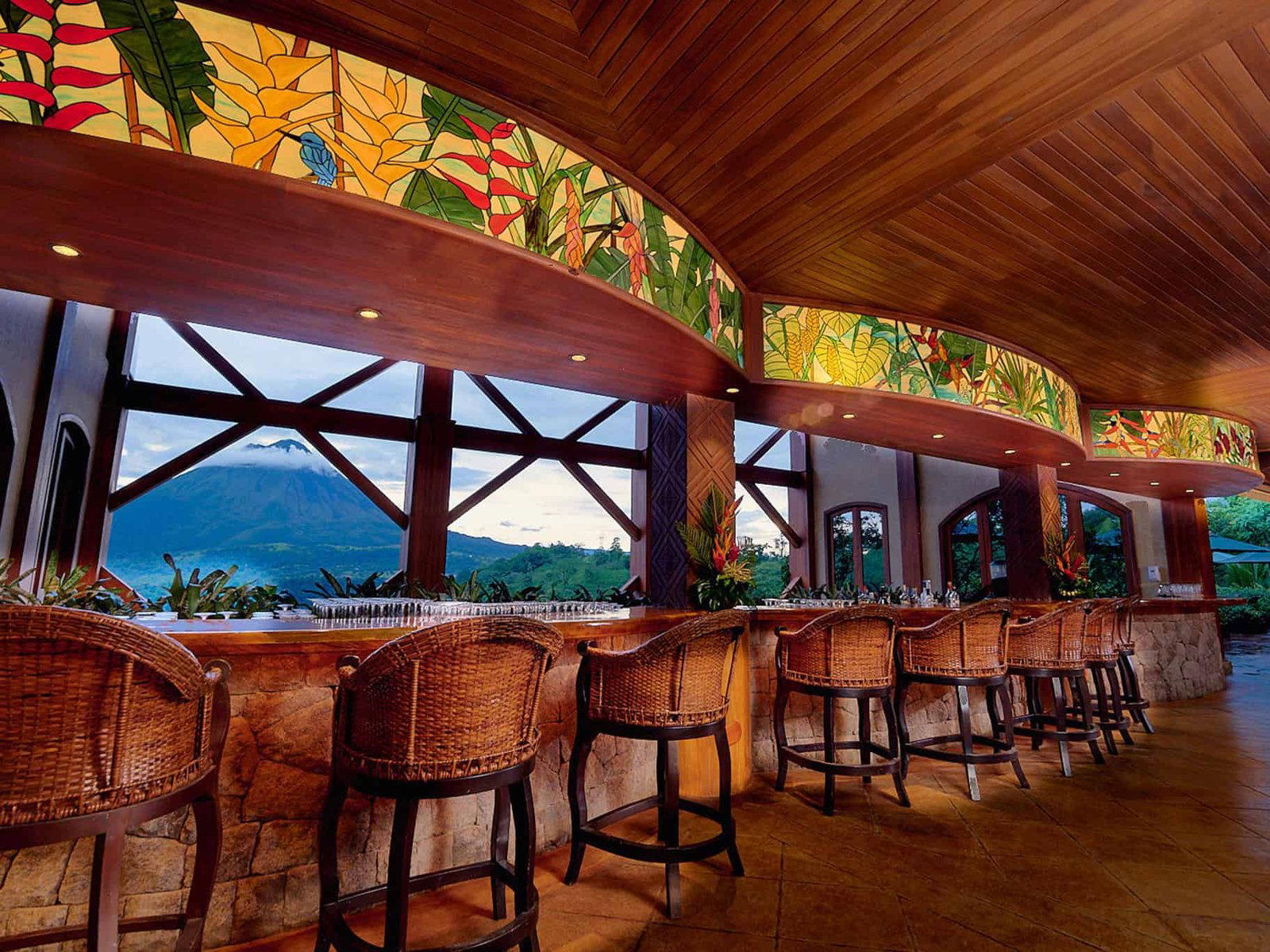
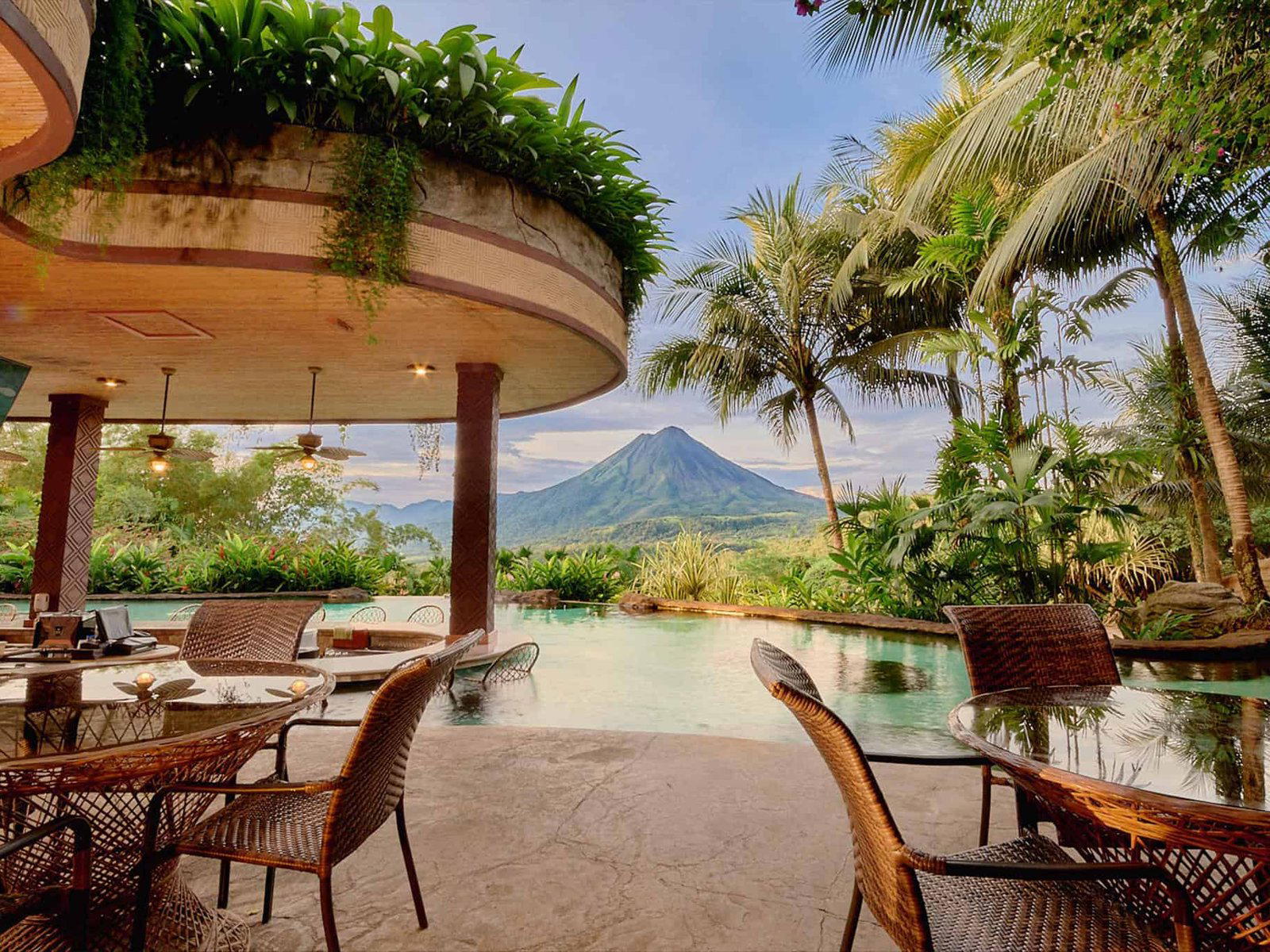
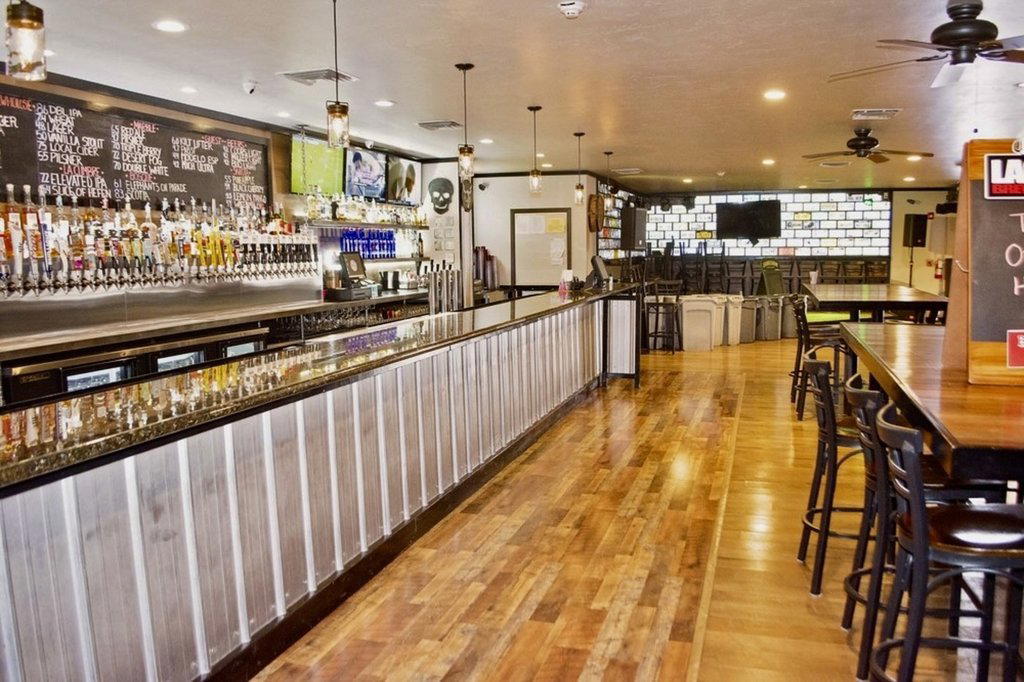
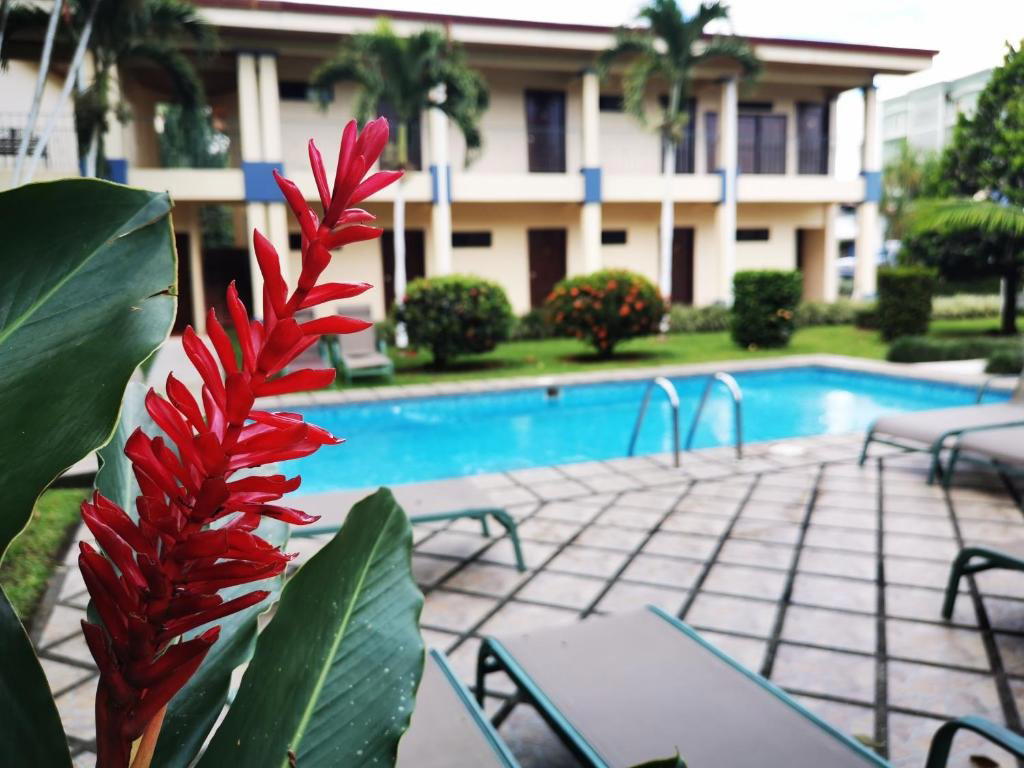
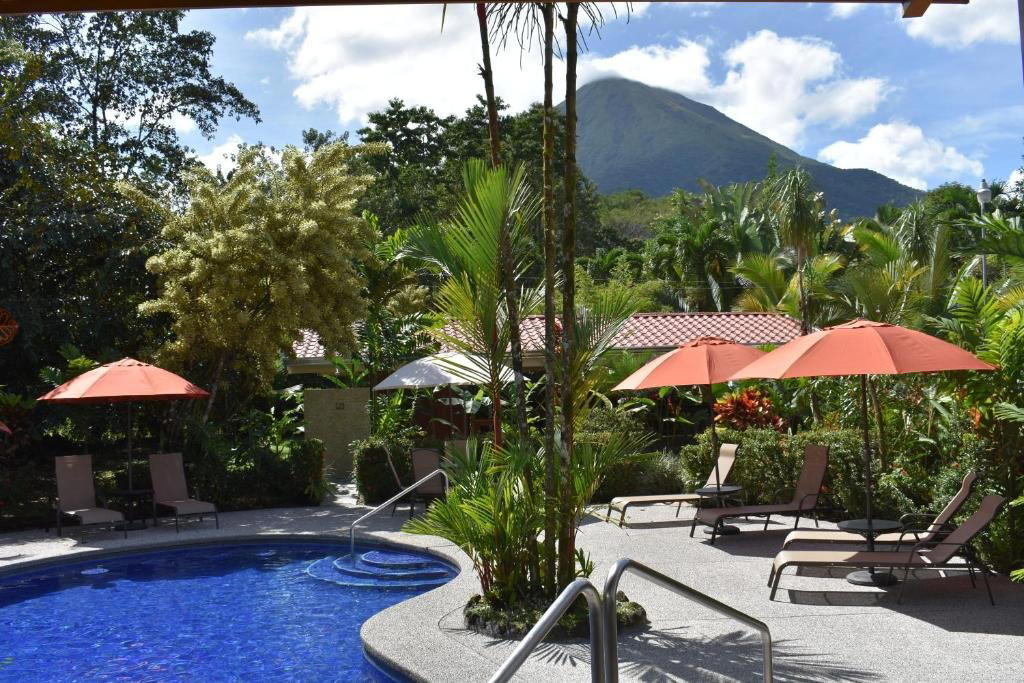
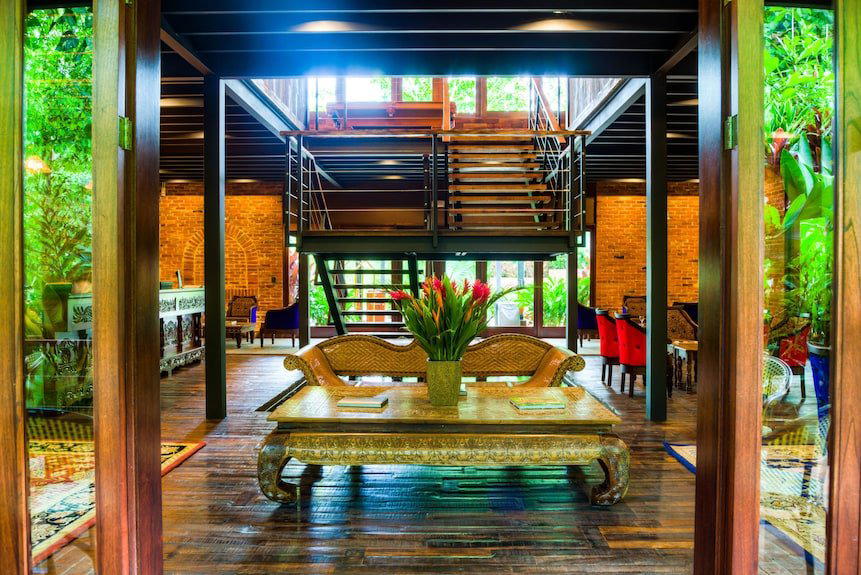
Warm and friendly with a casual, rustic charm that immerses diners in local Costa Rican culture.