Arrival, appetite, and the Aarhus hotel question Aarhus does not announce itself with grand hotel theatre. The city works at street level: bicycles against brick facades, harbour air pushing through the centre, students and museum visitors sharing the same cafés, and restaurants that tend to prize clarity over spectacle. That matters when judging Scandic Signature Aarhus In a city where hotel dining often competes with independent restaurants rather than enclosed resort dining, that lack of listed detail becomes part of the assessment rather than a gap to decorate with guesswork. The better way to read the property is through the dining expectations attached to a contemporary city hotel in Aarhus. Guests in Denmark’s second-largest city are rarely choosing a hotel restaurant in isolation. They are choosing between breakfast convenience, lobby-bar usefulness, proximity to restaurants, and the ability to step out into a compact urban food scene shaped by New Nordic habits, harbour redevelopment, university energy, and a strong café culture. For broader context, Our full Aarhus restaurants guide is the natural companion piece, while Our full Aarhus hotels guide places the hotel within the city’s accommodation field. The dining programme lens Hotel dining in Aarhus sits in a different competitive set from Copenhagen’s grand-hotel restaurants. The capital can support destination dining rooms attached to heritage addresses; Aarhus tends to reward usefulness, local rhythm, and a softer boundary between hotel guest and neighbourhood diner. The editorial point is narrower and more practical: travellers should treat the dining programme as something to verify directly before anchoring a stay around it. That does not make the food and drink question secondary. In Aarhus, the hotel breakfast, lobby drink, and late-evening fallback matter because the city’s strongest dining experiences may sit outside the hotel. A property without listed restaurant credentials should be compared less with chef-led dining hotels and more with urban bases that support a wider eating itinerary. Nearby peer research should include First Hotel Atlantic, Hotel Oasia Aarhus, Hotel Royal, Scandic The Mayor, and Villa Provence Hotel Aarhus. Those comparisons are useful because Aarhus hotel choice often comes down to urban texture: waterfront access, railway convenience, heritage mood, quiet interiors, or proximity to restaurants. The absence of listed awards also affects expectations. In hotel dining, awards are not the only measure of quality, but they signal ambition, staffing depth, and external scrutiny. It reads, for now, as an Aarhus hotel where the dining programme needs direct confirmation from current hotel channels rather than editorial embellishment. Aarhus dining context: why hotels compete with the city Aarhus has a dining culture that rewards short distances and flexible planning. The city is compact enough for a visitor to build an evening around an independent restaurant, a wine bar, or a casual late drink without committing to a hotel dining room. That makes the hotel restaurant’s role more tactical. Breakfast must be efficient; the bar must make sense before or after dinner; room service, if available, must solve arrival-day fatigue. For more focused drinking research, Our full Aarhus bars guide gives the better read on where the city drinks after dinner. There is also a Danish hospitality habit worth naming: service often leans informal even when the design is polished. A formal dining room with strict dress codes is less common in Aarhus than in palace-hotel cities. Without a listed dress code or price range, the safer assumption is not informality as fact, but uncertainty as planning advice. Travellers with a business dinner, anniversary meal, or late-arrival schedule should confirm restaurant hours, bar hours, and any booking requirements before treating the hotel as the centre of the evening. The stronger hotel strategy in Aarhus is often hybrid. Use the property as a base, then decide which meals deserve city time. That might mean breakfast in-house, lunch near the harbour or museum district, and dinner from an independent shortlist. For travellers extending research beyond restaurants, Our full Aarhus experiences guide and Our full Aarhus wineries guide help frame the day around more than table reservations. Where Scandic Signature Aarhus fits among city hotels The Scandic name carries a different set of expectations from boutique inns, castle hotels, or grand European palaces. In the Nordic market, large hotel groups generally compete on reliability, conference utility, breakfast operations, and central access rather than theatrical luxury. The practical comparison remains valid: travellers should ask whether they need a restaurant-led stay, a design-led stay, a heritage stay, or a clean city base with dependable food-and-drink basics. Aarhus offers several hotel moods within that frame. Hotel Royal points toward historic city-hotel character. Hotel Oasia Aarhus suggests a calmer design-minded alternative. First Hotel Atlantic belongs in any waterfront or harbour-oriented comparison. Scandic The Mayor offers the relevant same-city brand comparison by name. Villa Provence Hotel Aarhus shifts the conversation toward smaller-scale atmosphere. Scandic Signature Aarhus has to be judged against that field, not against abstract luxury language. For dining-led travellers, the decisive question is evidence. Does the hotel publish a restaurant concept with named culinary leadership? Is the bar open to non-residents? Are menus seasonal or operationally simple? Is breakfast included, and does it affect the total cost against nearby peers? How it compares with Denmark's destination hotels Denmark has several hotel traditions that sit outside the Aarhus city-hotel category. Castle stays, coastal inns, and grand capital addresses frame food and lodging in different ways. Dragsholm Slot in Hørve belongs to the castle-hotel conversation, where history and destination dining can become part of the same itinerary. Falsled Kro in Falsled, Dyvig Badehotel in Nordborg, Helenekilde Badehotel in Denmark, and Allinge Badehotel in Allinge sit closer to the inn or seaside-hotel tradition, where the meal may be inseparable from the overnight stay. Copenhagen and its surroundings supply another comparison set. Radisson Collection Royal Hotel, Copenhagen in Copenhagen, Kokkedal Castle Copenhagen in Hørsholm, and Park Lane Copenhagen in Hellerup speak to different capital-region expectations: design history, country-house formality, or coastal suburb polish. Scandic Signature Aarhus is better approached as an urban Aarhus decision, where the wider city food scene may be the stronger draw than the hotel’s published culinary identity. Internationally, the contrast becomes sharper. The Fifth Avenue Hotel in New York City, Hôtel de Paris Monte-Carlo in Monte Carlo, Badrutt's Palace Hotel in St. Moritz, Aman Venice in Venice, Cipriani, A Belmond Hotel, Venice in Venice, Bvlgari Hotel Tokyo in Tokyo, and Mandarin Oriental Ritz, Madrid in Madrid occupy markets where hotel restaurants and bars often function as public stages. Aarhus does not usually require that scale of ceremony. The city rewards a lighter, more agile itinerary. Planning the stay without invented certainty The practical file is thin, and that should shape planning. Travellers should therefore confirm essentials through current official channels before committing: exact location, room type, breakfast policy, restaurant and bar opening hours, cancellation terms, and whether dining reservations are needed. That is especially relevant on weekends, during university events, festival periods, and high-demand cultural dates, when Aarhus can feel tighter than its size suggests. For value, the missing price range prevents a firm judgement. Value in Aarhus should be calculated across three lines rather than nightly rate alone: the room price, the cost and quality of breakfast, and how much taxi or transit use the location creates. If the hotel’s dining offer reduces friction on arrival day, that has value. If the room price sits near heritage or boutique competitors while restaurant details remain unclear, comparison shopping becomes necessary. The right benchmark is not vague luxury, but what the stay solves: sleep, access, breakfast, work, and an easy route into the city’s dining circuit. FAQ Is Scandic Signature Aarhus more formal or casual? If the aim is a formal, award-led hotel stay, confirm details before booking. For business travel or a dressed dinner, verify the current restaurant and bar policy directly. What should travellers know about Scandic Signature Aarhus? No cuisine, chef, awards, star rating, address, website, phone number, price range, or room categories are listed here. That makes the hotel a candidate for comparison within Aarhus rather than a property that can be assessed through dining accolades or published luxury markers. What is the main talking point at Scandic Signature Aarhus? The main talking point is how it fits the Aarhus city-hotel category. With no listed awards or price range, the decision should focus on practical city use: access to restaurants, breakfast needs, bar usefulness, and how it compares with other Aarhus hotels on the same dates. Can I walk in to Scandic Signature Aarhus? Check current access before arriving. In Aarhus, weekend evenings and event periods can tighten availability across the city. Which room type is the usual choice at Scandic Signature Aarhus? The supplied data does not list room categories, pricing, style notes, or guest-demand patterns. Treat room selection as an availability and rate question, then compare the total stay cost with other Aarhus hotels rather than assuming a signature category from the name. Anything to keep in mind for Scandic Signature Aarhus? Verify the essentials directly: address, booking channel, cancellation terms, restaurant hours, breakfast inclusion, bar access, and current prices. Is Scandic Signature Aarhus good value for money? There is not enough price or awards data here to make a fixed value call. Judge it against same-date rates at Aarhus peers, then factor in breakfast, location, and the need to dine elsewhere. If the rate is close to more documented properties, the lack of listed dining and room detail deserves extra scrutiny.

Pearl is the En Primeur Club membership app — saves, bookings, and concierge access live there. Same editors, same standards.
- Address
- Aarhus, Denmark

Arrival, appetite, and the Aarhus hotel question
Aarhus does not announce itself with grand hotel theatre. The city works at street level: bicycles against brick facades, harbour air pushing through the centre, students and museum visitors sharing the same cafés, and restaurants that tend to prize clarity over spectacle. That matters when judging Scandic Signature Aarhus In a city where hotel dining often competes with independent restaurants rather than enclosed resort dining, that lack of listed detail becomes part of the assessment rather than a gap to decorate with guesswork.
The better way to read the property is through the dining expectations attached to a contemporary city hotel in Aarhus. Guests in Denmark’s second-largest city are rarely choosing a hotel restaurant in isolation. They are choosing between breakfast convenience, lobby-bar usefulness, proximity to restaurants, and the ability to step out into a compact urban food scene shaped by New Nordic habits, harbour redevelopment, university energy, and a strong café culture. For broader context, Our full Aarhus restaurants guide is the natural companion piece, while Our full Aarhus hotels guide places the hotel within the city’s accommodation field.
The dining programme lens
Hotel dining in Aarhus sits in a different competitive set from Copenhagen’s grand-hotel restaurants. The capital can support destination dining rooms attached to heritage addresses; Aarhus tends to reward usefulness, local rhythm, and a softer boundary between hotel guest and neighbourhood diner. The editorial point is narrower and more practical: travellers should treat the dining programme as something to verify directly before anchoring a stay around it.
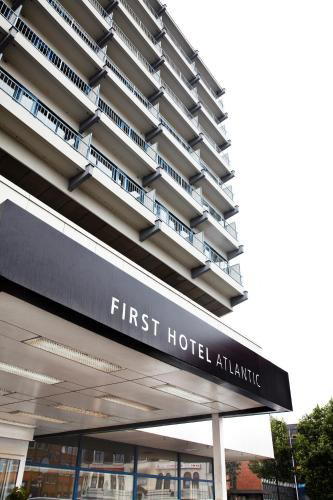
That does not make the food and drink question secondary. In Aarhus, the hotel breakfast, lobby drink, and late-evening fallback matter because the city’s strongest dining experiences may sit outside the hotel. A property without listed restaurant credentials should be compared less with chef-led dining hotels and more with urban bases that support a wider eating itinerary. Nearby peer research should include First Hotel Atlantic, Hotel Oasia Aarhus, Hotel Royal, Scandic The Mayor, and Villa Provence Hotel Aarhus. Those comparisons are useful because Aarhus hotel choice often comes down to urban texture: waterfront access, railway convenience, heritage mood, quiet interiors, or proximity to restaurants.
The absence of listed awards also affects expectations. In hotel dining, awards are not the only measure of quality, but they signal ambition, staffing depth, and external scrutiny. It reads, for now, as an Aarhus hotel where the dining programme needs direct confirmation from current hotel channels rather than editorial embellishment.
Aarhus dining context: why hotels compete with the city
Aarhus has a dining culture that rewards short distances and flexible planning. The city is compact enough for a visitor to build an evening around an independent restaurant, a wine bar, or a casual late drink without committing to a hotel dining room. That makes the hotel restaurant’s role more tactical. Breakfast must be efficient; the bar must make sense before or after dinner; room service, if available, must solve arrival-day fatigue. For more focused drinking research, Our full Aarhus bars guide gives the better read on where the city drinks after dinner.
There is also a Danish hospitality habit worth naming: service often leans informal even when the design is polished. A formal dining room with strict dress codes is less common in Aarhus than in palace-hotel cities. Without a listed dress code or price range, the safer assumption is not informality as fact, but uncertainty as planning advice. Travellers with a business dinner, anniversary meal, or late-arrival schedule should confirm restaurant hours, bar hours, and any booking requirements before treating the hotel as the centre of the evening.
The stronger hotel strategy in Aarhus is often hybrid. Use the property as a base, then decide which meals deserve city time. That might mean breakfast in-house, lunch near the harbour or museum district, and dinner from an independent shortlist. For travellers extending research beyond restaurants, Our full Aarhus experiences guide and Our full Aarhus wineries guide help frame the day around more than table reservations.
Where Scandic Signature Aarhus fits among city hotels
The Scandic name carries a different set of expectations from boutique inns, castle hotels, or grand European palaces. In the Nordic market, large hotel groups generally compete on reliability, conference utility, breakfast operations, and central access rather than theatrical luxury. The practical comparison remains valid: travellers should ask whether they need a restaurant-led stay, a design-led stay, a heritage stay, or a clean city base with dependable food-and-drink basics.
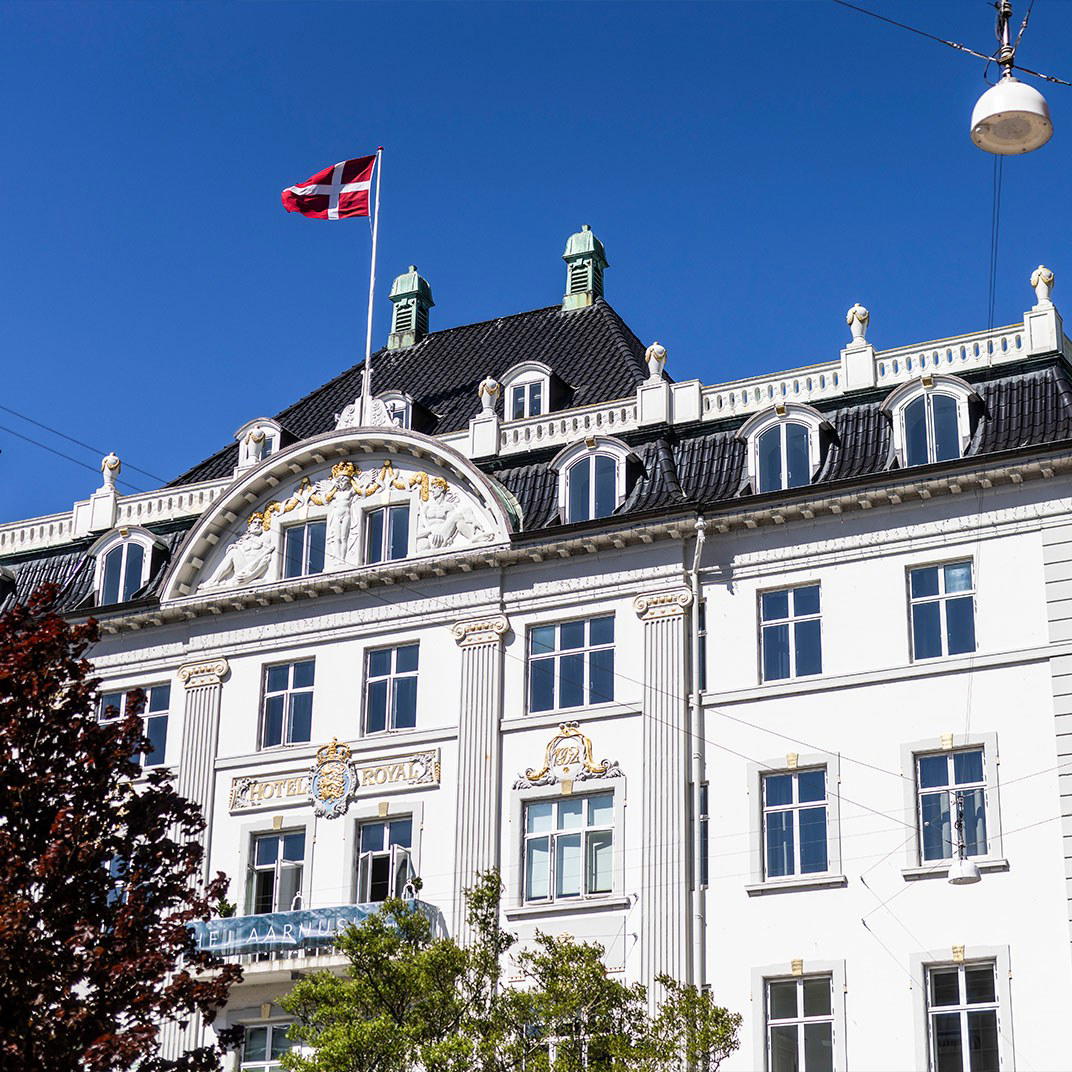
Aarhus offers several hotel moods within that frame. Hotel Royal points toward historic city-hotel character. Hotel Oasia Aarhus suggests a calmer design-minded alternative. First Hotel Atlantic belongs in any waterfront or harbour-oriented comparison. Scandic The Mayor offers the relevant same-city brand comparison by name. Villa Provence Hotel Aarhus shifts the conversation toward smaller-scale atmosphere. Scandic Signature Aarhus has to be judged against that field, not against abstract luxury language.
For dining-led travellers, the decisive question is evidence. Does the hotel publish a restaurant concept with named culinary leadership? Is the bar open to non-residents? Are menus seasonal or operationally simple? Is breakfast included, and does it affect the total cost against nearby peers?
How it compares with Denmark's destination hotels
Denmark has several hotel traditions that sit outside the Aarhus city-hotel category. Castle stays, coastal inns, and grand capital addresses frame food and lodging in different ways. Dragsholm Slot in Hørve belongs to the castle-hotel conversation, where history and destination dining can become part of the same itinerary. Falsled Kro in Falsled, Dyvig Badehotel in Nordborg, Helenekilde Badehotel in Denmark, and Allinge Badehotel in Allinge sit closer to the inn or seaside-hotel tradition, where the meal may be inseparable from the overnight stay.
Copenhagen and its surroundings supply another comparison set. Radisson Collection Royal Hotel, Copenhagen in Copenhagen, Kokkedal Castle Copenhagen in Hørsholm, and Park Lane Copenhagen in Hellerup speak to different capital-region expectations: design history, country-house formality, or coastal suburb polish. Scandic Signature Aarhus is better approached as an urban Aarhus decision, where the wider city food scene may be the stronger draw than the hotel’s published culinary identity.
Internationally, the contrast becomes sharper. The Fifth Avenue Hotel in New York City, Hôtel de Paris Monte-Carlo in Monte Carlo, Badrutt's Palace Hotel in St. Moritz, Aman Venice in Venice, Cipriani, A Belmond Hotel, Venice in Venice, Bvlgari Hotel Tokyo in Tokyo, and Mandarin Oriental Ritz, Madrid in Madrid occupy markets where hotel restaurants and bars often function as public stages. Aarhus does not usually require that scale of ceremony. The city rewards a lighter, more agile itinerary.
Planning the stay without invented certainty
The practical file is thin, and that should shape planning. Travellers should therefore confirm essentials through current official channels before committing: exact location, room type, breakfast policy, restaurant and bar opening hours, cancellation terms, and whether dining reservations are needed. That is especially relevant on weekends, during university events, festival periods, and high-demand cultural dates, when Aarhus can feel tighter than its size suggests.
For value, the missing price range prevents a firm judgement. Value in Aarhus should be calculated across three lines rather than nightly rate alone: the room price, the cost and quality of breakfast, and how much taxi or transit use the location creates. If the hotel’s dining offer reduces friction on arrival day, that has value. If the room price sits near heritage or boutique competitors while restaurant details remain unclear, comparison shopping becomes necessary. The right benchmark is not vague luxury, but what the stay solves: sleep, access, breakfast, work, and an easy route into the city’s dining circuit.
How It Compares
Comparable venues nearby, for context on price, style, and recognition.
| Venue | Cuisine | Price | Awards | Notes |
|---|---|---|---|---|
| Scandic Signature AarhusThis venue — the venue you are viewing | Lifestyle, design‑forward Signature Collection property where the hotel stay itself is positioned as the main destination experience. | Not listed | Not listed | Not listed |
| Scandic The Mayor | Cozy urban hotel with modern refurbishments in the heart of Aarhus. | $1–100 | Michelin Selected | Aarhus C |
| Hotel Royal | Well-known historic boutique hotel with Neoclassical architecture renovated in 2024. | $100–200 | Michelin Selected · White Guide Denmark Hotels - Exceptional Level | Indre By |
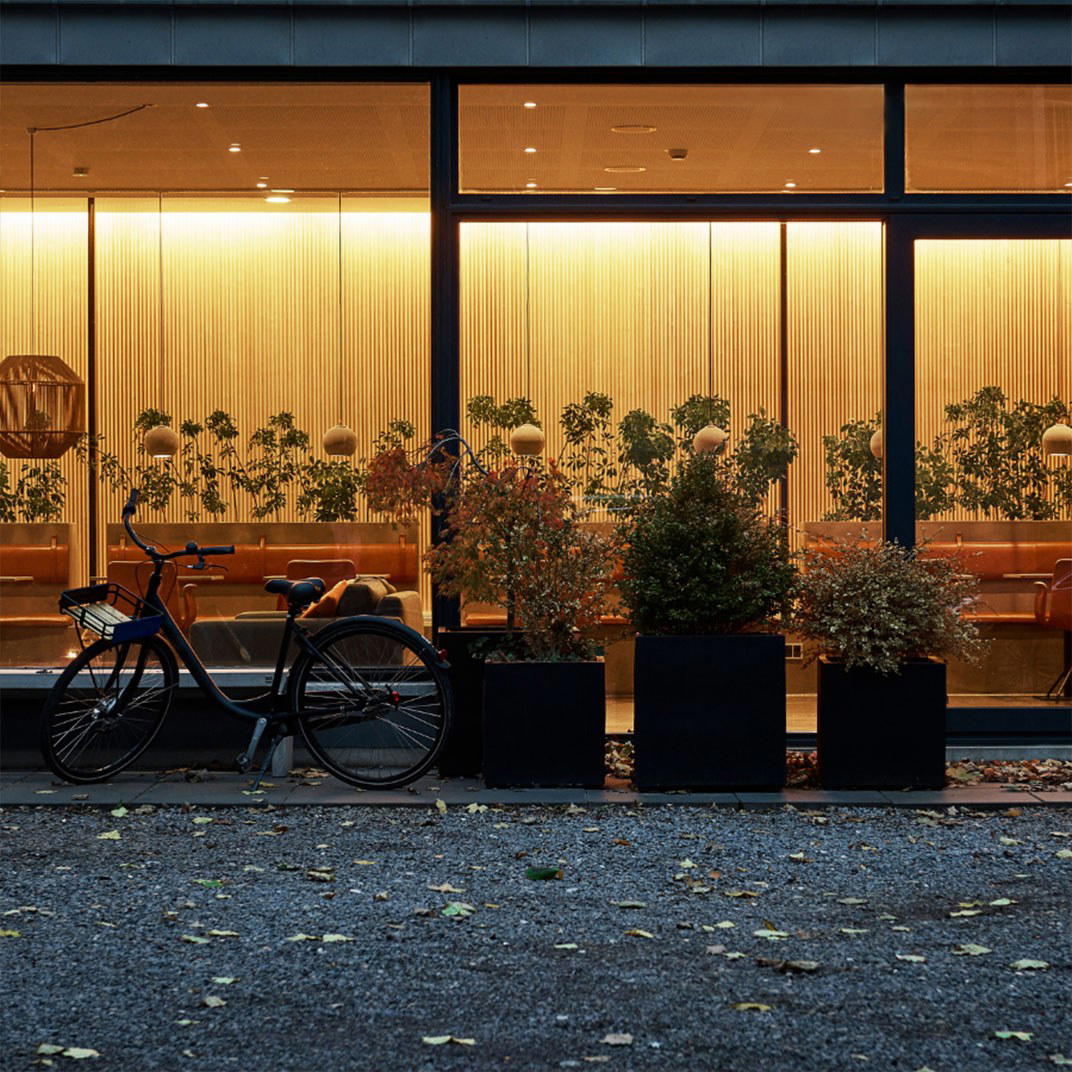
| Hotel Oasia Aarhus | Scandinavian design with clean lines and discreet luxury | $100–200 | Michelin Selected | Aarhus C |
| First Hotel Atlantic | Contemporary business-oriented hotel with modern Scandinavian design sensibility | Not listed | Michelin Selected | Downtown Aarhus, Waterfront |
| Belle Guldsmeden Aarhus | Eco-luxury boutique hotel with a contemporary Nordic-bohemian identity. | $100–200 | Not listed | Sydhavnskvarteret |
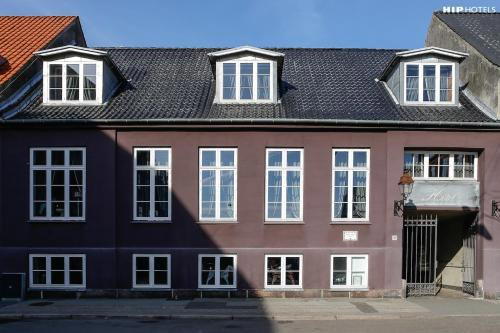

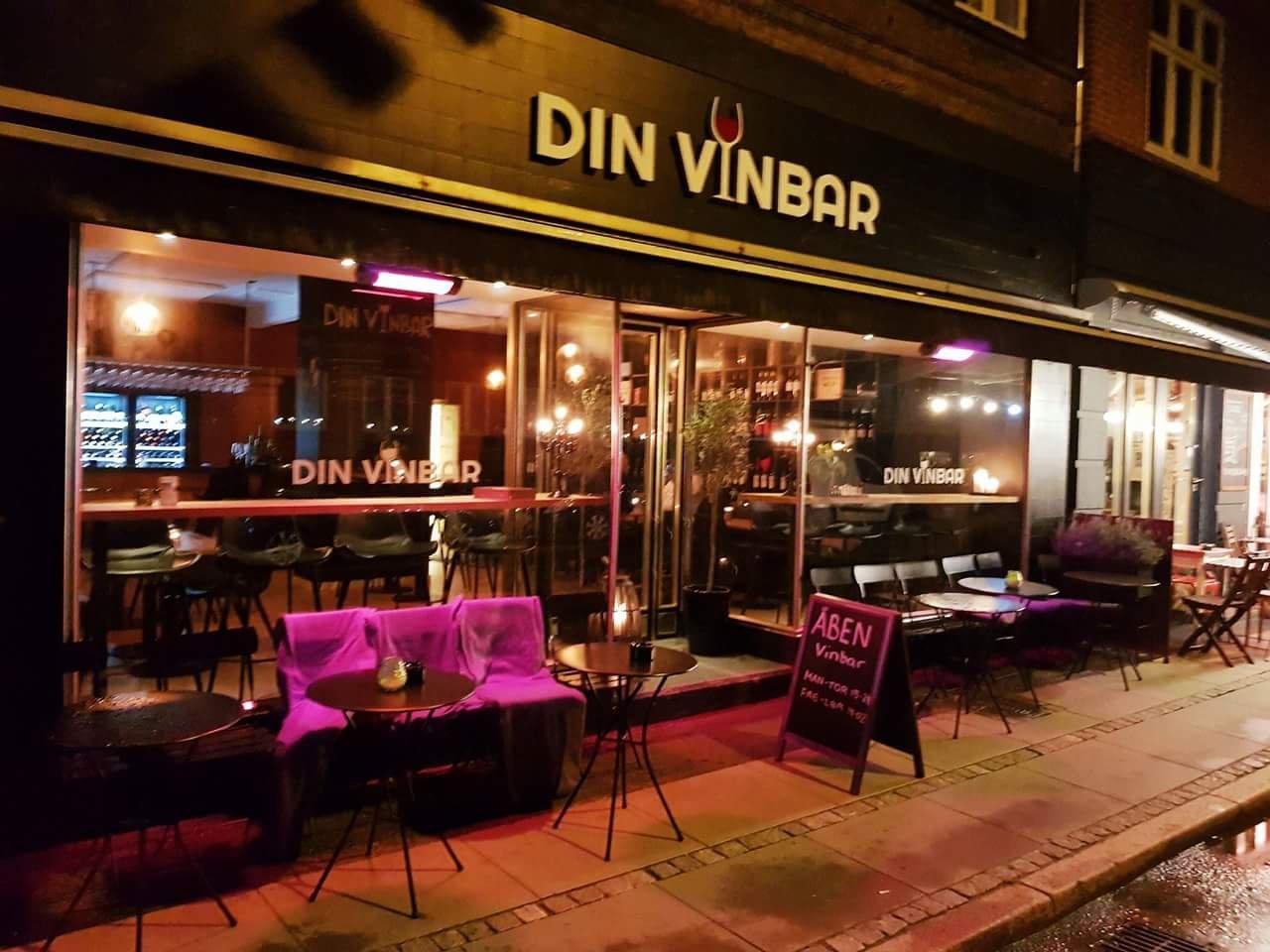
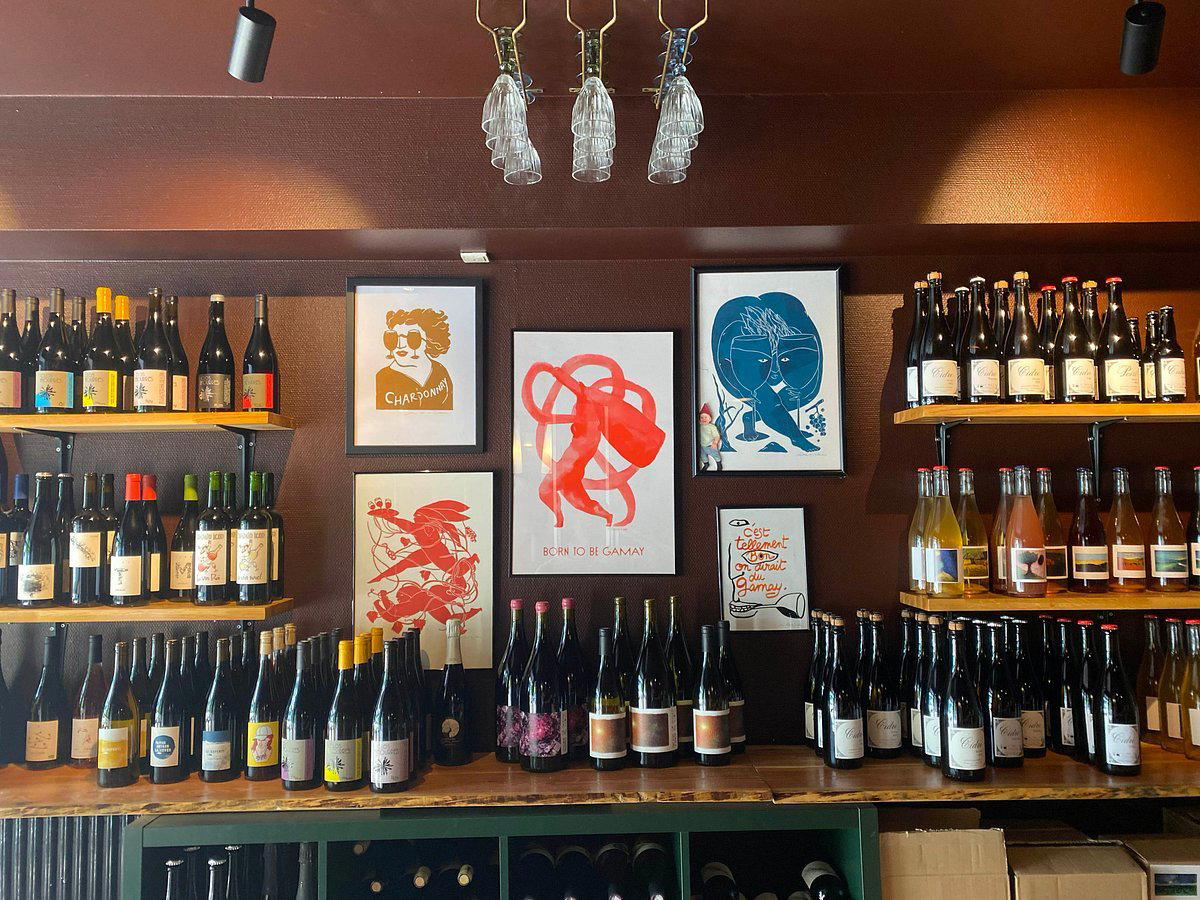
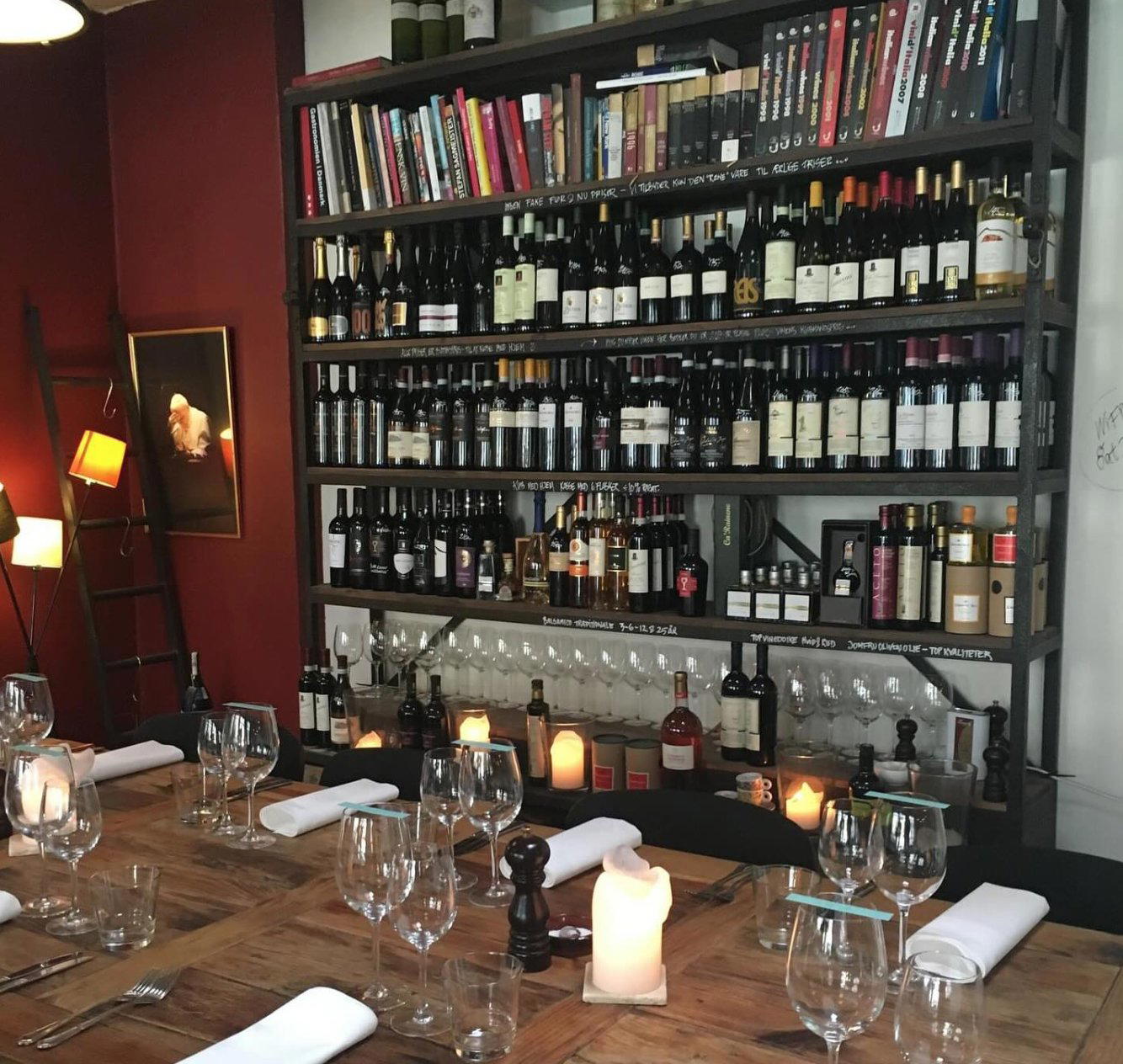
Details
- Modern
- Trendy
- Energetic
- Sophisticated
- Weekend Escape
- Business Trip
- Group Retreat
- Celebration
- Wellness Retreat
- Waterfront
- Terrace
- Design Destination
- Panoramic View
- Wi Fi
- Spa
- Fitness Center
- Business Center
- Concierge
- EV Charging
- Waterfront
- Skyline
- Wheelchair Accessible
- Elevator
- Accessible Parking