Belle Guldsmeden Aarhus belongs to the design-led side of Aarhus hospitality, a city where compact hotels compete less on spectacle than on atmosphere, walkable location, and a clear point of view. Verified public-facing details in public sources are limited, so the useful read is comparative: assess it against Aarhus peers for style, room category, rate transparency, and direct booking clarity before committing.

Pearl is the En Primeur Club membership app — saves, bookings, and concierge access live there. Same editors, same standards.
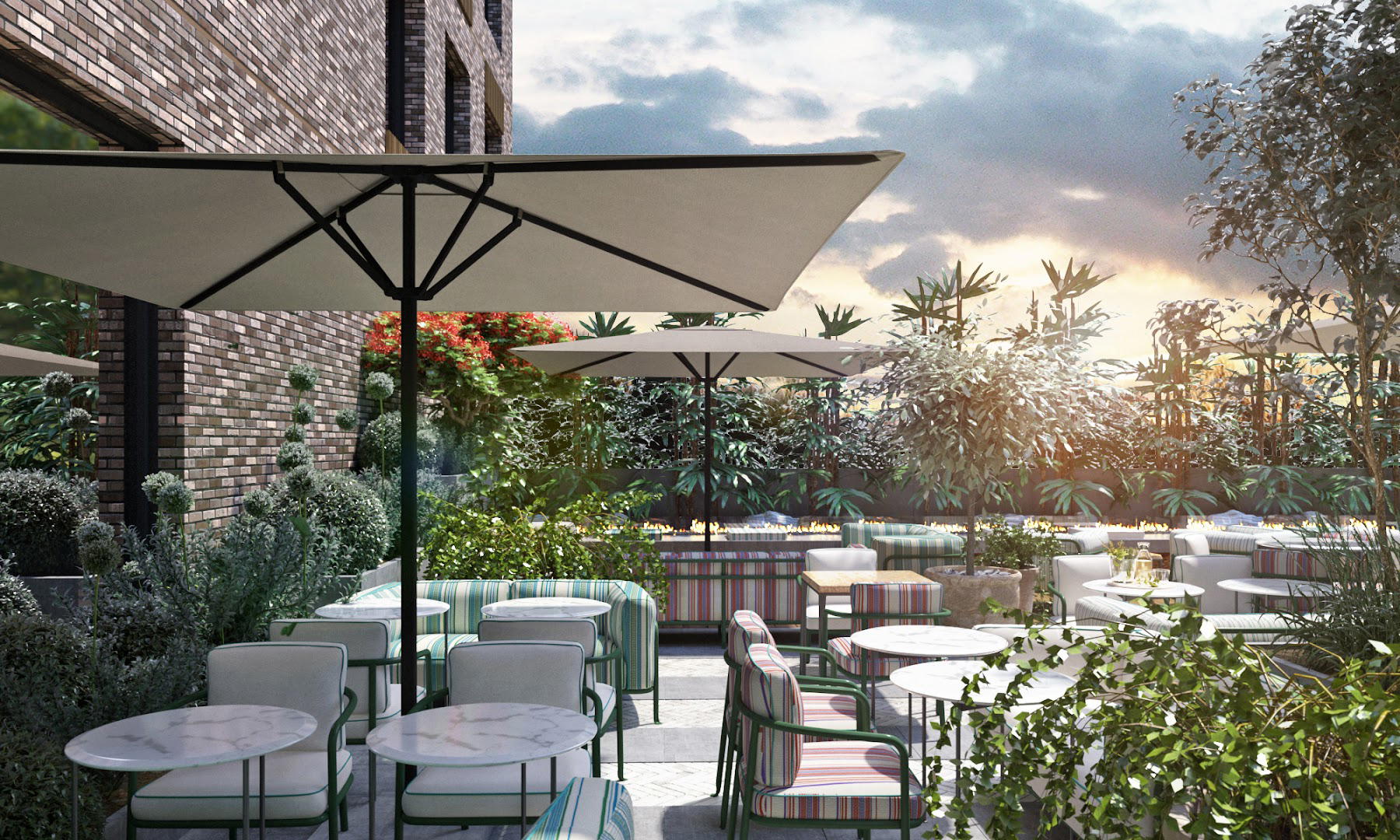
Arrival, scale, and the Aarhus design question
Aarhus does not announce its hotel scene with the grand-avenue theatre of Paris or the palace vocabulary of Madrid. The city works at a smaller scale: brick, glass, cycling infrastructure, harbour redevelopment, university energy, and a centre compact enough that a hotel’s value often comes from how it places a guest inside the daily rhythm of the city. Approaching a design-led hotel here is less about ceremony than calibration. The question is not whether the lobby produces spectacle, but whether the building, materials, lighting, and room plan make sense for a city built around short distances, cultural density, and a Nordic suspicion of needless excess.
That is the useful frame for Belle Guldsmeden Aarhus. It is a 4-star hotel in Aarhus, with 211 rooms and a design-led city base. The rest of the picture should be read through its competitive context. In Aarhus, the stronger hotel choices tend to fall into three groups: waterfront business hotels, central practical hotels, and smaller properties that trade on atmosphere and design identity. Travellers comparing this hotel should place it in the third conversation first, then check the practical data directly before treating it as a rate-led decision.
The absence of verified award data matters. In luxury hospitality, awards and inspection systems can give a shortcut to service expectations, but a city such as Aarhus also rewards hotels that fit the urban grain rather than overwhelm it. A stay here should be judged by room layout, acoustic comfort, light, bath specification, breakfast format, and how easily the location connects to the Latin Quarter, ARoS, the harbour, restaurants, rail links, and the neighbourhoods beyond the retail core. Those are the criteria that separate a persuasive Aarhus hotel from a pleasant address with a good photograph.
Where it sits among Aarhus hotels
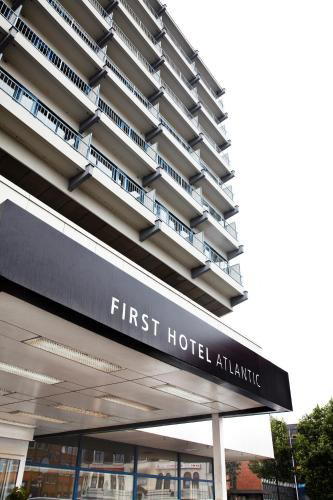
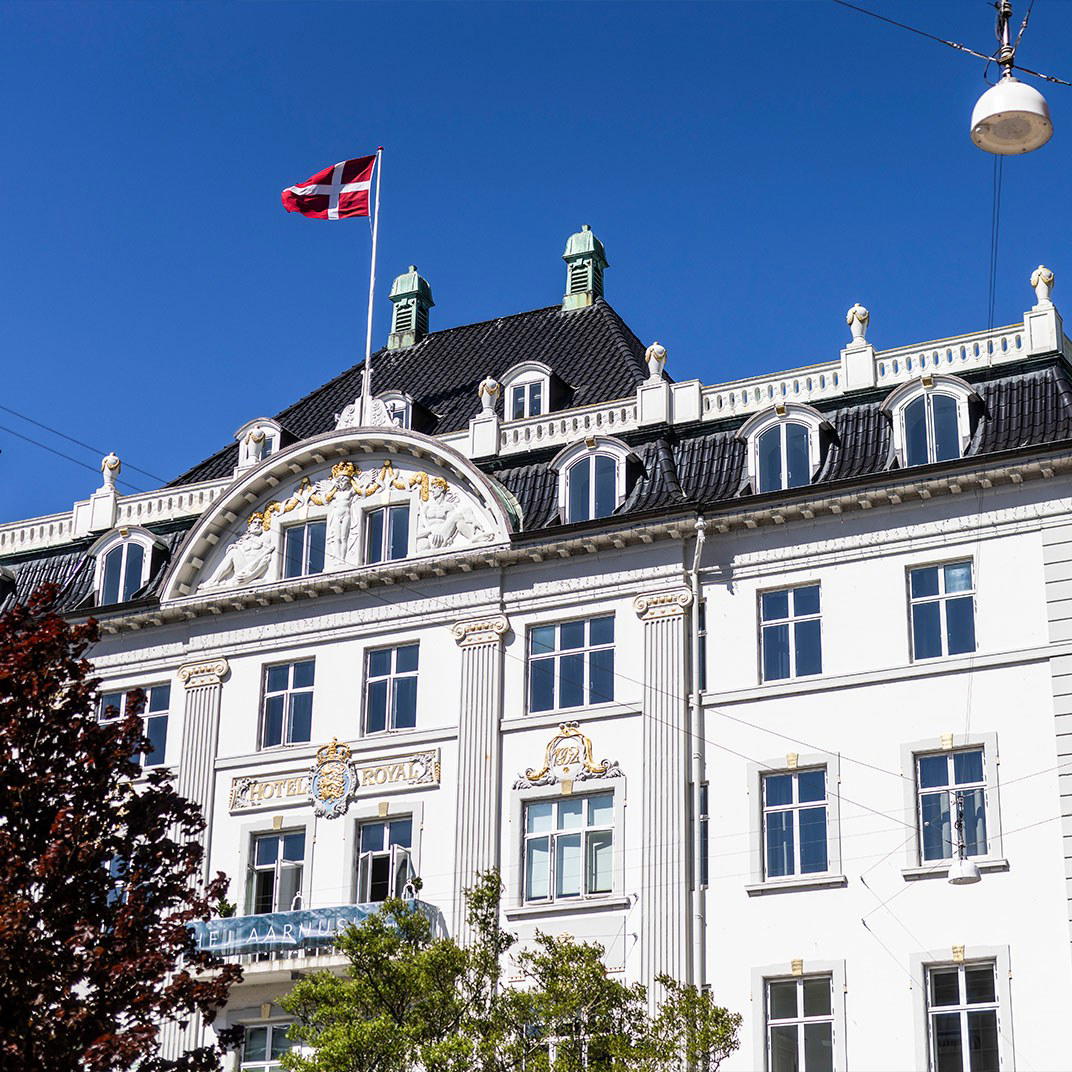
Aarhus hotel choice is unusually dependent on travel purpose. A rail arrival, a restaurant weekend, a university visit, and an architecture-focused trip can all point to different priorities. First Hotel Atlantic fits the practical city-hotel lane for travellers who want a direct base near central movement patterns. Hotel Oasia Aarhus belongs to the calmer, design-conscious end of the city’s mid-scale conversation. Hotel Royal brings a more historic register, useful for travellers who prefer old-city theatre over contemporary restraint. Scandic The Mayor sits in the recognisable Nordic chain category, where consistency and access matter. Villa Provence Hotel Aarhus gives the city another intimate alternative for guests who want atmosphere over corporate volume.
Within that set, Belle Guldsmeden Aarhus should be considered through the lens of design intention rather than trophy credentials. That does not make the hotel weaker by default; it simply means the reader should not use external prestige as the reason to choose it. The better comparison is against properties where the room, common areas, and overall design language carry the stay. Aarhus has enough competent beds that personality has to earn its place. A hotel in this category needs more than attractive styling. It needs a spatial logic that works after the first hour: hooks where coats actually go, bedside lighting that supports reading, a bathroom that does not fight the morning, and public areas that feel natural rather than staged.
The city’s design culture helps explain why that matters. Aarhus is not Copenhagen in miniature, and its hospitality market should not be read that way. Copenhagen often splits between international luxury, ambitious boutique hotels, and a deep restaurant infrastructure. Aarhus is tighter, younger, and more local in feeling, with design and food culture shaped by a port city that has invested heavily in culture without losing its manageable scale. For a hotel guest, that means the building is part of the itinerary. The lobby, breakfast room, corridor, and bedroom are not neutral containers; they set the pace for a city where many of the strongest experiences are reached on foot, by bike, or by a short ride.
Architecture over amenity inflation
The contemporary hotel market has spent years adding features that read well on comparison tables: bigger wellness menus, longer pillow lists, more branded partnerships, louder bars. Aarhus does not always reward that arms race. In a compact Danish city, architecture and operational discipline usually matter more than excess amenity count. A smaller hotel can compete credibly if the building understands light, materials, circulation, and privacy. A larger hotel can lose its advantage if the public spaces feel anonymous. This is where design-led hospitality becomes a serious category rather than a decorative label.
For Belle Guldsmeden Aarhus, the available record supports only a careful, context-first reading. No architect, designer, renovation date, style descriptor, or room inventory is listed in the supplied data. The proper question for travellers is therefore precise: does the property’s physical environment justify choosing it over a more documented peer? That answer depends on verified room photos, floor plans where available, cancellation terms, breakfast details, and current guest-facing information. In design hotels, images can oversell texture and undersell function. A narrow room can photograph as intimate, a dim room can photograph as atmospheric, and a compact bathroom can disappear behind one well-lit angle. The experienced reader checks the less glamorous evidence.
Aarhus also rewards hotels that are honest about scale. A property does not need palace volume to feel grown-up, but it does need to manage transitions well. The movement from street to reception, from reception to room, and from room to breakfast is where small hotels either gain confidence or expose shortcuts. Materials matter, but so does maintenance. Lighting matters, but so does sound control. A design language can be warm, spare, bohemian, Nordic, or historically inflected; the real test is whether it supports the traveller’s day rather than performing for the booking engine.
Food, bars, and the city outside the room
Hotel restaurants in Aarhus operate in the shadow of a serious independent dining scene. The city has become one of Denmark’s more persuasive food destinations because it combines New Nordic influence, harbour produce, casual wine bars, and a student-city appetite for accessible formats. A hotel stay should therefore be planned with the wider table culture in mind. For current restaurant mapping, Our full Aarhus restaurants guide is the better companion.
The same applies after dinner. Aarhus drinking culture is less about velvet-rope performance than neighbourhood bars, craft beer, natural wine, and cocktail rooms that serve a local crowd as much as visitors. Our full Aarhus bars guide is useful for separating a convenient drink from a room that defines an evening. For travellers building a broader stay, Our full Aarhus experiences guide helps connect architecture, museums, waterfront walks, and cultural programming, while Our full Aarhus wineries guide covers a category that is more niche in this part of Denmark but still relevant for wine-focused readers. For hotel comparison across the city, Our full Aarhus hotels guide gives the wider field.
This is the practical advantage of staying in Aarhus rather than using it as a quick stop between Copenhagen and the rest of Jutland. The city is compact enough for a short stay, but dense enough that location and hotel atmosphere change the trip. A design-led room near the right walking routes can make a two-night itinerary feel coherent. A poorly chosen hotel can turn the same city into a sequence of small frictions: transport gaps, late-night dead zones, or unnecessary returns across town.
How it compares beyond Aarhus
Denmark gives travellers several hotel archetypes, and Aarhus should be compared with them carefully. Copenhagen has the design-hotel and grand-hotel depth to support sharper segmentation, from the modernist legacy of Radisson Collection Royal Hotel, Copenhagen in Copenhagen to country-house and coastal references outside the capital such as Kokkedal Castle Copenhagen in Hørsholm. Historic Danish hospitality has its own vocabulary at Dragsholm Slot in Hørve, while the residential edge of the capital appears differently at Park Lane Copenhagen in Hellerup.
Beyond the capital region, Danish hotel culture often becomes more place-specific. Falsled Kro in Falsled belongs to the inn tradition, where food, countryside, and room count shape the experience. Dyvig Badehotel in Nordborg, Helenekilde Badehotel in Denmark, and Allinge Badehotel in Allinge point toward the Danish seaside-hotel tradition, where weather, light, and seasonality carry much of the emotional charge. Aarhus is different again: urban, cultural, youthful, and easier to use without committing to either capital grandeur or coastal retreat.
International comparisons sharpen the point. The Fifth Avenue Hotel in New York City operates in a market where maximal interior identity can justify high rates because the city’s hotel field is intensely competitive. Hôtel de Paris Monte-Carlo in Monte Carlo belongs to the European palace category, where history, service hierarchy, and address are part of the tariff. Alpine ceremony defines a different tradition at Badrutt's Palace Hotel in St. Moritz. Venetian grandeur splits between canal palazzo and resort-style lagoon escape at Aman Venice in Venice and Cipriani, A Belmond Hotel, Venice in Venice. In Asia and Spain, Bvlgari Hotel Tokyo in Tokyo and Mandarin Oriental Ritz, Madrid in Madrid show how brand, architecture, and capital-city demand can create a different rate logic altogether.
Those comparisons are not offered to inflate Aarhus into a palace market. They clarify the opposite. Belle Guldsmeden Aarhus should not be judged by Monte Carlo theatre, Venetian history, or Tokyo vertical luxury. It should be judged by whether its design identity and city access deliver a more satisfying stay than a conventional Aarhus base at a similar rate. That is a narrower test, and a more useful one.
Planning the stay
That makes pre-booking verification essential. Travellers should confirm the current rate, cancellation policy, room type, breakfast inclusion, taxes, and location through the hotel’s official channels or a trusted booking platform before making a decision. In a city with several credible alternatives, rate context matters: a design-led hotel can be good value at one price and a weaker choice when it drifts into the range of more fully serviced competitors.
Timing also changes the equation in Aarhus. Cultural weekends, university periods, summer travel, and major events can tighten availability across the city. The city is not large enough for endless equivalent substitutes, so travellers with fixed dates should compare early rather than wait for late inventory. If the trip is built around restaurants, check dining availability before locking the hotel, because the strongest dinner plans and the right neighbourhood base should work together. If the trip is architecture-led, prioritise daylight hours and walking routes; the hotel’s location should support movement between the waterfront, museums, central streets, and residential quarters rather than forcing a transport-heavy itinerary.
Room selection deserves more attention than brand language. Without verified room-category data in the record, the safest approach is to compare square metres, bed size, bathroom configuration, noise exposure, lift access, and natural light. In Northern Europe, winter darkness and summer daylight both affect the stay, so curtains, lighting, and room orientation are not minor details. For a short city break, a smaller room may work if the public spaces and location compensate. For a longer stay, storage and seating become more important than decorative charm.
Comparable Venues Nearby
Comparable venues nearby, for context on price, style, and recognition.
| Venue | Cuisine | Price | Notes |
|---|---|---|---|
| Belle Guldsmeden AarhusThis venue — the venue you are viewing | Eco-luxury boutique hotel with a contemporary Nordic-bohemian identity. | $$$$ | Not listed |
| Villa Provence Hotel Aarhus | Charming French-style boutique in a traditional Danish townhouse. | $$$ | Fredens Torv |
| First Hotel Atlantic | Contemporary business-oriented hotel with modern Scandinavian design sensibility | $$$ | Downtown Aarhus, Waterfront |
| Hotel Oasia Aarhus | Scandinavian design with clean lines and discreet luxury | $$$ | Aarhus C |
| Hotel Royal | Well-known historic boutique hotel with Neoclassical architecture renovated in 2024. | $$$ | Indre By |
| Scandic The Mayor | Cozy urban hotel with modern refurbishments in the heart of Aarhus. | $$ | Aarhus C |
At a Glance
- Modern
- Elegant
- Sophisticated
- Bohemian
- Quiet
- Business Trip
- Wellness Retreat
- Weekend Escape
- Group Retreat
- Destination Spa
- Garden
- Terrace
- Design Destination
- Pool
- Spa
- Fitness Center
- Wi Fi
- Business Center
- Concierge
- Restaurant
- Garden
- Street Scene
- Pool
- Spa
- Fitness Center
- Wi Fi
- Business Center
- Concierge
- Restaurant
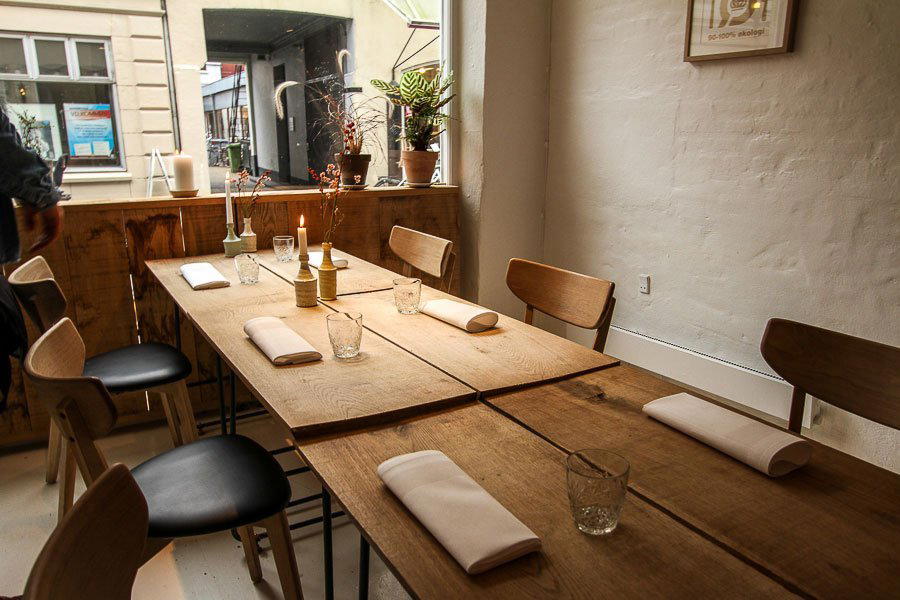
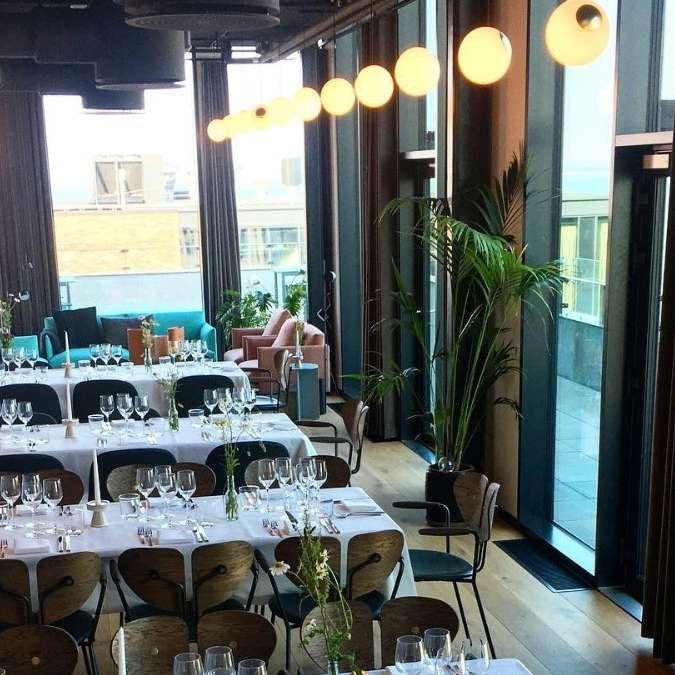
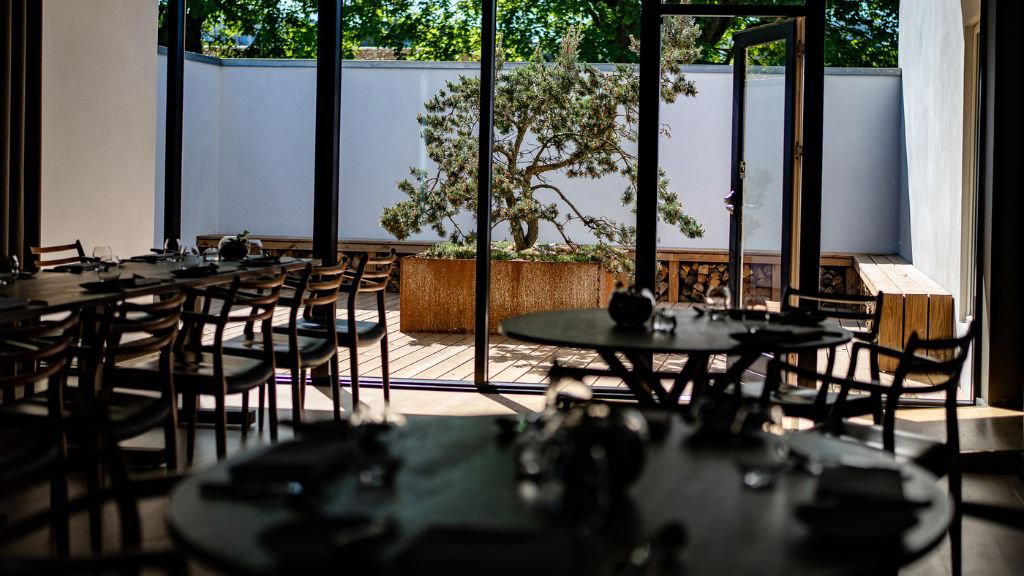
Laid-back eco-luxury with a calm, design-forward atmosphere centered on organic dining, wellness, and a relaxed courtyard setting.