
Michelin Selected
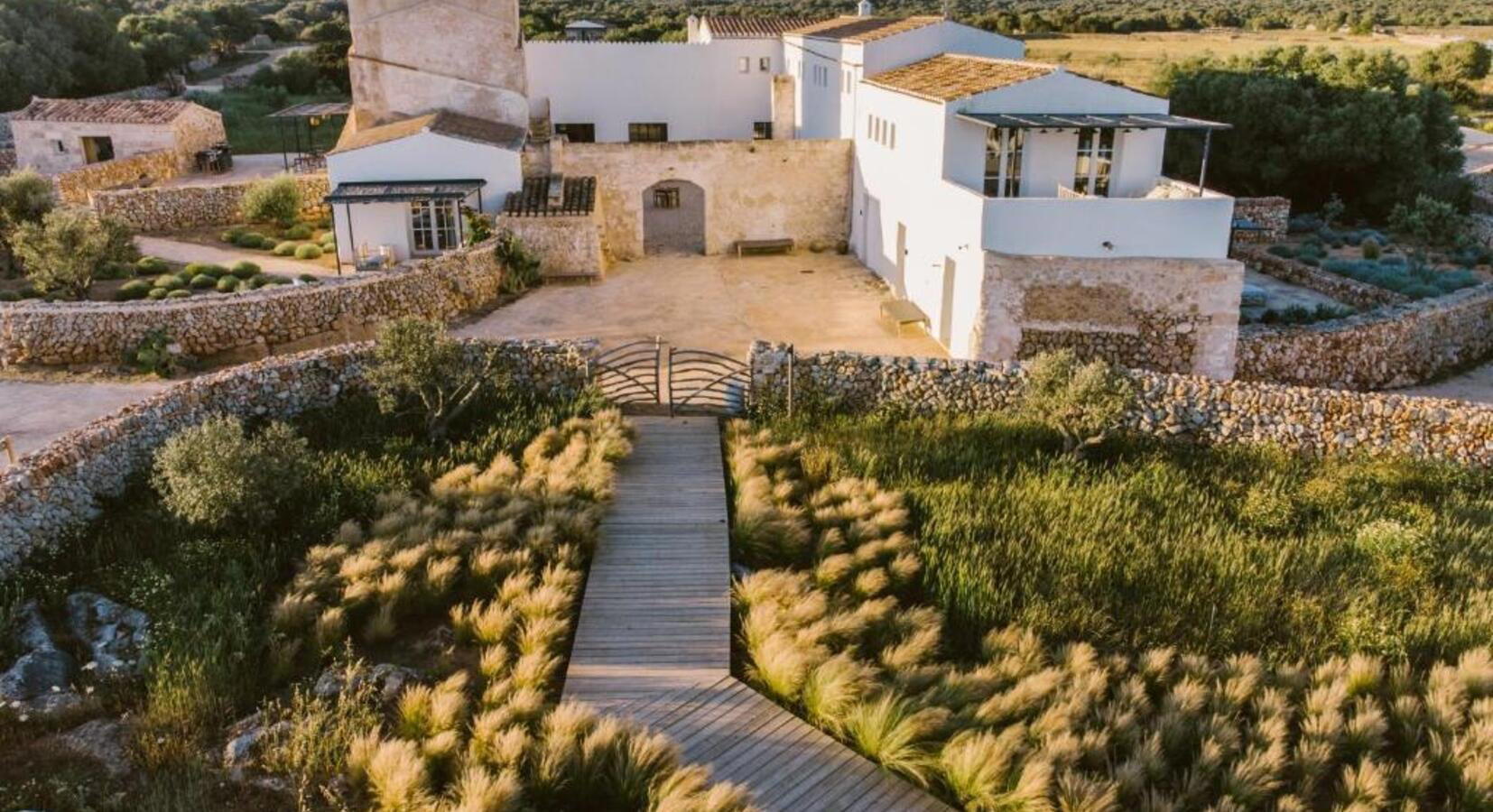
Santa Ponsa - Fontenille Collection is a Michelin Selected property set on a rural finca on Minorca's quieter southern interior, offering an alternative to the island's coastal resort circuit. Part of the French Fontenille group, which applies a consistent countryside-estate model across its portfolio, the property aligns with a growing tier of Balearic accommodation that prioritises agricultural setting and local character over beach adjacency.

Pearl is the En Primeur Club membership app — saves, bookings, and concierge access live there. Same editors, same standards.
- Address
- Finca Santa Ponsa, Carretera de Llucalari, 07730 Alaior, Balearic Islands, Spain
- Phone
- +34 971 37 23 52
- Directions
- Get directions
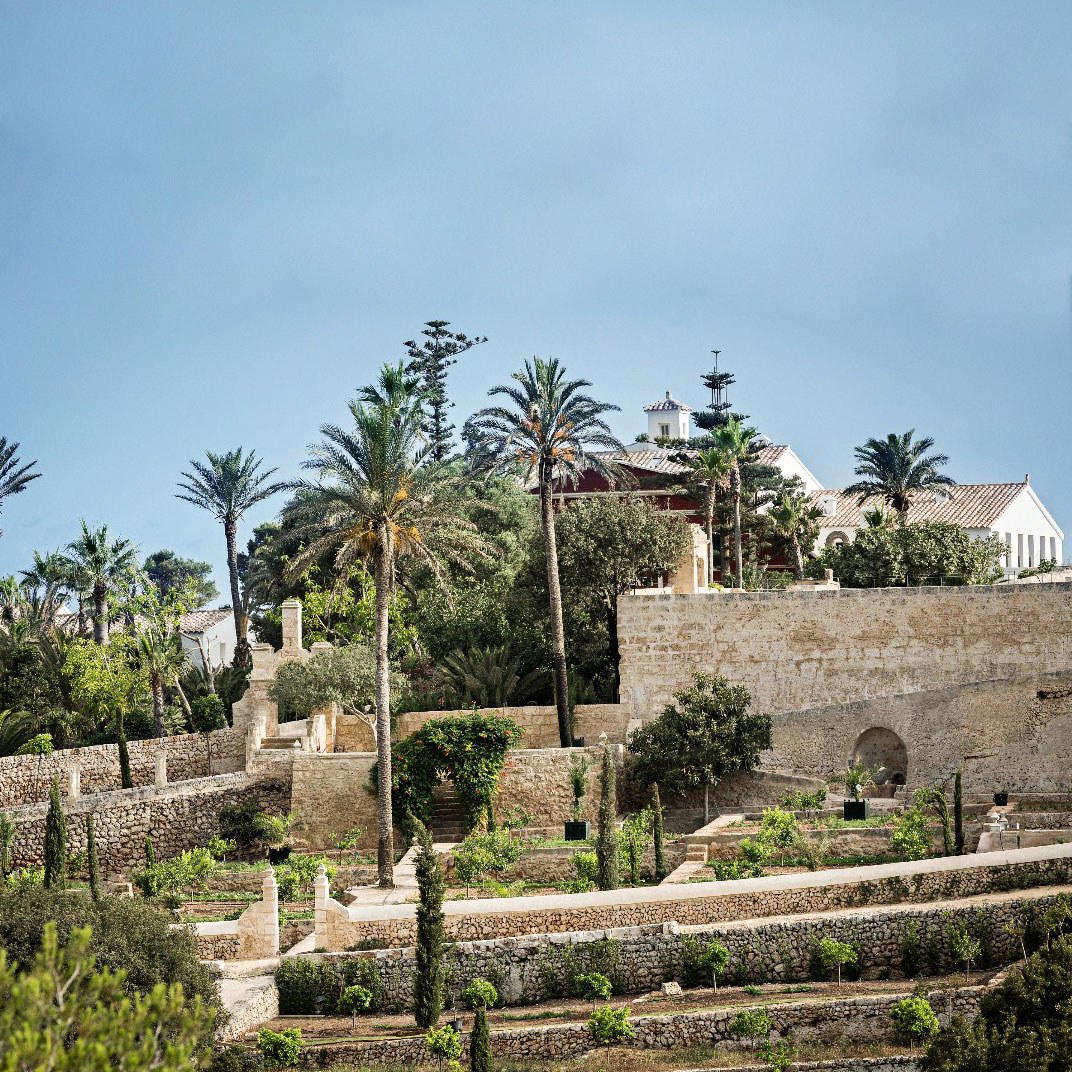
Where Minorca's Rural Interior Meets the Fontenille Model
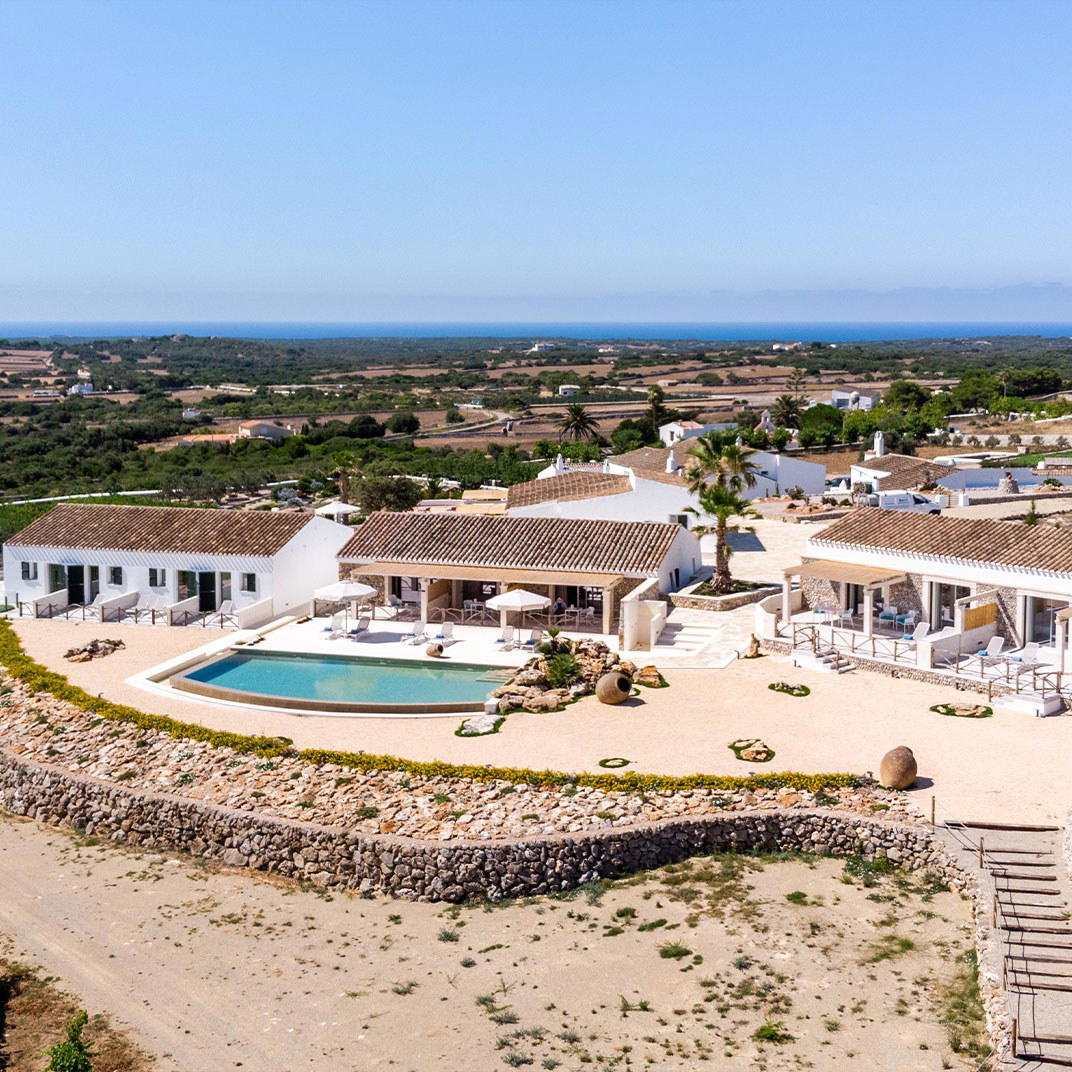
The southern interior of Minorca operates on a different rhythm from the island's cove-and-resort coastline. The roads narrow, the stone walls multiply, and the fincas that punctuate the scrubland have mostly remained in agricultural use or quiet private hands. That context matters when assessing Santa Ponsa, because the Fontenille Collection's approach — applied here as it has been across Provence and other French countryside estates — is to treat the working rural property as the experience itself, not as scenery behind a pool. The address on the Carretera de Llucalari places it away from Minorca's main tourist corridors, which is not an accident of geography but a deliberate positioning.
The Fontenille group has built its reputation across France and now into Spain by occupying a specific niche: properties where the estate's agricultural or historical identity drives the programme rather than amenity accumulation. That model travels well to Minorca, an island that received UNESCO Biosphere Reserve status and has since maintained unusually strict development controls relative to its Balearic neighbours. Ibiza and Mallorca have absorbed large-scale luxury resort development; Minorca, by design and regulation, has not. The island therefore already skews toward smaller, character-led properties, and Santa Ponsa enters a local competitive set that includes other rural and agroturismo operations, among them Agroturismo Llucasaldent Gran, Alcaufar Vell, and Faustino Gran Relais & Chateaux, all of which trade on estate setting and local material integrity.
The Dining Dimension: How the Fontenille Approach Reads at Table
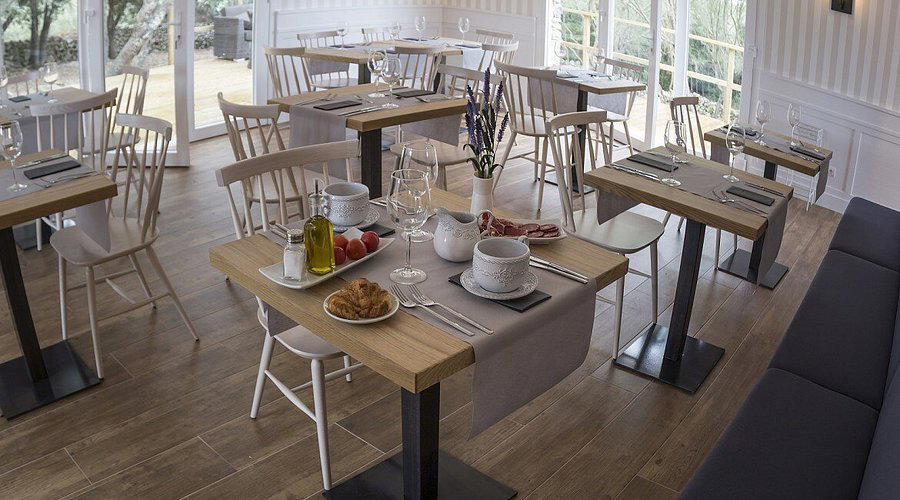
Fontenille Collection's French origins carry a specific set of culinary expectations. Across the group's properties, the food and beverage programme is treated as integral to the estate identity rather than as a hotel amenity bolted onto rooms. At French properties in the portfolio, that has translated into kitchen gardens, estate-adjacent sourcing, and menus that reflect the agricultural season of the surrounding land. The question at Santa Ponsa is how that approach translates to a Minorcan context, where the island's own larder, sobrassada, Mahón cheese with its PDO designation, the seafood brought into ports like Ciutadella and Mahón, offers a strong regional foundation.
Minorca's dining scene has historically been more locally rooted than Ibiza's or Mallorca's, partly because the island attracts fewer international visitors seeking international cooking. The better rural properties here tend to anchor their menus to what the island produces, and Michelin's selection of Santa Ponsa in its 2025 Hotels & Stays guide suggests the property meets the standard that selection implies: considered hospitality, coherent identity, and a food programme that reflects genuine intent rather than assembly-line resort catering. Michelin Selected status, it should be noted, is not a star rating for food but a curatorial signal that the hotel clears a threshold of overall quality and character. Within that framework, the dining programme is part of what gets assessed.
For guests arriving from other Fontenille properties, or from reference-point rural hotels in Spain such as Terra Dominicata in Escaladei or Abadía Retuerta LeDomaine, which similarly wed estate agriculture to a coherent culinary identity, the expectation will be a kitchen that sources locally and composes simply rather than one that chases technical complexity. That is consistent with both the group's track record and with what Minorca's agricultural landscape actually supports.
Situating Santa Ponsa in the Minorca Accommodation Tier
Minorca's premium rural accommodation market is smaller and more contained than Mallorca's, where properties like La Residencia, A Belmond Hotel, Mallorca have operated at a high international pitch for decades. On Minorca, the properties that compete for the same rural-luxury traveller tend to cluster around a handful of restored finca estates. Hotel Boutique Can Sastre, Rural Sant Ignasi, and Cap Menorca each occupy a corner of this market, along with Divina Suites Hotel Boutique and Cristine Bedfor Mahón in the island's capital. What Santa Ponsa adds is a named international collection behind it, the Fontenille group brings operational consistency and a recognisable editorial identity that some independent properties lack, which may matter to guests booking from outside Spain who want a familiar frame of reference.
Compared to larger-footprint Balearic luxury, Cap Rocat in Cala Blava, Hotel Can Ferrereta in Santanyí, or Hotel Can Cera in Palma, Santa Ponsa sits firmly in the intimate rural category. That positions it closer to what global rural-luxury travellers are increasingly seeking: fewer rooms, stronger sense of place, and a food programme that connects directly to the land around the building. The same traveller profile that books Pepe Vieira Restaurant & Hotel in Poio for its Galician estuarine setting or Atrio Restaurante Hotel in Cáceres for its integration of serious food with heritage architecture will find this model legible at Santa Ponsa.
Planning a Stay: Practical Orientation
Minorca's main airport, Aeropuerto de Menorca (MAH), sits near Mahón on the eastern end of the island. The property's address on the Carretera de Llucalari places it in the southern interior, accessible by car in under half an hour from the airport, a rental car is effectively required, as rural Minorca has no meaningful public transport linking interior fincas to the coast or to Mahón. The island operates with a pronounced seasonal rhythm: the main travel window runs from late spring through September, with August peak occupancy across most properties. Guests seeking quieter conditions and cooler temperatures tend to book May, June, or early September, when road access to the south coast coves near Llucalari is easier than in high summer. Given Michelin Selected status for 2025, advance booking during the June-to-August window is advisable. For a broader sense of what else the island offers in food and accommodation, the EP Club Minorca guide covers the full picture.
Guests oriented primarily around urban hotel experiences, the Mandarin Oriental Ritz, Madrid or Mandarin Oriental Barcelona tier, or high-service city addresses like The Fifth Avenue Hotel in New York City, Badrutt's Palace Hotel in St. Moritz, or Hôtel de Paris Monte-Carlo, should calibrate expectations accordingly. A rural Minorcan finca, regardless of collection affiliation, is a different proposition: the countryside is the amenity, and the pace is defined by the island rather than by concierge infrastructure. That is, for a specific type of traveller, precisely the point.
Booking and Cost Snapshot
Comparable venues nearby, for context on price, style, and recognition.
| Venue | Price | Awards | Notes |
|---|---|---|---|
| Santa Ponsa - Fontenille CollectionThis venue — the venue you are viewing | Not listed | Michelin Selected | Not listed |
| Vestige Son Vell | Not listed | Michelin Selected | Ciutadella de Menorca, Restored historic manor house estate |
| Villa Le Blanc, Gran Meliá | Not listed | Michelin Selected · La Liste Top Hotels | Santo Tomas, Contemporary Mediterranean luxury with eco-conscious design philosophy, blending traditional Menorcan architecture with modern minimalism. |
| Divina Suites Hotel Boutique | $100–200 | Michelin Selected | Ciutadella old town, Restored 17th-century historical building with modern interiors |
| Torre Vella - Fontenille Collection | Not listed | Michelin Selected | Alaior, Restored 18th-century watchtower finca with elegant rustic decor amid olive groves and cliffs. |
| Faustino Gran Relais & Chateaux | $200–300 | 1 Michelin Key · La Liste Top Hotels | Ciutadella de Menorca, Historic palaces blending luxury with authentic Menorcan heritage |
Recognition history
Dated appearances from independent guides and award organizations, with the underlying list record or original source where available.
Michelin Selected
Michelin
Details
- Quiet
- Classic
- Elegant
- Rustic
- Intimate
- Sophisticated
- Romantic Getaway
- Wellness Retreat
- Honeymoon
- Weekend Escape
- Garden
- Historic Building
- Pool
- Spa
- Wi Fi
- Restaurant
- Room Service
- Bicycle Rental
- Airport Transfer
- Garden
- Vineyard
- Wheelchair Accessible
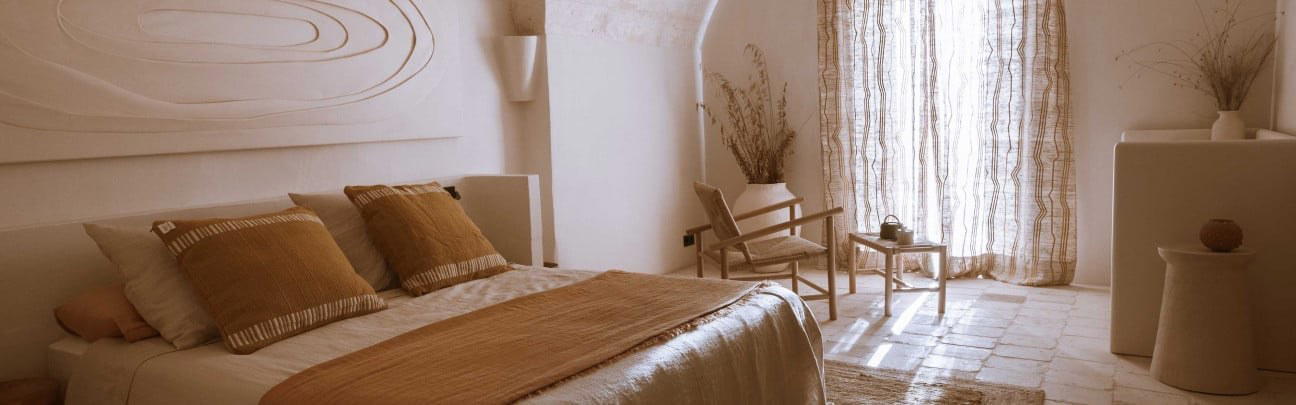
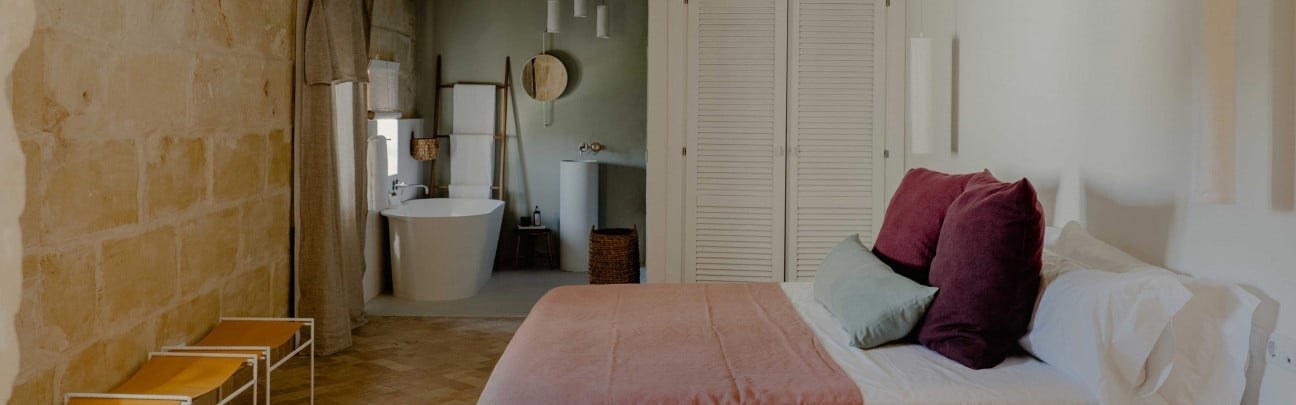
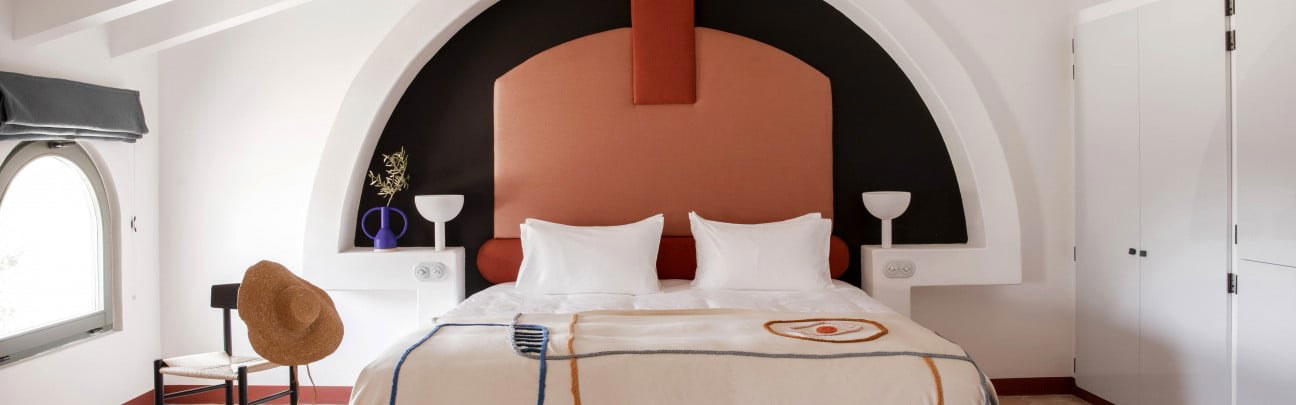
Contemporary classic with quiet, ornate Moorish-inspired interiors featuring glazed ceramic tiles, lively artwork, and natural light in a serene rural setting.