
Michelin Selected
Vestige Son Vell is a MICHELIN Selected property on the Minorcan countryside, occupying a restored rural estate along the Camí de Son March. The architecture and material palette draw directly from the island's vernacular building traditions, placing it firmly within the smaller, design-led tier of Balearic rural hospitality rather than the resort mainstream.

Pearl is the En Primeur Club membership app — saves, bookings, and concierge access live there. Same editors, same standards.
- Address
- finca, Camí de Son March, Camí de Son Vell, s/n, 07769, Balearic Islands, Spain
- Phone
- +34 971 93 94 24
- Website
- vestigecollection.com
- Directions
- Get directions
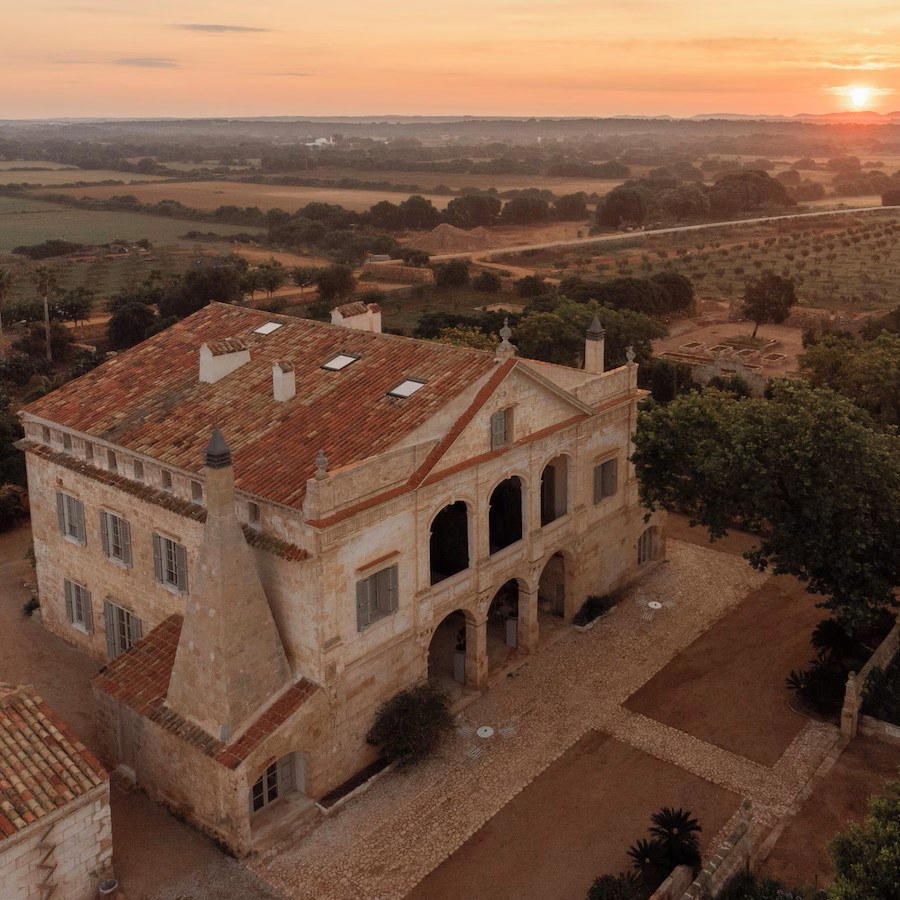
Stone, Silence, and the Architecture of a Minorcan Estate
The approach to Vestige Son Vell along the Camí de Son March sets the register immediately: dry-stone walls edging a rural track, the low scrubland of the interior opening around a restored finca whose silhouette has changed little in outline since it was first built. Minorca's vernacular architecture is defined by a few hard materials — sandstone, whitewash, dark timber — and by a proportional restraint that makes most of the island's old rural estates look like they were coaxed from the ground rather than placed on it. Vestige Son Vell works within that grammar, and its MICHELIN Selected distinction for 2025 signals that the result meets the standard of considered, place-specific hospitality that the guide reserves for properties where the physical environment does meaningful work.
That kind of recognition carries specific weight in the Balearics. The archipelago has split, over the past decade, between large resort infrastructure and a smaller tier of properties where the building itself is treated as part of the offer. Vestige Son Vell sits in the latter category, alongside rural properties like Agroturismo Llucasaldent Gran and Alcaufar Vell, which also draw from the island's agricultural building stock. What distinguishes this tier collectively is a willingness to let old walls, worn thresholds, and irregular room proportions remain as found rather than smooth them into generic luxury.
Reading the Building
Traditional Minorcan fincas were working farms, and their architecture reflects that: thick external walls built for thermal mass rather than decoration, interior courtyards or open loggias that manage the island's heat and wind, and a material hierarchy where local stone and lime render do almost all the heavy lifting. Restoration in this context is not a neutral act. Every decision about what to preserve, what to replace, and what to add declares a position about what the building means and who it is for.
The address on the Camí de Son March places Son Vell in Minorca's quieter interior belt, away from the coastal resort concentration that defines the island's summer economy. That locational choice is itself an architectural argument: guests who reach this property are arriving specifically, not drifting in from a beach strip. The interior's quietness becomes an asset, and the surrounding agricultural land frames the property in a way that no designed garden wholly replicates.
The shared thread across this group is a preference for local craft and inherited form over imported design idiom.
The Wider Context: Minorca's Rural Hospitality Tier
Minorca operates at a different pace from Mallorca and Ibiza, and its accommodation market reflects that. Where the larger Balearic islands have accumulated international luxury brands, see La Residencia, A Belmond Hotel in Mallorca or Cap Rocat in Cala Blava, Minorca's premium tier has remained largely independent and scale-conscious. Properties here tend toward limited keys and strong local identity, which makes them harder to book during the summer window and more consistent in character year-round.
The island's UNESCO Biosphere Reserve status, held since 1993, has shaped development constraints in ways that reinforce this pattern. Expansion and new-build in rural zones is tightly controlled, which means the existing stock of converted fincas and rural estates carries premium scarcity. Vestige Son Vell occupies a building type that cannot simply be replicated on adjacent land.
For comparable rural conversion properties elsewhere in Spain, the reference tier includes Abadía Retuerta LeDomaine, which restored a twelfth-century abbey complex in Castilla y León, and Terra Dominicata in Escaladei, where a former Dominican monastery now houses a wine-focused hotel. Both illustrate how Spain's stock of historic agricultural and ecclesiastical buildings has become one of the primary raw materials for its design-led hospitality sector.
Seasonal Timing and Practical Approach
Minorca's tourism season runs from May through October, with July and August generating the heaviest domestic and Northern European demand. Properties in the rural interior, including Vestige Son Vell, tend to fill well ahead of arrival during peak weeks, and the island's limited air connections mean that accommodation and transport often need to be coordinated together. May, June, and September offer noticeably easier booking conditions alongside more temperate daytime temperatures, factors that matter when the property's setting and outdoor spaces are central to the experience.
The island is accessible via Menorca Airport, located a short drive from Mahón, with seasonal direct connections from major European cities including London, Paris, Barcelona, and Madrid. From the airport, reaching a rural finca on the Camí de Son March requires a car; there is no viable public transport for this part of the interior. Hiring locally or arranging a transfer on arrival is standard practice for guests staying at properties of this type. For those arriving from Barcelona or Madrid by preference for flagship urban hotels first, Mandarin Oriental Barcelona and Mandarin Oriental Ritz, Madrid represent the city-end bookends of a longer Spanish trip.
For those building a broader Minorca itinerary, Cap Menorca, Rural Sant Ignasi, Divina Suites Hotel Boutique, and Cristine Bedfor Mahón provide a range of style and location options across the island. A full overview of where to eat and stay across Minorca is available in our full Minorca restaurants guide.
Quick Comparison
Comparable venues nearby, for context on price, style, and recognition.
| Venue | Cuisine | Price | Awards | Notes |
|---|---|---|---|---|
| Vestige Son VellThis venue — the venue you are viewing | Restored historic manor house estate | Not listed | Michelin Selected | Not listed |
| Santa Ponsa - Fontenille Collection | Restored 18th-century aristocratic finca estate | Not listed | Michelin Selected | Alaior |
| Divina Suites Hotel Boutique | Restored 17th-century historical building with modern interiors | $100–200 | Michelin Selected | Ciutadella old town |
| Torre Vella - Fontenille Collection | Restored 18th-century watchtower finca with elegant rustic decor amid olive groves and cliffs. | Not listed | Michelin Selected | Alaior |
| Villa Le Blanc, Gran Meliá | Contemporary Mediterranean luxury with eco-conscious design philosophy, blending traditional Menorcan architecture with modern minimalism. | Not listed | Michelin Selected · La Liste Top Hotels | Santo Tomas |
| Faustino Gran Relais & Chateaux | Historic palaces blending luxury with authentic Menorcan heritage | $200–300 | 1 Michelin Key · La Liste Top Hotels | Ciutadella de Menorca |
Recognition history
Dated appearances from independent guides and award organizations, with the underlying list record or original source where available.
Michelin Selected
Michelin
Details
- Elegant
- Quiet
- Scenic
- Sophisticated
- Intimate
- Classic
- Romantic Getaway
- Honeymoon
- Wellness Retreat
- Weekend Escape
- Historic Building
- Garden
- Terrace
- Infinity Pool
- Pool
- Spa
- Wi Fi
- Bicycle Rental
- Restaurant
- Garden
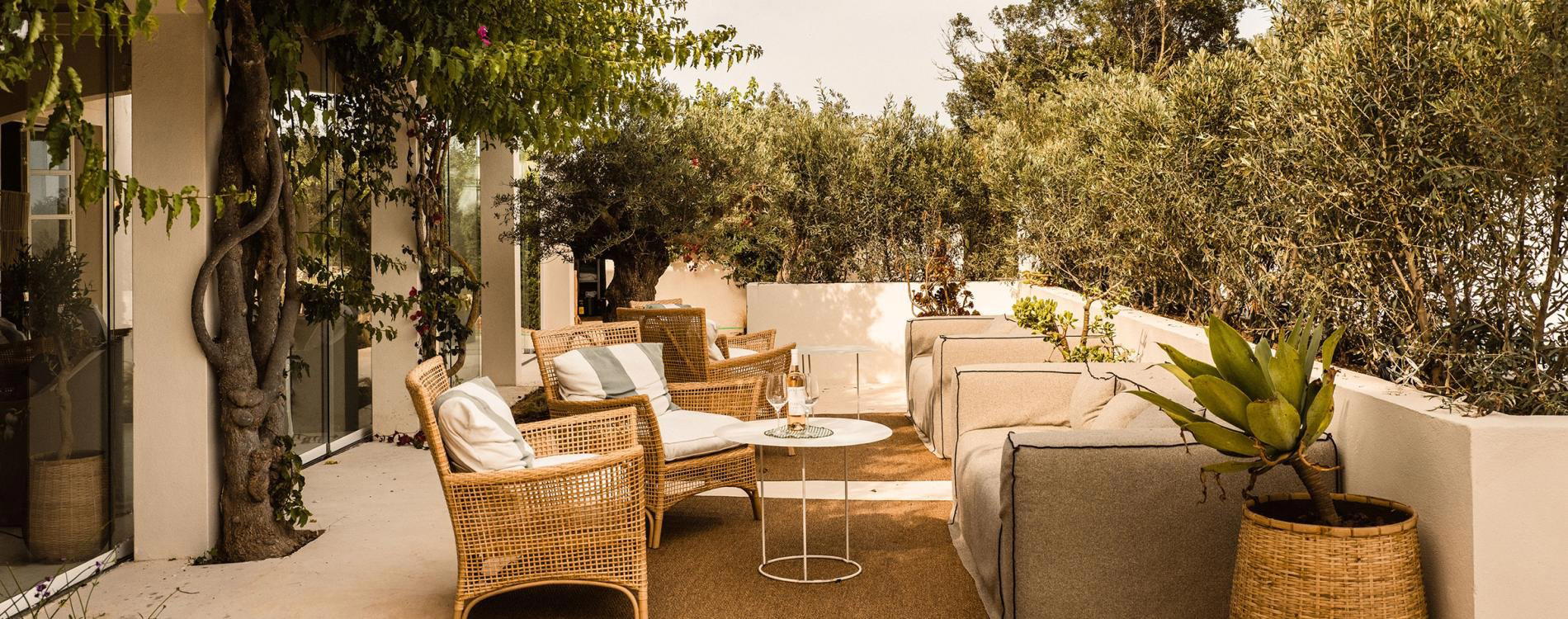
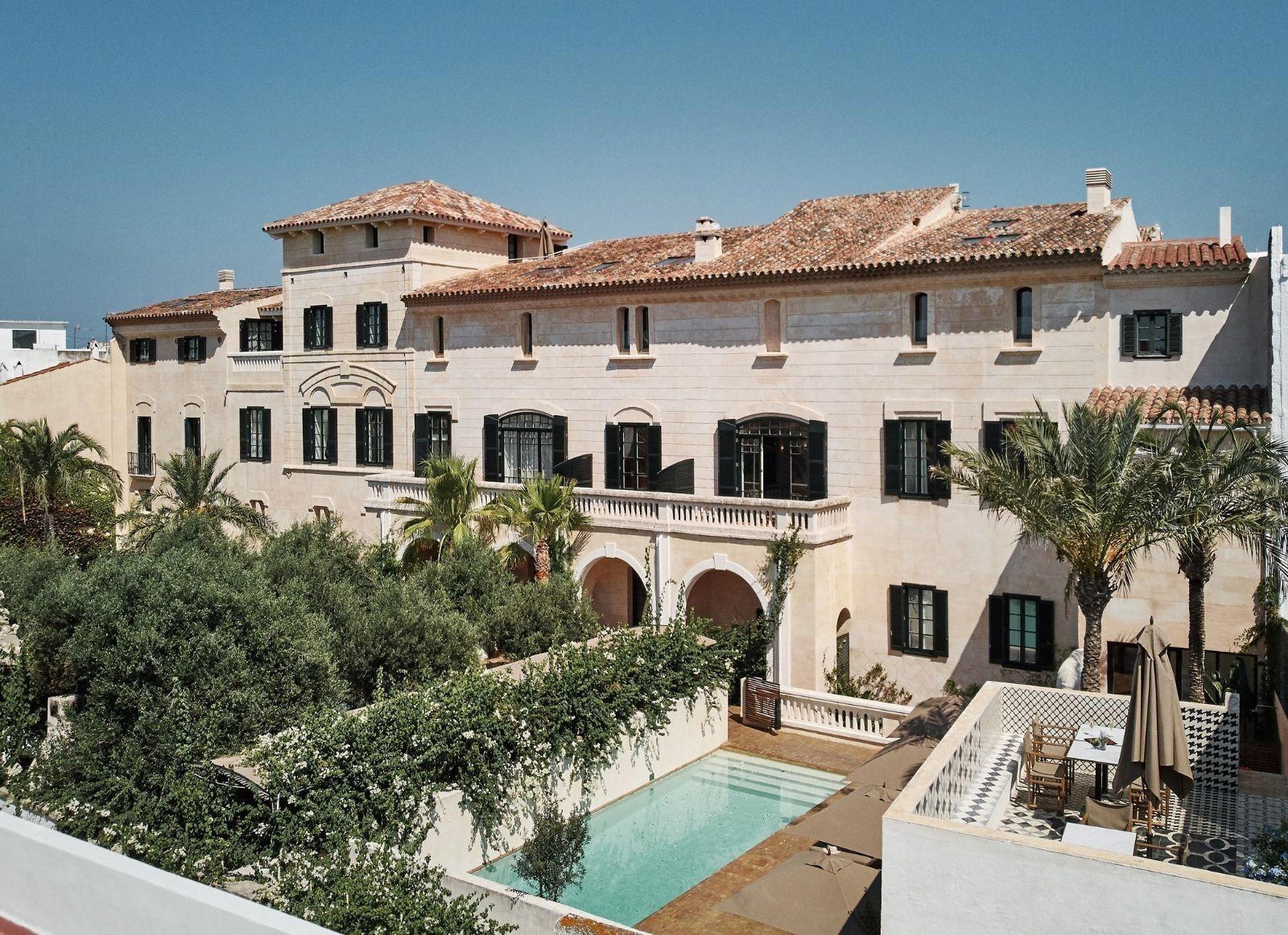
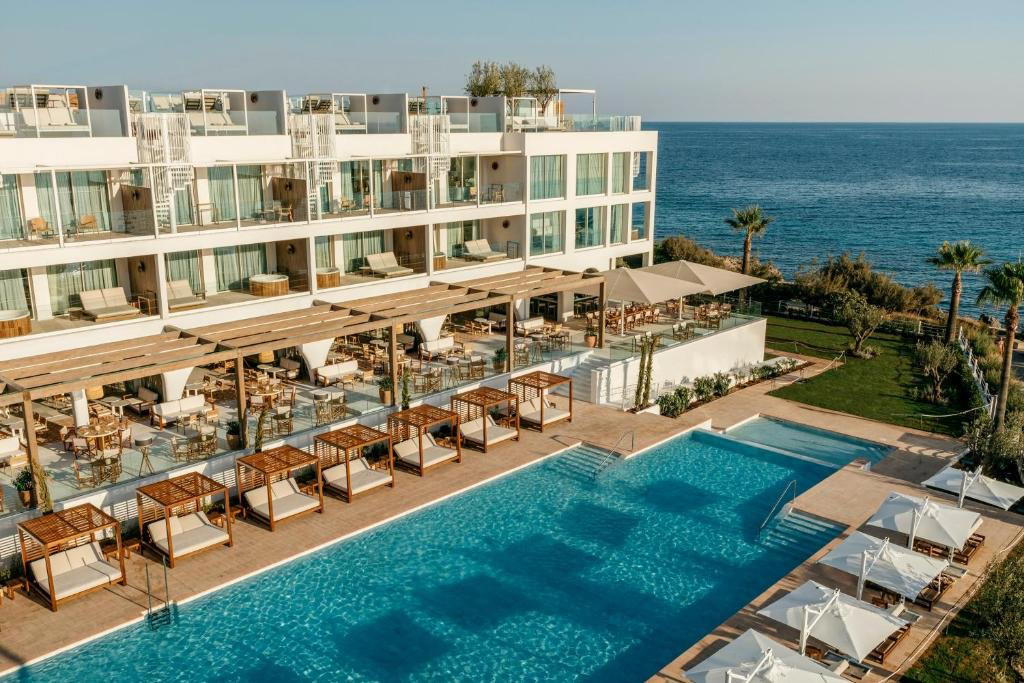
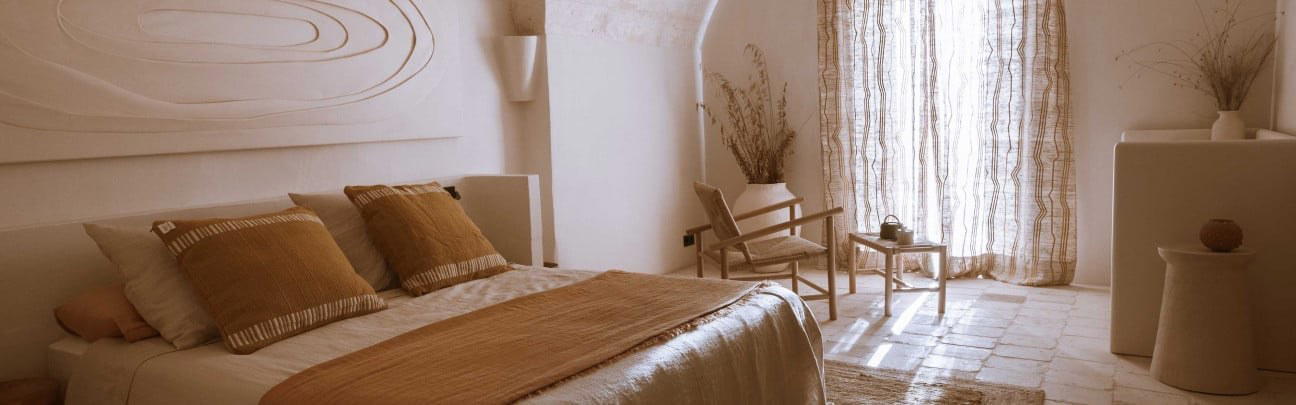
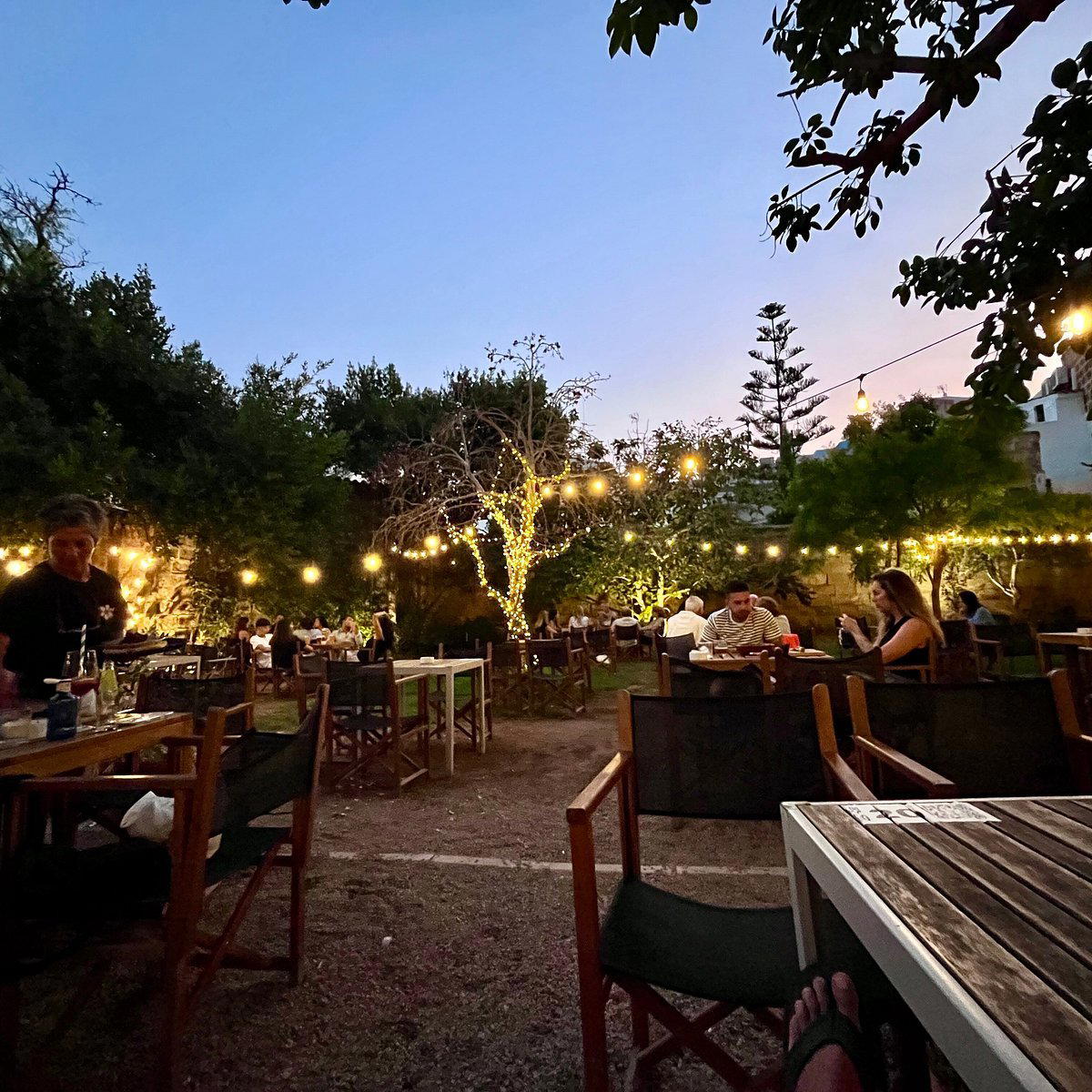
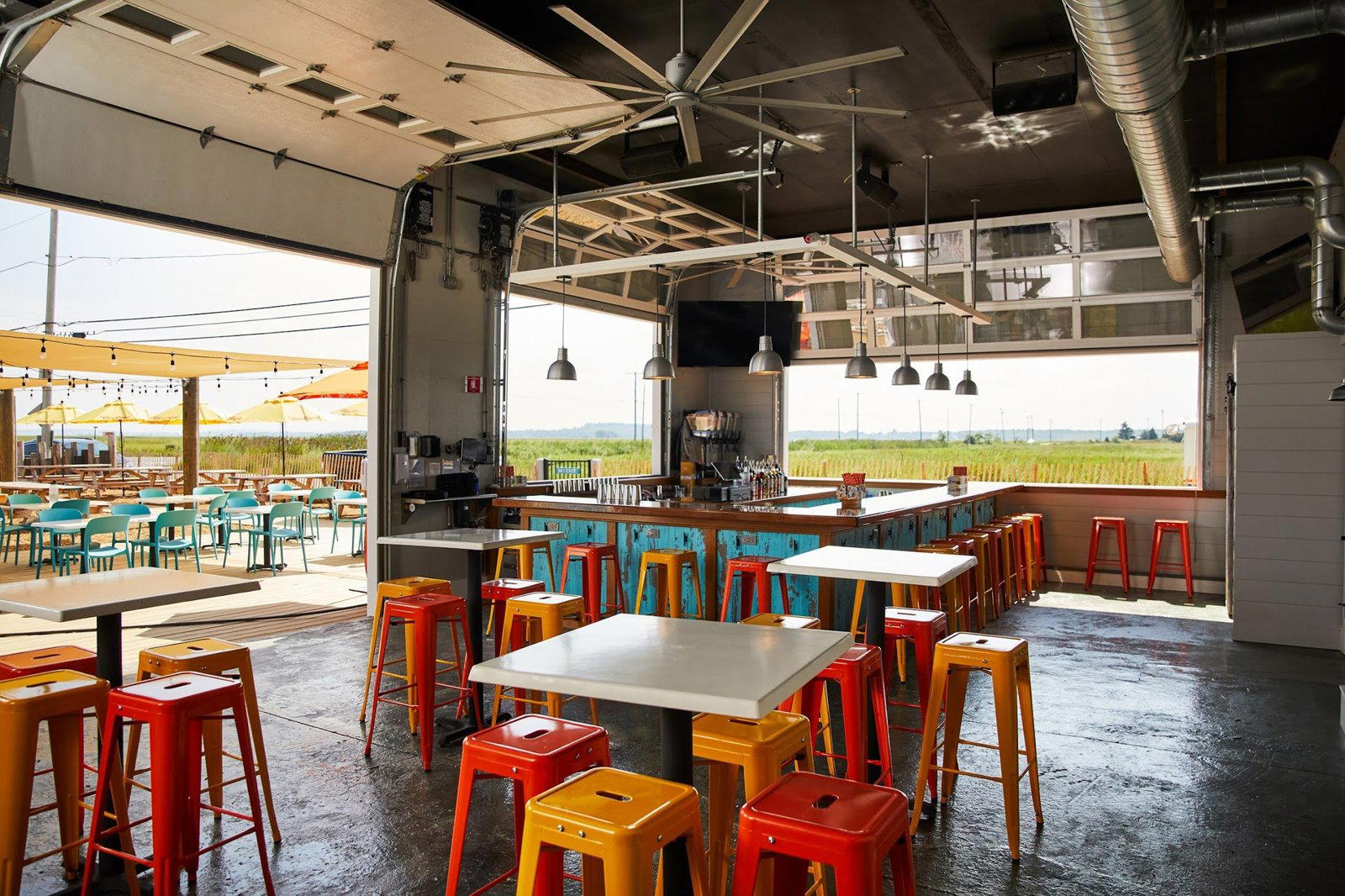
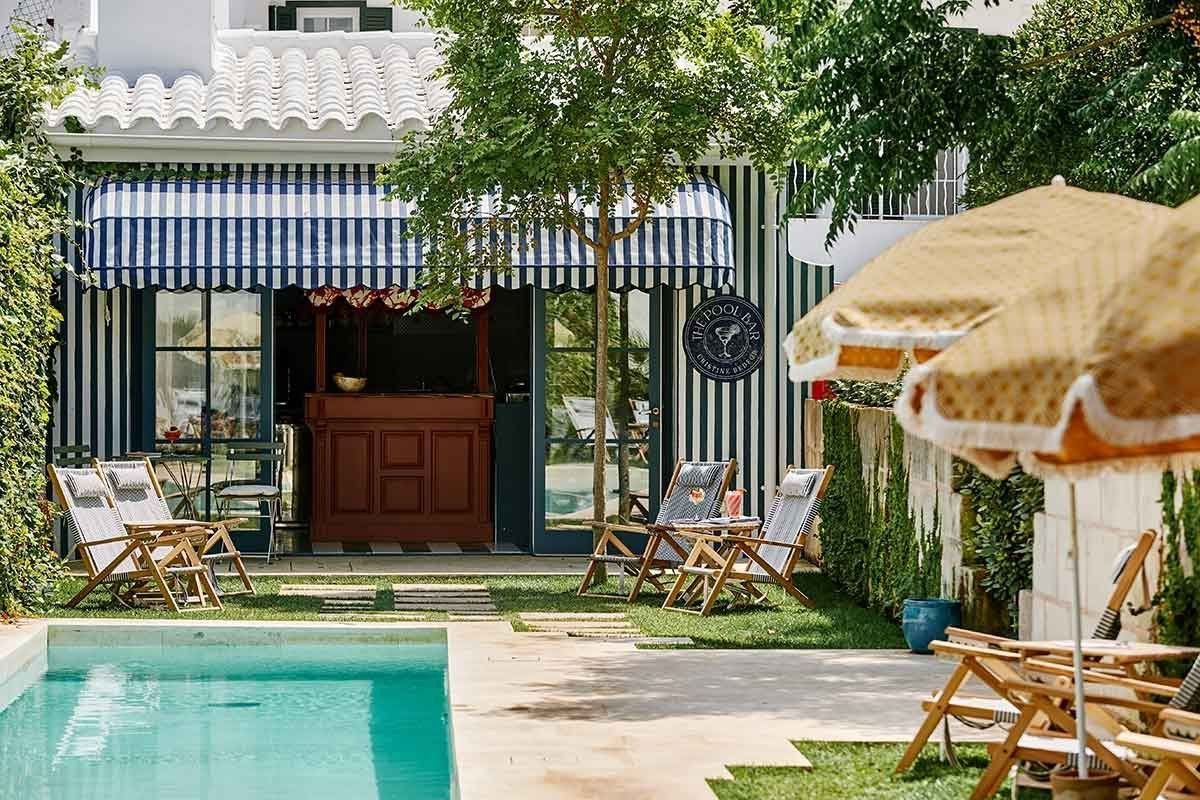
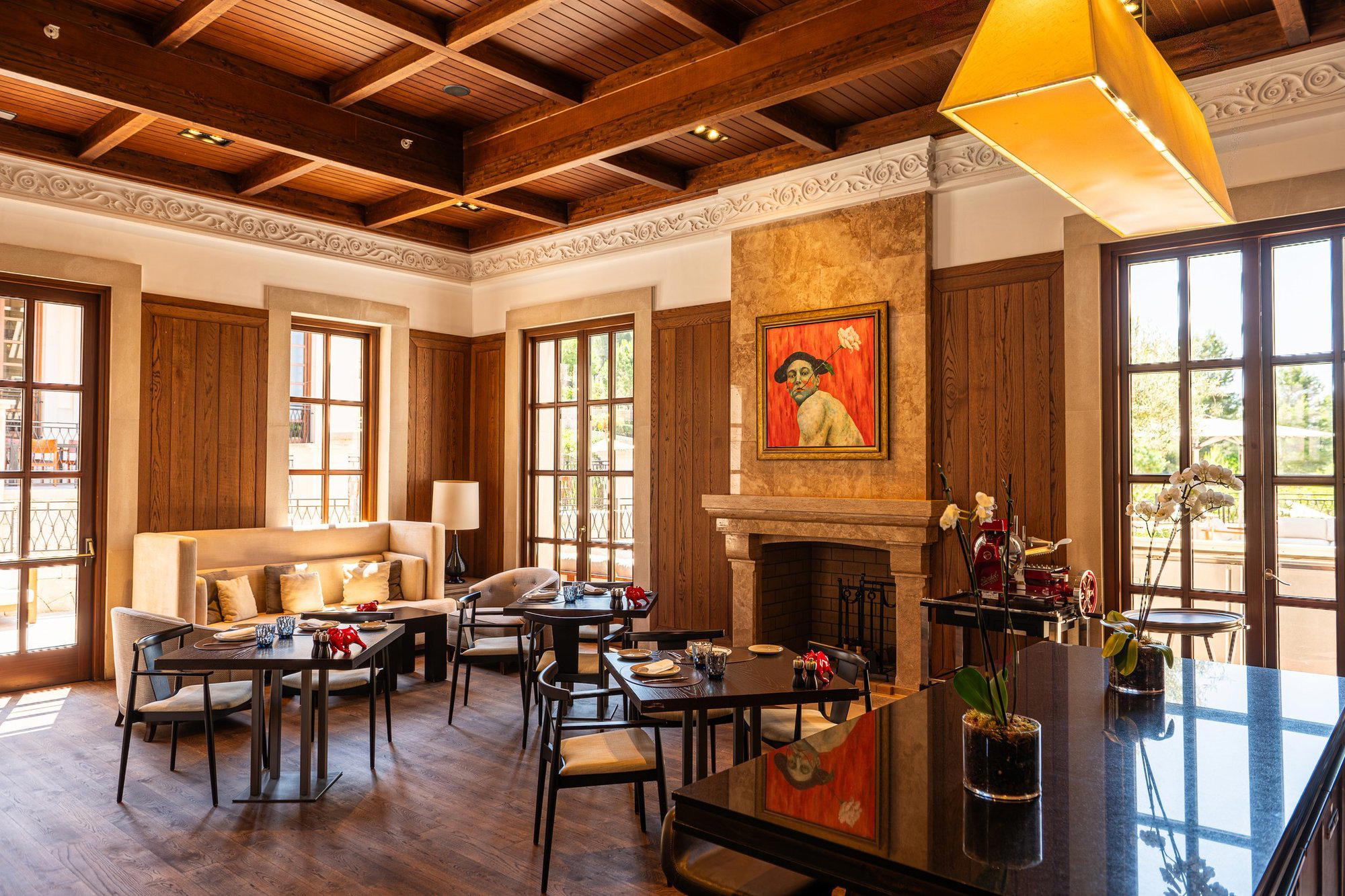
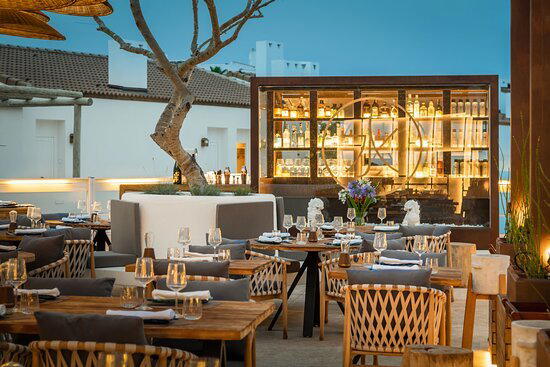
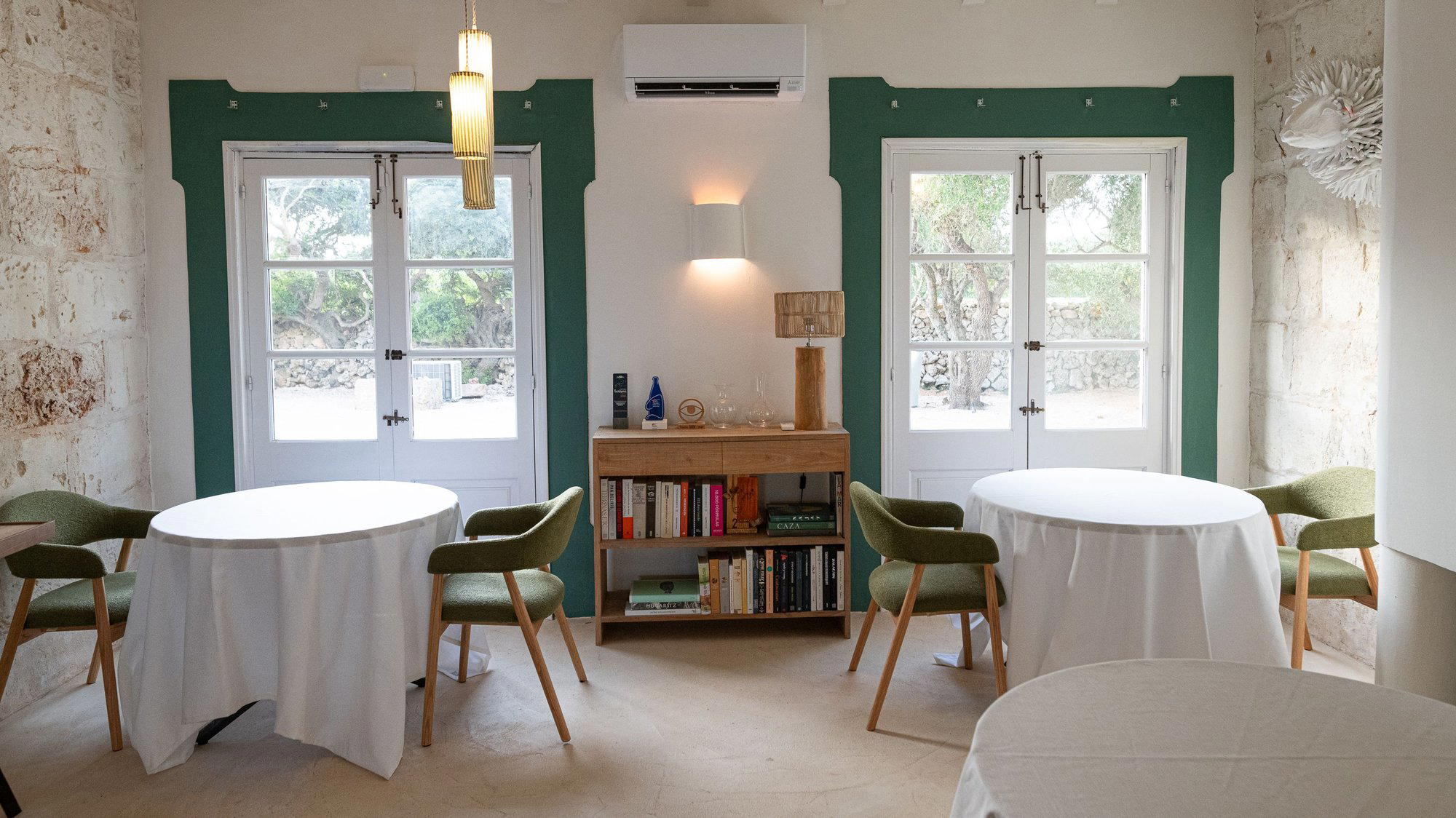
Refined and serene with high ceilings, stone floors, lush gardens, and a peaceful countryside setting.