Son Blanc Farmhouse Menorca


La Liste Top Hotels · Mr & Mrs Smith Seal of Approval
Son Blanc Farmhouse Menorca sits in the rural interior of Torre Soli Nou, a working-finca conversion that earned 97 points from La Liste's Top Hotels ranking in 2026. The property belongs to a small cohort of Balearic properties that trade resort scale for agricultural character and design restraint. For travellers who find the resort corridor of southern Menorca too predictable, it represents a deliberate alternative.

Pearl is the En Primeur Club membership app, where members save venues, book tables and use the concierge.
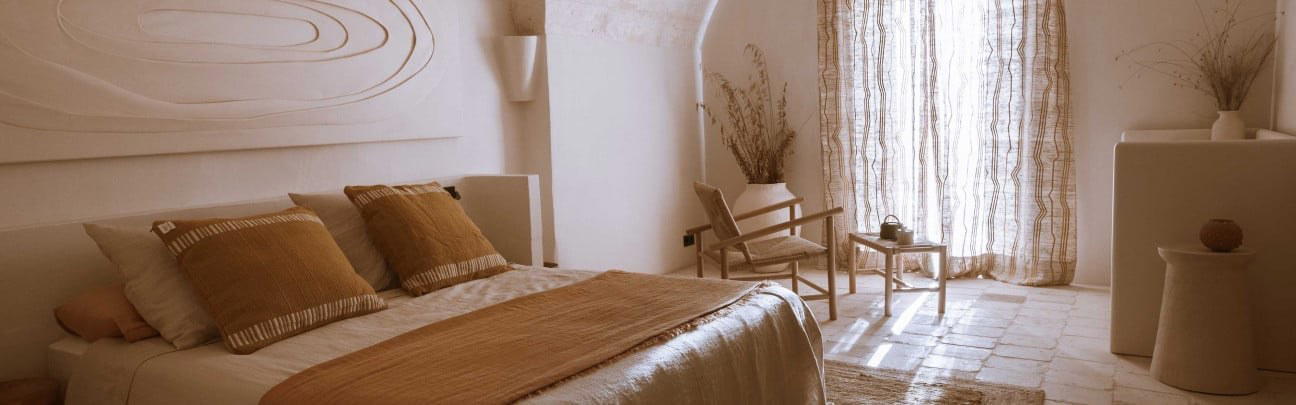
Stone, Silence, and the Menorcan Interior
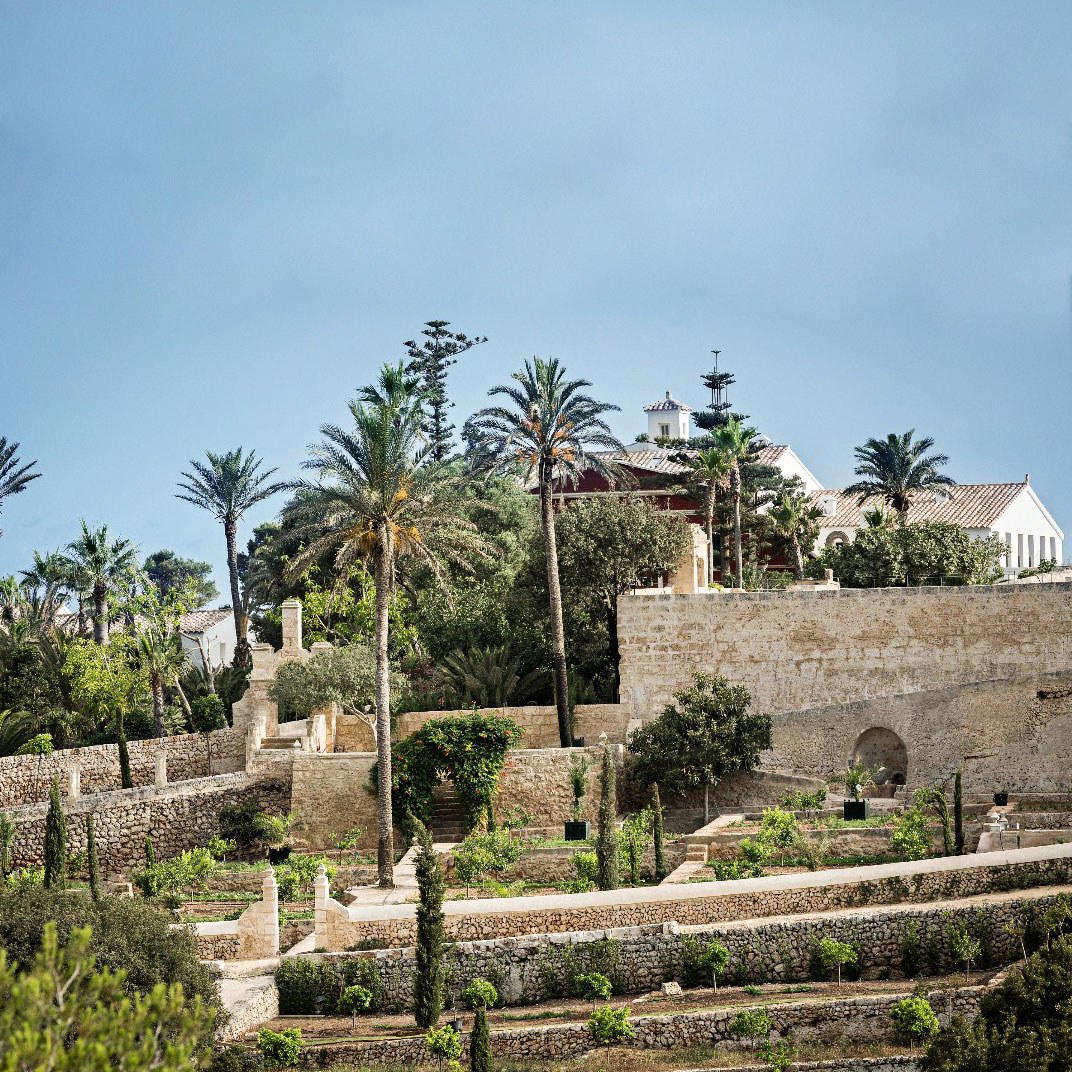
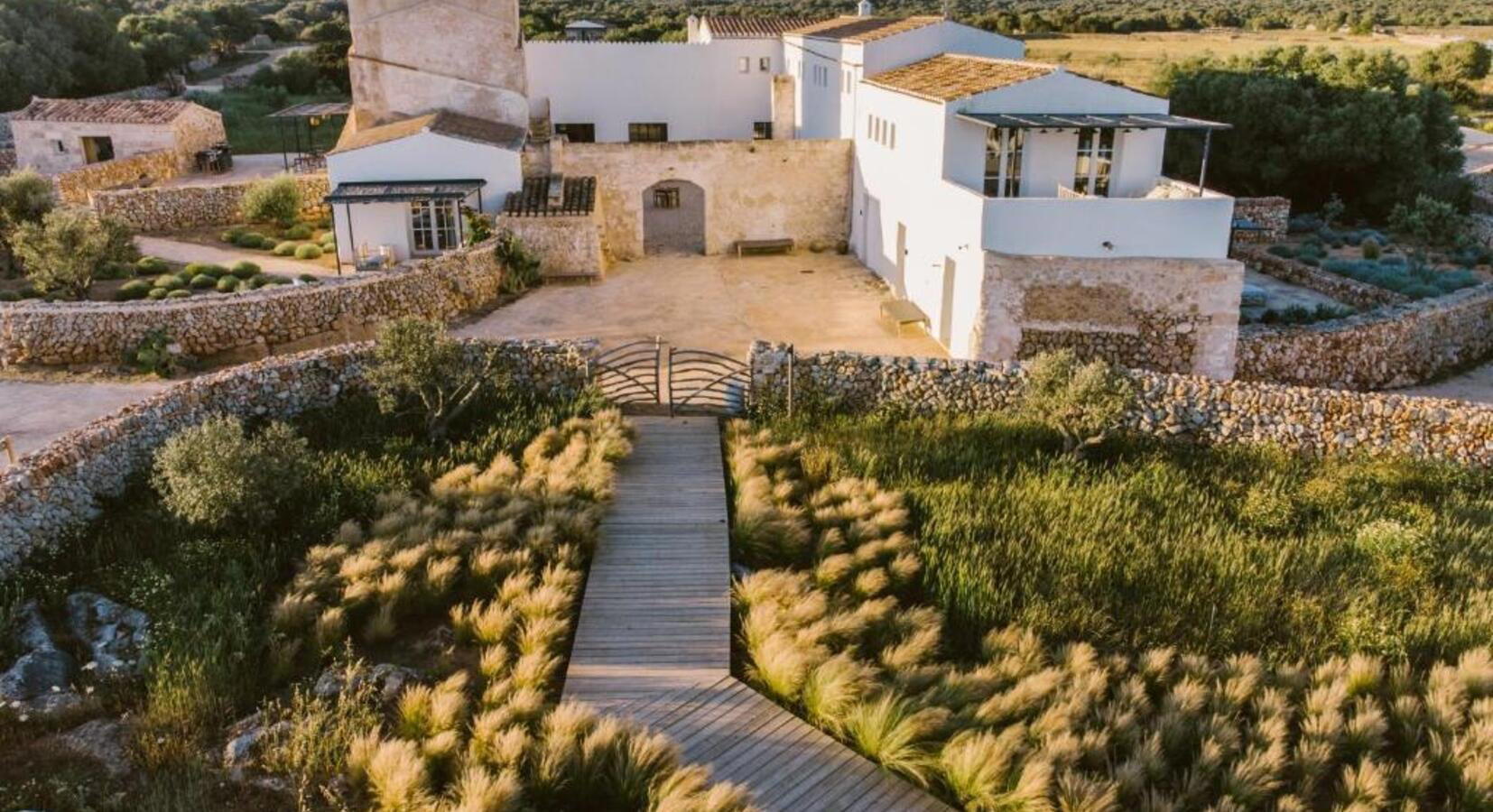
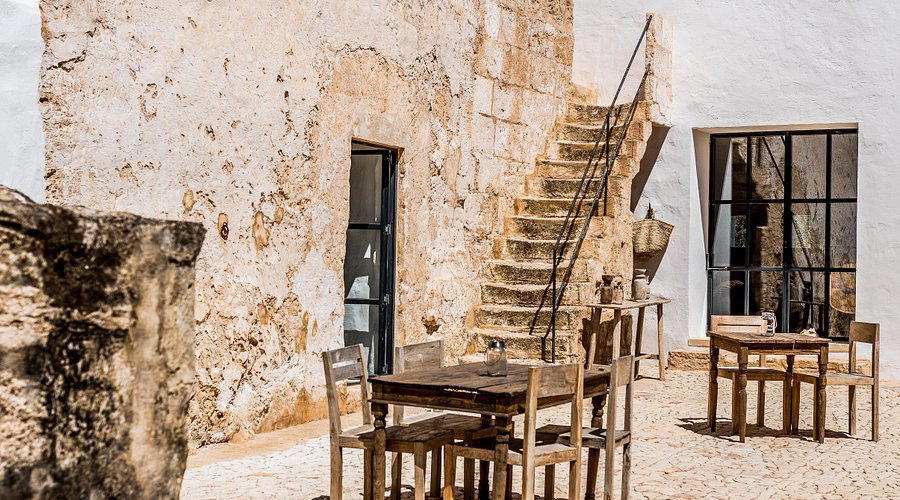
The road to Son Blanc Farmhouse follows the logic of the Menorcan countryside: dry-stone walls, gates set back from unpaved tracks, and the gradual disappearance of anything that resembles a resort. Arriving here does not feel like checking into a hotel. It feels like approaching a working finca that has been occupied for generations, which is precisely the architectural point. The Balearic islands have developed two distinct hospitality registers over the past two decades: the branded resort complex aimed at volume, and the converted rural property aimed at something closer to inhabitation. Son Blanc belongs firmly in the second category, and its 97-point recognition from La Liste's Leading Hotels ranking in 2026 places it in the upper tier of that niche internationally.
What distinguishes the design-led finca conversion from its resort counterpart is not amenity count but material honesty. Properties in this cohort, from Hotel Can Ferrereta in Santanyí to Mas de Torrent Hotel and Spa in Torrent, share a commitment to the original structure as the primary design statement. Thick limestone walls, wooden ceiling beams, and courtyards that predate any hospitality concept are the architecture. Intervention is subtractive rather than additive: strip back, restore, and furnish with restraint rather than impose a contemporary layer over historical fabric.
Menorca's Rural Interior as a Hospitality Proposition
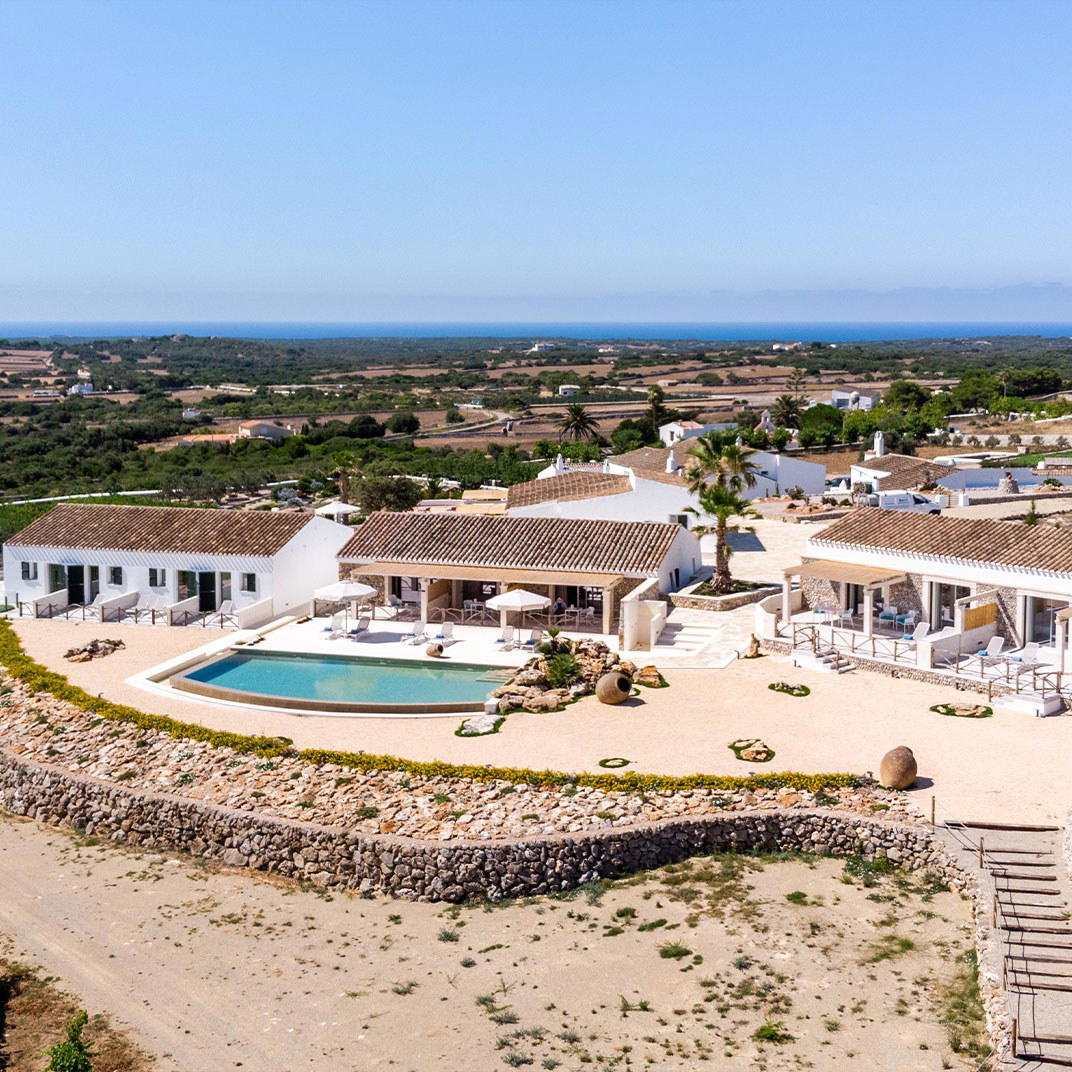
Menorca occupies a different position in the Balearic hierarchy than its neighbours. Ibiza trades in spectacle; Mallorca has developed a sufficiently broad luxury corridor that it can support both large-footprint internationals and intimate boutiques side by side. Menorca's appeal is more specific. It holds UNESCO Biosphere Reserve status, which has constrained development in ways that now read as competitive advantages for properties positioned at the quieter end of the market. The island's interior is agricultural: cereal crops, cattle pasture, dry-stone walls that are themselves a UNESCO-listed heritage landscape element. A property at Torre Soli Nou is not near the beach in any conventional resort sense. It is inside the countryside, which is the offer.
That positioning puts Son Blanc in conversation with a small set of rural Balearic properties, and also with converted farmhouse hotels elsewhere in Spain. Abadía Retuerta LeDomaine in Teruel and Terra Dominicata in Escaladei represent a similar premise applied to the Iberian mainland: historic agricultural or monastic structures converted with enough design rigour to reach internationally recognised luxury categories. The competitive set is not Ibiza's beach clubs or Palma's urban properties like Hotel Can Cera. It is the small, serious, rurally situated category where La Liste's metrics apply consistent weighting to design, service, and overall experience over raw location prestige.
What 97 Points From La Liste Signals
La Liste operates differently from legacy hotel award programmes. Rather than inspector visits within a fixed framework, it aggregates across multiple data sources and applies a scoring methodology that rewards sustained quality signals. A score of 97 points in the 2026 ranking places Son Blanc at the upper boundary of what La Liste considers its top-tier recognition. For context, properties that score in this range internationally tend to be small-capacity, design-led, and positioned in niches where the absence of scale is itself part of the product logic. This is not a score typically associated with large resort complexes; it reflects the kind of concentrated attention that comes from low key counts and high staff-to-guest ratios.
That credential matters because it provides a stable external reference point in a category where self-description is otherwise the norm. The La Liste score positions Son Blanc not as a regional curiosity but as a property legible within a global conversation about what serious rural hospitality looks like. For travellers who benchmark against properties like La Residencia, A Belmond Hotel in Mallorca or Cap Rocat in Cala Blava, that framing is useful.
Situating Son Blanc Within Spanish Luxury Hotels
Spain's premium hotel market has broadened considerably over the past decade. Urban anchors like Mandarin Oriental Ritz in Madrid and Mandarin Oriental Barcelona hold the best of the branded urban tier. At the other end of the spectrum, properties like Atrio Restaurante Hotel in Cáceres and Akelarre in San Sebastián demonstrate that Spain's most credentialled hospitality experiences are not confined to the major cities or to island resorts. Son Blanc fits inside a tradition of rural conversion properties that earn serious recognition by doubling down on architectural authenticity and low guest density rather than amenity volume.
Menorca's own boutique hotel scene is still developing relative to Mallorca's. Can Alberti 1740 Hotel Boutique in Mahón represents the island's Georgian-period urban architecture transposed into hospitality. Son Blanc represents the agricultural interior applied to the same purpose. The two address different guest intents: the first is about historic Menorcan townhouse culture; the second is about the island's pastoral character at its least disturbed.
Planning a Stay at Son Blanc
Torre Soli Nou sits in the southeastern interior of Menorca, accessible from Mahón Airport, which handles seasonal flights from major European hubs as well as connections through mainland Spain. Given Son Blanc's rural situation, a hire car is the practical requirement for a stay here; the property is not within walkable distance of town amenities, and that isolation is structural to the experience rather than an inconvenience to work around. Menorca's high season runs from late June through early September, when flight frequency is at its highest and the island's population roughly doubles. Stays booked outside that window, in May, June, or September, carry the advantage of lower visitor density across the island while the property itself remains operational.
Properties scoring at this level on La Liste typically operate within premium pricing brackets that reflect their scale and staff intensity. For broader orientation across the region, see our full Torre Soli Nou guide, which maps the area's hospitality and dining options in more detail.
How It Stacks Up
Comparable venues nearby, for context on price, style, and recognition.
| Venue | Cuisine | Price | Awards | Notes |
|---|---|---|---|---|
| Son Blanc Farmhouse MenorcaThis venue (the venue you are viewing) | Restored 19th-century Menorcan farmhouse blending heritage with sustainable bioclimatic architecture. | Not listed | La Liste Top Hotels · Mr & Mrs Smith Seal of Approval | Not listed |
| Vestige Son Vell | Restored historic manor house estate | Not listed | Michelin Selected | Ciutadella de Menorca |
| Casa Munich | Restored 400-year-old Ibizan farmhouse with modern expansions | $300–500 | Michelin Selected | Ses Salines |
| Retiro Costiña Wellness & Villas | Modern wellness villas with historic-inspired design elements | $300–500 | Michelin Selected | Santa Comba |
| Es Raco d'Artà | Restored historic Mallorcan estate with minimalist rustic luxury design | $300–500 | 1 Michelin Key · La Liste Top Hotels | Artà |
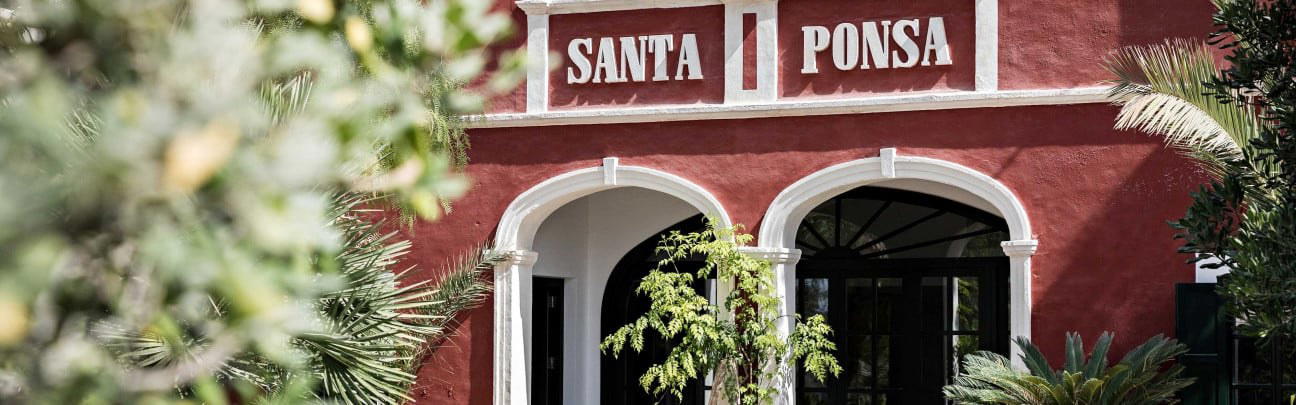
| Santa Ponsa - Fontenille Collection | Restored 18th-century aristocratic finca estate | Not listed | Michelin Selected | Alaior |
Recognition history
Dated appearances from independent guides and award organizations, with the underlying list record or original source where available.
La Liste Top Hotels
La Liste
Mr & Mrs Smith Seal of Approval
Mr & Mrs Smith
Continue exploring
More in Torre Soli Nou
Hotels in Torre Soli Nou
All hotels in Torre Soli Nou →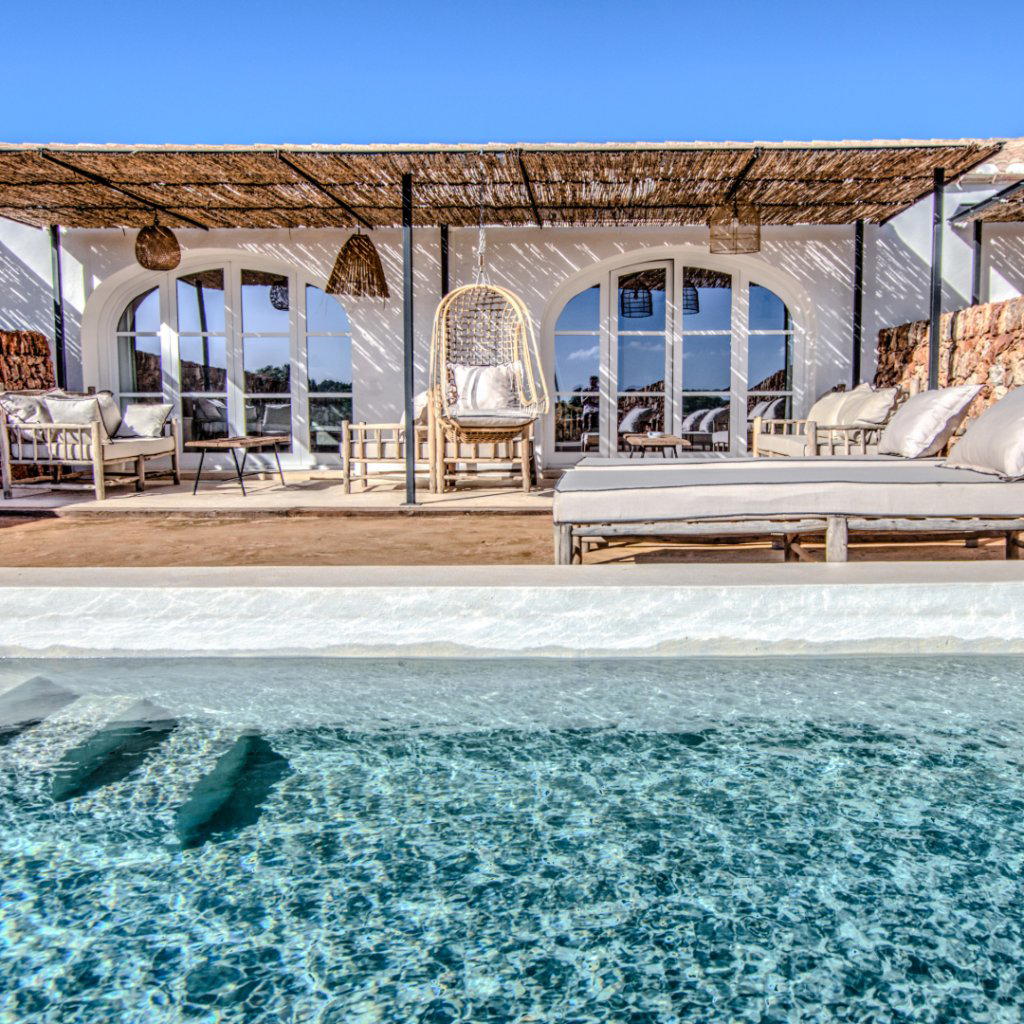
Bars in Torre Soli Nou
Browse all →
Details
- Romantic
- Quiet
- Rustic
- Scenic
- Cozy
- Elegant
- Intimate
- Romantic Getaway
- Wellness Retreat
- Weekend Escape
- Group Retreat
- Garden
- Terrace
- Panoramic View
- Pool
- Wi Fi
- Spa
- Restaurant
- Garden
- Mountain
Pared-back luxury with natural materials like limestone, olive wood, and textiles; tranquil, mindful atmosphere blending seamlessly with the surrounding landscape, soothing and connected to nature.