
Michelin Plate
Our verdict
Santa Mariana occupies a converted Menorcan country house on the edge of Alaior, earning consecutive Michelin Plate recognition in 2024 and 2025 for its creative treatment of local produce. The kitchen runs both an à la carte format and the set menu El Renacer, with the estate's own organic garden, olive trees, and livestock feeding directly into the cooking. At the €€€ price point, it represents one of the more considered rural dining options on the island.

Pearl is the En Primeur Club membership app — saves, bookings, and concierge access live there. Same editors, same standards.
- Address
- Camí de Loreto, 07730, Illes Balears, Spain
- Phone
- +34 669 05 42 41
- Hours
- Mon–Tue ClosedWed–Sun 1–3 PM, 8–10 PM
- Website
- santamariana.es
- Directions
- Get directions
- Booking
- Book on TheFork
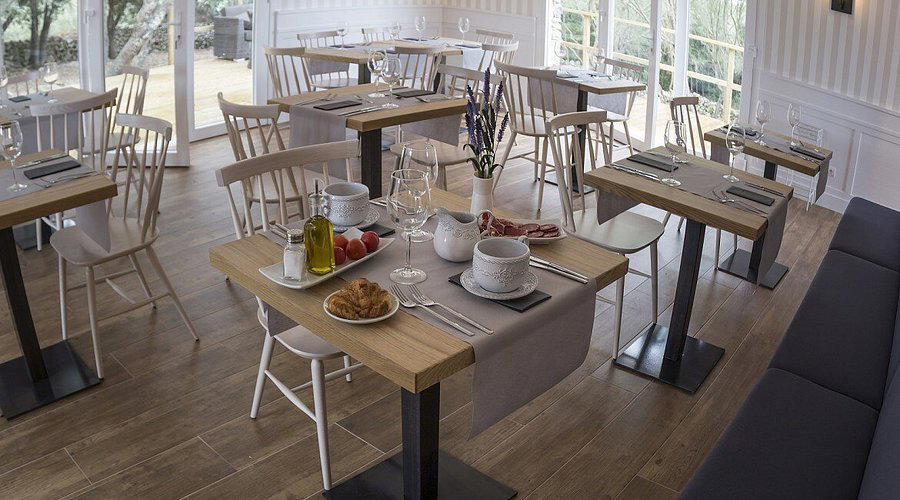
The menu
What to order
- Lobster tasting menu
- Fish of the day
- Foie gras
A Menorcan Farmstead as Dining Room
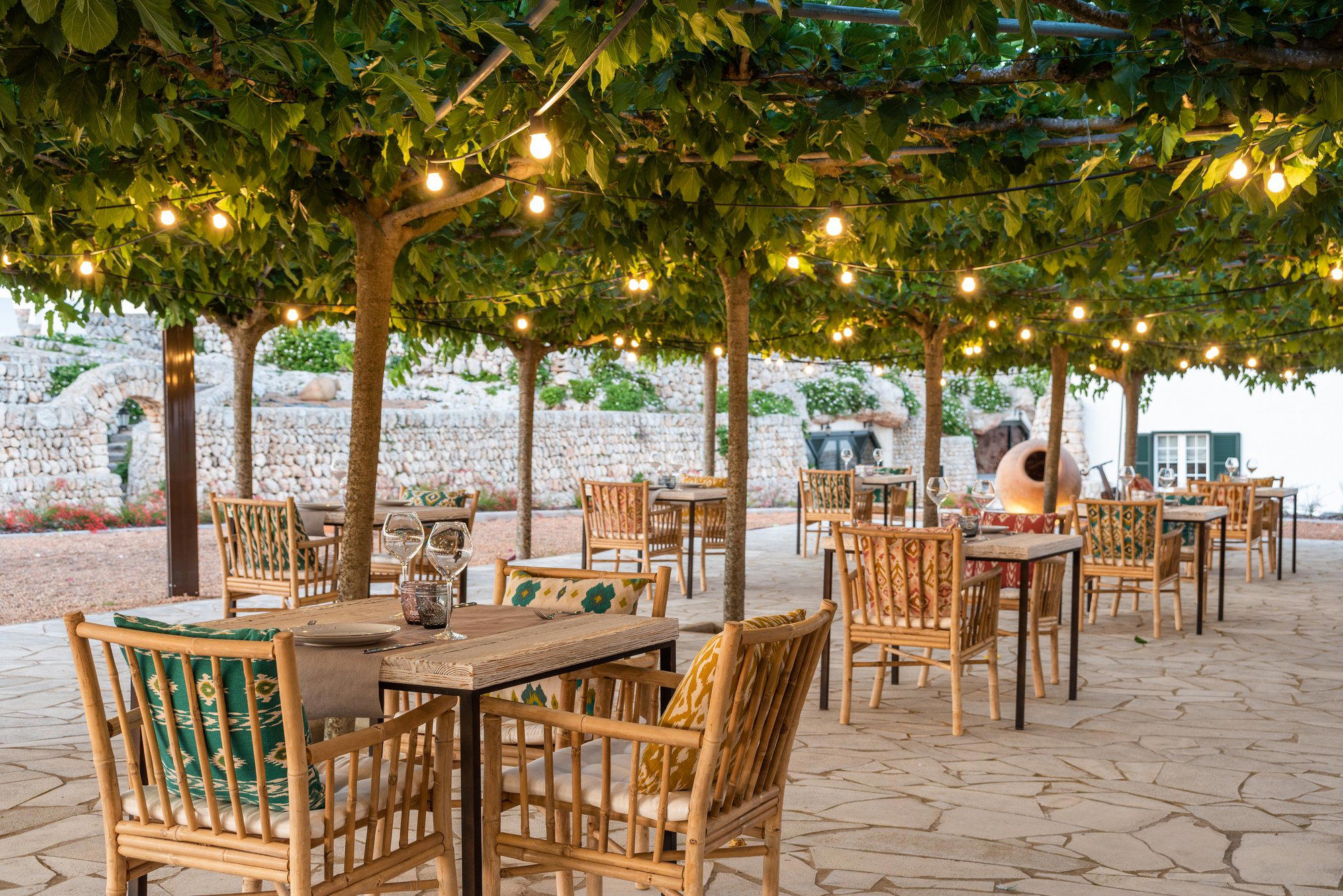
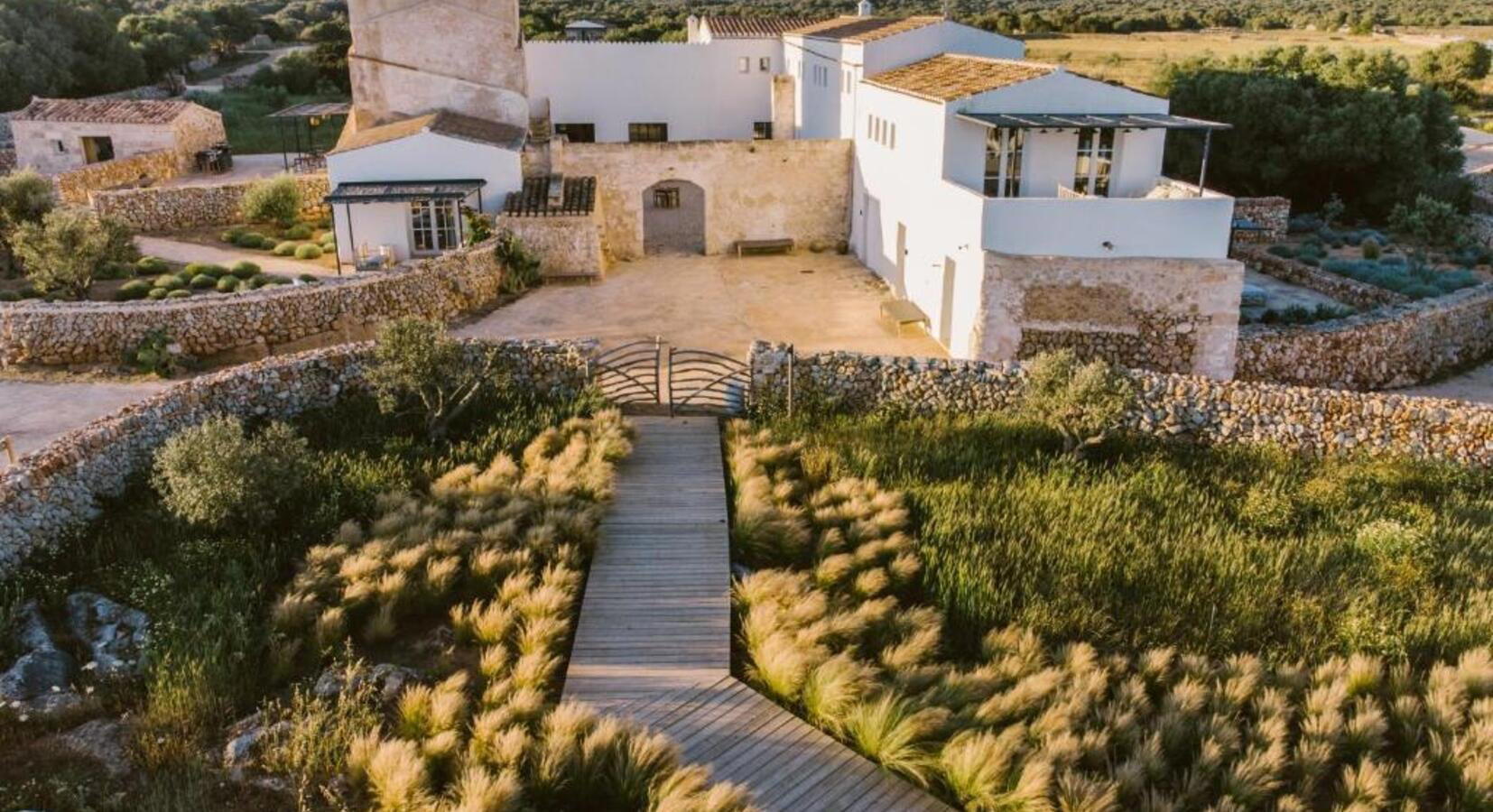
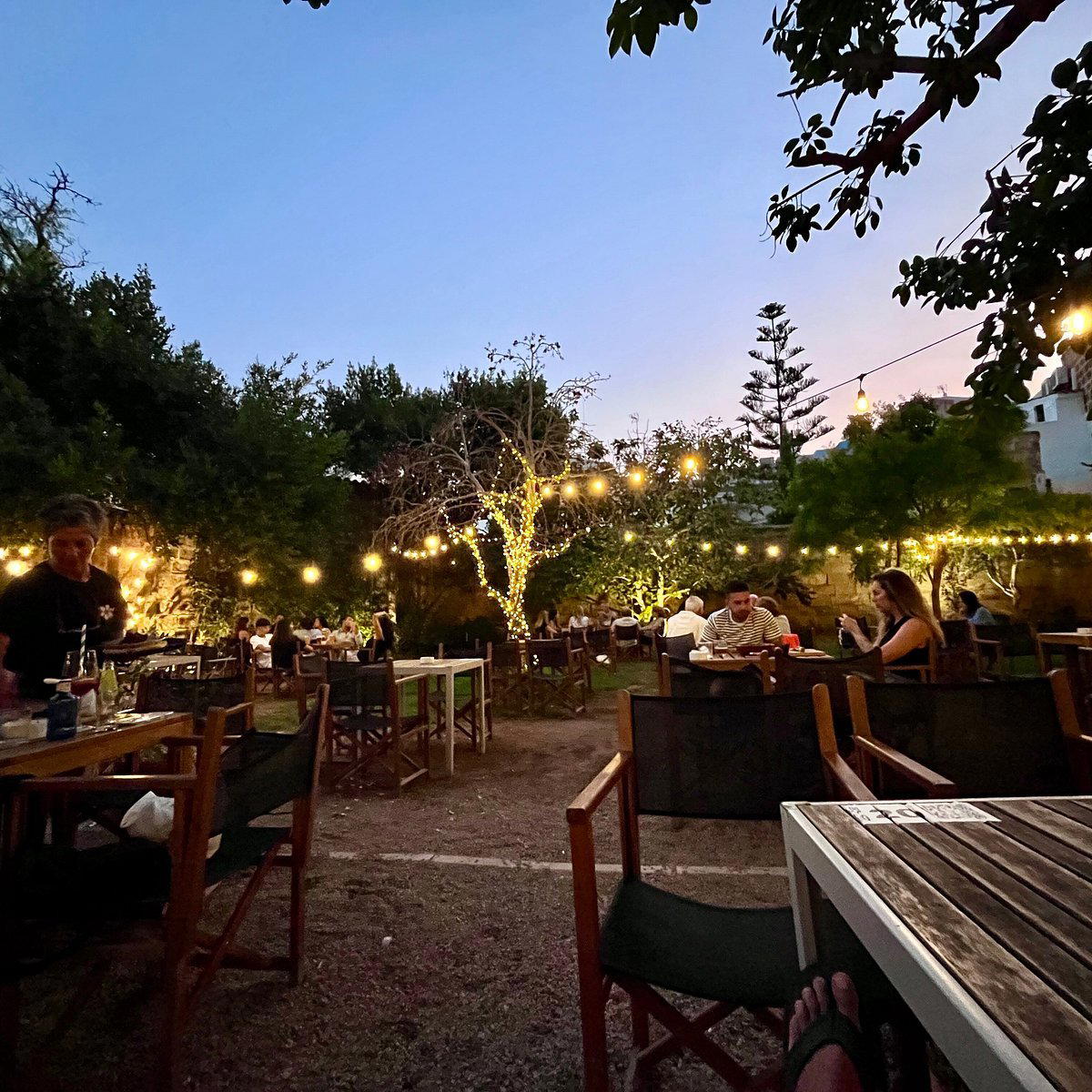
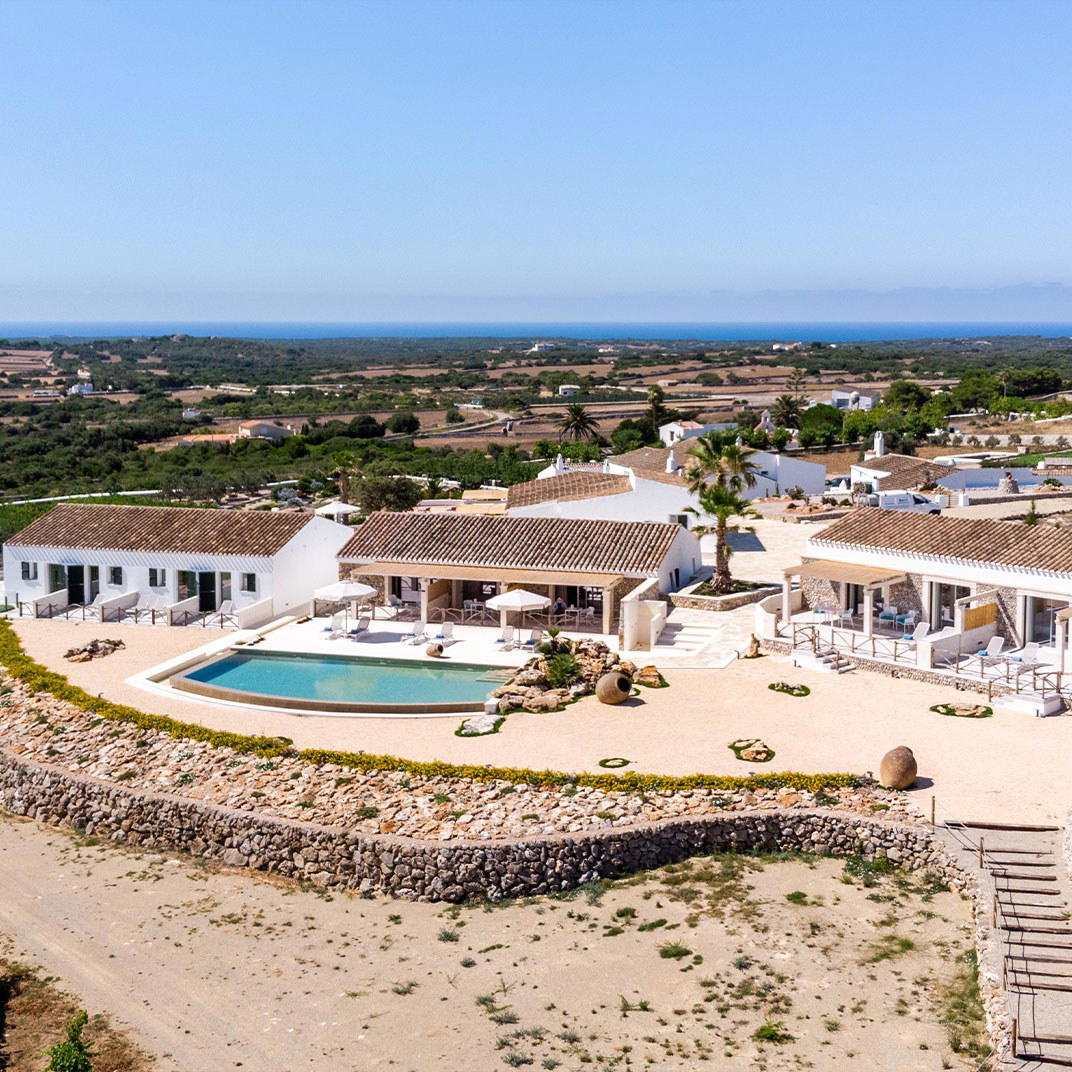
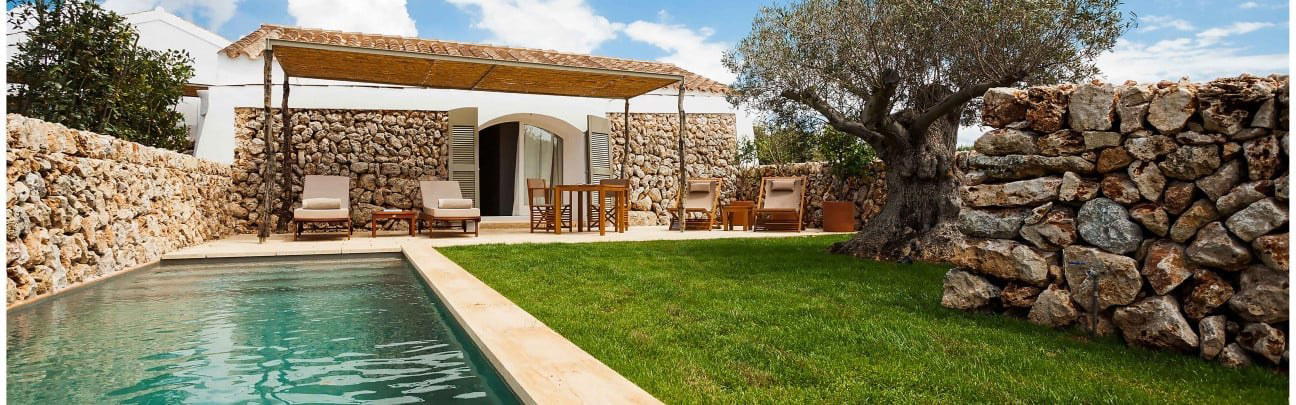
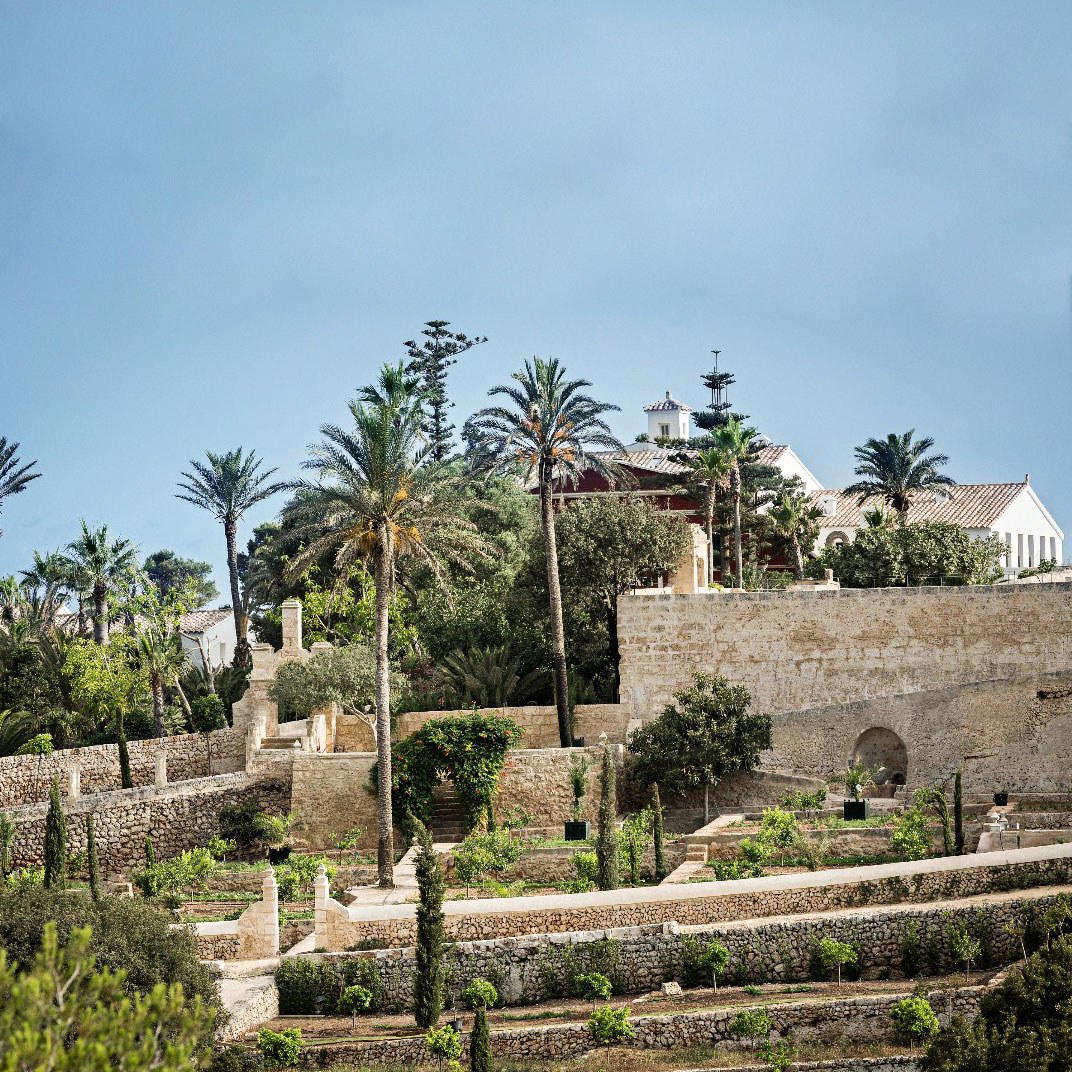
There is a particular tradition in the Spanish Balearics of converting historic fincas into hospitality spaces, and the results range from boutique hotels with token restaurants to properties where the food is the genuine reason to make the drive. Santa Mariana falls into the latter category. The setting is a Menorcan-style country house on the Camí de Loreto outside Alaior, with terrace seating that opens onto the estate's working grounds. The estate maintains its own organic vegetable garden, olive trees, chickens, and lambs, which means the agricultural context is not decorative. It is operational, and it feeds directly into what appears on the plate.
Menorca's inland villages have historically been less trafficked than the coastal resorts, and Alaior itself sits quietly in the island's centre, known more for cheese production and traditional craft than for restaurant tourism. That context matters when reading Santa Mariana's position: this is not a destination built around beach proximity or marina footfall. It draws on the slower, agricultural rhythms of the island's interior, and the cooking reflects that orientation. For the wider Alaior restaurant scene, Santa Mariana represents the most technically serious address currently operating in the area.
The Structure of the Menu
Creative cuisine in a rural Balearic setting occupies a specific niche within the broader Spanish restaurant conversation. At the top of that national conversation sit addresses like El Celler de Can Roca in Girona, Disfrutar in Barcelona, and Arzak in San Sebastián, all operating at €€€€ and above with internationally mobile clientele. Santa Mariana is not in conversation with those rooms. Its €€€ price point and rural format place it in a different tier: serious enough to earn consecutive Michelin Plate recognition in 2024 and 2025, but oriented toward the Menorcan visitor and the food-literate traveller who has sought it out specifically rather than the circuit diner working through a list of starred addresses.
The menu architecture is notably structured for a property of this scale. À la carte service is divided into discrete sections covering vegetables, seafood, rice dishes, and pasta, with a dedicated lobster section available on reservation. That last detail is telling: lobster in Menorca, particularly the local llagosta, carries genuine cultural weight. The island's seafood tradition predates its tourism economy, and singling out lobster as a reservation-only course signals that the kitchen treats it as an occasion dish rather than a menu filler. Alongside the à la carte format sits El Renacer, the set menu that draws more explicitly on local produce processed through contemporary technique, with Mediterranean references threaded throughout.
Spain's creative kitchens have spent the last two decades developing a sophisticated vocabulary around local product and technical intervention. Properties like Aponiente in El Puerto de Santa María and Quique Dacosta in Dénia have taken coastal raw materials and built internationally recognised bodies of work around them. Santa Mariana operates at a different scale and ambition, but the underlying orientation is recognisably part of the same tradition: take what the land and sea produce locally, apply technique with precision, and let Mediterranean context do the framing. At the European level, comparable creative approaches in rural or converted-estate settings include Alléno Paris au Pavillon Ledoyen and Enrico Bartolini in Milan, though those operate at significantly higher price bands and urban profiles.
Menorcan Produce as Cultural Argument
The decision to maintain an on-site organic garden, keep chickens and lambs on the grounds, and plant olive trees is not incidental to the cooking at Santa Mariana. It reflects a position within the wider European farm-to-table debate that has particular resonance in Menorca, a UNESCO Biosphere Reserve since 1993. The island's protected status has preserved agricultural land in ways that the more developed Balearic neighbours have not managed, and Menorcan cuisine has historically been shaped by that relative insularity: cheese from the interior, seafood from the straits, lamb from the scrubland pastures.
What Santa Mariana does with those materials, according to the Michelin notes, involves persistent technical play. El Renacer as a concept, meaning renewal or rebirth, frames local cuisine not as fixed heritage but as something active and subject to reinterpretation. That framing is consistent with the broader Spanish creative kitchen tradition, where the most interesting regional cooking tends to argue with its own history rather than simply reproduce it. The vegetables section of the à la carte menu reflects a similar instinct: foregrounding produce categories that Mediterranean cooking has traditionally subordinated to protein is itself a position.
For visitors exploring the island's food scene more widely, two other addresses operating in Alaior are Cap Menorca and Siempreviva, the latter taking a Spanish Mediterranean approach that complements rather than duplicates what Santa Mariana is doing. The three together make a case for Alaior as a more considered dining stop than its size might suggest. EP Club's Alaior hotels guide, bars guide, wineries guide, and experiences guide map the broader picture for those staying in the area rather than passing through.
Spain's wider creative cooking circuit, which runs through addresses like Azurmendi in Larrabetzu, Mugaritz in Errenteria, DiverXO in Madrid, and Martin Berasategui in Lasarte-Oria, operates at the top of the market with the infrastructure that comes with sustained international attention. Santa Mariana occupies a quieter position on that map, one that requires the visitor to travel specifically to Menorca and then further inland to reach it. The Michelin Plate in consecutive years confirms that the effort is warranted.
Planning Your Visit
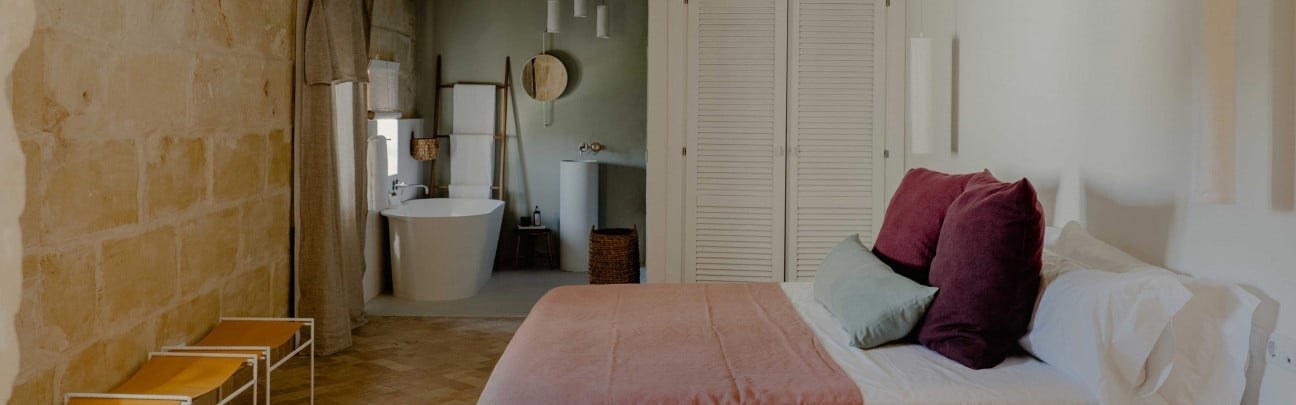
Santa Mariana sits on the Camí de Loreto outside Alaior in the island's interior, making a car the practical way to arrive. At the €€€ price point, it sits in the upper-mid range for Menorca rather than at the ceiling of Spanish fine dining nationally. The lobster section of the à la carte menu requires advance reservation, which is worth factoring into plans before arrival. The property also operates as a small rural hotel, so dining guests and hotel guests share the space, which keeps overall covers limited regardless of the time of year.
Frequently asked questions
Does Santa Mariana have a Michelin star or similar recognition?
Santa Mariana has received recognition including: This restaurant occupies a Menorcan-style country house with plenty of typical charm (including a delightful terrace) that has been converted into a small rural hotel. The cuisine here is based around an à la carte service (with specific se….
What should I eat at Santa Mariana?
The à la carte menu is organised into dedicated sections covering vegetables, seafood, rice dishes, and pasta, with a separate lobster course available on reservation. For a structured introduction to the kitchen's approach, the set menu El Renacer draws on local Menorcan products handled with contemporary technique and Mediterranean references. The estate's own organic garden, chickens, and lambs feed directly into the supply chain, so the produce on the plate has a traceable source metres from the dining room.
What's Santa Mariana's location?
Santa Mariana is located at Camí de Loreto, 07730, Illes Balears, Spain, Alaior.
Should I book Santa Mariana in advance?
The property operates as a small rural hotel as well as a restaurant, which keeps total cover numbers low by design. The lobster section of the menu requires advance reservation regardless of when you visit. During Menorca's summer season, when demand across the island's interior fincas compresses available tables, booking well ahead is the practical approach for a €€€ dinner with a specific menu in mind.
Booking and Cost Snapshot
| Venue | Cuisine | Price | Awards |
|---|---|---|---|
| Santa MarianaThis venue — the venue you are viewing | Creative Mediterranean with Menorcan Heritage | $50–100 | Michelin Plate |
| Aponiente | Progressive - Seafood, Creative | Not listed | Michelin 3 Star |
| Arzak | Modern Basque, Creative | Not listed | Michelin 3 Star |
| DiverXO | Progressive - Asian, Creative | Not listed | Michelin 3 Star |
| El Celler de Can Roca | Progressive Spanish, Creative | Not listed | Michelin 3 Star |
| Quique Dacosta | Creative | Not listed | Michelin 3 Star |
Recognition history
Dated appearances from independent guides and award organizations, with the underlying list record or original source where available.
Michelin Plate
Michelin
Full recognition history (3 entries)
Michelin Plate
Michelin
Michelin Plate
Michelin
Details
- Rustic
- Elegant
- Scenic
- Cozy
- Romantic
- Date Night
- Special Occasion
- Celebration
- Terrace
- Garden
- Hotel Restaurant
- Standalone
- Extensive Wine List
- Sommelier Led
- Farm To Table
- Organic
- Local Sourcing
- Garden
- Tasting Menu
- A La Carte
- Set Menu
- Wine
- Vegetarian Friendly
- Organic Focus
- Allergy Accommodating
Current opening hours
- Monday
- Closed
- Tuesday
- Closed
- Wednesday
- 1–3 PM, 8–10 PM
- Thursday
- 1–3 PM, 8–10 PM
- Friday
- 1–3 PM, 8–10 PM
- Saturday
- 1–3 PM, 8–10 PM
- Sunday
- 1–3 PM, 8–10 PM
Hours can change for holidays and private events. Last verified .
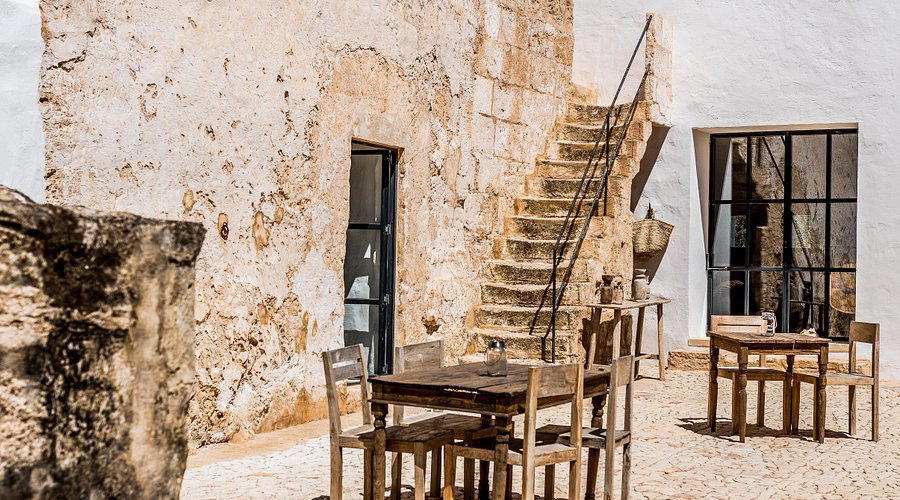
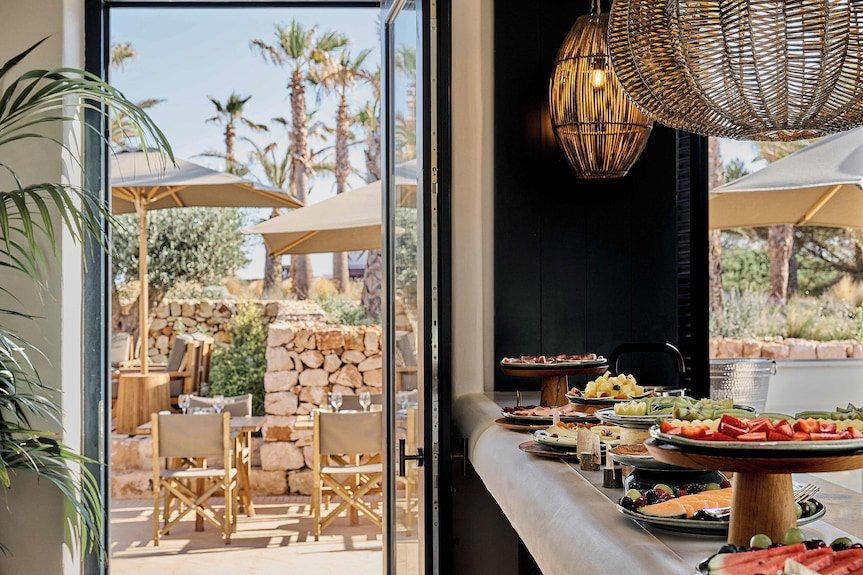
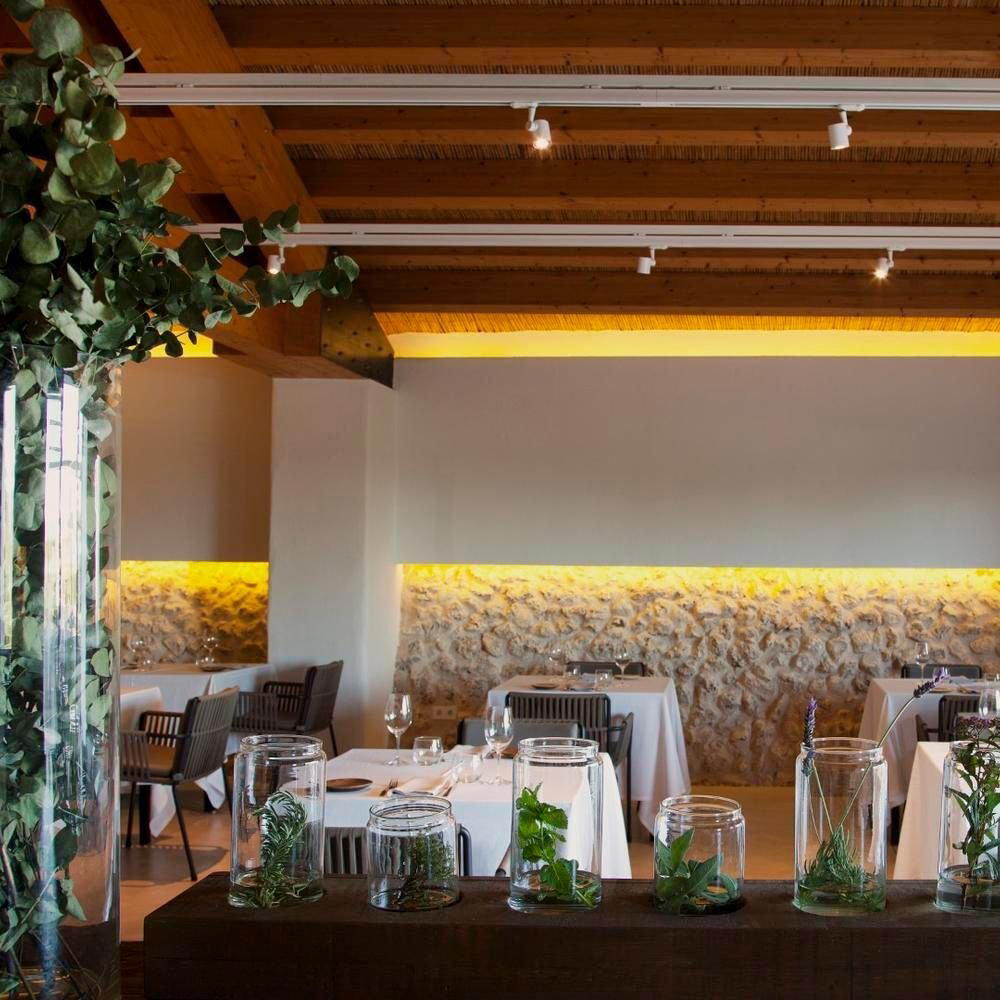
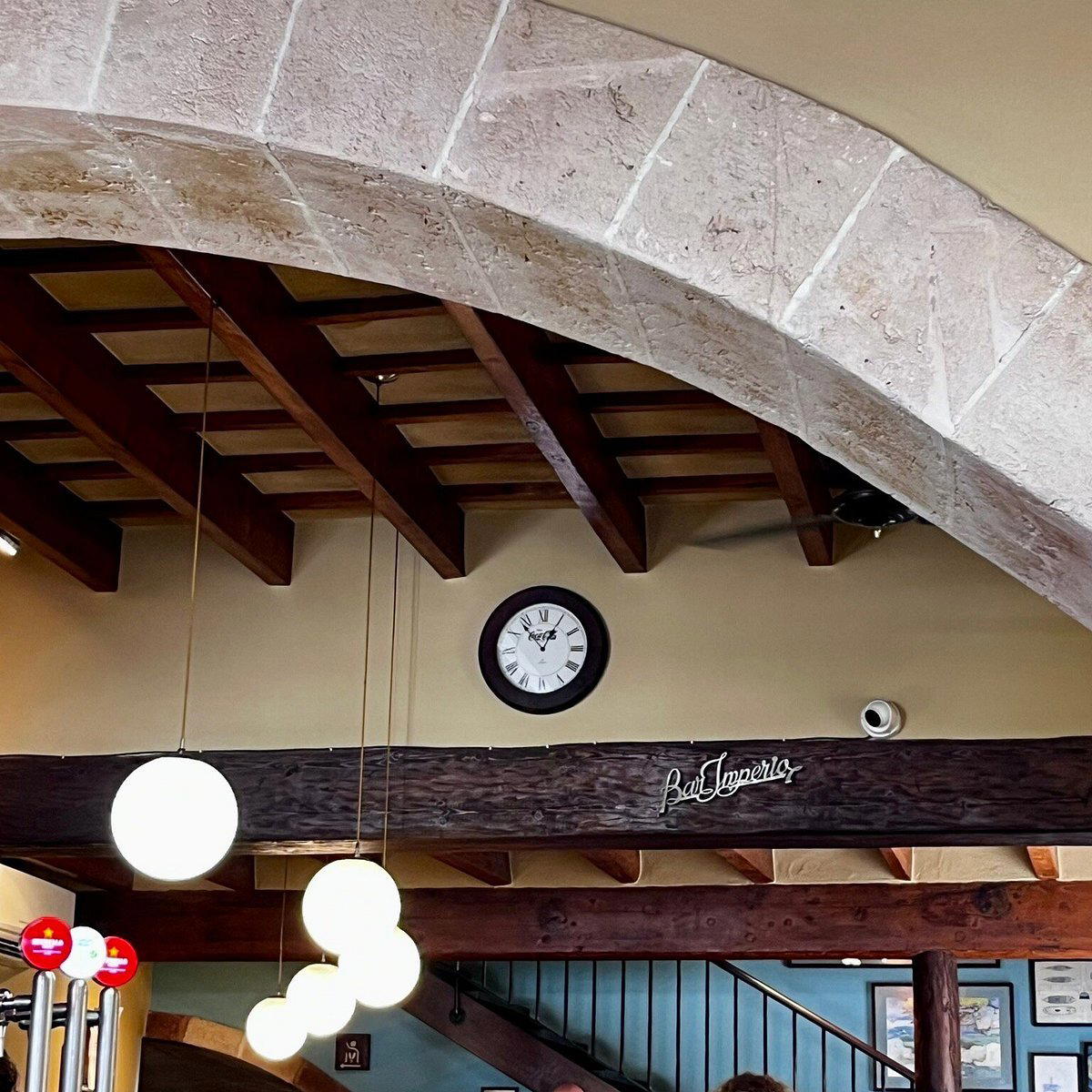
Warm and inviting rustic setting with a cozy indoor dining room and spectacular terrace surrounded by wild olive trees, creating an intimate connection to the Menorcan landscape.