Rio Perdido


Rio Perdido occupies 1,500 acres of protected dwarf forest in the San Bernardo Lowlands of Guanacaste, with 20 stainless-steel bungalows built on stilts above two river gorges. Rates from $893, one hour from Liberia airport.
Pearl is the En Primeur Club membership app — saves, bookings, and concierge access live there. Same editors, same standards.
- Address
- South from San Bernardo Catholic Church, 4 km, Provincia de Guanacaste, Fortuna, 50401
- Phone
- +506 2673 3600
- Website
- rioperdido.com
- Directions
- Get directions
 Saves & bookings on Pearl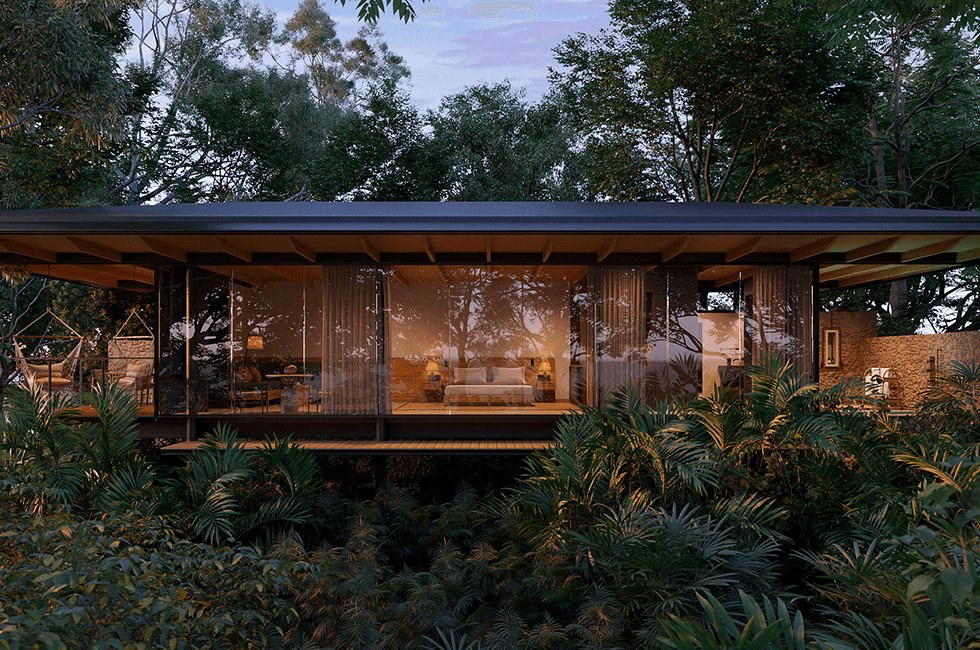
Where the Forest Swallows the Building
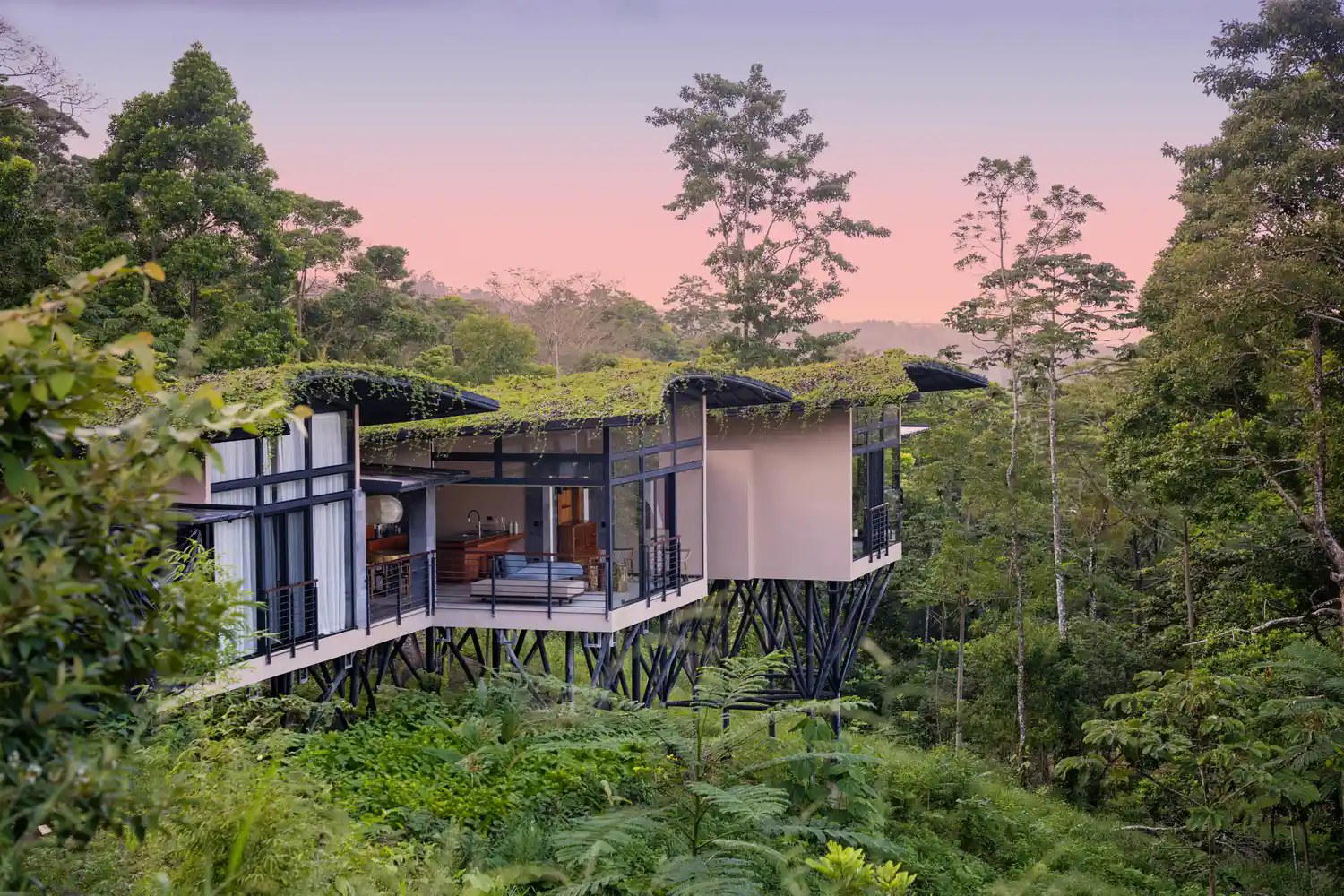
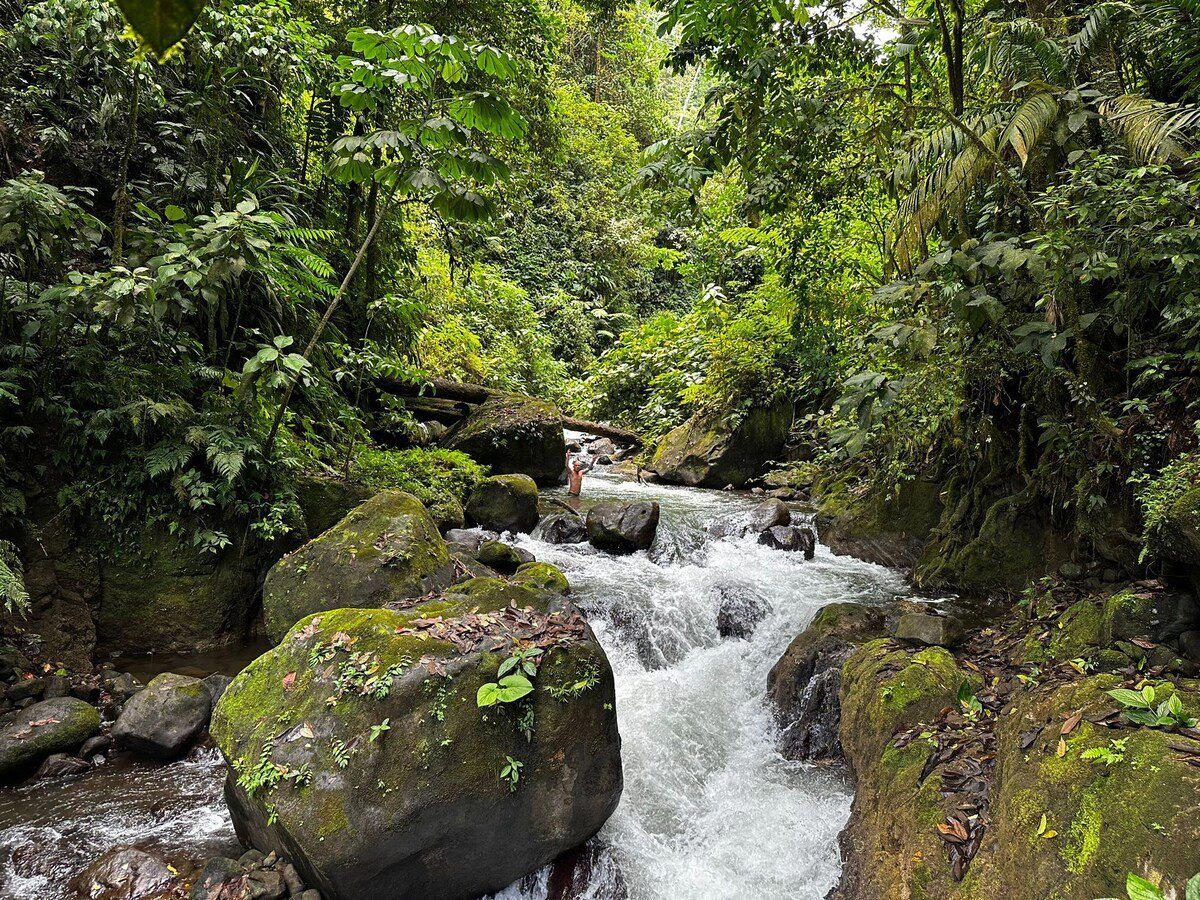
Approach Rio Perdido from the road south of San Bernardo and the property doesn't announce itself. The dwarf forest of Guanacaste closes in on both sides, the canopy lowers, and the sound of moving water arrives before any structure comes into view. This is the design logic working as intended. Twenty stainless-steel bungalows sit on stilts at the edge of two river gorges, connected by refined wooden walkways rather than paved paths, positioned close enough together to minimize the footprint yet far enough apart that the gorge sounds fill the space between them. The architecture's opening move is restraint: let the 1,500-acre reserve read as the dominant feature, and make the built environment feel like a temporary guest in it.
Costa Rica's accommodation market has bifurcated sharply over the past two decades. On one side sit the large-format beachfront resorts concentrated along the Guanacaste coast, from the JW Marriott Guanacaste Resort and Spa in Santa Cruz to the Andaz Costa Rica Resort at Peninsula Papagayo, properties that deliver resort amenities at scale and position the beach as primary draw. On the other side sits a smaller cohort of design-led wilderness lodges that treat the protected land itself as the core offering and build accordingly. Rio Perdido belongs to that second group, and at twenty rooms priced from $893 per night, it occupies the upper end of that cohort's range. The room count is a deliberate editorial statement: more keys would require more infrastructure, more clearing, more impact on the reserve that makes the property worth visiting in the first place.
Stainless Steel in a Dwarf Forest: The Design Case
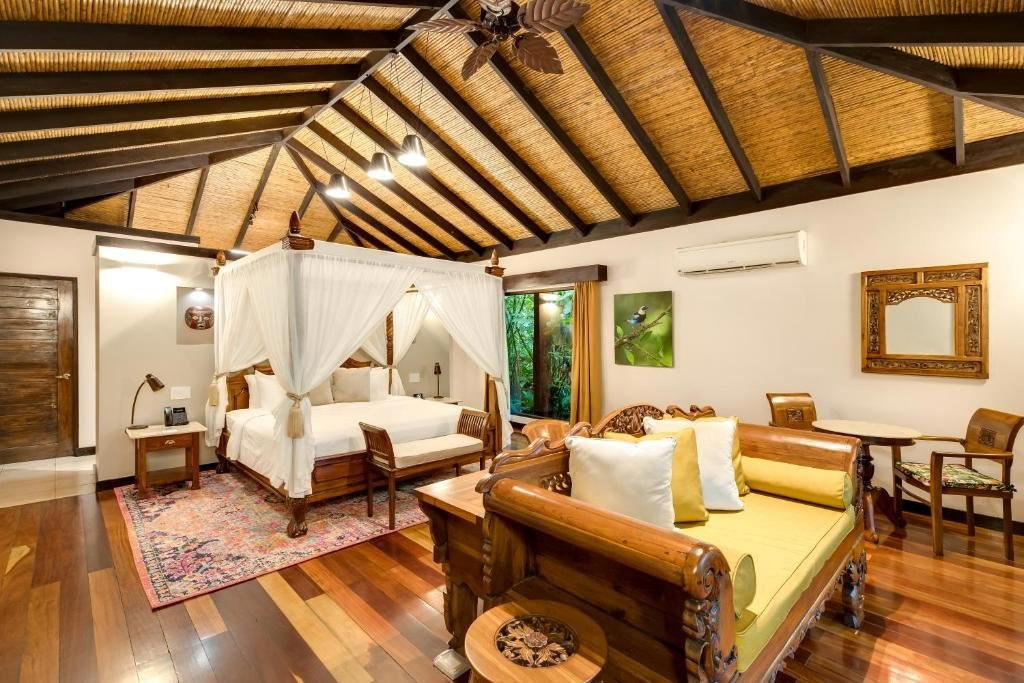
The choice of stainless steel for the bungalow exteriors is worth examining. Most wilderness lodges in Costa Rica default to timber or thatch, materials that read as traditionally tropical and age into the landscape. Stainless steel does the opposite: it reflects the forest back at itself, changes character with the light, and makes no pretense of being natural. It's a considered material decision that keeps the architecture honest about what it is, a constructed object inside a wild place, rather than attempting a camouflage that fools no one. The interiors pivot from this industrial shell: natural wood and polished concrete surfaces, private terraces with hammocks, bathrooms designed for sun exposure, and enough openings to let river air and forest acoustics move through the space. Wi-Fi and flat-screen televisions are present in each bungalow, though the configuration of the rooms, oriented toward the gorge and the tree canopy rather than inward toward screens, suggests the intended mode of occupation.
Comparable design-led properties in Costa Rica take different formal approaches. Kura Boutique Hotel in Uvita works with a clifftop site and glass-walled rooms that prioritize ocean sightlines. El Silencio Lodge and Spa in Bajos del Toro sits in cloud forest and leans into mist and cool-weather wellness programming. Rio Perdido's thermal waters give it a distinct programmatic identity: the geothermal activity in the San Bernardo Lowlands is not incidental scenery but the functional anchor of the property's wellness offer. The gorge setting and the hot springs exist in the same geography for geological reasons, and the property is built where it is because of both.
The San Bernardo Lowlands: Why This Location Is Unusual
The northern Guanacaste lowlands receive significantly less international visitor traffic than the coastal strip to the west. Most travelers clearing Alajuela and heading toward Guanacaste turn toward the beaches rather than inland. The San Bernardo area sits in the dry forest zone that characterizes lowland Guanacaste, a habitat type that has lost more of its original extent than Costa Rica's more photographed cloud and rainforest zones. The dwarf forest around the property is protected rather than incidentally preserved, and the reserve's 1,500 acres function as both habitat corridor and experiential context: guests walking the trails are moving through intact dry forest, not landscaped grounds designed to simulate one.
That remoteness has a practical dimension. Rio Perdido is roughly an hour's drive from Daniel Oduber Quirós International Airport in Liberia via Routes 1 and 164. This is manageable for a destination stay but meaningfully further from Liberia's restaurant and nightlife infrastructure than coastal properties like Casa Chameleon at Las Catalinas in Potrero or the Peninsula Papagayo cluster. The implication is that Rio Perdido functions leading as a self-contained stay rather than a base for regional exploration. Guests come for the reserve and what's within it, not for proximity to other draws. For properties on the other end of that spectrum, see the full Bagaces area guide.
Where Rio Perdido Sits in the Broader Costa Rica Picture
Costa Rica's premium accommodation market now includes several properties that have resolved the tension between luxury delivery and ecological integrity in distinct ways. Hacienda AltaGracia in Pérez Zeledón, part of the Auberge Resorts Collection, works with a coffee-country agricultural setting. Lapa Rios in Puerto Jimenez sits inside the Osa Peninsula's biodiversity corridor. Arenas del Mar in Aguirre combines beach access with intact rainforest. Drake Bay Getaway Resort operates in one of the peninsula's more genuinely remote zones. Rio Perdido's differentiating variables are the thermal water access and the dry forest habitat: both are specific to its geography and neither is replicated in the rainforest-and-beach properties that dominate this segment. Among the comparable set, it occupies the most inland, most geologically active position.
Other properties across Costa Rica's premium range take different paths: Hotel Belmar in Monteverde focuses on cloud forest and sustainability certification, while Finca Rosa Blanca near Santa Bárbara brings a coffee farm into the hospitality equation. At the coast, Hotel Nantipa in Santa Teresa, Esh Hotel and Spa in Nosara, and Azura Resort in Sámara represent the boutique end of Guanacaste's beach accommodation. Rio Perdido makes no direct argument against those alternatives: it simply operates in a different register, one where the absence of ocean views is structural rather than incidental.
Planning a Stay
Daniel Oduber Quirós International Airport in Liberia is the entry point, with the drive to the property running approximately one hour via Routes 1 and 164. Given the property's position in a protected reserve, a rental vehicle is the practical transfer option: the road network leading to San Bernardo is not served by regular shuttle routes that cover the coastal resort corridor. Nightly rates begin at $893, positioning the property clearly within the premium wilderness lodge bracket rather than the budget or mid-range ecotourism tier. At twenty rooms, availability at peak season (December through April, when the dry season coincides with North American and European winter travel) requires planning in advance. Travelers arriving to or departing from San José may also consider properties closer to Belen or the central Pacific coast for split itineraries covering more of the country.
How Rio Perdido Bagaces compares with similar nearby venues.
| Venue | Awards |
|---|---|
| Rio Perdido | Michelin 2 Keys |
Recognition history
Dated appearances from independent guides and award organizations, with the underlying list record or original source where available.
Michelin 2 Keys
Michelin
Small Luxury Hotels of the World Member
Small Luxury Hotels of the World
At a Glance
- Scenic
- Romantic
- Bohemian
- Wellness Retreat
- Romantic Getaway
- Family Vacation
- Destination Wedding
- Destination Spa
- Waterfront
- Garden
- Panoramic View
- Private Dining
- Terrace
- Spa
- Pool
- Wi Fi
- Restaurant
- Bar
- Room Service
- Concierge
- Laundry Service
- Mountain
- Garden
- Waterfront
- Spa
- Pool
- Wi Fi
- Restaurant
- Bar
- Room Service
- Concierge
- Laundry Service
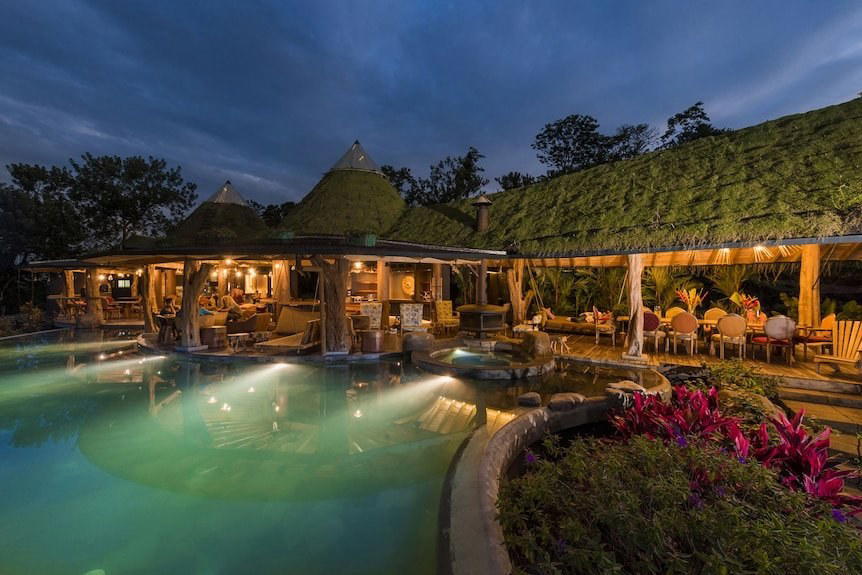
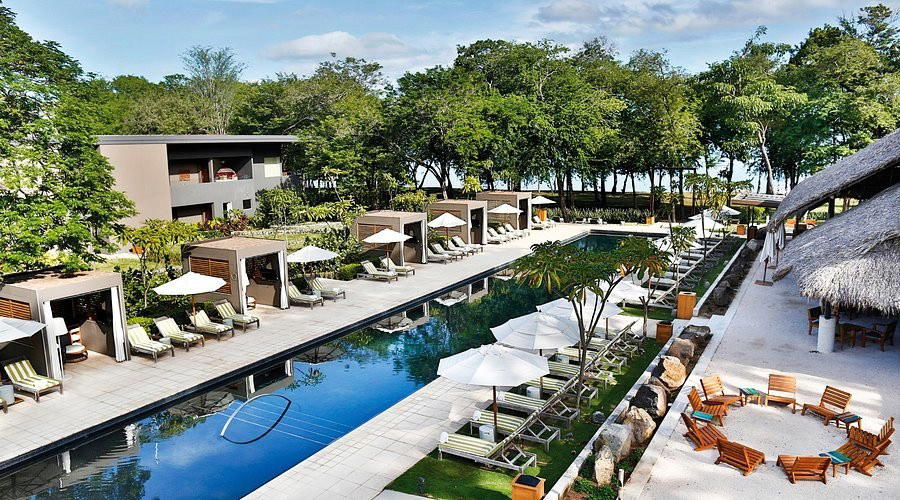
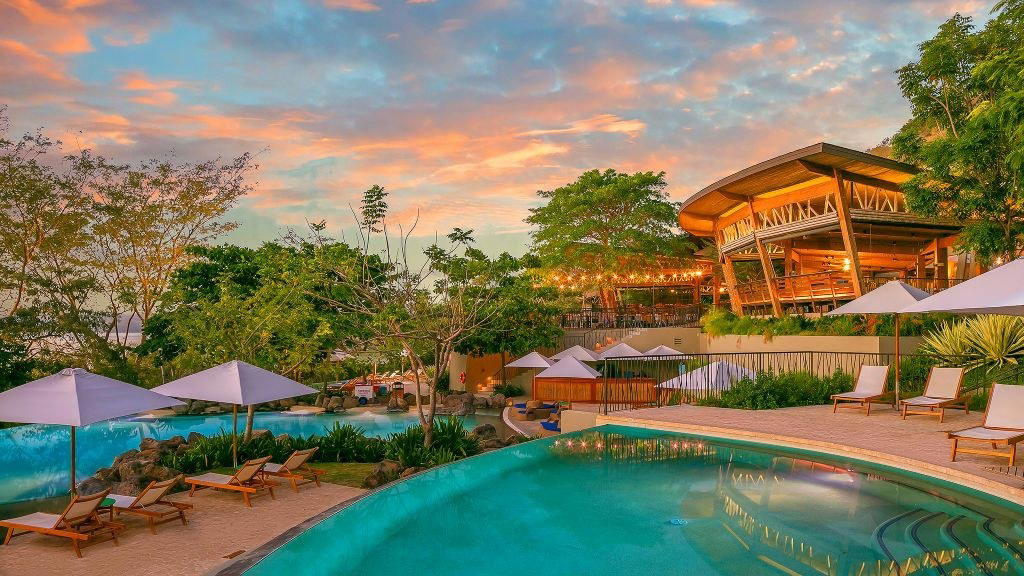
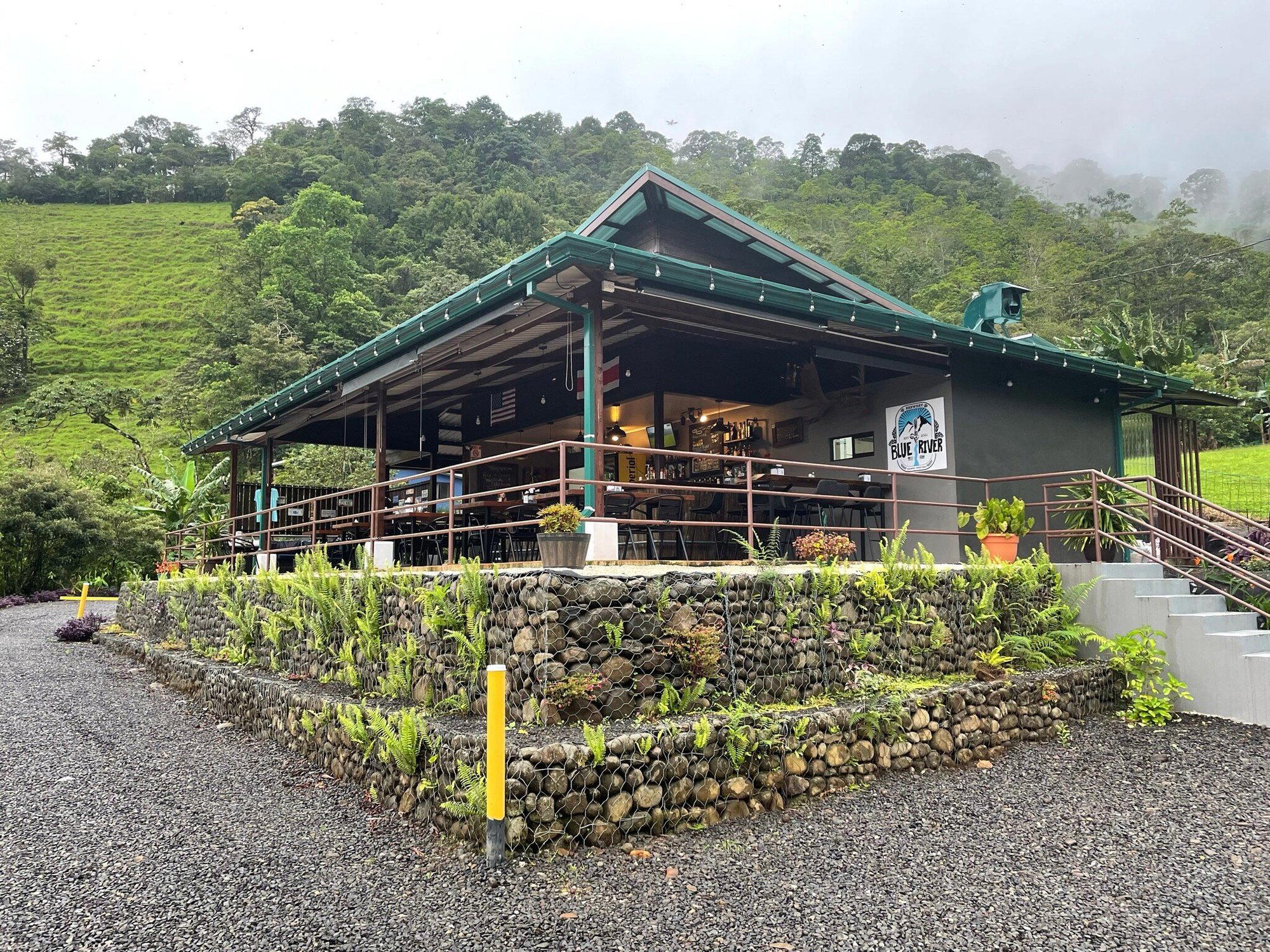
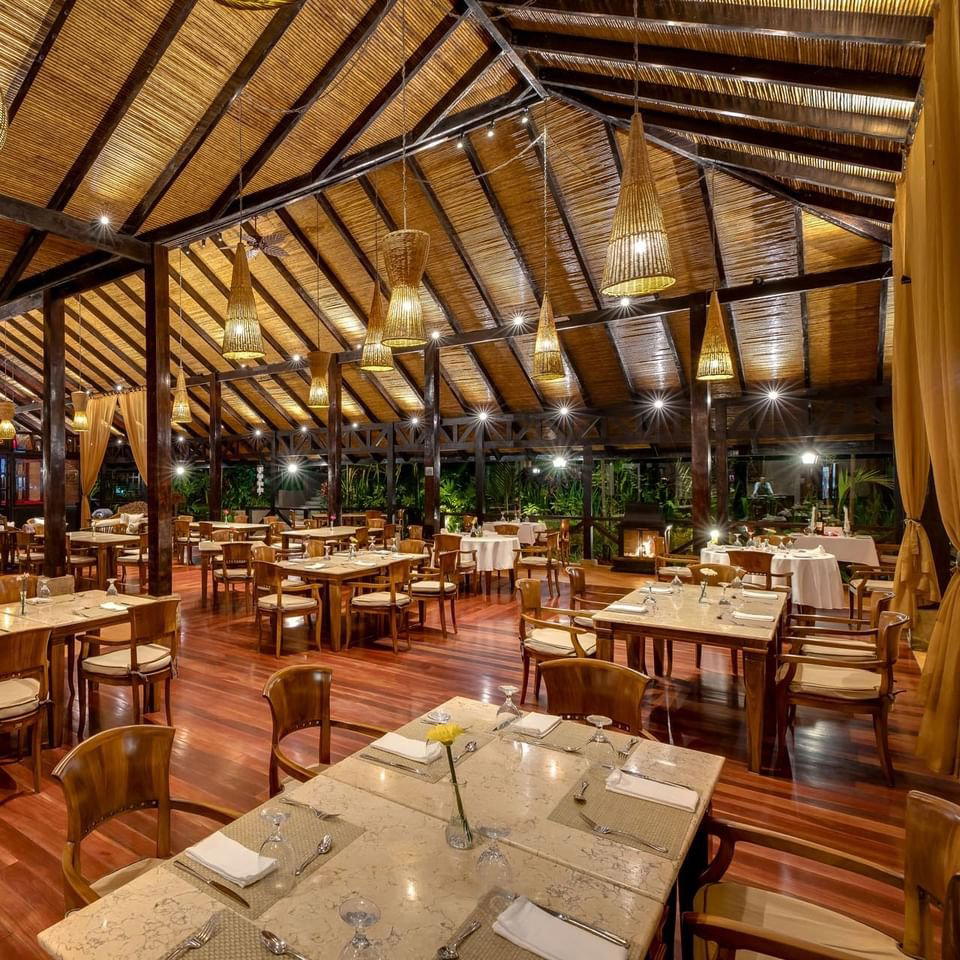
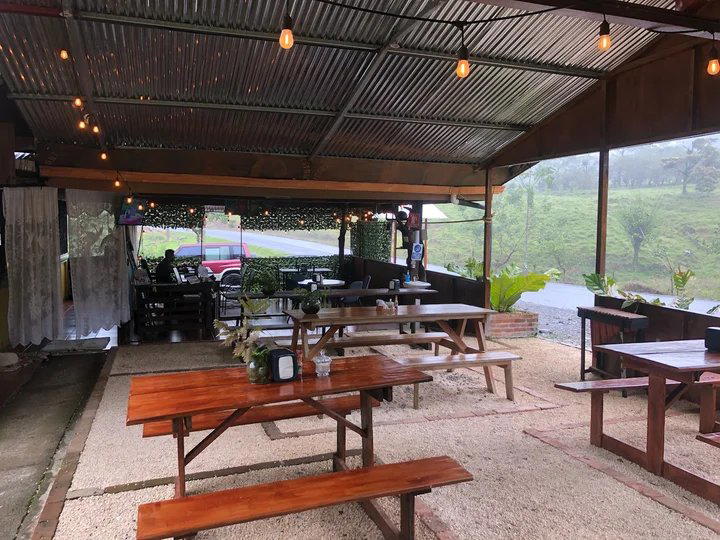
Open-air architecture with floor-to-ceiling windows framing forest canopy views, candlelit terraces overlooking canyons and volcanoes, and a serene atmosphere enhanced by natural thermal pools and meditation spaces.