Refuge de la Traye
Small Luxury Hotels of the World Member
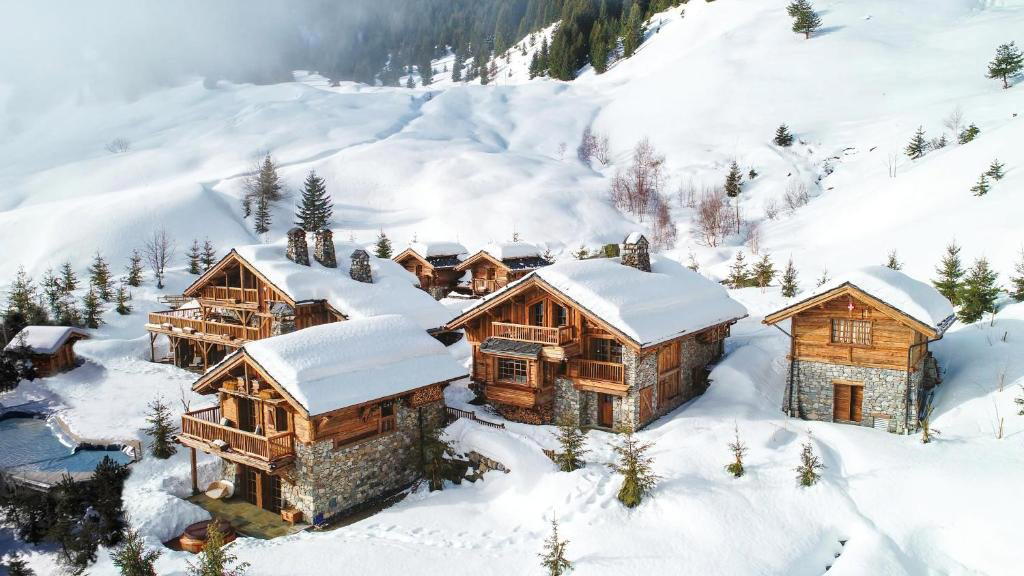
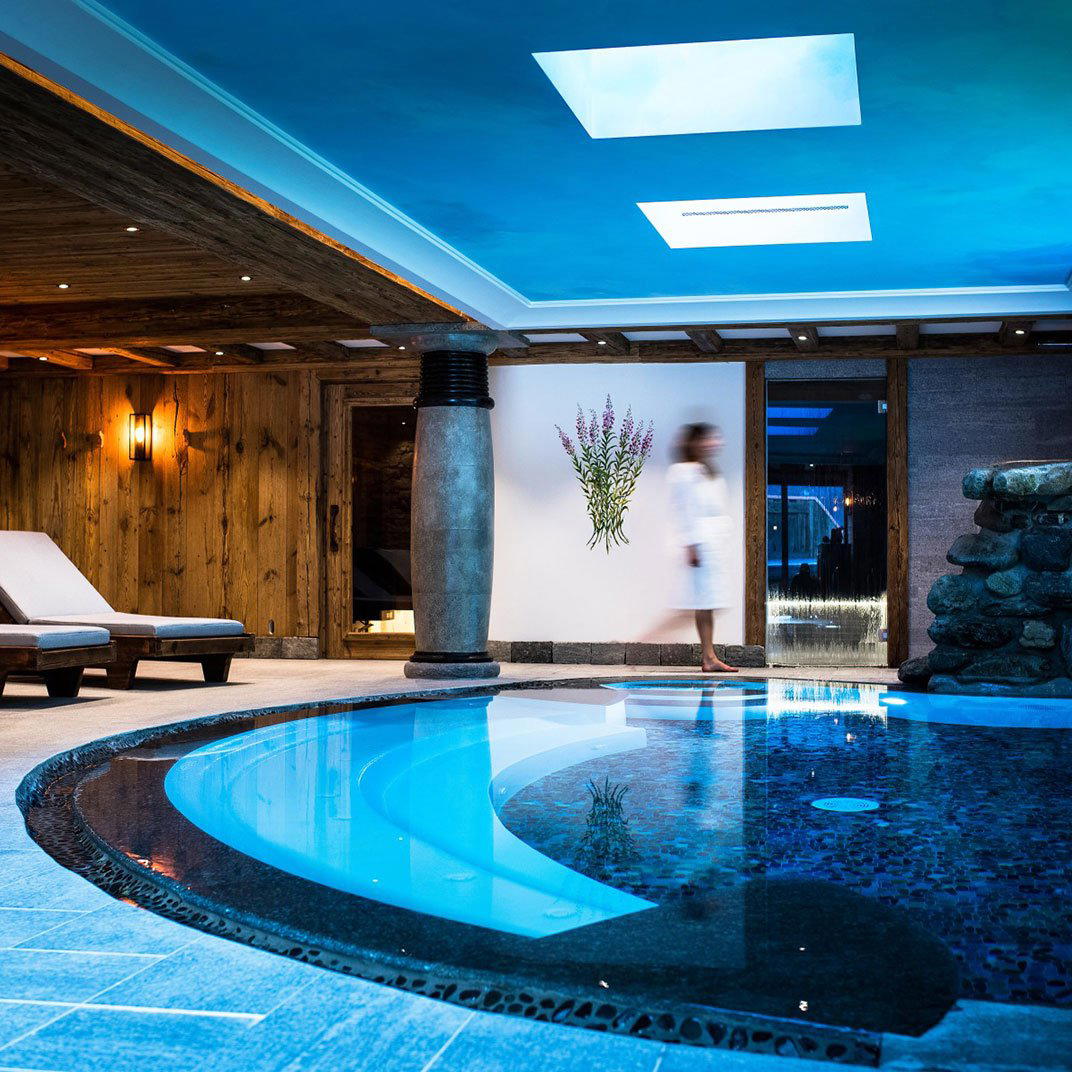
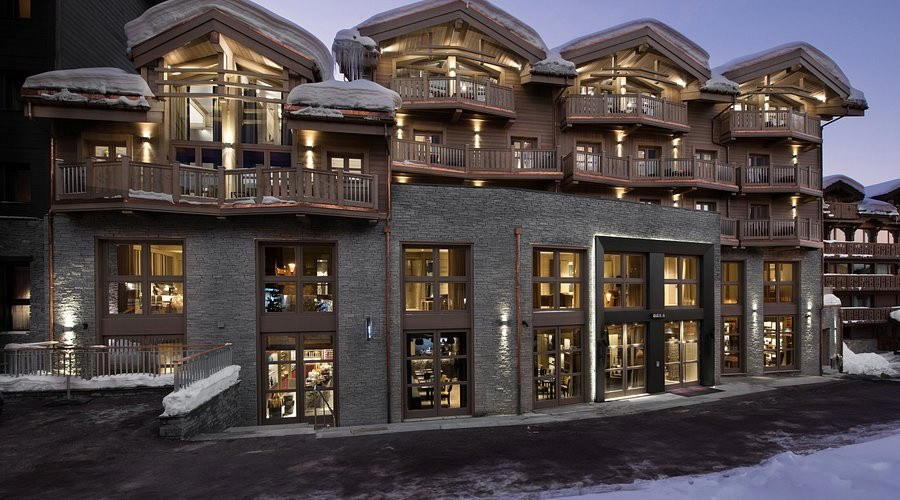
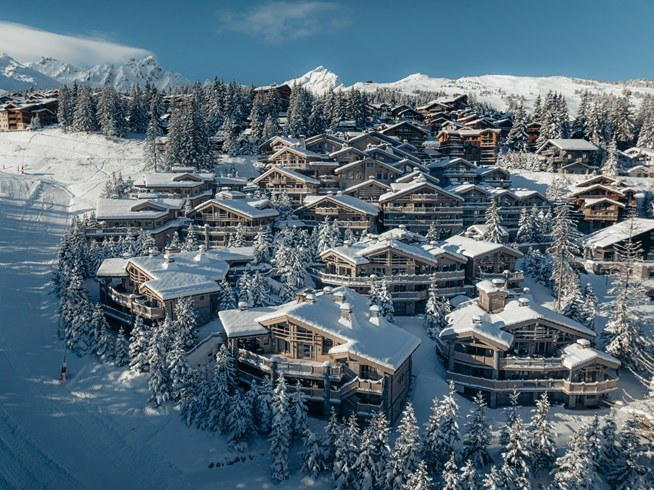
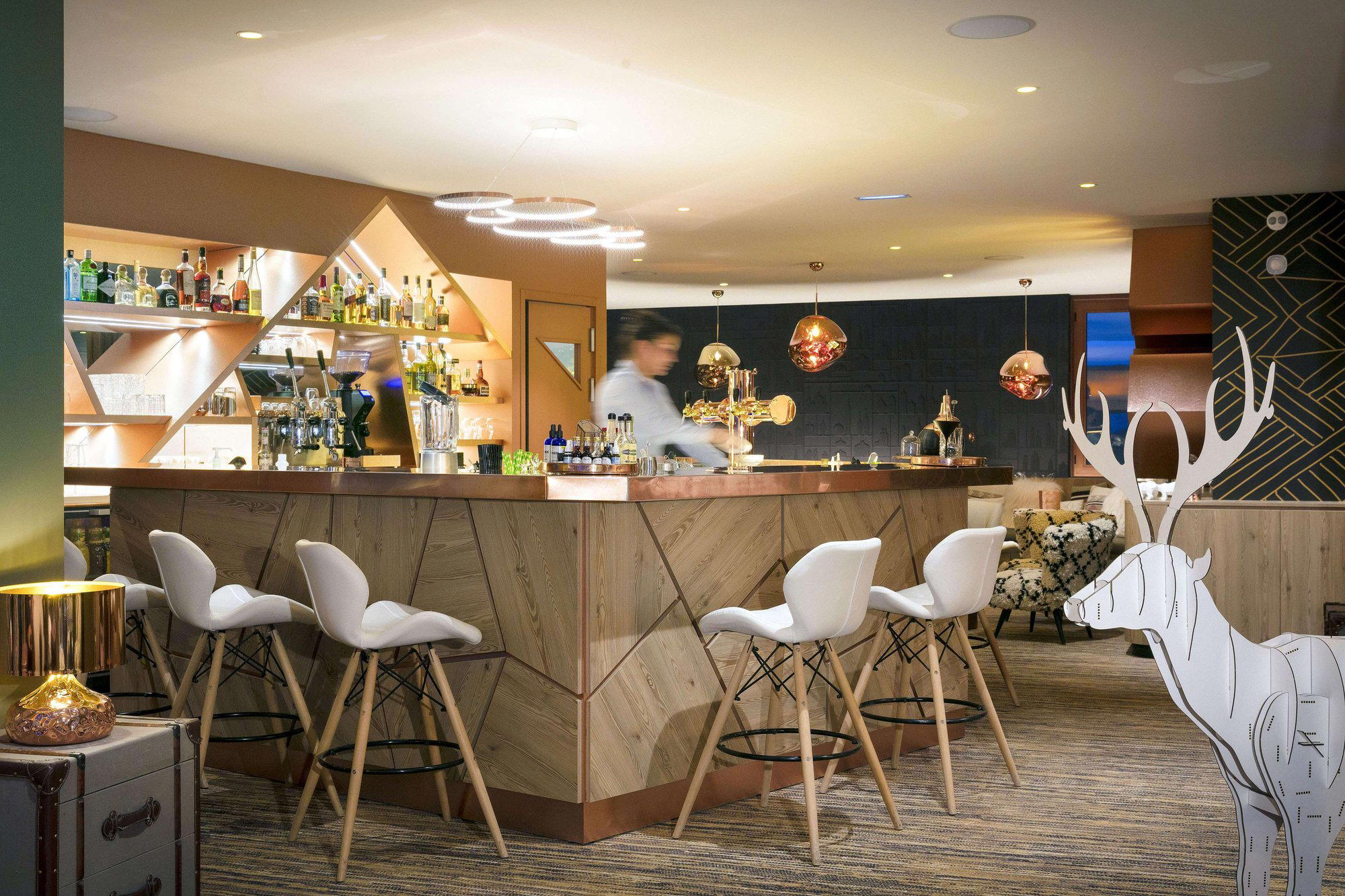
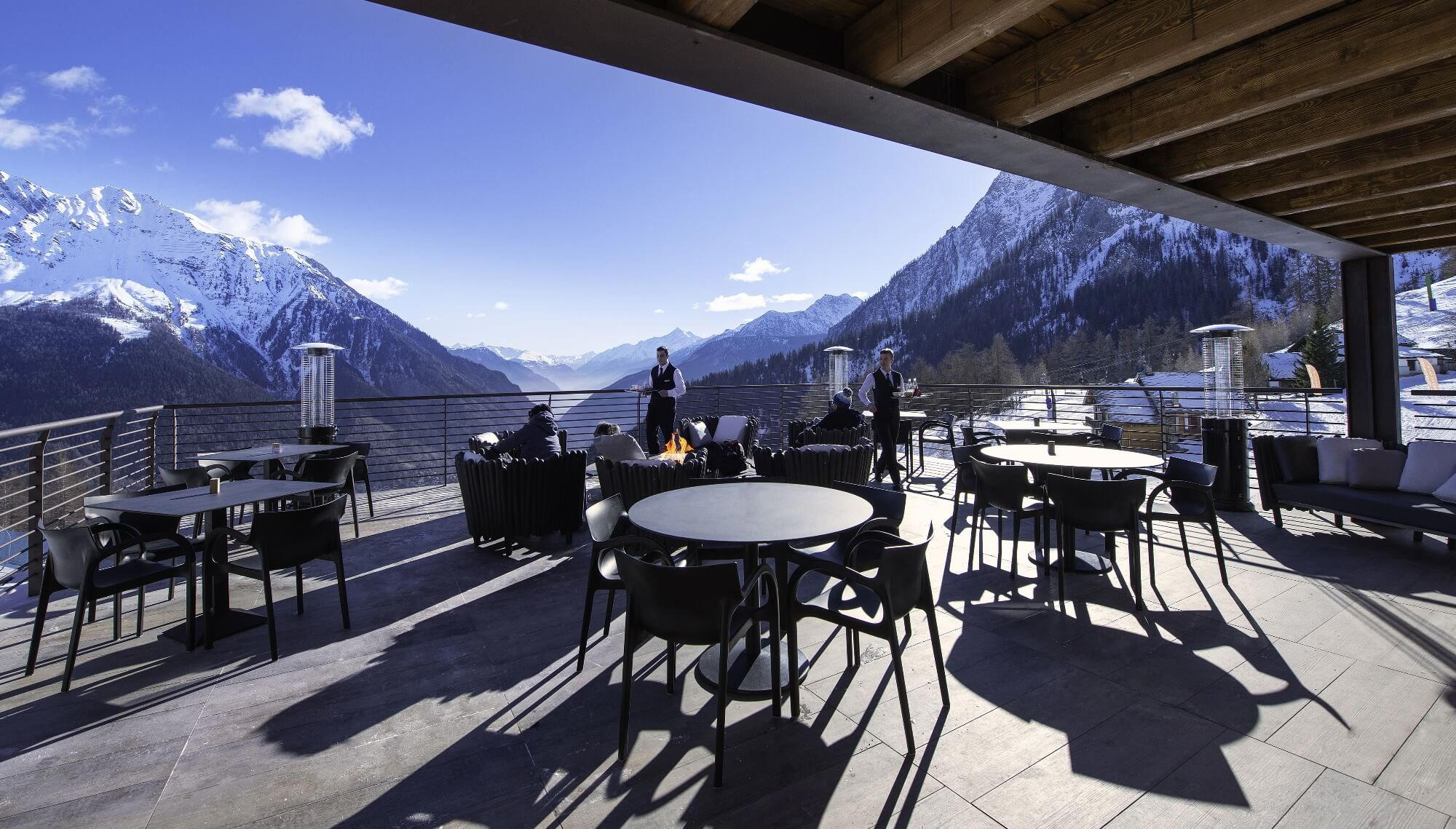
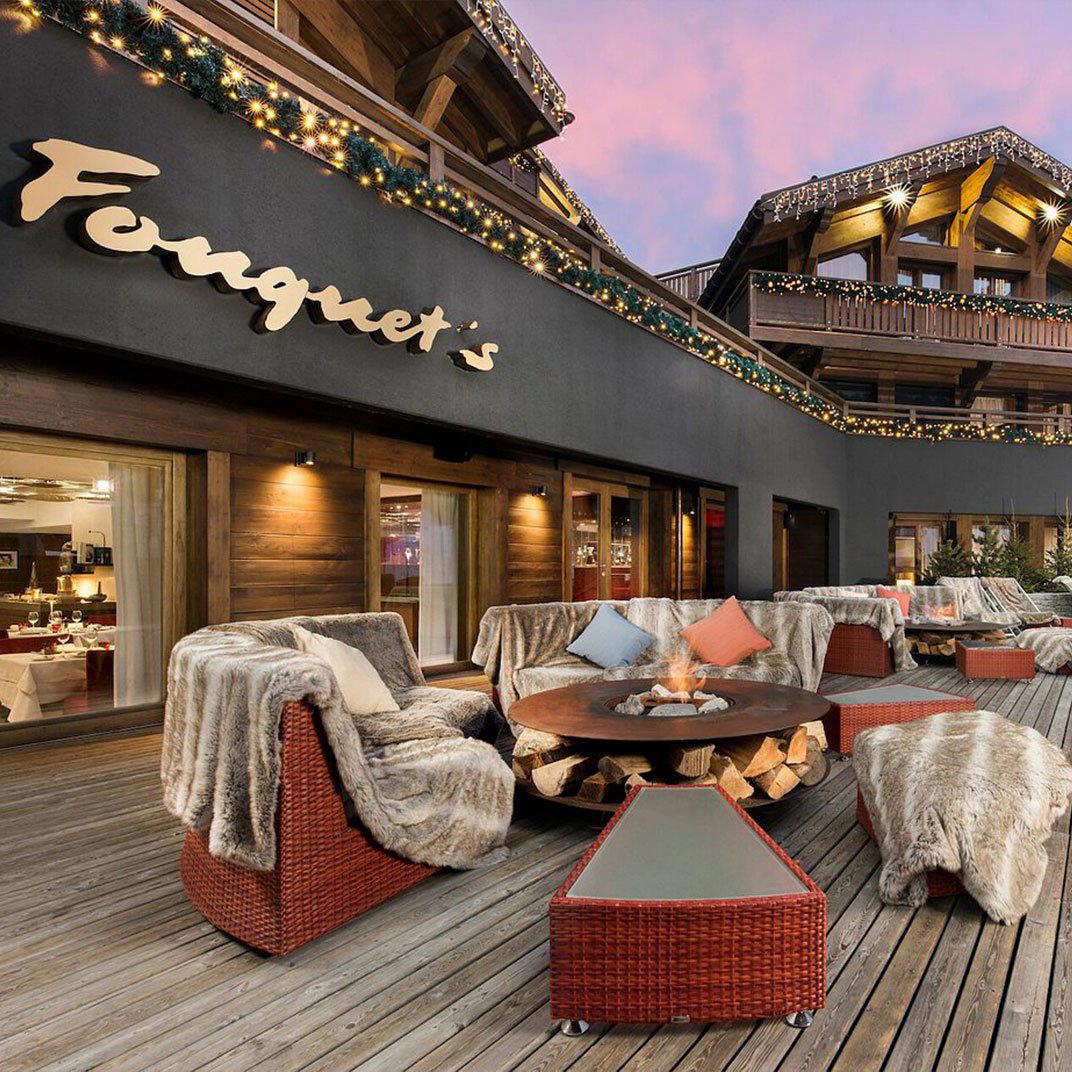
Refuge de la Traye occupies a private hamlet above Meribel, built around classic Savoie architecture: eco-luxury chalets, a chapel, a shepherd's hut, and a spa set against mountain and pine forest views. The property sits in a niche tier of the Alps that values design integrity and scale restraint over resort volume, making it a considered choice for travellers who prioritise place over amenity count.

Pearl is the En Primeur Club membership app, where members save venues, book tables and use the concierge.
A Hamlet Above the Valley
The approach to Refuge de la Traye sets the register immediately. You are not arriving at a hotel in the conventional sense. A chapel anchors the composition. A shepherd's hut anchors the pastoral reference. The spatial grammar is Savoyard, and it is applied with enough consistency that the hamlet conceit holds on arrival in a way that scenography-heavy Alpine properties often fail to sustain.
The broader Alps accommodation market has split between two competing logics. On one side: large-footprint ski hotels positioned by ski-in/ski-out access, F&B volume, and conference infrastructure, of which properties like Cheval Blanc Courchevel in Courchevel represent the pinnacle. On the other: smaller, design-led retreats that use architectural identity and landscape integration as the primary value proposition. Refuge de la Traye sits in the second category, in a niche where the chalet-to-land ratio, the coherence of the vernacular references, and the quality of the natural setting matter more than room count or lift proximity.
The Design Logic of Classic Savoie
Savoie vernacular architecture is a specific tradition, not a decorative mood. Its defining elements include steep-pitched rooflines designed to shed heavy snowfall, exposed timber structural frames, stone base courses that read as extensions of the mountain terrain, and the clustering of farm buildings around a shared courtyard or common green. Refuge de la Traye draws on these conventions in ways that extend beyond surface material choices.
The difference is one of scale and legibility: smaller hamlet configurations produce a stronger sense of arrival and occupation than larger resort interpretations of the same tradition, because the proportions remain closer to the original referent. The eco-luxury designation adds a further layer of intent, suggesting that the material choices and operational approach are calibrated to reduce environmental impact without compromising the finish level expected in this price tier of Alpine hospitality. The visual relationship to the surrounding terrain is, in effect, a design decision.
This is a meaningful editorial distinction for the traveller deciding between Meribel's accommodation options. For context, Meribel sits within the Three Valleys, the largest linked ski area in the world by connected piste kilometres, and properties at different elevations and positions within that network offer genuinely different experiences of the terrain. You can find further comparative context in La Réserve Ramatuelle in summer contexts or Les Sources de Caudalie in Bordeaux in wine-country settings, have established that the spa is increasingly central to the property's identity rather than ancillary to it. In a hamlet configuration, where the guest experience is shaped by the relationship between buildings and the landscape between them, the spa functions as the counterpoint to outdoor activity: the place where the physical scale of the mountain environment is processed rather than pursued. The Three Valleys ski season runs from roughly December through April, with peak periods around the Christmas-New Year break and the February school holiday weeks, when availability at smaller design-led properties becomes limited. Prospective guests should plan well ahead for those windows. For travellers considering comparable design-led French properties outside the Alpine season, Villa La Coste in Le Puy-Sainte-Réparade, La Bastide de Gordes in Gordes, and Château de la Gaude in Aix-en-Provence operate in a related register of regional architecture and landscape-first positioning. Those planning a broader circuit of French luxury properties may also find Baumanière Les Baux-de-Provence, Domaine Les Crayères in Reims, Royal Champagne Hotel & Spa in Champillon, and Château Lafaurie-Peyraguey in Lieu-dit Peyraguey useful reference points for how design heritage and landscape translate across different French regions. International travellers building longer itineraries that include city stays might reference Cheval Blanc Paris or Aman Venice for how the same restraint-led luxury logic operates in urban contexts.
Comparable Spots, Quickly
Comparable venues nearby, for context on price, style, and recognition.
| Venue | Cuisine | Price | Awards | Notes |
|---|---|---|---|---|
| Refuge de la TrayeThis venue (the venue you are viewing) | Traditional alpine chalet hamlet with modern luxury | $1,000–1,500 | Small Luxury Hotels of the World Member | Not listed |
| Molitor | Urban resort in restored Art Deco swimming pool complex | $300–500 | Michelin Selected · World Luxury Hotel Awards WLHA Continent Winner | 16th arrondissement |
| Hotel De La Cite Carcassonne | Neo-Gothic castle hotel blending historic charm with modern luxury | $300–500 | Michelin Selected · Virtuoso Luxury Hotel Partner | Cité Médiévale |
| Magic Megève Bois | traditional alpine chalet with modern elegance | Not listed | Michelin Selected | Demi-Quartier |
| Sofitel Marseille Vieux Port | Nautical luxury inspired by a lavish yacht with marine-themed decor. | $200–300 | Michelin Selected | Vieux Port |
| Au Chamois d'Or | Authentic alpine luxury chalet with traditional mountain architecture and refined contemporary comfort. | Not listed | Michelin Selected | Alpe d'Huez |
Recognition history
Dated appearances from independent guides and award organizations, with the underlying list record or original source where available.
Small Luxury Hotels of the World Member
Small Luxury Hotels of the World
Continue exploring
More in Meribel - Les Allues
Hotels in Meribel - Les Allues
All hotels in Meribel - Les Allues →
Bars in Meribel - Les Allues
Browse all →
Details
- Rustic
- Cozy
- Scenic
- Elegant
- Intimate
- Romantic Getaway
- Family Vacation
- Wellness Retreat
- Weekend Escape
- Panoramic View
- Terrace
- Wi Fi
- Pool
- Spa
- Sauna
- Fitness Center
- Room Service
- Concierge
- EV Charging
- Mountain
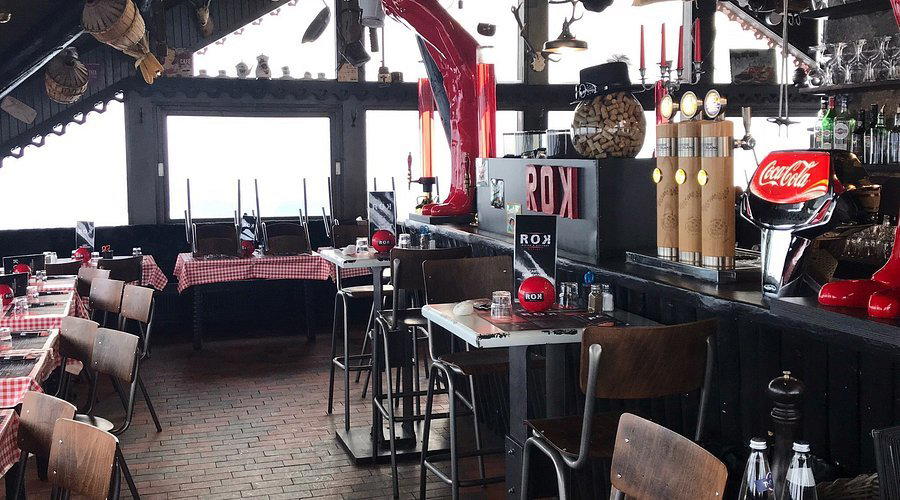
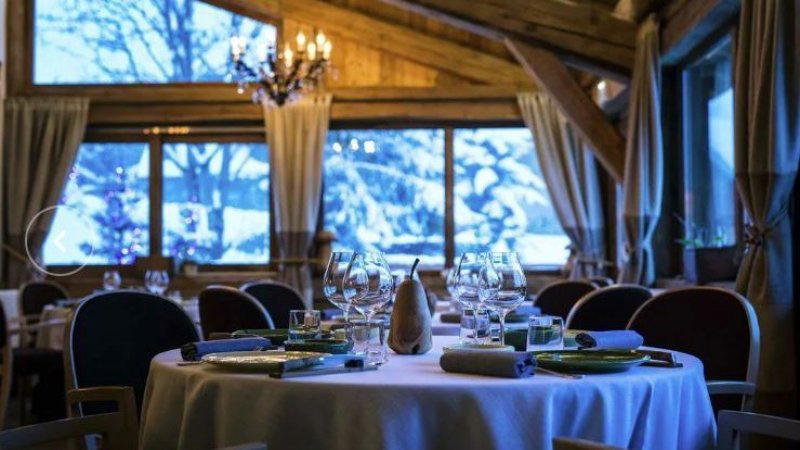
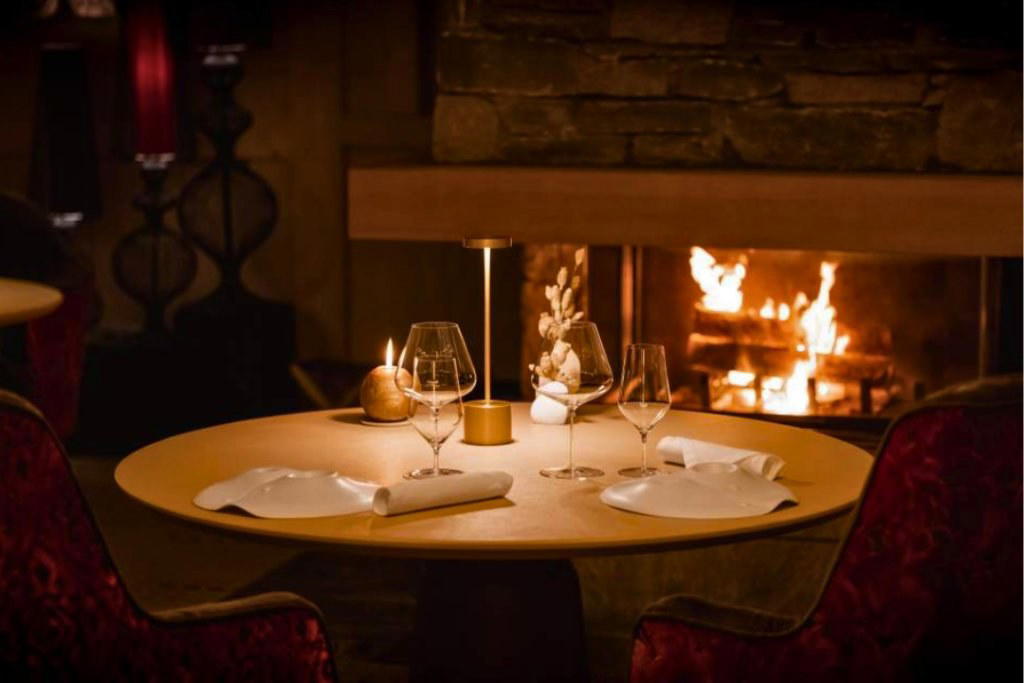
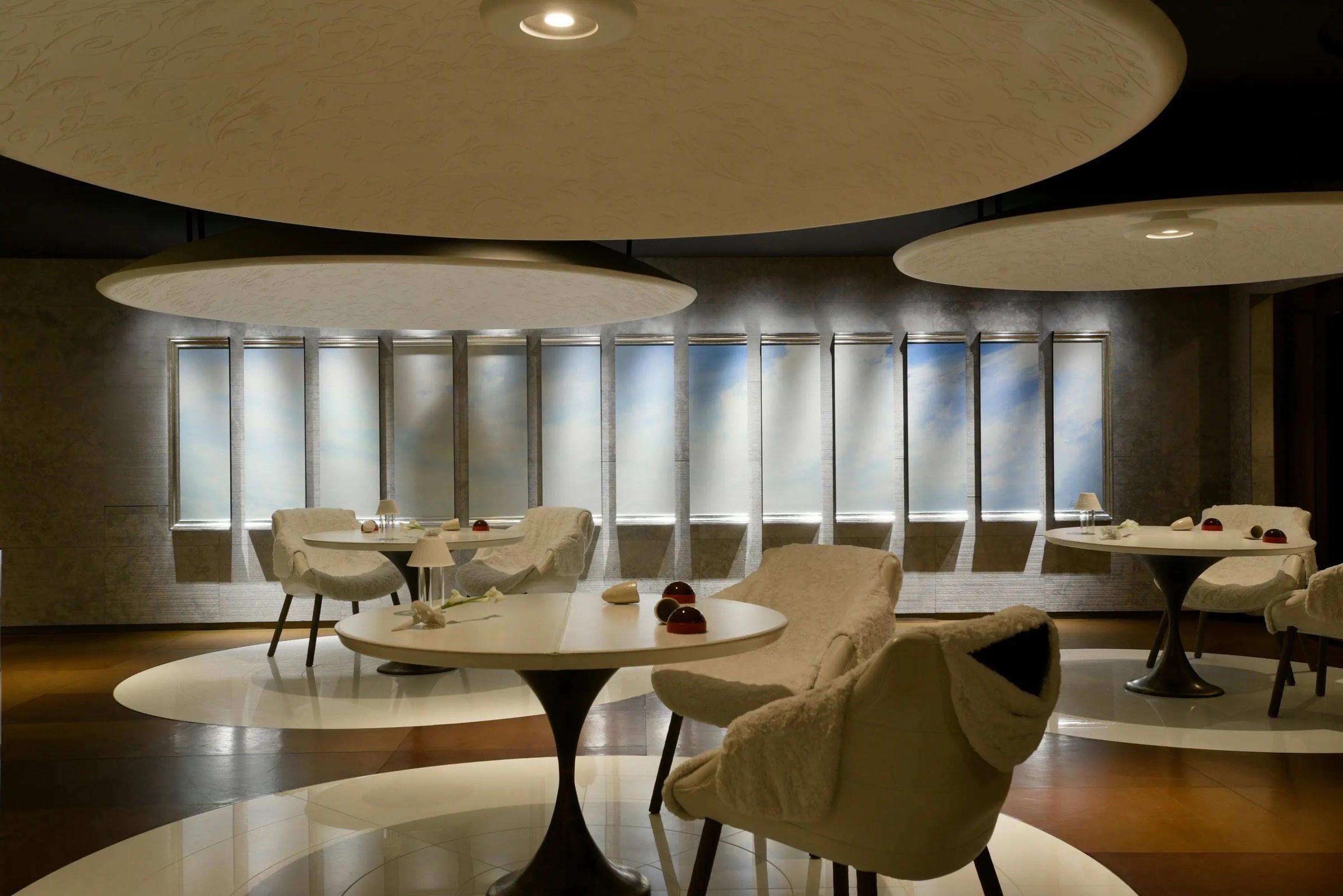
Warm, refined atmosphere with original pine panelling, earthy tones, fireplaces, and total immersion in pristine mountain nature for peaceful escapism.