René et Maxime Meilleur



2 Michelin Stars · Falstaff Restaurant - 95 Falstaff Points · Relais Chateaux Award
Our verdict
René et Maxime Meilleur holds two Michelin stars in Saint-Martin-de-Belleville, the ski-resort village that has become one of the French Alps' most concentrated addresses for serious cooking. Under chef Jordan Theurrillat, the kitchen works a creative register anchored in alpine ingredients and mountain terrain. At the €€€€ price tier, it sits among the Tarentaise valley's most demanding tables.

Pearl is the En Primeur Club membership app — saves, bookings, and concierge access live there. Same editors, same standards.
- Address
- 121 Rue Caseblanche, 73440 Les Belleville, France
- Phone
- +33 4 86 80 02 91
- Hours
- Mon–Tue 12–1:30 PM, 7–9:30 PMWed ClosedThu–Sun 12–1:30 PM, 7–9:30 PM
- Website
- simple-meilleur.com
- Directions
- Get directions
The menu
What to order
- Reblochon ravioli in onion broth
- Green asparagus with quail egg and truffle vinaigrette
- Arctic char with sunchokes and red wine butter sauce
- Ris de veau laqué
- Morels with brown consommé
Where the Mountain Comes to the Table
Saint-Martin-de-Belleville occupies a position in French alpine dining that its geography doesn't immediately suggest. A village of roughly 2,500 permanent residents, it sits at the base of the Les 3 Vallées ski area, a location that would typically produce resort-casual cooking aimed at après-ski crowds. Instead, the village now holds two serious fine-dining addresses and a longer tradition of treating altitude and seasonality as creative raw material rather than logistical constraints. René et Maxime Meilleur, at 121 Rue Caseblanche, belongs squarely to that refined tier, carrying two Michelin stars as of the 2025 guide and sustaining that recognition from the previous year's edition as well.
The alpine restaurant with serious culinary ambitions occupies a particular position in French gastronomy. It must persuade diners to travel beyond the urban restaurant circuits of Lyon and Paris, and it must source in conditions where supply chains are shorter, seasonal rhythms are sharper, and the landscape itself imposes a discipline that city kitchens don't face. That discipline, when absorbed into a kitchen's identity rather than treated as a handicap, produces cooking with a specificity of place that's difficult to replicate elsewhere. René et Maxime Meilleur operates within that framework.
The Alpine Ingredient Logic
The creative classification that Michelin assigns to this table signals a kitchen operating beyond direct regional tradition. In the Alps, that typically means taking locally sourced produce, mountain dairy, high-altitude herbs, game, and river fish as the structural foundation, then applying technique and editorial judgment that moves the result away from folk tradition without losing its geographic identity. This is the approach that distinguishes ambitious mountain restaurants across the French Alps from their lower-altitude counterparts, where ingredient provenance is often more anonymous.
Chef Jordan Theurrillat leads the kitchen at this address, working in a culinary zone where the sourcing calendar runs roughly from early summer through the ski season. The Tarentaise valley and the surrounding alpine terrain supply a distinct roster: reblochon and beaufort from dairies operating at altitude, wild mushrooms from the forest margins, game from the surrounding hillsides in season, and herbs that grow at elevations where growing seasons are compressed and aromatic intensity is correspondingly higher. None of these ingredients is precious in the way that, say, Périgord truffle or Breton langoustine commands automatic prestige, but in a kitchen that treats provenance as a compositional variable, they generate cooking with a specific texture of place.
Across France, the two-star tier contains kitchens navigating a range of ingredient philosophies, from the hyper-local to the globally sourced. In the alpine context, the case for sourcing close to the kitchen is structural rather than ideological: the supply infrastructure for luxury imports is more complex, and the local palette, when treated with the seriousness it demands, is broad enough to build a sustained creative program. Comparable mountain-focused ambition can be found at Flocons de Sel in Megève, another three-Michelin-star address working the alpine ingredient register at a different elevation and with a different competitive positioning.
Two Stars in a Village: What the Recognition Signals
Michelin's two-star designation carries a specific meaning: cooking worth a detour. For a village address in the French Alps, that designation functions differently than it would in Lyon or Paris, where a two-star table competes within a dense cluster of comparably credentialed kitchens. Here, the stars serve as a navigational signal for diners planning mountain trips, indicating that the detour from the ski slopes or a longer drive up from the valley is substantively rewarded by what arrives on the plate.
Within France's broader two-star cohort, the creative classification aligns this kitchen with tables that include Alléno Paris au Pavillon Ledoyen, though the competitive set differs fundamentally by location and scale. More instructive comparisons come from outside the capital: AM par Alexandre Mazzia in Marseille and Assiette Champenoise in Reims represent the kind of destination tables in non-Parisian French cities and regions that draw serious eaters specifically for their geographic identity. The French tradition of regional gastronomy as a travel motivation has deep roots, running from Bras in Laguiole and Auberge de l'Ill in Illhaeusern to Paul Bocuse's Auberge du Pont de Collonges. René et Maxime Meilleur sits within that tradition of destination-warranted regional cooking.
A 4.4 at the €€€€ tier, where expectations arrive calibrated by the price paid, represents consistent delivery rather than occasional brilliance.
For broader comparison, international creative-classification tables in the two-star conversation include Enrico Bartolini in Milan and JAN in Munich, while at the apex of French creative cooking, Mirazur in Menton and Troisgros in Ouches define the highest benchmark for location-embedded creative cuisine.
Saint-Martin-de-Belleville as a Dining Address
The village's emergence as a credible fine-dining destination is partly structural. Les 3 Vallées draws a winter clientele with both the spending capacity and the appetite for serious cooking, which creates a demand base that sustains high-end restaurant operations that a village of this size couldn't otherwise support. But the seriousness of the cooking at this address exceeds what resort-service economics alone would generate. The alpine ingredient philosophy, the Michelin retention across consecutive years, and the creative classification all point to a kitchen with an independent culinary agenda.
La Bouitte, which holds three Michelin stars and pursues a cuisine d'auteur rooted in Savoyard tradition, represents the village's other serious table. The presence of two credentialed addresses in the same small village is an unusual concentration, comparable in density terms to villages in Burgundy or the Loire where the wine trade historically supported serious cooking. Here, the ski trade fills that structural role. Simple et Meilleur offers a more accessible Savoyard entry point for visitors who want regional cooking without the formality of the starred addresses.
For visitors building a broader Saint-Martin-de-Belleville stay, the full range of local options is covered in our Saint-Martin-de-Belleville restaurants guide. Accommodation choices are mapped in our hotels guide, and the village's drinking options in our bars guide. Regional wine context is available via our wineries guide, and the area's activity programming through our experiences guide.
Planning a Visit
René et Maxime Meilleur operates at the €€€€ price tier, placing it in the uppermost cost bracket for French alpine dining. The address is 121 Rue Caseblanche, 73440 Les Belleville, in the Saint-Martin-de-Belleville area of the Tarentaise valley. The village is accessible from the Les 3 Vallées ski area for winter visits, and by road from the Moûtiers valley floor year-round. At a two-star table in a seasonal mountain resort, advance booking is advisable, particularly during the winter high season when the village's dining capacity is under the most pressure.
Frequently asked questions
What's the signature dish at René et Maxime Meilleur?
The kitchen's Michelin creative classification points to a menu built around alpine sourcing rather than a fixed showpiece — meaning the cooking likely shifts with season and availability. At the €€€€ price tier, expect a tasting format where the menu itself is the structure, not any single plate.
Is René et Maxime Meilleur expensive?
Pricing at René et Maxime Meilleur is listed as €€€€.
Where do I go for René et Maxime Meilleur?
René et Maxime Meilleur is located at 121 Rue Caseblanche, 73440 Les Belleville, France, Saint-Martin-de-Belleville.
Price Lens
| Venue | Cuisine | Price | Awards |
|---|---|---|---|
| René et Maxime MeilleurThis venue — the venue you are viewing | Modern Savoyard Fine Dining | $300–500 | 2 Michelin Stars · Falstaff Restaurant - 95 Falstaff Points |
| Alléno Paris au Pavillon Ledoyen | Creative | Not listed | Michelin 3 Star |
| Kei | Contemporary French, Modern Cuisine | Not listed | Michelin 3 Star |
| L'Ambroisie | French, Classic Cuisine | Not listed | Michelin 3 Star |
| Le Cinq - Four Seasons Hôtel George V | French, Modern Cuisine | Not listed | Michelin 3 Star |
| Plénitude | Contemporary French | Not listed | Michelin 3 Star |
Recognition history
Dated appearances from independent guides and award organizations, with the underlying list record or original source where available.
Michelin 2 Stars
Michelin
Falstaff Restaurant - 95 Falstaff Points
Falstaff
Relais Chateaux Award
Relais Chateaux
Full recognition history (5 entries)
Michelin 2 Stars
Michelin
Michelin 2 Stars
Michelin
Continue exploring
More in Saint-Martin-de-Belleville
Restaurants in Saint-Martin-de-Belleville
Browse all →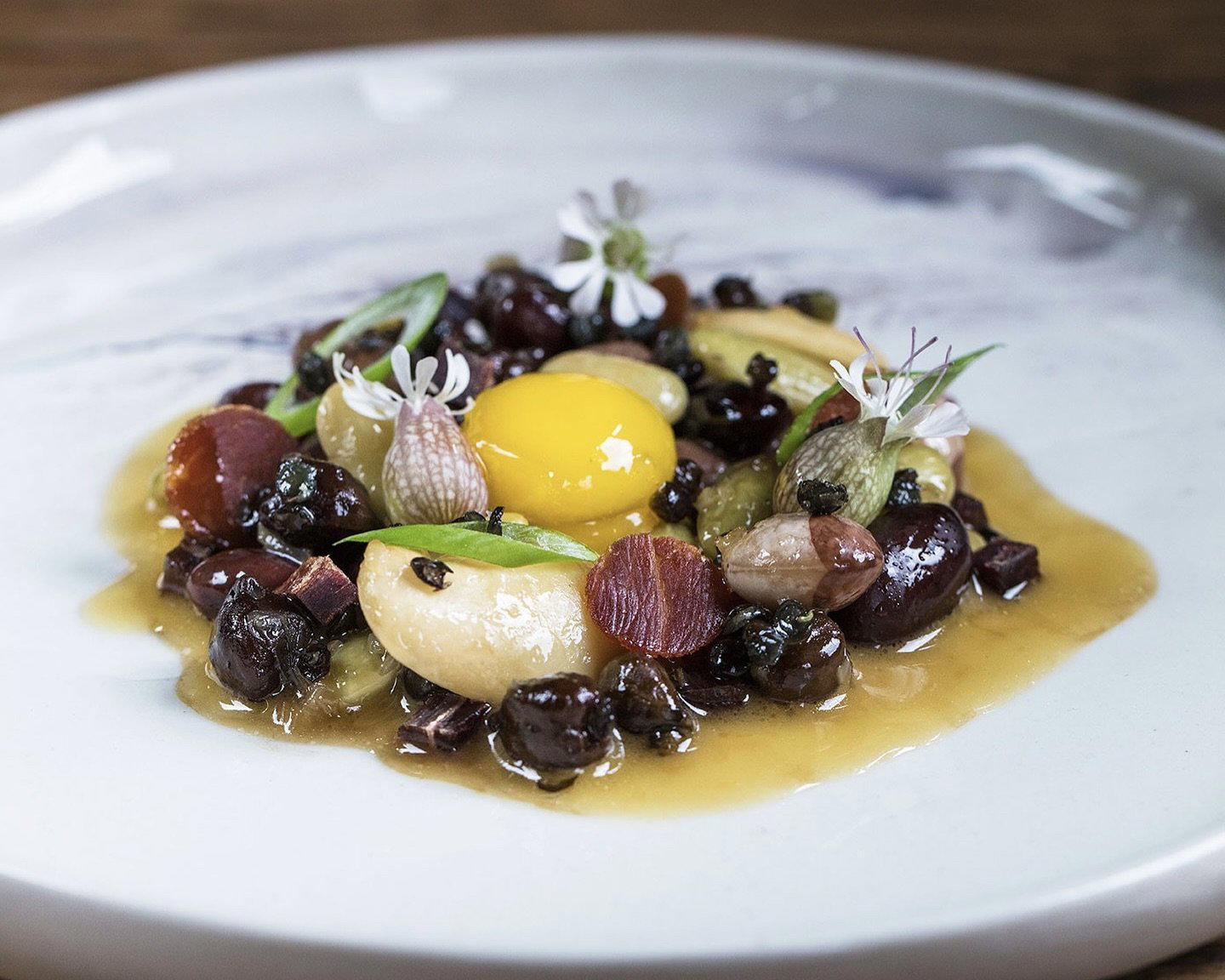
Bars in Saint-Martin-de-Belleville
Browse all →
René et Maxime Meilleur
The wine
- Wine program
- Exceptional wine program
- Extensive wine list
- Sommelier-led
Details
- Elegant
- Rustic
- Romantic
- Sophisticated
- Intimate
- Special Occasion
- Celebration
- Date Night
- Open Kitchen
- Private Dining
- Historic Building
- Hotel Restaurant
- Standalone
- Extensive Wine List
- Sommelier Led
- Farm To Table
- Local Sourcing
- Organic
- Mountain
- Tasting Menu
- A La Carte
- Prix Fixe
- Wine Pairing
- Regional Wines
- Vegetarian Friendly
- Gluten Free Options
- Pescatarian Friendly
- Allergy Accommodating
Current opening hours
- Monday
- 12–1:30 PM, 7–9:30 PM
- Tuesday
- 12–1:30 PM, 7–9:30 PM
- Wednesday
- Closed
- Thursday
- 12–1:30 PM, 7–9:30 PM
- Friday
- 12–1:30 PM, 7–9:30 PM
- Saturday
- 12–1:30 PM, 7–9:30 PM
- Sunday
- 12–1:30 PM, 7–9:30 PM
Hours can change for holidays and private events. Last verified .
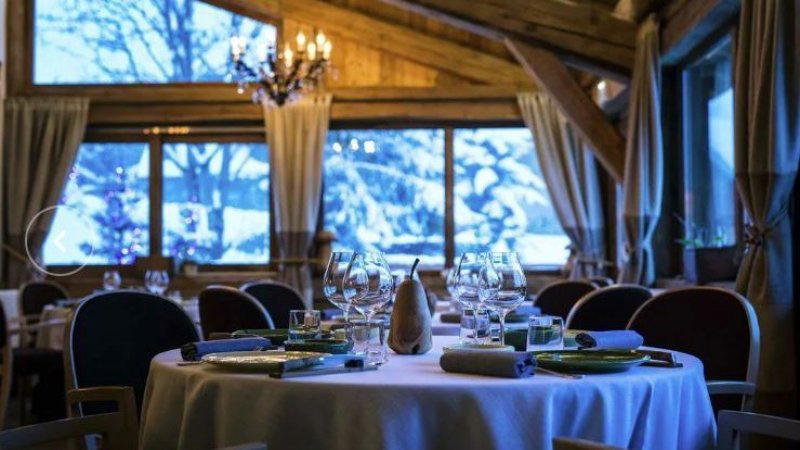
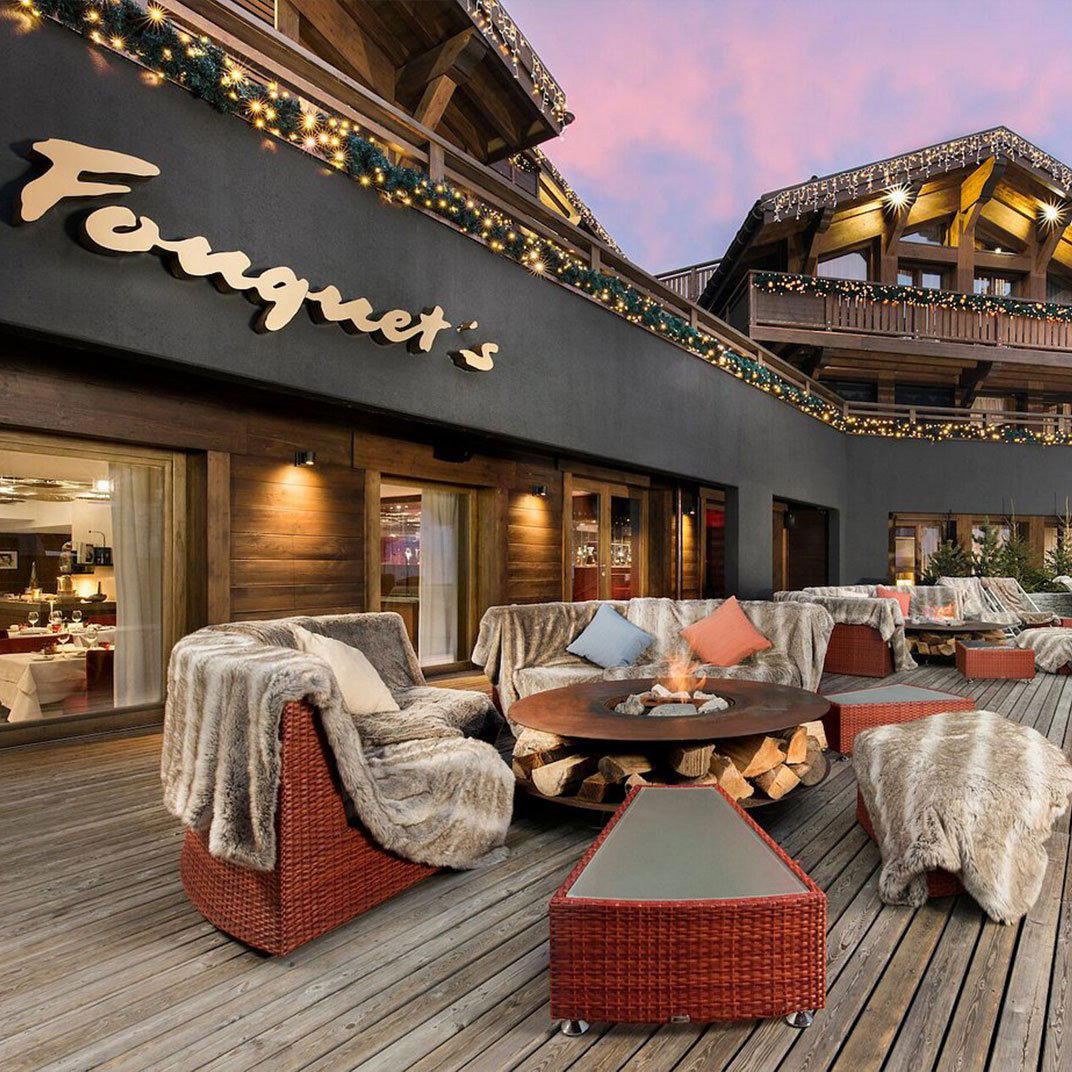
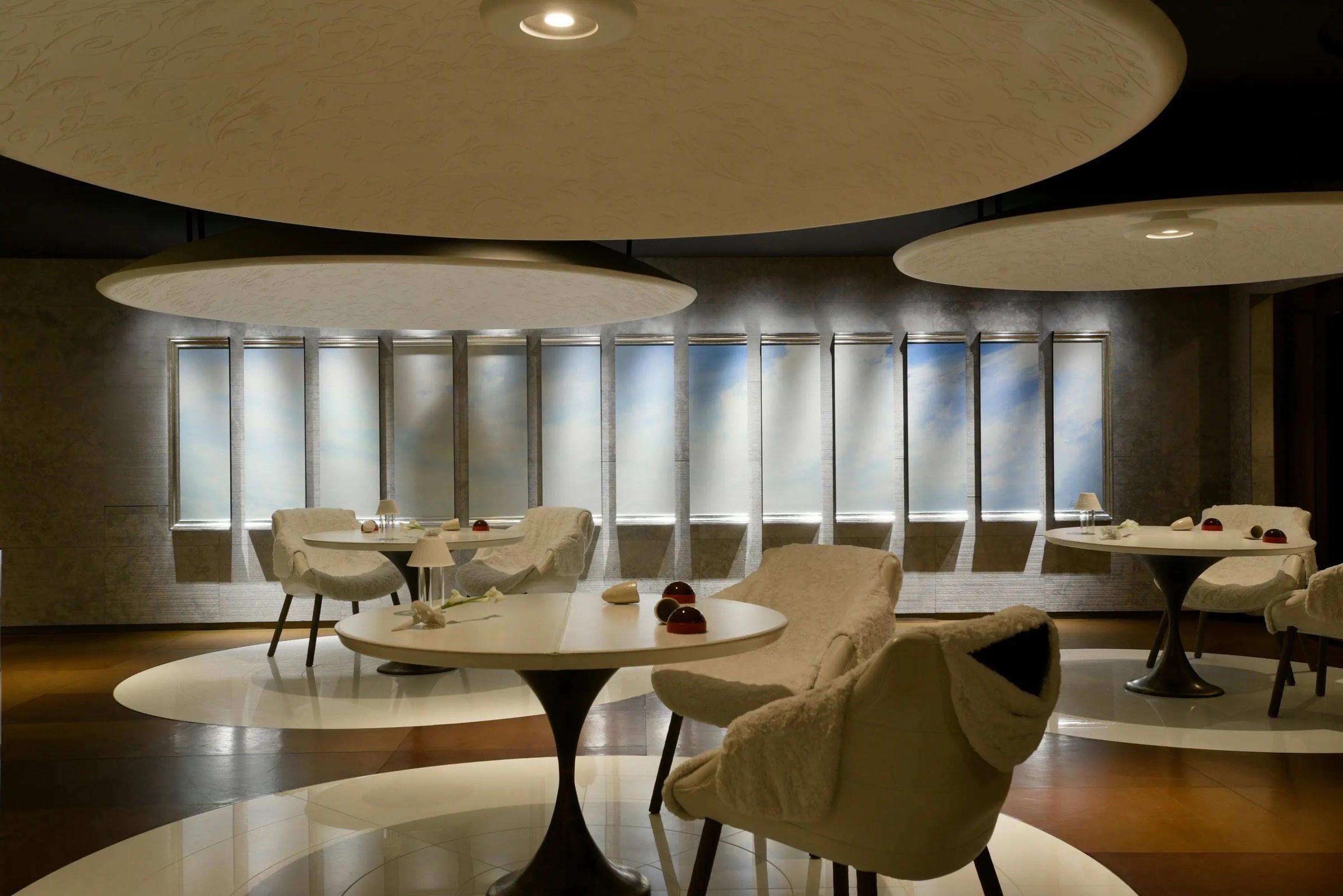
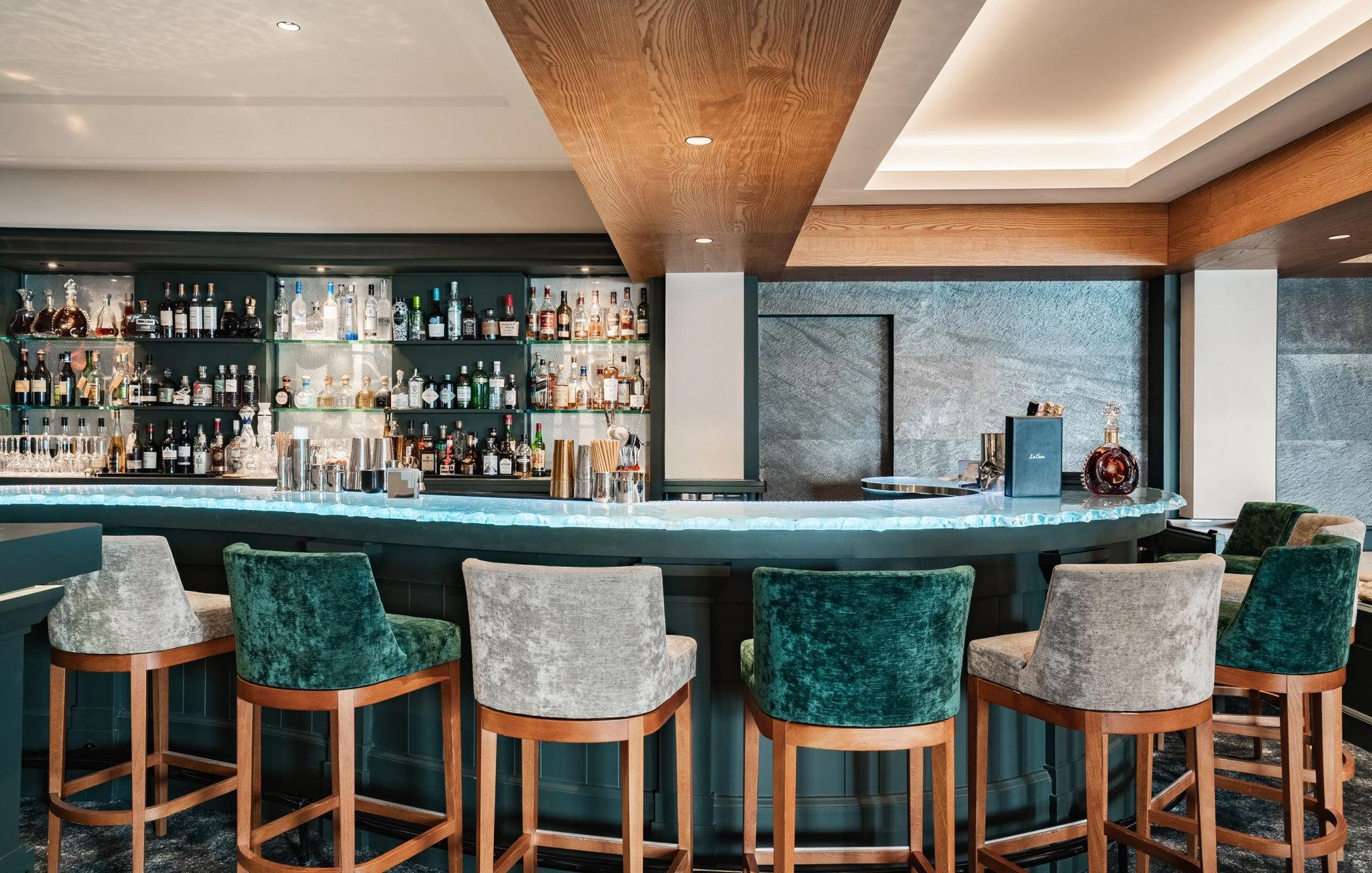
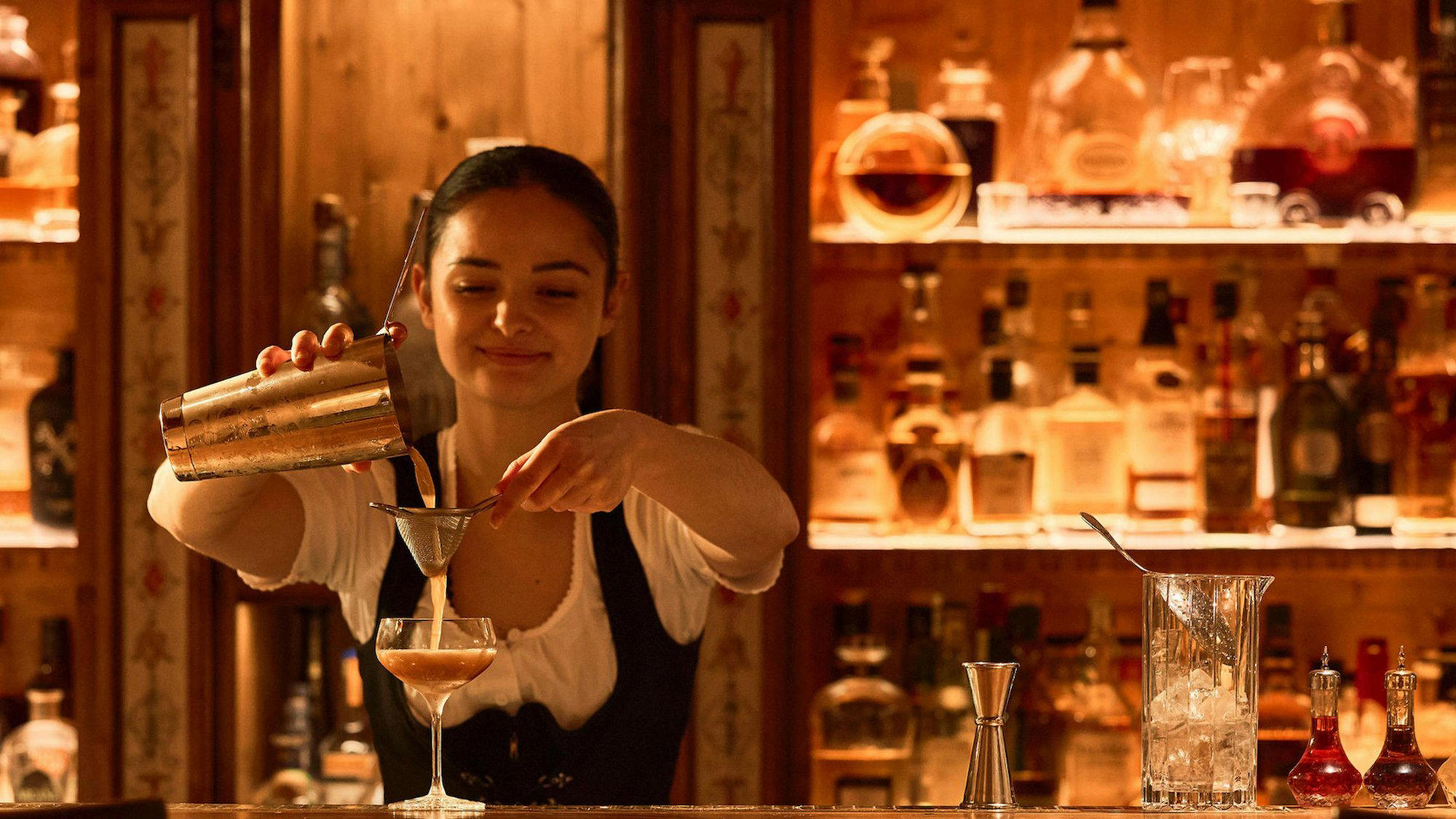
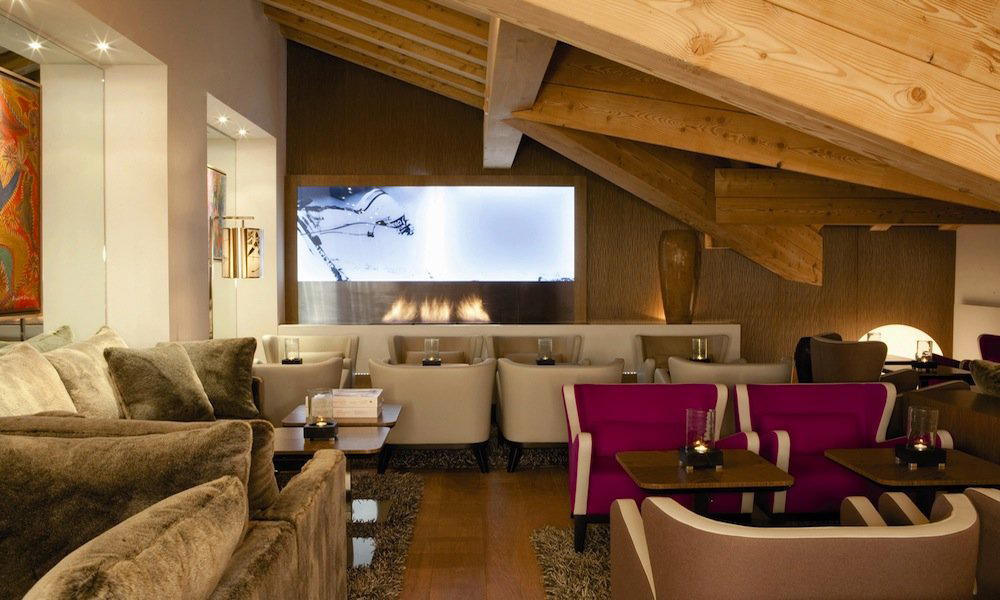
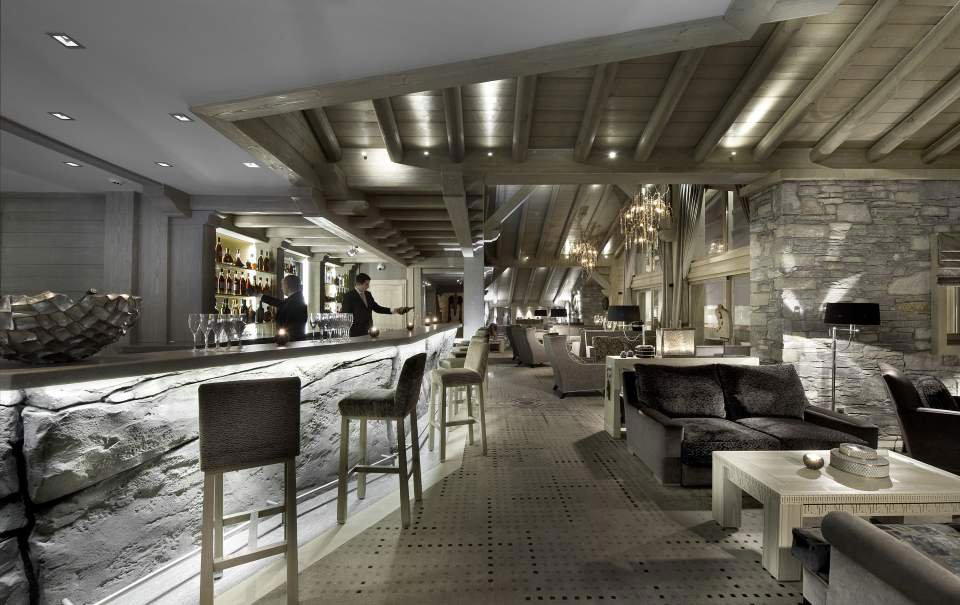
Rustic alpine elegance with cow bells hanging from ceilings, ceramic wall art, and abundant wood throughout; staff dressed in traditional Savoyard garb; warm, intimate lighting and family-oriented hospitality create a cozy yet refined atmosphere.