
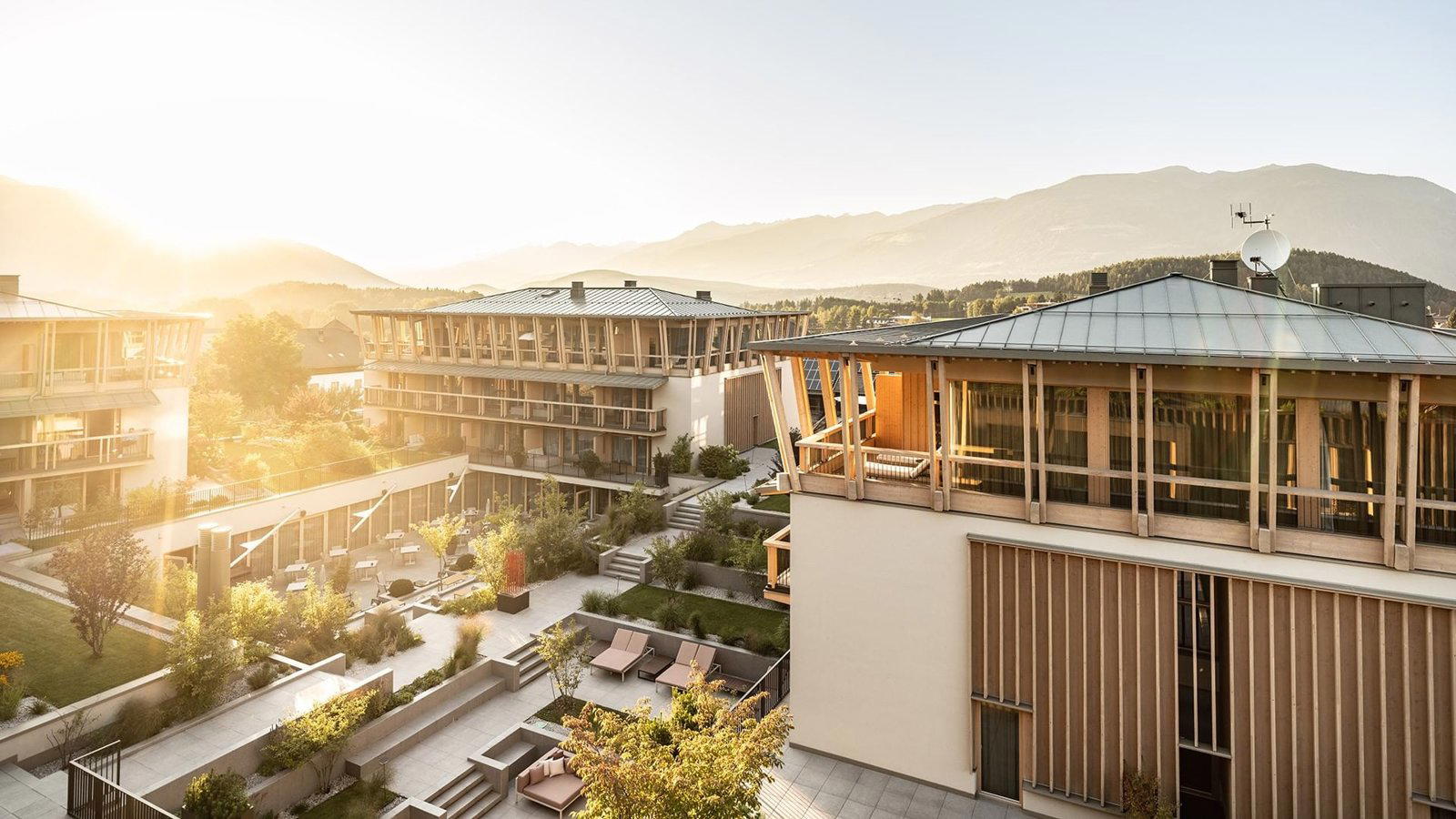
Selected by the Michelin Guide Hotels 2025, Post Hotel - Tradition & Lifestyle occupies a considered position in San Candido (Innichen), the South Tyrolean market town that anchors the Dolomites' eastern Alta Pusteria valley. The property draws on the architectural grammar of the region, timber, stone, and the measured proportions of alpine craft, while operating at a tier that places it alongside Italy's most closely vetted independent mountain stays.
Pearl is the En Primeur Club membership app — saves, bookings, and concierge access live there. Same editors, same standards.
- Address
- Via dei Benedettini 10/c, Innichen, Italy
- Phone
- +39 (0)474-913133
- Directions
- Get directions
 Saves & bookings on Pearl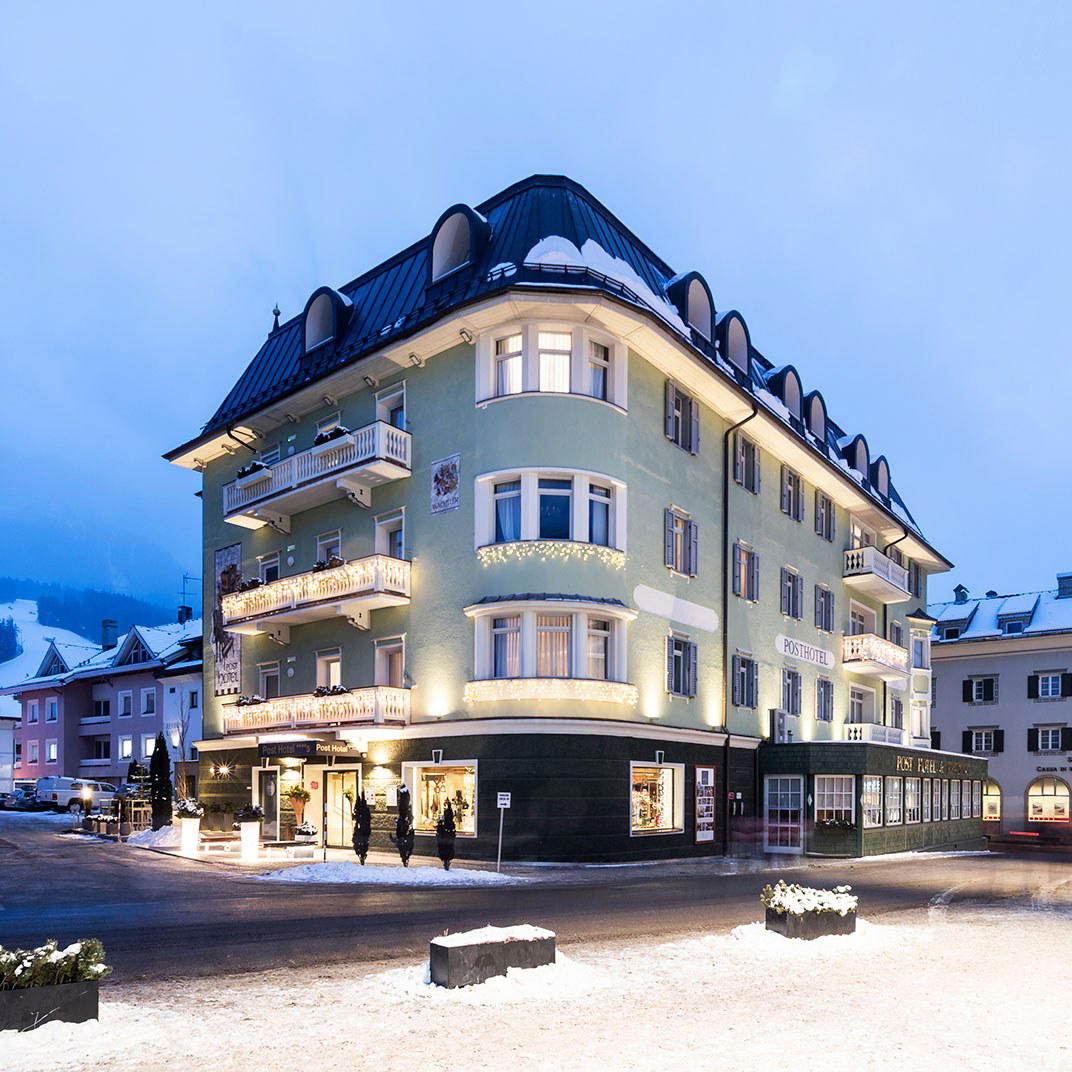
Where Alpine Architecture Meets the Dolomite Valley Floor
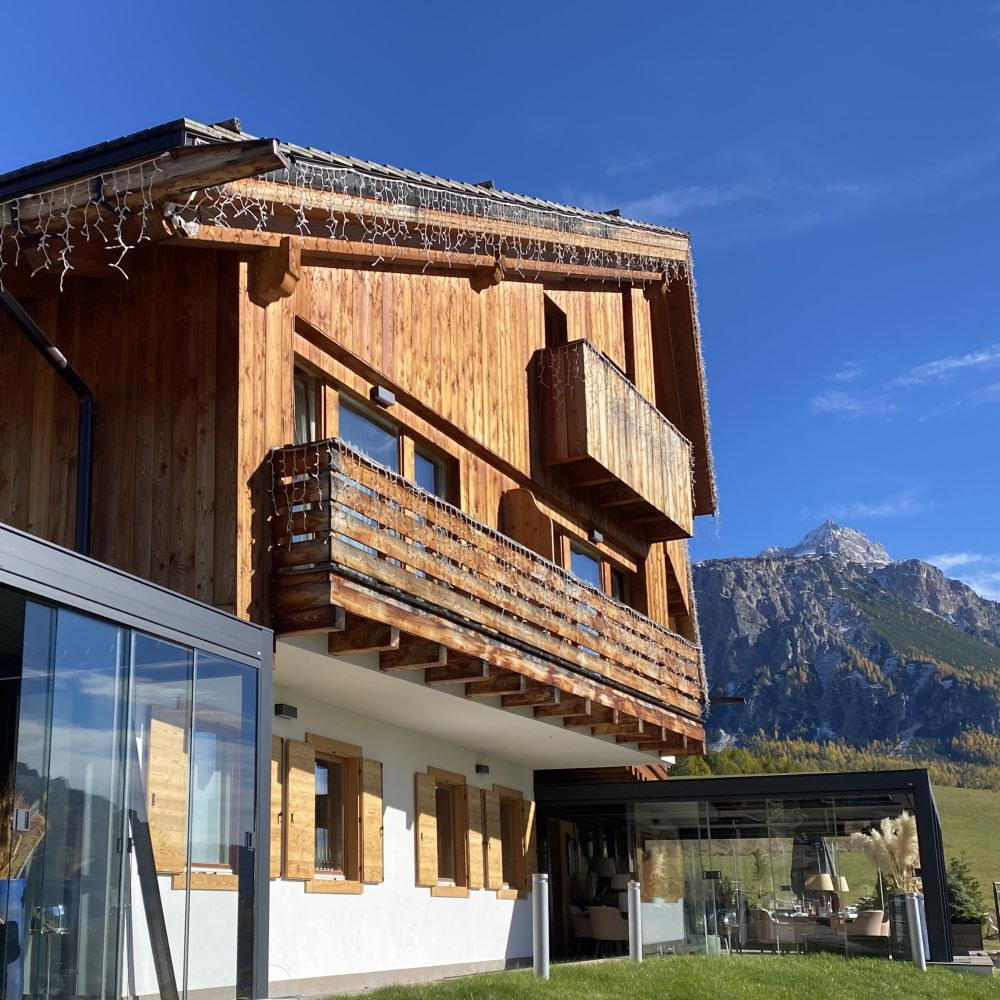
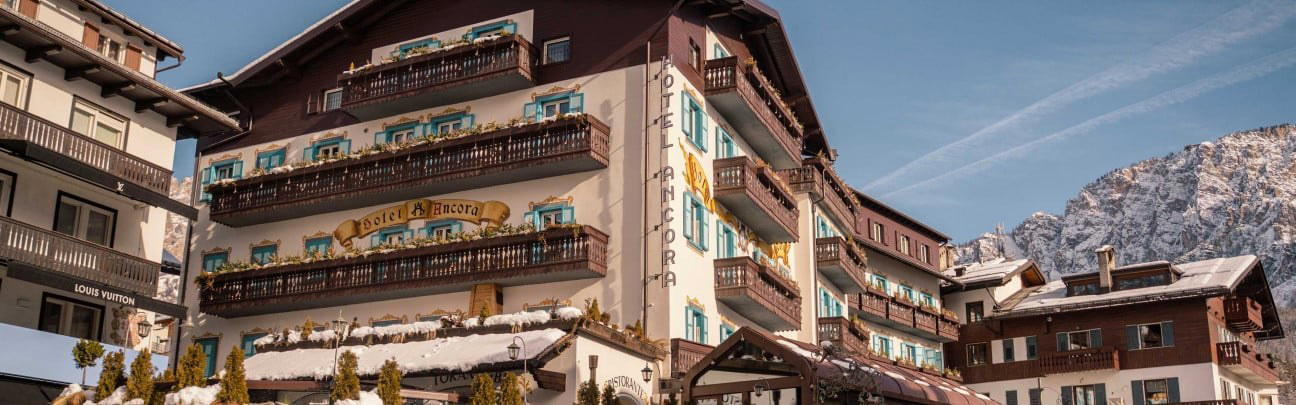
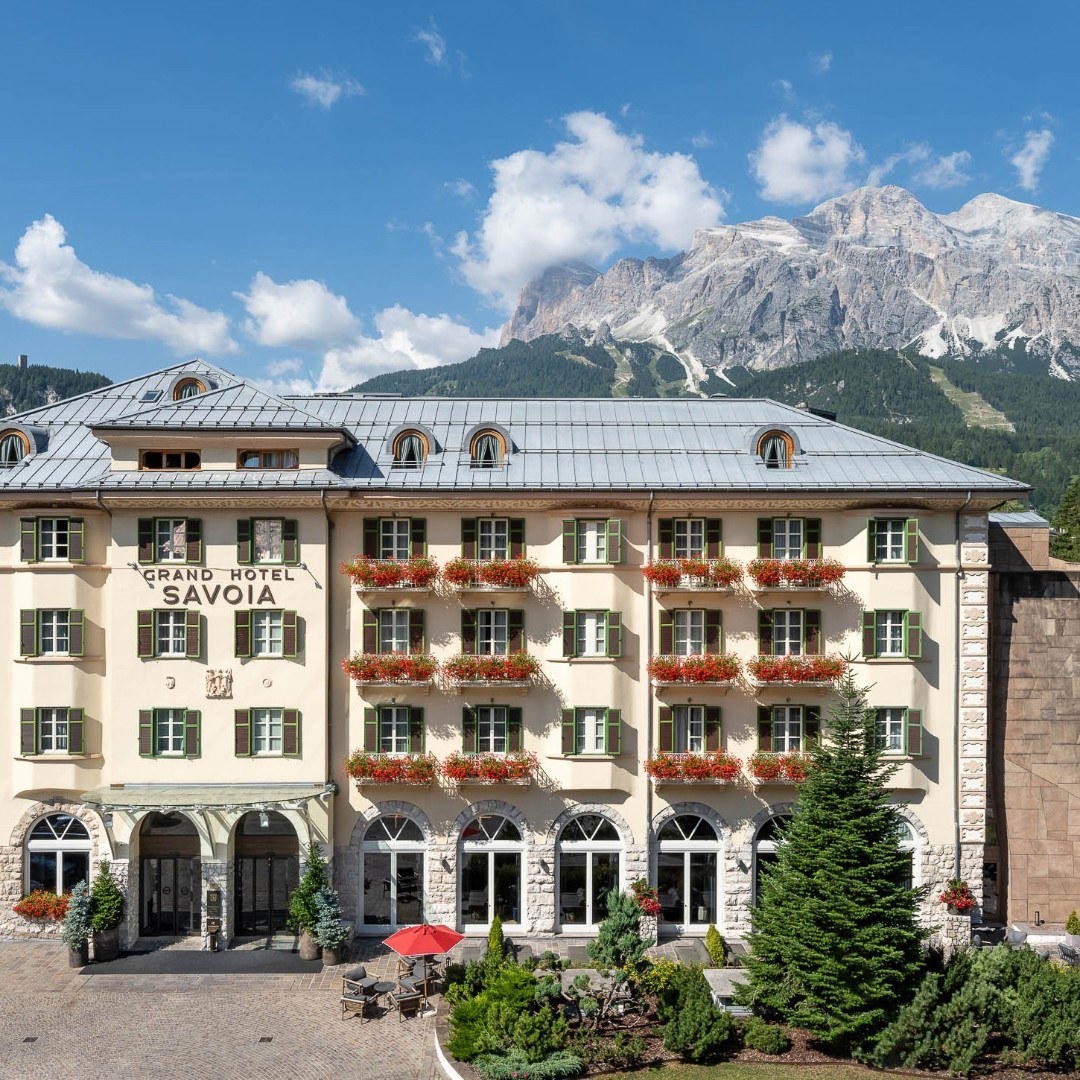
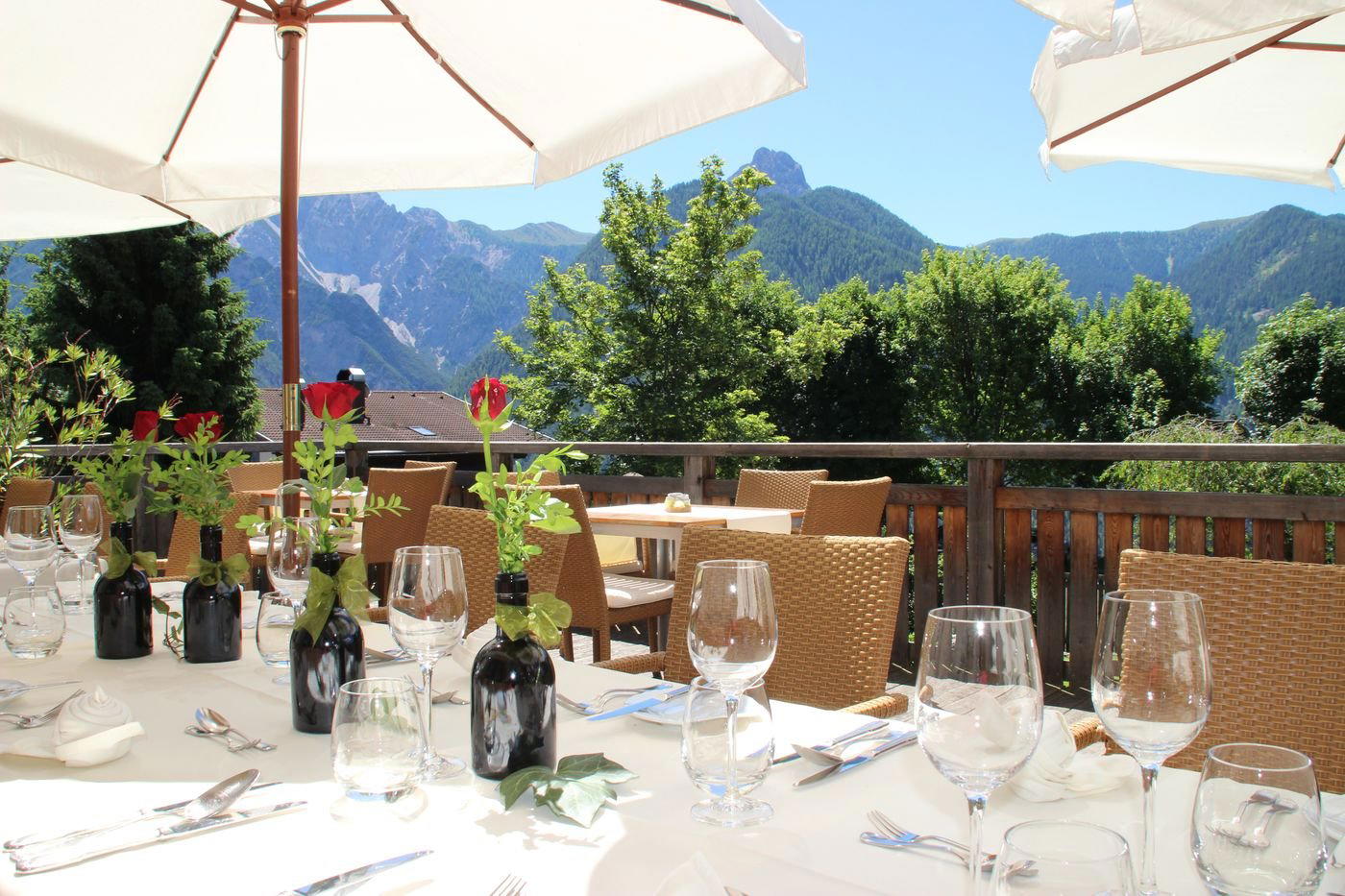
San Candido, known in German as Innichen, sits at roughly 1,175 metres above sea level at the meeting point of the Sesto and Pusteria valleys, with the Dolomites rising on every axis. The town itself is a tight medieval core of Romanesque stonework, its collegiate church among the more significant pre-Gothic structures in the eastern Alps. Hotels here operate in architectural dialogue with that context, and the better properties understand that the exterior vocabulary of the Dolomites, steeply pitched roofs, wide-eaved facades, spruce and larch cladding, stone plinths, is not a stylistic choice but a structural response to climate and tradition. Post Hotel - Tradition & Lifestyle, at Via dei Benedettini 10/c, positions itself within that conversation rather than against it.
The name signals something deliberate. Pairing "Tradition" with "Lifestyle" in a property title is a statement about which register of alpine hospitality the hotel occupies: not the austere farmstead experience, not the international ski-chain anonymity, but the middle tier where regional craft is curated and made comfortable for guests who want rootedness without austerity. In the South Tyrolean context, that is a specific and well-populated category, and properties that succeed in it tend to do so through spatial coherence, the way material choices in the lobby correspond to those in the guest rooms, the way the communal areas feel like extensions of the alpine environment rather than sets placed in front of it.
The Michelin Selection and What It Signals
Post Hotel - Tradition & Lifestyle appears in the Michelin Selected Hotels 2025 list, the Guide's hotel-side selection that applies the same editorial rigour to accommodation as its restaurant inspectors apply to kitchens. Michelin Selected status is not self-reported and not purchased; it reflects an inspector's direct assessment across comfort, maintenance, service character, and overall consistency. For a property in a town of Innichen's scale, the population sits well under 4,000, inclusion in a global guide alongside properties in Milan, Venice, and Rome represents a meaningful external benchmark.
To contextualise that within Italy's broader alpine hotel market: the Dolomites corridor from Bolzano east to Cortina contains a disproportionate concentration of Michelin-recognised accommodation relative to its permanent population. Properties like Castel Fragsburg in Merano and Bellevue Hotel & Spa in Cogne represent the high end of that alpine selection, where architectural ambition and gastronomic programming lift properties into a different competitive tier. Post Hotel's inclusion in the same guide places it in traceable company, even if its pitch is somewhat more grounded in the everyday rhythms of a working South Tyrolean town than in resort spectacle.
Architecture as Identity in the Alta Pusteria
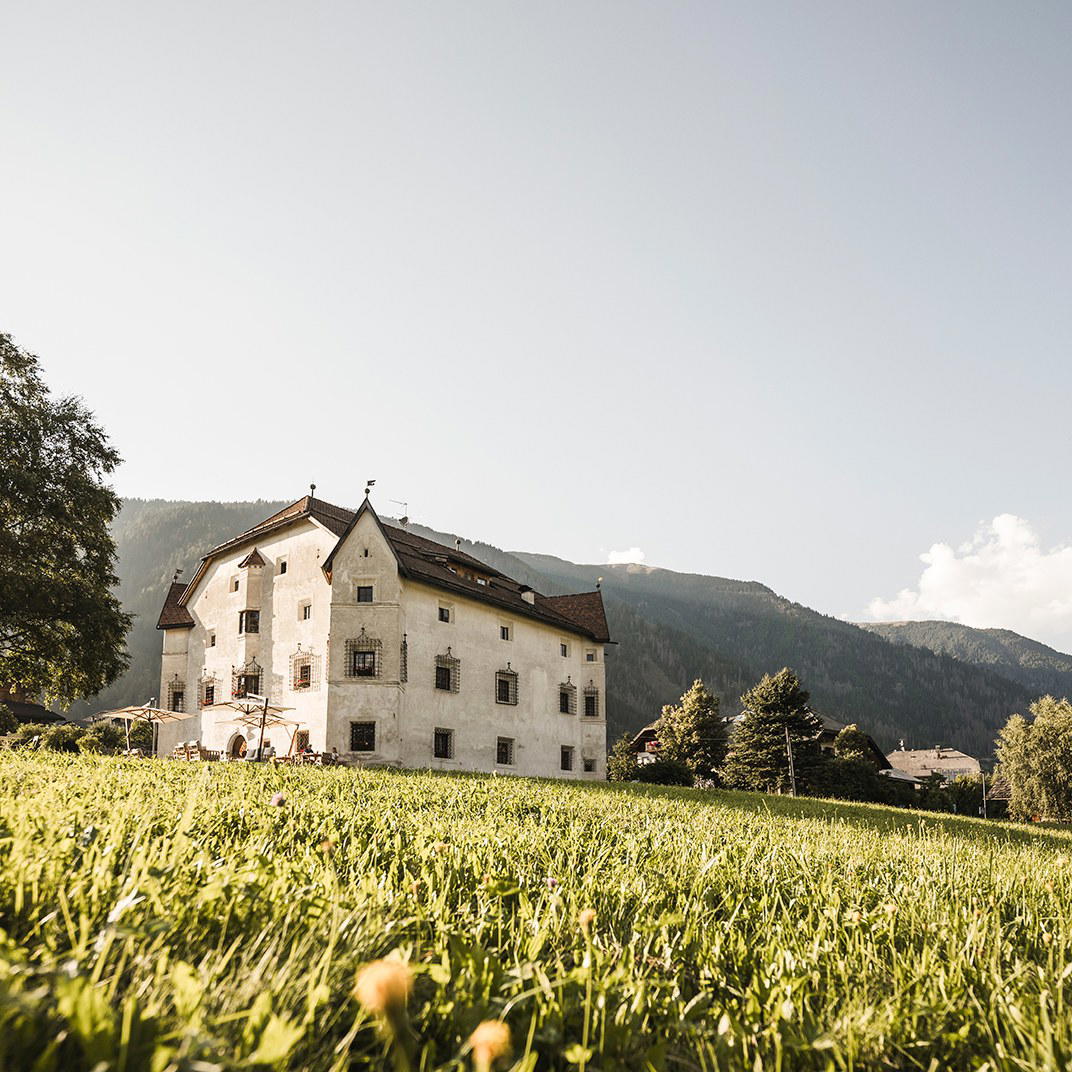
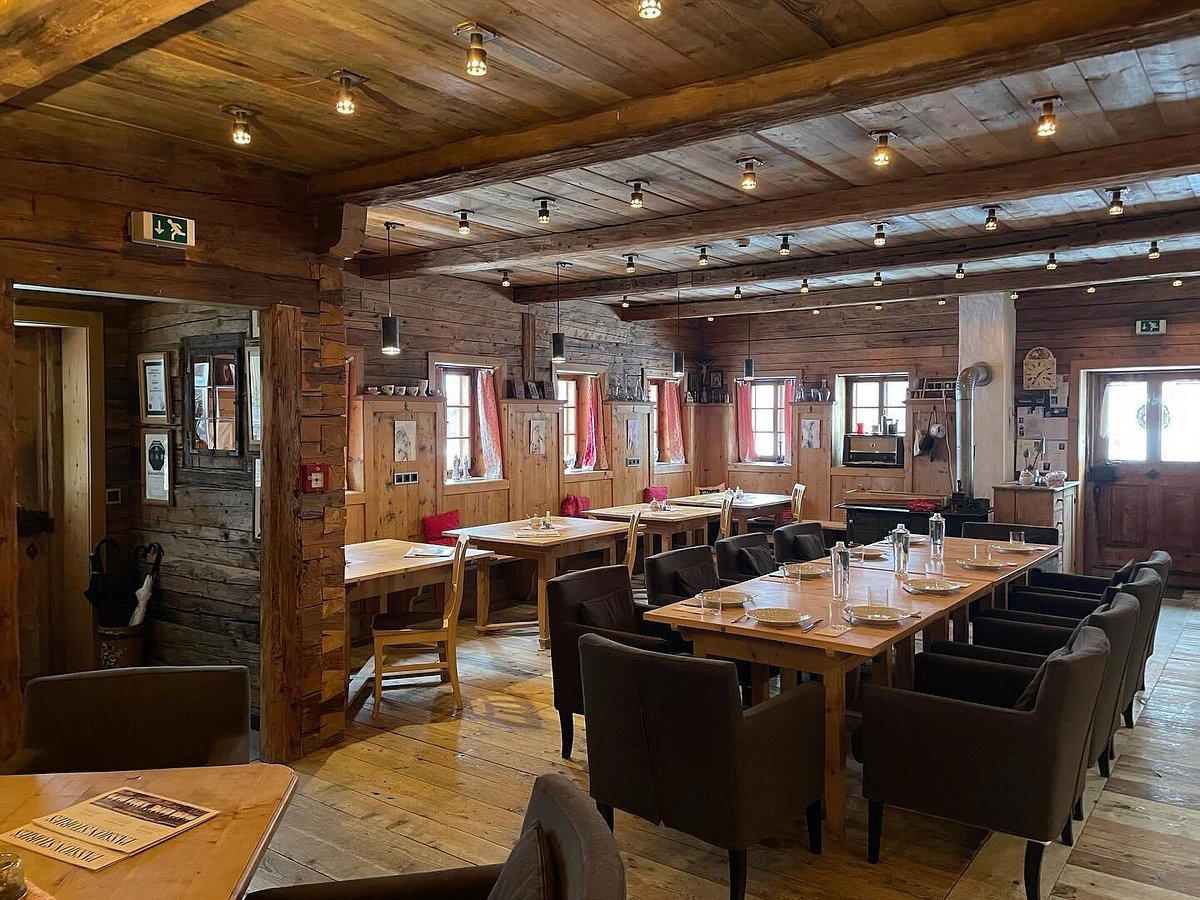
South Tyrol's building tradition is among the more coherent regional architectural languages in Italy, drawing from centuries of Austro-Hungarian influence, alpine craft guilds, and the practical demands of high-altitude winters. The Stube, a timber-panelled, low-ceilinged communal room heated by ceramic tile stoves, is the central spatial unit of Tyrolean domestic architecture, and properties that incorporate it meaningfully rather than decoratively tend to read as authentic to guests who know the region. The material palette of the eastern Dolomites is similarly specific: local stone, raw or lightly finished timber, textiles in wool or loden, ironwork in hand-forged rather than industrial forms.
Properties across the broader Italian hotel market that achieve recognition while maintaining architectural specificity to their region represent a distinct tier. Compare the approach at Borgo Egnazia in Savelletri di Fasano, which reconstructs Puglian vernacular as its design framework, or Rosewood Castiglion Del Bosco in Montalcino, where Tuscan agricultural architecture organises a luxury estate. The pattern holds across Italian regions: particularly enduring properties anchor their identity in place rather than period or brand. Post Hotel's pairing of traditional construction vocabulary with a lifestyle-oriented operation follows that logic in the alpine register.
For travellers comparing Italy's range of Michelin-recognised hotels, the contrast is instructive. Aman Venice and Bulgari Hotel Roma operate at the upper edge of the international luxury tier, with the physical fabric of their buildings, a 16th-century palazzo, a neoclassical villa, carrying much of the guest experience. Castello di Reschio in Lisciano Niccone and Passalacqua in Moltrasio operate in a design-led rural tier where the property itself is the destination. Post Hotel sits in a different relation to its setting: San Candido is a functioning community with trails, ski connections, and a town centre, and the hotel serves as a base within that, rather than a sealed resort environment.
The Alta Pusteria as a Destination
The valley that frames Innichen connects westward to Brunico and southward toward the Tre Cime di Lavaredo, the photographed mountain formation in the Dolomites. The Tre Cime circuit is accessible on foot from mid-June through October and on cross-country ski trails in winter. The Pustertal valley floor also hosts among the more extensive cross-country skiing networks in the Alps, which draws a different traveller than the downhill-focused resorts further west around Corvara and Alta Badia. That distinction matters for understanding Innichen's accommodation market: the town attracts guests oriented toward endurance sports, trail running, hiking, and landscape photography as much as lift-accessed skiing, which in turn shapes what a well-positioned hotel needs to provide in terms of early breakfast service, drying rooms, and flexible check-in logistics.
Reaching Innichen by rail is direct from the Austrian side via the Pustertal line from Lienz, or from the Italian side through Bolzano and Brunico. Guests travelling by car from Innsbruck cover roughly 120 kilometres via the Brenner Autobahn and the SS49. For wider context on Italy's broader Michelin hotel geography, properties including Four Seasons Hotel Firenze in Florence, Casa Maria Luigia in Modena, Portrait Milano in Milan, and Il Pellicano in Porto Ercole, which together map the range of what Michelin recognition means across Italy's radically different regional contexts. Further afield, Borgo Santandrea on the Amalfi Coast, JK Place Capri, and Il San Pietro di Positano show how coastal properties in the same guide operate in entirely different seasonal and spatial logics. For a broader sense of Innichen's dining and hospitality scene, see the Innichen restaurants guide.
Planning a Stay
Post Hotel - Tradition & Lifestyle is located at Via dei Benedettini 10/c in San Candido, within walking distance of the town centre and the main train station on the Pustertal line. The hotel has 41 rooms and a nightly rate from about US$267. Guests planning around the Tre Cime di Lavaredo should note that the road to the Auronzo refuge typically opens in late May, weather permitting, and closes in late October.
For comparable alpine recognition elsewhere in the region, Savoia Excelsior Palace Trieste represents the Adriatic-meets-alpine end of the northeast Italian hotel market, while Il Sereno in Torno and Grand Hotel Tremezzo anchor the northern Italian lakes tier. Beyond Italy, Badrutt's Palace Hotel in St. Moritz represents the Swiss alpine benchmark that South Tyrolean properties are frequently measured against by guests crossing the Engadin corridor.
At-a-Glance Comparison
Comparable venues nearby, for context on price, style, and recognition.
| Venue | Cuisine | Price | Awards | Notes |
|---|---|---|---|---|
| Post Hotel - Tradition & LifestyleThis venue — the venue you are viewing | Alpine luxury boutique blending tradition and modern lifestyle | $$$$ | 4-Star | Not listed |
| De LEN | Sustainable alpine boutique with sleep-centric design | $$$$ | 4-Star | center |
| Maison Borella | Charming 18th-century balustrade house with modern comforts and internal courtyard. | $$$$ | 4-Star | Porta Ticinese - Conchetta |
| Masseria Cervarolo | Restored 16th-century Puglian masseria with trulli and historic buildings | $$$$ | 4-Star | Contrada Cervarolo |
| Villa Sassolini Country Boutique Hotel | Contemporary country house in a restored 15th-century palazzo | $$$$ | 4-Star | Moncioni |
| Boutique Hotel Torre di Cala Piccola | Contemporary boutique retreat blending modern design with traditional Italian charm and Tuscan heritage elements. | $$$$ | 4-Star | Cala Piccola, Monte Argentario |
Recognition history
Dated appearances from independent guides and award organizations, with the underlying list record or original source where available.
Michelin Selected
Michelin
At a Glance
- Quiet
- Cozy
- Elegant
- Sophisticated
- Romantic Getaway
- Honeymoon
- Wellness Retreat
- Anniversary
- Panoramic View
- Wi Fi
- Pool
- Spa
- Elevator
- Restaurant
- Mountain
- Wi Fi
- Pool
- Spa
- Elevator
- Restaurant
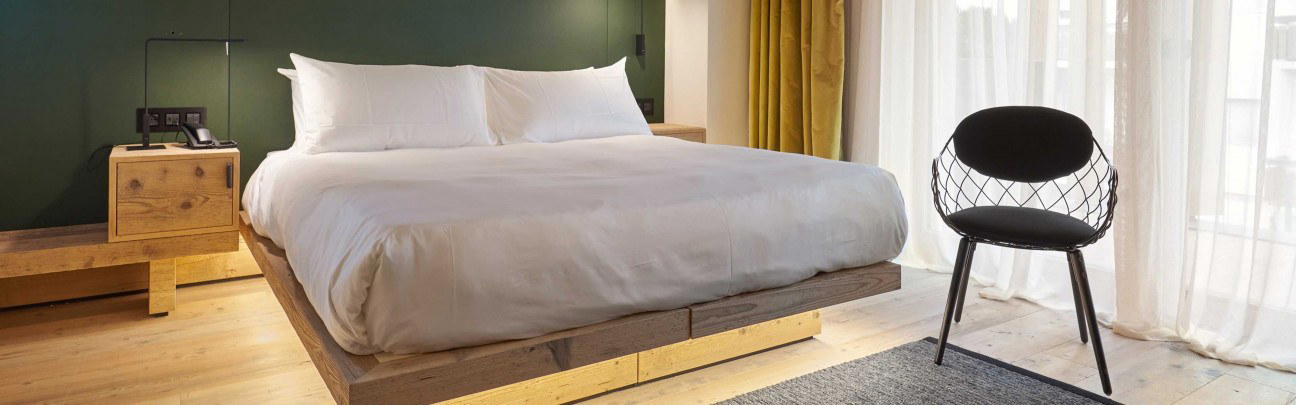
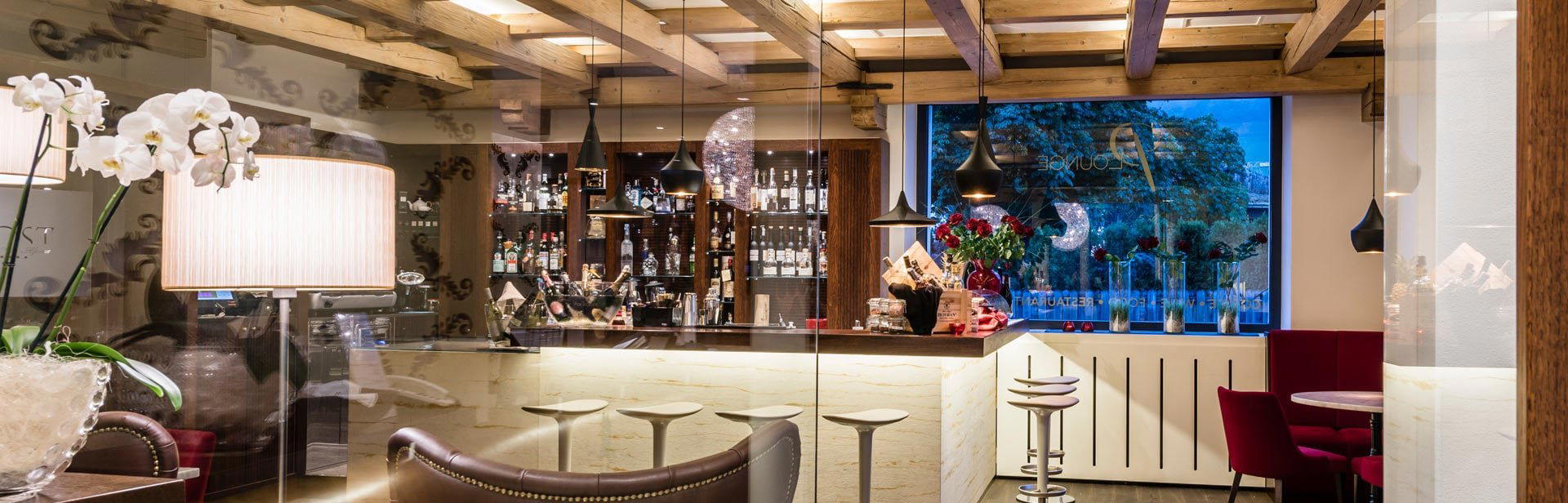
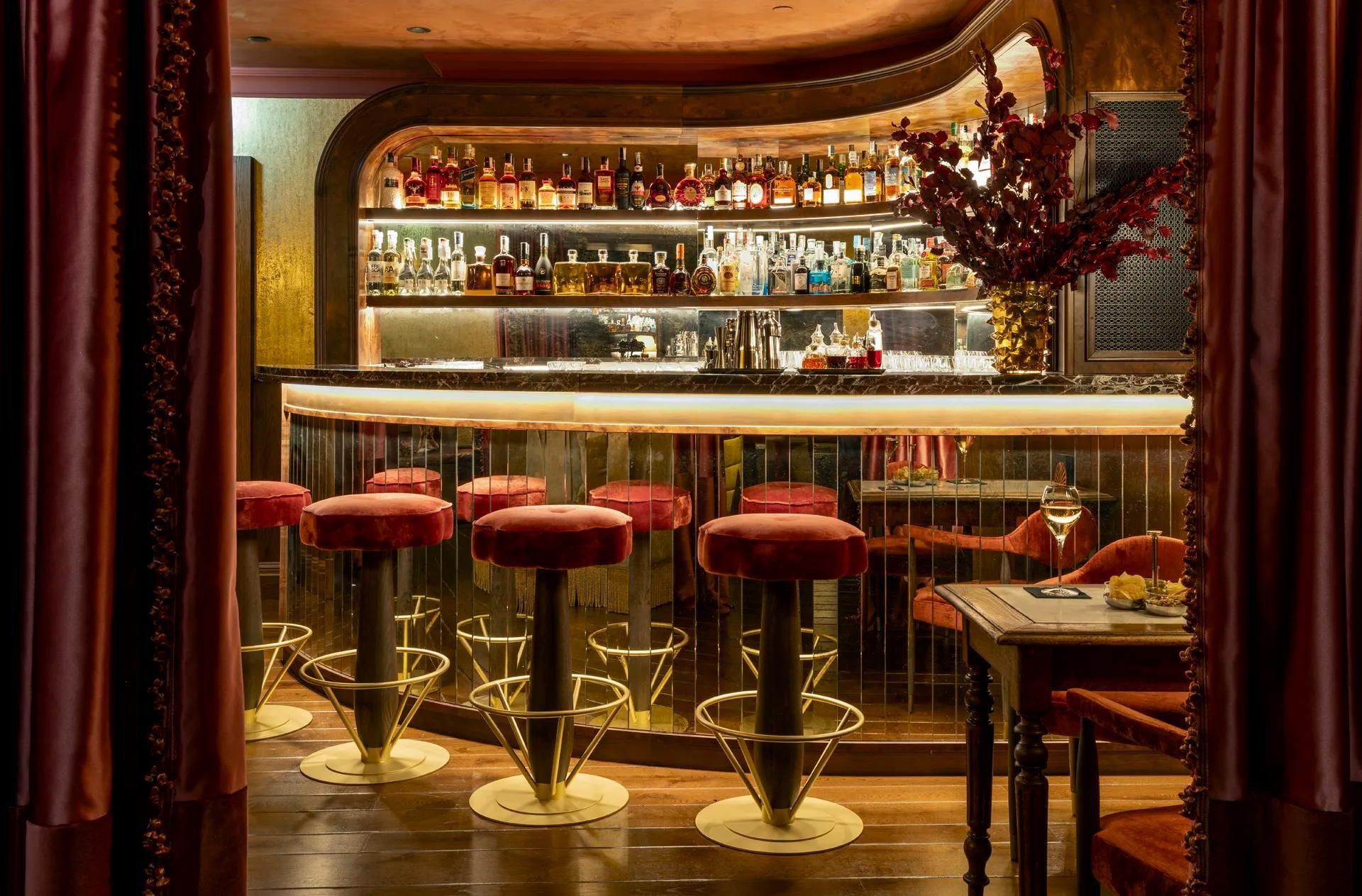
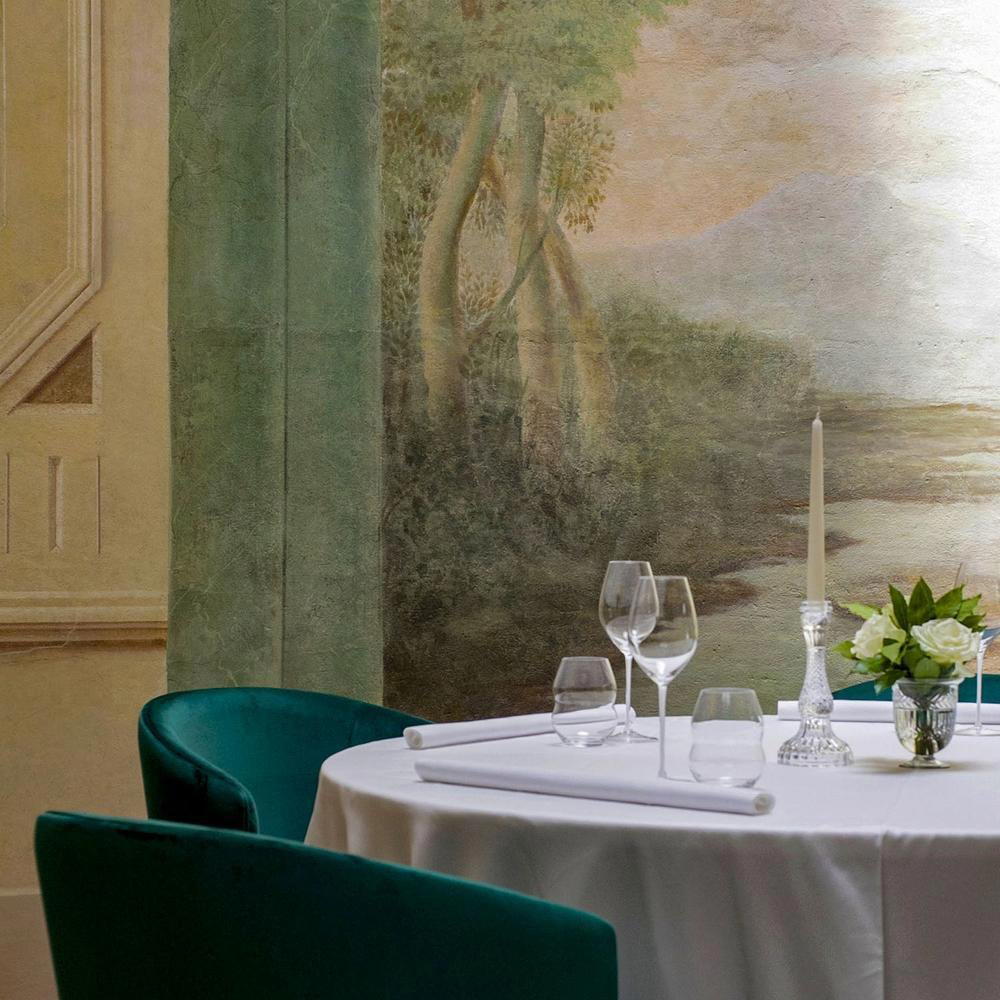
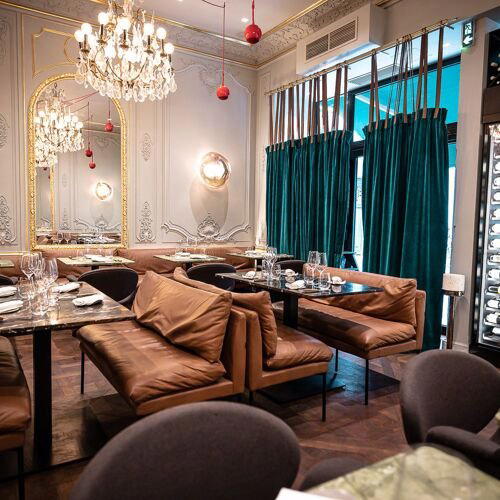
Tranquil and refined atmosphere with tasteful contemporary interiors, soft lighting, and a serene spa connected to a secret garden.