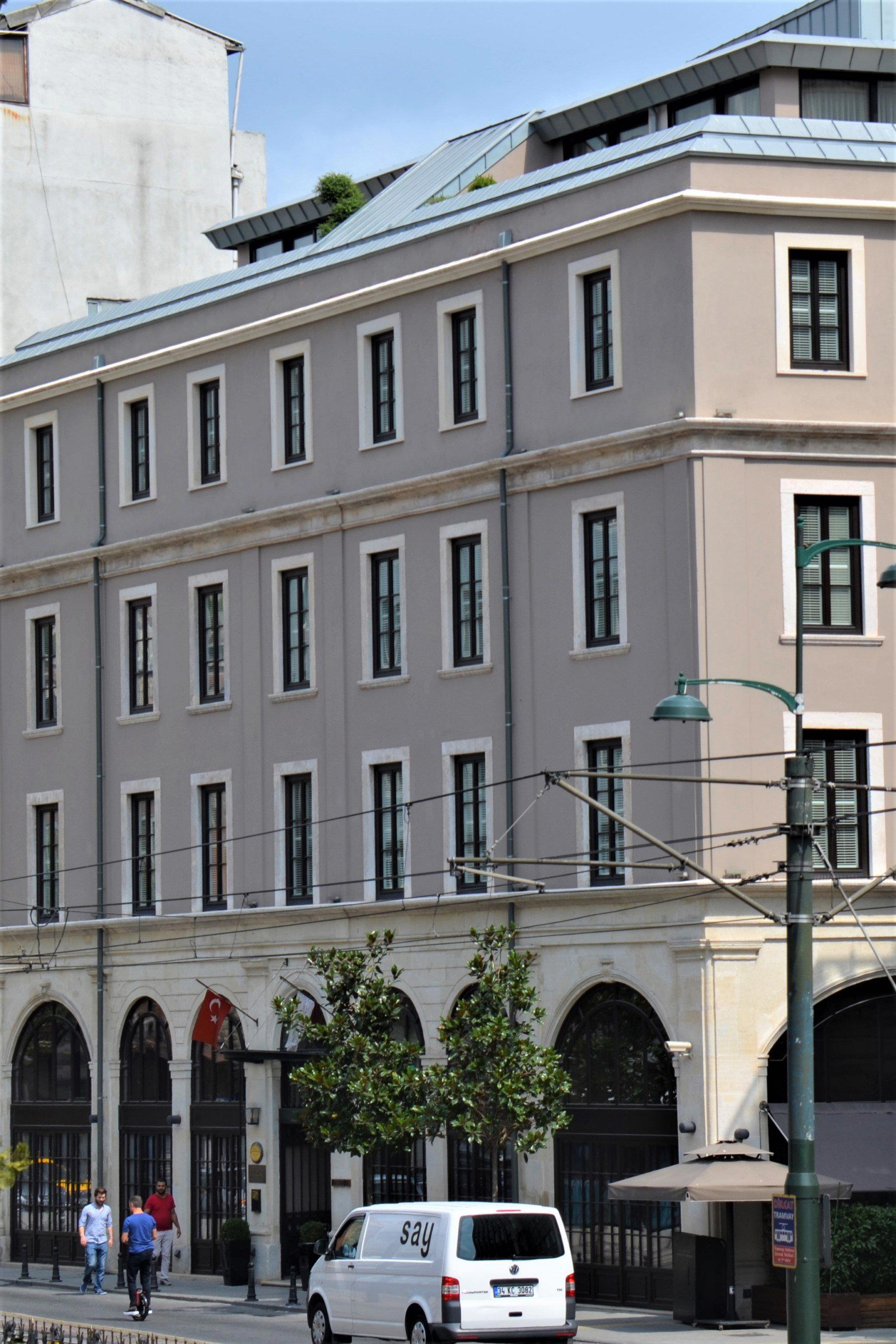
The Pera Palace Hotel in Istanbul's Beyoğlu district has anchored the city's grand hotel tradition since 1892, originally built to receive passengers arriving on the Orient Express. Its position on Meşrutiyet Caddesi places it at the heart of historic Pera, where European-inflected architecture and Ottoman sensibility meet. For travellers seeking a room with documented history rather than manufactured atmosphere, it remains a serious address.
Pearl is the En Primeur Club membership app — saves, bookings, and concierge access live there. Same editors, same standards.
- Address
- Meşrutiyet Caddesi, Evliya Çelebi, Tepebaşı Cd. No:52, 34430 Beyoğlu/İstanbul, Türkiye
- Phone
- +90 212 377 40 00
- Website
- perapalace.com
- Directions
- Get directions
 Saves & bookings on Pearl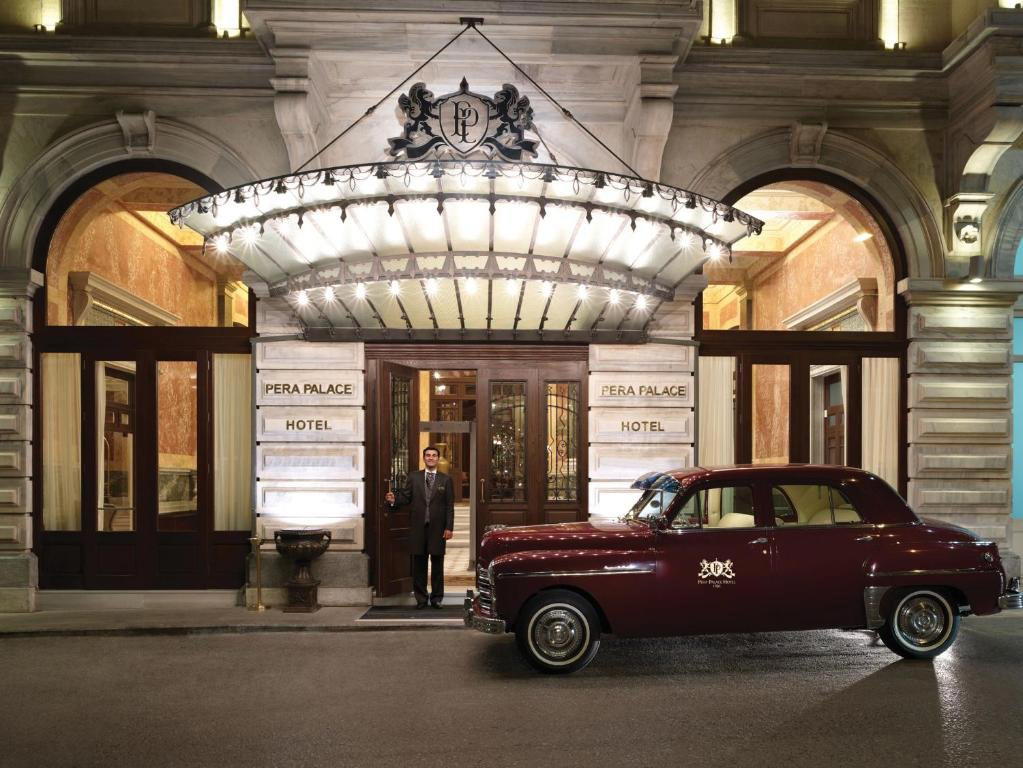
Where Istanbul's Grand Hotel Tradition Began
Pera Palace Hotel is a hotel in Istanbul’s Beyoğlu district, opened in 1892 on Meşrutiyet Caddesi in Tepebaşı. That origin still shapes the building’s proportions and atmosphere.
The wider context matters here. Istanbul's luxury hotel market has fragmented considerably over the past two decades. Large international brands, among them the Address Istanbul and the Fairmont Quasar, compete on scale and contemporary amenity. Palace conversions such as Çırağan Palace Kempinski operate on Bosphorus frontage with a different kind of historical weight. The Four Seasons properties, one at Sultanahmet and one along the Bosphorus, occupy the upper tier of international-chain consistency. Against that comparable set, the Pera Palace sits in a narrower category: the original grand hotel, a building that predates the republic itself and carries verifiable historical provenance rather than a designed approximation of it.
The Experience of the Room
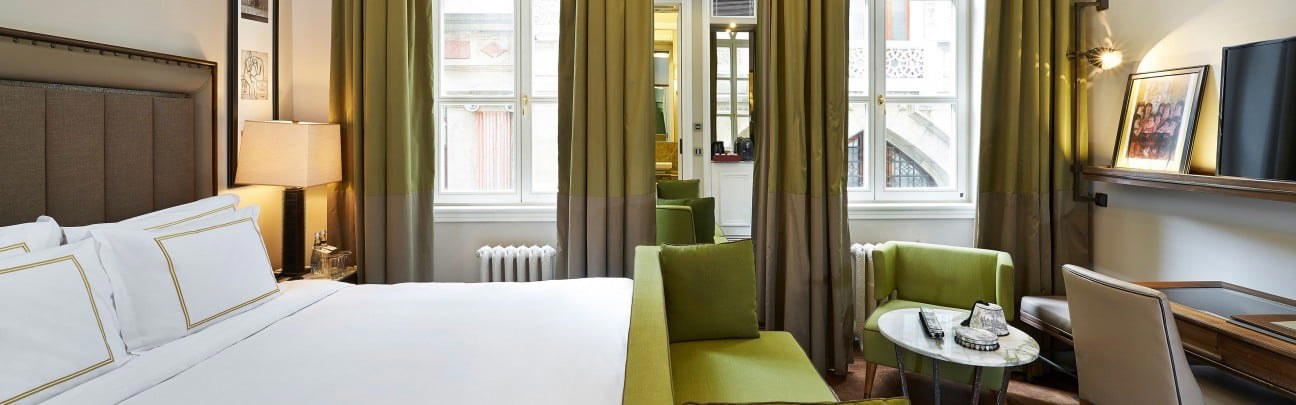
In historical hotels of this type, the overnight stay is inseparable from the architecture that contains it. The building does the heavy work. At the Pera Palace, the late nineteenth-century fabric of the property sets the register for everything inside it: ceiling heights that pre-date energy efficiency as a design constraint, corridor widths planned for luggage-laden travellers, and public spaces built for lingering rather than transit.
This matters most in the rooms themselves. Properties of this age frequently wrestle with the tension between preservation and contemporary comfort, the question of how much modernisation a heritage building can absorb before it stops being itself. The Pera Palace underwent a significant restoration programme, completed in 2010. The approach taken in restorations of this kind typically prioritises original materials and spatial logic while introducing contemporary infrastructure behind the surfaces. What distinguishes a well-executed restoration from a superficial one is whether the room still reads as a room from a particular historical moment, or whether it has been softened into a neutral luxury product.
Rooms in properties of this vintage and category tend to appeal to a specific kind of traveller: one who reads the details of a room as context rather than simply as amenity. The thickness of a wall, the height of a skirting board, the weight of a door, these become part of the overnight experience in a way that a contemporary hotel, however technically accomplished, cannot replicate. For that reason, the Pera Palace belongs to a different conversation than its larger, newer Istanbul competitors. It is not competing on square footage or spa programming. It is competing on authenticity of place.
Beyoğlu, Tepebaşı, and the Surrounding Quarter
The hotel's address on Meşrutiyet Caddesi positions it in Tepebaşı, a sub-district within Beyoğlu that has historically attracted embassies, theatres, and the kind of institutional architecture that accumulates in a city's cosmopolitan quarter. Beyoğlu itself runs from Karaköy at the waterfront up through Galata and into Pera, the European-facing face of Ottoman Istanbul. The neighbourhood has always been architecturally mixed: neoclassical apartment blocks alongside late-Ottoman public buildings, fin-de-siècle facades updated at irregular intervals across the twentieth century.
For guests, this location has practical implications. The Istiklal Caddesi corridor, Istanbul's main commercial and cultural artery, is within walking distance. Galata and Karaköy, where properties like 10 Karakoy and Aliée Istanbul are positioned, sit below on the slope toward the Golden Horn. The concentration of arts venues, independent restaurants, and historic sites in this corridor makes Beyoğlu particularly walkable of Istanbul's central districts for guests whose priorities extend beyond the main tourist circuit of Sultanahmet. Properties like AJWA Sultanahmet and Barcelo Hotel Istanbul anchor the older historic core across the Golden Horn; the Pera Palace holds the Beyoğlu end of that axis.
Turkey's Broader Hotel Context
Istanbul anchors Turkey's premium hotel market, but properties elsewhere in the country provide useful comparison points. Along the Aegean, Alavya in Alacati and MACAKIZI BODRUM represent the boutique coast category, while Allium Bodrum Resort and Spa and D Maris Bay in Hisarönü occupy the resort tier. In Cappadocia, Argos in Cappadocia, Ajwa Cappadocia, and Hu of Cappadocia each take a distinct approach to cave and stone architecture. The Pera Palace does not share a category with any of these, it is neither a resort nor a boutique design property, but the comparison underlines how segmented Turkey's premium accommodation sector has become. The Pera Palace remains the clearest example of a purely urban grand hotel with an unbroken operational history.
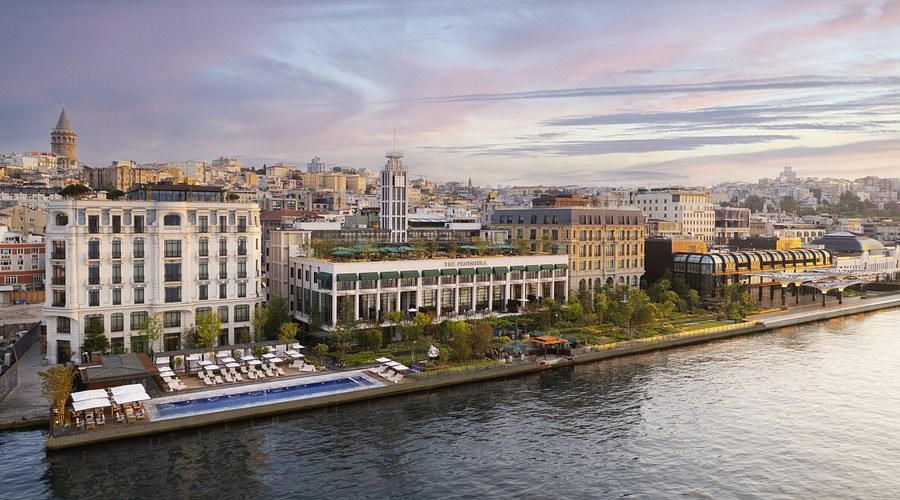
For Istanbul hotels with a more contemporary design orientation, Ajia on the Bosphorus and Bebek Hotel by The Stay in the northern European shore district represent the waterfront alternative. Those properties trade historical depth for contemporary line and Bosphorus proximity, a legitimate trade for guests whose priorities run in that direction.
Planning a Stay
Booking directly through the hotel is the standard approach for guests seeking room-category specificity, given the variation in historical room types across different floors and wings of the building. Spring (April to June) and early autumn (September to October) represent particularly temperate windows for Istanbul travel, when the city is active without the compression of peak summer. Winter visits carry lower demand and the particular atmosphere of a quieter city, though some of Istanbul's open-air attractions are less accessible in the colder months.
Guests travelling elsewhere in Turkey can use the Pera Palace as an Istanbul anchor before connecting to coastal or inland destinations, with Renaissance Izmir Hotel offering a credible base further west along the Aegean, and Kempinski Hotel The Dome Belek anchoring the Antalya resort corridor to the south.
A Quick Peer Check
Comparable venues nearby, for context on price, style, and recognition.
| Venue | Cuisine | Price | Notes |
|---|---|---|---|
| Pera Palace HotelThis venue — the venue you are viewing | Historic luxury museum hotel blending Eastern and Western architectural traditions. | $$$$ | Not listed |
| The Stay Boulevard Nisantasi | Boutique luxury with cultural heritage fusion | $$$$ | Nisantasi |
| 10 Karakoy | Historic neo-classical building reimagined as a stylish 21st-century destination blending Turkish heritage with modern luxury. | $$$$ | Mueyyedzade |
| Casa Foscolo Hotel, Istanbul | Historic neoclassical building with modern boutique restoration | $$$ | Asmali Mescit |
| Tak-ı Zafer Cd. | Historic boutique hotel with modern comforts | $$$ | Tophane |
| Hotel Ibrahim Pasha | Boutique hotel in restored early 20th-century Ottoman townhouses blending contemporary elegance with traditional Ottoman style. | $$$ | Binbirdirek |
Continue exploring
More in Istanbul
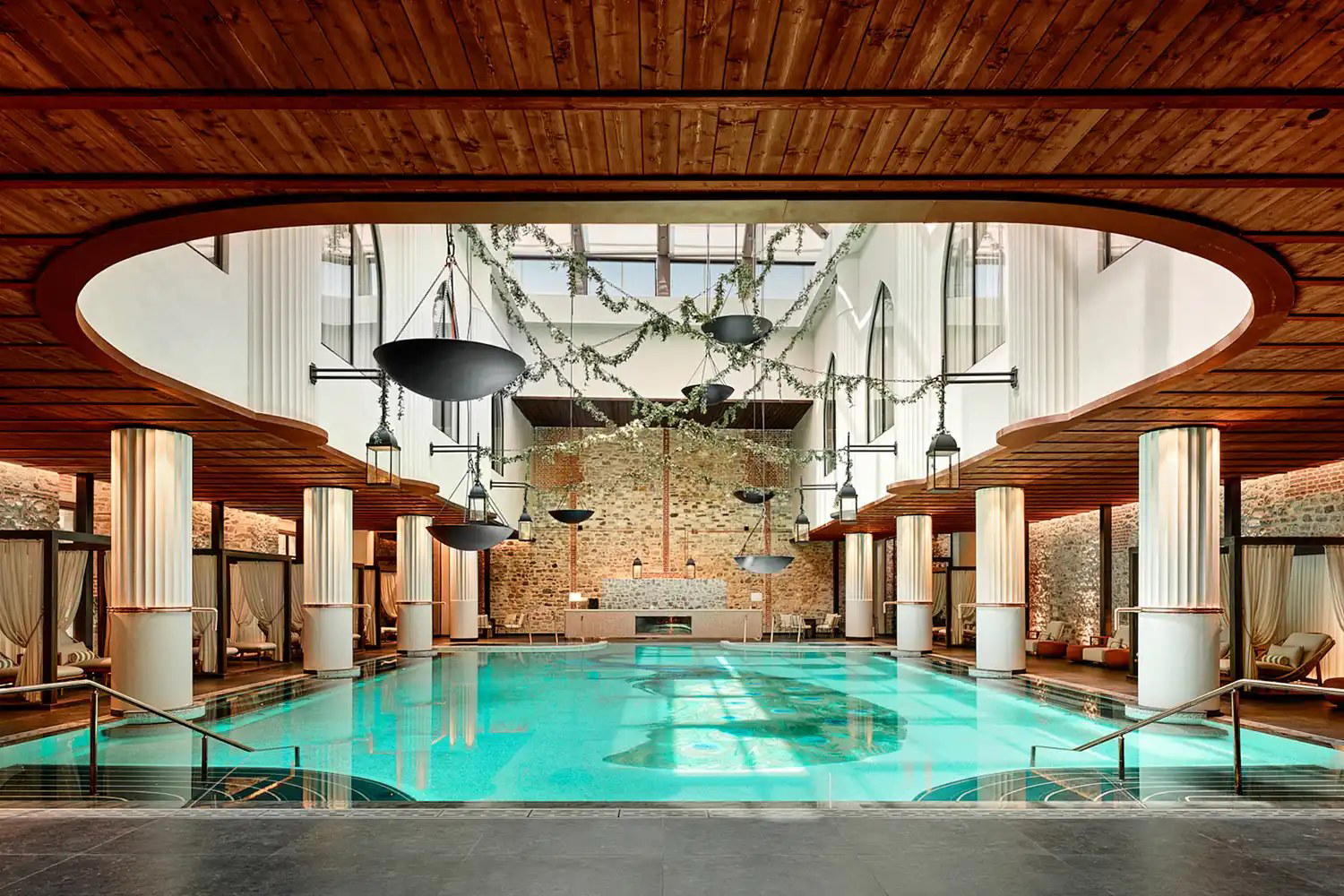
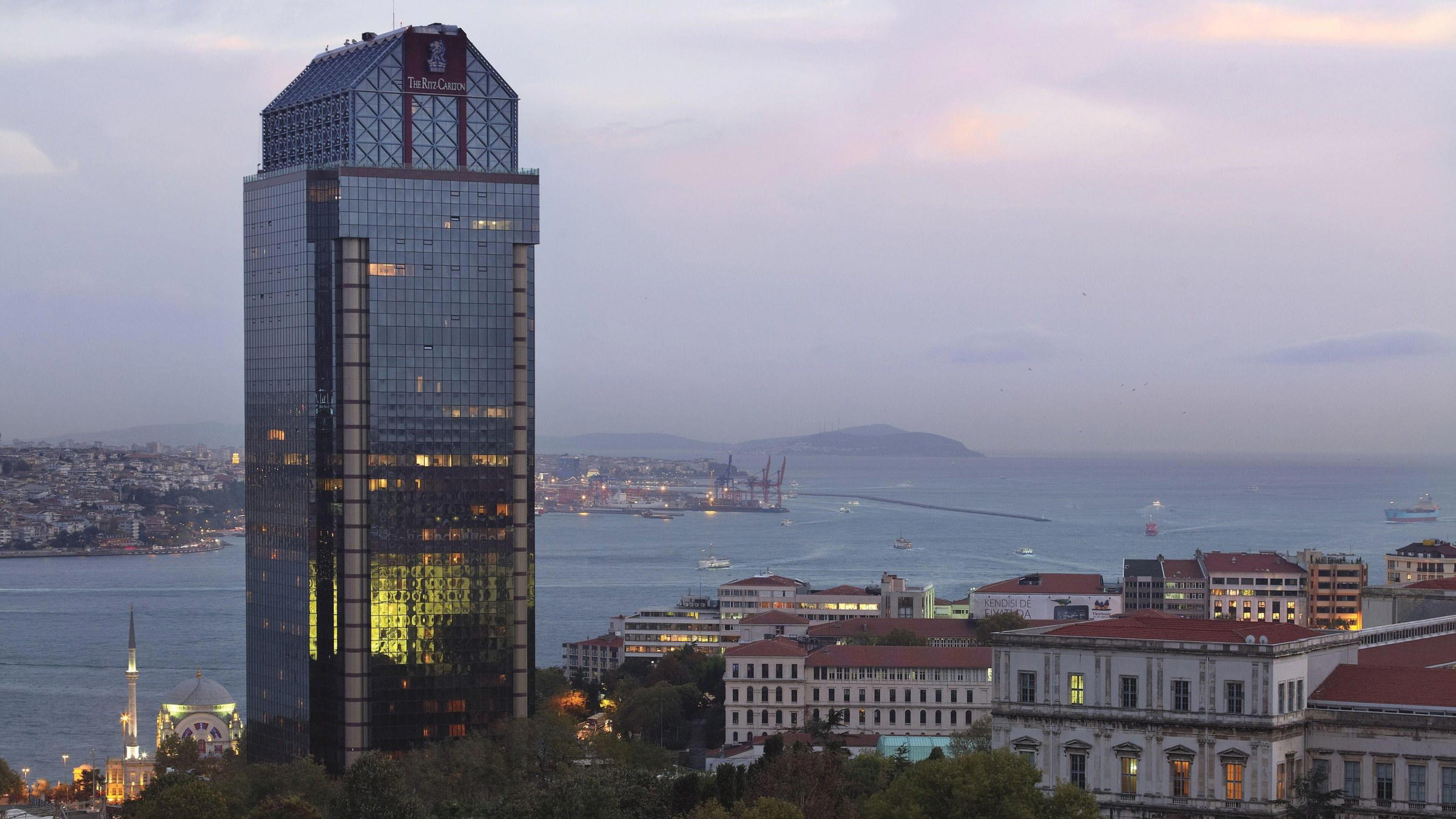
Hotels in Istanbul
Browse all →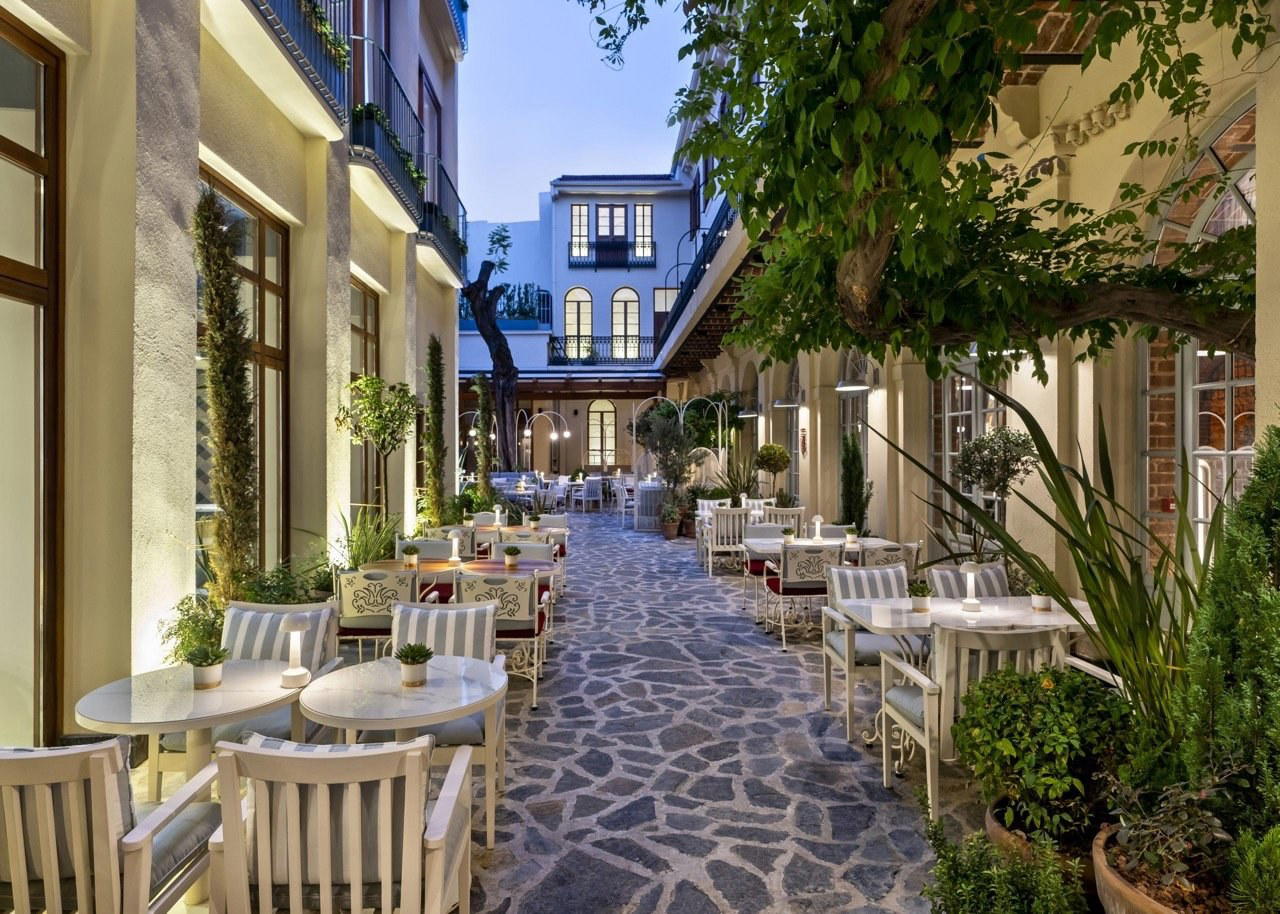
Bars in Istanbul
Browse all →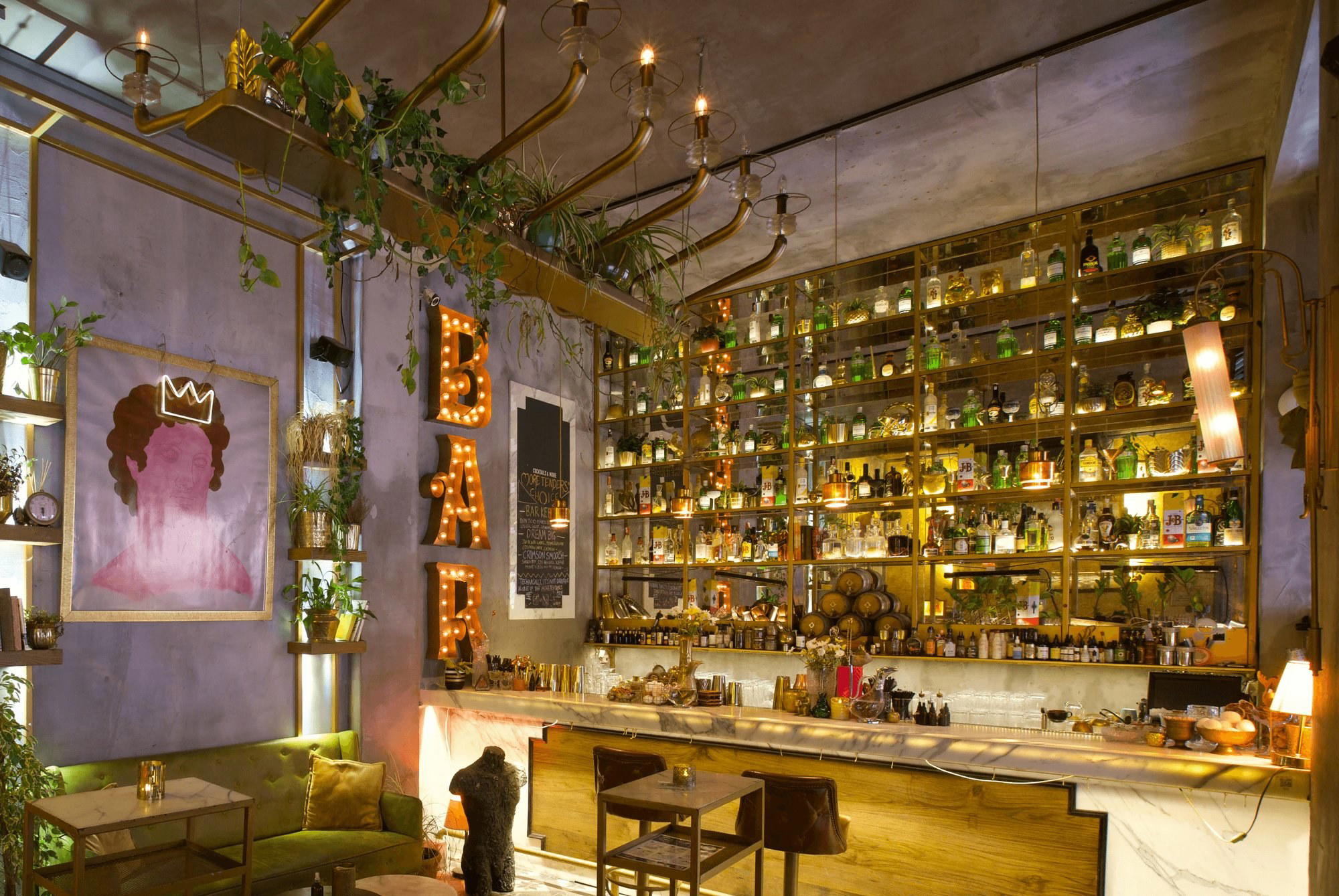
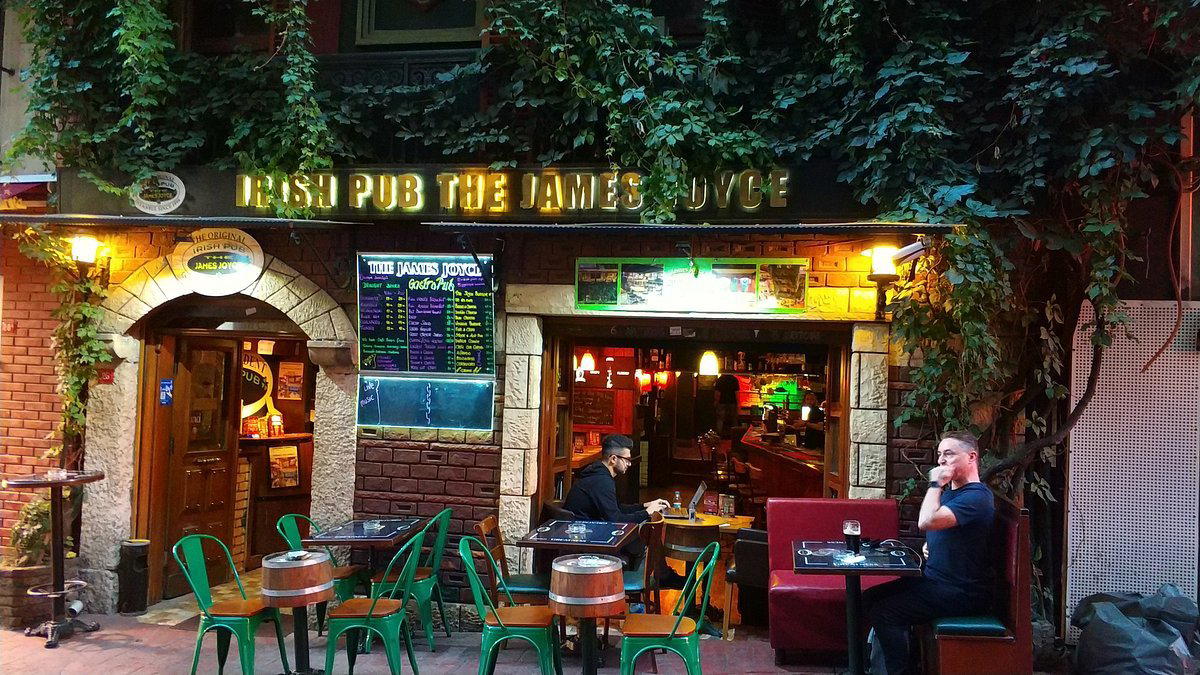
Restaurants in Istanbul
Browse all →
At a Glance
- Classic
- Elegant
- Well Known
- Sophisticated
- Ornate
- Romantic Getaway
- Anniversary
- Honeymoon
- Business Trip
- Historic Building
- Panoramic View
- Terrace
- Pool
- Spa
- Fitness Center
- Room Service
- Concierge
- Wi Fi
- Waterfront
- Skyline
- Pool
- Spa
- Fitness Center
- Room Service
- Concierge
- Wi Fi
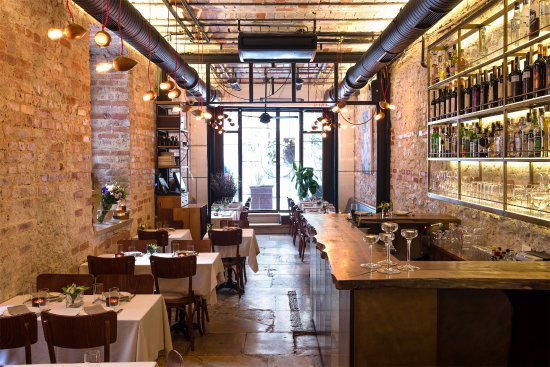
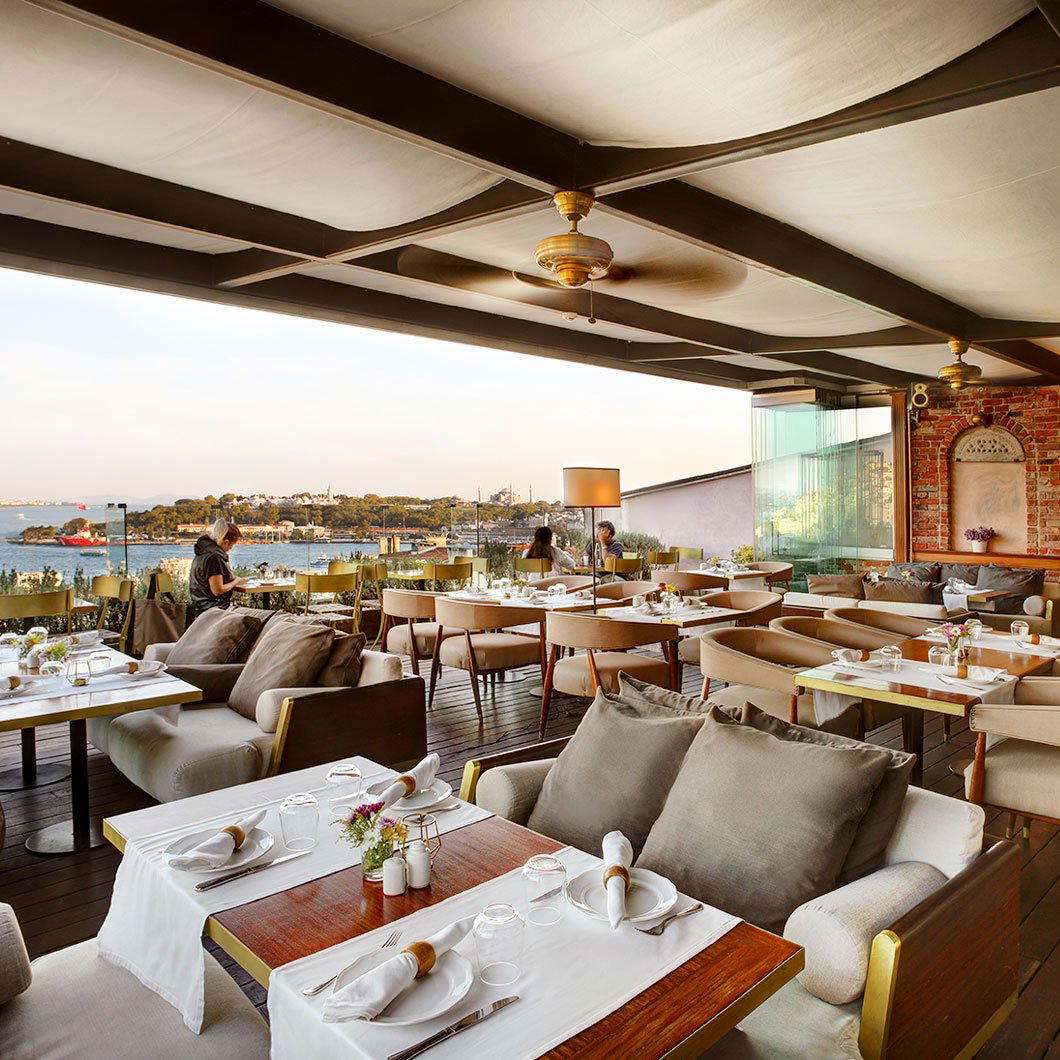
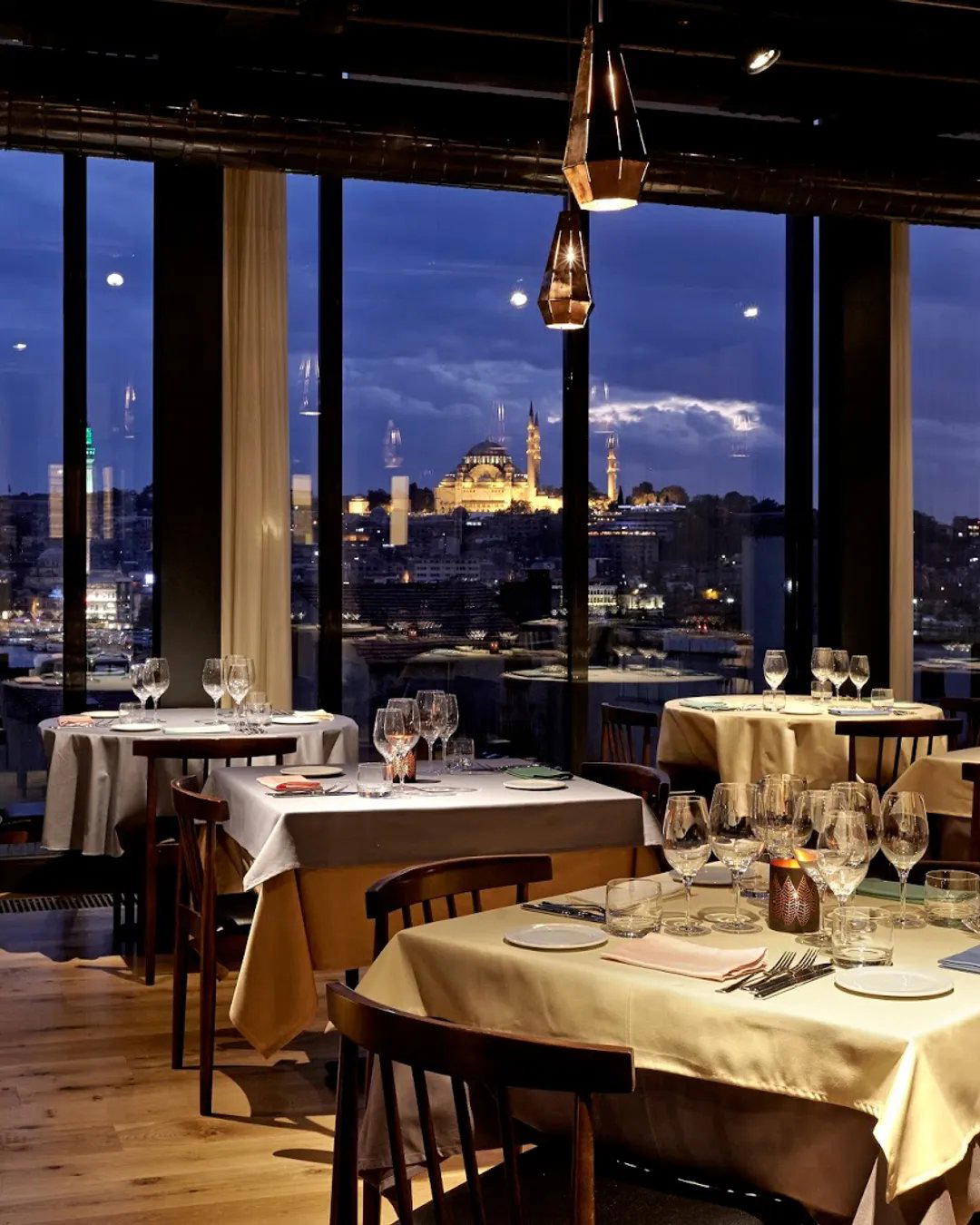
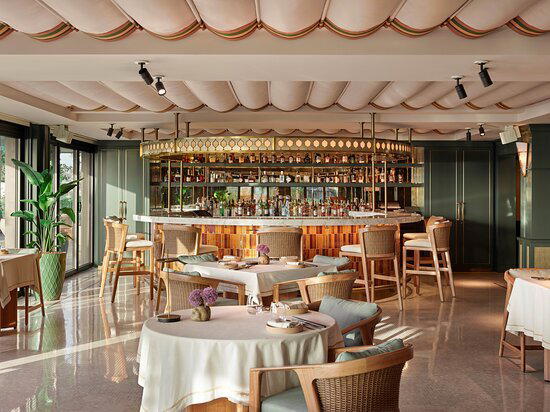
Elegant interiors blending Neoclassical, Art Nouveau, Orientalist, Ottoman, art nouveau, and art deco styles with high ceilings, sparkling chandeliers, marble arches, Murano chandeliers, and hand-woven carpets creating an ornate, bygone-era atmosphere.