Located along Civic Boulevard in Nangang District, amba Taipei Songshan occupies Taipei's eastward-expanding corridor, where design-forward hospitality has taken root alongside the city's tech and creative industries. The property sits within the amba brand's locally rooted approach to urban hotels, offering a grounded alternative to the five-star tower format that defines much of central Taipei's accommodation tier.
Pearl is the En Primeur Club membership app — saves, bookings, and concierge access live there. Same editors, same standards.
- Address
- No. 8號, Section 7, Civic Blvd, Nangang District, Taipei City, Taiwan 11562
- Phone
- +886 2 2653 2828
- Website
- amba-hotels.com
- Directions
- Get directions
 Saves & bookings on Pearl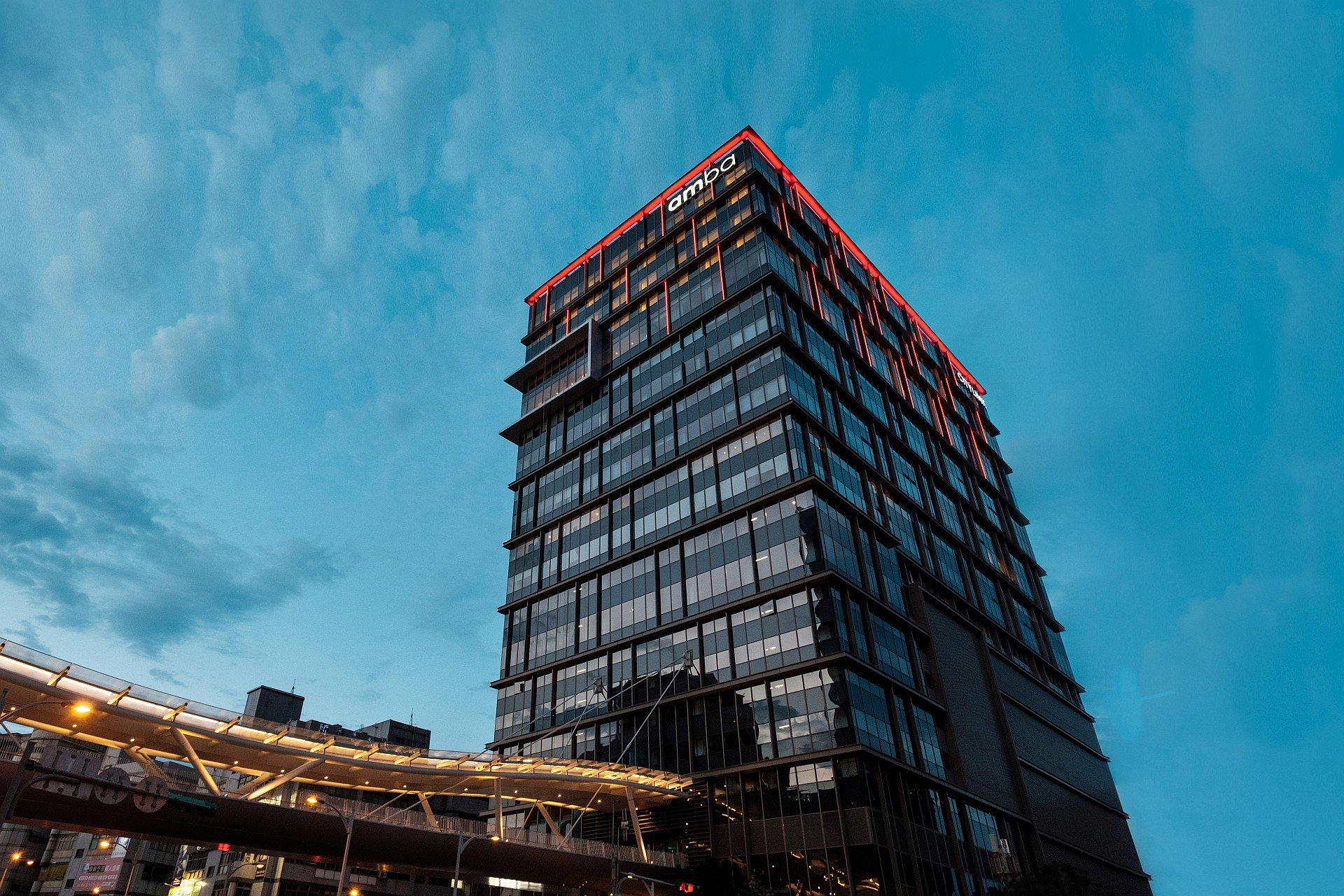
Nangang's New Coordinates
Taipei's hotel geography has shifted meaningfully over the past decade. While the Zhongshan, Xinyi, and Da'an districts continue to absorb the large international flags, the Nangang and Songshan corridors have developed a different character: less ceremony, more urban functionality. Civic Boulevard's eastern stretch, where amba Taipei Songshan sits at Section 7, No. 8, reflects this directional shift. The address places it close to the Nangang Exhibition Center, the Taipei Nangang Software Park, and a transit infrastructure that connects east Taipei to the broader MRT network without the congestion of the city's core. For visitors whose schedules run through this corridor, whether for trade events or as a base for exploring areas the typical Xinyi itinerary skips, the location is a practical argument in itself.
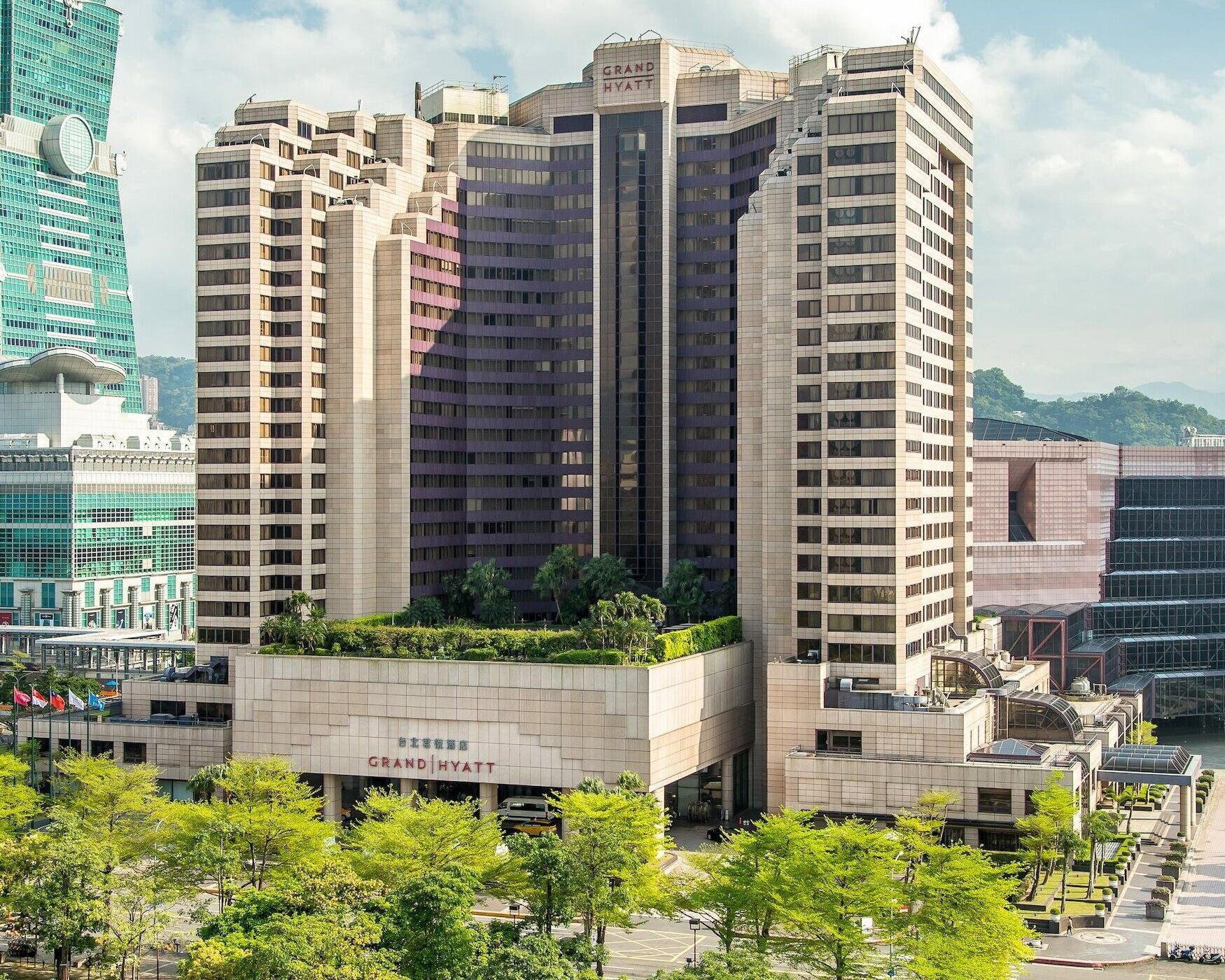
The amba brand, which operates a second Taipei property in Zhongshan (see amba Taipei Zhongshan 台北中山意舍酒店), occupies a distinct tier in the city's accommodation spectrum. It positions itself between the boutique lifestyle category and the full-service urban hotel, leaning toward locally grounded design sensibility rather than the internationally standardized luxury of properties like Grand Hyatt Taipei or Capella Taipei. That positioning is deliberate. Where the large-format luxury towers prioritize breadth of amenity, amba properties have historically oriented toward spatial design and a more compressed, edited guest experience.
The Physical Argument: Space as the Main Event
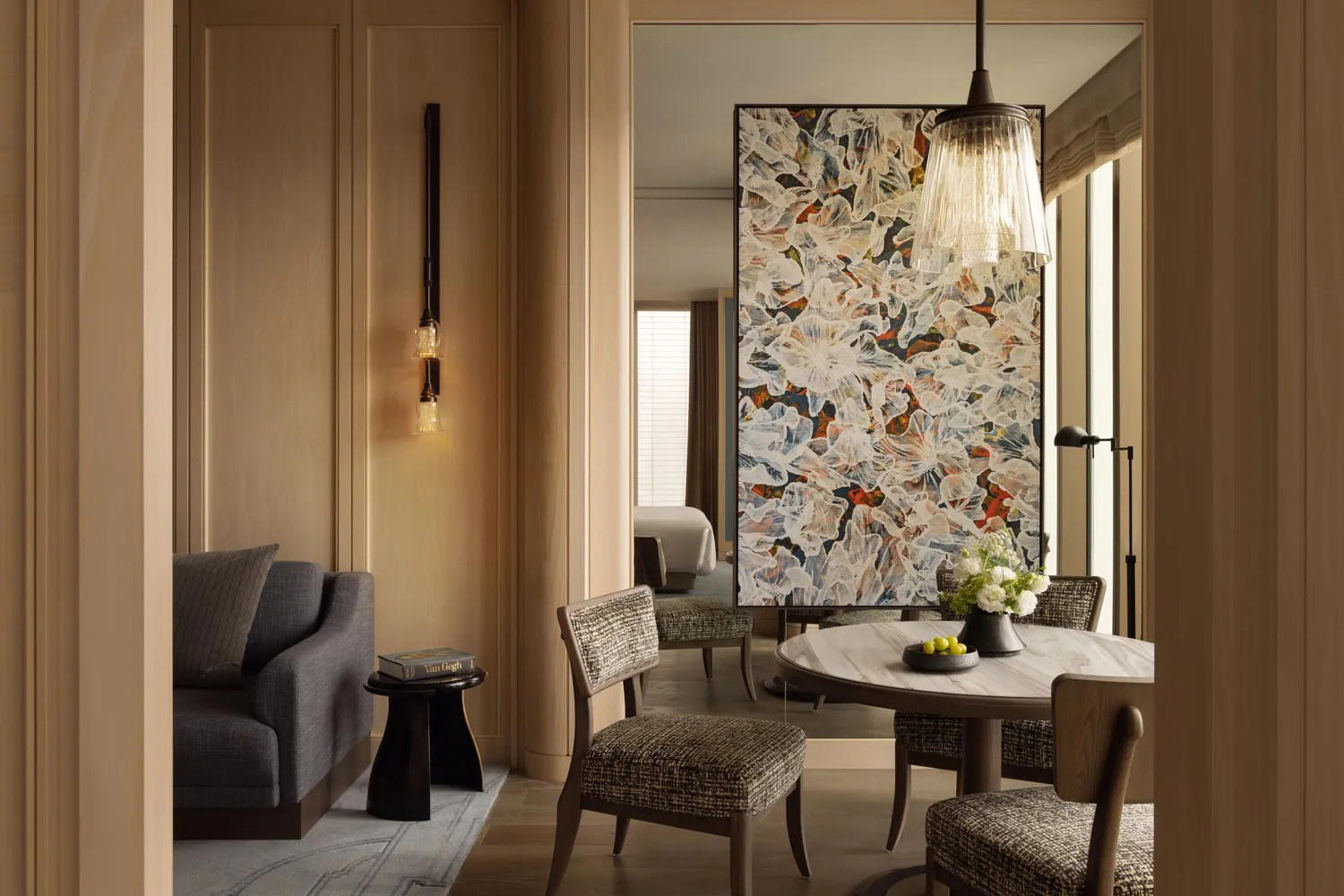
In Taipei's competitive urban hotel market, interior design has become a meaningful differentiator. The city has seen this play out across multiple price tiers: the Eslite Hotel built its identity around a bookseller's aesthetic, while properties like Hotel Metropolitan Premier Taipei have traded on heritage positioning. amba Songshan operates in a different register, one that favors contemporary Taiwanese design language over imported luxury codes.
The Nangang district context matters here. This is not a neighborhood shaped by old-money retail streets or heritage temple architecture; it is a zone of post-industrial transition and tech-sector investment, and the physical environment of a hotel in this location needs to make sense against that backdrop. Design-led properties in emerging urban corridors tend to succeed when their interiors function as a counterpoint to the surrounding streetscape rather than a replica of it. The amba approach, based on what the brand has demonstrated across its properties, tends toward clean lines, locally referential material choices, and spatial arrangements that prioritize the individual room experience over grand-lobby theatrics.
For travelers comparing this positioning to the more overtly ornate formats available elsewhere in Taipei, such as Grand Victoria Hotel or Grand Mayfull Hotel Taipei, the distinction is legible at the level of lobby encounter. Those properties announce themselves with scale and material density. A design-forward lifestyle hotel in the amba mold announces itself differently, through restraint and specificity rather than volume.
East Taipei as a Base: What the Location Unlocks
Travelers who default to Xinyi or Zhongshan as their Taipei base often underestimate how much of the city's texture sits east of those districts. Nangang's proximity to Songshan Airport (now primarily handling cross-strait and regional routes) gives it a transit logic that the central districts lack. The Nangang Exhibition Center MRT station connects directly to Taipei Main Station and onward to the high-speed rail hub at Banqiao, making intercity travel to Taichung, Tainan, or Kaohsiung direct from this eastern anchor.
For those extending a Taipei stay into broader Taiwan itineraries, the eastern base position also reduces transit friction when heading toward Hualien and the east coast. Travelers considering add-on nights at properties like Grand Cosmos Resort Ruisui, Hualien in Hualien County or weekend excursions to Evergreen Resort Hotel (Jiaosi) in Yilan will find the Nangang coordinates more efficiently positioned than a central Taipei hotel for those departures. Similarly, travelers building itineraries that include Hoshinoya Guguan in Taichung or Hotel Beore Sun Moon Lake in Nantou benefit from the HSR access that Nangang's rail connection facilitates.
Within the district itself, the neighborhood around Civic Boulevard's eastern section has expanded its dining and coffee infrastructure over recent years, tracking the area's professional demographic. It is not the night market density of Shilin or the refined restaurant strip of Xinyi, but it offers a more local cadence that some travelers actively prefer. For a broader picture of where amba Songshan sits in Taipei's overall dining and accommodation picture,
Planning Context: Seasonal Timing and the Nangang Calendar
Taipei's hotel demand patterns are shaped by a combination of international conference calendars and domestic travel flows. The Nangang Exhibition Center is one of Asia's more active convention venues, and its event schedule directly influences room availability and pricing in the surrounding district. The Computex technology trade fair, which typically runs in late May or early June, drives peak demand across east Taipei hotels, and the Nangang location places amba Songshan squarely within that pressure zone. Travelers with flexibility should note that the weeks around major exhibition dates represent the district's highest-demand window.
Autumn, from October through November, is broadly considered Taipei's most comfortable visiting season: humidity drops, temperatures moderate, and the city's outdoor spaces become more navigable. This window also tends to fall between the major exhibition cycles, making it a period when both the district's hotels and the broader city are operating without the compression of conference demand. For travelers comparing this timing against resort options elsewhere in Taiwan, properties like Gloria Manor in Kenting National Park or YOHO Beach Resort in Pingtung peak during different seasonal windows, giving the east Taipei urban stay a distinct timing logic.
For those whose itineraries combine Taipei with a spa or nature retreat, options like Volando Urai Spring Spa & Resort in Wulai District or Hotel Indigo Alishan provide natural counterpoints to the urban density of a Nangang base. The The Lalu Hotel in Yuchi and Grasse Grace Manor in Miaoli represent further alternatives for travelers building multi-property Taiwan circuits.
Same-City Peers
Comparable venues nearby, for context on price, style, and recognition.
| Venue | Cuisine | Price | Notes |
|---|---|---|---|
| amba Taipei SongshanThis venue — the venue you are viewing | Modern urban design hotel supporting local artists | $$$ | Not listed |
| EPISODE Daan Taipei - JDV by Hyatt | Contemporary design-led boutique hotel with 'Less But Better' concept, positioned as a social destination blending urban sophistication with modern comfort. | $$$ | Renci |
| amba Taipei Zhongshan 台北中山意舍酒店 | Stylish boutique hotel with playful modern design in a culturally rich neighborhood. | $$$ | Zhongshan |
| Hyatt Centric East Taipei | Upscale urban lifestyle hotel | $$$ | East Taipei |
| The Grand Hotel | Chinese palace-style landmark hotel with classical Chinese architecture and modern luxury amenities; designed to promote Chinese culture through extravagant design. | $$$$ | Mingsheng |
| Éclat Hotel Taipei | Luxury art boutique hotel blending fashion, art, and professional service. | $$$$ | Yi'an |
Continue exploring
More in Taipei
Hotels in Taipei
Browse all →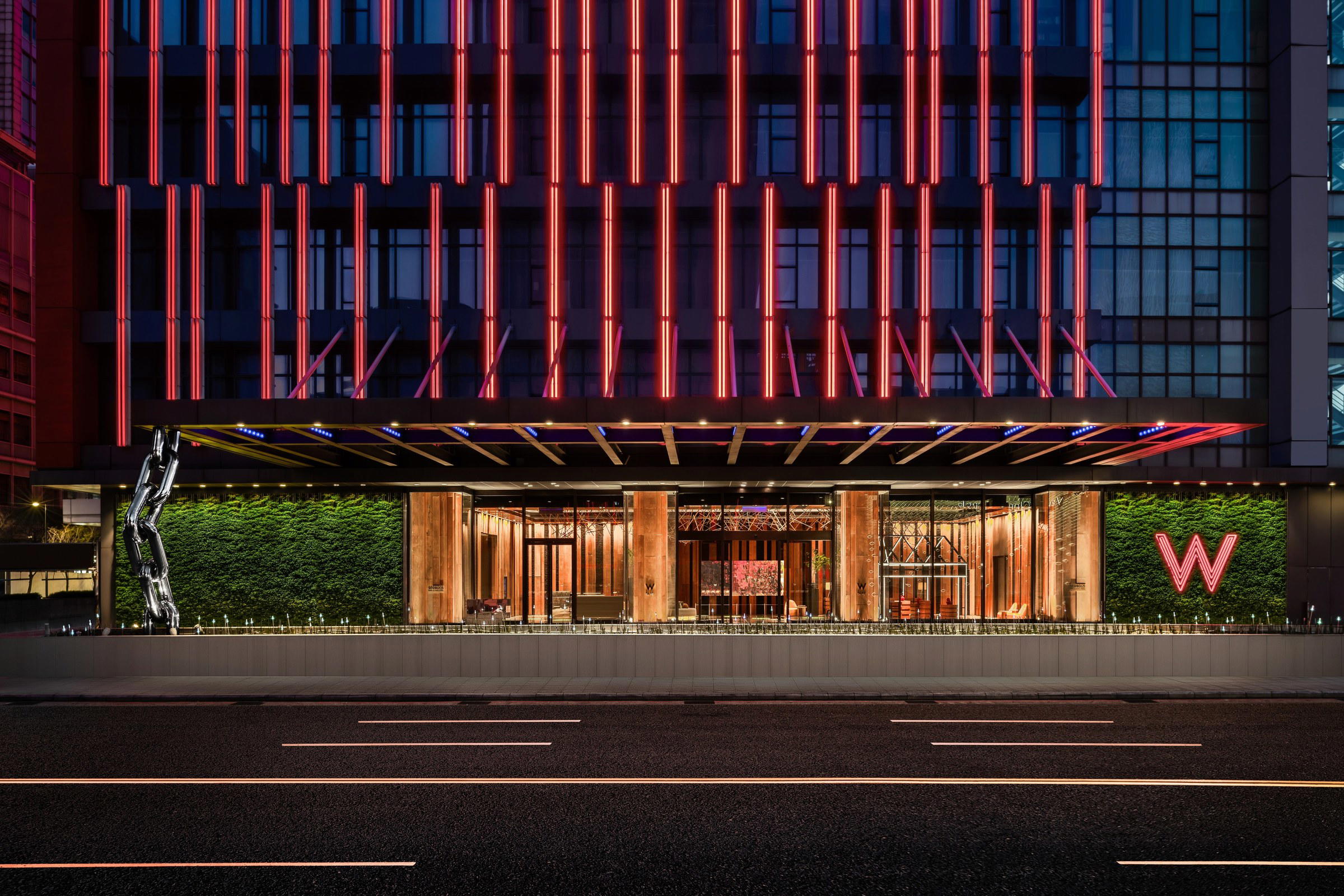
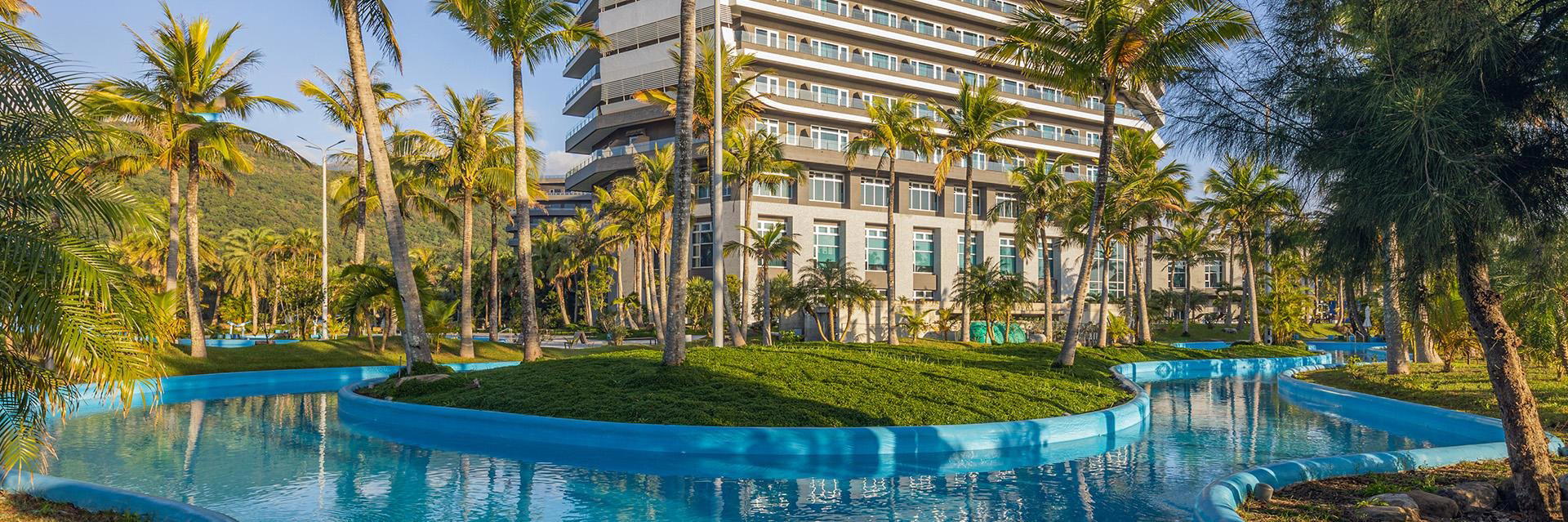
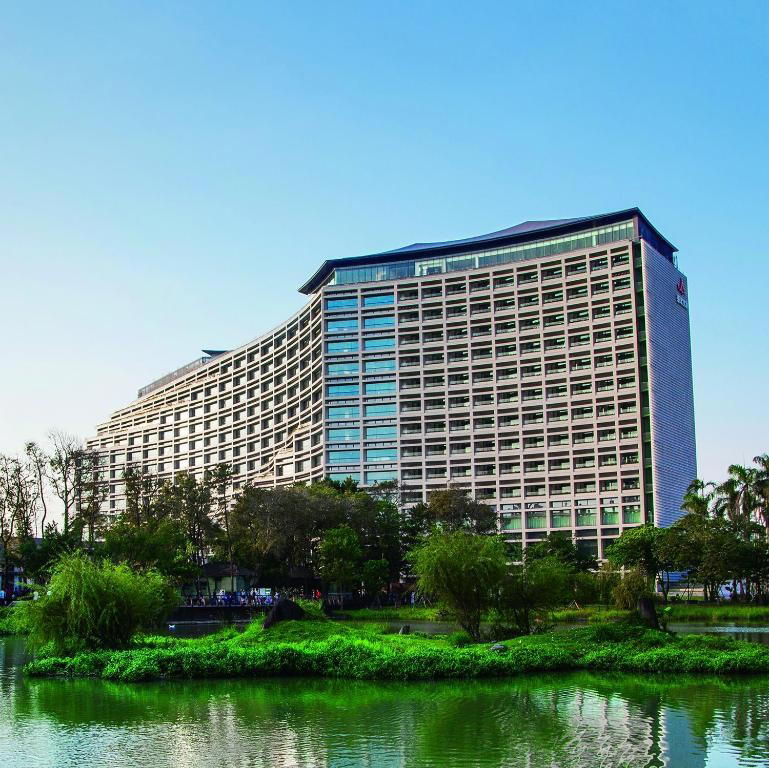
Bars in Taipei
Browse all →
Restaurants in Taipei
Browse all →
Wineries in Taipei
Browse all →
At a Glance
- Modern
- Trendy
- Minimalist
- Elegant
- Business Trip
- Weekend Escape
- Panoramic View
- Wi Fi
- Fitness Center
- Skyline
- Mountain
- Wi Fi
- Fitness Center
Bright and airy with clean, minimalistic interiors, oversized bamboo lanterns, and dramatic city skyline views from high floors.