Eurostars Bilbao sits in a city where hotel choice is inseparable from architecture, riverfront renewal, and the practical rhythm of gallery days, pintxo evenings, and business travel. With no published awards, star rating, price band, or booking details in the available record, it reads as a low-key Bilbao option to assess against design-led peers rather than a trophy hotel.

Pearl is the En Primeur Club membership app — saves, bookings, and concierge access live there. Same editors, same standards.
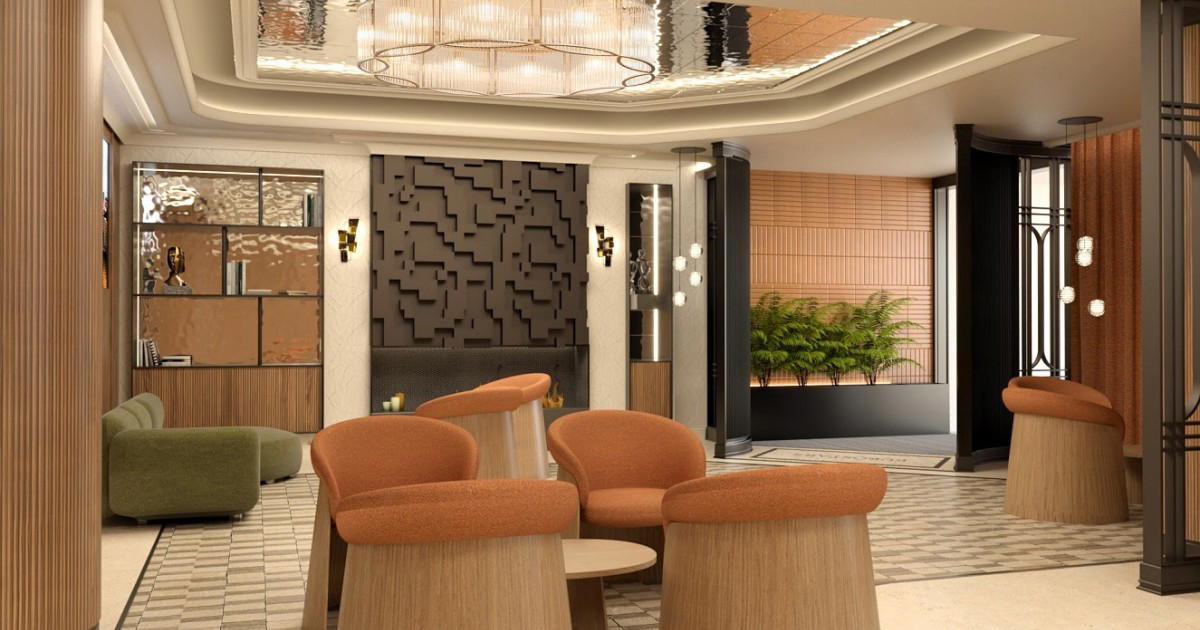
Bilbao through its buildings, not just its beds
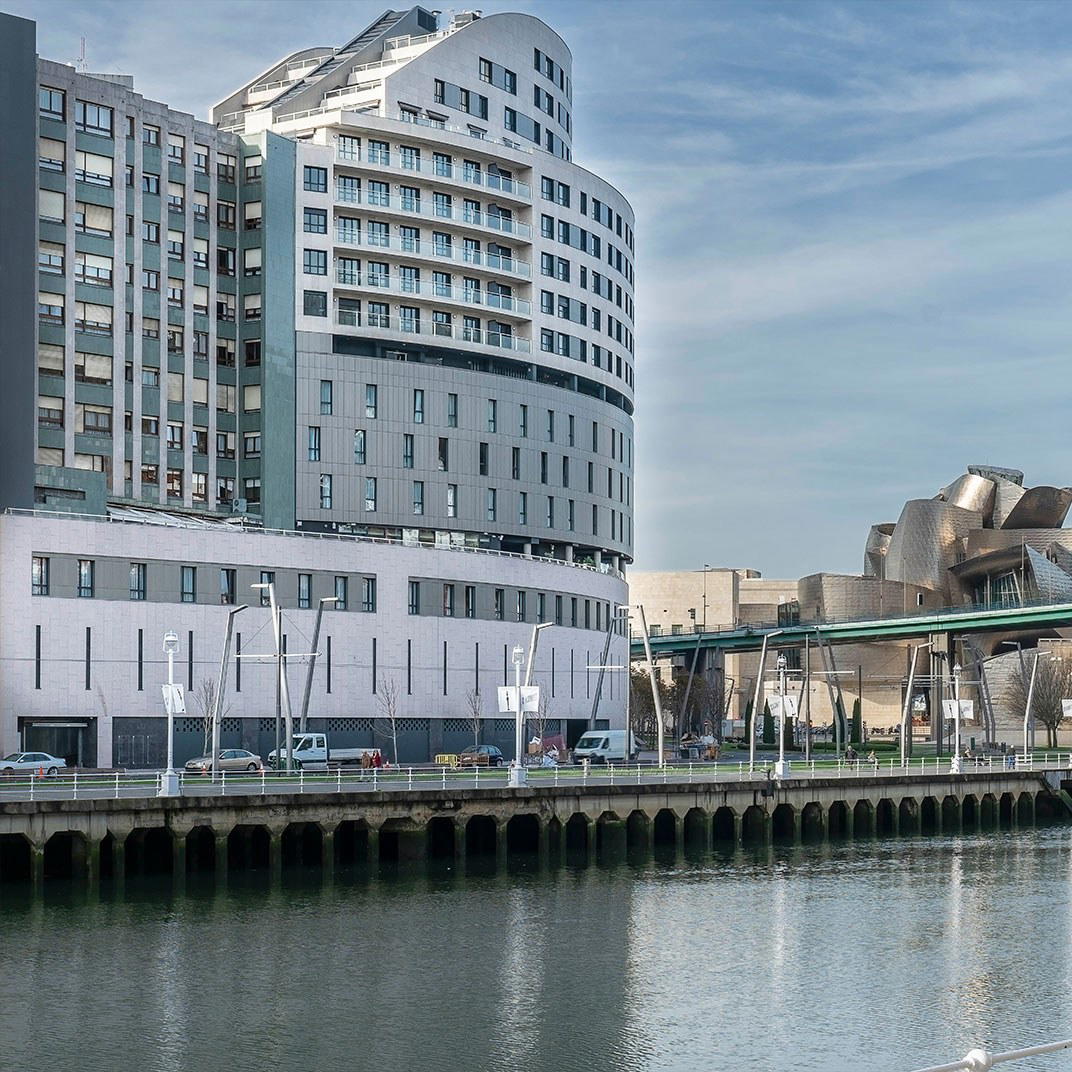
Arriving in Bilbao, the first impression is architectural rather than ornamental: stone apartment blocks, steel bridges, glassy cultural buildings, and the Nervión river pulling the city into a cleaner, more deliberate order. That matters for any hotel here. Bilbao is not a resort city where the property can detach itself from the street; it is a compact urban place where a hotel’s value depends on how it fits into gallery routes, business schedules, late pintxo circuits, and the daily movement between river, old town, and newer commercial districts.
Eurostars Bilbao should be read through that civic frame. That absence is not a small detail for a premium traveller. In Bilbao, where hotel decisions often come down to specific neighbourhood position and design identity, missing practical data pushes the evaluation away from claims and toward comparison: how does a stay behave inside the city’s built environment, and what should a traveller verify before committing?
The useful starting point is Bilbao’s hotel culture itself. The city’s contemporary travel identity was reshaped by architecture, especially after the Guggenheim Museum Bilbao opened in 1997 and helped turn former industrial edges into visitor territory. Hotels now compete not only on service language but on their relationship to that post-industrial fabric: some face the museum zone, some lean into the old town, some work as discreet business bases, and some sell a sharper design proposition. Eurostars Bilbao belongs in that conversation because the city makes architecture part of the stay, even when a specific property record is thin.
The Bilbao hotel decision is a design decision
Bilbao rewards travellers who think in zones. The Abando and Ensanche areas suit those who want a polished commercial base with easy access to shops, offices, and the river. Casco Viejo carries the weight of pintxo culture and older street patterns, with more foot traffic and a denser evening mood. The Guggenheim side places the city’s late twentieth-century reinvention in the foreground. Without a confirmed address in the record, Eurostars Bilbao cannot be responsibly positioned in one of those micro-areas, so the first editorial recommendation is verification: confirm the exact location, then judge it against the type of Bilbao trip being planned.
That may sound procedural, but it is the difference between a clean Bilbao weekend and an inefficient one. A museum-led itinerary benefits from proximity to the river corridor. A food-led trip needs easy movement between the old town and newer dining rooms. A business stay may care more about tram or taxi access than view or neighbourhood romance. Bilbao is compact, yet the experience changes block by block; a hotel that looks comparable on a booking screen can feel entirely different once daily crossings, late dinners, and rainy-season movement enter the calculation.
Hotel Miro is typically assessed through its relationship to the museum district and a boutique design register. Palacio Arriluce brings a more residential, heritage-inflected Basque Country reading outside the purely central business-hotel mold. Tayko Bilbao sits closer to the design-hospitality conversation around old-city access and contemporary interiors. The Artist Grand Hotel of Art speaks directly to Bilbao’s museum-facing luxury tier, while Vincci Consulado de Bilbao is part of the riverfront urban-stay comparison. Against that field, Eurostars Bilbao needs to be judged on confirmed location, room category, and price at the time of travel rather than on assumed prestige.
Why the absence of awards and price data matters
Premium hotel writing often overstates atmosphere when the hard facts are missing. That places the property outside the evidence-heavy tier where Michelin Keys, major travel-award recognition, formal palace-hotel heritage, or named design authorship can do immediate work for the reader. The practical effect is clear: this is not a page where awards should be used to imply status. The safer reading is that Eurostars Bilbao should be approached as a potentially functional Bilbao base whose value depends on current rates, room specification, cancellation terms, and exact geography.
That does not diminish the relevance of the hotel. In cities with strong cultural infrastructure, mid-to-upper urban hotels often carry a large share of the actual travel market. They serve visitors who want clean access to museums, restaurants, meetings, and onward transport rather than a property that dominates the trip. Bilbao supports that kind of stay well. The city’s appeal is distributed across art, food, river walks, football culture, and regional day trips; a hotel does not need theatricality to be useful. It does need to be located intelligently and priced honestly against its competitors.
For context beyond Bilbao, Spain’s premium hotel spectrum is broad. Mandarin Oriental Ritz, Madrid in Madrid sits in the capital’s grand-hotel category, where history, service depth, and formal recognition matter. Mandarin Oriental Barcelona in Barcelona occupies a different urban-luxury register, tied to Passeig de Gràcia and international-brand expectations. Rural and wine-country properties such as Terra Dominicata in Escaladei, Abadía Retuerta LeDomaine in Teruel, and Torre del Marqués Hotel Spa & Winery in Sardoncillo use landscape, wine estates, or historic buildings as their central arguments. Bilbao’s city hotels operate differently: they are judged by urban precision.
The city around the stay: art, pintxos, and compact movement
Bilbao’s strongest travel pattern is not a sealed resort rhythm but a sequence: museum or architecture walk during the day, aperitivo or pintxos in the early evening, then a late dinner or a quieter drink. The city’s food culture is Basque but urban, with pintxo bars, seafood restaurants, grill traditions, and newer dining rooms coexisting within short travel times. For a hotel guest, the key question is not whether the property contains a destination restaurant; the more relevant issue is how easily it plugs into the wider dining map.
Because the record for Eurostars Bilbao includes no cuisine type, chef, bar program, or restaurant details, no claim should be made about an in-house dining identity. That makes the surrounding city more important. Travellers should use Our full Bilbao restaurants guide for meal planning, especially if the trip includes weekend nights or a limited window for bookings. The same logic applies to drinks: Our full Bilbao bars guide is the better reference point than assuming a hotel bar will carry the evening. For broader planning, Our full Bilbao hotels guide, Our full Bilbao wineries guide, and Our full Bilbao experiences guide help connect the stay to the region rather than treating the room as the whole trip.
Seasonality also affects the read. Bilbao has a wetter Atlantic climate than Spain’s Mediterranean cities, and that changes hotel priorities. Covered approaches, short transfers, reliable transport access, and a central base carry more weight in rainy months than they might in Seville or Mallorca. Summer brings longer daylight and a more visitor-heavy rhythm, while autumn and spring can suit travellers who care about museums and restaurants more than beach weather.
Architecture as Bilbao's real amenity
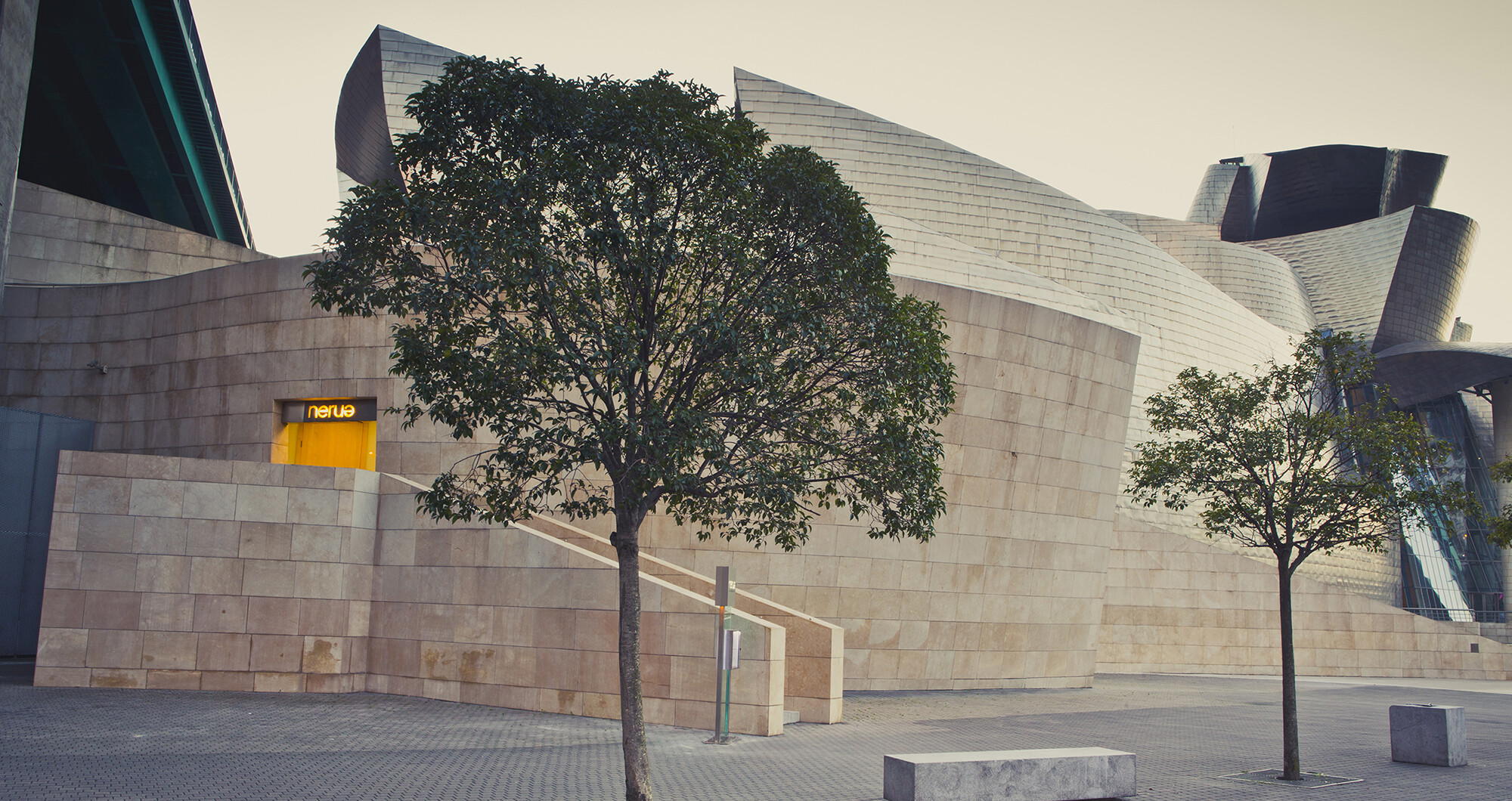
Design-led travel in Bilbao is rarely limited to a lobby. The city itself supplies the visual argument: Frank Gehry’s titanium museum, Norman Foster’s metro entrances, Santiago Calatrava’s Zubizuri bridge, and the older stone density of Casco Viejo create a layered urban composition. A hotel here enters a demanding room. Generic interiors feel flatter in Bilbao because the street outside has already raised the architectural stakes.
That is why an architecture-first reading of Eurostars Bilbao has to be careful. A responsible article cannot invent those facts. What can be said is that any hotel in Bilbao is competing with a city that made design a public asset. Travellers attuned to architecture should ask for current room photographs, floor information, window orientation, and proximity to the buildings they plan to see. Those details will matter more than broad claims about style.
Comparisons help sharpen the decision. Spain’s design-hotel category ranges from art-led city hotels to restored monasteries and coastal fortresses. Atrio Restaurante Hotel in Cáceres ties contemporary hospitality to a serious restaurant identity and historic urban fabric. Pepe Vieira Restaurant & Hotel in Poio connects lodging with a chef-led Galician experience. Casa Beatnik Hotel in A Coruña uses a more expressive rural-hospitality language. Cap Rocat in Cala Blava draws force from military architecture and coastal isolation, while Hotel Can Ferrereta in Santanyí works through Mallorcan townhouse restraint. Bilbao’s version is more urban and compressed: architecture is encountered between appointments, not only from a terrace.
Who will read this hotel correctly
The right guest for this kind of Bilbao stay is practical, design-aware, and unwilling to pay for symbolism without evidence. If current rates place Eurostars Bilbao below the museum-facing luxury bracket, it may make sense as a base for travellers who will spend their budget on restaurants, galleries, and regional excursions. If rates rise into the same territory as more documented design or luxury competitors, the case becomes weaker unless the room category, location, and cancellation terms carry the difference.
The energy level also appears likely to be low-key rather than high-energy, based on the available record. There is no supplied evidence of a destination bar, chef-led dining room, nightlife positioning, or award circuit presence. In Bilbao, that can be an advantage for travellers using the hotel as a calm platform. The city’s social life is outside, in bars, markets, football nights, and restaurant streets; a quieter hotel can suit a schedule built around those external rhythms.
International comparisons show how specific Bilbao’s choice can be. Marbella Club Hotel in Marbella belongs to a resort tradition where the property itself defines much of the day. La Residencia, A Belmond Hotel, Mallorca in Mallorca relies on village setting and island leisure patterns. Outside Spain, The Fifth Avenue Hotel in New York City, Hôtel de Paris Monte-Carlo in Monte Carlo, and Badrutt's Palace Hotel in St. Moritz operate in cities or resorts where name recognition and social theatre carry heavier weight. Bilbao is less forgiving of empty grandeur. It asks whether the stay helps the traveller use the city well.
Planning notes before committing
Confirm the official booking channel through a verified source, compare rates across refundable and non-refundable terms, check the exact map position, and review current room photographs before selecting a category. If arriving by train, airport transfer, or rental car, confirm arrival logistics directly through a current listing rather than relying on assumptions. Bilbao is manageable, but its rain, hills, river crossings, and one-way traffic can make small distances feel less simple with luggage.
For dining-led stays, plan restaurants separately from the hotel booking. Bilbao’s serious meals and pintxo crawls are often neighbourhood-specific, and the stronger itinerary comes from matching hotel location to dinner plans rather than hoping convenience solves itself later. For architecture-led stays, place the museum district, river bridges, metro access, and old town walking routes on the map before committing.
How It Compares
Comparable venues nearby, for context on price, style, and recognition.
| Venue | Cuisine | Price | Awards | Notes |
|---|---|---|---|---|
| Eurostars BilbaoThis venue — the venue you are viewing | Premium urban four-star hotel in a restored landmark riverside building, positioned for comfort-focused city stays. | $$$ | 4-Star | Not listed |
| Vincci Consulado de Bilbao | Contemporary nautical-inspired design hotel positioned as a modern architectural landmark blending maritime heritage with luxury hospitality. | $$$ | 4-Star | Paseo de Abandoibarra |
| Hotel Miro | Contemporary boutique hotel with minimalist design philosophy created by renowned fashion designer Antonio Miró. | $$$ | 4-Star | City Center |
| Palacio Arriluce | Historic family palace blending aristocratic heritage with modern luxury | $$$$ | 5-Star | Getxo |
| Tayko Bilbao | Boutique hotel in historic building with modern interiors | $$$ | 4-Star | Casco Viejo |
| The Artist Grand Hotel of Art | Contemporary luxury design hotel celebrating Basque art and culture with curated contemporary artworks integrated throughout the property. | $$$$ | Michelin 1 Key | Ensanche |
At a Glance
- Elegant
- Classic
- Scenic
- Historic
- Sophisticated
- Business Trip
- Weekend Escape
- Romantic Getaway
- Family Vacation
- Waterfront
- Historic Building
- Waterfront
- Street Scene
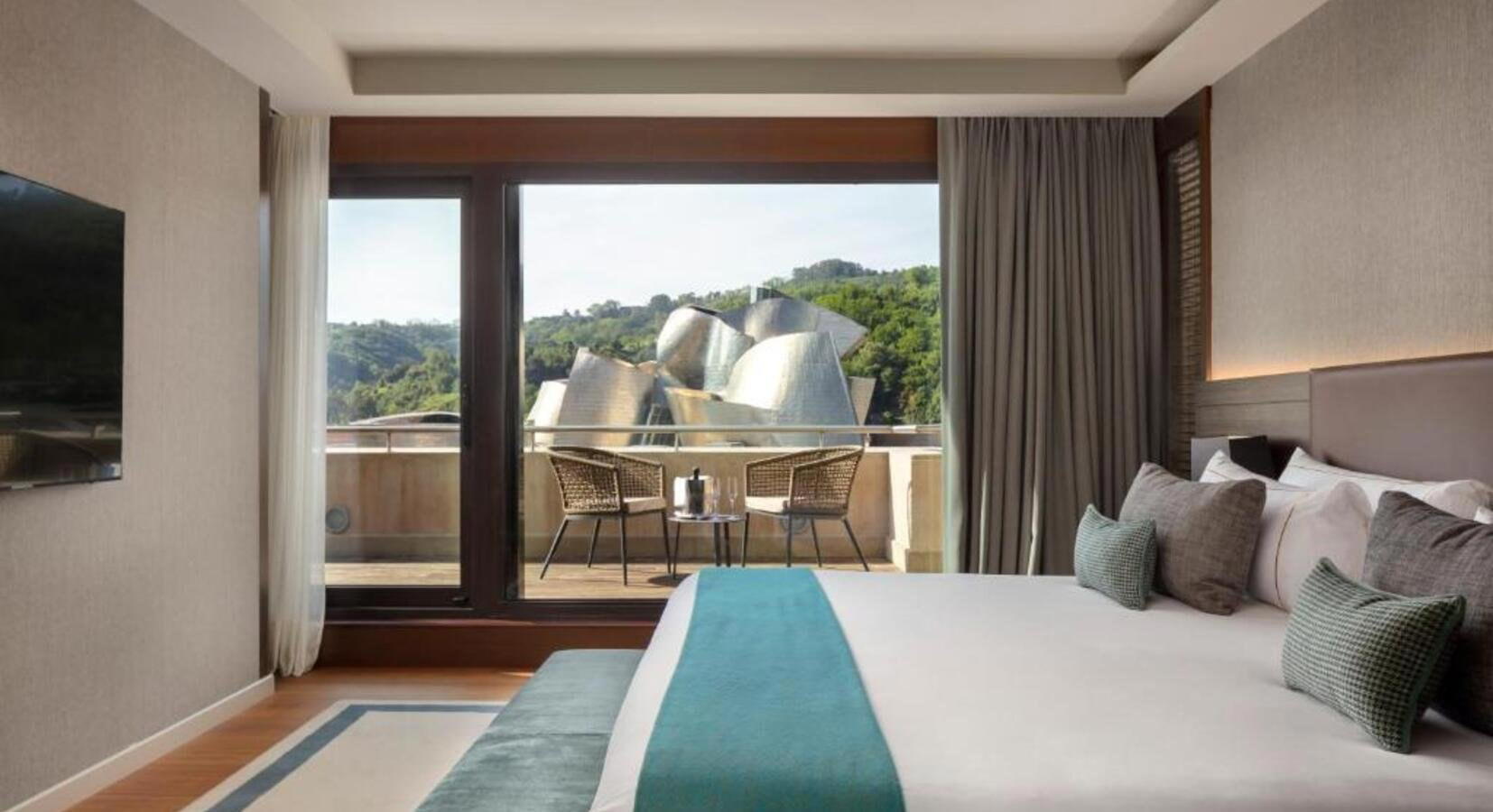
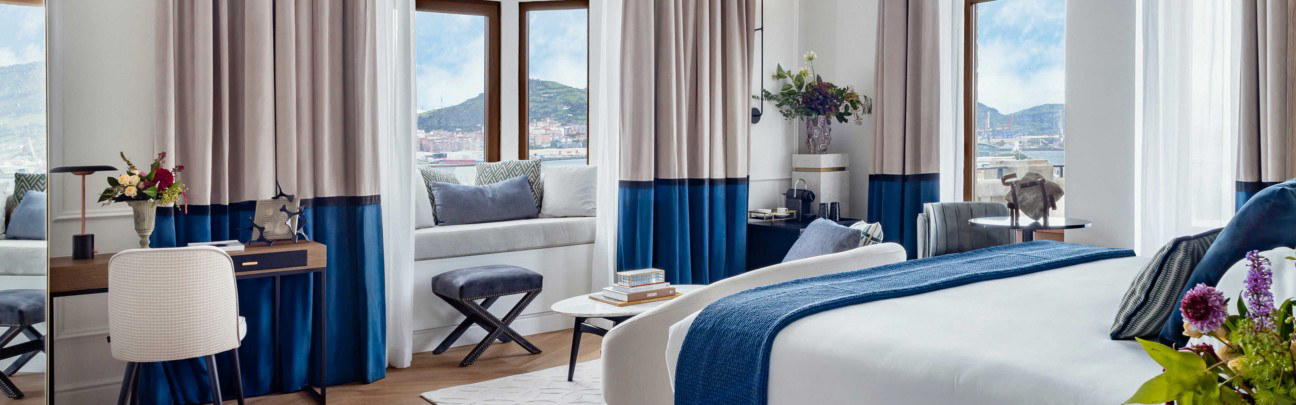
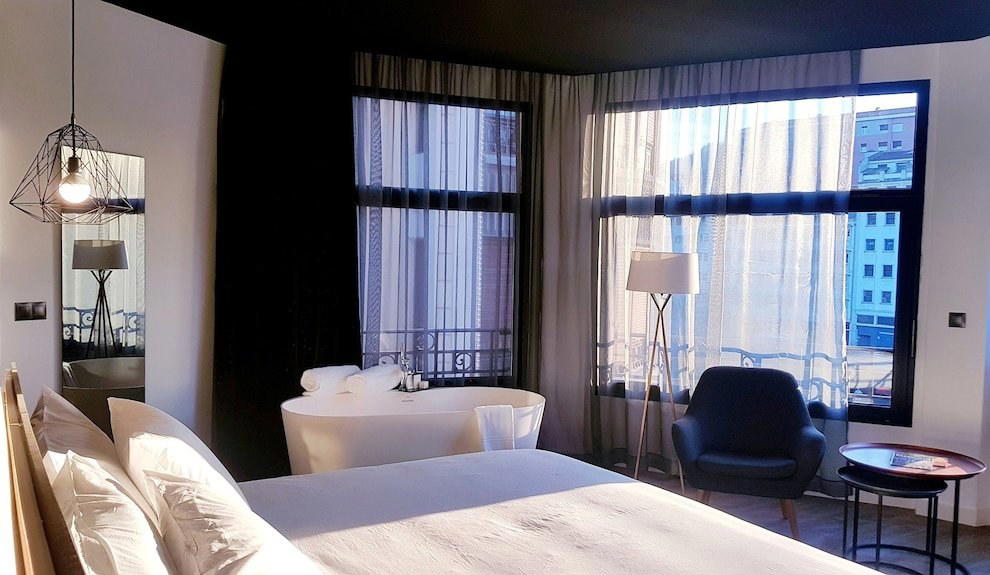
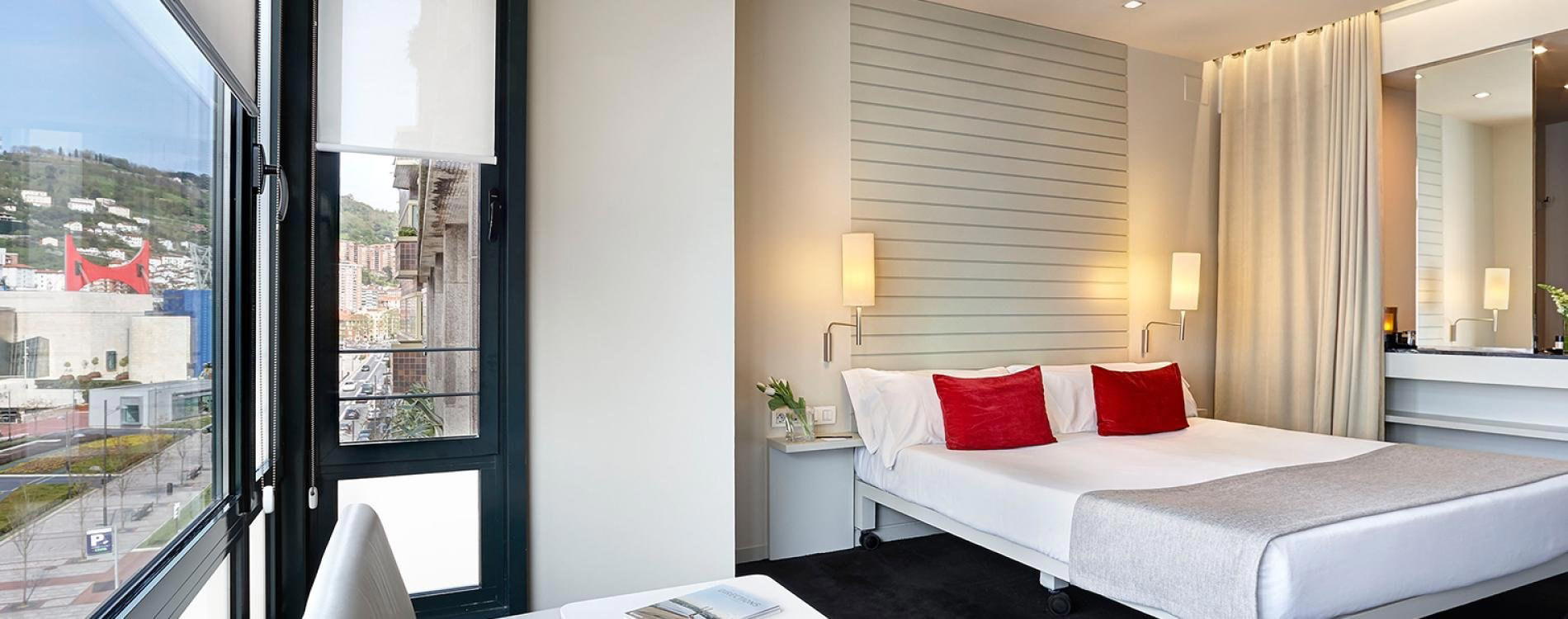
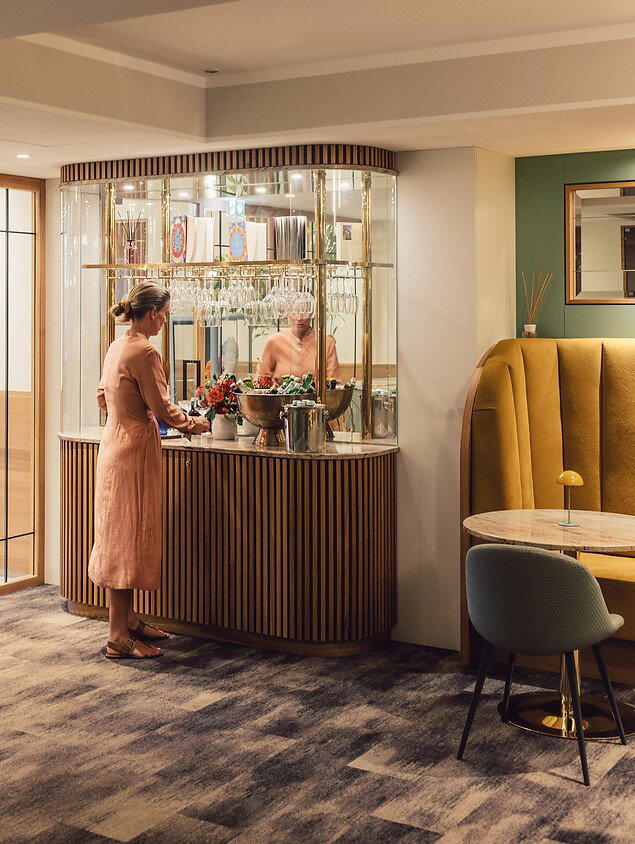
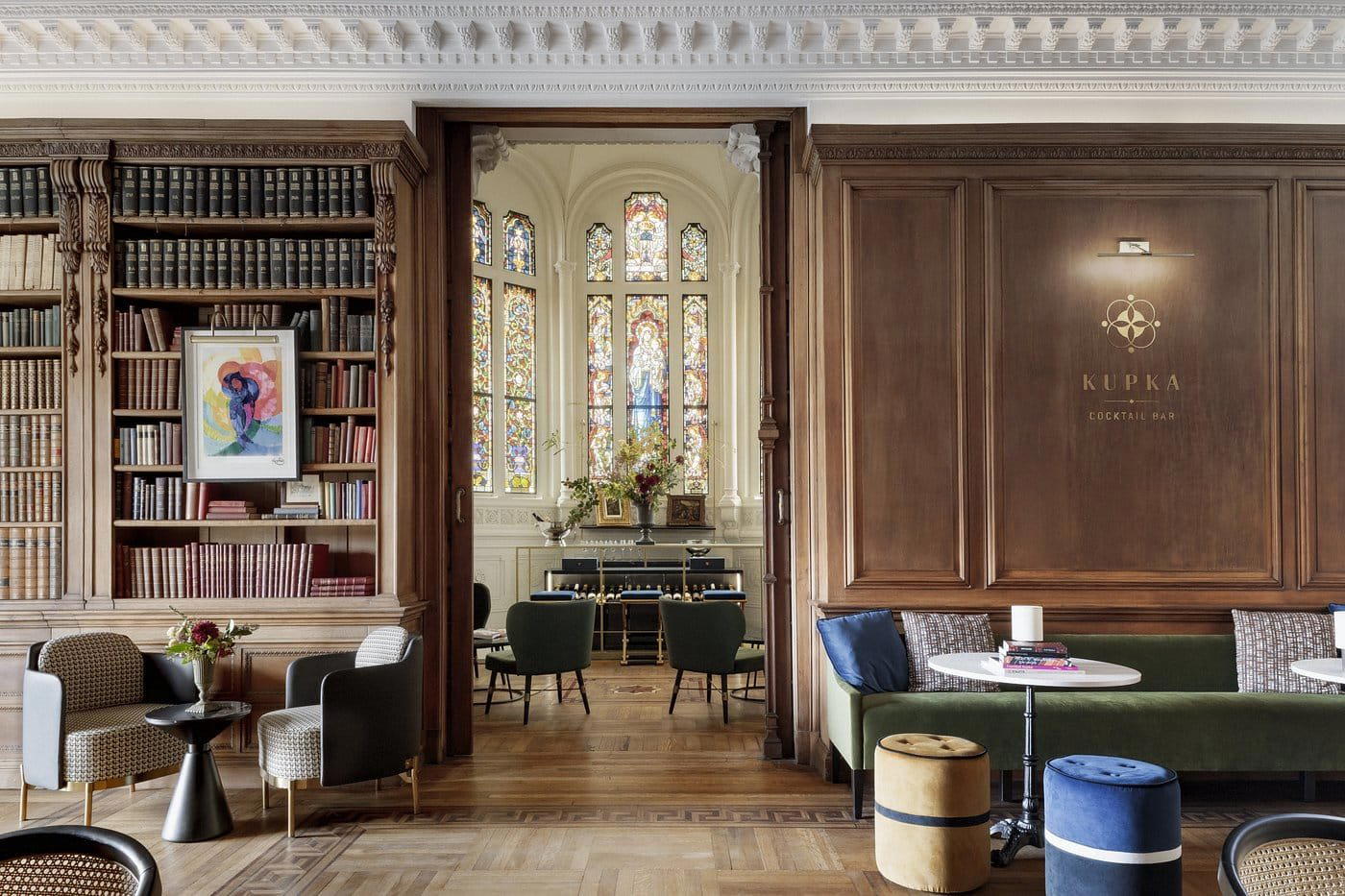
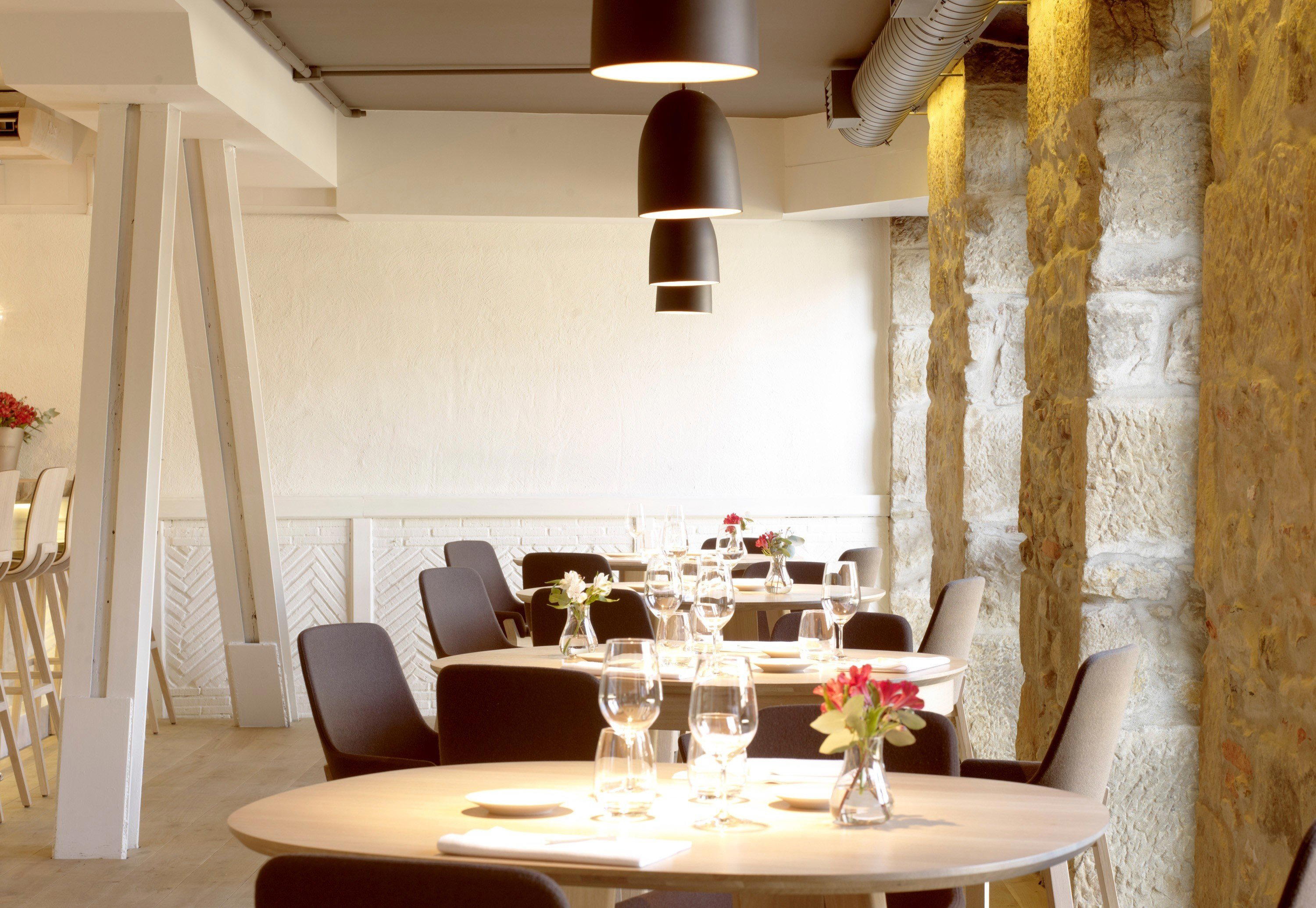
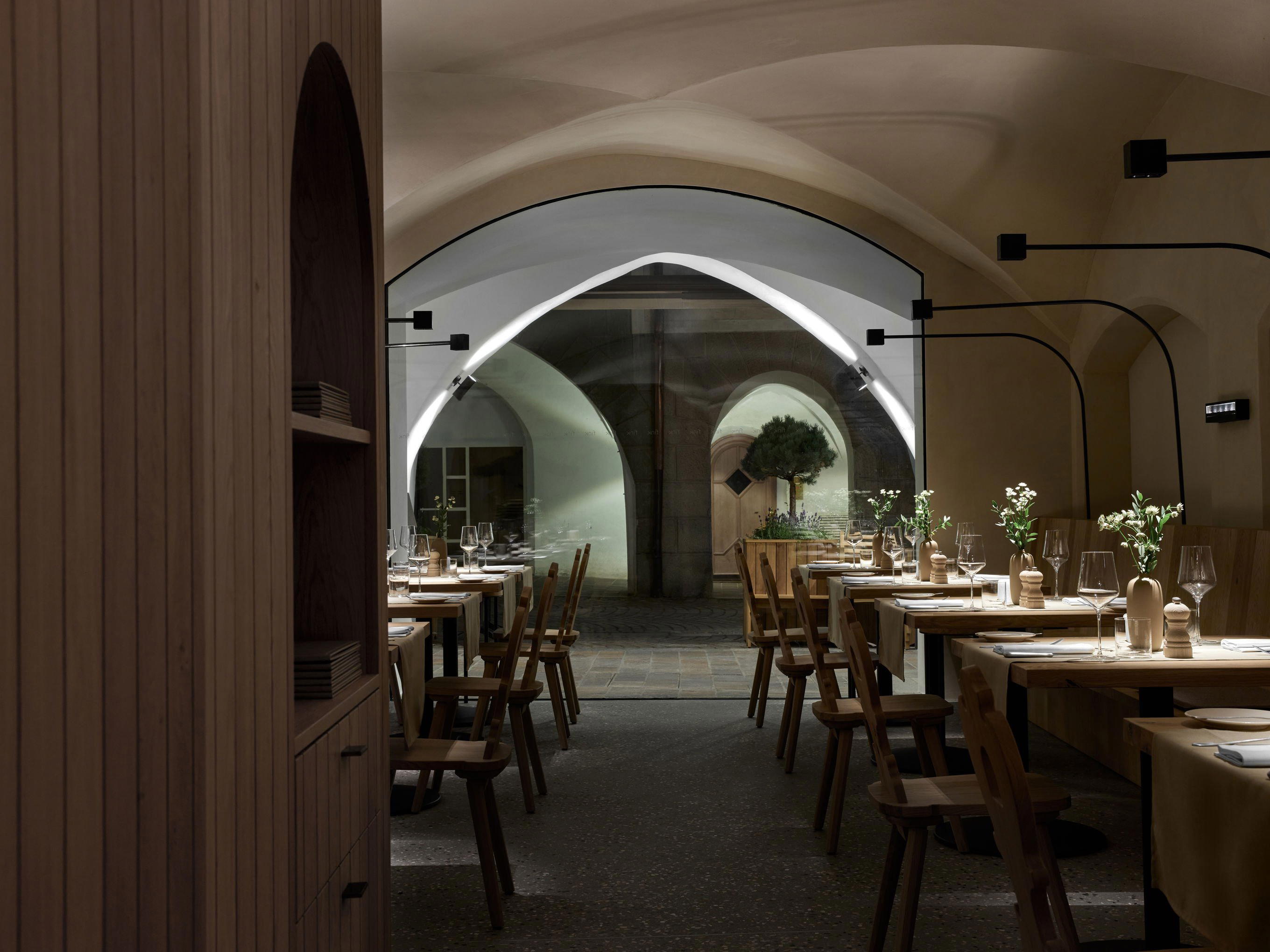
Planned as a premium urban hotel blending the character of a historic riverside building with contemporary, comfortable interiors aimed at urban travellers.