



Zarate occupies a precise position in Bilbao's seafood scene: a one-Michelin-star restaurant in the Abando district where daily fish sourcing from the ports of Lekeitio and Ondarroa drives every decision on the menu. Two tasting menus — 15 and 20 courses — sit alongside an à la carte, making it one of the city's most considered addresses for Cantabrian fish cookery.
Pearl is the En Primeur Club membership app — saves, bookings, and concierge access live there. Same editors, same standards.
- Address
- Poza Lizentziatuaren Kalea, 65, Abando, 48013 Bilbao, Bizkaia, Spain
- Phone
- +34 944 41 65 21
- Website
- zarate.restaurant
- Directions
- Get directions
 Saves & bookings on Pearl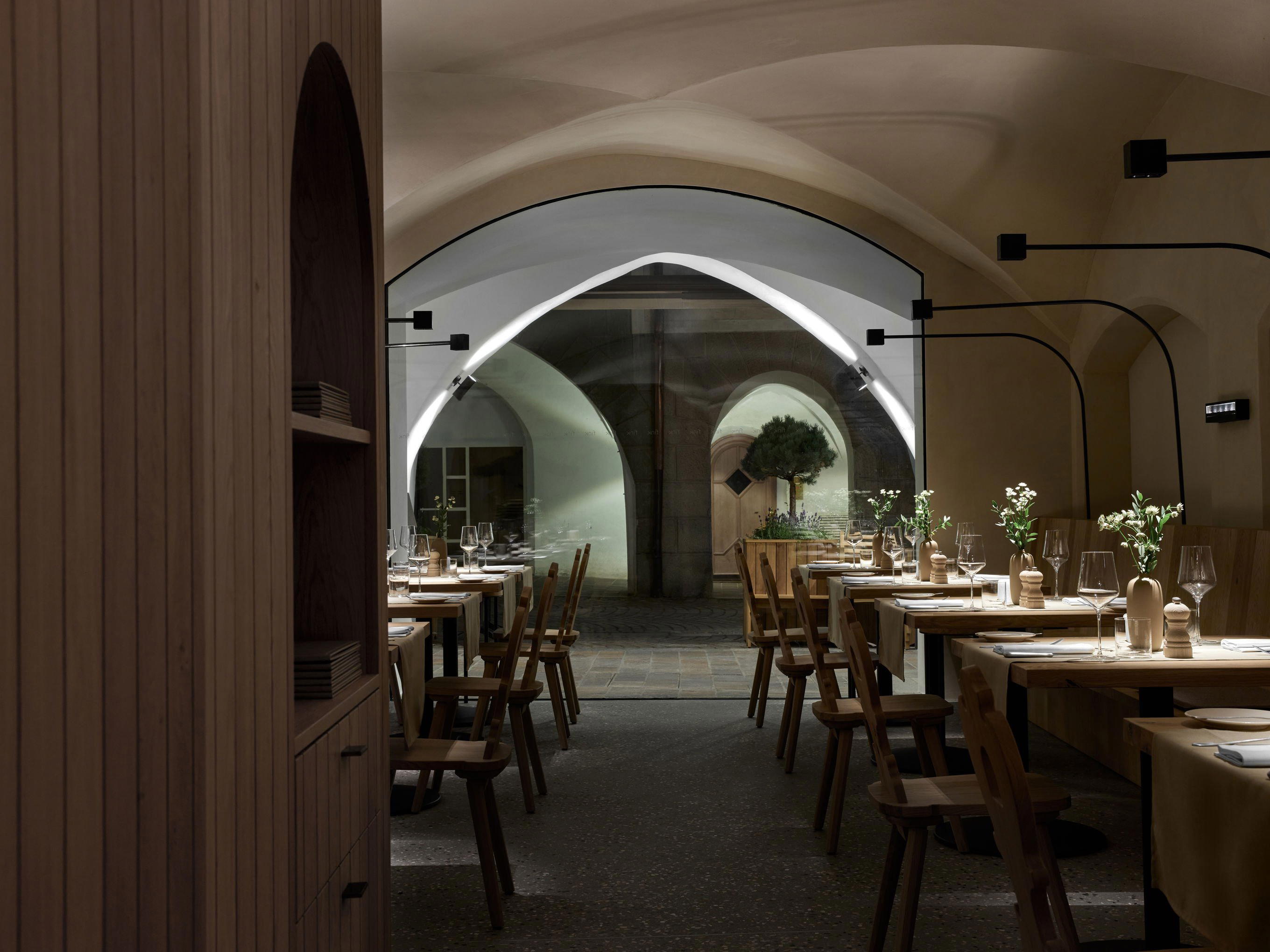
Where the Cantabrian Sea Arrives Daily
On Poza Lizentziatuaren Kalea, a quiet residential street in Bilbao's Abando district, the interior at Zarate signals its priorities before you read the menu. There is nothing showy about the room. The aesthetic restraint is deliberate: this is a kitchen that wants the plate, not the setting, to carry the argument. And the argument begins each morning at the fishing ports of Lekeitio and Ondarroa, two Basque coast harbours roughly 50 kilometres east of Bilbao, where the restaurant's fish is sourced daily.
That sourcing rhythm is worth pausing on. In a region where proximity to the sea is almost a cultural given, genuinely port-direct procurement at this frequency is a statement of operational commitment. The Cantabrian coast produces some of Spain's most prized fish — wild bream, kokotxas, anchovy, spider crab, turbot — and Zarate's standing among Bilbao's serious seafood restaurants rests on its insistence that the interval between sea and kitchen be as short as logistics allow. Opinionated About Dining, which ranked Zarate #462 on its Classical in Europe list in 2025, recognised this quality of sourcing as central to the restaurant's identity.
Tidal-Inspired Cooking and What That Means in Practice
Basque fish cookery has its own grammar, one built over generations around salt cod, grilled turbot, and the elemental simplicity of fish cooked over live fire or baked whole. Zarate operates within that tradition but doesn't stay inside its walls. The menu shows a kitchen that understands the classical Basque register deeply enough to push against it in specific, considered ways.
The two tasting menus, Menú 15 Pasos and Menú 20 Pasos, map a territory that runs from the familiar to the genuinely surprising. Cod tripe with pig's trotters prepared in the vizcaína style sits in the classicist register: vizcaína sauce, a brick-red Basque preparation built from dried choricero peppers, is among the region's most historic compositions, and the use of cod offal rather than the prime cut speaks to a cooking culture where nothing from a good fish is wasted. That is not a trend position, it is the original Basque approach to an expensive ingredient, recovered and restated.
Elsewhere the menu moves laterally. The pairing of ajoblanco (a cold Andalusian almond-and-garlic soup with Moorish roots) with spider crab royale is the kind of composition that requires confidence: a dish from the south of Spain meeting a crustacean from the northern Atlantic, the silkiness of the royale held against the cool, acidic-almond note of the soup. The "maritime" chorizo is a different kind of intervention, applying the seasoning logic of cured pork to a seafood base, a reference to Basque charcuterie tradition that lands as wit rather than gimmick. For dessert, a tuna toffee macaroon completes the picture of a kitchen that treats the whole fish, the whole tradition, and the whole larder as available material.
These dishes demonstrate a philosophy of reduction in waste and expansion in imagination simultaneously, the defining posture of contemporary Basque fish cooking when it is operating at its most articulate. The à la carte option means that guests who want to build around a single exceptional piece of fish, baked wild and served with precision, can do that too.
Zarate in Bilbao's Seafood Hierarchy
Bilbao's starred restaurant map is more compressed than its reputation sometimes suggests. The city punches at a higher weight than its size would indicate, partly because of the Guggenheim effect on international visitor traffic and partly because Basque culinary culture simply demands high standards of its institutions. At the €€€ price tier, Zarate sits in a bracket alongside Nerua Guggenheim Bilbao, which takes a more architecturally progressive approach to the same coastal ingredient pool. The comparison is instructive: both hold one Michelin star, both work from Cantabrian sourcing, but Nerua leans toward abstraction while Zarate keeps one foot planted in Basque tradition. For a reader choosing between them, that difference in aesthetic disposition matters more than the price or format comparison.
A tier up at €€€€, Mina and Ola Martín Berasategui represent the city's more elaborately produced end, with Ola carrying the weight of the Berasategui lineage behind it. For guests prioritising depth of sourcing discipline and classical-modern tension over prestige theatre, Zarate at €€€ makes a strong case. For Basque-focused alternatives at a different register, Aitor Rauleaga and Al Margen round out the picture of what the city offers across styles and budgets.
Outside Bilbao, the closest comparison points for this mode of fish cookery are Aponiente in El Puerto de Santa María, which takes marine sustainability further than almost any restaurant in Spain, and Azurmendi in Larrabetzu, which brings a comparable commitment to local Basque sourcing across all ingredients. In the Italian context, Gambero Rosso in Marina di Gioiosa Ionica and Alici on the Amalfi Coast represent the Mediterranean analogue, kitchens where the quality of the fish is the primary argument. The broader Spanish starred landscape includes Arzak in San Sebastián, DiverXO in Madrid, El Celler de Can Roca in Girona, and Quique Dacosta in Dénia, each representing a different vector of Spanish fine dining ambition.
The Ethics of Sourcing at This Level
Port-direct sourcing of the kind practised here carries sustainability implications that go beyond marketing language. When a single restaurant maintains consistent relationships with specific fishing communities, in this case Lekeitio and Ondarroa, ports with long histories in artisanal fishing, it participates in the economic ecology of those communities. The demand signal matters: a starred restaurant in Bilbao buying daily from small-scale port operations creates a different kind of market incentive than wholesale purchasing through intermediaries.
In the context of the Cantabrian Sea, which faces the same pressure on wild stocks as every European fishing ground, the specificity of sourcing also implies accountability. A kitchen that names its ports, works with wild fish at its peak season, and uses the whole animal, including offal and trim in dishes like the cod tripe preparation, is taking a position on waste that aligns with how traditional Basque cooking always approached scarce, valuable ingredients. The tuna toffee macaroon is not merely a dessert curiosity: it is the culinary logic of zero-waste applied at the sweet course, a signal that the kitchen's ethical commitments extend to the final plate.
Chef Sergio Ortiz de Zarate's career arc, from Lekeitio to Bilbao, traces the same coastal-to-city route that the fish itself takes. His formative work in a fishing town rather than a metropolitan kitchen gives the restaurant's sourcing philosophy a biographical grounding that is more than biography: it is knowledge of specific waters, specific seasons, and specific fish that cannot be replicated from a supplier catalogue.
Planning Your Visit
Zarate is located at Poza Lizentziatuaren Kalea, 65 in the Abando district, a walkable neighbourhood well served by the Bilbao metro. The kitchen is closed on Mondays and Tuesdays, and lunch service Wednesday through Sunday runs from 1:30 PM to 4:00 PM. Dinner service operates on Fridays and Saturdays only, from 9:00 PM to 10:30 PM, a schedule that rewards advance planning, particularly for weekend evening bookings. Two tasting menu formats (15 and 20 courses) and an à la carte option mean the table can adapt to appetite and time. For the full context of where Zarate sits within the city's dining options, see our full Bilbao restaurants guide. For further planning, EP Club also covers hotels, bars, wineries, and experiences across Bilbao.
Recognition, Side-by-Side
A quick peer reference to anchor this venue in its category.
| Venue | Cuisine | Price | Awards |
|---|---|---|---|
| ZarateThis venue — the venue you are viewing | Seafood | €€€ | Michelin 1 Star |
| Nerua Guggenheim Bilbao | Progressive Spanish, Progressive | €€€ | Michelin 1 Star |
| Mina | Modern Spanish, Creative | €€€€ | Michelin 1 Star |
| Ola Martín Berasategui | Traditional Cuisine | €€€€ | Michelin 1 Star |
| Irrintzi | Tapas Bar | Not listed | Not listed |
| Islares | Creative | €€€€ | Not listed |
Recognition history
Dated appearances from independent guides and award organizations, with the underlying list record or original source where available.
Guía Repsol 2 Soles
Guía Repsol
Macarfi 8.1 Food Rating
Macarfi
Michelin 1 Star
Michelin
Michelin 1 Star
Michelin
Opinionated About Dining Classical in Europe Ranked #462
Opinionated About Dining
Michelin 1 Star
Michelin
Continue exploring
More in Bilbao
Restaurants in Bilbao
Browse all →
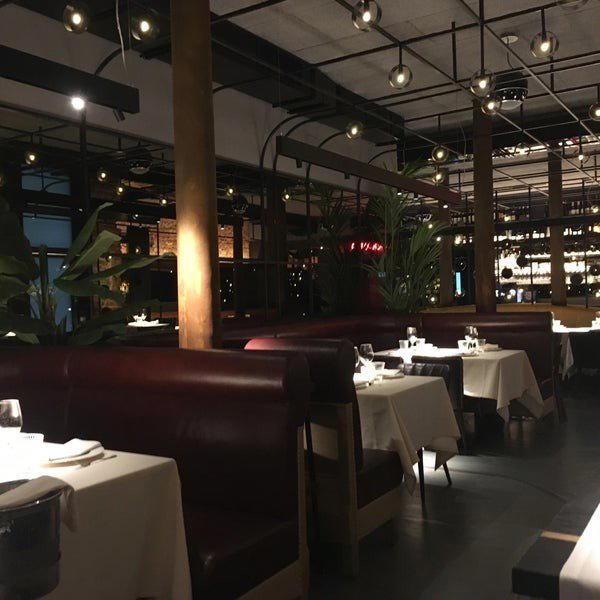
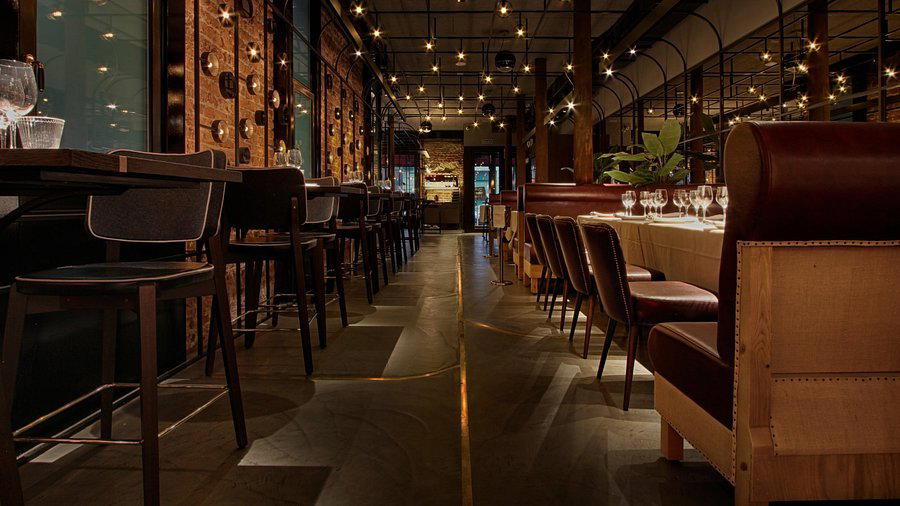
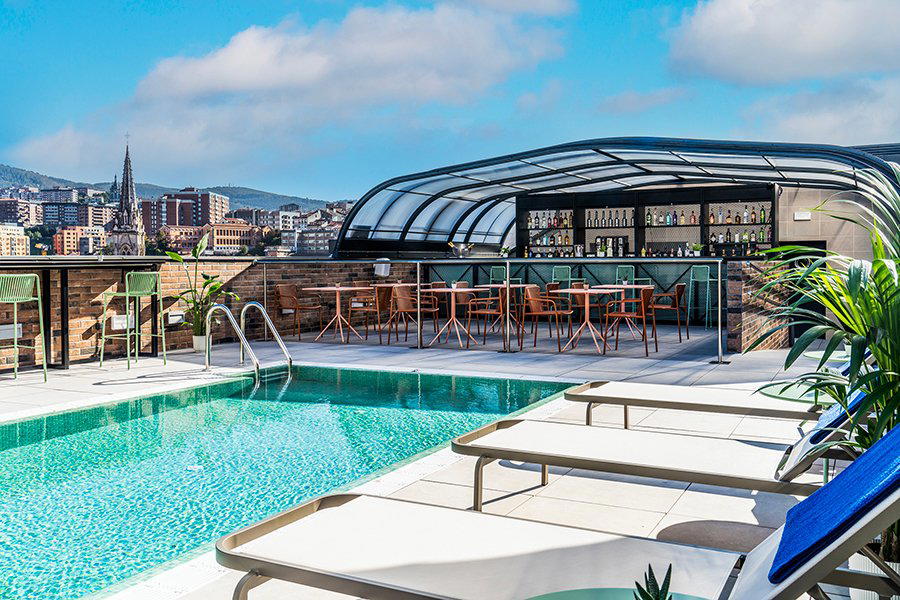
Bars in Bilbao
Browse all →
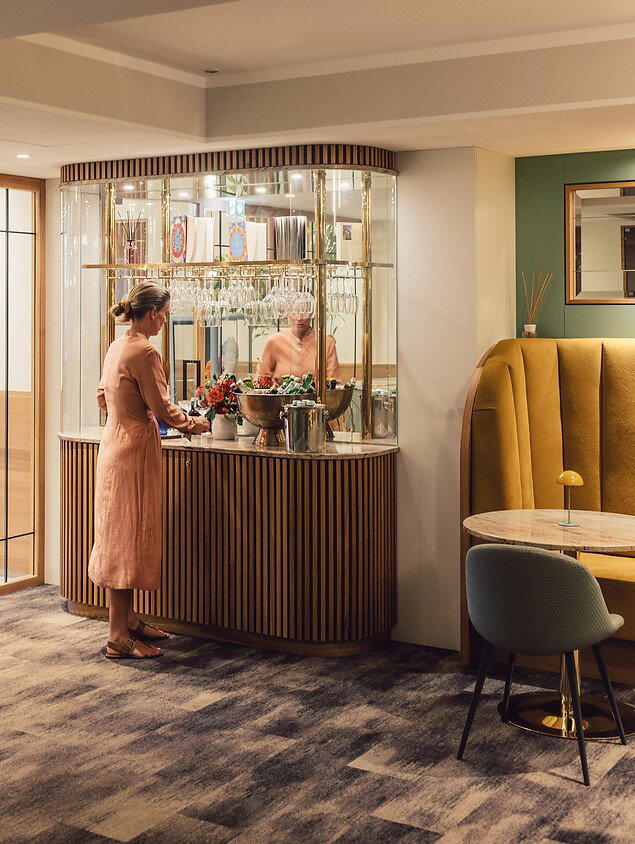
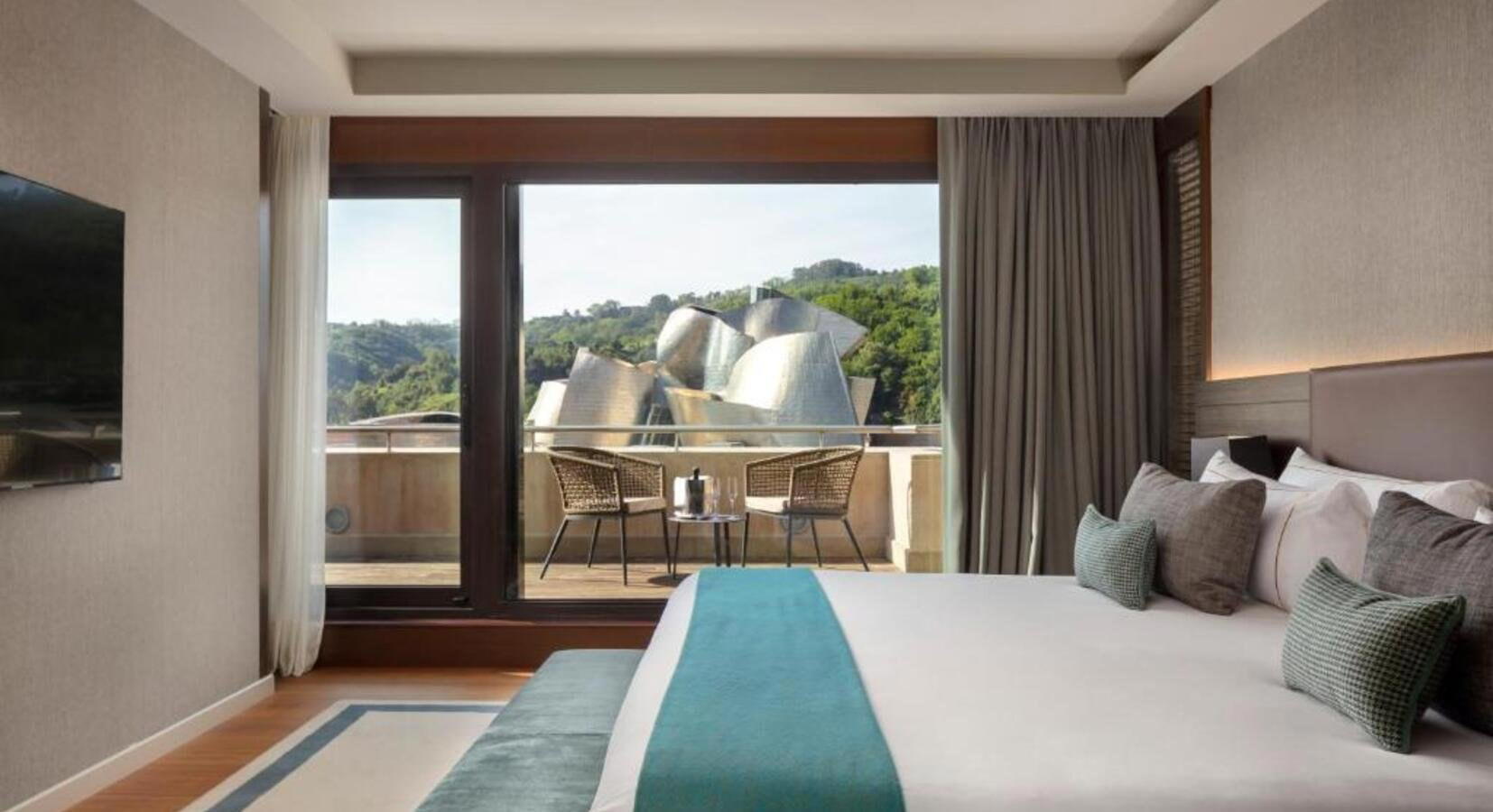
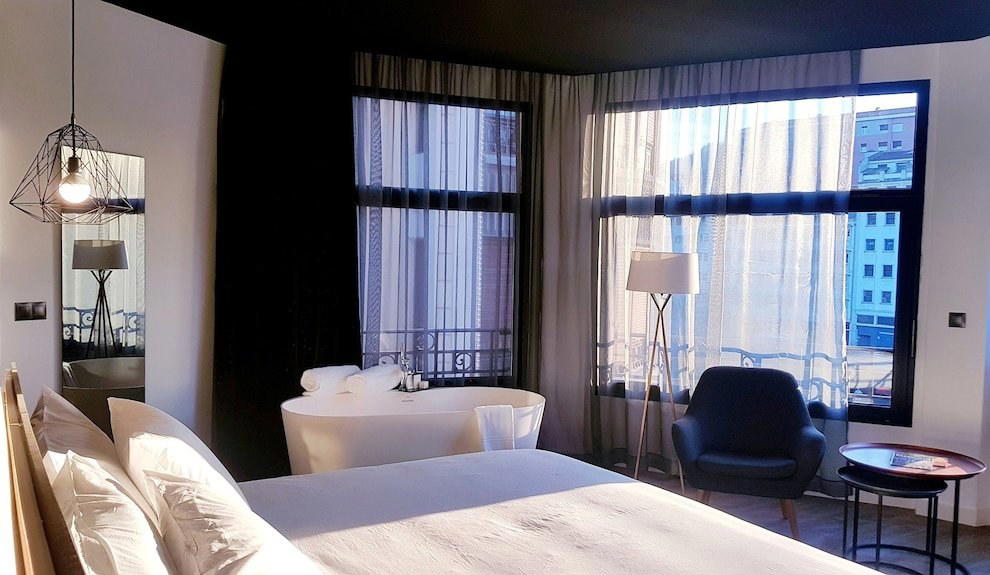
Hotels in Bilbao
Browse all →
Wineries in Bilbao
Browse all →
At a Glance
- Minimalist
- Elegant
- Intimate
- Sophisticated
- Date Night
- Special Occasion
- Open Kitchen
- Extensive Wine List
- Local Sourcing
Current opening hours
- Monday
- Closed
- Tuesday
- Closed
- Wednesday
- 1:30–4 PM
- Thursday
- 1:30–4 PM
- Friday
- 1:30–4 PM, 9–10:30 PM
- Saturday
- 1:30–4 PM, 9–10:30 PM
- Sunday
- 1:30–4 PM
Hours can change for holidays and private events. Last verified .
Minimalist room with dim lighting, lighter wooden floors, and floral table decorations creating an elegant and intimate atmosphere.
Know Before You Go
- Getting there
- Poza Lizentziatuaren Kalea, 65, Abando, 48013 Bilbao, Bizkaia, Spain