Odette En Ville occupies a townhouse on Rue du Châtelain in Elsene, one of Brussels' most concentrated stretches of neighbourhood restaurants and design-led hotels. The address places it squarely in the Ixelles dining corridor, where the competition runs from polished brasseries to quietly serious tasting menus. Visitors use it as a base for the Châtelain quarter's Saturday market and its surrounding wine bars and independent bistros.
Pearl is the En Primeur Club membership app — saves, bookings, and concierge access live there. Same editors, same standards.
- Address
- Rue du Châtelain 25, 1050 Bruxelles, Belgium
- Phone
- +32 2 640 26 26
- Website
- odetteenville.be
- Directions
- Get directions
 Saves & bookings on Pearl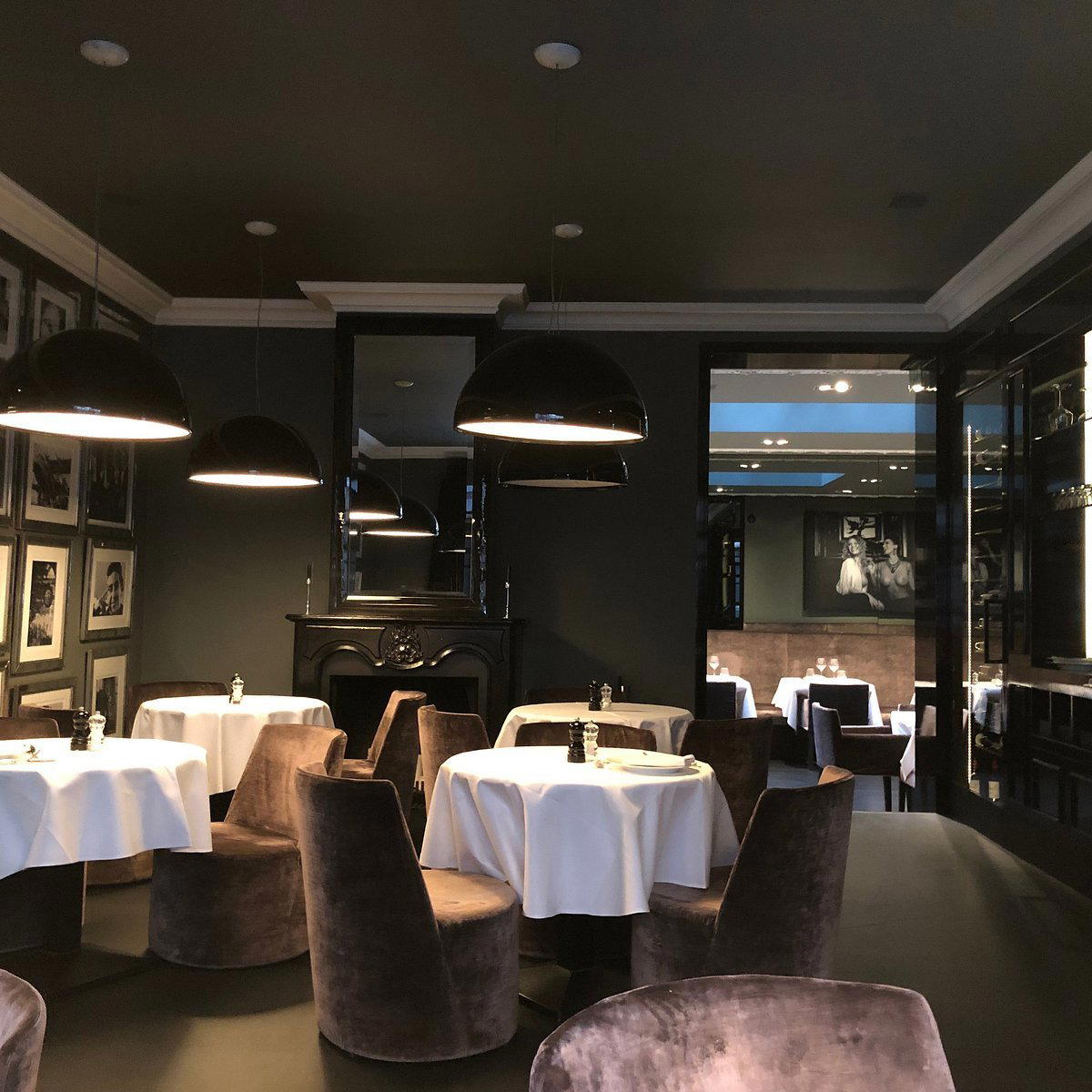
Rue du Châtelain and the Ixelles Dining Corridor
Brussels has never organised its serious dining into a single arrondissement. Instead, the city's most considered addresses spread across a handful of inner communes, each with a different register. Ixelles, specifically the Châtelain quarter, has established itself as the ward where independent restaurants, neighbourhood wine bars, and design-conscious small hotels coexist without the tourist-facing pressure that shapes the Grand Place catchment. Rue du Châtelain sits at the centre of this, a street where a Saturday market still anchors the week and where the building stock runs to tall, early-twentieth-century townhouses that lend themselves to hotel conversions with genuine architectural character. Odette En Ville, a 3-star hotel with 8 rooms at number 25, sits inside this pattern.
The Châtelain Format: Small Hotels with a Culinary Function
Across European cities, the relationship between boutique hotels and their food and drink programmes has shifted considerably over the past decade. The older model, hotel restaurant as amenity, running at a loss to provide convenience, has largely given way to something more deliberate. Properties in residential neighbourhoods, where the guest count is low and the local foot traffic is high, increasingly treat their dining room or bar as a neighbourhood destination in its own right, not merely a service for guests who don't want to go out. This makes commercial sense: a twelve-room townhouse hotel cannot run a restaurant solely on in-house covers. It needs a local following. The Châtelain's density of residents with disposable income and a demonstrated appetite for independent dining makes the neighbourhood one of the more logical places in Brussels to operate on this model.
Odette En Ville's position on Rue du Châtelain aligns it with this format. The address is residential but commercially active, with the Saturday Châtelain market drawing a weekly crowd that spills into the surrounding cafés and restaurants from mid-morning. A hotel-restaurant on this street has a built-in audience. The question, as with any property operating on this model, is whether the food and drink programme is genuinely oriented toward that local audience.
For comparison, Brussels' larger design-led properties, including the Le Louise Hotel Brussels, also in Ixelles, and the Radisson Collection Hotel, Grand Place Brussels in the city centre, operate at a different scale, where the dining programme serves a larger and more transient guest base. The Corinthia Grand Hotel Astoria Brussels represents the grand-hotel tier, where restaurants function as signature amenities within a broader institutional offer. Odette En Ville, sits in a different bracket: smaller, more embedded, and more dependent on its food and drink offer to sustain a neighbourhood reputation.
What the Châtelain Quarter Demands
The Châtelain area has a specific hospitality character. Its residents skew toward the professional and design-aware segments of Brussels' population, with a notable concentration of EU-adjacent workers who have developed strong opinions about food through regular travel. This is not an audience that rewards mediocrity or forgives a stale wine list. The brasseries and natural wine bars that have prospered in the quarter over the past several years have done so by being genuinely good at what they do, not by proximity to landmarks or tourist flows.
In this context, a hotel-restaurant on Rue du Châtelain faces a more demanding local comparable set than it would in, say, the European quarter around Pestana Brussels Schuman in Etterbeek, where the dining audience is primarily in-house and transient. The Châtelain demands a programme that can hold its own against independent neighbourhood operators who have no hotel rooms to fall back on. That pressure, when it works, produces something genuinely useful: a hotel whose restaurant you would go to even if you weren't staying there.
Belgium's Boutique Hotel Context
Belgium's independent hotel sector has produced a number of properties that have built reputations precisely through this neighbourhood-embedded model. Hotel Julien in Antwerp is one example, operating in the city's old town with a food and drink offer that has developed a local following beyond its guest list. B&B The Verhaegen in Ghent occupies a similar position in that city's design-conscious travel tier. Both demonstrate that small-footprint Belgian properties can sustain a culinary identity without the infrastructure of a large hotel group. The Kasteel van Ordingen in Sint-Truiden and the Domaine du Château de Modave in Modave show how the same logic extends into the Belgian countryside, where the culinary programme is often the primary reason for the stay.
At the international end of the design-led boutique spectrum, properties like Castello di Reschio in Lisciano Niccone, Aman Venice, and Cheval Blanc Paris represent what the format looks like when resourced at a different level. Closer in spirit to the Châtelain model, though at a grander scale, are properties like Hotel Bel-Air in Los Angeles and Badrutt's Palace Hotel in St. Moritz, where the food and drink programme carries genuine independent weight in the local dining conversation.
Planning a Stay: What to Know
The hotel sits at Rue du Châtelain 25, 1050 Brussels, in the Ixelles commune. The address is walkable from the Louise tram corridor and a short taxi ride from Brussels-Midi, Brussels-Central, and Brussels-Luxembourg stations. The Châtelain Saturday market operates weekly and is within immediate walking distance, making Saturday check-in a particularly well-timed arrival if the neighbourhood's food culture is part of the reason for the visit.
For visitors building a wider Belgian itinerary, the Boutiquehotel 't Fraeyhuis in Bruges, Julevi in Eupen, and Chateau de Vignée in Rochefort offer comparable independent-hotel formats in different parts of the country. Within Brussels, the Pantone Hotel Brussels in Sint Gillis and Hotel Agora Brussels Grand Place represent alternative positions in the city's design-hotel tier, each serving a different neighbourhood character and guest profile.
Price and Positioning
Comparable venues nearby, for context on price, style, and recognition.
| Venue | Price | Awards | Notes |
|---|---|---|---|
| Odette En VilleThis venue — the venue you are viewing | $$$$ | 3-Star | Not listed |
| Le Louise Hotel Brussels | $$$ | 4-Star | Elsene / Ixelles, Fashion District, Contemporary boutique hotel blending Brussels' architectural heritage with modern design, celebrating Belgian surrealism and Art Nouveau influences. |
| The Secret Garden | $$$$ | 3-Star | Historic Centre of Brugge, Exclusive canal-side manor house B&B with luxury boutique hotel service |
| Craves | $$$ | 3-Star | Pl. de Brouckere, Boudoir-style boutique hotel blending French chic and Art Deco. |
| Radisson Collection Hotel, Grand Place Brussels | $$$$ | 5-Star | Grand Place, Post-modernist luxury hotel with a grand glass atrium in the city center. |
| NE5T Hotel & Spa | $$$$ | 4-Star | residential area near Namur fortress, Luxury boutique hotel in a restored stone farmhouse with contemporary design elements and curated suites. |
At a Glance
- Elegant
- Sophisticated
- Intimate
- Cozy
- Trendy
- Romantic Getaway
- Anniversary
- Weekend Escape
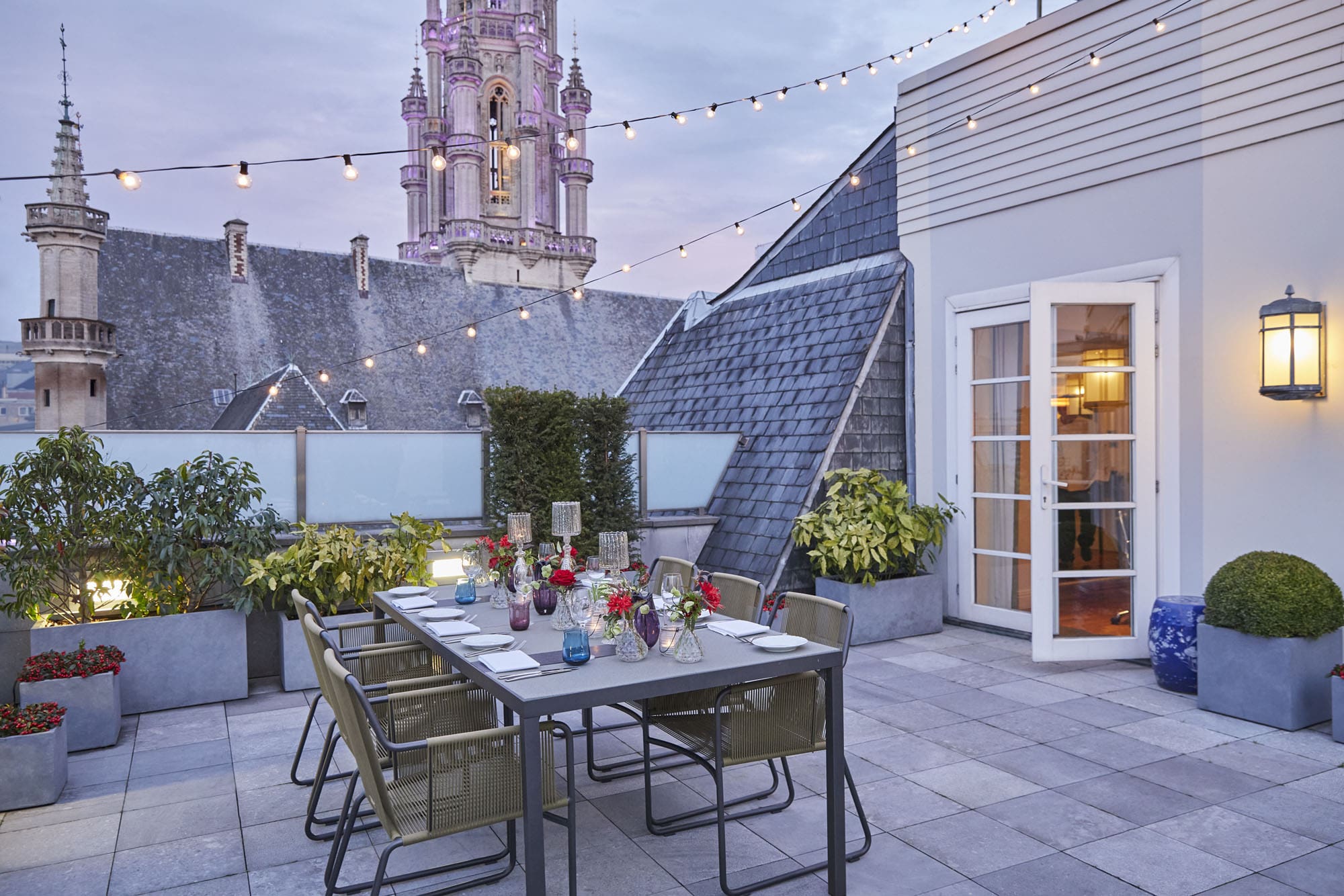
- Terrace
- Historic Building
- Wi Fi
- Restaurant
- Bar
- Air Conditioning
- Room Service
- Street Scene
- Wi Fi
- Restaurant
- Bar
- Air Conditioning
- Room Service
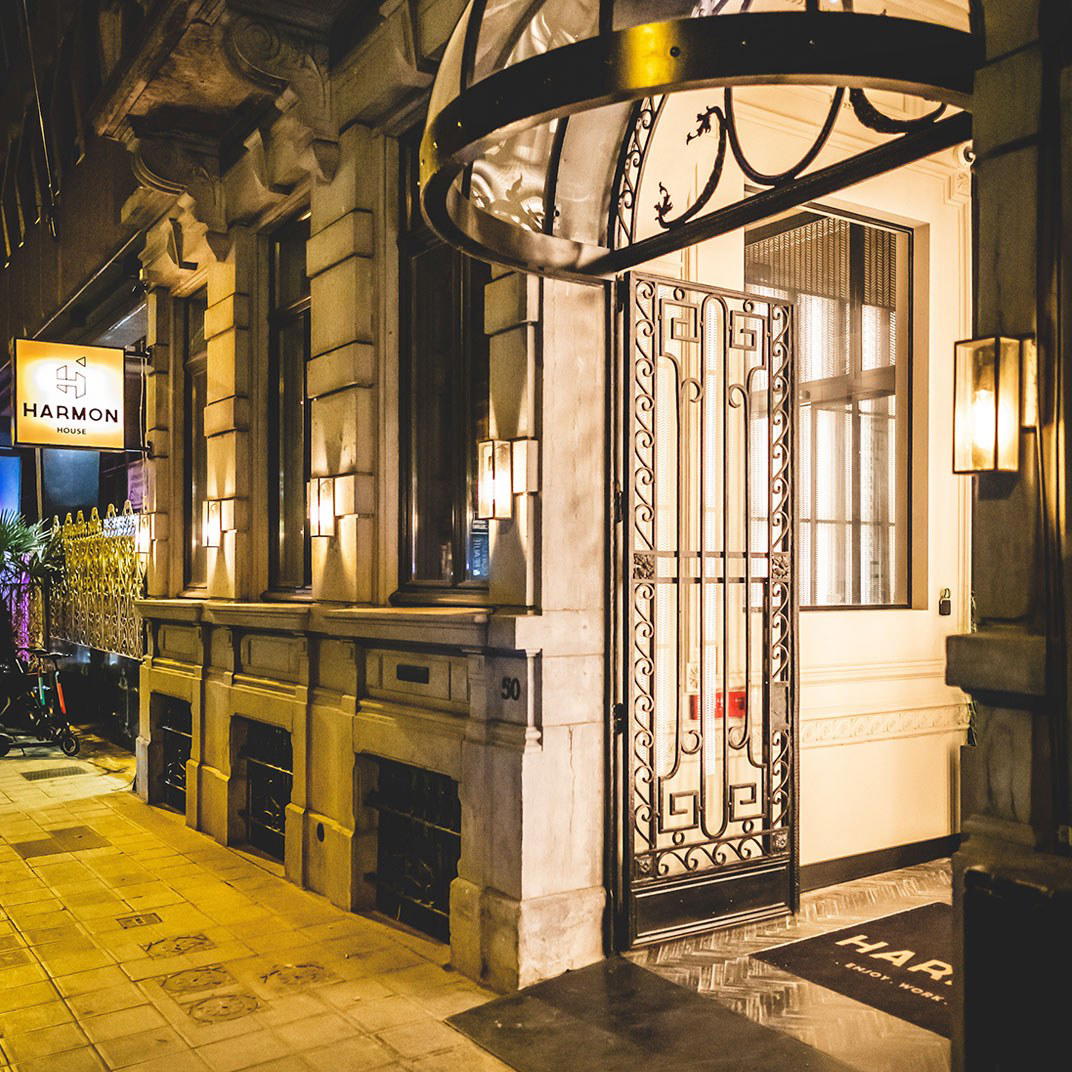
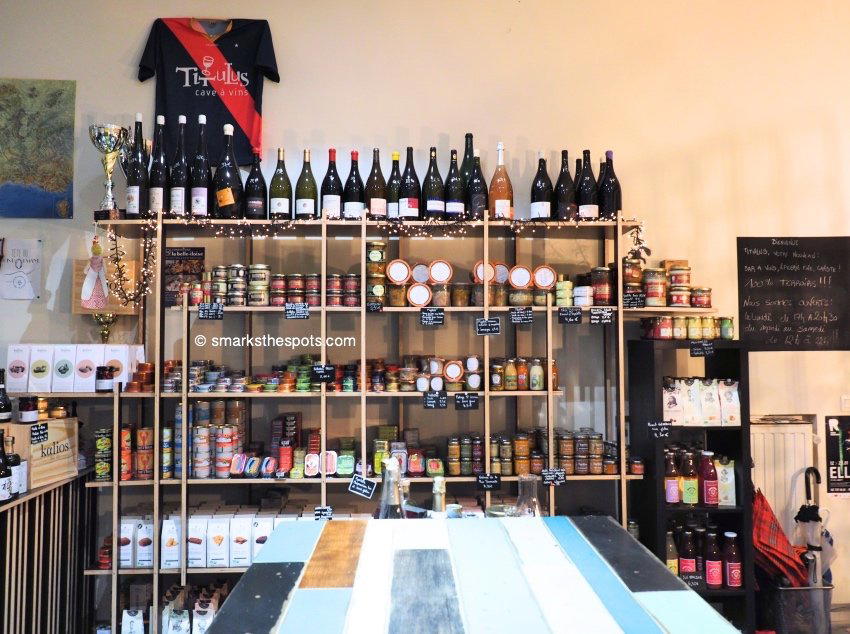
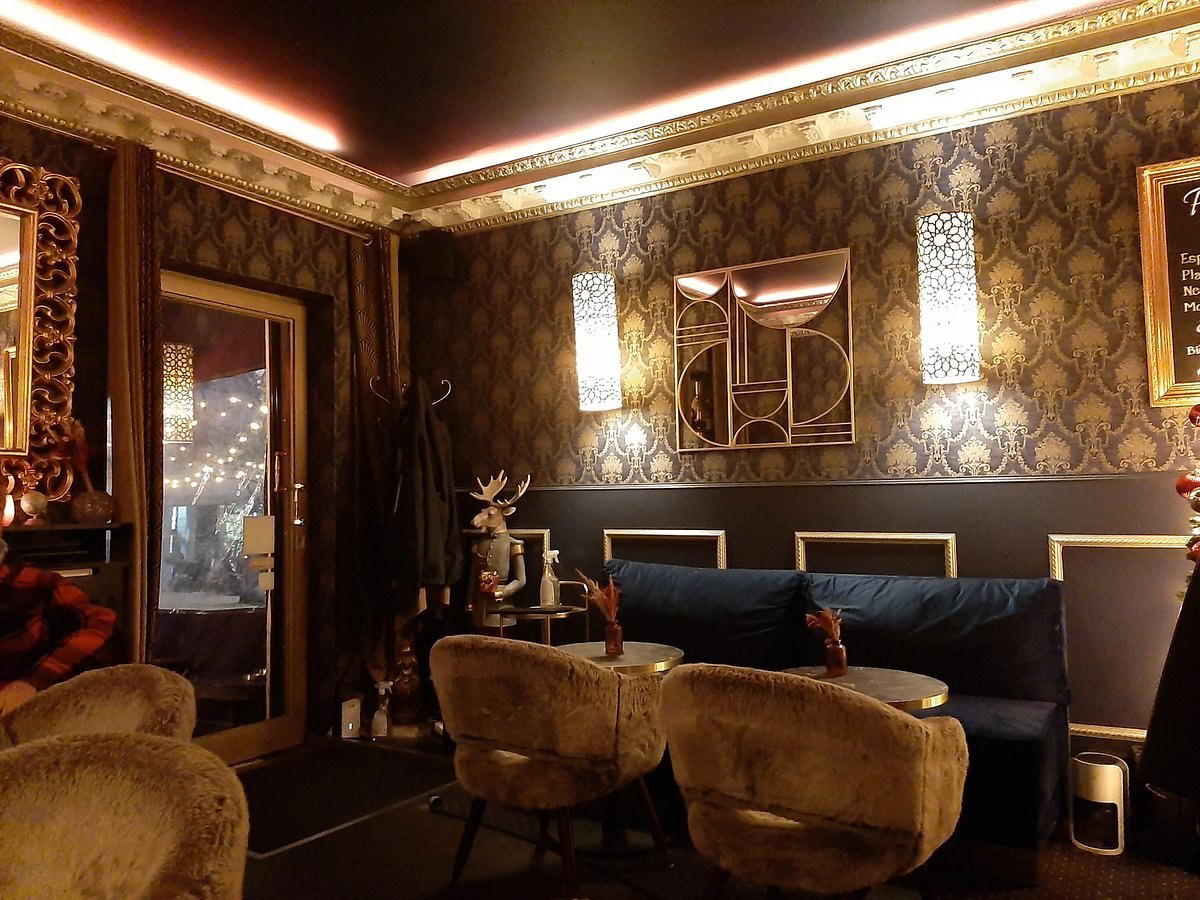
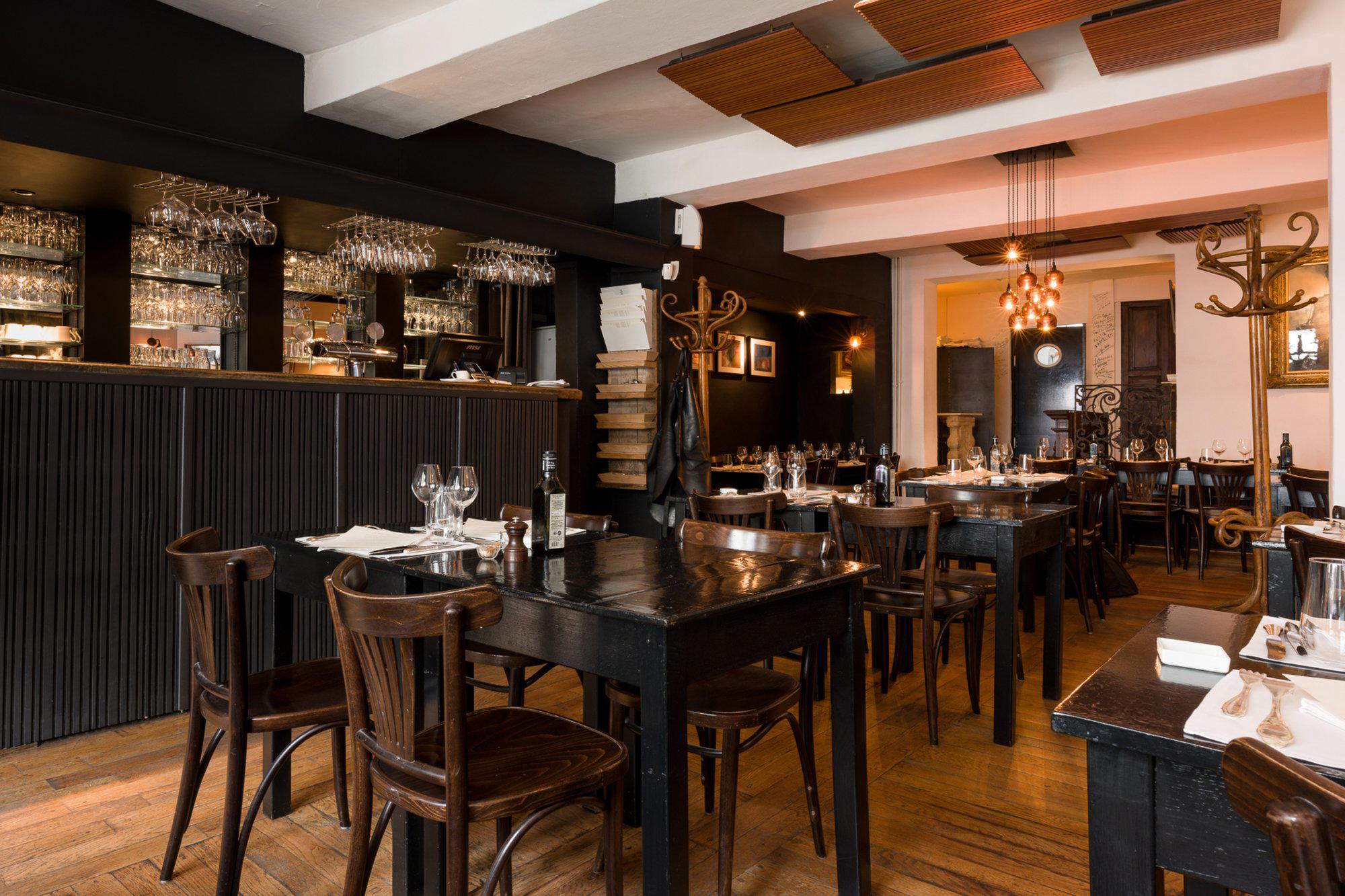
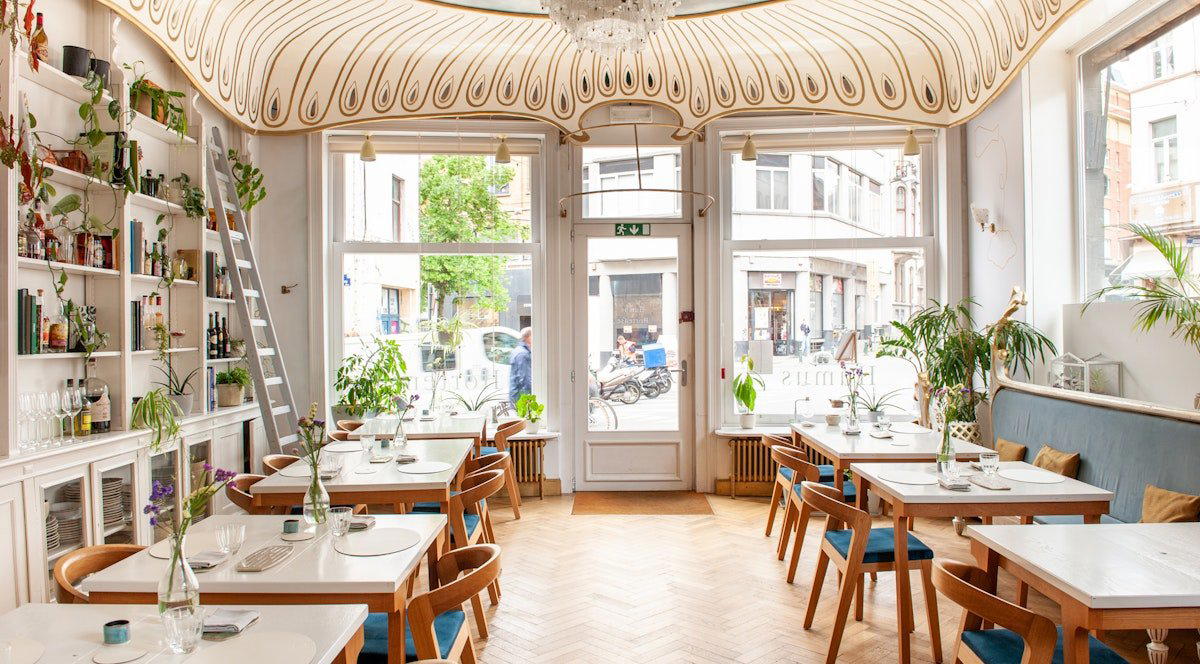
Low-lit, sultry interiors with dark walls, black lacquered furniture, moody photography, crackling fireplaces, cozy leather Chesterfields, and a private library.