Nido de Quetzalcoatl
Nido de Quetzalcoatl sits within the municipality of Naucalpan de Juárez, on the northwestern edge of Greater Mexico City's urban spread. The name alone, invoking the feathered serpent deity of Mesoamerican cosmology, signals an ambition that reaches beyond the ordinary suburban address. What it represents in the context of the State of Mexico's evolving cultural scene merits close attention from anyone spending time in the wider capital region.
Pearl is the En Primeur Club membership app — saves, bookings, and concierge access live there. Same editors, same standards.
- Address
- Manzana 002, 53297 Naucalpan de Juárez, State of Mexico, Mexico
- Website
- elnidodequetzalcoatl.com
- Directions
- Get directions
 Saves & bookings on Pearl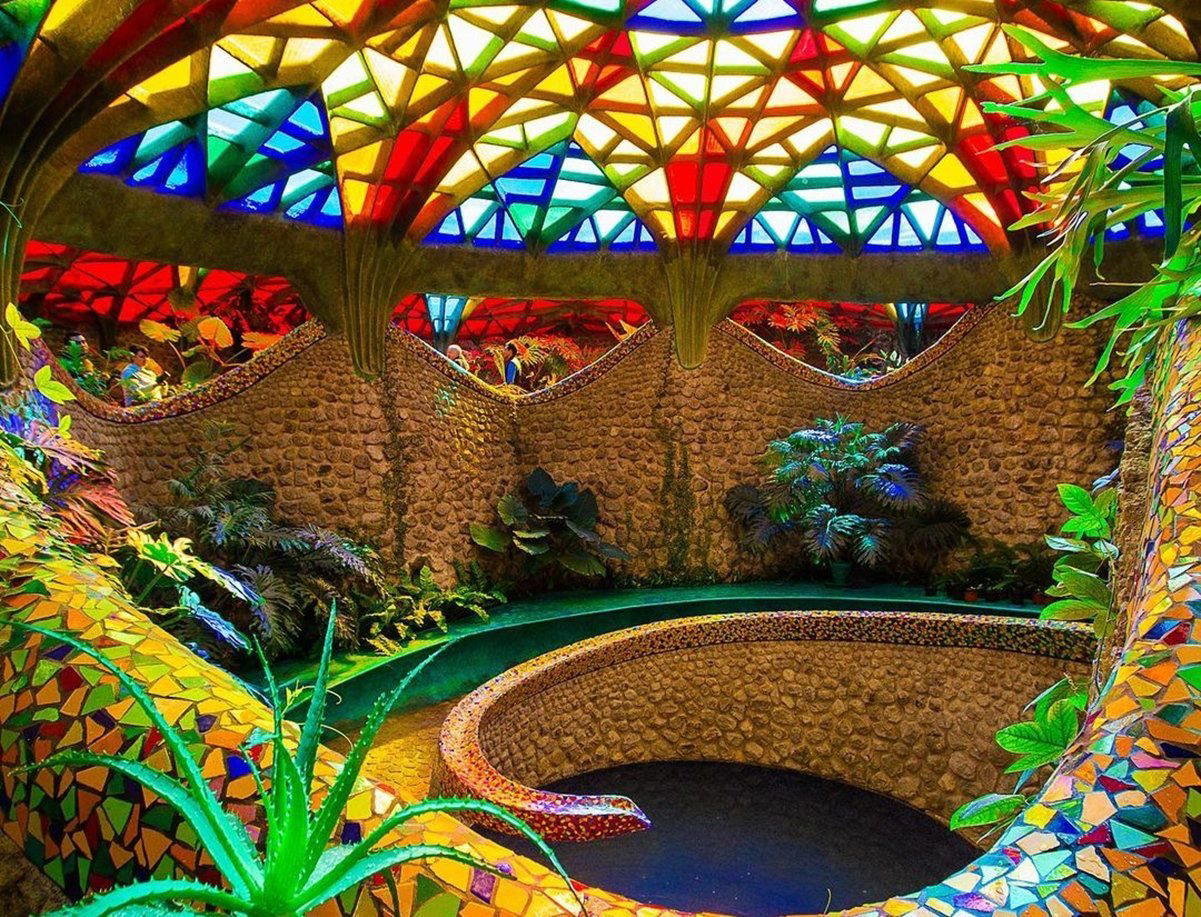
Where Naucalpan's Urban Edge Meets Mythological Ambition
The northwestern corridor of Greater Mexico City has long been defined by its industrial heritage and dense residential fabric, a working municipality that rarely appears on the itineraries of visitors focused on Polanco or Roma Norte. Naucalpan de Juárez occupies the State of Mexico rather than the Federal District, a jurisdictional boundary that once reinforced a psychological divide between the capital's cultural core and its sprawling periphery. That division has softened in recent years as venues of genuine interest have begun appearing at addresses that demand more intention to reach. Nido de Quetzalcoatl, addressed at Manzana 002, 53297 Naucalpan de Juárez, sits precisely in that kind of terrain: a destination that rewards the traveller willing to move beyond the well-trodden central neighbourhoods. For reference on what the broader municipality offers, see our full Naucalpan De Juarez Municipality restaurants guide.
The Name as Architectural Statement
In Mexican cultural vocabulary, Quetzalcoatl is among the more layered of references. The feathered serpent deity spans Teotihuacan iconography, Toltec mythology, and Aztec cosmology, appearing across pre-Columbian architecture as a symbol of duality: earth and sky, matter and spirit, the terrestrial and the transcendent. A venue that invokes this name is making a claim about its physical and conceptual ambitions before a guest crosses the threshold. The word "nido", nest, compounds that reading: not a temple, not a palace, but a cradle, something simultaneously protective and refined above the ground. Together, the name functions as an architectural brief, setting expectations about enclosure, verticality, and a relationship between interior space and something larger outside it.
This kind of naming convention has become more common across Mexico's premium hospitality sector in the past decade, as operators compete not just on service metrics but on cultural legibility. Properties like Chablé Yucatán in Merida and Casa Silencio in San Pablo Villa de Mitla have demonstrated that rooting a property's identity in pre-Hispanic or vernacular reference is not mere aesthetics, it positions the venue within a specific cultural argument about what Mexican space should feel like at its most considered. Nido de Quetzalcoatl enters that conversation through its name alone.
Naucalpan's Position in the Greater Mexico City Context
Understanding why Naucalpan matters requires stepping back from the capital's tourist geography. Mexico City's dining and hospitality conversation has historically concentrated in a triangle of Polanco, Condesa, and Roma, with Coyoacán providing an arts-district counterpoint to the south. Properties further afield, whether in the Estado de México municipalities or the working districts east of the airport, have operated in relative obscurity from that conversation, serving local populations rather than international visitors or wealthy chilangos seeking a destination experience.
That concentration is shifting. The same pattern of peripheral rediscovery that brought attention to Brooklyn, Hackney, and Kreuzberg in other metropolitan contexts is beginning to operate in Greater Mexico City. Venues in Naucalpan benefit from proximity to the capital's affluent northwestern residential zones, including Interlomas and Huixquilucan, where consumer expectations align more closely with Polanco than with the industrial municipalities further north. A venue positioned in this corridor can draw from a sophisticated local clientele while also sitting within reasonable distance of the capital's hospitality infrastructure.
For travellers based in properties like Casa Polanco in Mexico City, Naucalpan represents a day-trip or evening-out distance rather than a separate destination. The State of Mexico border sits approximately ten to fifteen minutes by road from the Polanco-Lomas axis, though traffic on the Periférico and connecting arteries can extend that significantly during peak hours. Planning visits for midday or early evening on weekdays reduces the friction substantially.
Design Tradition in the Wider Mexican Context
Mexico's strongest architectural tradition in premium hospitality leans toward spatial restraint, natural material palettes, and a deliberate suppression of spectacle in favour of atmosphere. Luis Barragán's influence, the massed colour planes, the controlled apertures, the use of water as a structural element, remains a reference point that contemporary Mexican spaces continue to negotiate, whether by extending it or deliberately departing from it. Properties that succeed in this tradition do so not by recreating Barragán's vocabulary literally but by sharing his underlying argument: that enclosure and silence are themselves forms of luxury, that controlling what a guest sees and feels at each moment is the discipline that separates considered design from merely expensive construction.
This tradition has its most visible premium expressions in venues far from Naucalpan, Hotel Esencia in Tulum, Xinalani in Quimixto, or the structural drama of One&Only Mandarina in Riviera Nayarit, but its logic is not geographically exclusive. The State of Mexico has its own vernacular traditions in construction, drawn from both colonial-era stone craft and pre-Hispanic platform architecture, and venues in the region that draw on those sources enter a legitimate design lineage rather than simply imitating coastal luxury formats.
Planning a Visit
Travellers staying at properties with strong concierge infrastructure, such as Casa de Sierra Nevada in San Miguel de Allende or Hotel Demetria in Guadalajara when travelling through western Mexico, will recognise the value of local knowledge over digital search when dealing with venues in this category. The same principle applies in Greater Mexico City: a well-connected local contact will navigate access more efficiently than an international booking platform. The address at Manzana 002, 53297 Naucalpan de Juárez, Estado de México, provides a precise locator for navigation apps, which is especially reliable approach given the municipality's street-numbering conventions.
A Quick Peer Check
Comparable venues nearby, for context on price, style, and recognition.
| Venue | Cuisine | Price | Notes |
|---|---|---|---|
| Nido de QuetzalcoatlThis venue — the venue you are viewing | Organic architecture residential complex resembling a mythical serpent amidst natural caves and forests | $$$$ | Not listed |
| CASA TEO | Creative hub inspired by artist residencies in historic Pujol site. | $$$$ | Chapultepec Morales |
| Casapani | Revived mid-century modernist mansion turned intimate guesthouse. | $$$$ | Cuauhtemoc |
| Cunex The Riviera Maya Edition at Kanai | Luxury lifestyle resort focused on sustainable, experience-led hospitality within a protected coastal nature reserve. | $$$$ | . Kanai |
| Kimpton Mas Olas | Modern Mexican boutique resort with sustainability and wellness focus | $$$$ | Todos Santos |
| The Standard | Boutique hotel redefining hospitality with urban flair. | $$$$ | Tabacalera |
Continue exploring
More in Naucalpan De Juarez
Hotels in Naucalpan De Juarez
Browse all →
Bars in Naucalpan De Juarez
Browse all →
Restaurants in Naucalpan De Juarez
Browse all →
At a Glance
- Whimsical
- Scenic
- Rustic
- Cozy
- Romantic
- Romantic Getaway
- Weekend Escape
- Anniversary
- Garden
- Historic Building
- Panoramic View
- Wi Fi
- Room Service
- Concierge
- Garden
- Mountain
- Wi Fi
- Room Service
- Concierge
Surreal, dreamlike fusion of organic architecture and lush nature, featuring iridescent colors, cave-like hallways, secret gardens, reflecting pools, and serene forest surroundings.