The Mustard Seed Restaurant
On Fraser Street in Inverness, The Mustard Seed Restaurant occupies a riverside setting that has made it one of the more enduring addresses in the Highland dining scene. The kitchen draws on Scottish produce in a region where proximity to land and sea shapes what ends up on the plate. For visitors arriving via Inverness city centre, it sits within easy reach of the main rail and bus connections.
Pearl is the En Primeur Club membership app — saves, bookings, and concierge access live there. Same editors, same standards.
- Address
- 16 Fraser St, Inverness IV1 1DW, United Kingdom
- Phone
- +44 1463 220220
- Website
- mustardseedrestaurant.co.uk
- Directions
- Get directions
 Saves & bookings on Pearl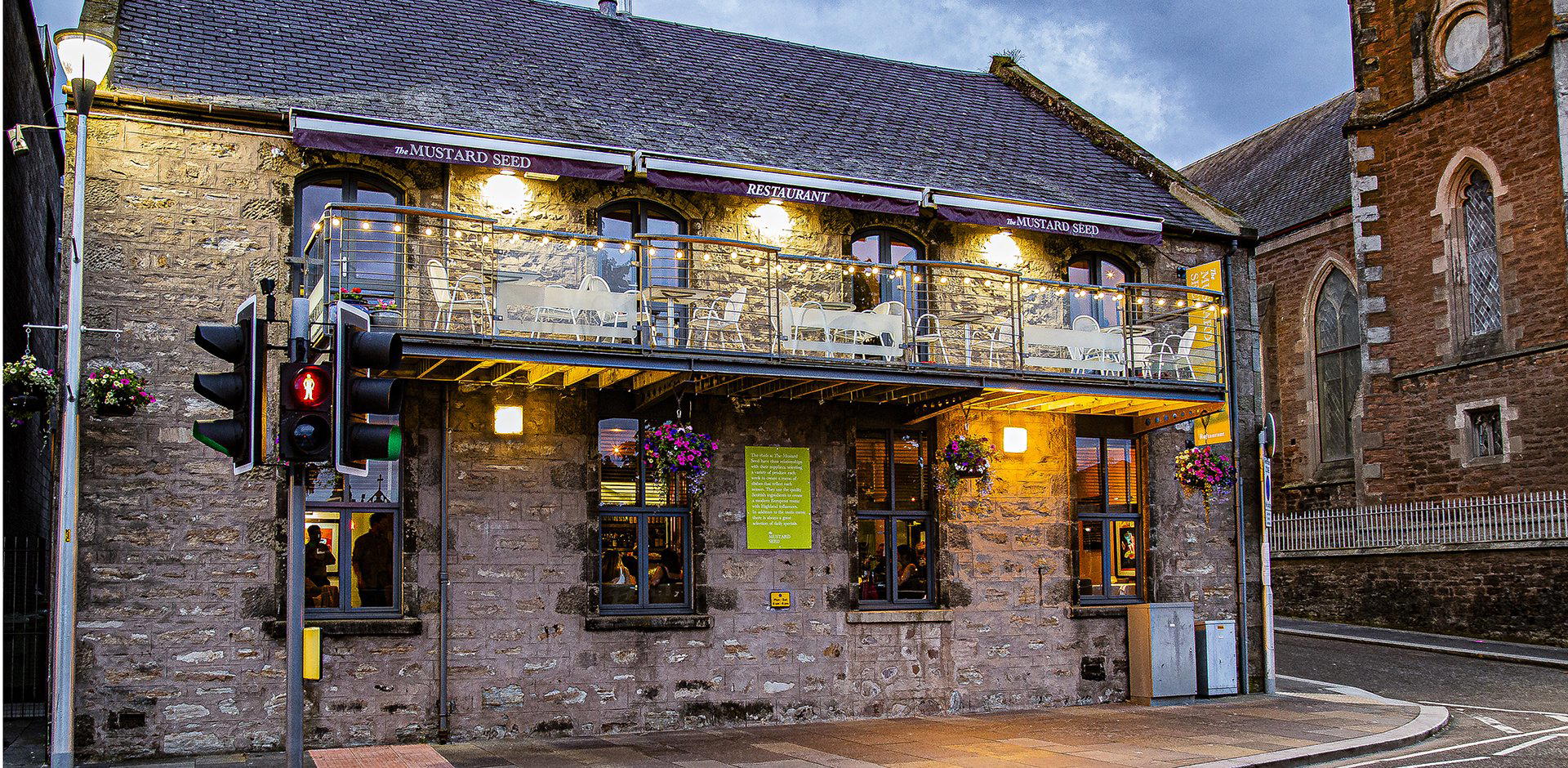
Eating by the River Ness: The Ritual of Dining in Inverness
There is a particular tempo to dining in the Scottish Highlands that differs from city restaurant culture further south. Meals here tend to run longer, pacing itself against landscape rather than kitchen ambition. In Inverness, where the River Ness cuts through the city centre and the surrounding hills still feel genuinely close, that unhurried rhythm carries into how restaurants operate and how guests tend to approach an evening out. The Mustard Seed Restaurant on Fraser Street is a restaurant in Inverness serving Modern Scottish with Highland Influences,521 reviews and an average spend of about $45 per person.
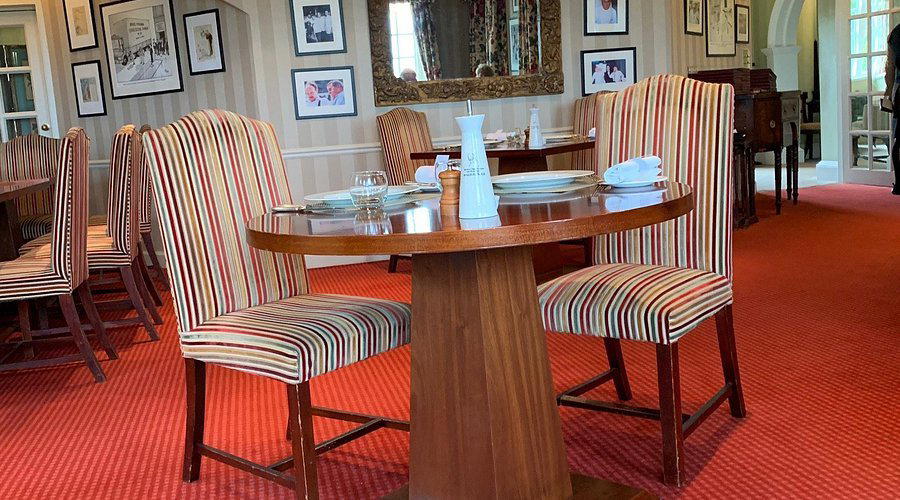
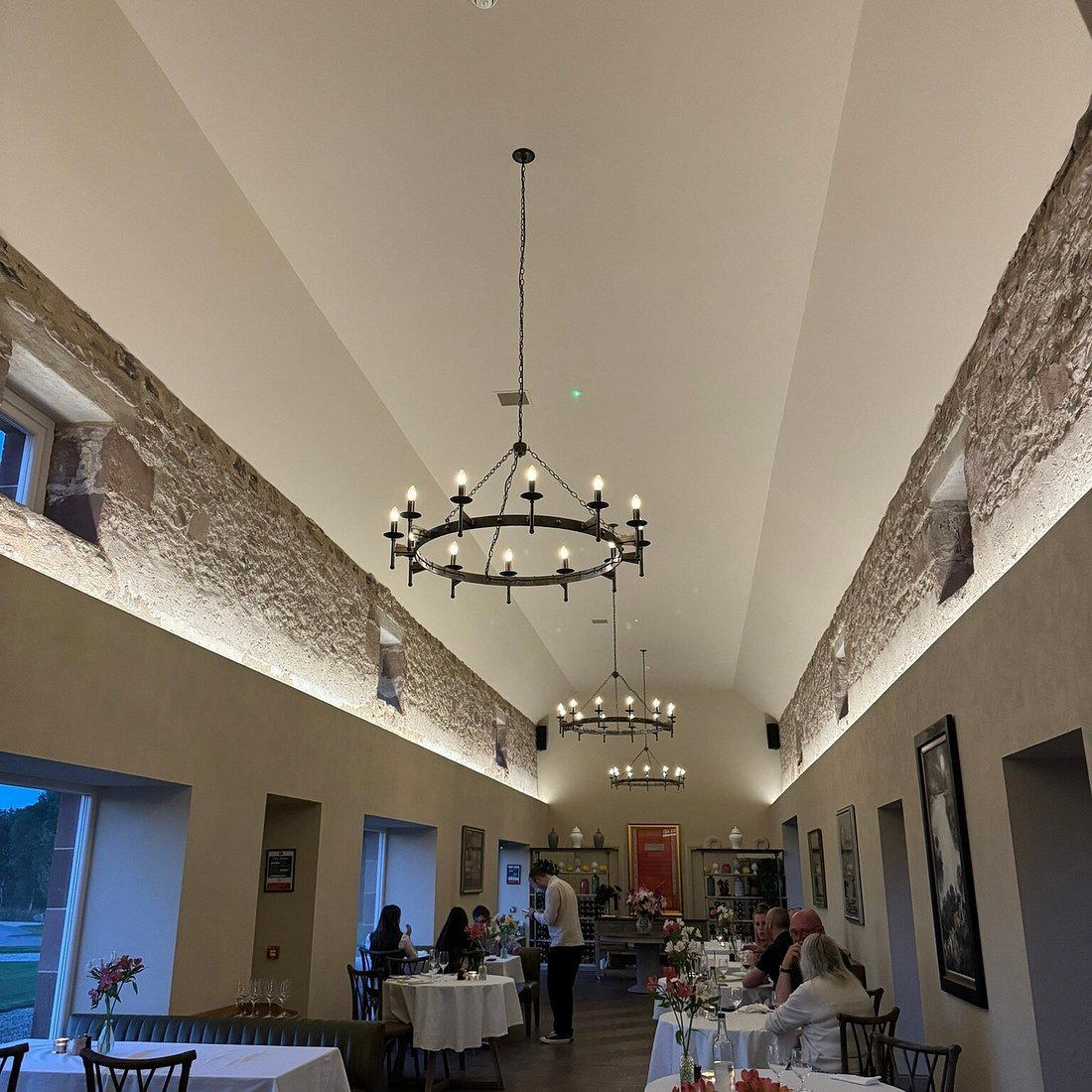
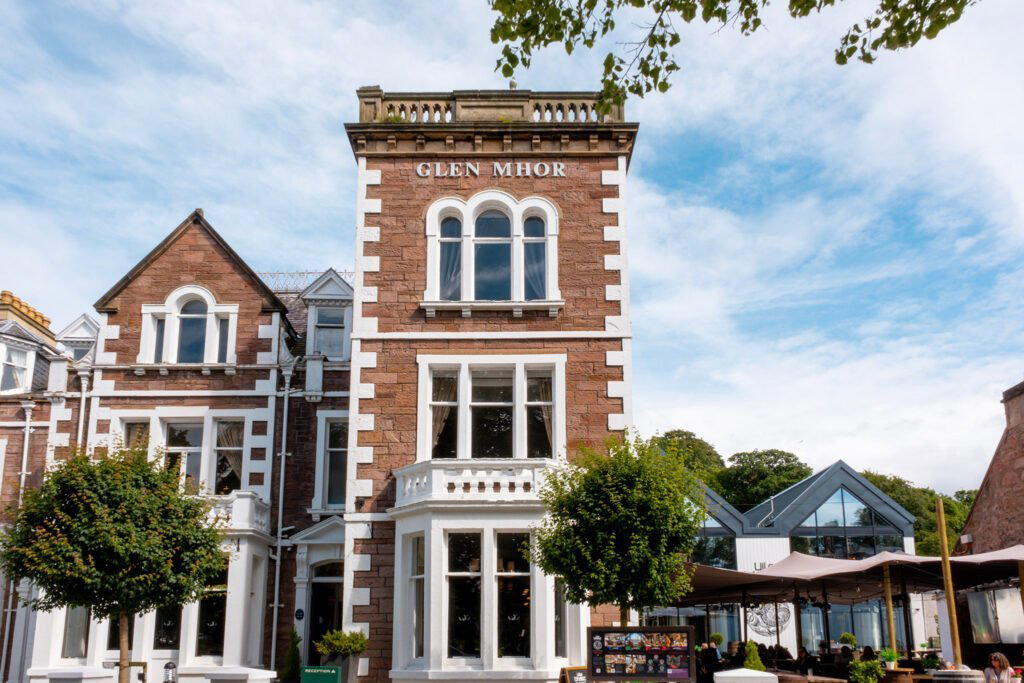
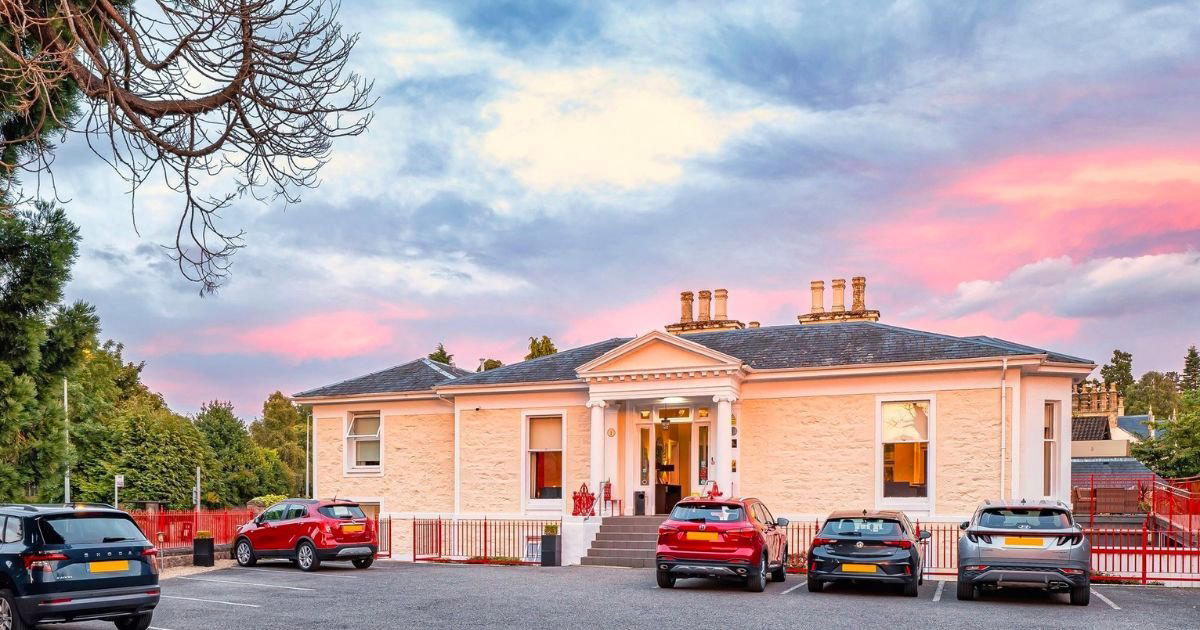
Fraser Street runs a short walk from Inverness city centre, close enough to the river that the approach on foot has a transitional quality, moving from the commercial high street into something quieter. The building itself is a converted church, a format that appears with some regularity in Scottish restaurant conversions, and one that tends to impose its own architecture on how a meal feels: high ceilings, vertical space, and an interior logic that resists the usual compressed dining-room atmosphere. Whether that geometry is used well matters more than the heritage of the structure, and the converted church format across Scotland has produced results ranging from the genuinely atmospheric to the acoustically unforgiving.
Where The Mustard Seed Sits in the Highland Dining Context
The Highland restaurant scene has fragmented across several distinct formats in recent years. On one side, there are destination dining rooms attached to estates and country hotels, places that rely on remoteness and multi-course tasting formats as their primary proposition. L'Enclume in Cartmel and Gidleigh Park in Chagford set the template for that rural fine dining model in the UK, and versions of it operate across the Highlands. On the other side, city-centre restaurants in Inverness occupy a more accessible register, serving a mixed audience of locals, business visitors, and the substantial flow of tourists passing through on their way further north or west.
The Mustard Seed operates in that second category, functioning as a city-centre restaurant rather than a destination dining experience requiring significant travel. That places it in a peer group with addresses like Salt Seafood Kitchen, Hapag Bistro, and The Pines Modern Steakhouse, all of which are working within the same city-centre frame rather than the estate-dining or remote-lodge format. For visitors exploring the region more broadly, Letterewe and Alons Uzbek Halal Grill represent further points on the Highland dining map.
Scottish Produce and the Logic of Proximity
Argument for eating in the Highlands rather than simply passing through it rests on geography. The proximity to Scottish seafood landings, hill-raised livestock, and game makes the region's kitchens competitive on raw material in a way that no amount of supply-chain effort can fully replicate further south. The UK's strongest produce-driven kitchens, including CORE by Clare Smyth in London, Moor Hall in Aughton, and Ynyshir Hall in Machynlleth, invest heavily in sourcing networks specifically to access what Highland and Scottish coastal producers can supply. A restaurant operating within that supply geography has a structural advantage, provided the kitchen is willing to use it.
In the Highlands specifically, menus that track season and locality tend to shift noticeably between summer and the colder months. The period from late spring through early autumn brings lighter seafood-forward plates; autumn and winter shift toward game, braised cuts, and root-heavy preparations. That seasonal rhythm is not distinctive to Highland kitchens, but it is more pronounced here because the alternatives, year-round availability through centralised supply, are less commercially dominant than in larger urban markets. Visitors arriving in different seasons will find the kitchen operating from a meaningfully different pantry.
The Pacing of an Inverness Evening
Restaurants in Scottish city centres, particularly in smaller cities like Inverness, tend to operate across a relatively compressed evening service compared to equivalent rooms in London or Edinburgh. The broader hospitality infrastructure, including pre-dinner bar culture, late-night options, and post-dinner venues, is less dense, which means the restaurant meal itself absorbs more of the evening and tends to run at a slower pace by mutual understanding between kitchen and guest. That slower pacing suits the converted church format well: there is no pressure to turn tables quickly, and guests tend to settle rather than hurry.
For comparison, the rhythms at waterside British restaurants more generally, from Waterside Inn in Bray down to smaller regional rooms with river outlooks, share a similar unhurried quality driven partly by the physical setting. Proximity to water encourages a different relationship with time at table, and restaurants that understand this tend to structure their service accordingly, spacing courses rather than compressing them.
Across the wider UK fine dining circuit, addresses like Hand and Flowers in Marlow, hide and fox in Saltwood, Midsummer House in Cambridge, and Opheem in Birmingham each demonstrate how regional British restaurants operate at a high level outside London. The Highland context is different from all of them, but the underlying principle that geography and setting shape the dining ritual as much as the menu itself applies consistently.
Planning Your Visit
The Mustard Seed Restaurant is at 16 Fraser Street, Inverness IV1 1DW, a short walk from Inverness city centre and the main rail station. Inverness is connected by direct rail from Edinburgh and Glasgow, making it reachable without a car for visitors arriving from the central belt. Booking ahead for dinner, particularly during the summer tourist season and around any local events in Inverness, is advisable given the relatively limited capacity of city-centre dining rooms.
Cuisine and Credentials
Comparable venues nearby, for context on price, style, and recognition.
| Venue | Cuisine | Price | Notes |
|---|---|---|---|
| The Mustard Seed RestaurantThis venue — the venue you are viewing | Modern Scottish with Highland Influences | $$$ | Not listed |
| Letterewe | Scottish Highland Game & Seafood | $$$$ | Wester Ross |
| Salt Seafood Kitchen | Scottish Coastal Seafood | $$ | Achiltibuie |
| The Shores Plockton | Scottish Seafood | $$ | Plockton |
| Whiteleys Kitchen | Hyper-seasonal modern British | $$$$ | Bayswater |

At a Glance
- Romantic
- Cozy
- Elegant
- Scenic
- Date Night
- Business Dinner
- Group Dining
- Family
- Casual Hangout
- Waterfront
- Terrace
- Historic Building
- Standalone
- Craft Cocktails
- Beer Program
- Local Sourcing
- Waterfront
Current opening hours
- Monday
- 12–9:30 PM
- Tuesday
- 12–9:30 PM
- Wednesday
- 12–9:30 PM
- Thursday
- 12–9:30 PM
- Friday
- 12–9:30 PM
- Saturday
- 12–9:30 PM
- Sunday
- 12–9:30 PM
Hours can change for holidays and private events. Last verified .
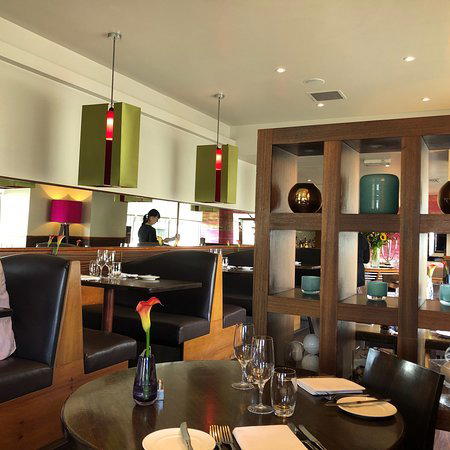
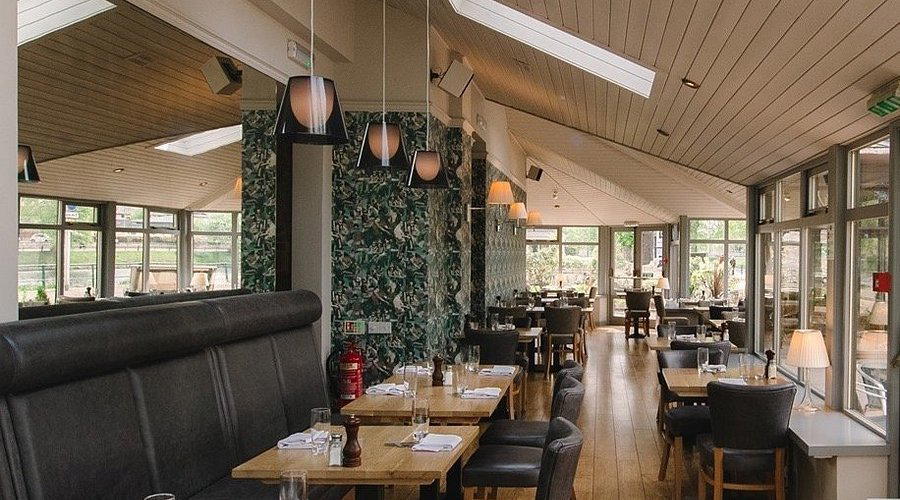
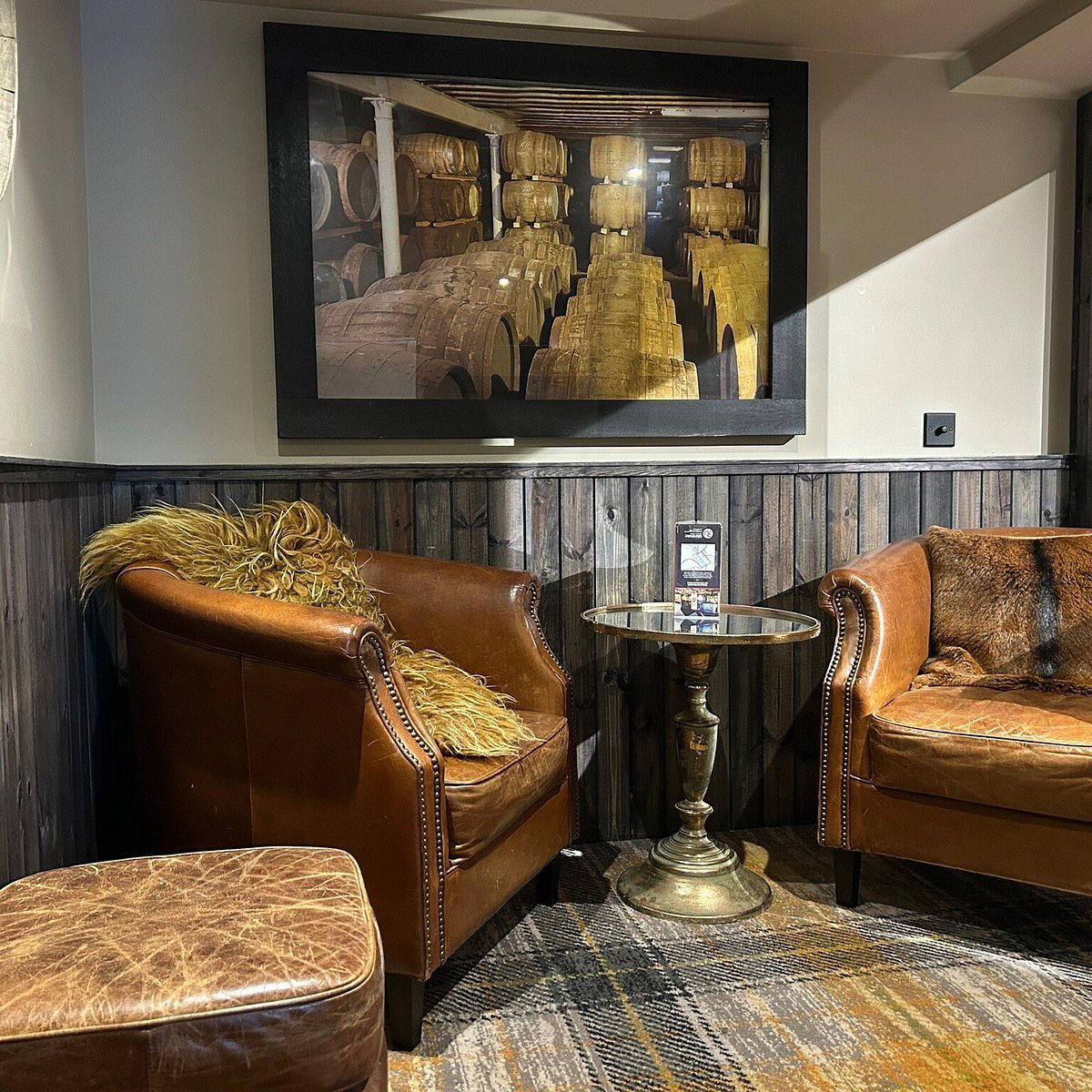
Stylish and warm interior with wonderful ambience created by the historic church setting and riverside location; cozy and friendly atmosphere.