
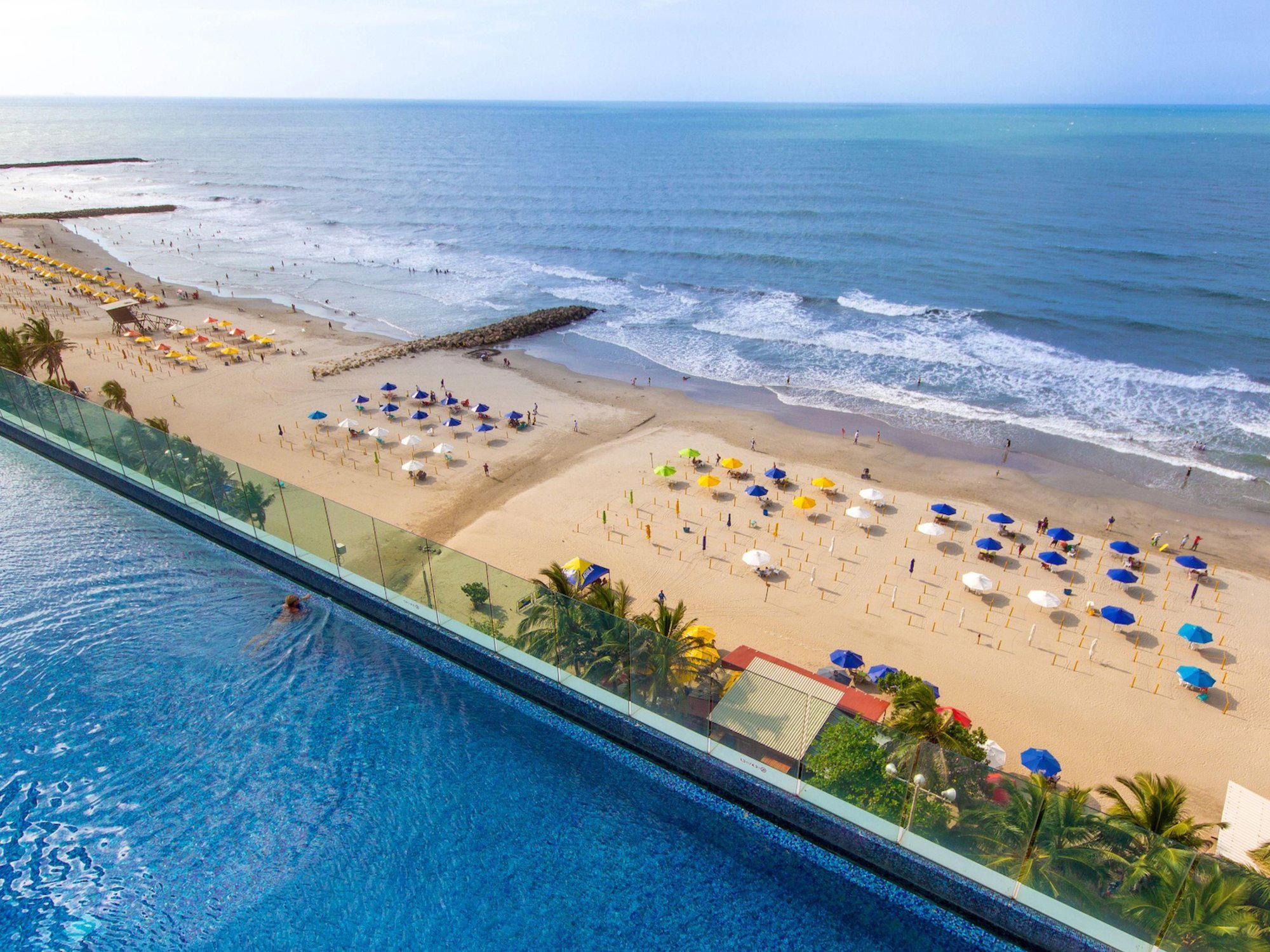
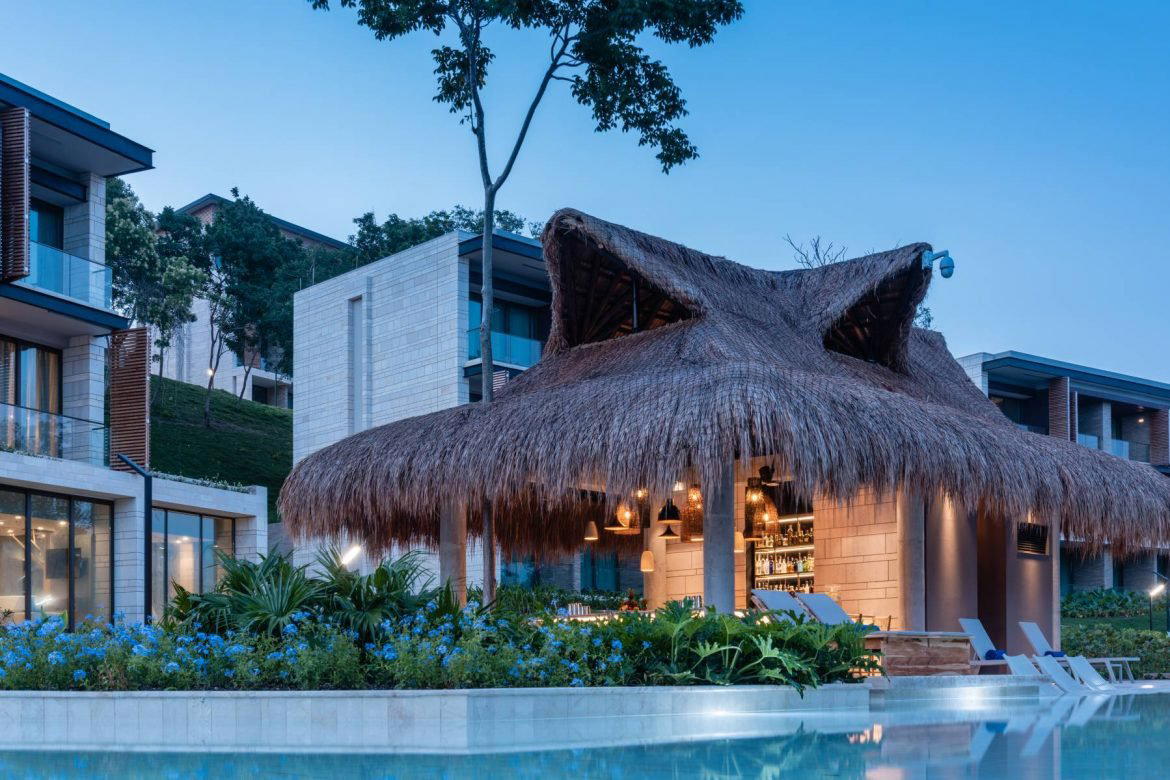
Hotel Las Islas occupies a rare position on Barú's Ciénaga de Cholón lagoon, placing guests between the Caribbean Sea and Colombia's coastal wetlands rather than on a conventional beach strip. The property sits within the Barú peninsula, roughly an hour from central Cartagena by boat, making it a deliberate withdrawal from the city rather than an extension of it. For travellers weighing options along Colombia's northern coast, its lagoon-side address is the first and most decisive distinction.
Pearl is the En Primeur Club membership app — saves, bookings, and concierge access live there. Same editors, same standards.
- Address
- Ciénaga de Cholón, Barú, Bolívar, Colombia
- Phone
- +57 601 3442704
- Website
- lasislas.com.co
- Directions
- Get directions
 Saves & bookings on Pearl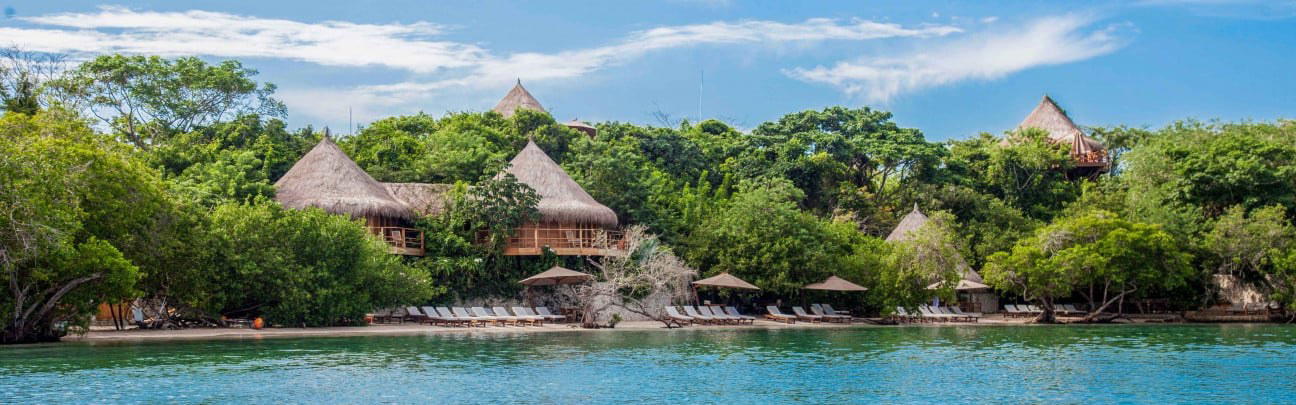
Between the Lagoon and the Caribbean: What Barú's Isolation Actually Means
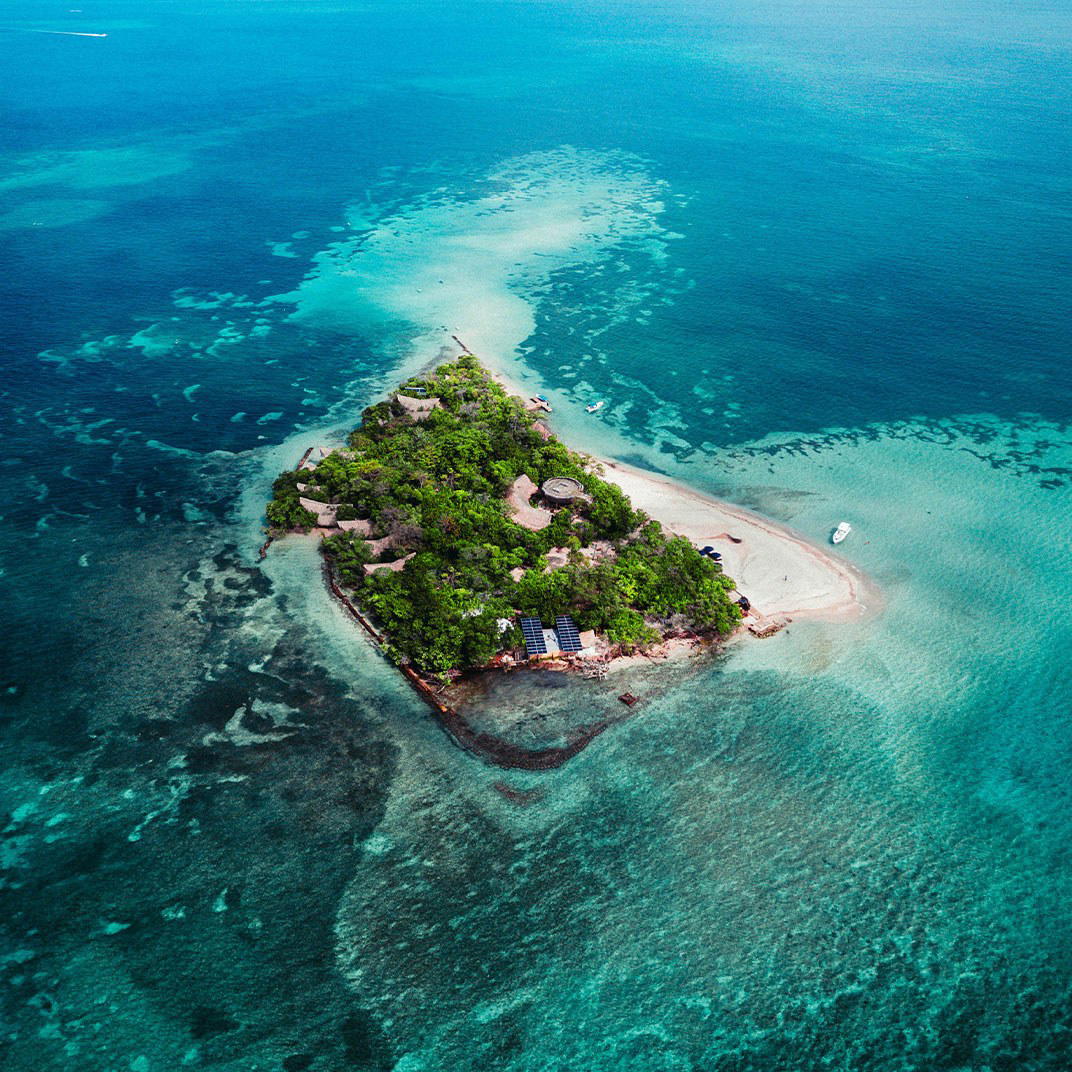
The Barú peninsula draws two distinct types of accommodation. One cluster sits along the open Caribbean beaches facing Playa Blanca, oriented toward day-trippers and resort formats. The other, smaller group positions itself on the Ciénaga de Cholón side, the brackish lagoon that cuts the interior of the peninsula and functions as a calm-water anchorage for sailboats and motorboats arriving from Cartagena. Hotel Las Islas belongs to this second position, at an address on the lagoon rather than the open sea. That placement shapes almost everything about how the property operates and what arriving here feels like.
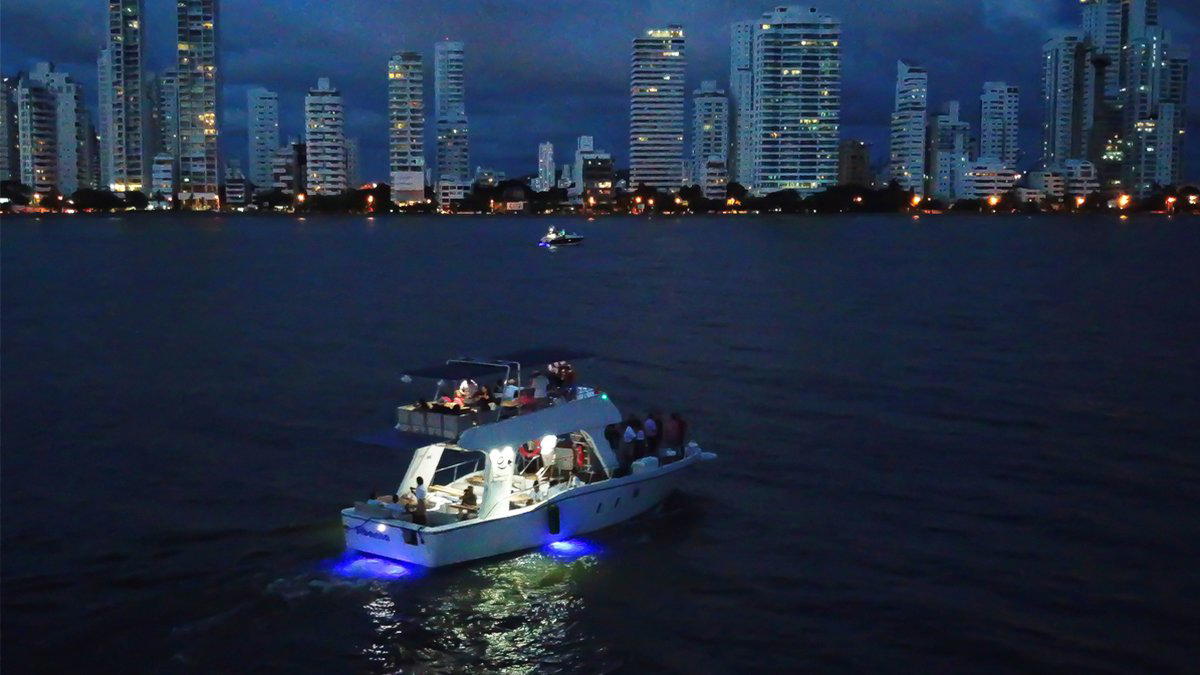
Getting to the Ciénaga de Cholón from Cartagena's historic centre typically means a boat transfer of around 45 to 60 minutes, depending on conditions in the Bahía de Cartagena and the channel connecting it to the lagoon. The overland route via the causeway to Barú adds more time and requires arranging ground transport on a road that remains partly unpaved. Most guests at properties of this type arrive by water, which means the arrival sequence itself reframes expectations: the walled city recedes, the naval installations at Bocachica pass on one side, and the mangrove edges of Barú close in as the boat enters the lagoon.
The Barú Accommodation Tier and Where Las Islas Sits
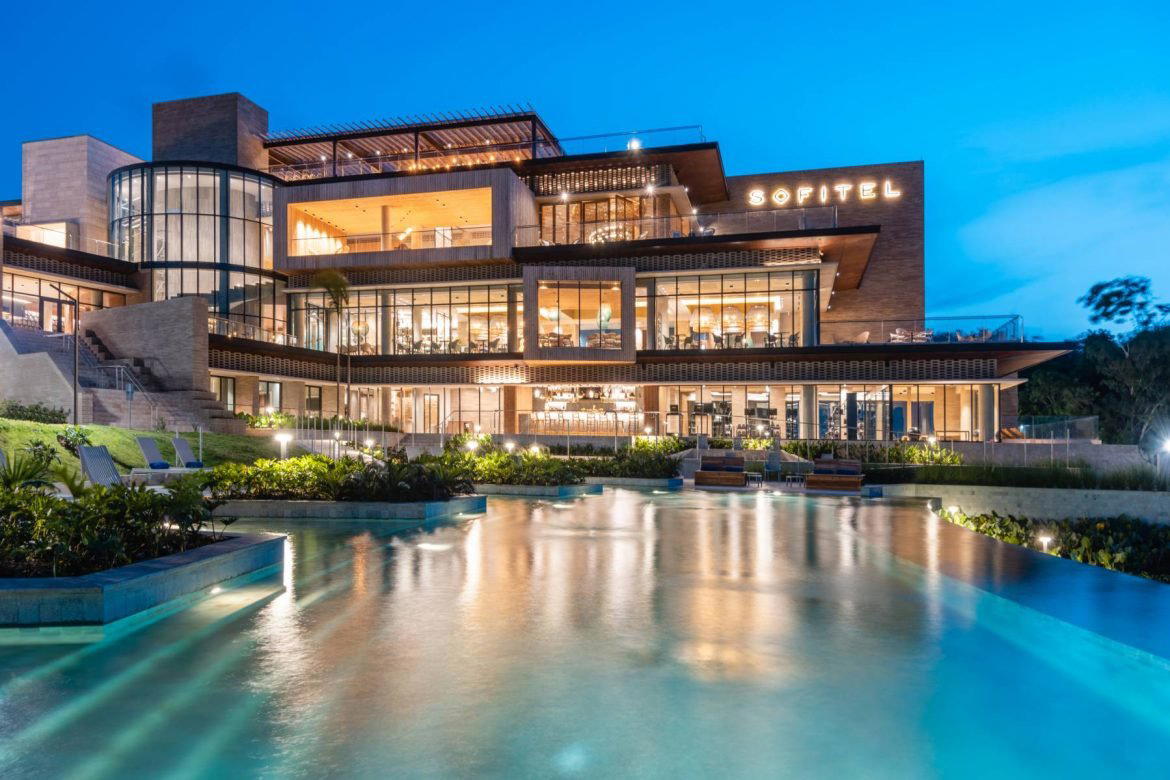
Cartagena's wider hotel market has stratified sharply over the past decade. The walled city and Bocagrande concentrate the international brand presence, including the Four Seasons Hotel and Residences Cartagena and properties like the Movich Hotel Cartagena de Indias, which compete on urban convenience, pool access, and proximity to the old city's restaurant and nightlife circuit. The Barú segment operates under a different logic entirely. Distance from the city is a selling point, not a compromise. The Sofitel Barú Cartagena Beach Resort represents the large-footprint resort model on the peninsula, with branded infrastructure and a volume-oriented approach. Hotel Las Islas, positioned on the Cholón lagoon rather than a large beachfront, occupies a more contained format within that same geography.
Across Colombia's boutique hotel segment, this kind of water-edge, low-density positioning has become a recognised format. Properties like Bio Habitat Hotel, AKEN Soul in Quindio and Cannúa Lodge in Marinilla reflect a broader Colombian turn toward smaller properties that trade international-brand legibility for environmental specificity. Hotel Las Islas reads within that same current.
The Dining Context at a Lagoon-Side Property
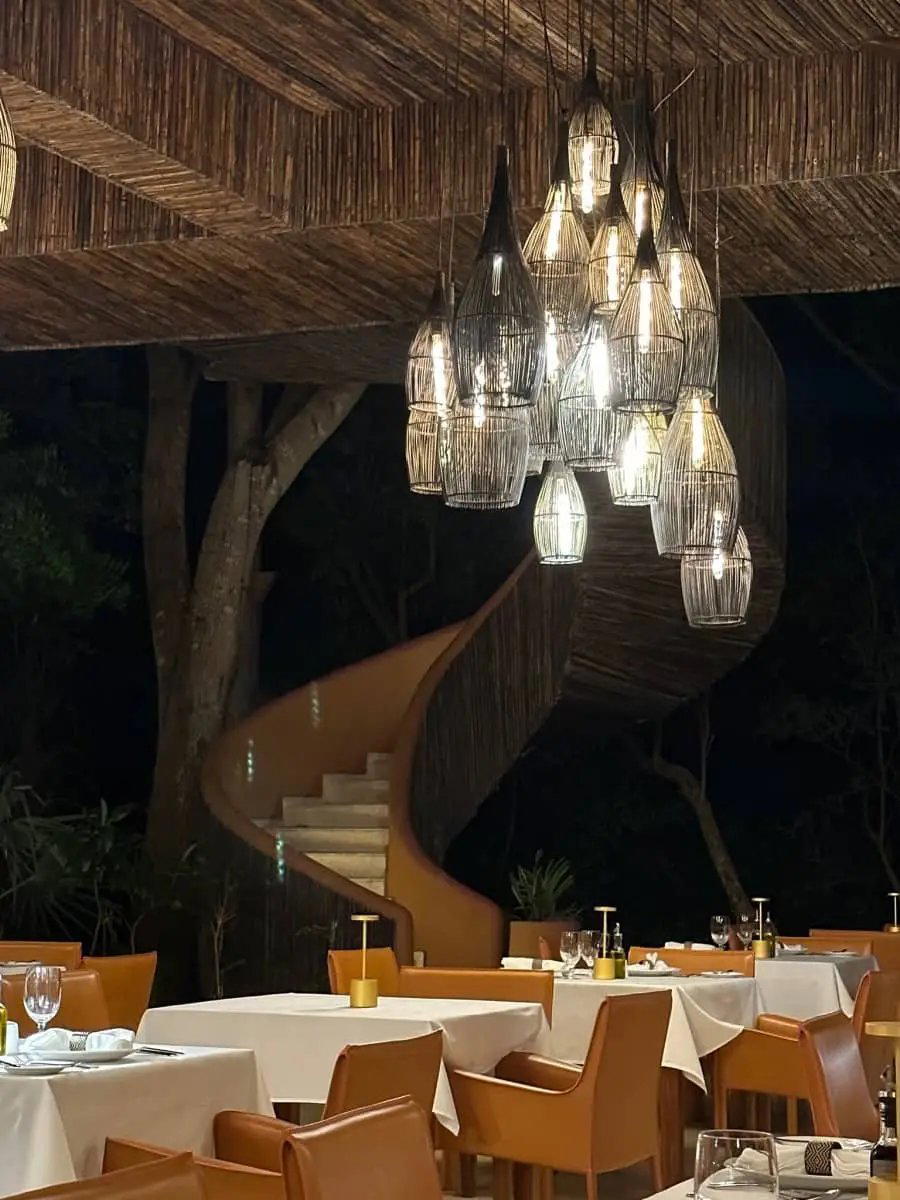
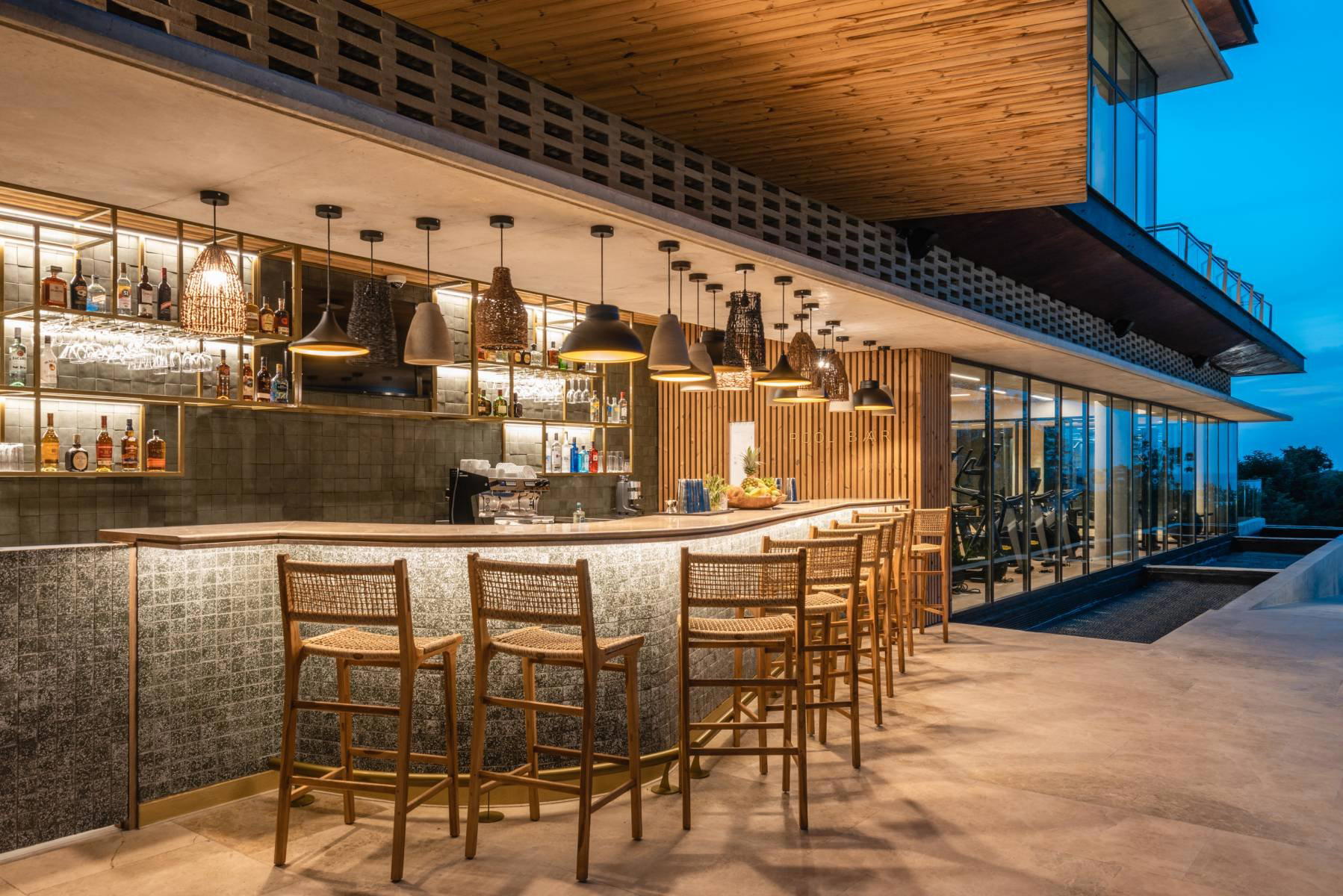
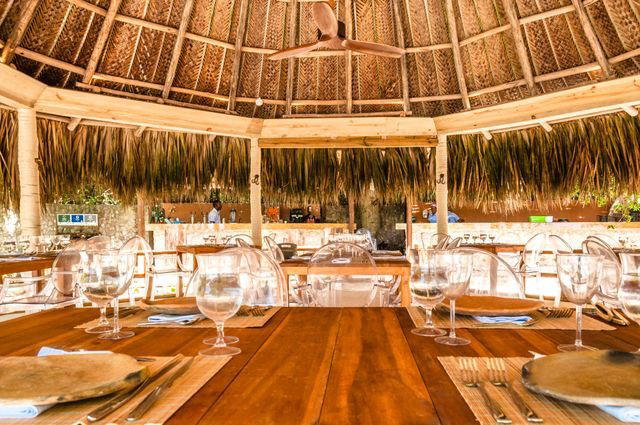
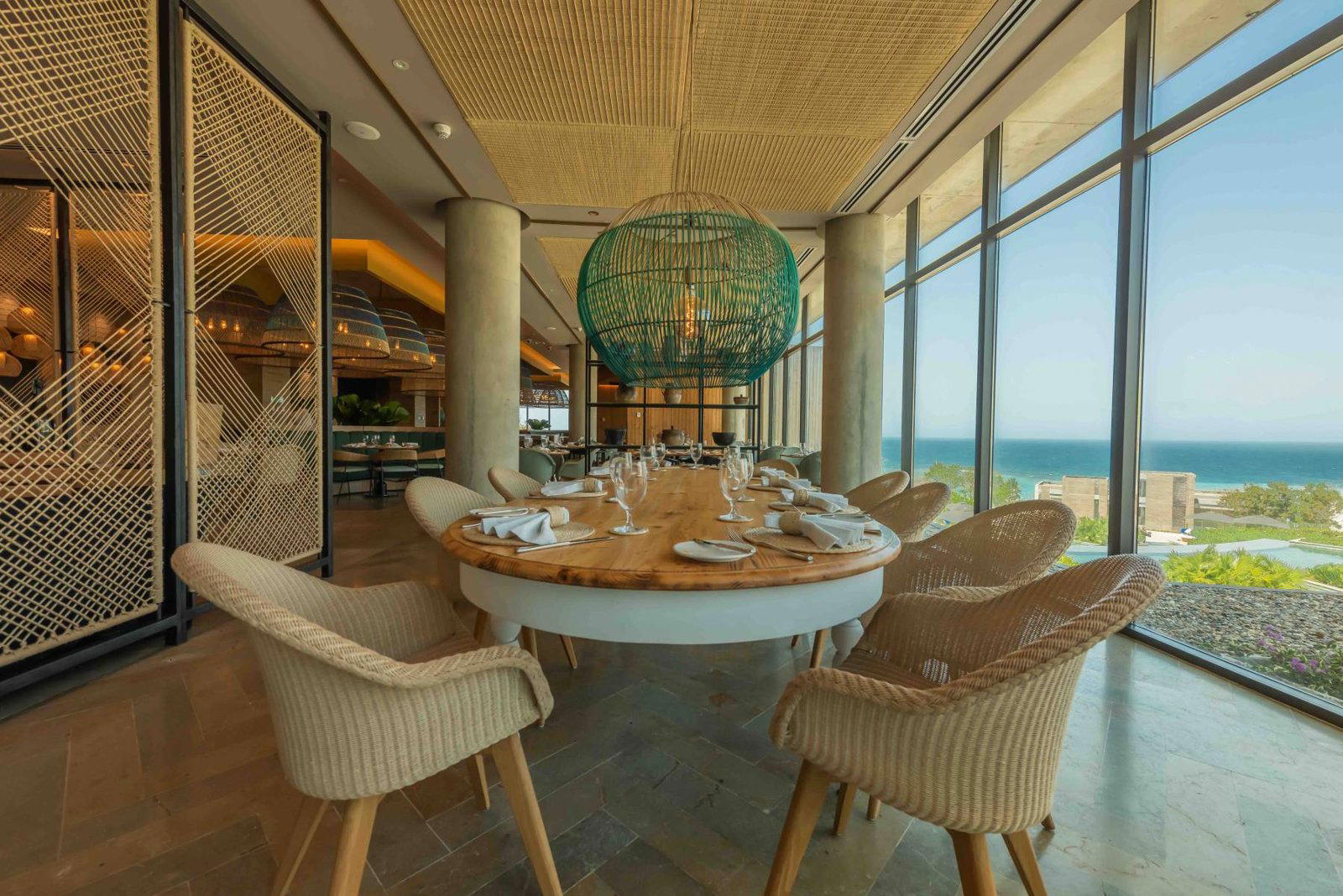
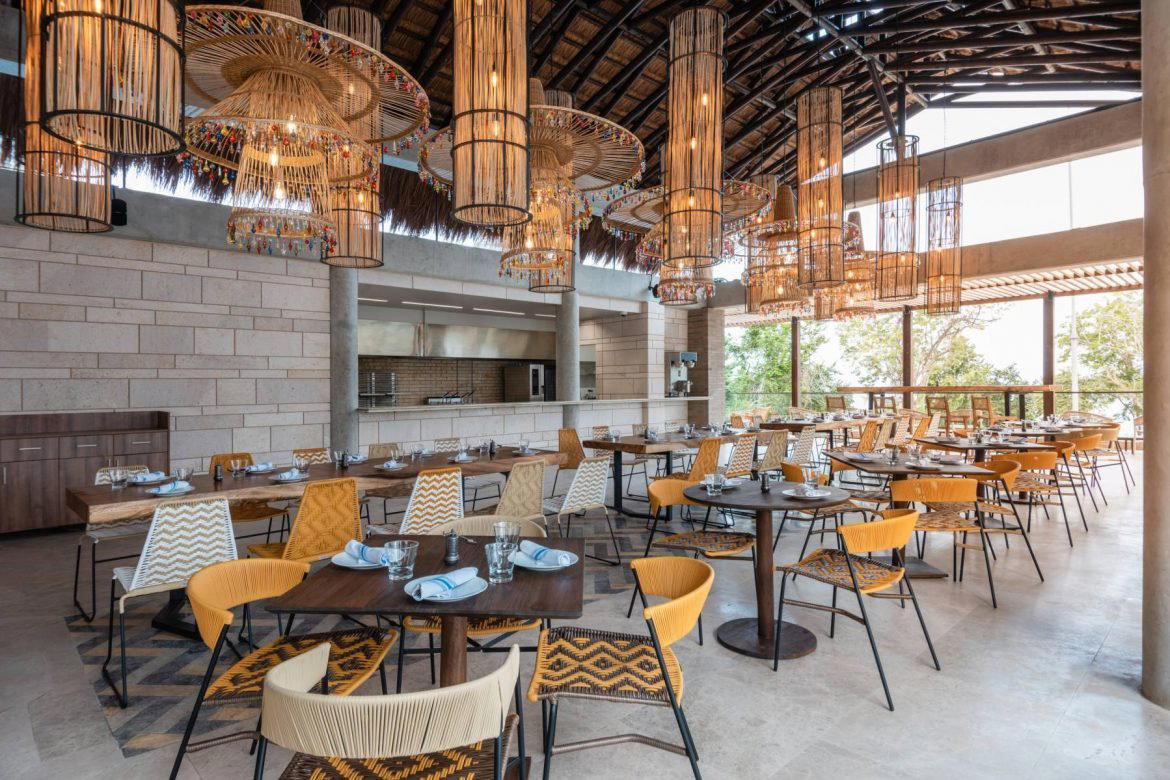
For properties in the Cholón lagoon corridor, the food and beverage programme carries more weight than it would at a city hotel with dozens of restaurant options within walking distance. Guests at a lagoon property are, by definition, a boat ride from Cartagena's dining scene, which means the on-site kitchen operates closer to a resort model than a boutique urban hotel. That condition shapes what a property in this position needs to do well: reliable sourcing of fresh Caribbean seafood, a beverage programme suited to outdoor, heat-and-humidity conditions, and food that works across long, unhurried afternoons as well as structured dinner service.
The broader Colombian Caribbean coast supports a culinary tradition built on coconut rice, fried fish, ceviche preparations using the region's citrus, and patacones, all of which translate naturally to an open-air lagoon setting. Properties operating here that lean into that register tend to distinguish themselves from the more internationally-coded menus found in Cartagena's Getsemaní and Centro Histórico neighbourhoods.
At Elcielo Hotel and Restaurant in Medellín, the restaurant format operates as the conceptual anchor for the entire property, drawing a comparable set beyond the hotel category. At Hotel boutique y restaurante vegetal Casa Lėlytė in Bogota, plant-forward cooking defines the hotel's identity at least as much as its room count does. In Barú, the food programme's axis is different: it is shaped by geography and access rather than by culinary concept, and the execution centres on what the lagoon's surroundings supply and what the climate demands.
The long dry season from December to March coincides with peak travel demand, when Cartagena fills with domestic and international visitors and accommodation across the coast compresses. Properties on Barú at this time of year benefit from the demand pressure pushing guests toward alternatives to the crowded old city, but also face the same booking constraints.
Barú, by contrast, requires committing to the logistics of island time.
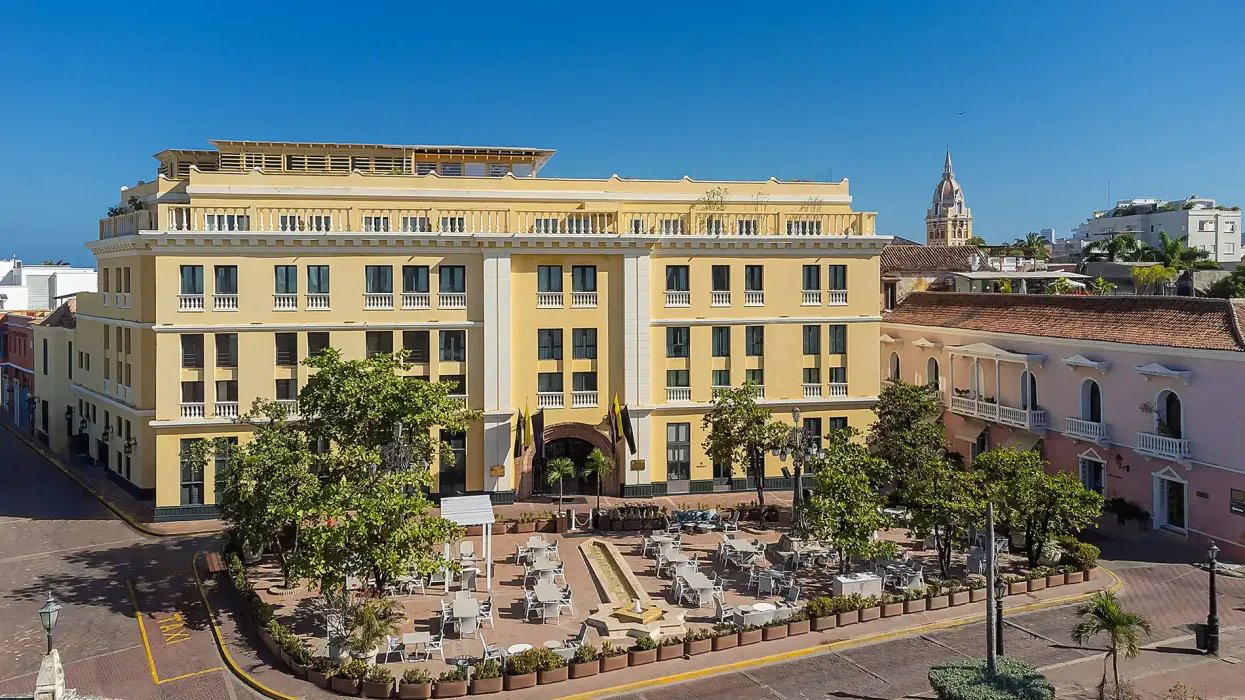
Within Cartagena itself, the Hotel Casa Don Sancho By Mustique represents the intimate walled-city format for travellers who want proximity to the historic centre over waterside isolation. That is a genuinely different proposition, and the choice between a lagoon property and an old-city boutique is less about quality than about what kind of trip a guest wants to construct.
The hotel operates at a different scale and price point, but the underlying logic of place-as-programme is recognisable across all of them.
Budget Reality Check
Comparable venues nearby, for context on price, style, and recognition.
| Venue | Price | Awards | Notes |
|---|---|---|---|
| Hotel Las IslasThis venue — the venue you are viewing | $$$$ | 5-Star | Not listed |
| Movich Hotel Cartagena de Indias | $$$$ | 4-Star | Historic Center (Centro Histórico), Contemporary luxury boutique hotel seamlessly blending 17th-century colonial architecture with sleek modern design in the heart of Cartagena's historic walled city. |
| Sofitel Barú Cartagena Beach Resort | $$$$ | 5-Star | Baru Island, Contemporary French luxury integrated with tropical island nature |
| Four Seasons Hotel and Residences Cartagena | $$$$ | 5-Star | Getsemaní, Colonial heritage reimagined as contemporary luxury, honoring Cartagena's Spanish colonial past while incorporating modern design and technology. |
| Hotel Boutique Casona del Colegio | $$$$ | 5-Star | Centro, Colonial boutique with 21st century Colombian design |
| Cinco Quintas Hotel Boutique | $$$$ | 5-Star | Centro Historico, colonial compound with central courtyard |
Recognition history
Dated appearances from independent guides and award organizations, with the underlying list record or original source where available.
Mr & Mrs Smith Smith Seal of Approval
Mr & Mrs Smith
Michelin Selected
Michelin
At a Glance
- Romantic
- Elegant
- Scenic
- Sophisticated
- Intimate
- Honeymoon
- Romantic Getaway
- Destination Wedding
- Weekend Escape
- Beachfront
- Panoramic View
- Pool
- Spa
- Fitness Center
- Room Service
- Concierge
- Private Beach
- Wi Fi
- Restaurant
- Bar
- Waterfront
- Garden
- Pool
- Spa
- Fitness Center
- Room Service
- Concierge
- Private Beach
- Wi Fi
- Restaurant
- Bar
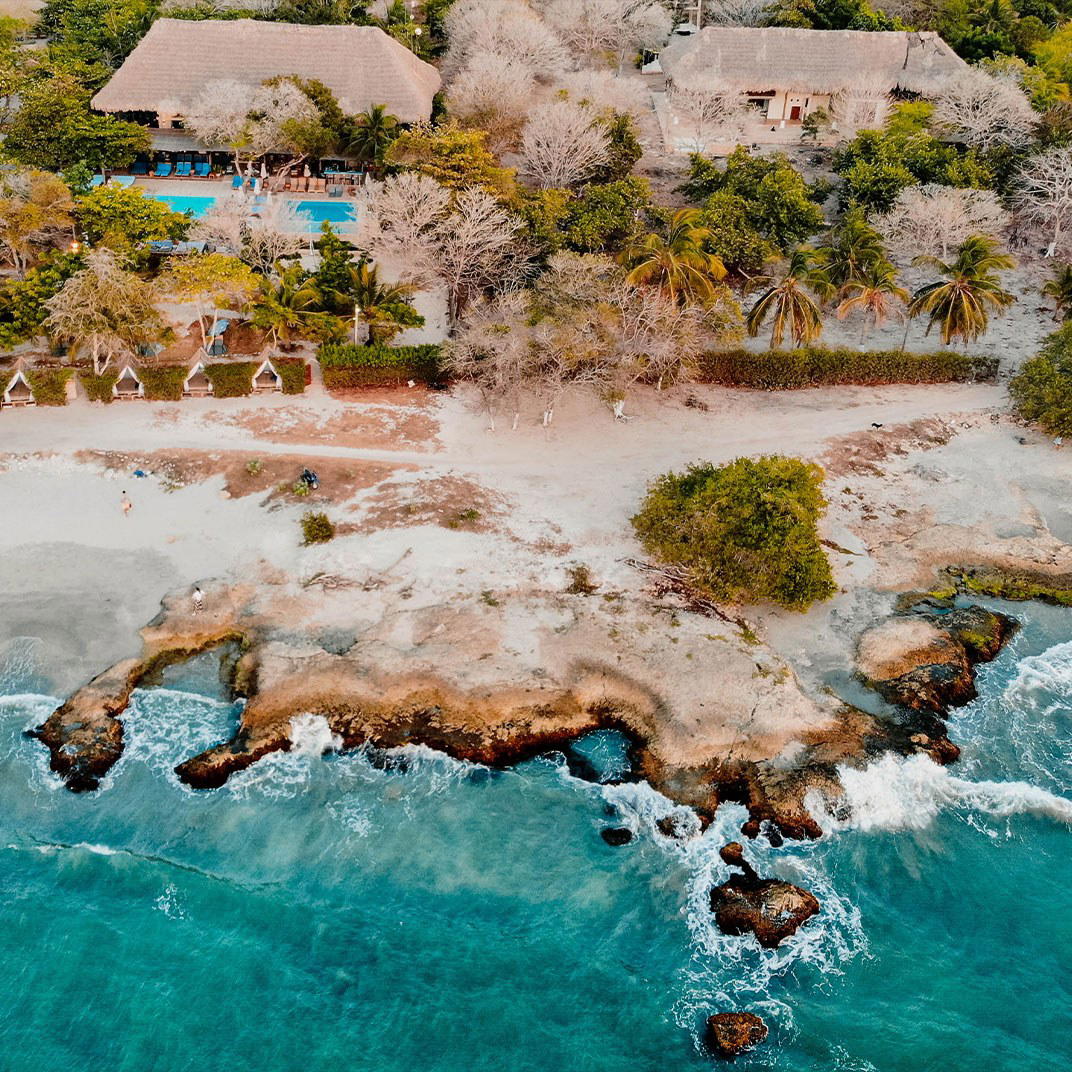
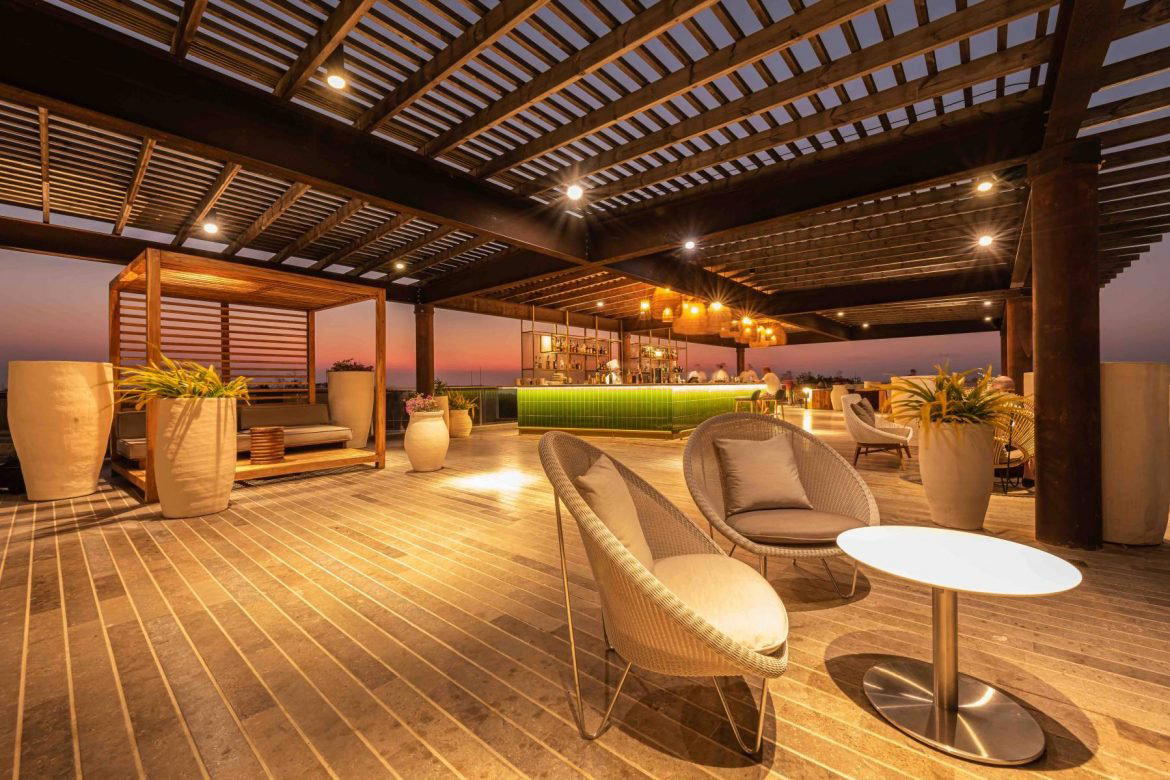
Serene and immersive natural atmosphere with lush jungle, sea views, and relaxing spa treatments amid Caribbean nature.