Motu Nao Nao

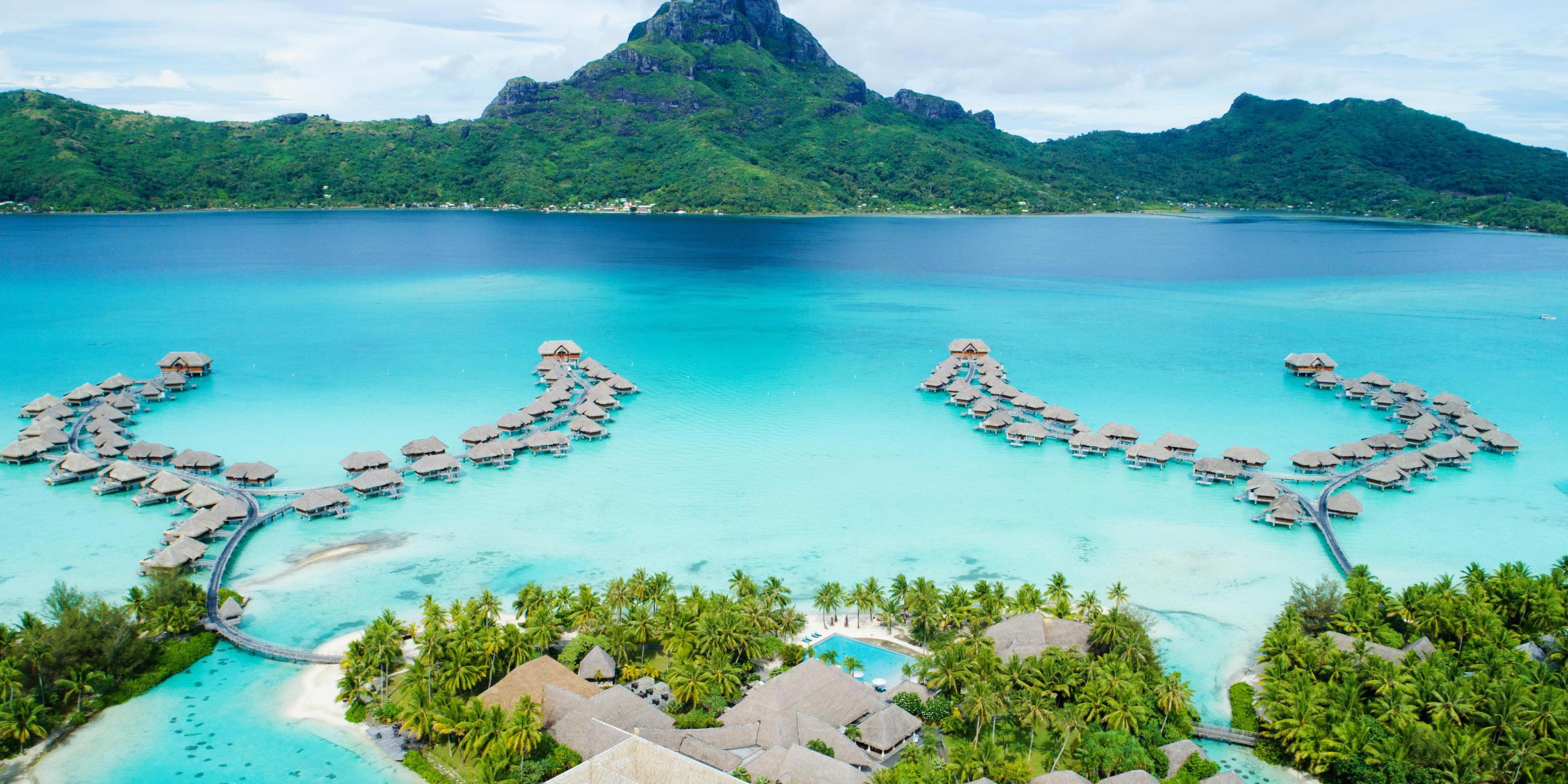
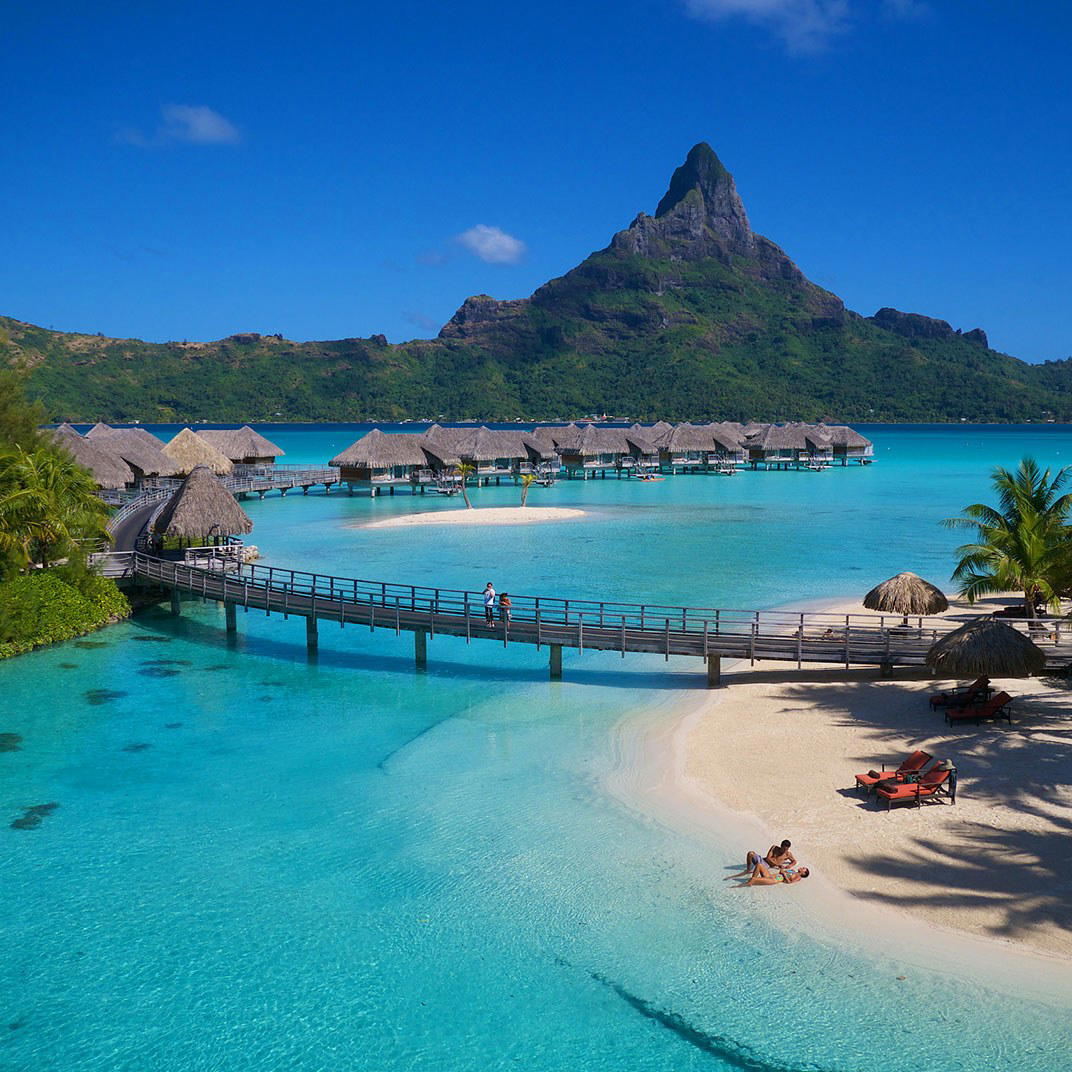
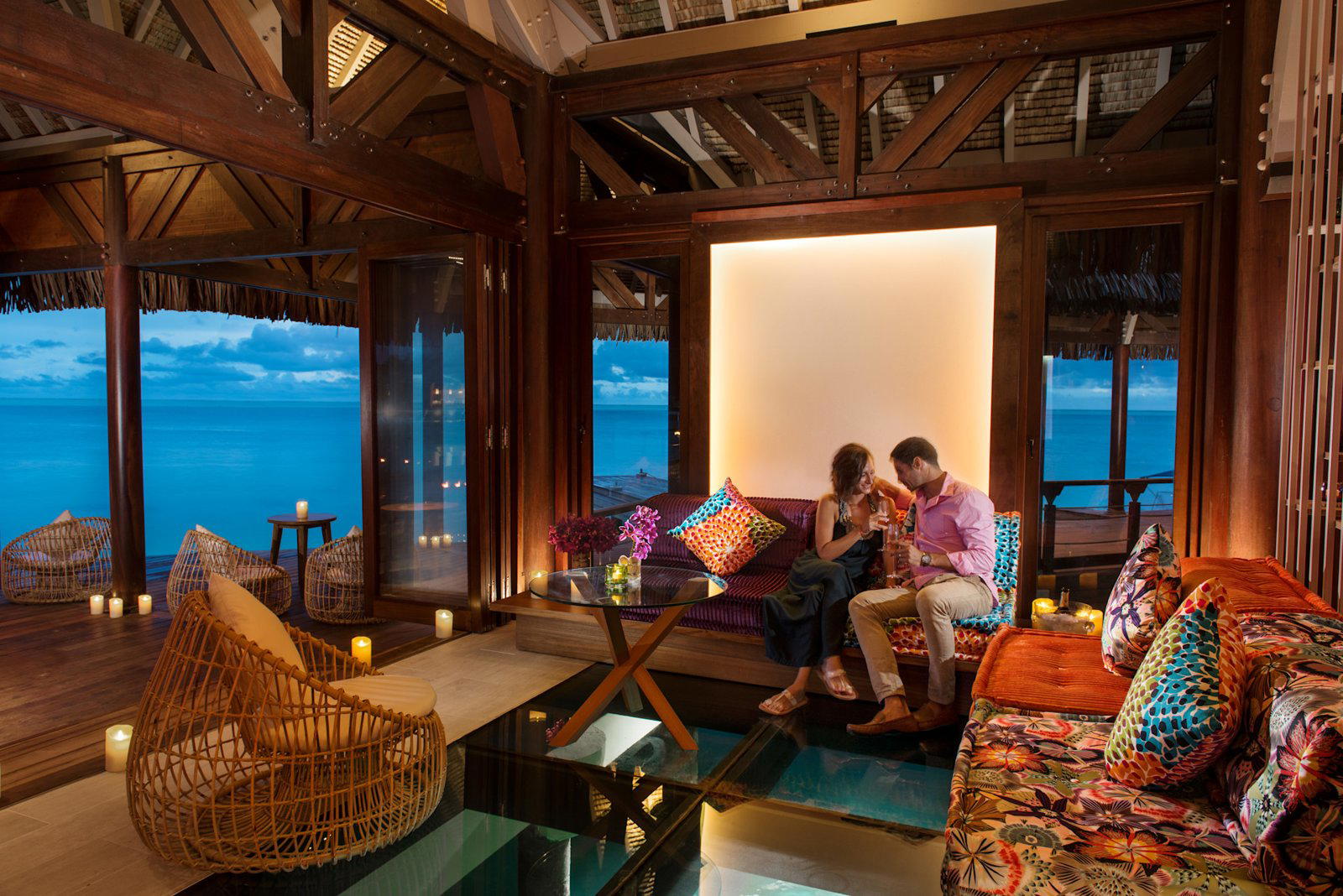
A 75-acre private island in Raiatea's lagoon, Motu Nao Nao offers three handcrafted villas designed to sit within the surrounding nature rather than impose on it. Land activities run from yoga and pilates to massage, with the island's pace calibrated around South Pacific sunsets and open water. Booking is by private arrangement, making it among the more intimate stay formats in French Polynesia.
Pearl is the En Primeur Club membership app — saves, bookings, and concierge access live there. Same editors, same standards.
- Address
- Motu Nao Nao Private Island
- Website
- motunaonao.com
- Directions
- Get directions
 Saves & bookings on Pearl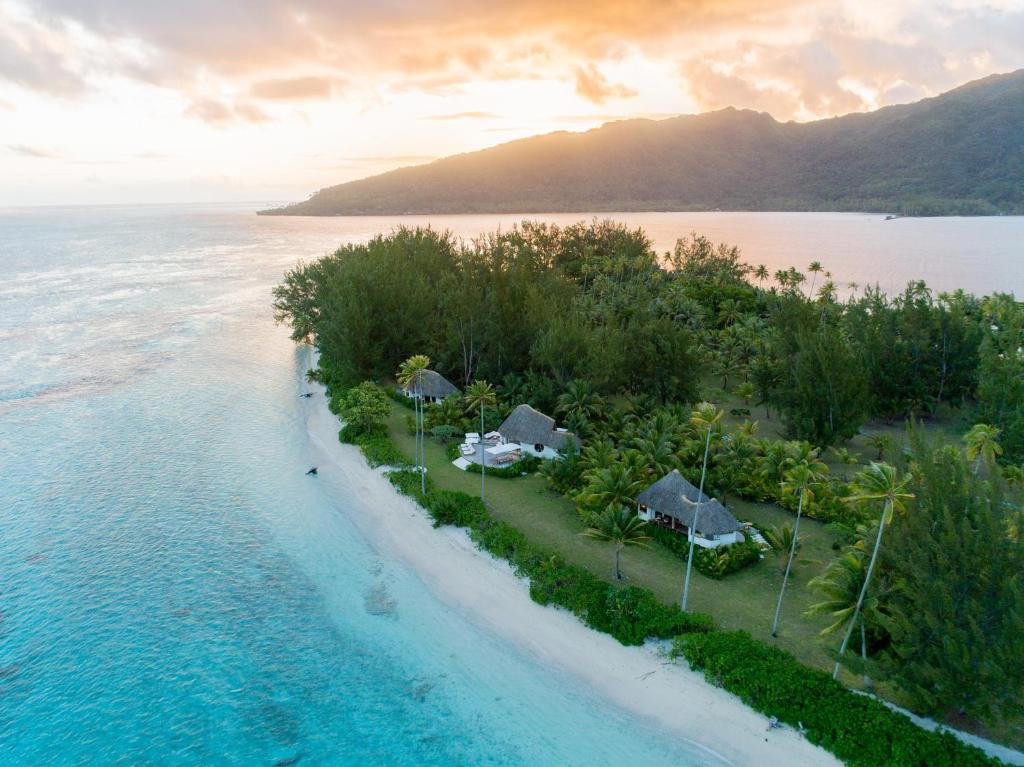
A Private Island in the Raiatea Lagoon
French Polynesia's private island category sits at the far end of an already rarefied accommodation spectrum. The archipelago that includes Bora Bora, Raiatea, and Taha'a has long operated as a benchmark for remote luxury in the Pacific, drawing comparisons with the Maldives and Fiji in conversations about where the genre reaches its ceiling. Within that category, the operative distinction is between resort islands, which function as contained hotel operations with all the attendant staffing, programming, and visual branding, and genuinely private islands, where the entire landmass is committed to a single party or a small number of guests. Motu Nao Nao belongs to the latter group: a 75-acre island in Tumaraa with three handcrafted villas, positioned not as a resort with private-island aesthetics but as an actual private island with accommodation built around it.
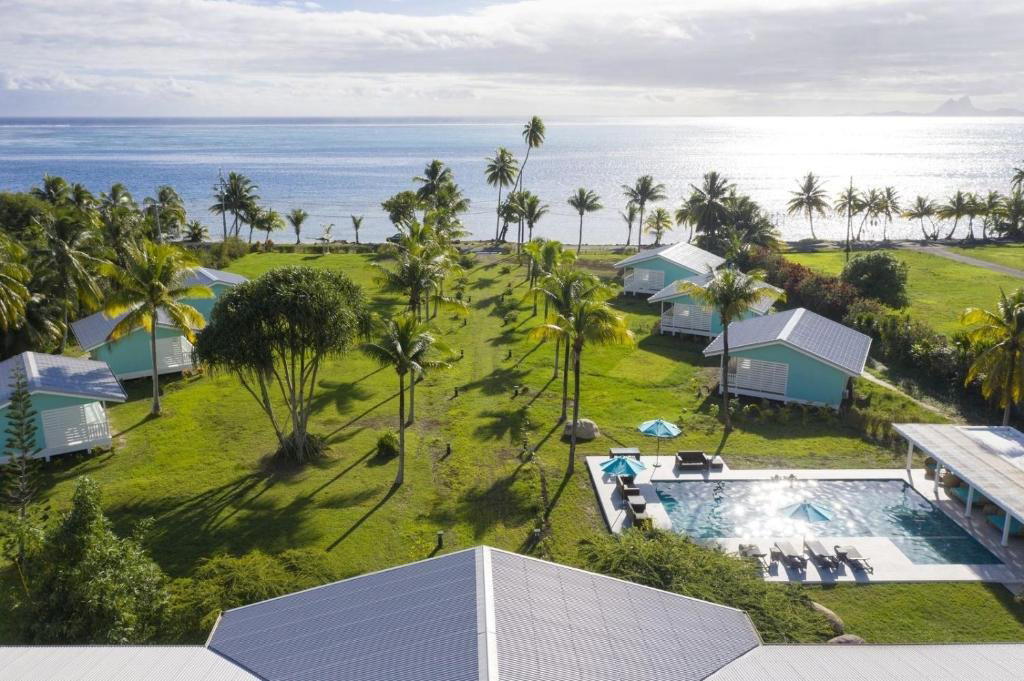
Raiatea itself is among the least commercially developed of French Polynesia's Society Islands. It lacks the overwater-bungalow infrastructure that defines Bora Bora's tourism economy, and that relative absence of mass-market development is precisely what makes its lagoon system a compelling location for something as low-capacity as three villas on 75 acres. For a nearby alternative at a different scale and format, Hôtel Raiatea Lodge provides a useful point of comparison.
Three Villas, Seventy-Five Acres
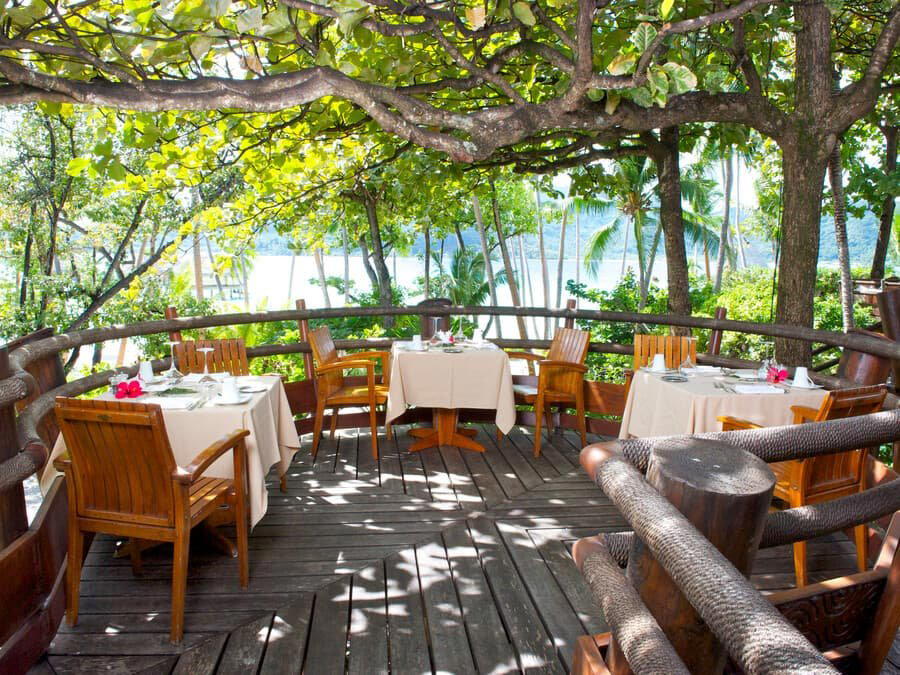
The ratio of land to accommodation at Motu Nao Nao is the defining structural fact of the experience. At three villas across 75 acres, the density is so low that even at full occupancy the island retains the character of private use rather than shared resort space. This is a different proposition from most premium private-island formats, where room counts in the double digits mean the island remains a backdrop rather than something a guest can meaningfully claim. The villas themselves are described as handcrafted, a term that in the French Polynesian context typically signals local materials, construction methods tied to island building traditions, and interiors calibrated to the natural environment rather than air-conditioned against it. The framing reflects the beauty and nature that surrounds the structures, suggesting an architectural approach that reads outward toward the lagoon and interior of the island rather than inward toward a resort compound.
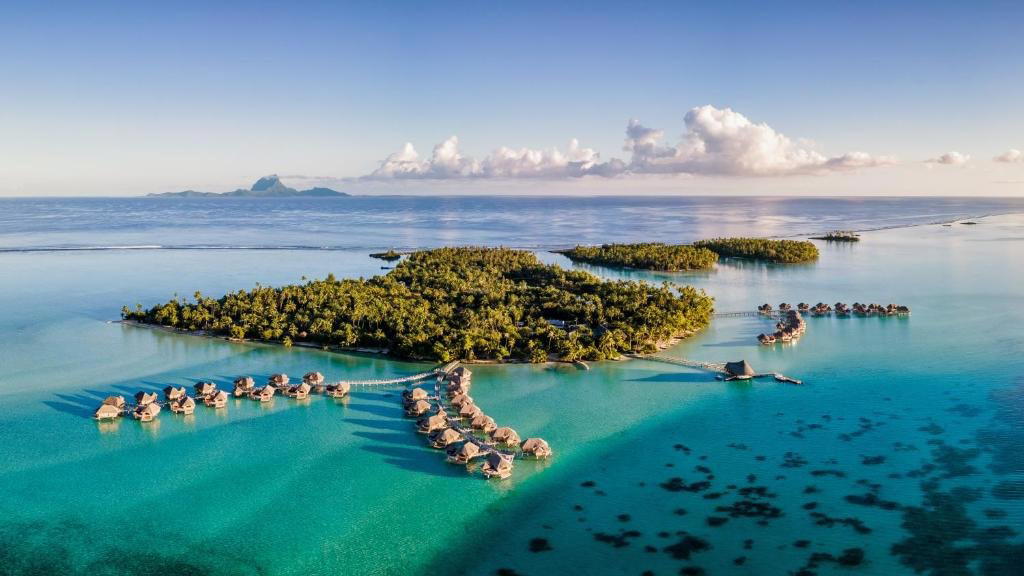
The Brando in Tahiti represents the larger, more operationally complete end of French Polynesia's private island spectrum, while Motu Nao Nao operates at the opposite end: smaller, quieter, and more reliant on the island itself as the primary offering. Other regional comparisons worth considering include Le Taha'a Pearl Resorts in Tahaa and Conrad Bora Bora Nui in Bora Bora, both of which operate within the broader Society Islands arc but at considerably higher guest capacities.
The Island's Daily Programme
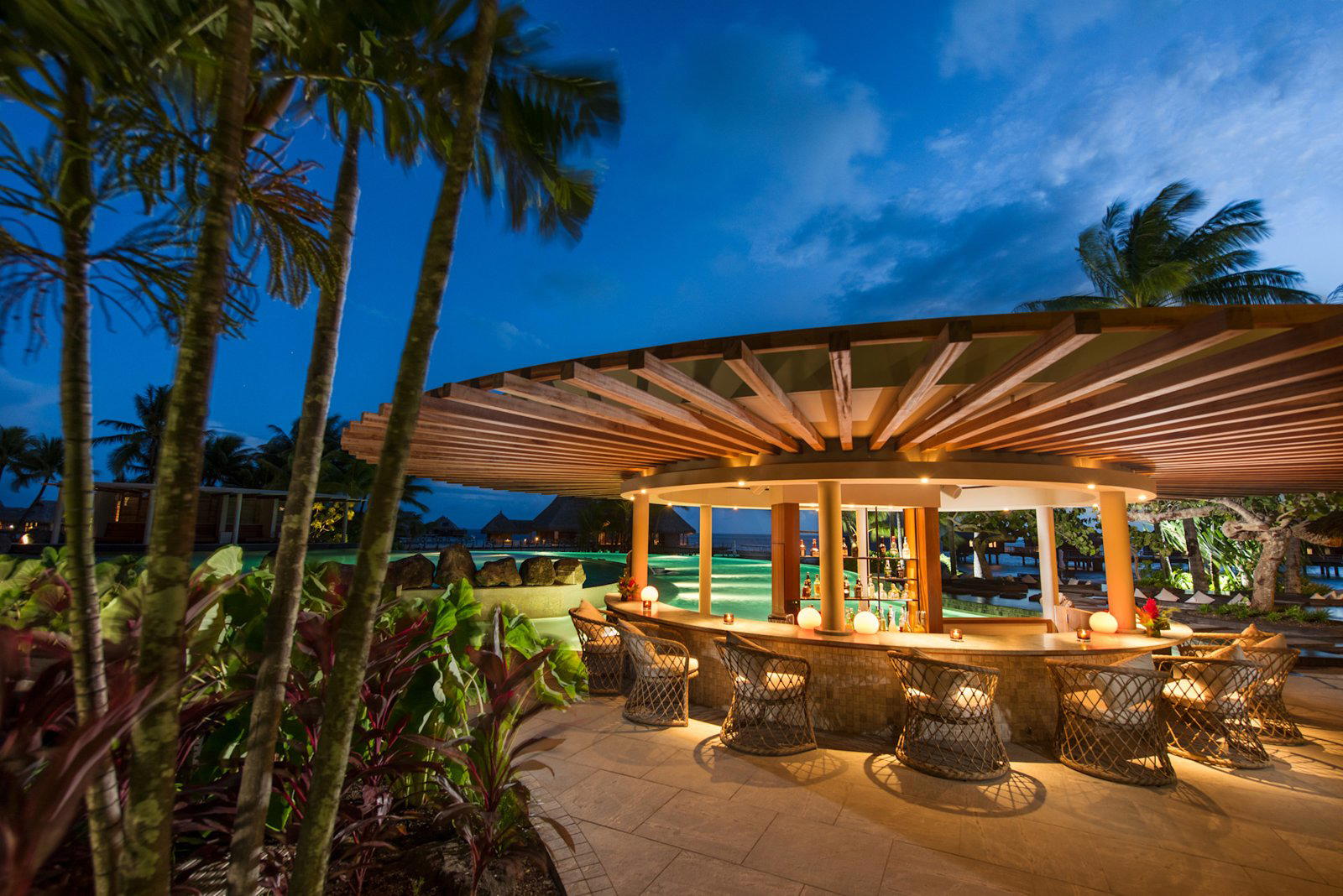
The activities framework at the hotel reflects a deliberate positioning around stillness and the natural environment rather than structured resort programming. Yoga and pilates classes are available, as are massages, all arranged on request. This is an on-demand model rather than a scheduled programme, which suits the low-occupancy format: when the entire island hosts at most three villa parties, timetabled group activities make little contextual sense. The emphasis on breathing in ocean air and the sounds of nature in the island's own description is less marketing language than a statement of what the experience is actually calibrated around. The South Pacific sunset cocktail moment is explicitly part of the rhythm, pointing to an offer where the arc of the day ends at the water's edge rather than at a bar counter.
Food and Drink at a Private Island Scale
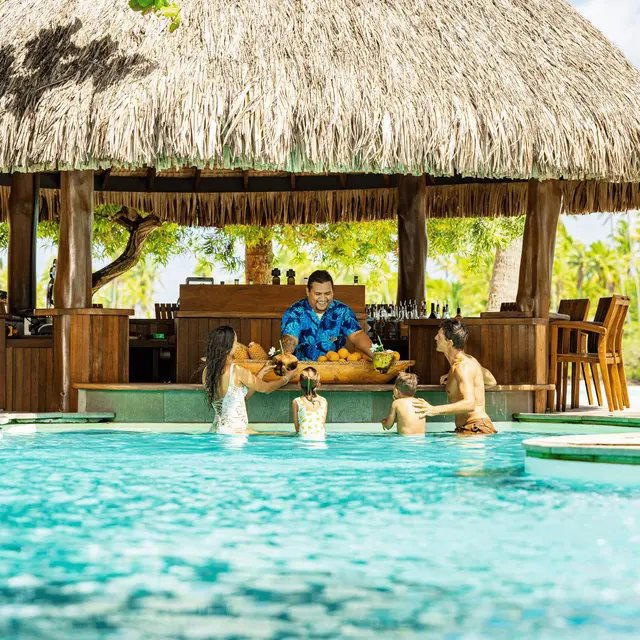
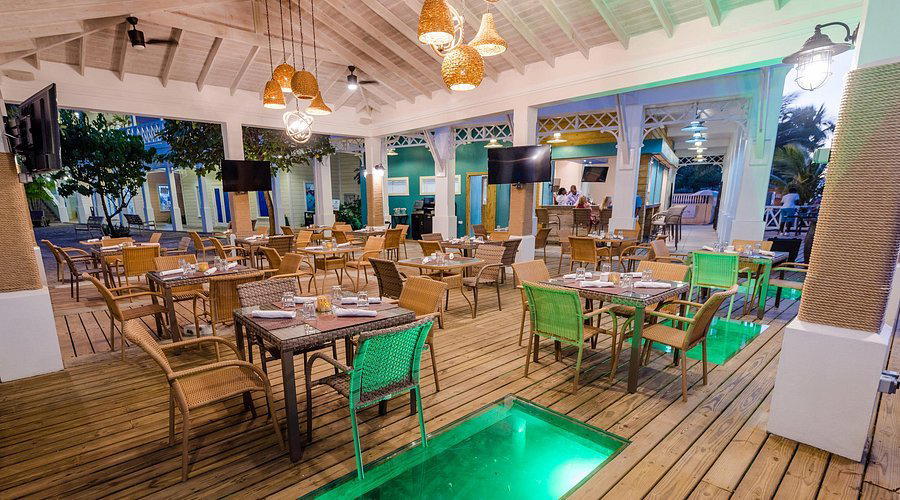
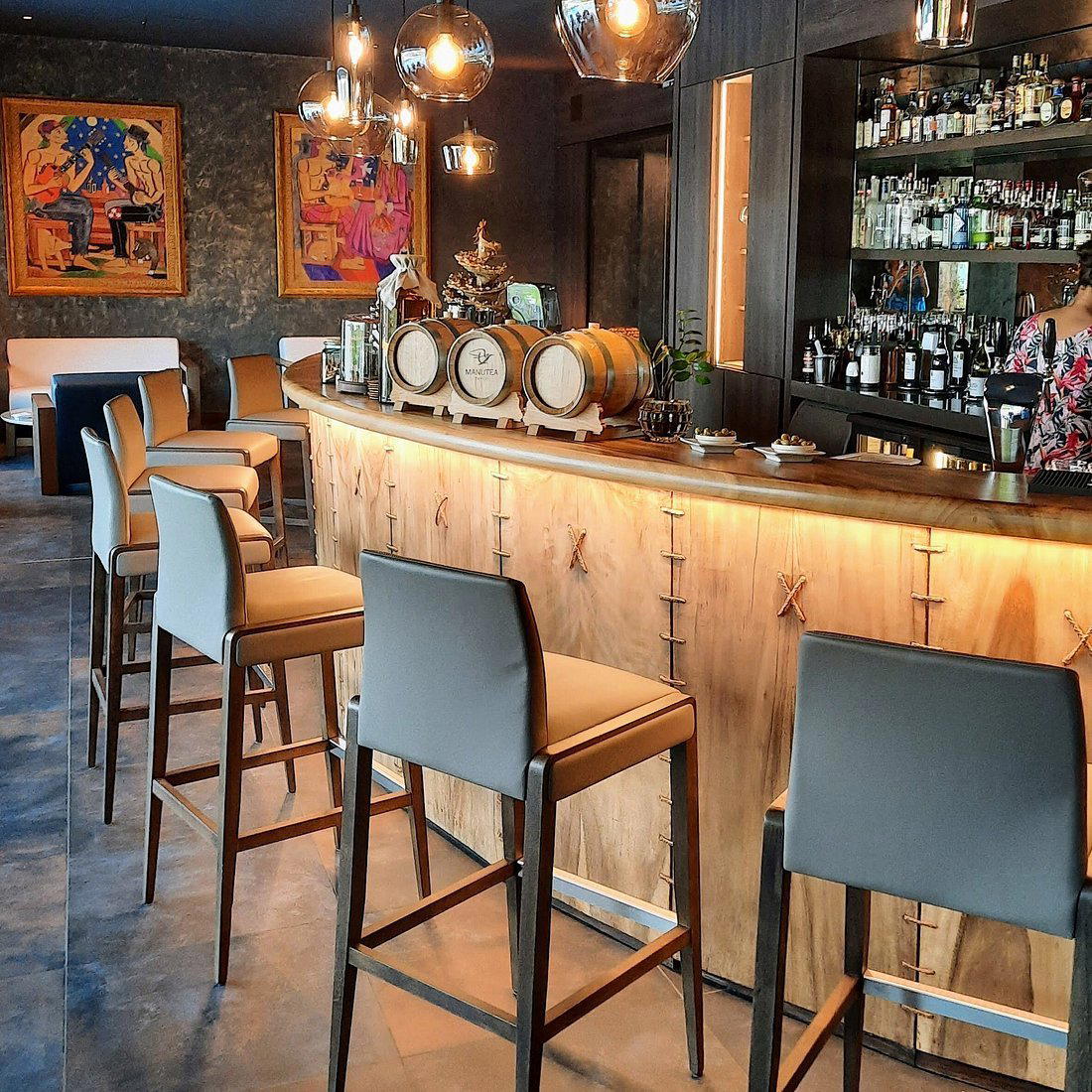
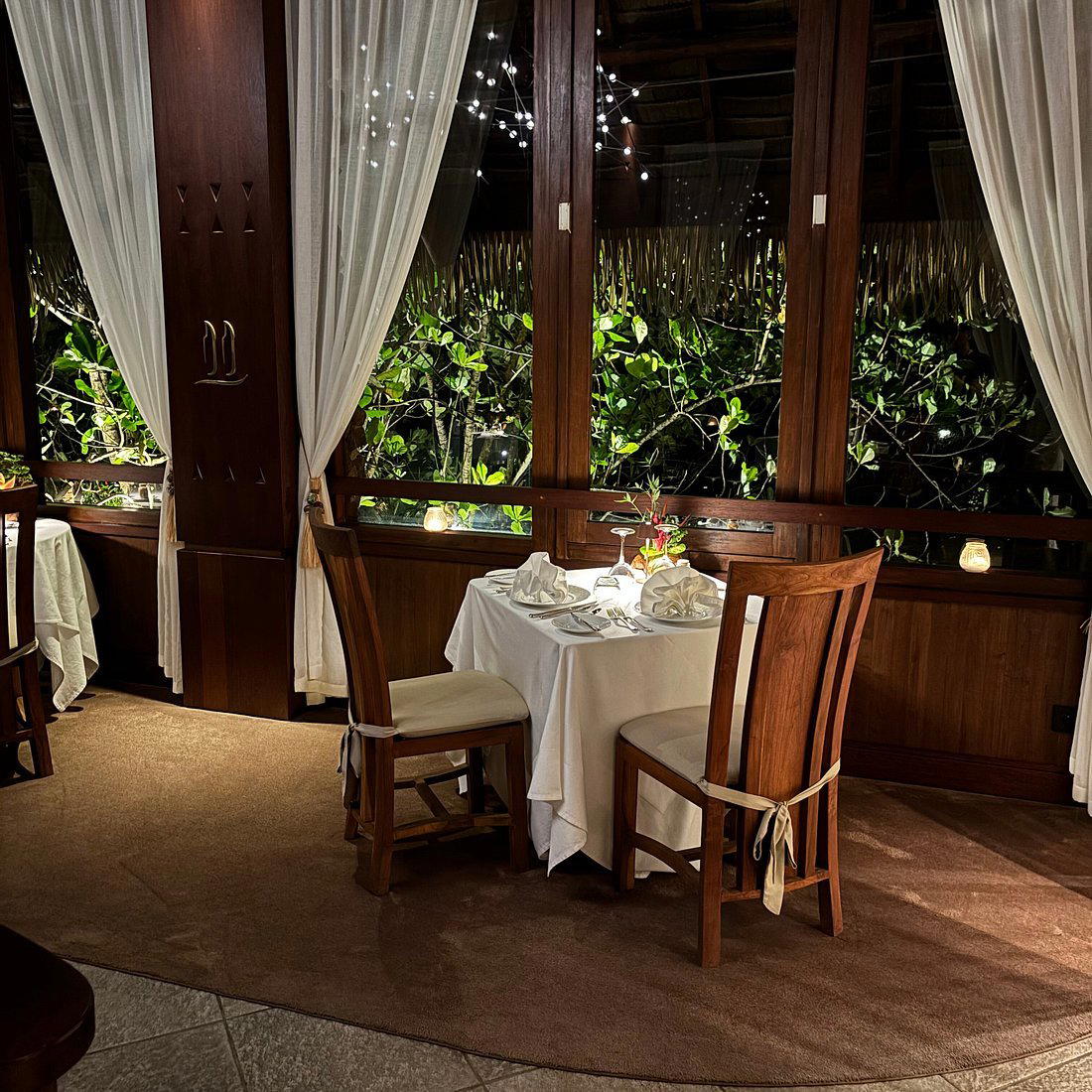
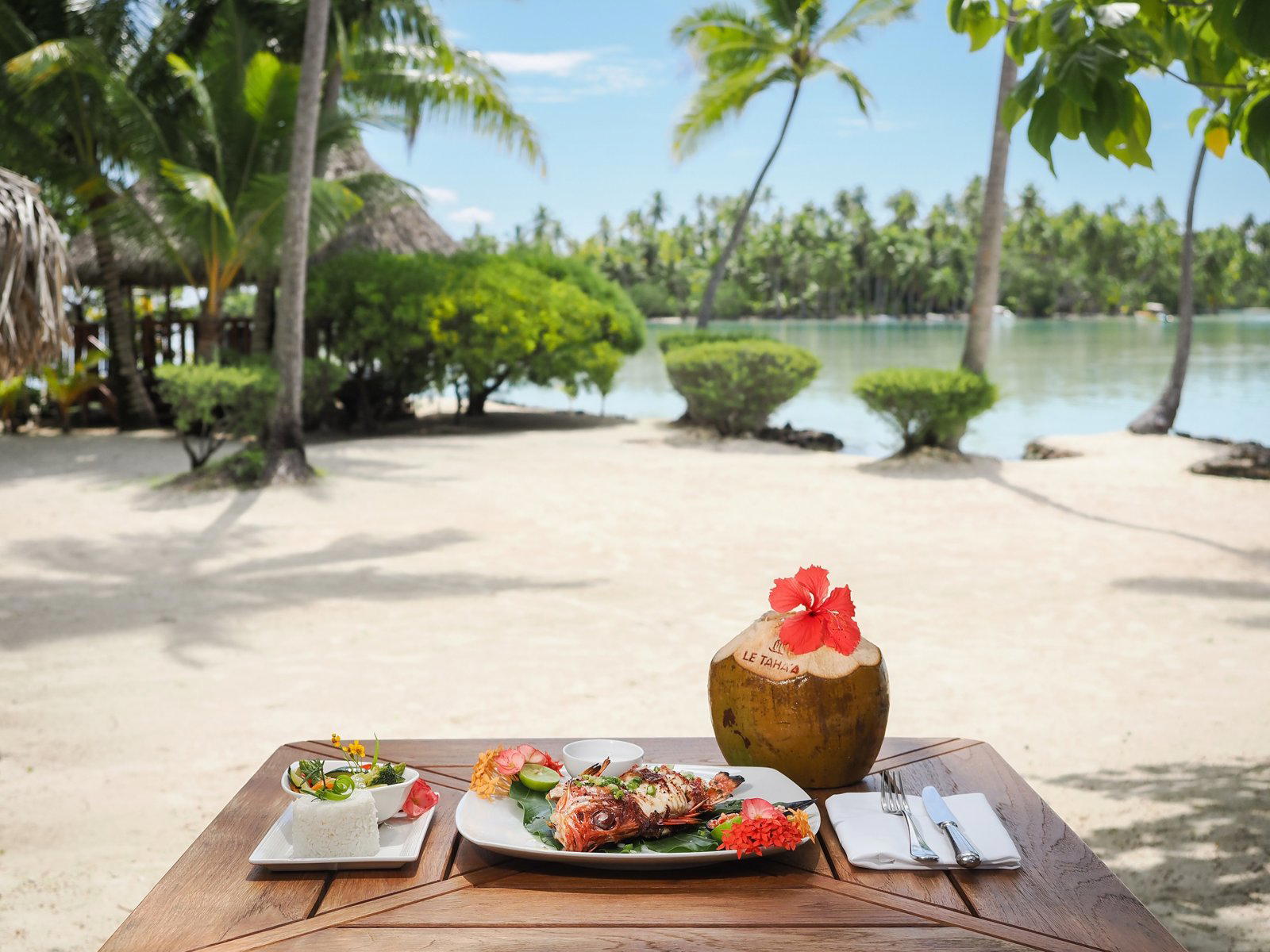
Dining on a three-villa private island format typically centers on private chef service, with meals prepared to the guest's schedule and preference. The genre norm is private chef service, with meals prepared to the guest's schedule and preference rather than delivered through a restaurant with set service hours. The cocktail-at-sunset moment described in the island's positioning suggests at minimum a beverage service calibrated to that daily rhythm. Islands operating at this scale in French Polynesia generally source heavily from the surrounding water, with lagoon fish, seafood, and fresh tropical produce forming the core of the food offer.
The broader French Polynesian dining scene, for context, runs from the French-inflected menus of Tahiti's established resort kitchens through to simpler preparations in family-run pensions. Properties like Le Tahiti by Pearl Resorts in Arue and Te Moana Tahiti Resort in Puna Auia offer established dining infrastructure at resort scale. At the other end of the accessibility spectrum, Pension Rose Des Iles in Maupiti and Le Nuku Hiva in Taiohae represent the French Polynesian pension tradition, where meals are typically included and cooked by the host family.
Planning Your Stay
Enquiries are handled by private arrangement, and guests considering this type of stay typically work through a specialist travel agent or direct contact with the property. This is not an unusual model: private islands in French Polynesia and across the Pacific that operate at under five villas routinely use direct or agent-only booking rather than online reservation systems. At the global luxury end, properties with similarly bespoke booking arrangements include Amangiri in Canyon Point and Castello di Reschio in Lisciano Niccone, both of which operate at low capacity with a similarly high degree of pre-arrival customisation.
Access to Raiatea is via Raiatea Airport (RFP), which receives domestic flights from Tahiti's Fa'a'ā International Airport. Transfer to the island requires a boat crossing, the duration of which depends on point of departure within the lagoon. Given the private-island format, transfers are likely coordinated by the property rather than arranged independently. For those building a broader French Polynesian itinerary, the Society Islands chain allows multi-island routing through Air Tahiti's interisland network, making it practical to combine Raiatea with Bora Bora, Moorea, or Taha'a within a single trip.
Price and Positioning
Comparable venues nearby, for context on price, style, and recognition.
| Venue | Cuisine | Price | Awards | Notes |
|---|---|---|---|---|
| Motu Nao NaoThis venue — the venue you are viewing | Not listed | $$$$ | 5-Star | Not listed |
| Hôtel Raiatea Lodge | Not listed | $$$ | 3-Star | Tumaraa, colonial-style with tropical gardens |
| Le Taha’a | Not listed | $$$$ | 5-Star | /Motu Tautau, off Taha'a (Society Islands), Barefoot-luxury private-islet escape combining Relais & Châteaux refinement with relaxed South Pacific seclusion. |
| Sofitel Kia Ora Moorea Beach Resort | Not listed | $$$$ | 5-Star | Maharepa, Luxury bungalow resort blending French sophistication with Polynesian charm. |
| Conrad Bora Bora Nui | Not listed | $$$$ | 5-Star | Motu To’opua, Luxury beachfront resort with overwater bungalows and private villas |
| Le Tahiti by Pearl Resorts | Arue, beachfront resort | $$$$ | 4-Star | Not listed |
Recognition history
Dated appearances from independent guides and award organizations, with the underlying list record or original source where available.
Virtuoso Luxury Hotel Partner
Virtuoso
At a Glance
- Romantic
- Quiet
- Scenic
- Elegant
- Intimate
- Sophisticated
- Honeymoon
- Romantic Getaway
- Anniversary
- Celebration
- Beachfront
- Private Villa
- Panoramic View
- Wi Fi
- Beach Access
- Bicycle Rental
- Massage
- Waterfront
- Wi Fi
- Beach Access
- Bicycle Rental
- Massage
Serene tropical paradise with tranquil ocean sounds, dramatic sunsets, and relaxing natural surroundings.