Le Taha’a

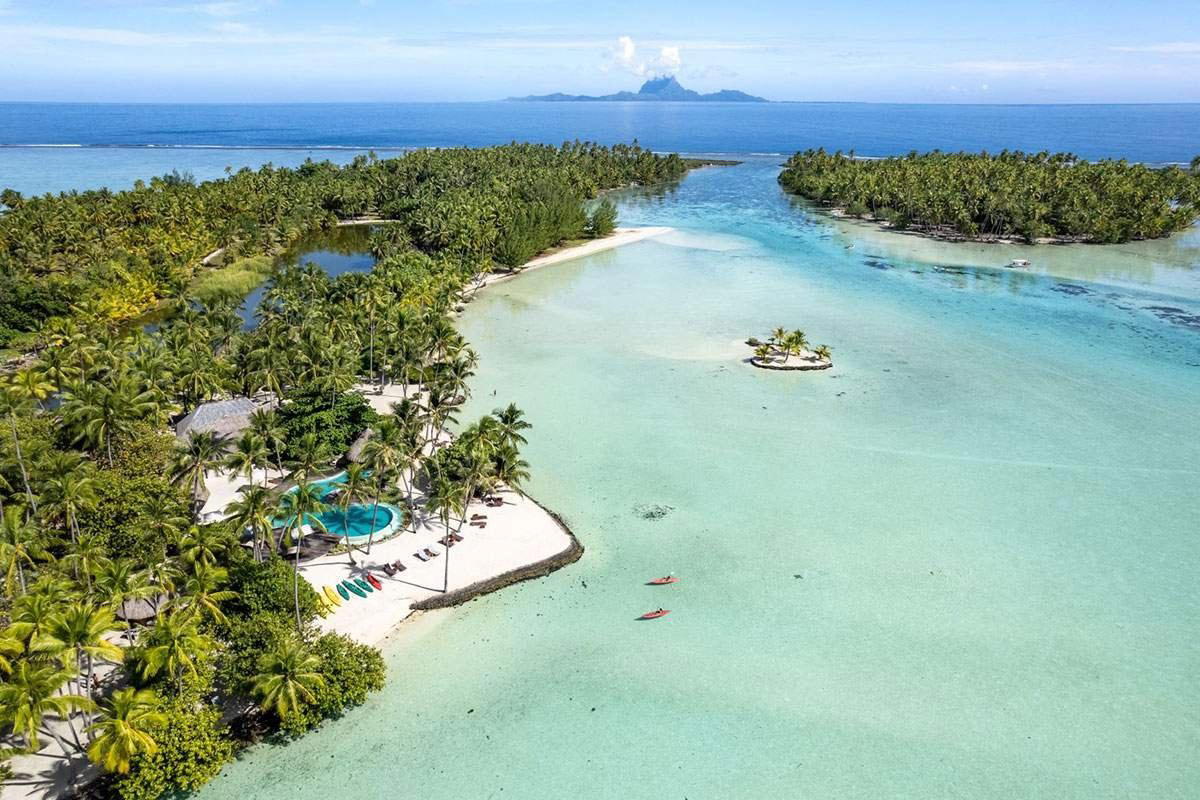
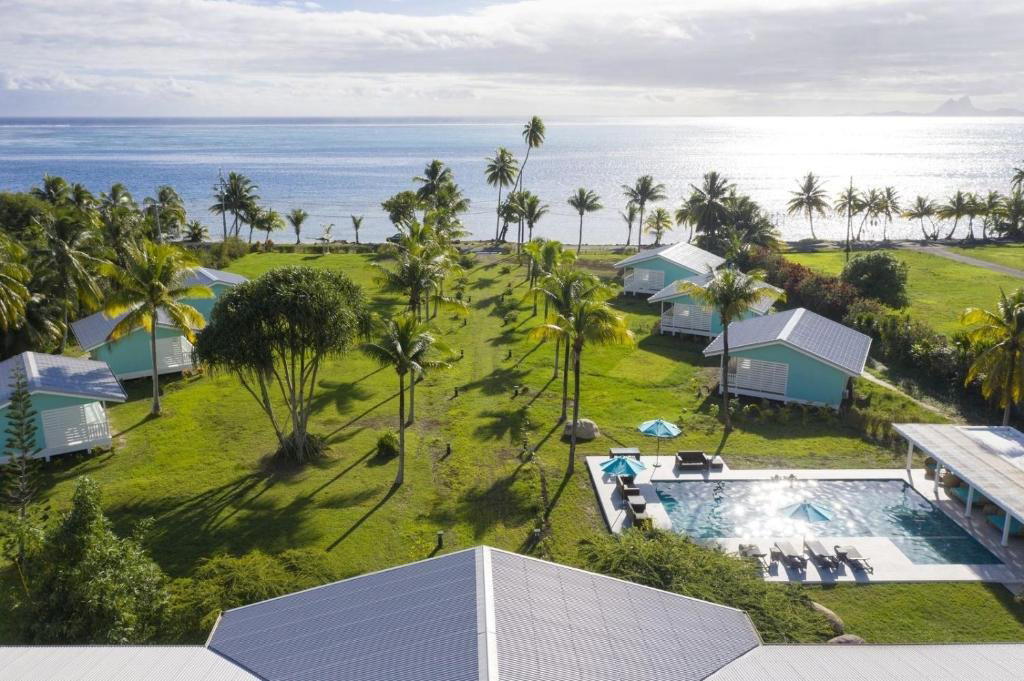
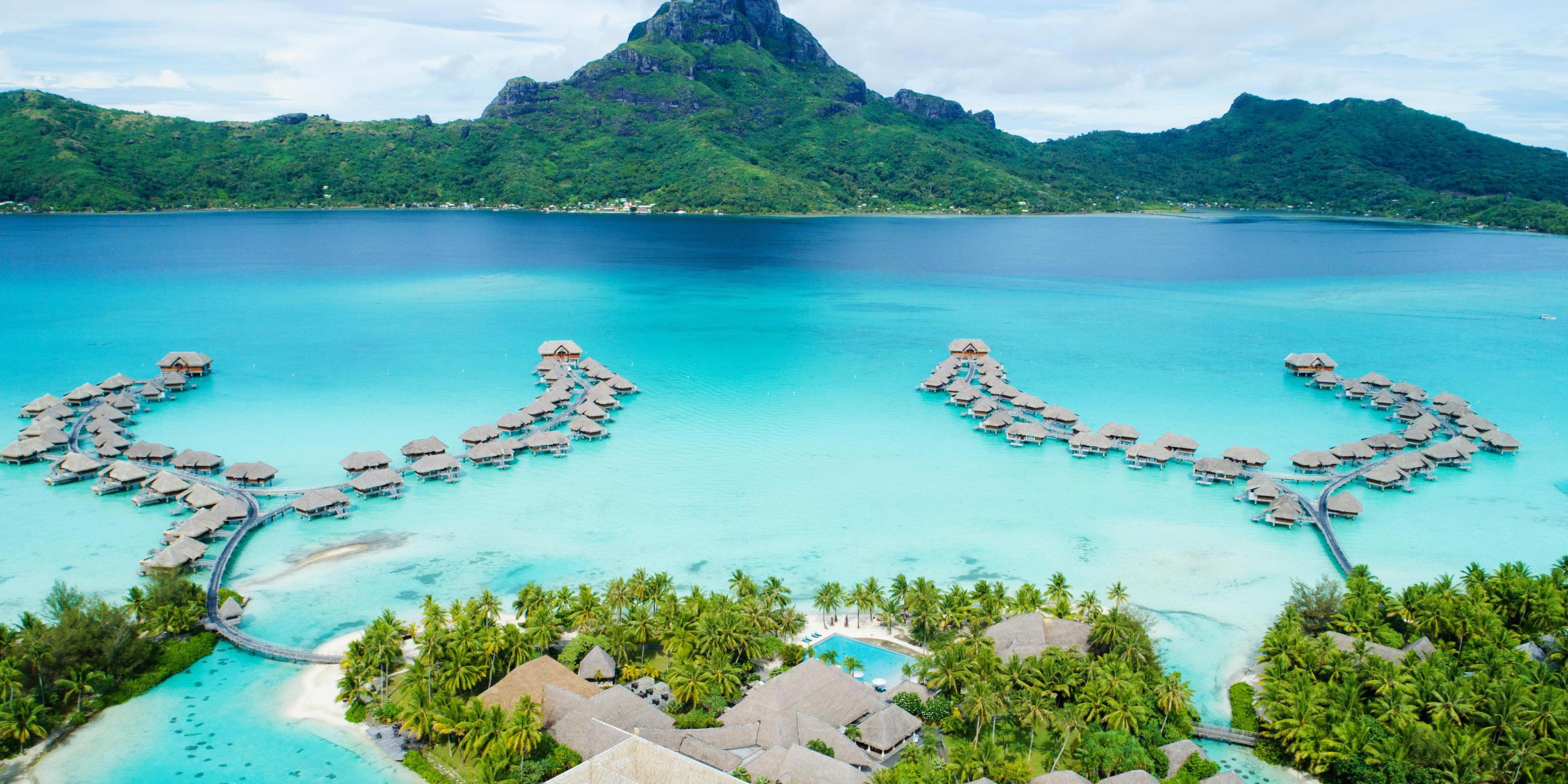
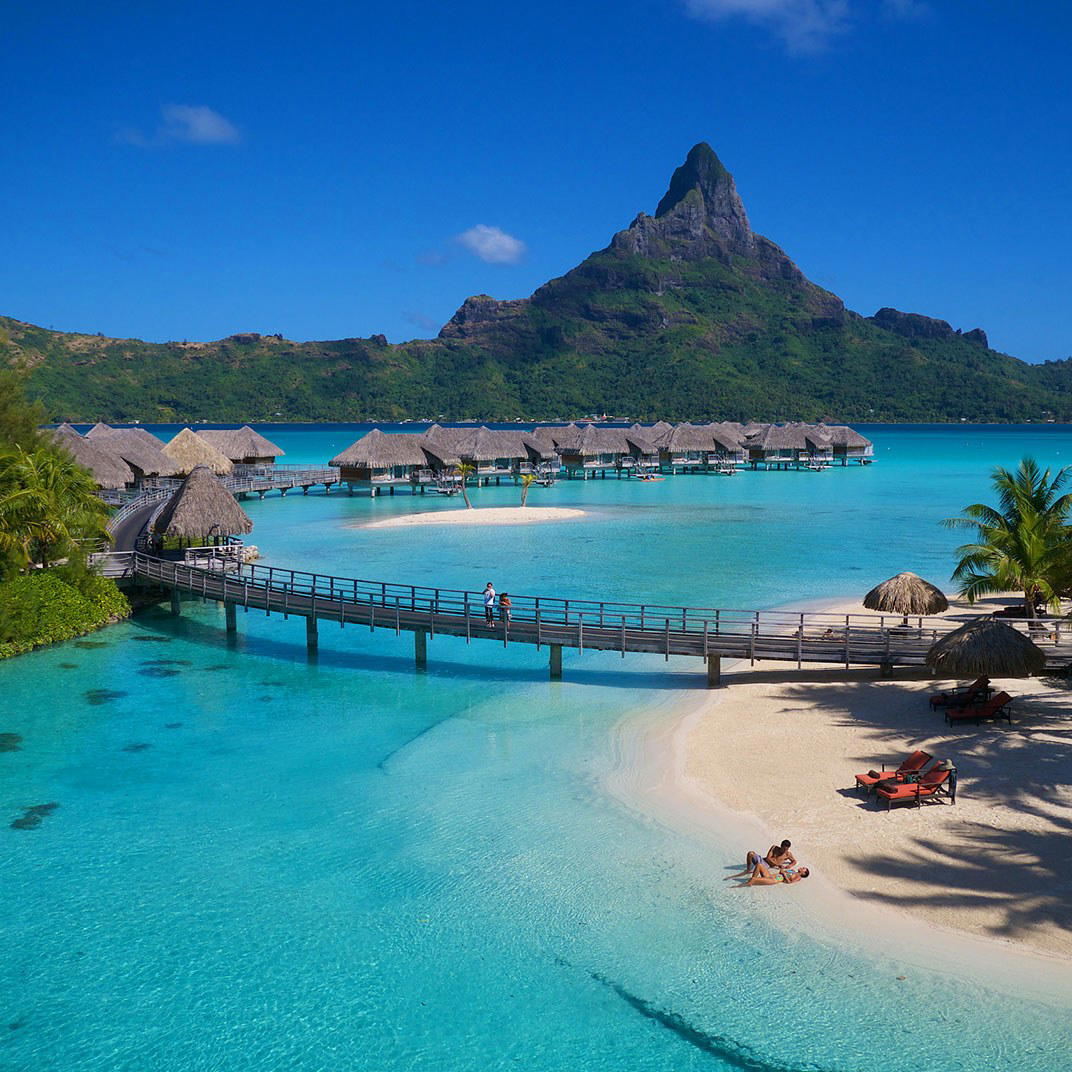
Le Taha'a occupies a private motu off the coast of Taha'a in French Polynesia, combining overwater and beachfront bungalows with Polynesian fine dining under Chef Julien Roux. A Relais & Châteaux member property rated 4.8/5, it operates in a rare category of island resort where the sourcing of local ingredients and the remoteness of the setting are inseparable from the dining experience.
 Discover on Pearl
Pearl is the En Primeur Club membership app — saves, bookings, and concierge access live there. Same editors, same standards.
- Address
- Face Fare Amuiraa Tamara, Tahaa 98733, French Polynesia
- Phone
- +689 87 72 84 94
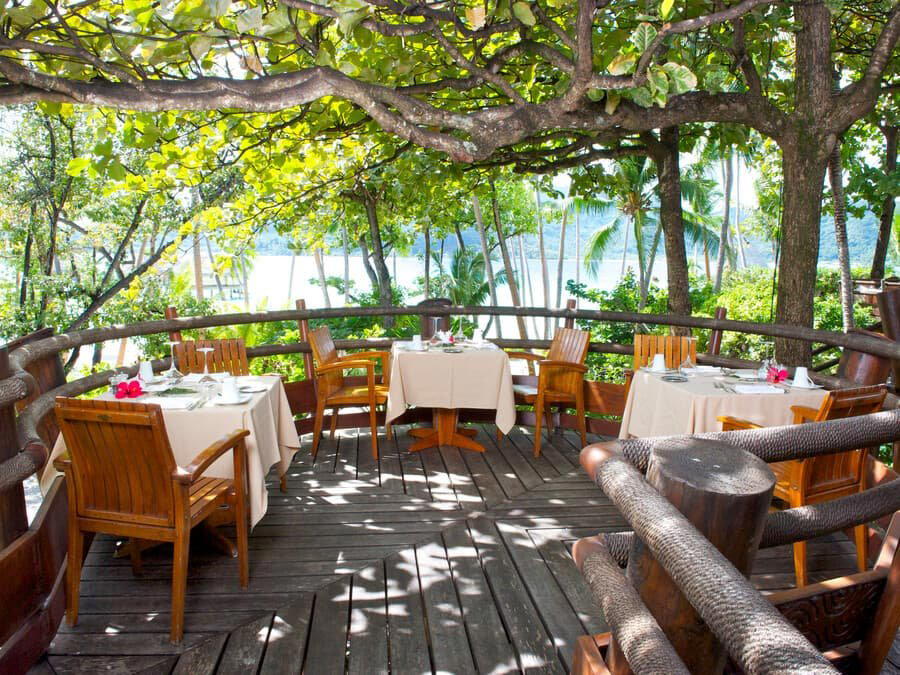
A Private Islet in the Society Islands
French Polynesia's resort geography has always sorted itself by proximity to water and distance from crowds. The largest properties cluster near Bora Bora's main island infrastructure; the smaller, more deliberately isolated ones occupy motus, the low coral islets that ring lagoons throughout the Society Islands. Le Taha'a sits in the latter category, on Motu Tautau off the coast of Taha'a island, where the lagoon between Taha'a and Raiatea forms one of the most ecologically intact stretches of reef in the archipelago. That geography is not incidental to the dining program: it is the dining program's foundation.
The approach to the property, by boat transfer from Taha'a, across water that shifts from turquoise to deep indigo depending on cloud cover, establishes the register before any meal is served. You arrive at a place defined by what surrounds it: vanilla plantations inland on the main island, coral gardens below the surface, open Pacific beyond the reef. Each of those environments contributes something to what Chef Julien Roux works with in the kitchen.
Where Ingredients Come From and Why That Matters
In island fine dining globally, sourcing is either a marketing claim or a structural reality. At properties where the kitchen genuinely works within the constraints and opportunities of local supply, the menu shifts with the catch, the harvest cycle, and the season in ways that a fixed international menu cannot. Taha'a is known throughout French Polynesia as the vanilla island, the main island produces a significant share of the territory's vanilla crop, an ingredient that, in Polynesian cooking, appears far beyond dessert applications. Reef fish from the surrounding lagoon, tropical fruit from the main island's interior, and the shellfish that thrive in the relatively undisturbed reef ecosystem all represent
Chef Julien Roux's position within this context places him in a cohort of French-trained chefs working across French Polynesia who have had to reconcile classical technique with the realities of what grows and swims locally. That negotiation is the interesting editorial subject, not the chef's biography. The broader question, one relevant across the Society Islands and into the Marquesas (where Le Kenae in Taiohae addresses a similar sourcing challenge), is how much French technique survives contact with an archipelago where the indigenous food traditions, the colonial French culinary inheritance, and the luxury resort format all pull in different directions. Le Taha'a's Polynesian fine dining classification suggests the kitchen resolves that tension toward local primacy rather than French formalism.
For comparison, other Polynesian dining formats in the region tend to anchor either to the casual beachside tradition, as at Hawaiki Nui on Taha'a, or to the French-Polynesian hybrid format seen at Otemanu in Vaitape. Positioning as Polynesian fine dining, with the Relais & Châteaux membership as an external credential, places Le Taha'a in a different tier: one where ingredient sourcing, format discipline, and setting coherence are expected to align at a level that casual island restaurants are not required to meet.
The Relais & Châteaux Standard in a Remote Setting
Relais & Châteaux membership carries a set of implied commitments that matter in the context of remote island hospitality. The association's criteria weight local character, quality of table, and property integrity rather than brand scale. For a property on a private motu, that framework is a useful calibration: it signals that the kitchen, the setting, and the accommodation are being held to an external standard rather than operating solely on the logic of captive guests with no alternative. In remote French Polynesian resort dining, where the captive-audience dynamic can allow kitchens to underperform, that external accountability is relevant information for prospective guests.
The overwater and beachfront bungalow format places Le Taha'a within the dominant architectural tradition of Society Islands luxury. Where it differs from the larger Bora Bora properties is in the motu isolation: with fewer keys and no town infrastructure to draw from, the property operates as a genuinely self-contained environment. That concentration tends to produce more cohesive hospitality but also more dependence on the property's own standards across every touchpoint, including the restaurant.
Planning a Stay: Access and Timing
Reaching Le Taha'a requires a flight to Raiatea (the nearest airport, served from Papeete's Faa'a International Airport), followed by a boat transfer across the Taha'a lagoon to Motu Tautau. The two-leg journey is standard for motu properties in French Polynesia and adds approximately 45 to 90 minutes to any international connection, depending on timing. May through October, the dry season in the Society Islands, offers more predictable weather and calmer water, which affects both the boat transfer experience and reef visibility for guests intending to use the lagoon.
Le Taha'a is a family-friendly property, though the pricing structure, characteristic of Relais & Châteaux motu resorts in French Polynesia, places it well above entry-level family accommodation. Guests with children should factor that into trip planning accordingly.
Where Le Taha'a Sits in the Wider Fine Dining Conversation
Island resort dining rarely enters the conversation occupied by destination restaurants such as Le Bernardin in New York, Alain Ducasse's Louis XV in Monte Carlo, or coast-driven operations like Aponiente in El Puerto de Santa María. The category is different: at Le Taha'a, the dining experience is inseparable from the physical environment and the accommodation format in a way that a standalone restaurant is not. The relevant comparison is not technique-against-technique but whether the restaurant operates with the seriousness that the setting and the Relais & Châteaux standard require. The evidence, the sourcing context of Taha'a's vanilla and reef ecosystem, the Polynesian fine dining classification, and the 4.8/5 guest rating, suggests it does.
Each represents a different answer to the same question that Le Taha'a faces on its private motu: what does the place itself demand of the kitchen?
Price and Positioning
Comparable venues nearby, for context on price, style, and recognition.
| Venue | Cuisine |
|---|---|
| Le Taha’aThis venue — the venue you are viewing | Polynesian Fine Dining |
| Hawaiki Nui | Polynesian |
| Le Kenae | French Polynesian |
| Le Nuku Hiva | Polynesian Cuisine |
| Otemanu | Polynesian French |
Continue exploring
More in Tahaa
Restaurants in Tahaa
Browse all →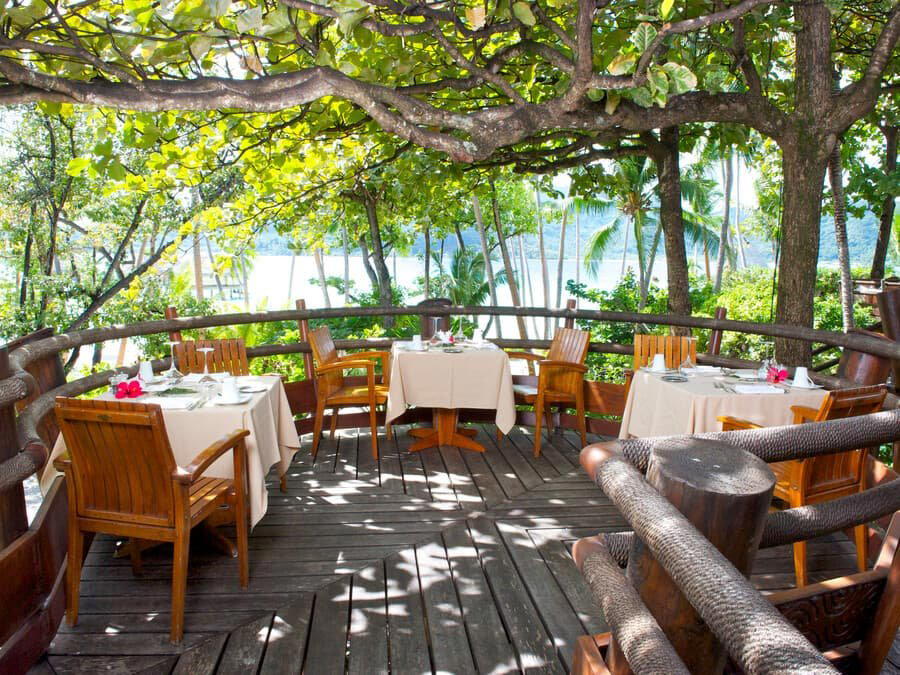

At a Glance
- Romantic
- Scenic
- Elegant
- Intimate
- Special Occasion
- Date Night
- Celebration
- Waterfront
- Hotel Restaurant
- Open Kitchen
- Sommelier Led
- Local Sourcing
- Waterfront
- Garden
Restful and peaceful with lush garden surroundings and treehouse setting, creating a cozy, romantic atmosphere.