Mint House Downtown Washington, DC
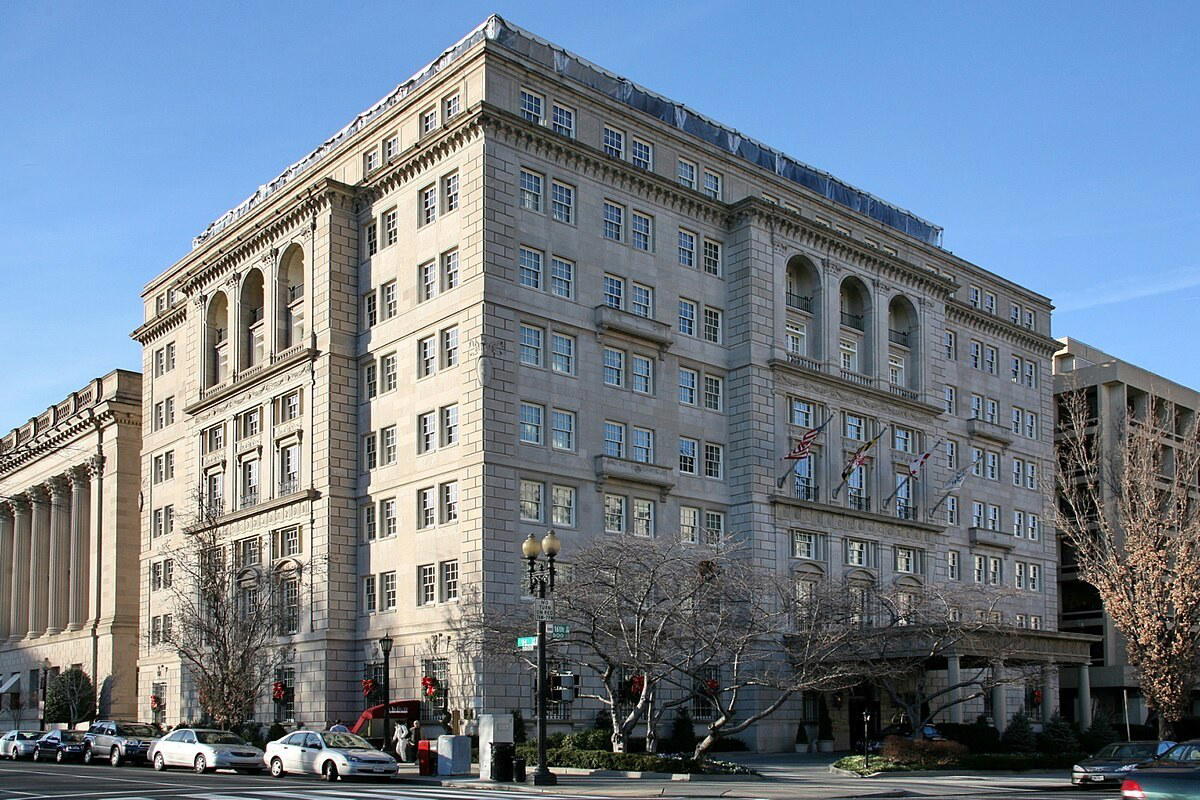
Mint House Downtown Washington, DC fits a growing Washington lodging category built around apartment-style independence rather than grand-hotel ceremony.

Pearl is the En Primeur Club membership app — saves, bookings, and concierge access live there. Same editors, same standards.
- Address
- Washington DC, United States
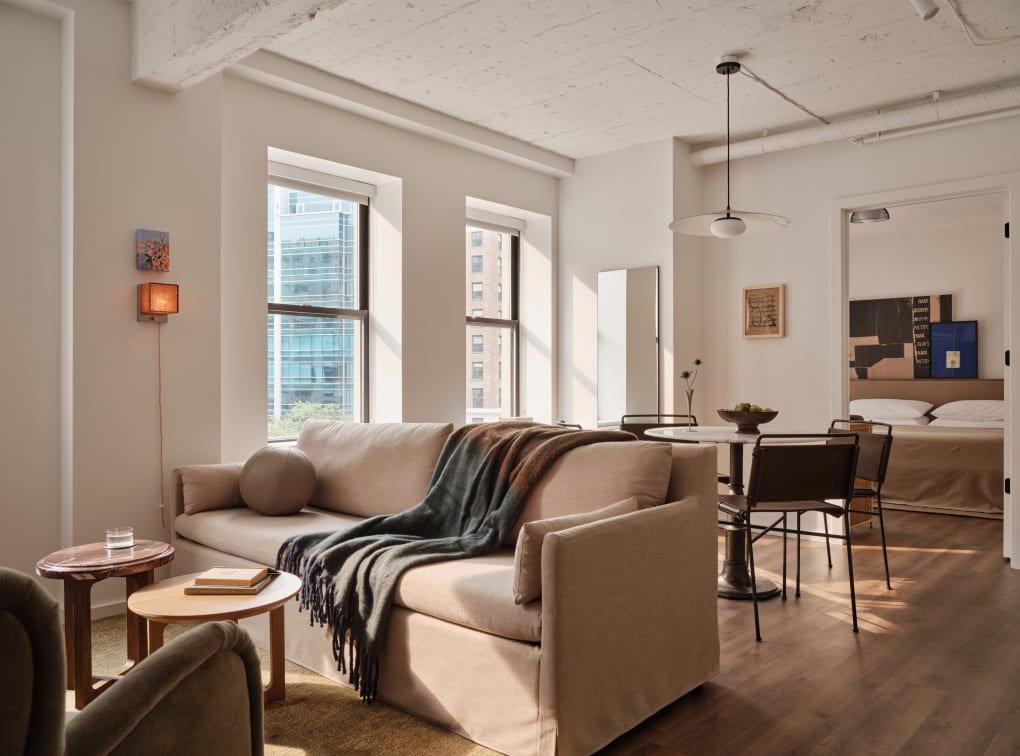
Downtown Washington's quieter lodging question
Approaching a downtown Washington stay is rarely only about the room. The city’s hotel experience is shaped by lobbies used for political meetings, weekday business rhythms, security-conscious addresses, and a constant exchange between visitors who want discretion and visitors who want ceremony. Mint House Downtown Washington, DC belongs to the quieter side of that equation: the modern apartment-hotel category, where the guest experience is judged less by lobby theatre and more by independence, space, and how little friction sits between arrival, work, sleep, and the next morning’s schedule.
That distinction matters in Washington, D.C. because the city has a deep bench of hotels designed around being seen. The traditional grand hotels carry a different social script: afternoon meetings in public rooms, uniformed service, restaurant reservations folded into the stay, and a sense that the building is part of the capital’s formal choreography. Apartment-style lodging asks a sharper question. Does the guest need a staffed hotel culture at every turn, or a base that behaves more like a private address in a city where schedules often run on meetings, train times, museum tickets, and late dinners?
Mint House Downtown Washington, DC should be read through that service philosophy rather than through resort-language expectations. What can be said with confidence is editorial: in the capital, the choice between apartment-hotel and full-service hotel is a choice between autonomy and choreography. For many trips, especially work-heavy stays or visits built around several neighbourhoods, autonomy has become its own form of service.
Service without ceremony
Washington luxury has long been associated with anticipatory staff culture: doormen who understand motorcade disruptions, concierges who can redirect a dinner plan when a room fills with Hill staffers, and breakfast rooms that start early because the city starts early. That model remains persuasive. The Hay-Adams Hotel and The Jefferson sit in that lineage, where service is part of the civic theatre, and where the guest expects a certain polished human interface.
The apartment-hotel model serves a different kind of traveller. It reduces the number of formal interactions and places more responsibility on the stay itself: layout, location, access, and clarity. That can feel liberating for guests who do not want every return to the building to become a small social transaction. It can also feel thin for guests who value a concierge desk, a bar with local gravity, or the reassurance of visible staffing. The point is not that one model has higher taste. The point is that they solve different Washington problems.
Mint House Downtown Washington, DC sits inside that service shift, where hospitality is measured by practical control rather than handholding. In cities with dense business districts, this category has grown because it addresses common gaps in the conventional hotel stay: the desire for residential rhythm, the need to work without camping at a lobby table, and the usefulness of a stay that does not revolve around a restaurant or public room., it would be wrong to specify which accommodation guests prefer here. The safer guidance is to evaluate the room type by the trip: longer stays benefit from separation between sleep and work, while short overnight stays can prioritize access and rate logic.
How it compares with Washington's hotel tiers
The capital’s premium hotel scene is not a single market. Georgetown reads differently from Penn Quarter, Dupont Circle, The Wharf, and the corridors near the White House. Rosewood Washington, D.C. reflects Georgetown’s smaller-scale luxury language, with a neighbourhood feel and a more discreet tempo. Pendry Washington DC — The Wharf belongs to a waterfront redevelopment story, where restaurants, river views, and evening foot traffic shape the stay. Riggs Washington DC speaks to the city’s conversion-hotel culture, where historic commercial buildings become design-led lodging. The Dupont Circle Hotel works from a neighbourhood identity built around embassies, residents, and a more lived-in restaurant-and-bar circuit.
Against that set, Mint House Downtown Washington, DC is useful as a category marker. Its relevance comes from the downtown-apartment format, which suits travellers who care about operational ease more than lobby status. In a city where a day can move from federal buildings to museum corridors to late dining, that kind of independence can be persuasive.
The comparison also clarifies what not to expect. If a stay is meant to carry the emotional weight of a capital-city occasion, a more service-forward hotel may fit better. If the itinerary is built around meetings, self-directed time, and a need to avoid hotel pomp, an apartment-style downtown base can make cleaner sense. This is where the guest experience becomes editorially interesting: hospitality is not always more staff, more spectacle, or more formality. In Washington, it is often the right amount of intervention at the right moment.
The downtown factor
Downtown Washington is practical before it is romantic. Its strengths are access, government-adjacent convenience, museum proximity depending on the exact address, and a grid that makes movement legible. Its weaknesses are also familiar: certain blocks shift character after office hours, and dining decisions often require a more deliberate neighbourhood choice. Still, the downtown label carries enough meaning to shape expectations. This is a stay format for travellers who want the city arranged around movement, not retreat.
That is why planning matters. A downtown base can work well when paired with a clear eating and drinking plan rather than a vague hope that the immediate block will provide the evening. Washington’s dining strength is spread across neighbourhoods and categories, from formal tasting menus to Ethiopian restaurants, political power dining rooms, and cocktail bars with serious technical programs. Use Our full Washington, D.C. restaurants guide for meals, Our full Washington, D.C. bars guide for drinks, and Our full Washington, D.C. experiences guide when the trip needs cultural structure beyond monuments and museums.
The city’s hotel choices can also be read by trip mood. Eaton D.C. brings a cultural and design-oriented angle to downtown-adjacent lodging. Mayflower Inn points toward a different idea altogether, the countryside escape associated with the Washington orbit rather than the city’s daily machinery. For a wider scan of the field, Our full Washington, D.C. hotels guide gives the useful context: the capital rewards matching hotel format to purpose, not choosing by reputation alone.
What the apartment-hotel format gets right
The service philosophy behind apartment-style lodging is not absence. It is selectivity. The format assumes that many guests prefer fewer interruptions, clearer self-direction, and a residential cadence. That can be especially valuable in Washington, where travellers are often managing hybrid days: calls before meetings, documents between appointments, a museum hour between obligations, then dinner in another neighbourhood. A conventional hotel room can handle that, but an apartment-style stay often handles it with less visible strain.
Trade-off is equally clear. Full-service hotels create margin when plans collapse. A concierge can reroute a night, a restaurant can absorb a late arrival, and a lobby bar can rescue an evening when the city’s geography feels inconvenient. Apartment hotels usually ask the traveller to be more self-sufficient. That is not a flaw if the trip is planned with intent. It becomes a mismatch when a guest expects the social infrastructure of a grand hotel but books a format designed for privacy and independence.
Mint House Downtown Washington, DC, on the available record, should therefore be approached as a planning decision rather than a trophy stay. The trust signal is contextual authority: Washington’s lodging market contains established formal hotels, design-led independents, waterfront luxury, and apartment-style alternatives serving different kinds of stays. This property belongs to the last group, and that group has a clear reason to exist.
Washington context for readers comparing farther afield
Readers who follow hotel culture across cities will recognize the same split elsewhere. In New York, The Fifth Avenue Hotel in New York City channels a maximal, design-rich urban hotel experience. In Los Angeles, The Beverly Hills Hotel in Los Angeles belongs to a social-club tradition built over generations. In Utah, Amangiri in Canyon Point is driven by setting and removal from the city. These are not interchangeable forms of luxury. They show how hotel value changes when the purpose of the trip changes.
The same pattern appears in rural and resort properties. Troutbeck in Amenia, Four Seasons at The Surf Club in Surfside, SingleThread Farm Inn in Healdsburg, Kona Village, A Rosewood Resort in Kailua Kona, and Sage Lodge in Pray all place the stay in dialogue with landscape, food, or retreat. Washington’s downtown apartment-hotel logic is almost the inverse: it is urban, functional, and measured by how cleanly it supports the day.
International palace hotels sharpen the contrast. Hôtel de Paris Monte-Carlo in Monte Carlo, Badrutt's Palace Hotel in St. Moritz, and Aman Venice in Venice trade in ceremony, history, and place-making at a scale that makes the hotel part of the destination. Downtown Washington apartment-style lodging is judged by a different standard: not whether the building becomes the trip, but whether it lets the city function smoothly around the guest.
Planning the stay
Confirm the exact location, cancellation terms, check-in process, room configuration, and any service limitations directly before committing. That is especially important for travellers comparing it with full-service hotels, where staffing, dining, valet, luggage storage, and concierge support are usually easier to infer from the category.
A smart approach is to define the trip before judging the rate. For a one-night celebratory stay, Washington’s formal hotels may offer more theatre and staff-led comfort. For several nights built around work, meetings, or family logistics, a downtown apartment-style format can return value through space and control rather than ceremony. If wine travel or regional day trips are part of the itinerary, Our full Washington, D.C. wineries guide can help frame the broader area, though the city itself is not a wine-country destination in the way Napa or Burgundy is.
The central editorial point is simple: Mint House Downtown Washington, DC is for travellers who want Washington to feel manageable. Not hushed or grand by default, not resort-like, not staged around a lobby scene, but operationally clear. In a capital where time is often the scarce luxury, that can be a serious advantage when it matches the traveller’s expectations.
In Context
Comparable venues nearby, for context on price, style, and recognition.
| Venue | Price | Awards | Notes |
|---|---|---|---|
| Mint House Downtown Washington, DCThis venue — the venue you are viewing | Not listed | Not listed | Not listed |
| Hilton Washington DC Capitol Hill | $200–300 | Not listed | Capitol Hill, Upscale, business-oriented city hotel near major government and cultural institutions. |
| Hoya Hotel at Georgetown | Not listed | Not listed | Georgetown, Campus-based boutique conference hotel integrated into Georgetown University’s historic Hilltop setting, oriented to both university events and leisure stays. |
| Hotel Nell - Union Market | $1–100 | Michelin Selected | Capital City Market, Contemporary boutique in historic industrial building |
| Moxy Washington, DC Downtown | $200–300 | Not listed | East End, Playful boutique hotel blending historic facades with modern industrial design |
| SIXTY DC | Not listed | Michelin Selected | Dupont Circle, bold blend of modern luxury and curated style in Dupont Circle |
Continue exploring
More in Washington DC
Hotels in Washington DC
Browse all →
Bars in Washington DC
Browse all →
Restaurants in Washington DC
Browse all →
Details
- Modern
- Minimalist
- Sophisticated
- Business Trip
- Weekend Escape
- Family Vacation
- Group Retreat
- Historic Building
- Design Destination
- Wi Fi
- Fitness Center
- Room Service
- Concierge
- Business Center
- Laundry Service
- Street Scene
- Wheelchair Accessible
- Elevator
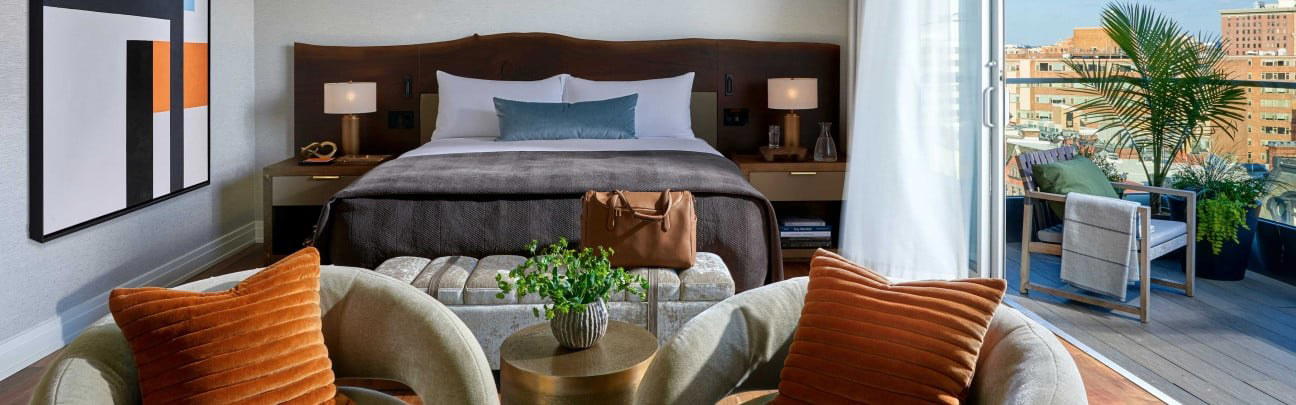
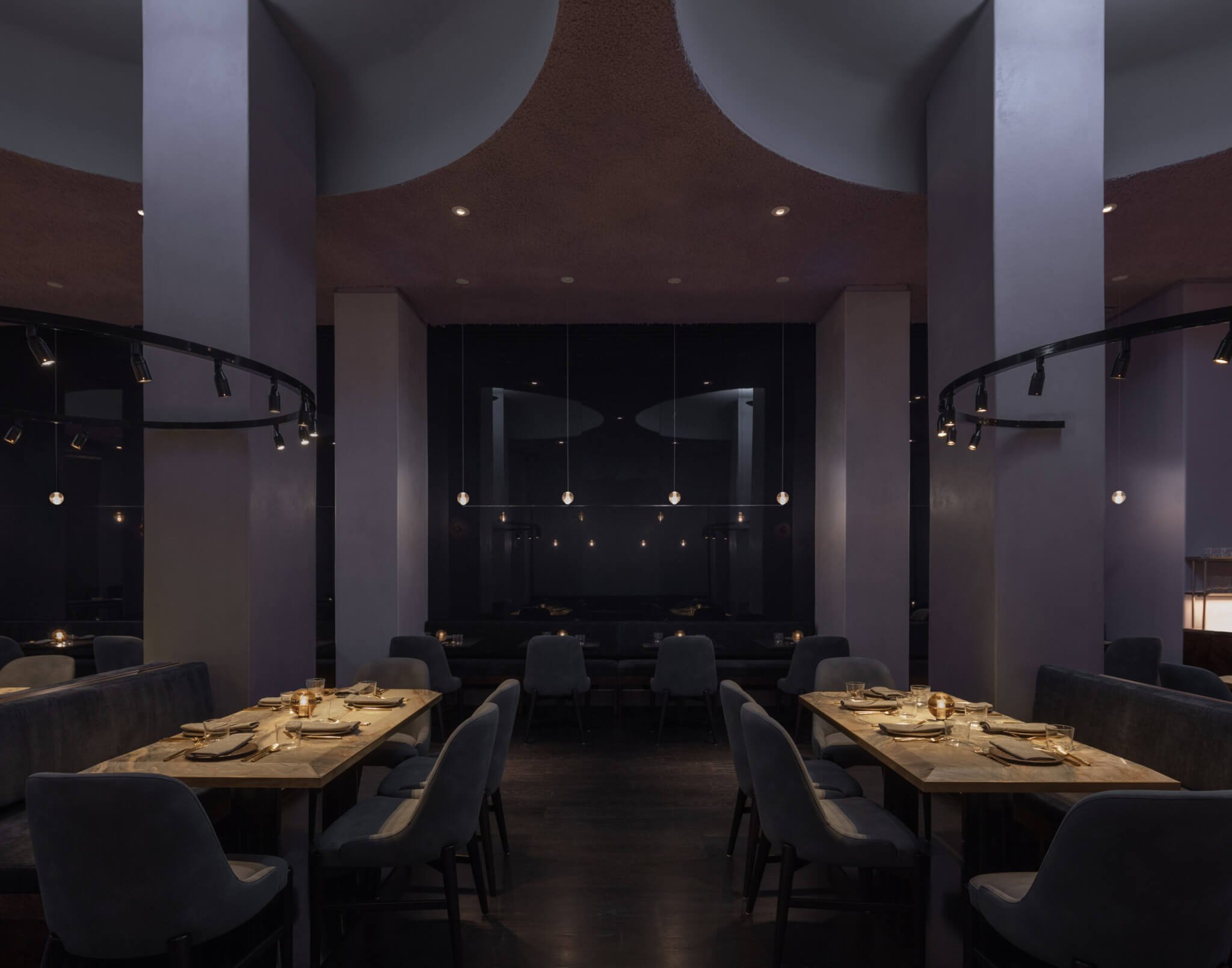
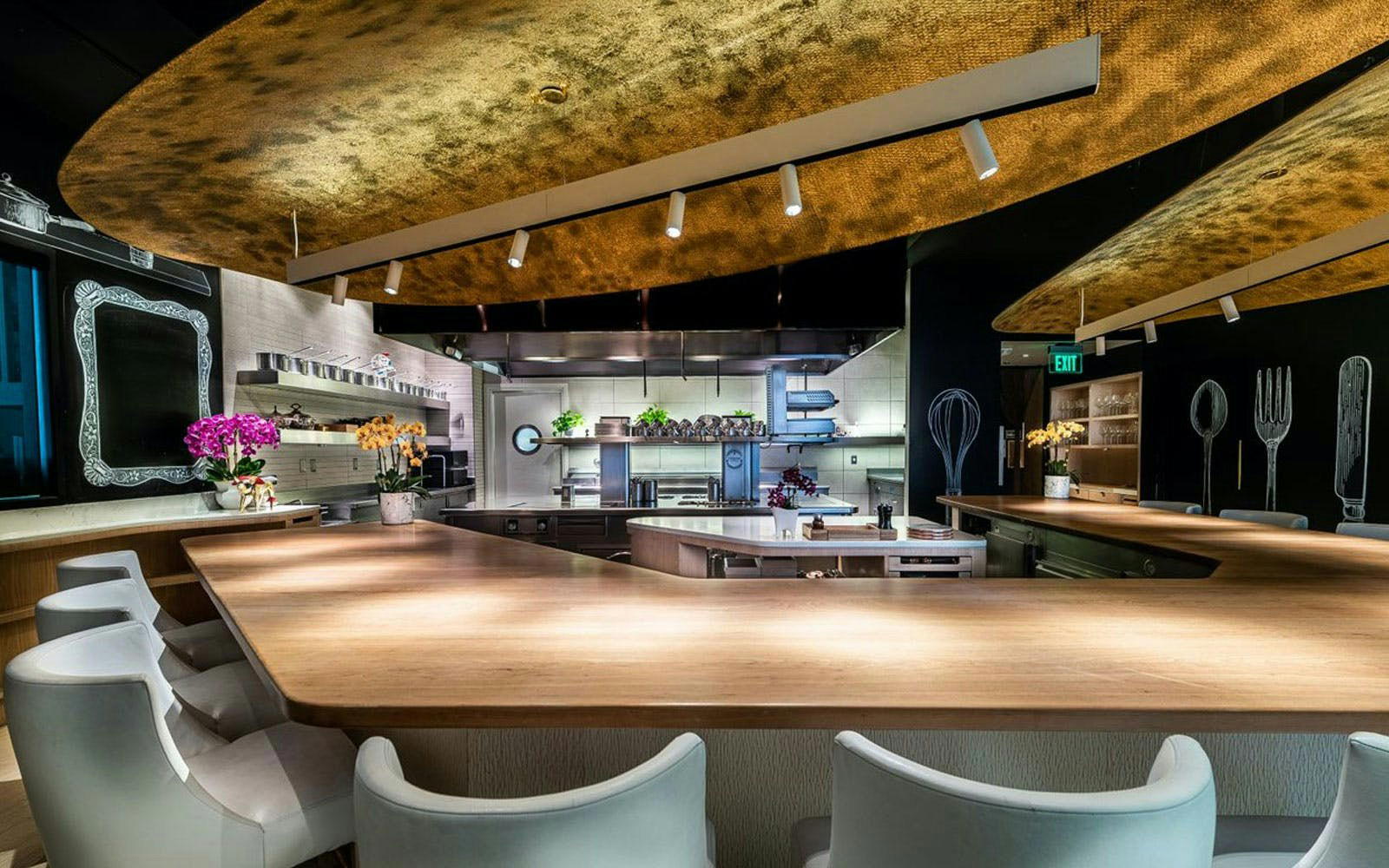
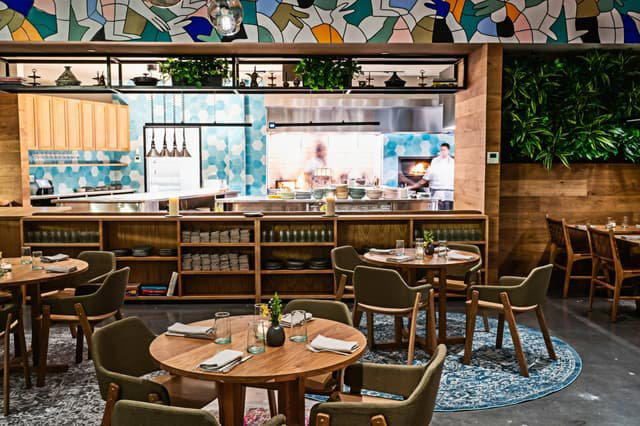
Modern, apartment-style boutique property with clean-lined interiors, full kitchens and living spaces, designed to feel like an upscale city apartment rather than a traditional hotel, set within a converted historic office building in a central downtown location.