Hoya Hotel at Georgetown
Hoya Hotel at Georgetown sits in a Washington, D.C. hotel scene where dining credibility matters as much as room count or address.C. peers.

Pearl is the En Primeur Club membership app — saves, bookings, and concierge access live there. Same editors, same standards.
- Address
- 3800 Reservoir Rd NW, Washington, DC 20007
- Phone
- (202) 687-7800
- Website
- thehoyahotel.com
- Directions
- Get directions
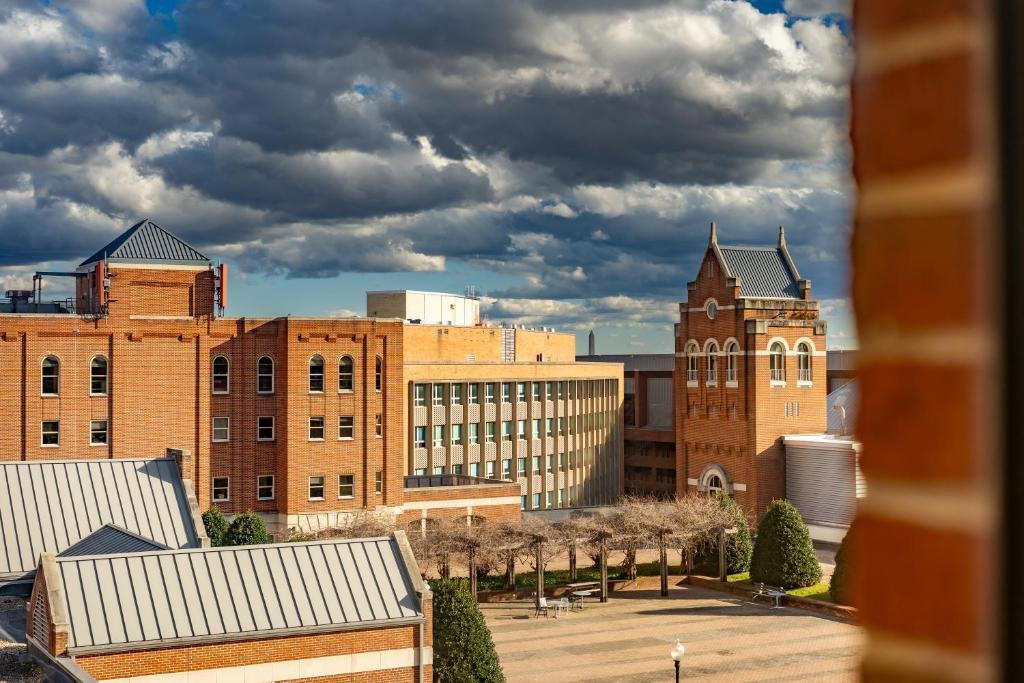
Georgetown first, hotel second
Approaching a hotel in Georgetown is different from arriving at a lobby on K Street or a glass tower at The Wharf. The cues are lower, older, and more residential: brick sidewalks, narrow storefronts, Federal-era proportions, students moving between campus and M Street, and a dining culture that has long mixed neighborhood regulars with visitors who want Washington without the official mood of Pennsylvania Avenue. That setting shapes the expectations around Hoya Hotel at Georgetown before any restaurant menu or bar list enters the conversation.
In Washington, D.C. hotel dining has become a serious sorting mechanism. A property without a clearly articulated restaurant or bar identity can feel underpowered against peers that use food and drink as the public-facing part of the house. The city has examples across several registers: riverfront polish at Pendry Washington DC — The Wharf, bank-building theatricality at Riggs Washington DC, clubby residential calm at Rosewood Washington, D.C., and old-Washington formality around The Hay-Adams Hotel and The Jefferson. Georgetown has its own test: the dining programme has to speak to a neighborhood with independent restaurants, student traffic, private homes, embassies, and visitors who often want to stay west of downtown.
That absence matters editorially. In a city where many hotel restaurants compete through named culinary talent, published ratings, cocktail reputations, or dining-room design, a sparse public record places the property in a less legible tier for travelers who make hotel decisions around food and drink.
Why dining identity matters in D.C. hotels
Washington hotel restaurants used to lean on captive demand: lobby breakfasts, expense-account dinners, and bars built around proximity to power. That model has thinned. The stronger contemporary programs operate as neighborhood venues first and hotel amenities second. They need street access, a reason for locals to return, and a bar that does not feel like a waiting room. This is where the city’s hotel set has separated into distinct camps.
Downtown and Penn Quarter properties often work with history, scale, or adaptive reuse. The Wharf sells water, newer construction, and a late-day drinking economy. Georgetown trades on walkability, university proximity, town-house texture, and a slower evening rhythm. A hotel dining room here cannot rely only on spectacle; it has to survive comparison with neighborhood restaurants and bars that guests can reach on foot.
For food-led travelers, the missing data around cuisine, chef, and awards is not a minor clerical gap. A restaurant identity allows comparison: French brasserie against brasserie, cocktail bar against cocktail bar, tasting menu against tasting menu, neighborhood bistro against neighborhood bistro. Without those anchors, Hoya Hotel at Georgetown reads as a place to evaluate through location and intended use rather than a documented culinary programme. Travelers who prioritize meals should cross-check the current on-property dining details directly before building an itinerary around the hotel.
That does not make the property irrelevant to the dining conversation. It places it in a specific category: a Georgetown stay where the surrounding district may carry more weight than the in-house restaurant record. For some visitors, that can be a rational choice. Georgetown offers a different cadence from central business district hotels, and meals can be planned through the neighborhood or wider city. EP Club’s full Washington, D.C. restaurants guide, full Washington, D.C. bars guide, and full Washington, D.C. experiences guide become more useful here than a property-only reading.
The Georgetown dining frame
Georgetown is not the easiest D.C. neighborhood to summarize. It is affluent, student-heavy, tourist-facing, and residential at the same time. M Street and Wisconsin Avenue carry the visible commercial energy, while the side streets change the tempo within a few blocks. That mix affects hotel dining demand. Breakfast needs to work for campus visits and early meetings; dinner has to compete with destination restaurants elsewhere in the city; the bar has to decide whether it wants neighborhood regulars, hotel guests, or a transient crowd moving between retail and the waterfront.
Hotels in Georgetown also operate outside the Metrorail convenience that defines many other D.C. stays. That is logistical intelligence, not trivia. Visitors who plan multiple dinners in Shaw, Capitol Hill, Penn Quarter, or The Wharf should account for ride times, traffic, and evening movement rather than assuming cross-city dining will feel effortless. A Georgetown base rewards travelers who want walkable mornings, university access, and a quieter return after dinner. It is less efficient for those building every day around museum-heavy itineraries or late-night bar-hopping across several neighborhoods.
That distinction matters. The hotel should not be treated as campus lodging, a university-owned property, or a particular brand format unless those details are confirmed through current official channels. In practical terms, the editorial value lies in the neighborhood signal: west-side Washington, academic proximity, and a dining environment shaped by both residents and visitors.
How it compares with D.C. hotel peers
Washington’s hotel field is unusually segmented. Eaton D.C. belongs to the culture-led, socially programmed side of the city. The old-guard addresses near the White House compete on heritage, service rituals, and proximity to official Washington. The Wharf properties compete on new-development energy and waterfront dining. Georgetown hotels compete on scale, texture, and neighborhood immersion.
This is the central editorial conclusion.
For travelers comparing Washington stays, that pushes the decision toward evidence. If dining is central, compare it with properties whose restaurant and bar identities are already part of the public conversation, then use EP Club’s Washington, D.C. hotels guide to sort by neighborhood and travel purpose. If the priority is a Georgetown base, the property can remain on the list, but the next step should be verification of current restaurant hours, bar access, breakfast format, room categories, and booking terms through official channels.
A wider hotel-dining comparison
The question of dining-led hotels is not limited to Washington. In New York, The Fifth Avenue Hotel in New York City sits in a market where a restaurant can shape the reputation of the whole property. In Los Angeles, The Beverly Hills Hotel in Los Angeles shows how social rituals around dining rooms and bars can outlast design cycles. At Four Seasons at The Surf Club in Surfside, the food-and-beverage story is inseparable from the coastal club mythology.
Other properties define the relationship between travel and dining through remoteness or estate logic rather than city competition. Amangiri in Canyon Point, Troutbeck in Amenia, Sage Lodge in Pray, and SingleThread Farm Inn in Healdsburg each point to a different model: the stay, the setting, and the table become a single itinerary. Island and resort contexts do something else again, as seen with Kona Village, A Rosewood Resort in Kailua Kona.
European grand hotels make the point from another angle. Hôtel de Paris Monte-Carlo in Monte Carlo, Badrutt's Palace Hotel in St. Moritz, and Aman Venice in Venice all operate in destinations where hospitality, dining, and social status are intertwined. Raffles Boston in Boston shows how a newer urban luxury hotel can use restaurants and bars to enter a city’s social map quickly. These comparisons clarify the D.C. issue: a hotel dining programme needs visible anchors if it wants to shape the traveler’s decision before arrival.
Planning a stay around meals
Confirm the current booking channel, cancellation terms, room categories, and on-property dining status before treating Hoya Hotel at Georgetown as the base for a food-focused trip. If breakfast, late arrival dining, or a serious hotel bar matters, those details should be checked directly rather than inferred from the neighborhood or name.
Seasonality in Washington also affects how a Georgetown stay feels. Spring brings heavy visitor demand around the city’s outdoor calendar, university events, and school travel. Autumn is another high-comfort period, with conference travel and campus activity creating pressure on rooms and restaurants. Summer can be humid and slower in some official circles, while winter often shifts demand around holidays, government calendars, and cultural programming.
For a dining-led itinerary, use the hotel as a geographic decision rather than a culinary guarantee. Georgetown works well for travelers who want neighborhood walking, west-side meetings, university proximity, and evenings that can begin or end without crossing town. It is less compelling for visitors whose meals cluster around Shaw, Union Market, Capitol Hill, Penn Quarter, or The Wharf. Wine-focused travelers should also look beyond the property record; EP Club’s Washington, D.C. wineries guide is useful for understanding how the city’s wine-adjacent listings are organized, even when the hotel itself has no wine programme data attached.
Reputation & Price
Comparable venues nearby, for context on price, style, and recognition.
| Venue | Price | Awards | Notes |
|---|---|---|---|
| Hoya Hotel at GeorgetownThis venue — the venue you are viewing | Not listed | Not listed | Not listed |
| Hotel Zena Washington DC | $200–300 | Michelin Selected | East End, Contemporary urban boutique hotel designed as an interactive art gallery and community gathering space celebrating female empowerment. |
| The Graham Georgetown | Not listed | Not listed | Waterfront Georgetown, Historic facade with contemporary interiors |
| Hilton Washington DC Capitol Hill | $200–300 | Not listed | Capitol Hill, Upscale, business-oriented city hotel near major government and cultural institutions. |
| Fairmont Washington DC Gold Experience | Not listed | 4-Star | West End, Classic luxury with modern contemporary design rooted in Washington DC history |
| The Donovan House | Not listed | Not listed | East End, Contemporary urban retreat celebrating feminine empowerment and artistic expression with modern design elements and cultural programming. |
Continue exploring
More in Washington DC
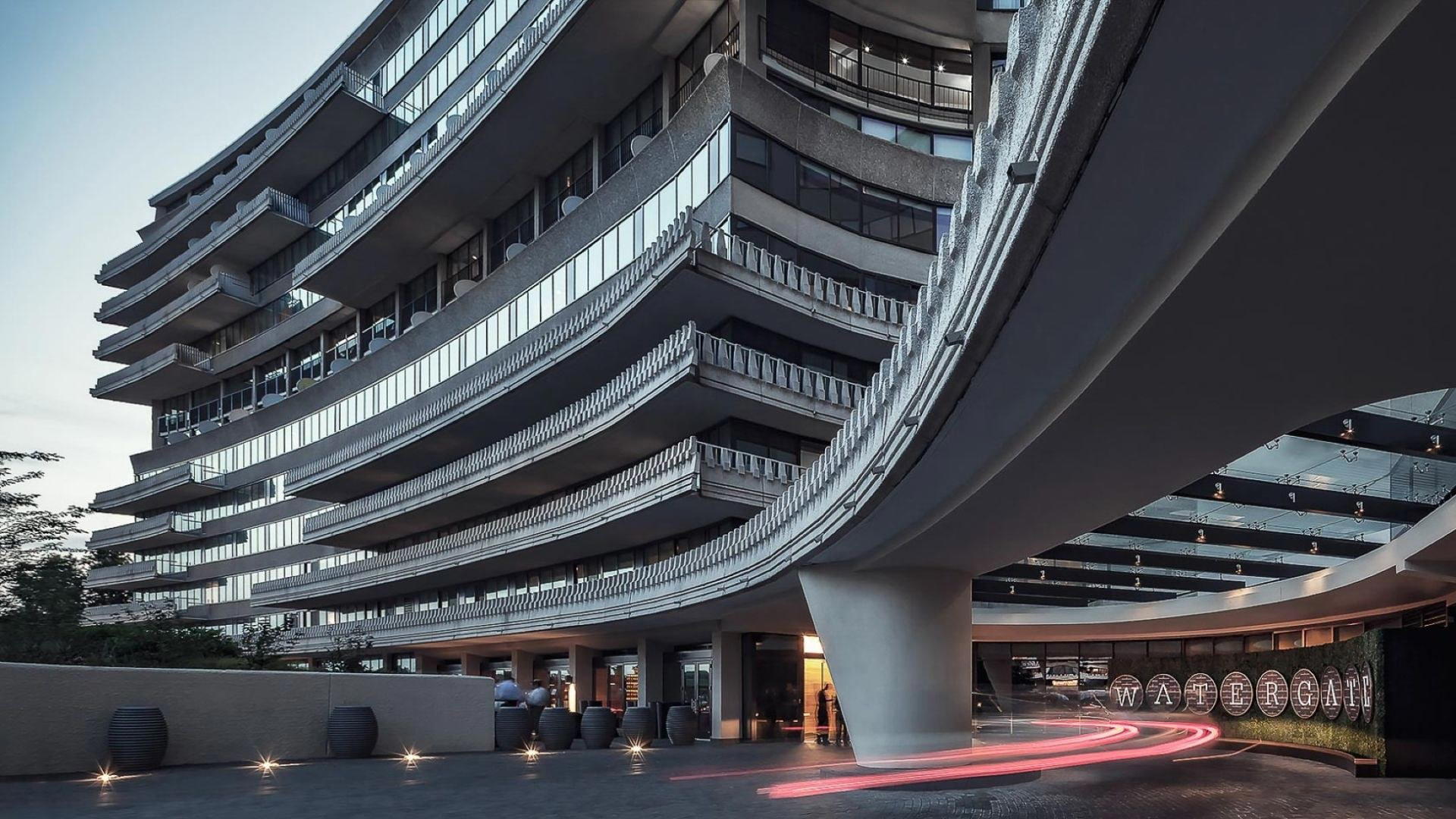
Hotels in Washington DC
Browse all →
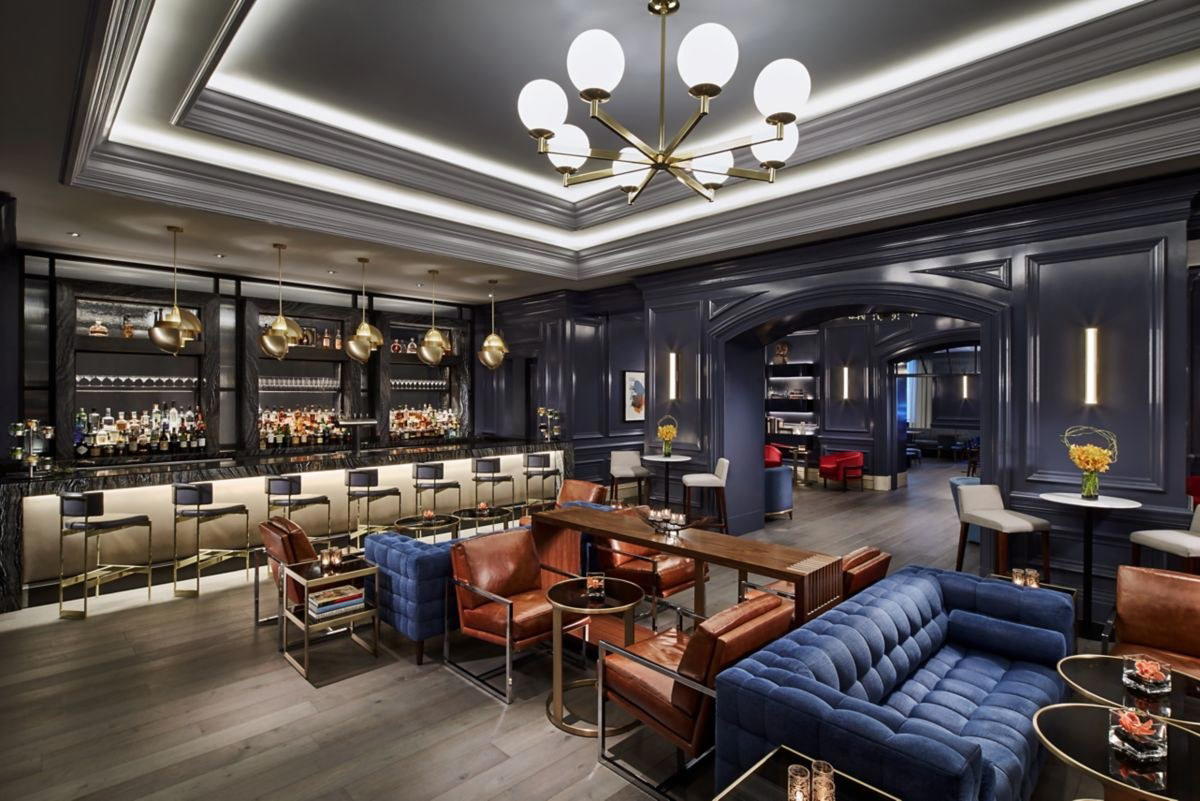
Bars in Washington DC
Browse all →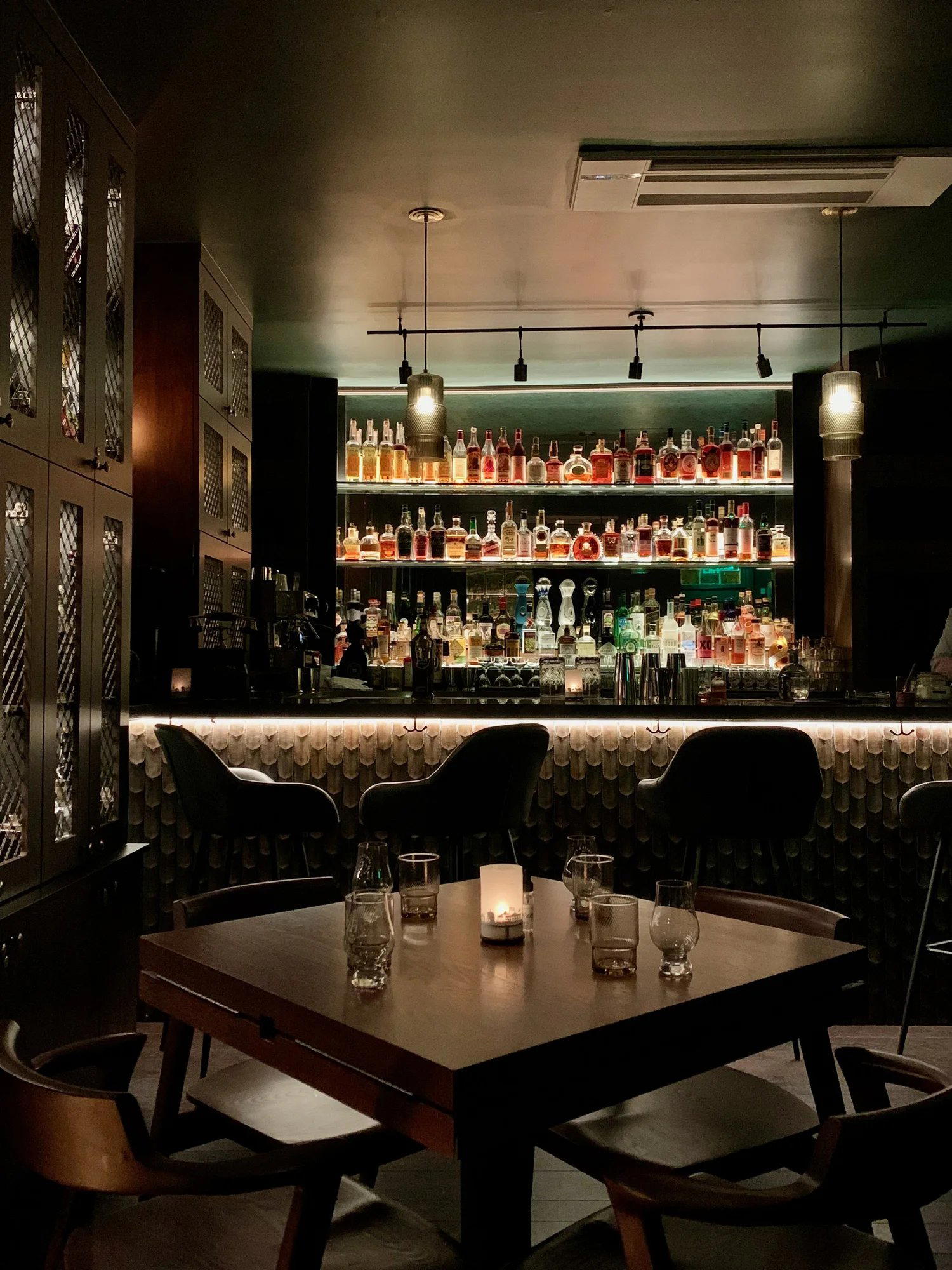
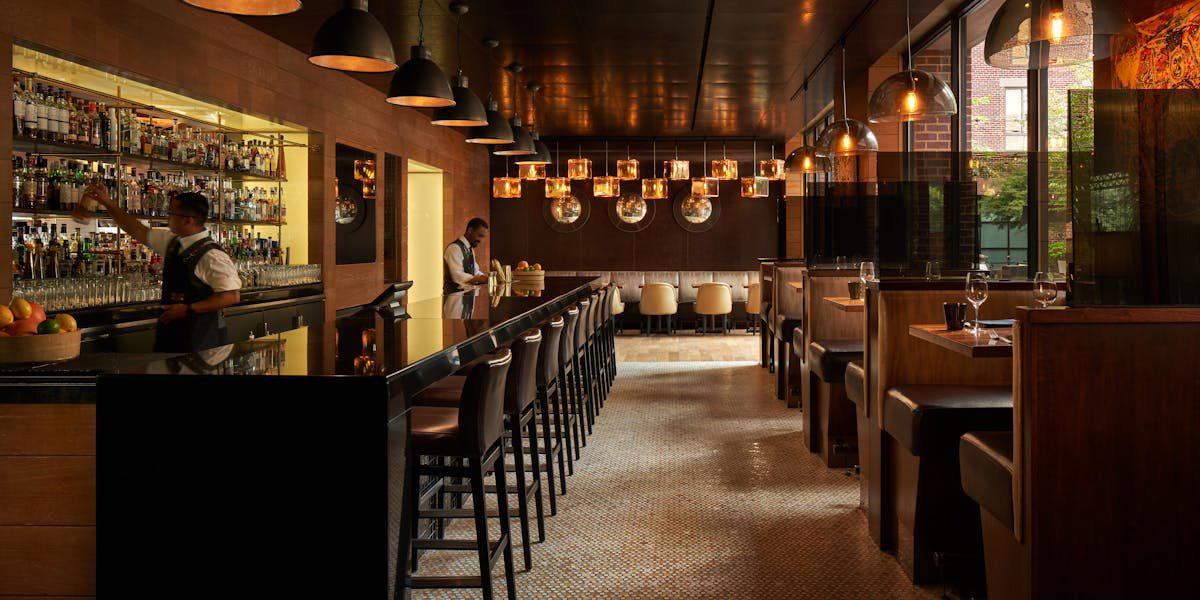
Restaurants in Washington DC
Browse all →
Details
- Elegant
- Classic
- Modern
- Sophisticated
- Business Trip
- Group Retreat
- Destination Wedding
- Weekend Escape
- Family Vacation
- Celebration
- Historic Building
- Design Destination
- Waterfront
- Wi Fi
- Fitness Center
- Business Center
- Room Service
- Concierge
- Street Scene
- Wheelchair Accessible
- Elevator
- Accessible Restroom
- Step Free Entrance
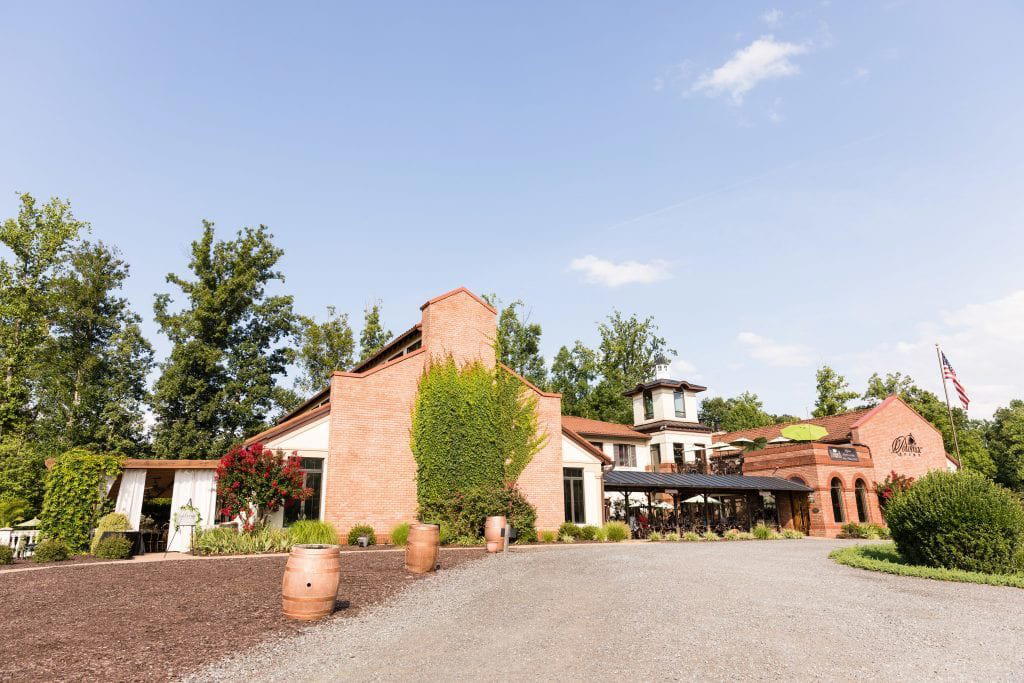
Refined yet approachable atmosphere that blends collegiate heritage with contemporary sophistication, with welcoming public areas designed for connection and reflection.