The Lindis



Set in the remote Ahuriri Valley on New Zealand's South Island, The Lindis is an eight-suite lodge that earned 93.5 points in the La Liste Top Hotels 2026 ranking and a place on Tatler Asia-Pacific's Best Hotels 2025 list. Its contemporary architecture reads as a deliberate counterpoint to the surrounding high-country terrain, while the kitchen draws from the property's own gardens and local producers.
Pearl is the En Primeur Club membership app — saves, bookings, and concierge access live there. Same editors, same standards.
- Address
- 1490 Birchwood Road, Ahuriri Valley 9412
- Phone
- +64 3 976 1589
- Website
- thelindisgroup.com
- Directions
- Get directions
 Saves & bookings on Pearl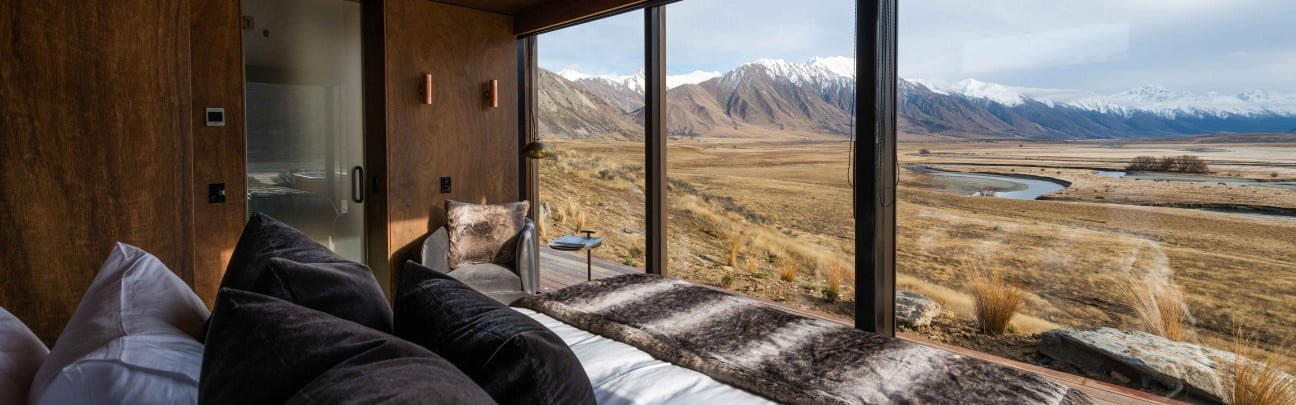
Where the Ahuriri Valley Does the Work
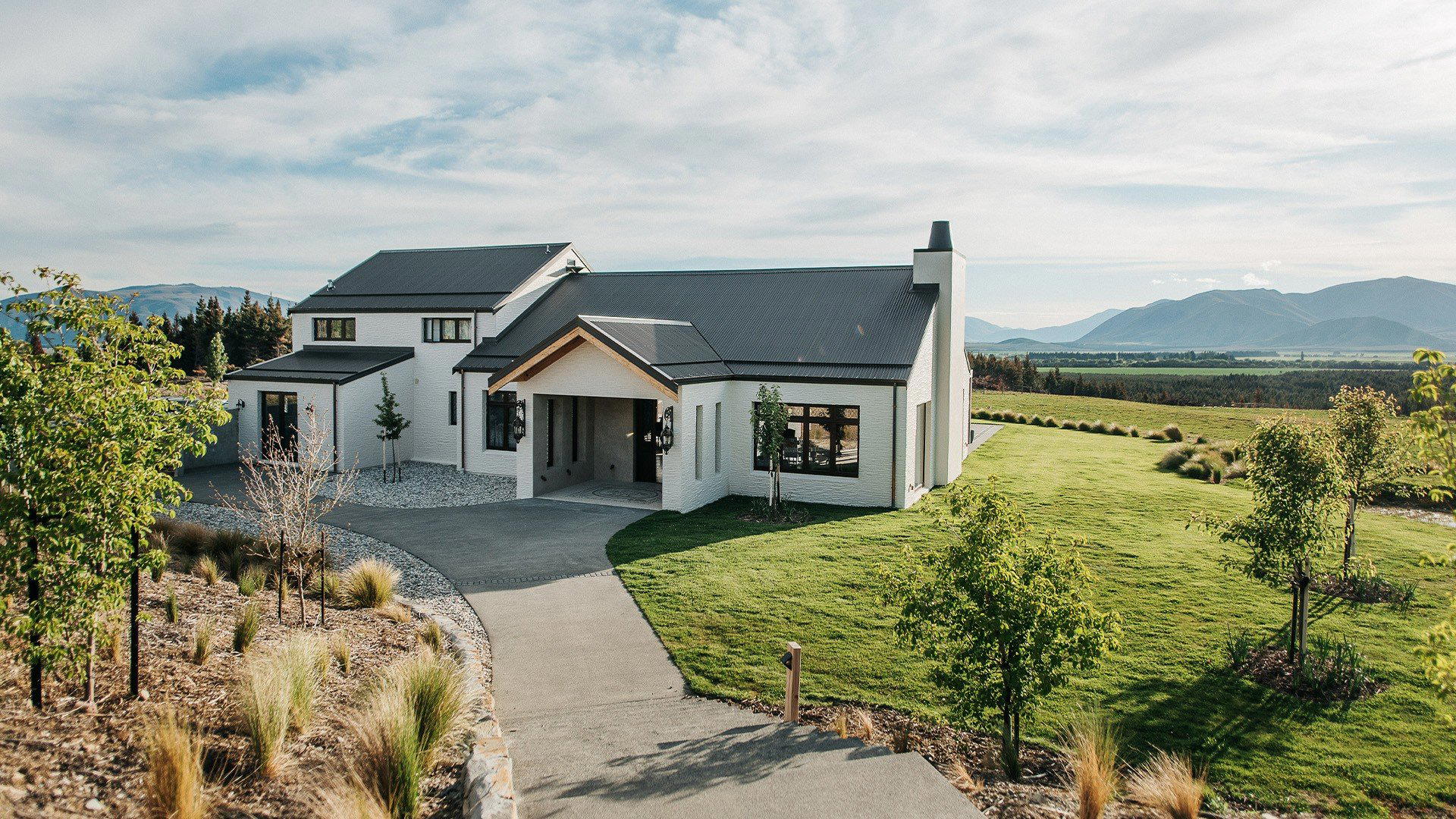
The approach to The Lindis along Birchwood Road in the Ahuriri Valley tells you most of what you need to know about the property's design logic. The South Island's Mackenzie Basin high country rolls out in every direction, tussock grass, braided riverbeds, and the kind of bare mountain ridgeline that makes human construction look provisional at leading. The lodge doesn't fight that. It sits low against the terrain, its contemporary lines choosing alignment over contrast, architecture that reads as an extension of landform rather than an imposition on it. This is the same design instinct that defines Patagonia's remote lodge tier: buildings that earn their place by accepting the scale of what surrounds them.
That comparison is not casual. The Patagonian lodge model, modernist structure, minimal key count, maximum landscape integration, has become a benchmark for remote luxury hospitality globally. Properties like those in Torres del Paine proved that unapologetically contemporary design does not diminish wild settings; it can, when done well, sharpen the contrast between human comfort and natural scale in a way that heritage vernacular architecture cannot. The Lindis applies that argument to the Southern Alps context, and it holds.
Eight Suites, Significant Distance from Everything
The Lindis operates with eight rooms, a count that places it firmly in the small-lodge tier of New Zealand luxury accommodation. Blanket Bay in Glenorchy, Hapuku Lodge in Kaikoura, and Minaret Station Alpine Lodge near Wānaka. At this scale, the guest-to-landscape ratio tilts decisively in the guest's favour, and the property's operational model depends on that. You are not sharing the valley with another hundred guests.
The accommodation divides between suites within the main lodge and freestanding Pods positioned away from the central building. The Pods are compact relative to the lodge suites but function with their own internal logic, efficiency of form, visual privacy, and a more direct relationship with the terrain outside. For guests who want the lodge structure and its associated communal spaces, the main building suites deliver that. For those who want to feel the valley rather than observe it, the Pods make the stronger case. Both options sit under the La Liste Leading Hotels 2026 rating of 93.5 points.
The Ahuriri Valley is not on the way to anything else in a meaningful sense. The remoteness is architectural in its own right; it structures the stay before you arrive.
The Design Argument Made Concrete
What distinguishes the better end of the remote luxury lodge category is not the presence of modern architecture but the quality of its dialogue with the site. Poor execution produces buildings that feel imported, airlifted into a landscape they have no relationship with. The Lindis avoids that failure through a combination of material palette and structural attitude. The building's forms reference the horizontal emphasis of the valley floor without attempting to mimic the organic shapes of the surrounding terrain. The result is a kind of honest foreignness: the lodge does not pretend to be a natural object, but it acknowledges the scale and character of its setting in every line.
This approach connects the hotel to a broader pattern in high-end remote hospitality. Properties like Annandale Villas in Pigeon Bay and Eagles Nest in Russell similarly use contemporary design as a framing device for landscape rather than a statement independent of it. The difference at the hotel is the intensity of the surrounding country. The Ahuriri Valley sits at a higher elevation and drier climate than the coastal and pastoral settings of most New Zealand lodges, which gives the architecture a starker, more exposed quality. In winter, snow sits on the surrounding ranges. In summer, the light lasts late into the evening. The building responds to both conditions rather than optimising for one.
Kitchen and Table
The cuisine at the hotel is grounded in local sourcing, with produce drawn from the surrounding area. That model is standard in the premium lodge tier, Otahuna Lodge in Tai Tapu and Huka Lodge have both built kitchen programs around estate and regional produce, but the Ahuriri Valley context adds a particular specificity. The high-country farming and pastoral character of the Mackenzie Basin shapes what is available and what makes sense on the plate. The cuisine does not need to explain itself against an urban restaurant scene; it operates within its own supply radius and that radius defines its terms.
For New Zealand's wider lodge scene, the kitchen has increasingly become as significant a differentiator as the room count or the activity program.
Activity Range and Valley Access
The Ahuriri Valley and broader Mackenzie Basin offer a range of outdoor pursuits that justify the drive from either Christchurch or Queenstown: fly-fishing on the Ahuriri River, heli-skiing in season, horse trekking, trail hiking, and access to some of the South Island's clearest dark-sky conditions for stargazing. The lodge's position gives direct access to all of these without requiring significant additional travel, which is a practical advantage over properties that market landscape access but sit closer to established tourist corridors.
For guests building a South Island itinerary that takes in Wānaka or Queenstown, the hotel slots naturally between those nodes and Christchurch without backtracking. Properties like Lakestone Lodge in Twizel and Mt Cook Lakeside Retreat at Lake Pukaki occupy similar high-country geography and could anchor a multi-stop itinerary through the Mackenzie Basin.
Guests planning New Zealand's North Island alongside the South will find a different lodge register at properties like Poronui Lodge in Taharua, Helena Bay Lodge, and Rosewood Kauri Cliffs in Matauri Bay, each with its own terrain logic and activity emphasis. The small-key remote luxury model appears at similar properties ranging from Fiordland Lodge in Te Anau to Aman Venice, though the southern Alps setting at the hotel has few direct equivalents in any region.
Planning Your Stay
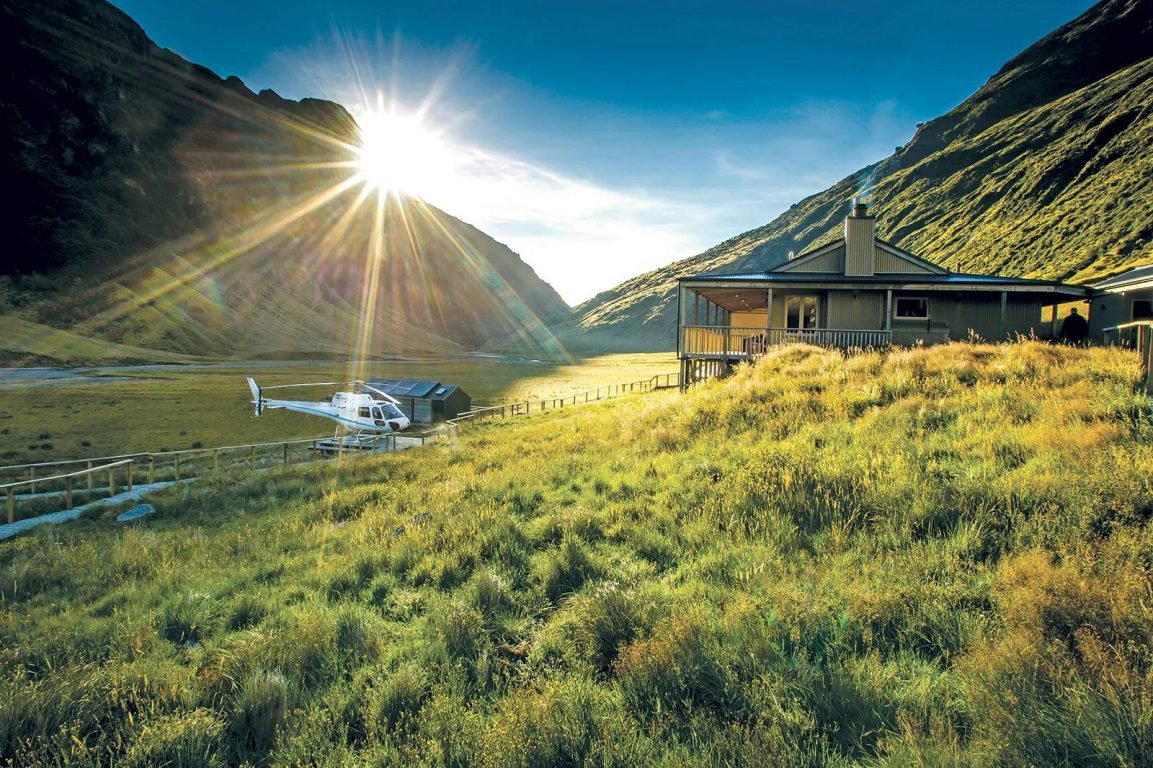
The hotel sits at 1490 Birchwood Road in the Ahuriri Valley, and given its location and eight-room capacity, advance booking is the practical baseline for any serious travel dates. The property is reachable by road from both Christchurch and Queenstown in under three hours, making helicopter transfers a viable but not necessary option for guests flying into either hub. Room availability tightens during the Southern Hemisphere summer (November to March) and during peak fly-fishing season on the Ahuriri.
Quick Comparison
Comparable venues nearby, for context on price, style, and recognition.
| Venue | Cuisine | Price | Awards | Notes |
|---|---|---|---|---|
| The LindisThis venue — the venue you are viewing | Contemporary luxury lodge inspired by the natural valley contours | $$$$ | Michelin 2 Key | Not listed |
| Gibbston Valley Lodge and Spa | Wine country luxury lodge with private villas | $$$$ | Michelin 1 Key | Gibbston |
| Stoneridge Estate | Contemporary luxury lodge with heritage elements, built around a 150-year-old stone homestead and constructed from local schist rock and recycled materials. | $$$$ | Michelin 1 Key | Lake Hayes |
| Azur | Contemporary luxury boutique lodge with private villas | $$$$ | Michelin 1 Key | Sunshine Bay |
| Minaret Station Alpine Lodge | Luxury alpine lodge combining rustic mountain charm with contemporary comfort; designed as a private retreat emphasizing exclusivity and natural beauty. | $$$$ | 5-Star | Wanaka |
| Roki Collection | Sophisticated urban luxury sanctuary connecting to natural landscapes | $$$$ | 5-Star | Glenorchy Road |
Recognition history
Dated appearances from independent guides and award organizations, with the underlying list record or original source where available.
La Liste Top Hotels
La Liste
Mr & Mrs Smith Smith Seal of Approval
Mr & Mrs Smith
Michelin 2 Keys
Michelin
Tatler Listed in Best Hotels Asia-Pacific
Tatler
At a Glance
- Scenic
- Elegant
- Intimate
- Sophisticated
- Rustic
- Honeymoon
- Romantic Getaway
- Wellness Retreat
- Anniversary
- Weekend Escape
- Panoramic View
- Private Villa
- Wi Fi
- Spa
- Fitness Center
- Hot Tub
- Restaurant
- Massage
- Mountain
- Wi Fi
- Spa
- Fitness Center
- Hot Tub
- Restaurant
- Massage
Warm, fireside lighting with expansive windows framing rugged mountains and river, creating a serene and immersive natural atmosphere.