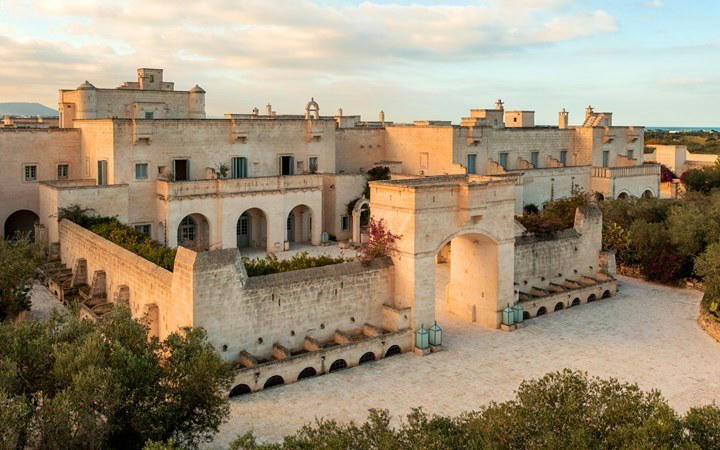
A masseria property in the Fasano countryside of Puglia, Masseriola Antiche Fogge sits within the architectural tradition of fortified southern Italian farmsteads that once anchored the region's olive and grain economy. The address on Via Giardinelli places it in the rural belt between Fasano's historic centre and the Adriatic coast, where converted masserie now define the area's premium hospitality offer. For context on the broader Fasano scene, see our full Fasano restaurants guide.

Pearl is the En Primeur Club membership app, where members save venues, book tables and use the concierge.
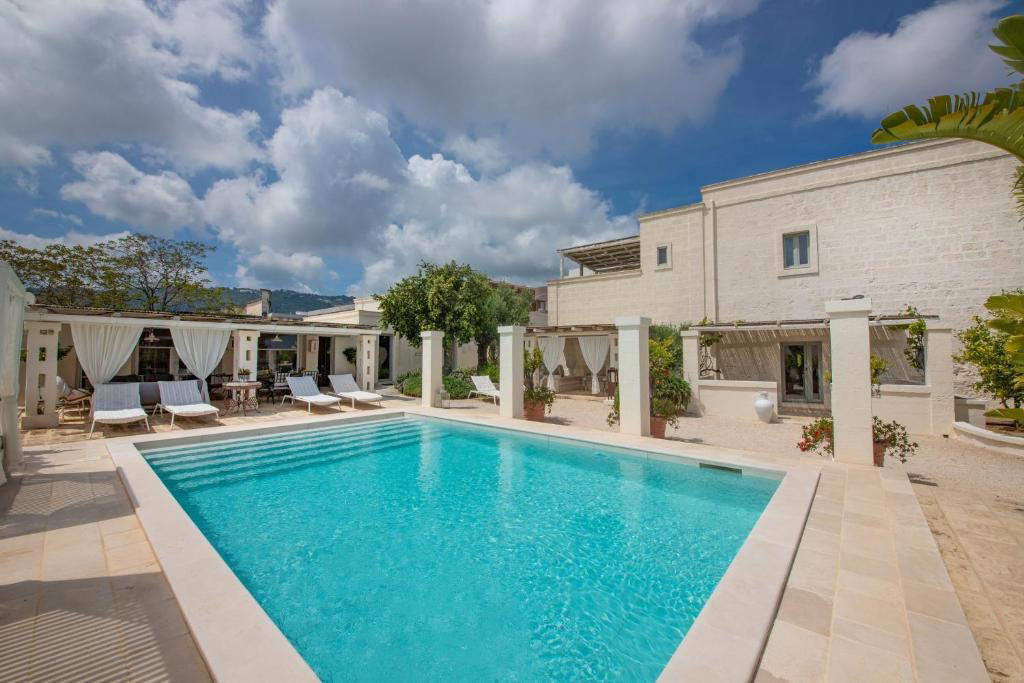
Stone, Silence, and the Masseria Tradition in Puglia
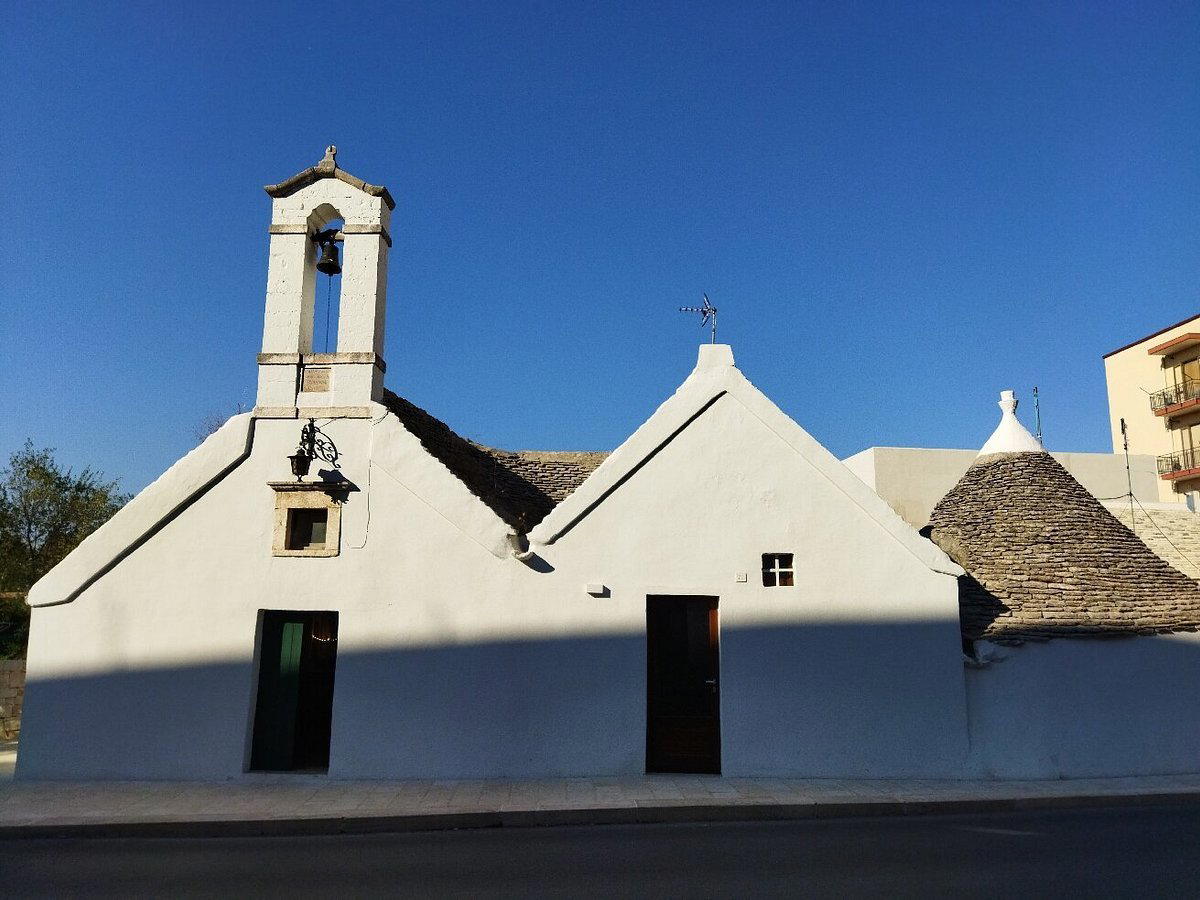
The approach to a traditional Puglian masseria tends to follow a particular grammar: a long unpaved track, dry-stone walls bordering fields of silver-leafed olives, and then a cluster of pale limestone buildings that look less constructed than quarried from the earth itself. Masseriola Antiche Fogge, located on Via Giardinelli at the edge of Fasano, belongs to this architectural lineage. The masseria as a building type evolved across centuries as a self-contained agricultural compound, combining storage, living quarters, and working space within thick-walled structures designed to regulate temperature through mass rather than mechanical means. That logic, still visible in the proportions and materials of surviving examples, is what makes these conversions compelling to contemporary travellers seeking something architecturally specific to southern Italy.
Fasano sits in the Valle d'Itria, the inland Puglia zone defined by the trulli settlements of Alberobello to the north and the Adriatic coastline to the east, with Savelletri di Fasano serving as the area's primary beach node. The masserie that now operate as hospitality properties in this zone range from full resort complexes, such as Borgo Egnazia in Savelletri di Fasano, to smaller, more intimate farmstead conversions. Masseriola Antiche Fogge occupies a position closer to the latter end of that spectrum, at least in terms of its address and rural setting, which places it within a sub-category of Pugliese hospitality that prioritises agricultural atmosphere over resort-scale amenity.
Reading the Architecture of the Puglian Farmstead
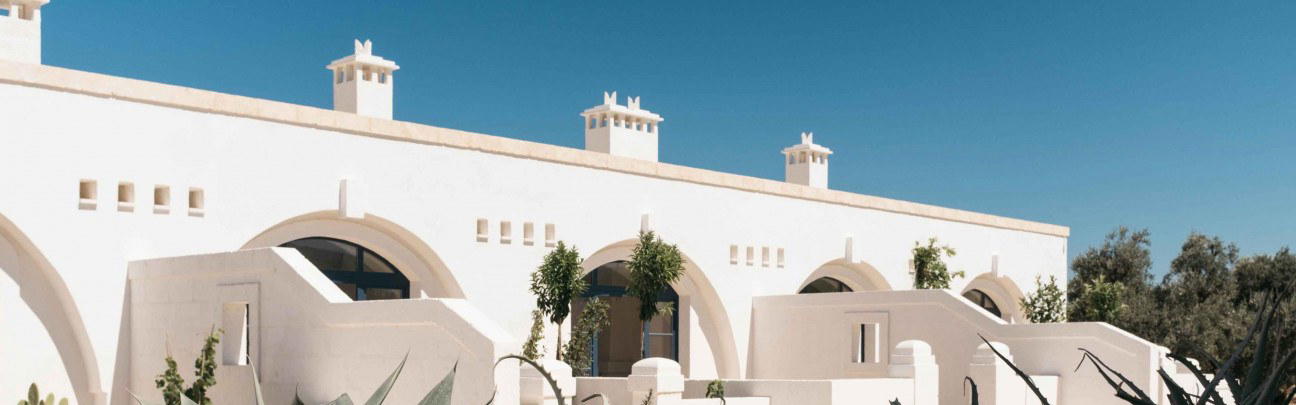
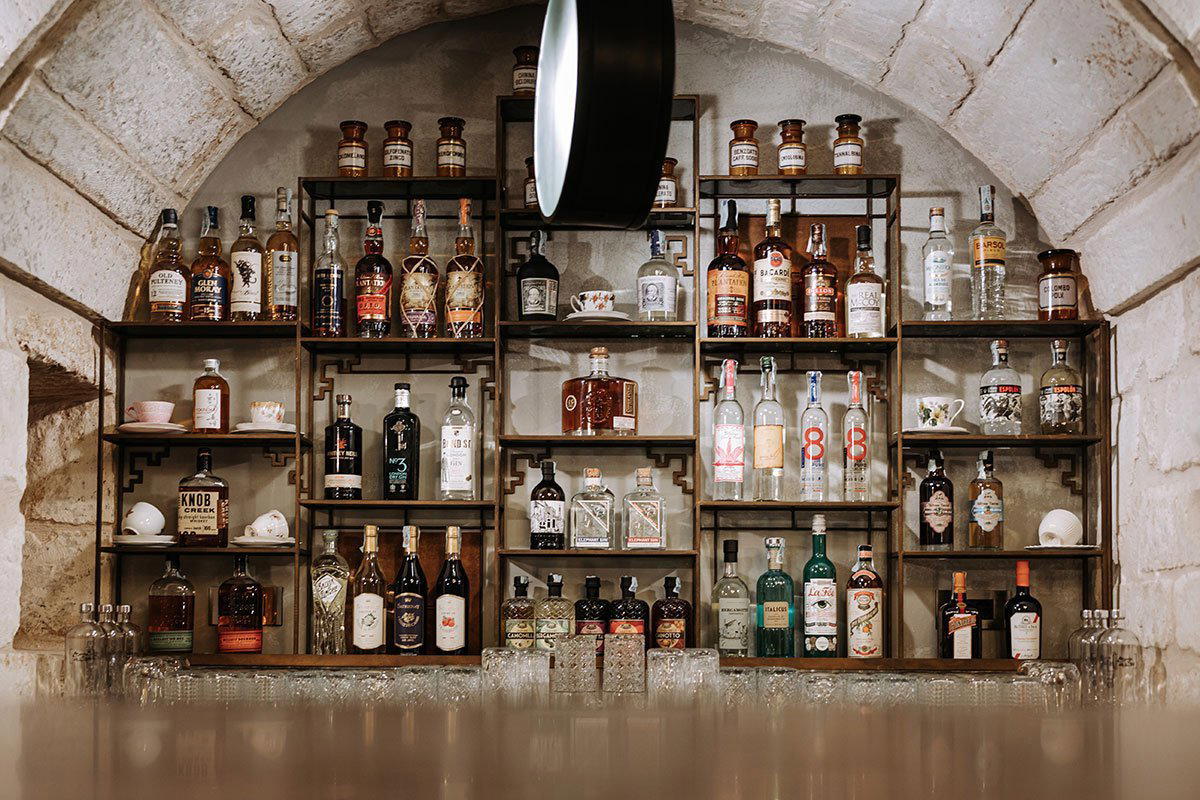
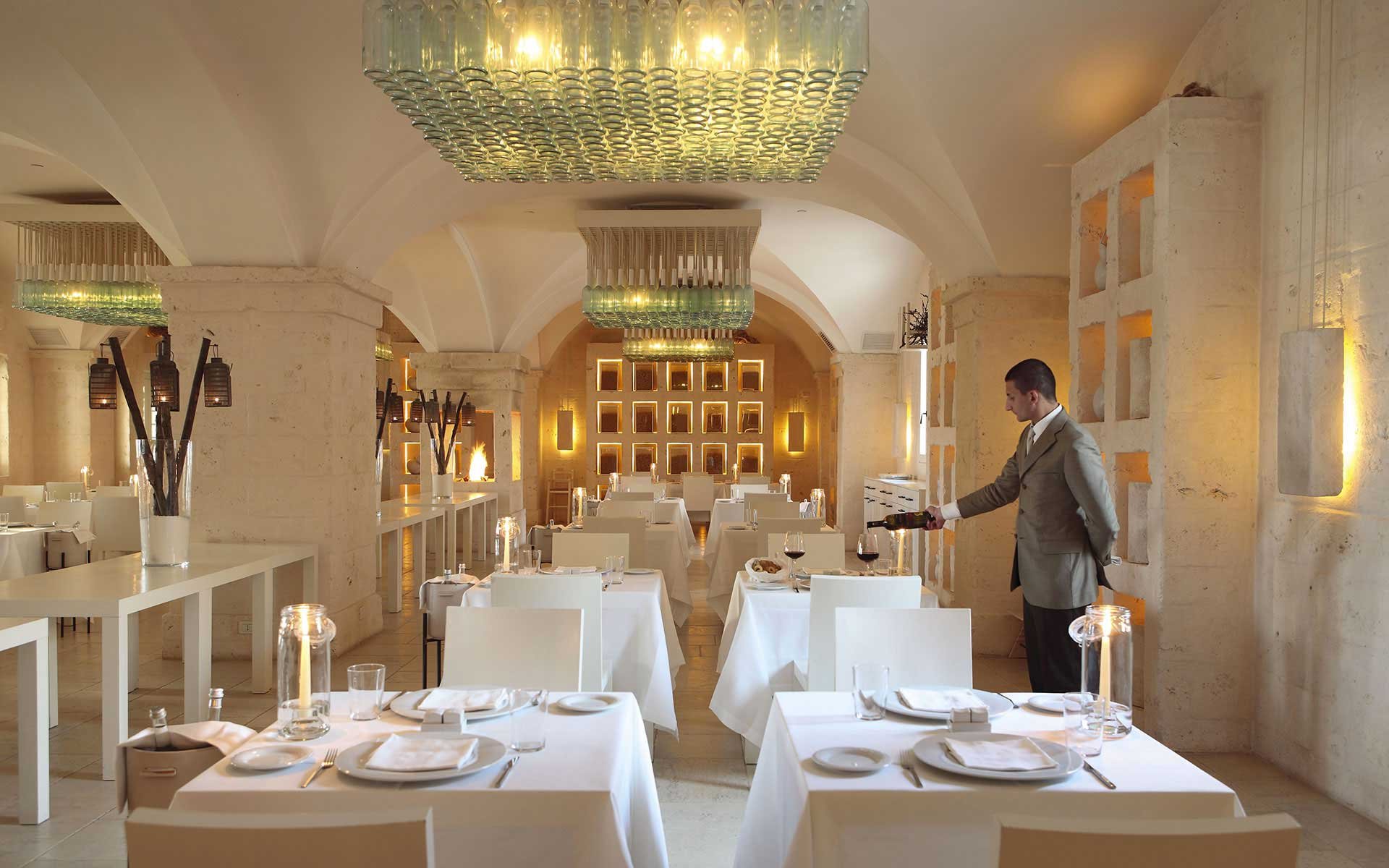
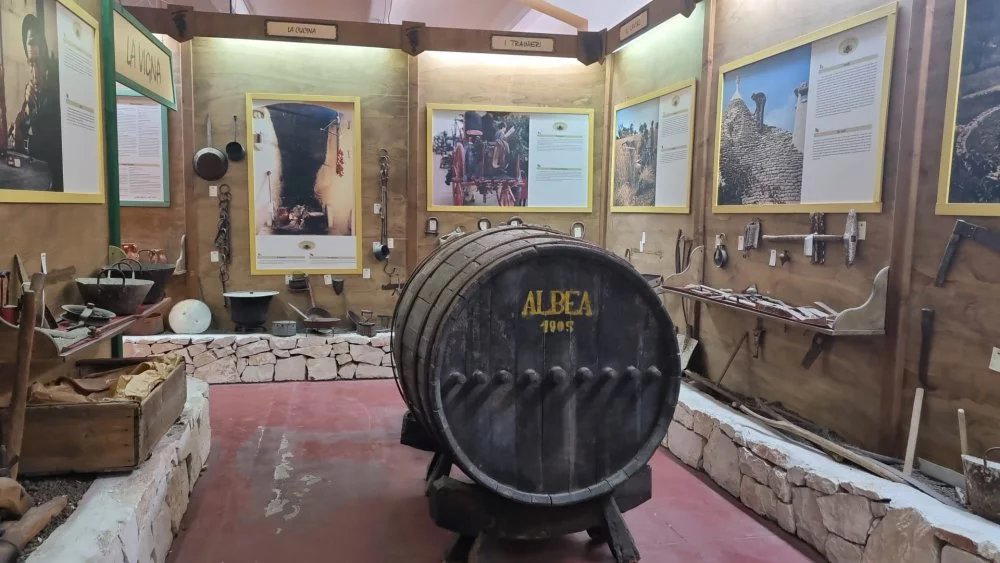
The architectural identity of a masseria is inseparable from the material conditions of the Puglia interior. Limestone extracted from local quarries formed the walls; barrel vaults and domed rooflines managed both load-bearing requirements and thermal comfort without the need for complex carpentry. The name Antiche Fogge, which references old forms or old ways in Italian, signals an orientation toward this historical fabric rather than a departure from it. Properties that carry this kind of nomenclature in the Puglian context are typically declaring an intention to preserve or interpret the original agricultural structures rather than replace them with contemporary architecture.
This matters for the traveller because it shapes the spatial experience in concrete ways. Rooms in genuinely converted masserie tend to have vaulted ceilings, window reveals that are deep because the walls are thick, and a general coolness that is the passive result of thermal mass, not air conditioning set too low. Outdoor spaces often include former farmyards or threshing floors that now function as terraces or garden areas, retaining the geometry of the original compound. The contrast with purpose-built resort properties, even those that reference regional style, is tangible. For comparison, properties like Castello di Reschio in Lisciano Niccone and Borgo San Felice Resort in Castelnuovo Berardenga pursue a similar logic in Umbria and Tuscany respectively: the preservation of agricultural architecture as the primary design gesture, with contemporary comfort layered in rather than imposed.
Fasano in the Wider Puglia Hospitality Picture
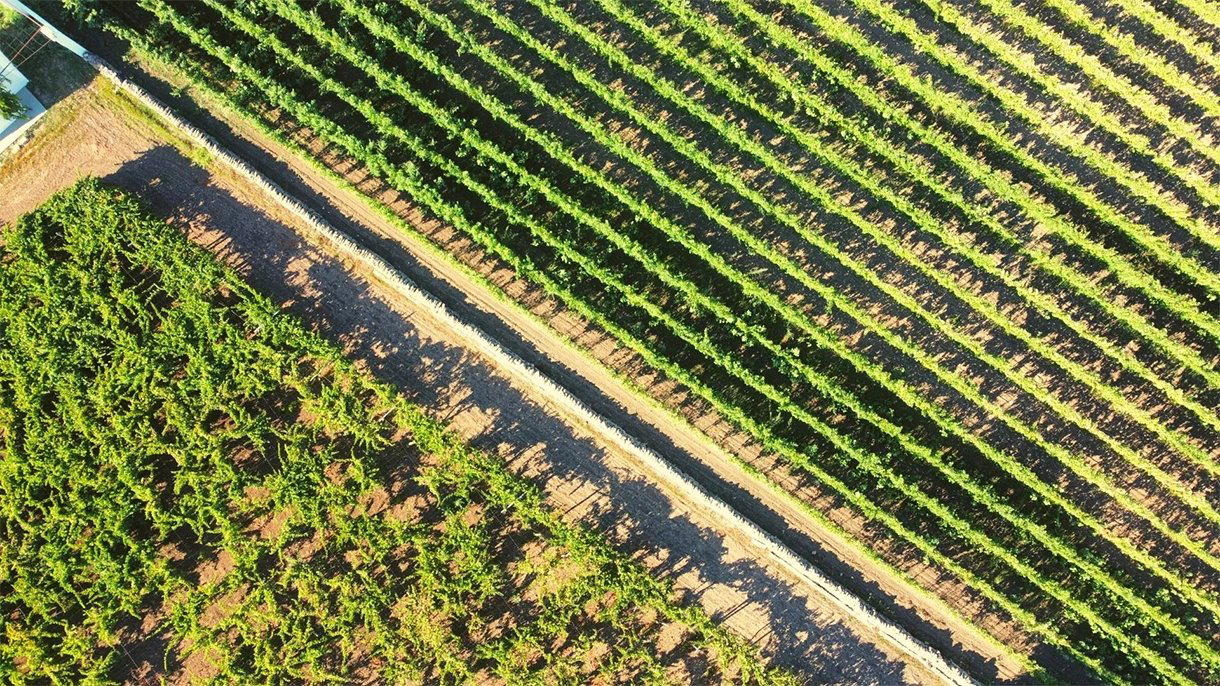
The concentration of premium masseria conversions in the Fasano-Ostuni corridor has made this stretch of inland Puglia one of Italy's more interesting hospitality zones for travellers interested in vernacular architecture. The zone sits far enough from the main tourist circuits around the Amalfi Coast, see Borgo Santandrea in Amalfi Coast and Il San Pietro di Positano in Positano for context on that different southern Italian register, to retain a quieter, more agricultural character. The landscape in late spring through early autumn is dominated by olive groves, some with trees that are centuries old, and the local food economy remains tightly connected to the land in a way that is less performative than in more heavily touristed regions.
Fasano's dining scene has developed alongside its hospitality offer. The town itself has a working-class Puglian character that sits in contrast to the premium rural properties surrounding it, which creates an interesting friction for visitors who move between the two registers. Our full Fasano restaurants guide maps that terrain in more detail. For travellers building a southern Italy itinerary around comparable properties in other regions, the points of reference shift considerably: Il Pellicano in Porto Ercole and Bellevue Syrene 1820 in Sorrento operate in coastal idioms with different architectural and atmospheric priorities. Northern Italian properties such as Passalacqua in Moltrasio, EALA My Lakeside Dream in Limone sul Garda, and Grand Hotel Tremezzo in Tremezzo offer a further point of contrast, operating in the villa-on-lake tradition rather than the fortified farmstead model.
Planning Your Stay: Practical Orientation
Fasano is accessible by train from Bari, with Brindisi airport providing the closest international connections, roughly 40 kilometres to the southeast. The Via Giardinelli address places Masseriola Antiche Fogge in a rural setting that, as with most masseria properties in this zone, requires a car for practical mobility during a stay. The surrounding area rewards slow exploration: the trulli zone around Alberobello, the white-hill towns of Ostuni and Locorotondo, and the direct Adriatic coast are all within a 30 to 45 minute drive. Those planning a longer southern Italian circuit that takes in properties with different scales and registers might consider the contrast offered by Castel Fragsburg in Merano in the north or, for something Tuscan in tone, Rosewood Castiglion Del Bosco in Montalcino and Castelfalfi in Montaione. For those moving between Italy and other destinations, Aman Venice in Venice, Four Seasons Hotel Firenze in Florence, and Bulgari Hotel Roma in Rome each represent a distinct metropolitan counterpoint to the masseria rural model. Booking Masseriola Antiche Fogge directly or through local operators is advisable in the summer months, when demand across the Valle d'Itria tightens considerably and the better masserie operate at close to full occupancy from June through August.
Comparable Spots, Quickly
| Venue | Price | Awards |
|---|---|---|
| Masseriola Antiche FoggeThis venue (the venue you are viewing) | Not listed | Not listed |
| Aman Venice | $1,000–1,500 | 3 Michelin Keys · World's 50 Best #79 |
| Cipriani, A Belmond Hotel, Venice | $750–1,000 | 3 Michelin Keys · World's 50 Best #72 |
| Four Seasons Hotel Firenze | $750–1,000 | 3 Michelin Keys · World's 50 Best #12 |
| Rosewood Castiglion Del Bosco | $1,000–1,500 | 3 Michelin Keys · World's 50 Best #62 |
| Bulgari Hotel Roma | Not listed | 3 Michelin Keys · World's 50 Best #32 |
Continue exploring
More in Fasano
Hotels in Fasano
All hotels in Fasano →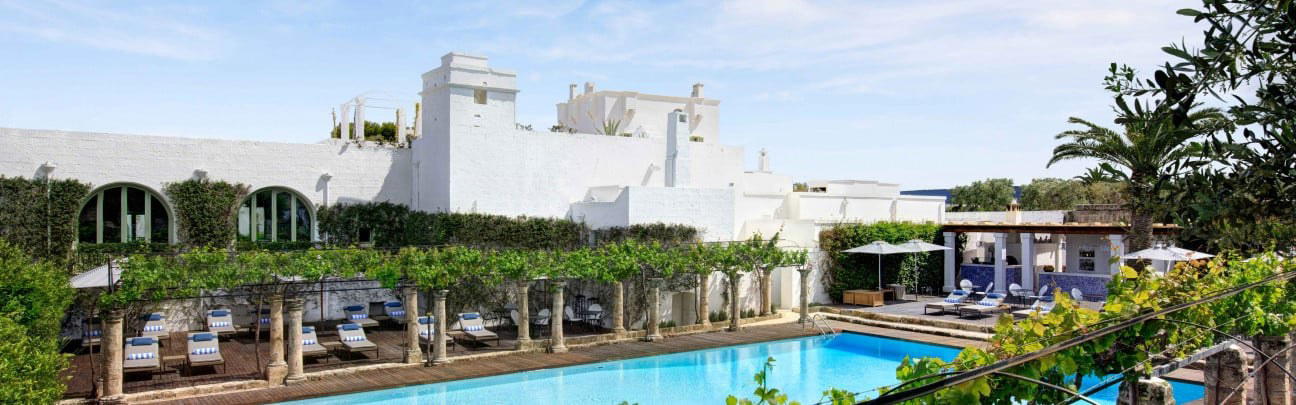
Bars in Fasano
Browse all →

Details
- Rustic
- Romantic
- Cozy
- Elegant
- Romantic Getaway
- Weekend Escape
- Garden
- Terrace
- Historic Building
- Pool
- Wi Fi
- Garden
- Parking
- Garden
- Street Scene
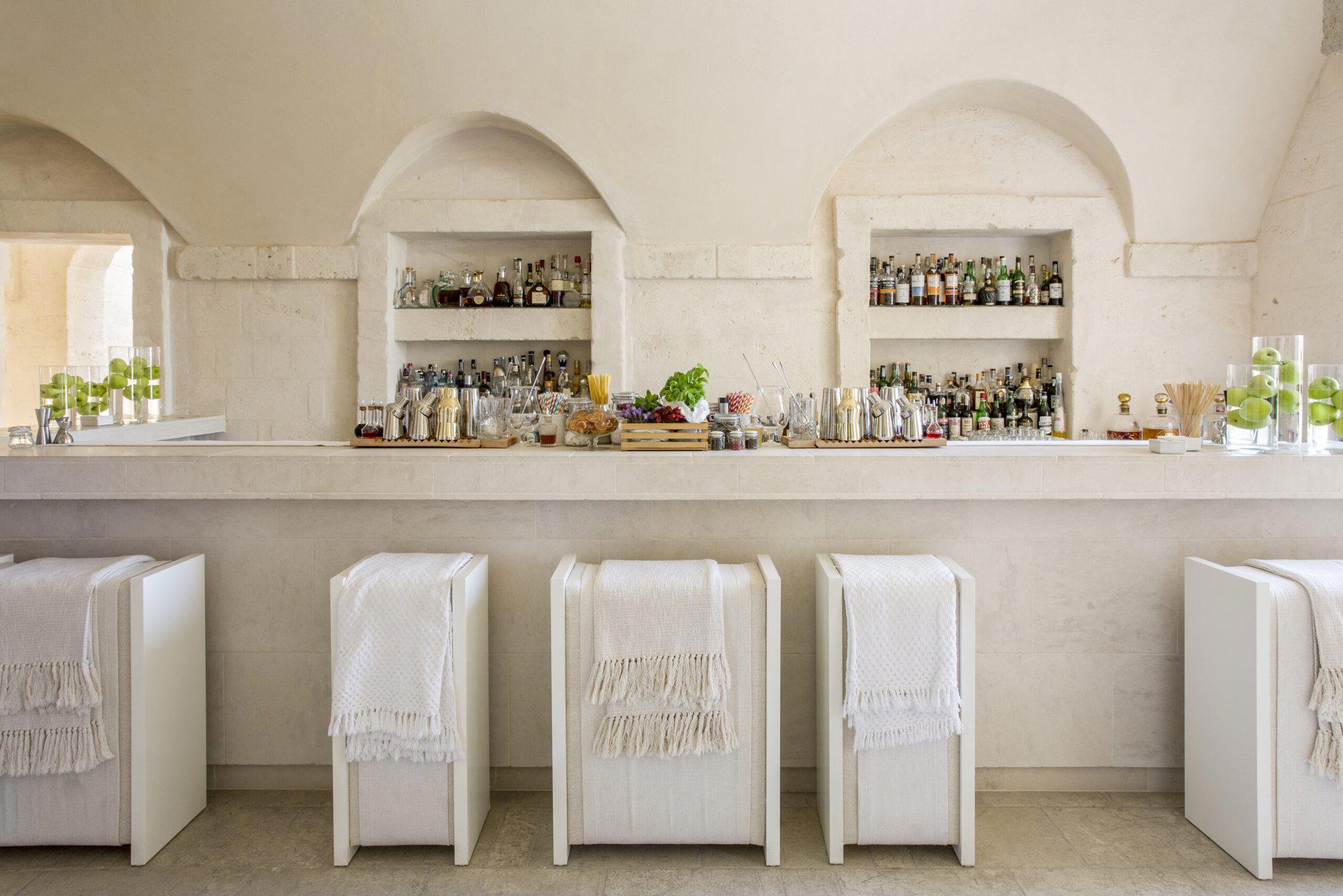
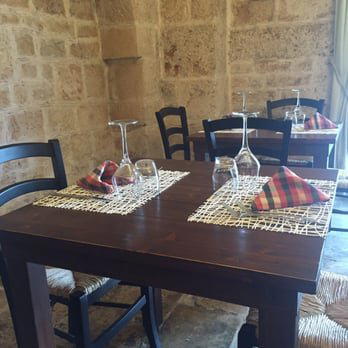
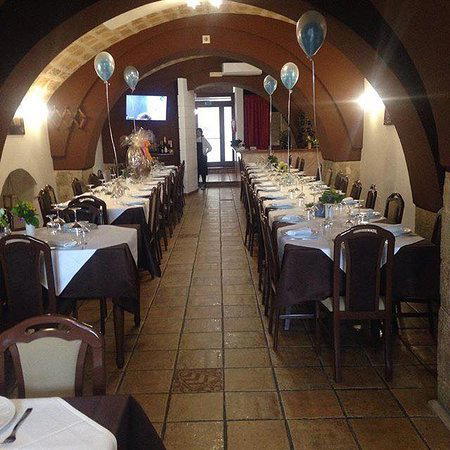
Peaceful retreat with traditional exposed stone, tasteful design, and romantic interiors in a historic white tuff stone farmhouse.