Maldron Hotel Croke Park sits in Dublin’s stadium quarter, a setting shaped less by postcard Georgian formality than by match-day movement, coach traffic, and northside neighbourhood streets.

Pearl is the En Primeur Club membership app — saves, bookings, and concierge access live there. Same editors, same standards.
- Address
- Clonliffe Rd, Drumcondra, Dublin, D03 X6K3, Ireland
- Phone
- +353 1 727 0870
- Website
- maldronhotels.com
- Directions
- Get directions
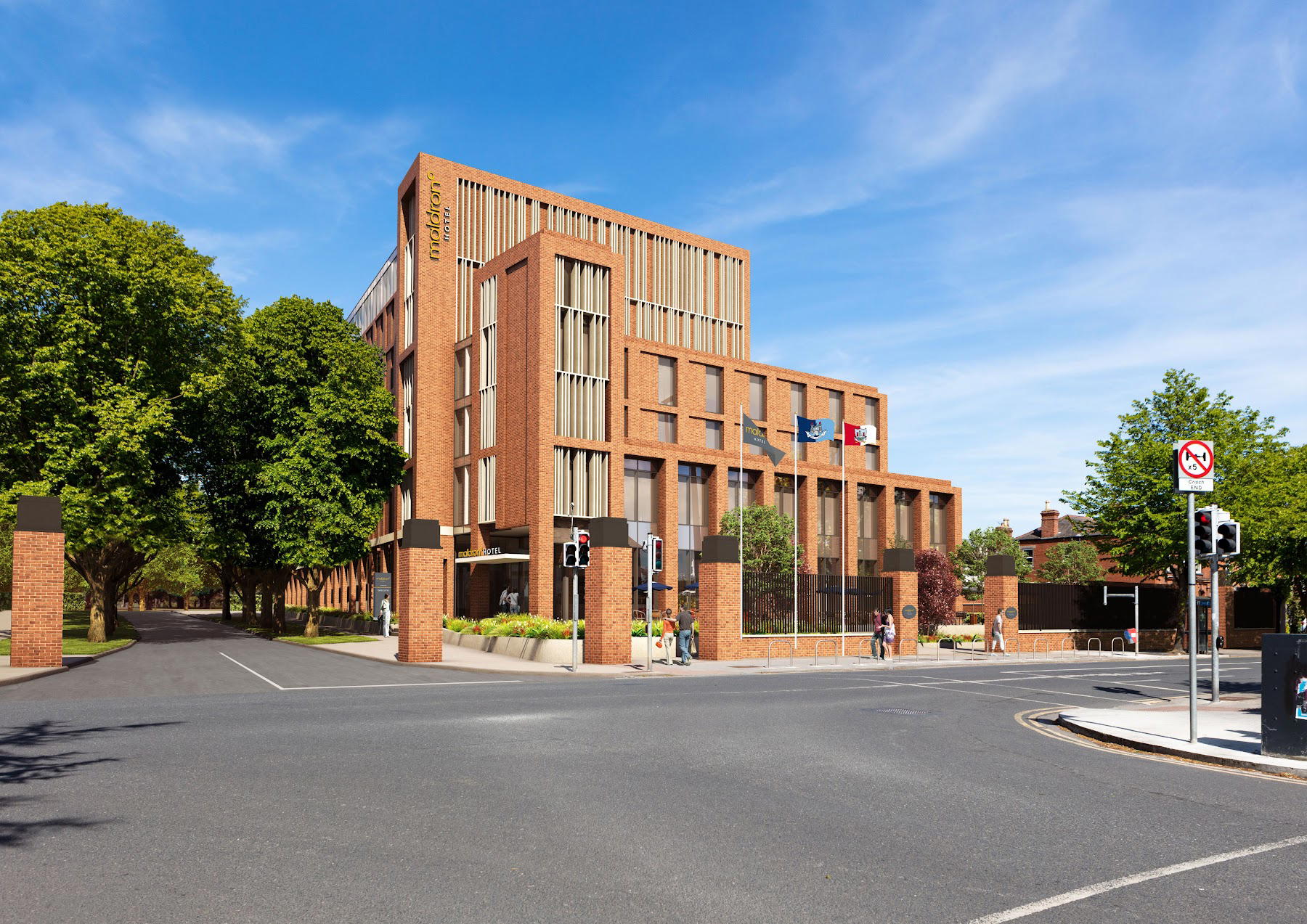
The stadium quarter as a hotel setting
Approaching the Croke Park area is a different Dublin from the polished hotel corridors around St Stephen’s Green or the diplomatic calm of Ballsbridge. The streets tighten around terraces, corner shops, pubs, schools, and the heavy presence of a national stadium that changes the rhythm of the neighbourhood whenever Gaelic games, concerts, or major events are on the calendar. That physical context matters for Maldron Hotel Croke Park. This is not a hotel whose story begins with grand lobbies, country-house acreage, or a riverfront address. It belongs to a practical urban category: the event-adjacent Dublin hotel, where the surrounding architecture is defined by crowd flow, transport pressure, and the plain fact that Croke Park can redraw the northside for a day.
Dublin’s hotel scene divides sharply by setting. Around Merrion Square and St Stephen’s Green, properties tend to trade on Georgian proportion, embassies, museums, and access to the southside business core. The Docklands has a newer, glassier register, with hotels such as Anantara The Marker Dublin Hotel speaking to contemporary waterfront Dublin. Ballsbridge, represented by addresses such as Clayton Hotel Ballsbridge, Luttrellstown Castle Resort, where the appeal is estate scale and remove from the city, or with rural Irish stays such as Ballynahinch Castle in Recess, Glenlo Abbey Hotel & Estate in Galway, and Parknasilla Resort & Spa in Kerry. Those properties ask the traveller to think in terms of grounds, scenery, and retreat. The Croke Park proposition is urban and event-led. The useful question is not whether it offers country-house atmosphere, but whether the location aligns with the trip’s centre of gravity.
For travellers building a broader Dublin itinerary, this distinction helps. A hotel near Croke Park places the northside within easier reach, while the southside dining and cultural core remains part of the wider city rather than the immediate doorstep. That is a reasonable trade-off for stadium-led trips and a less obvious fit for travellers whose days are built around Merrion Square, Grafton Street, the National Gallery, or Ballsbridge meetings. The absence of database pricing also matters. Without an available price range, value cannot be assessed against the room rate. It can only be assessed against intended use: proximity, event timing, and how much cross-city movement the traveller wants to avoid.
Dining, drinking, and the wider Dublin map
That limitation is important because Dublin hotel dining varies widely. Some properties build destination restaurants with named chefs or serious cellar programmes; others offer dependable in-house food designed for guests who need convenience before an early departure or after a late event.
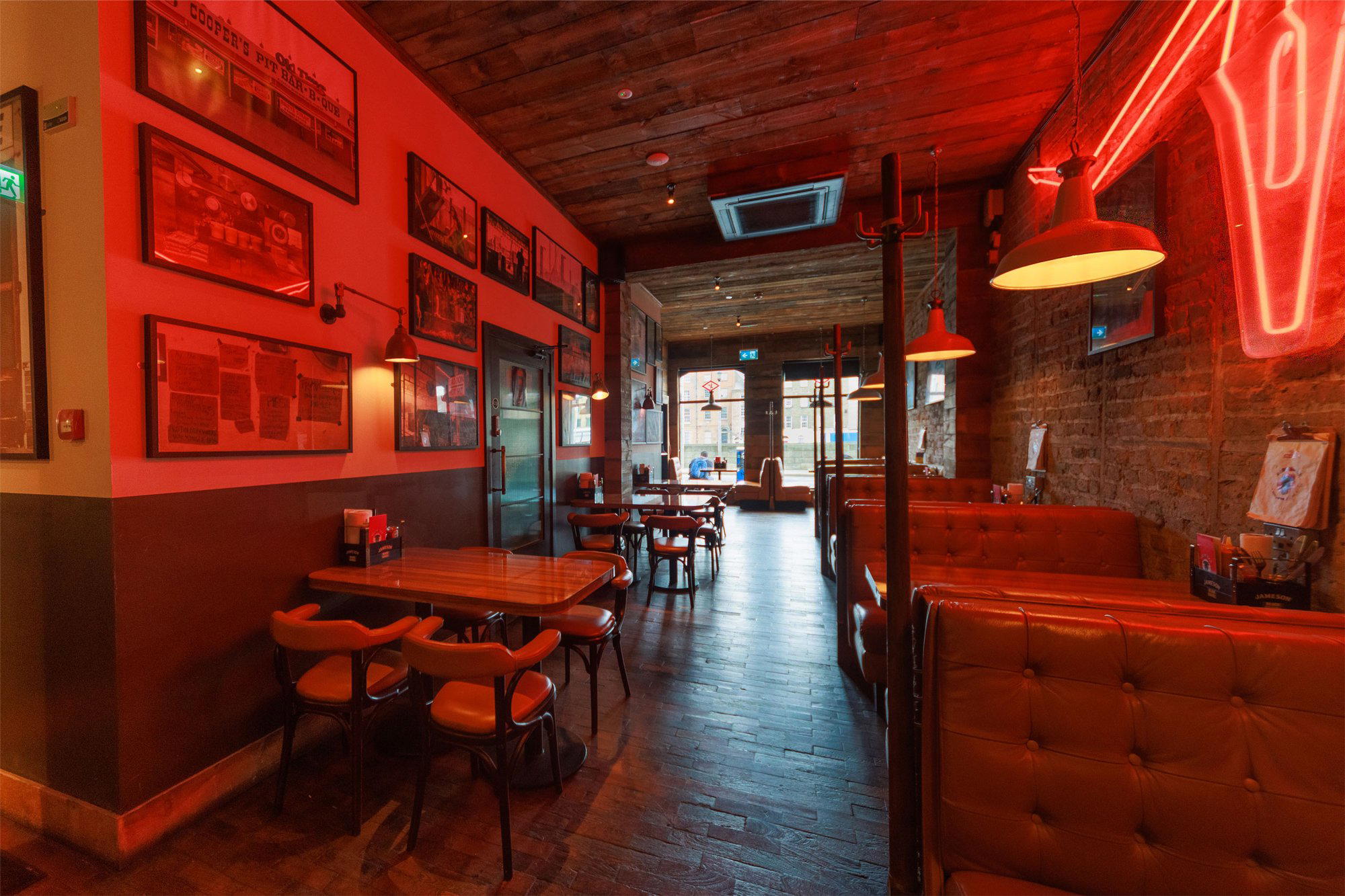
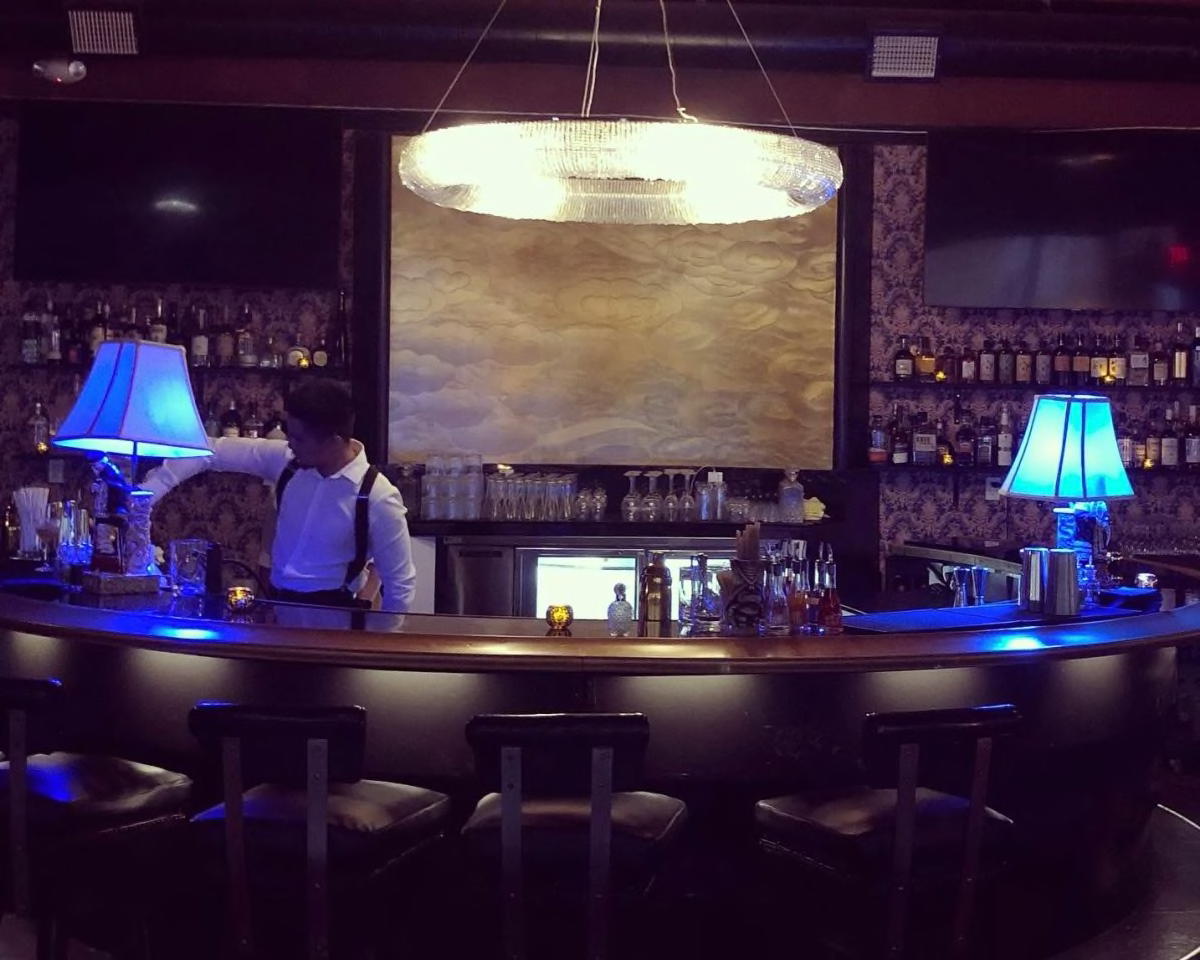
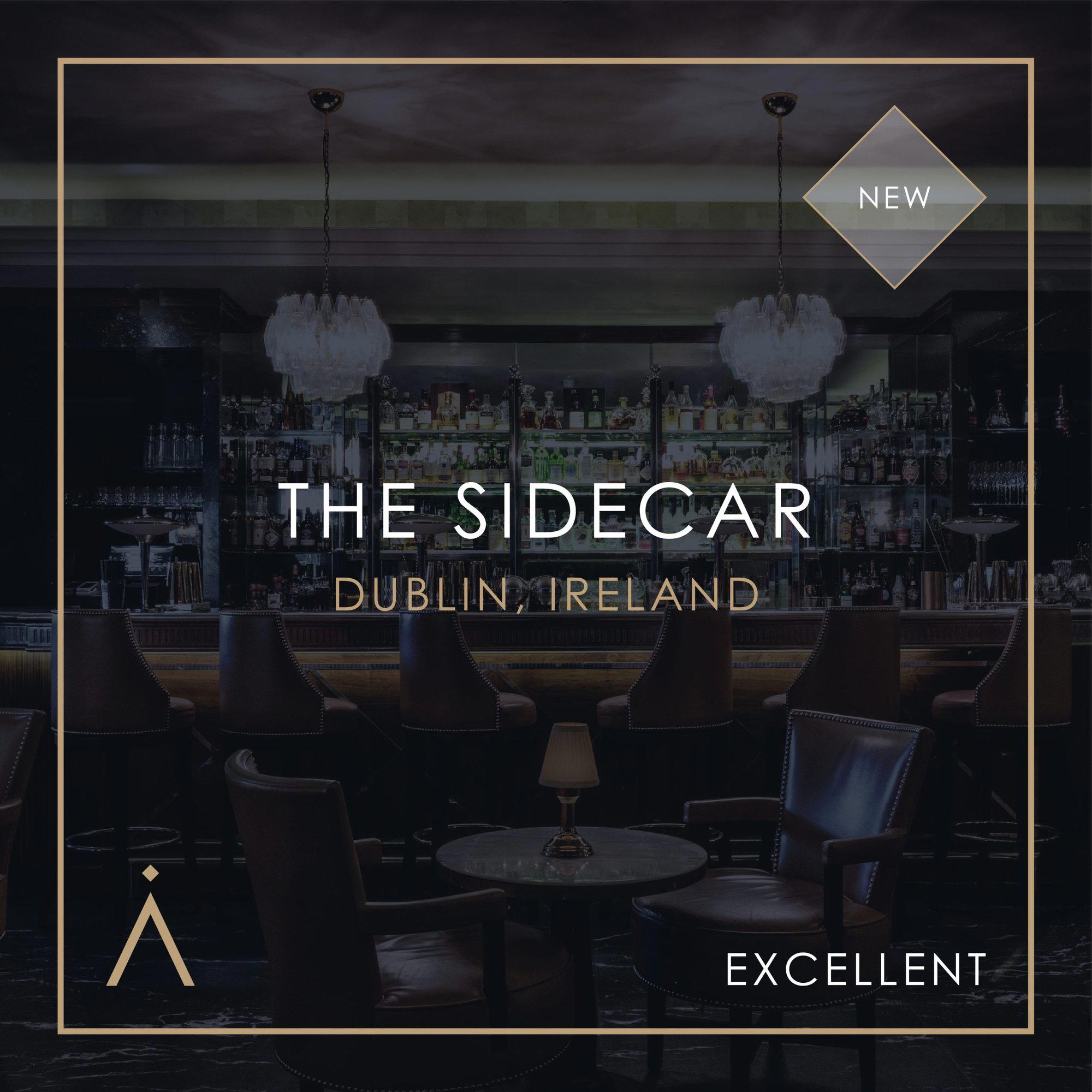
What can be said is that Dublin’s hospitality scene is increasingly segmented. There is a strong restaurant circuit beyond hotels, a revived cocktail culture, and a hotel market that ranges from business-oriented city properties to highly designed independent stays. Travellers planning around food should treat the hotel location as one element of a larger map. EP Club’s Our full Dublin restaurants guide gives the dining view across the city, while Our full Dublin bars guide covers the drinking side and Our full Dublin experiences guide frames cultural planning. For lodging comparisons, Our full Dublin hotels guide is the more relevant companion, especially when deciding between northside practicality and southside polish.
Wine travellers should also keep expectations calibrated. EP Club’s Our full Dublin wineries guide is better read as a category page for related coverage rather than a signal that this particular property has a verified wine programme. In a city hotel with sparse public data, the editorial discipline is to avoid inventing cellar depth, cocktail credentials, or chef-led ambition. A Dublin stadium hotel should not be judged by the same criteria as a coastal resort, a country house, or an international palace hotel. The comparison set matters. Marlfield House in Wexford operate in a leisure register where setting, grounds, and time on property carry more weight. Kilkea Castle in Castledermot uses heritage architecture as a central part of the stay. The G Hotel Galway in Galway City belongs to a more design-conscious urban category outside the capital. Hotel Isaacs Cork in Cork and Summerage in Burren point to further regional contrasts.
Those comparisons sharpen rather than diminish the case for a Croke Park stay. The value of Maldron Hotel Croke Park is situational. It makes sense when the trip has a northside anchor, especially a stadium event, and when the traveller wants the hotel to reduce friction rather than perform as the main cultural object. In that sense, its competitive set is not the castle hotel or the design townhouse. It is the Dublin hotel that makes a specific itinerary easier.
Internationally, this is the difference between destination hotels and operationally smart city hotels. The Fifth Avenue Hotel in New York City, Hôtel de Paris Monte-Carlo in Monte Carlo, and Badrutt's Palace Hotel in St. Moritz draw travellers partly because the property itself carries cultural weight. A stadium-side Dublin hotel works differently. Its authority comes from placement, timing, and use. That is not lesser; it is a different contract with the guest.
Planning the stay
Travellers should therefore verify current rates, booking conditions, room categories, breakfast arrangements, parking, and event-day access directly through current booking channels before committing. This is especially relevant around major Croke Park dates, when demand and street movement can change the practical value of staying nearby. If the trip is built around a fixture or concert, the location may justify choosing the area over a more conventionally central address. If the trip is built around southside museums, restaurants, and late-night bars, a hotel closer to St Stephen’s Green, the Docklands, or Ballsbridge may reduce daily transit.
Timing is the key planning variable. On ordinary dates, the Croke Park area reads as a northside urban neighbourhood with a major venue at its centre. On event dates, it becomes a managed crowd district. That shift affects arrival times, taxi availability, and the wisdom of bringing luggage through busy streets close to start or finish times. The practical answer is to align check-in and movement with the event schedule rather than treating the hotel as a neutral city-centre base. This is the clearest logistical intelligence available from the setting itself, and it is often the difference between a smooth Dublin stay and one spent crossing town at the wrong moment.
How It Compares
Comparable venues nearby, for context on price, style, and recognition.
| Venue | Cuisine | Price | Awards | Notes |
|---|---|---|---|---|
| Maldron Hotel Croke ParkThis venue — the venue you are viewing | Contemporary 4-star city hotel with business- and event-friendly positioning. | $100–200 | Not listed | Not listed |
| Clayton Hotel Ballsbridge | Historic Victorian building with contemporary updates | Not listed | Not listed | Pembroke East E |
| The Hoxton, Dublin | Design-led boutique in historic Victorian building | Not listed | Michelin Selected · Mr & Mrs Smith Seal of Approval | Creative Quarter |
| Camden Court Hotel | Contemporary city centre hotel in restored Georgian-style houses | $100–200 | Not listed | Saint Kevin'S |
| The Alex Hotel Dublin | Stylish 4-star boutique hotel with locally inspired design | Not listed | Michelin Selected · Mr & Mrs Smith Seal of Approval | Mansion House A |
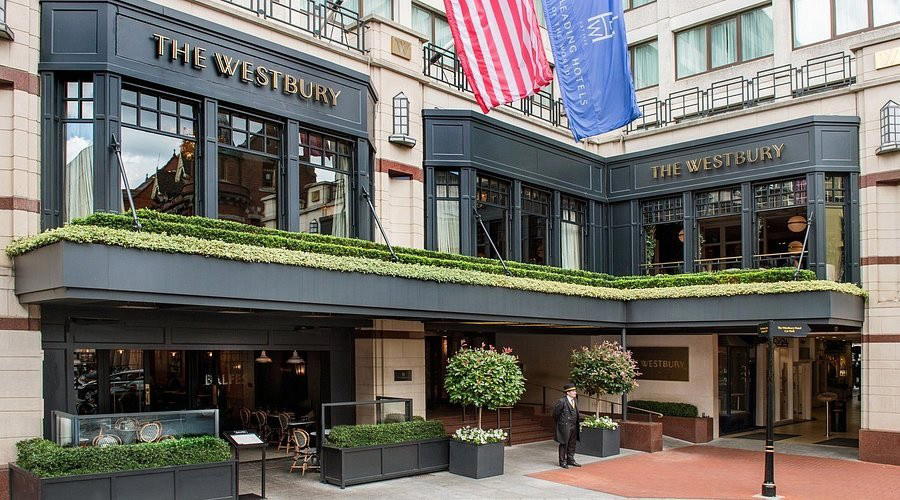
| The Westbury Hotel | Luxury boutique in Art Deco style | $200–300 | Michelin Selected · Forbes Recommended | Royal Exchange B |
Continue exploring
More in Dublin
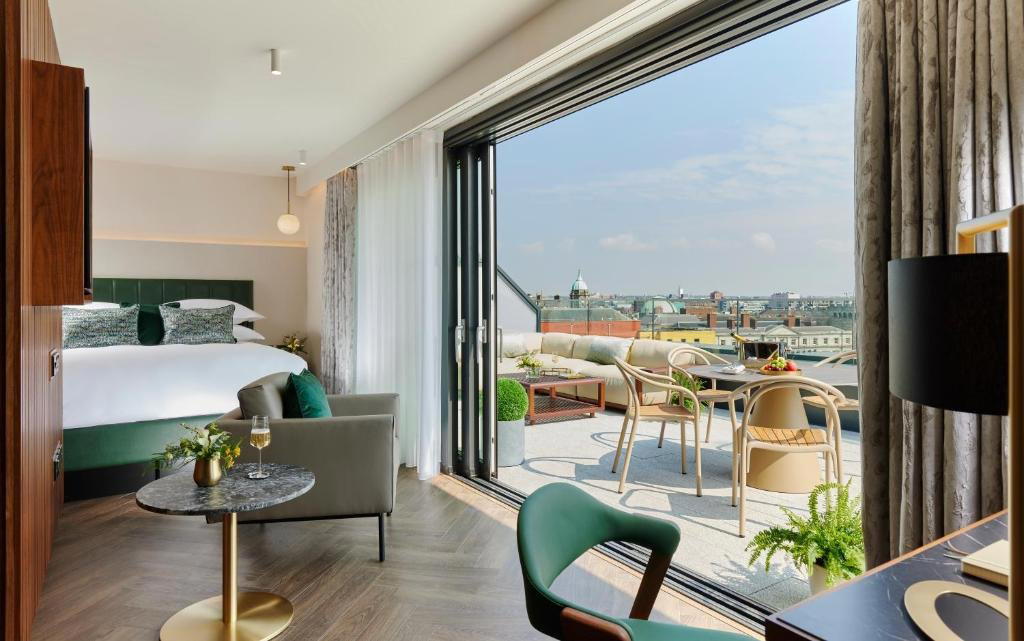
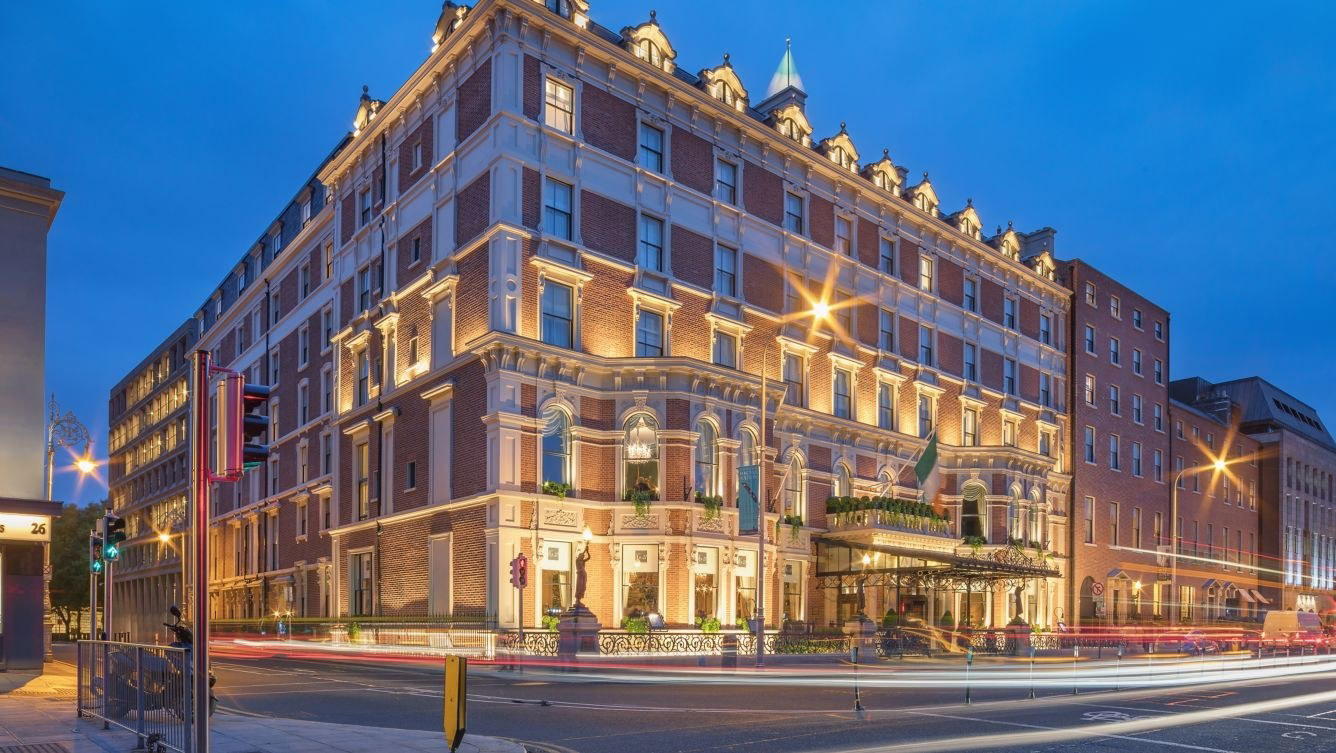
Hotels in Dublin
Browse all →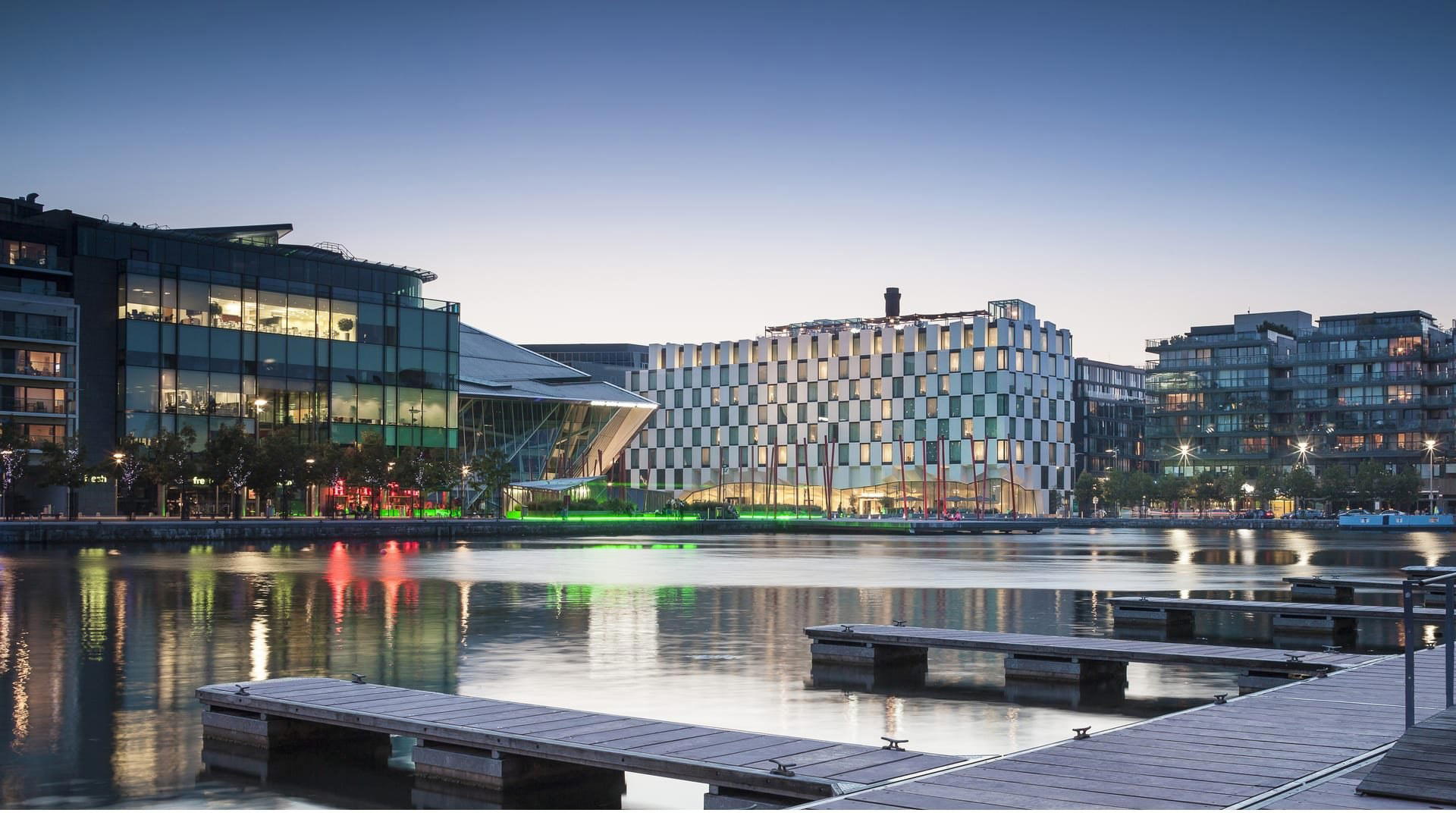
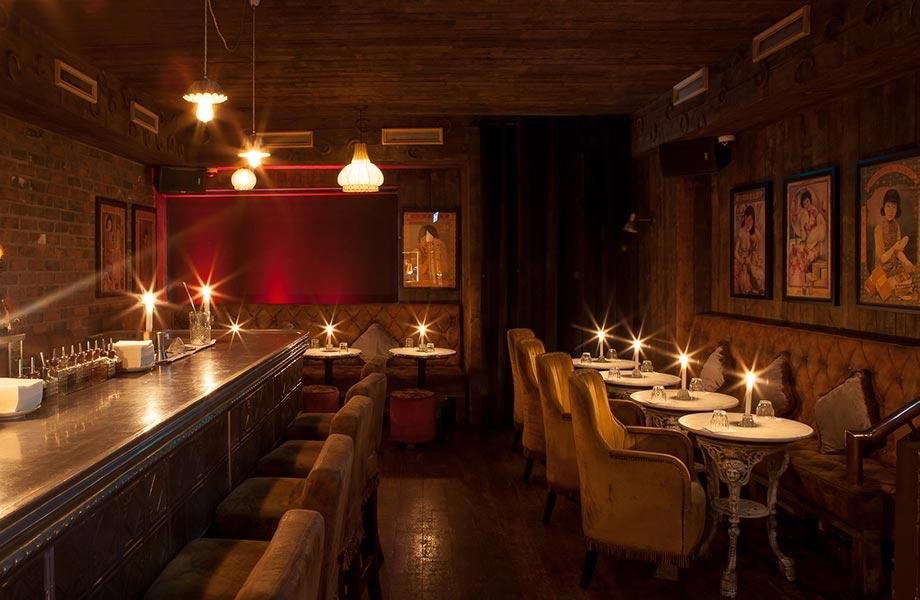
Bars in Dublin
Browse all →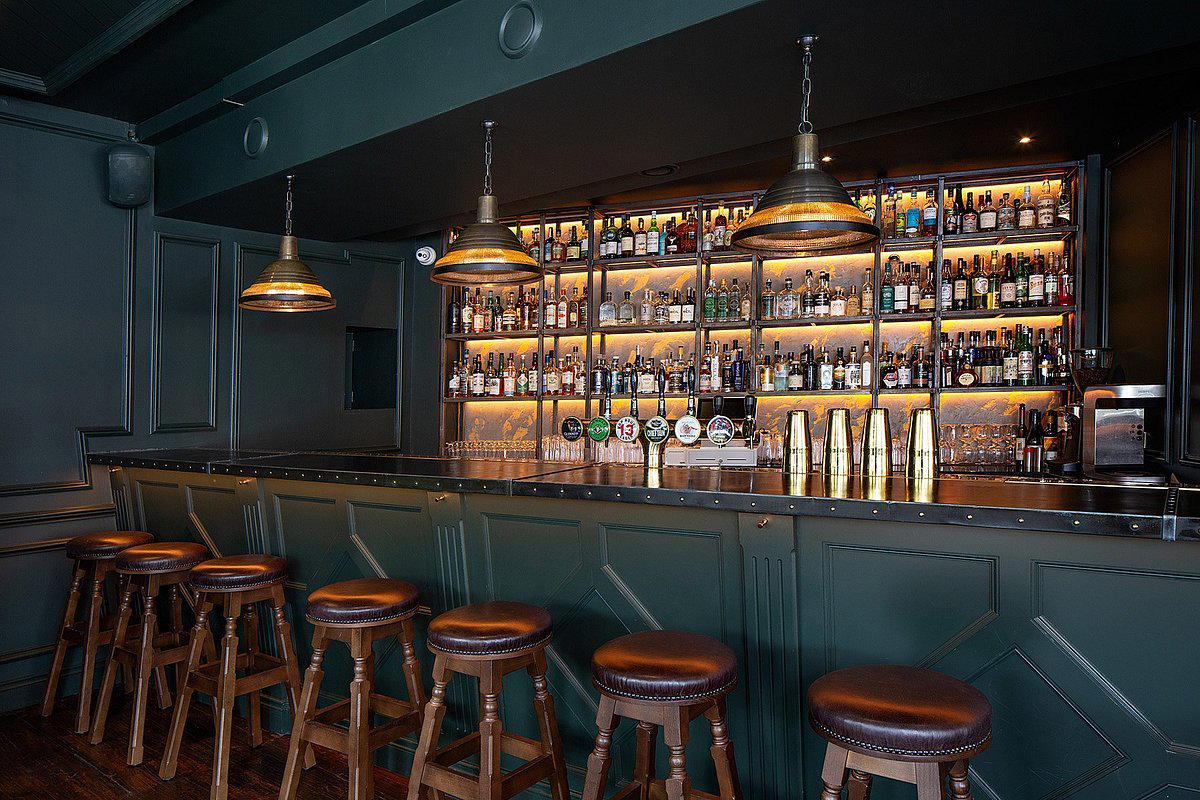
Restaurants in Dublin
Browse all →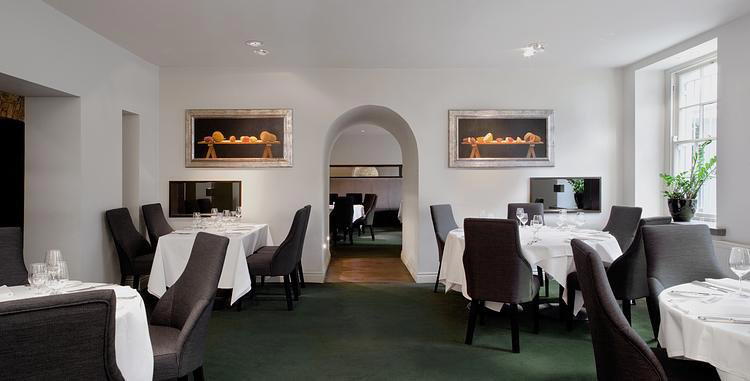
Wineries in Dublin
Browse all →
Details
- Modern
- Lively
- Energetic
- Business Trip
- Weekend Escape
- Group Retreat
- Celebration
- Design Destination
- Panoramic View
- Wi Fi
- Restaurant
- Fitness Center
- Meeting Rooms
- Elevator
- 24 Hour Front Desk
- Air Conditioning
- Street Scene
- Wheelchair Accessible
- Elevator
- Step Free Entrance
Contemporary and practical, with a polished city-hotel feel that blends lively match-day energy with comfortable, modern interiors.