

Las Brisas Acapulco is a hillside resort with 251 rooms overlooking Acapulco Bay, long associated with the city's mid-century glamour era when the Pacific coast drew an international set. The property sits within a peer group that includes large-format Mexican resort hotels, positioned for travellers seeking scale and bay views over boutique intimacy.
Pearl is the En Primeur Club membership app — saves, bookings, and concierge access live there. Same editors, same standards.
- Address
- Las Brisas, Acapulco de Juárez, Gro.
- Phone
- +527444696900
- Directions
- Get directions
 Saves & bookings on Pearl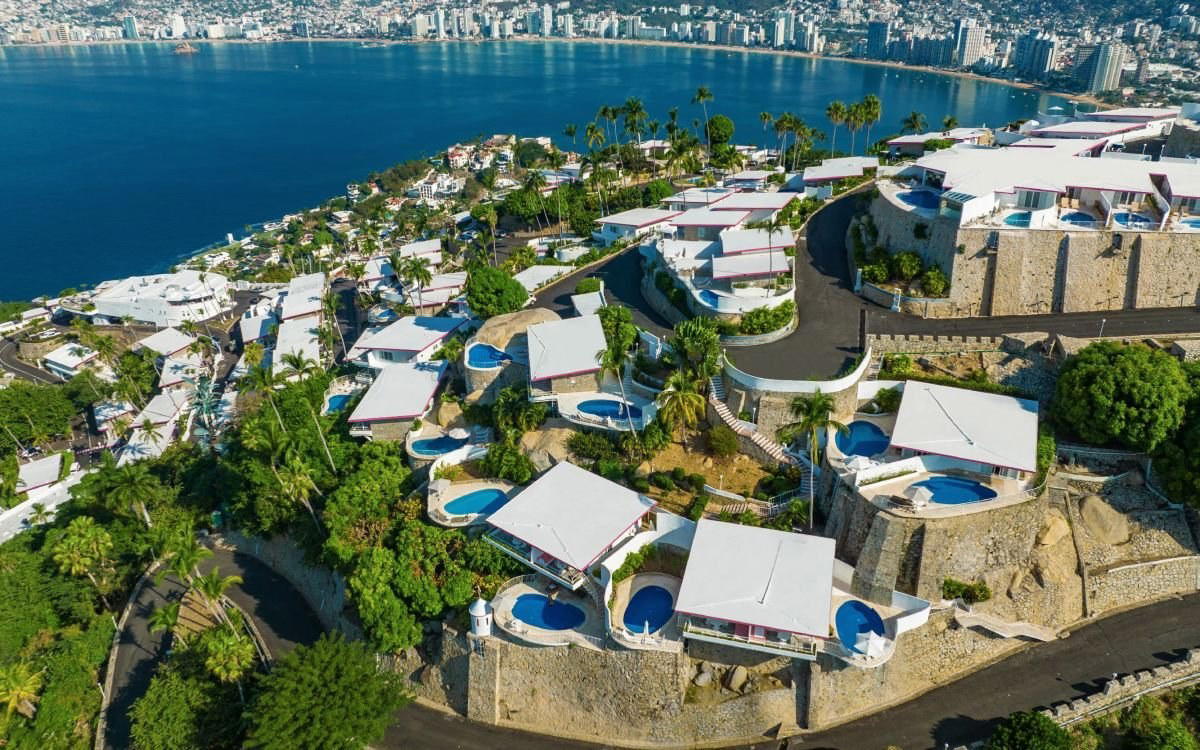
Acapulco's Hillside Resort Tradition and Where Las Brisas Fits
The hotel that climbs a hillside above a curved bay, each room angled toward the water below, is a format that Acapulco essentially invented for the modern resort era. Las Brisas Acapulco, with its 251 rooms spread across the slopes above the Pacific, belongs to that tradition directly. The property is not a recent entrant applying a heritage aesthetic; it is part of the original cohort that defined what a Mexican Pacific resort could look like during the decades when Acapulco was the country's most recognisable coastal address. Understanding Las Brisas means understanding that history first, and placing the property inside it honestly.
Acapulco's hospitality identity split decades ago between the hillside properties with panoramic bay orientation and the strip hotels running along the beachfront. Las Brisas occupies the former category, where the view is the primary architectural argument and the terrain itself organises the guest experience. That hillside format creates a specific logic: room categories are differentiated by elevation and sight lines, circulation happens on slopes rather than corridors, and the relationship between guest and landscape is more direct than in a conventional flat-site resort. For the full picture of where Acapulco's hotel offer sits today, see our full Acapulco restaurants and hotels guide.
The Physical Experience: Scale, Terrain, and the Bay Below
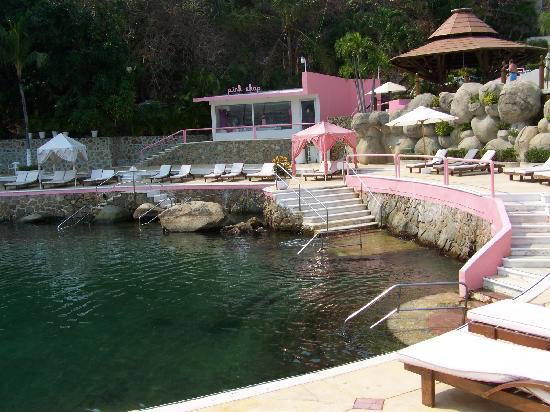
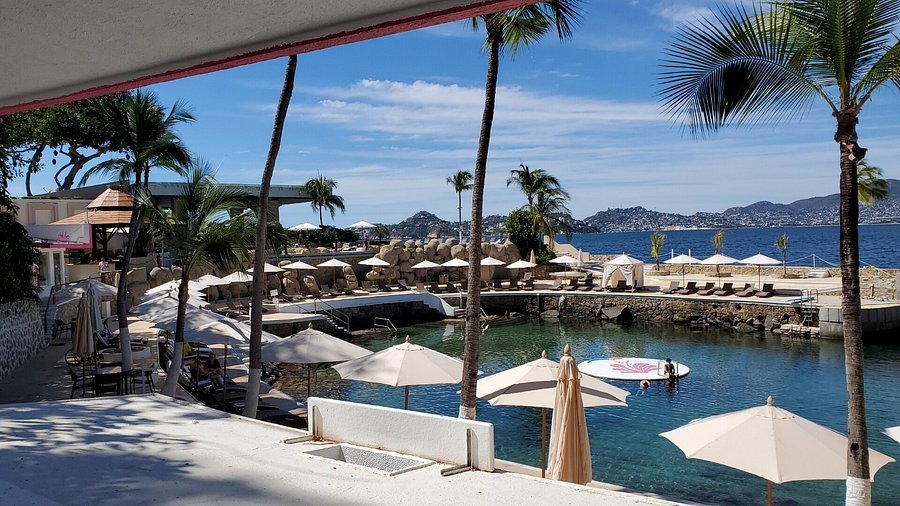
At 251 rooms, Las Brisas operates at a scale that places it firmly in the large-format resort category. This is not a property where limited keys create automatic exclusivity; instead, the hillside terrain does the work of separation that a small room count might otherwise achieve. The site's topography means that even across a large inventory, many rooms hold a sense of remove from their neighbours, oriented outward toward Acapulco Bay rather than inward toward each other.
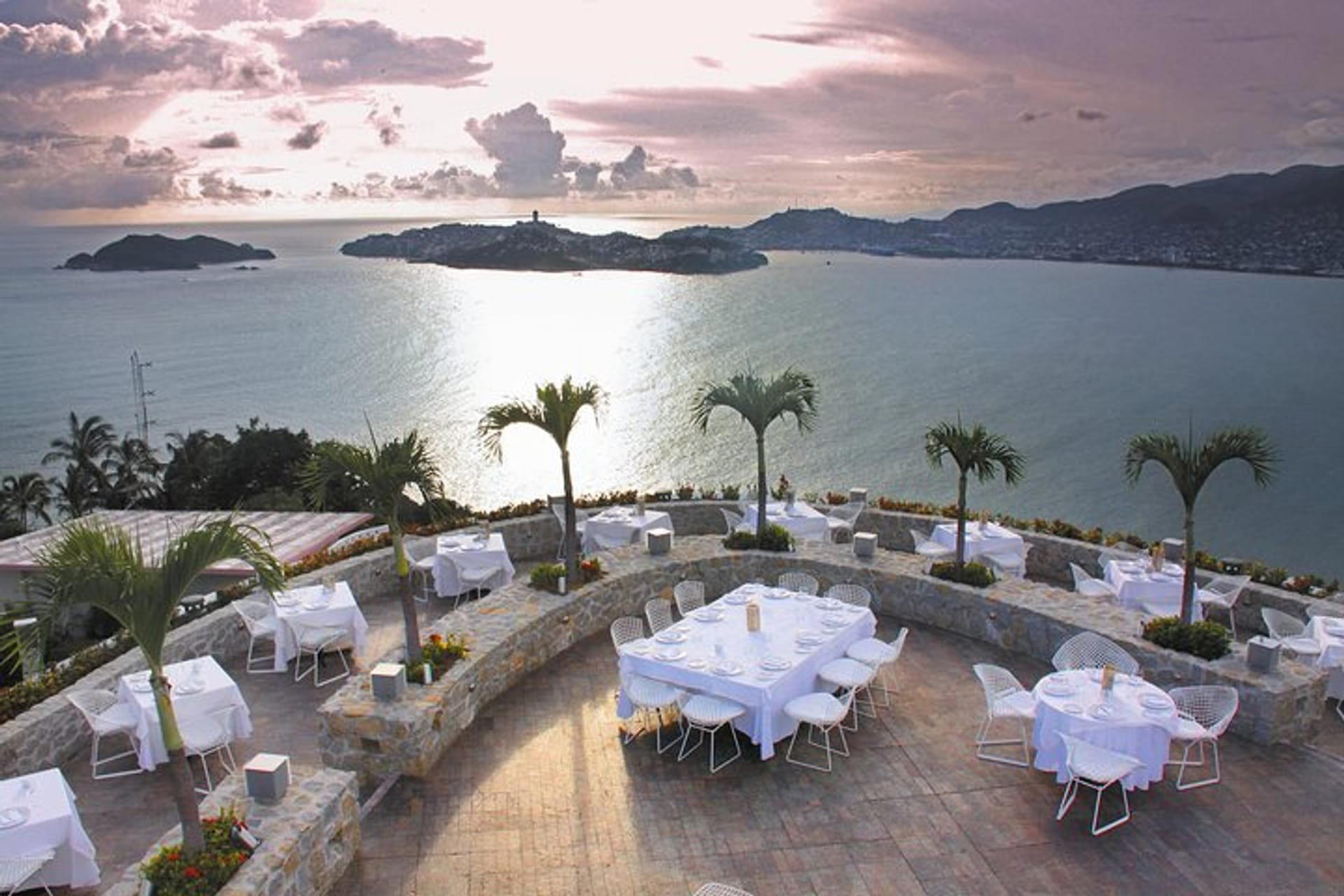
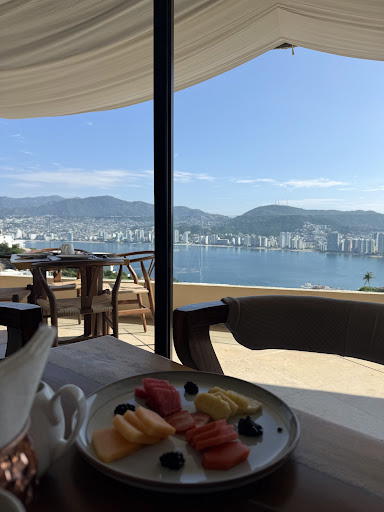
The bay itself is the fixed reference point for the property's appeal. Acapulco Bay describes a wide arc along the Guerrero coastline, and a hillside position above it delivers the kind of panoramic reading of the landscape that flat beachfront rooms cannot. Morning light moves across the water at an angle that a high vantage point catches differently than a ground-level terrace. That positional logic has kept hillside properties relevant in Acapulco even as beachfront formats have dominated elsewhere on Mexico's Pacific coast.
Travellers comparing hillside resort formats across Mexico's coasts will find instructive contrasts at properties like One&Only; Mandarina in Riviera Nayarit, where the canopy-and-cliff approach gives a jungle vertical rather than a bay panorama, or at Zadun, A Ritz-Carlton Reserve in Los Cabos, where the desert arroyo site creates a different kind of terrain-driven separation. Each approach uses landscape as architecture; what differs is the specific geography being worked with.
The Dining Programme: What Las Brisas Acapulco's Format Implies
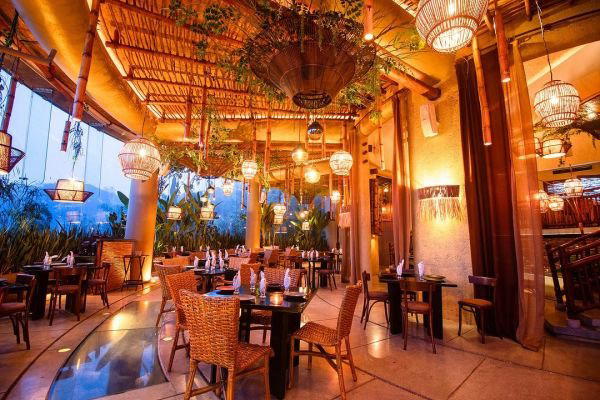
At a property of this scale and heritage, the dining programme is typically the element that most clearly signals whether a resort is maintaining its position or drifting from it. Large-format hillside resorts in Mexico have historically run multi-outlet food and beverage programmes: a primary restaurant with bay views, a pool-adjacent casual format, and bar programming that leans on sunset orientation. The logic is direct given the site: when your main architectural asset is a panoramic view of the Pacific, you build dining rooms and bar terraces that face it.
What the scale of 251 rooms does indicate is that the property operates at a level where multiple food and beverage outlets are operationally standard, and where the kitchen infrastructure to service that volume is necessarily present. Travellers for whom the culinary programme is a primary decision variable should confirm current details directly with the property before booking.
For the kind of resort where the dining programme is a documented, chef-driven centrepiece, the comparison set skews toward properties like Las Ventanas al Paraíso, A Rosewood Resort in San José del Cabo or Montage Los Cabos in Cabo San Lucas, where food and beverage investment is a named part of the property identity. Boutique properties in other regions, such as Hotel Esencia in Tulum or Chablé Yucatán in Merida, have built their reputations partly on culinary programmes that exceed what their room counts would suggest. Las Brisas sits in a different tradition: scale and position first, with food and beverage as a supporting programme rather than a lead identity.
Where Las Brisas Sits in the Wider Mexican Resort Market
Mexican luxury resort travel has diversified considerably. Properties like Maroma in Riviera Maya, Xinalani in Quimixto, and Las Alamandas in Costalegre have each built their market positions around limited inventory, ecological positioning, or design specificity. The Auberge and Rosewood affiliates, including Etéreo, Auberge Resorts Collection in Punta Maroma, have brought international brand frameworks to Mexican coastal settings. Against that field, Las Brisas occupies a different register: it is a large, established, Acapulco-specific property with a history that predates most of those entrants.
The Banyan Tree Cabo Marqués represents the newer generation of hillside luxury on the same Guerrero coastline, applying an international wellness-brand framework to a site with similar topographic logic. The two properties make an instructive comparison: same bay, similar terrain, very different brand philosophies and target guest profiles. Travellers deciding between Acapulco's hillside options should weigh that distinction carefully.
For those whose travel planning extends beyond the Pacific coast, the EP Club covers comparable terrain-driven resort formats at Four Seasons Resort Punta Mita and design-forward smaller properties like Casa de Sierra Nevada, A Belmond Hotel in San Miguel de Allende, Casa Polanco in Mexico City, and Hotel Demetria in Guadalajara.
Planning a Stay: What to Know Before Booking
Las Brisas Acapulco's 251-room count places it in the category where advance booking pressure varies significantly by season. Acapulco's peak periods historically align with Mexican holiday windows and the dry season months from November through April, when Pacific coast weather is most reliable. Travelling outside those windows can change both availability dynamics and the atmospheric character of the property considerably.
Travellers who require confirmed restaurant reservations as part of their planning process should establish those details at the time of room booking, given that bay-view dining at a property of this scale tends to be the most consistently requested component of the stay. For broader regional context and additional options across Guerrero and the Mexican Pacific, the EP Club Acapulco guide covers the full range of the city's current hotel and dining offer.
Recognition history
Dated appearances from independent guides and award organizations, with the underlying list record or original source where available.
Michelin Selected
Michelin
Preferred Hotels Member
Preferred Hotels
At a Glance
- Romantic
- Scenic
- Elegant
- Well Known
- Honeymoon
- Romantic Getaway
- Family Vacation
- Anniversary
- Beachfront
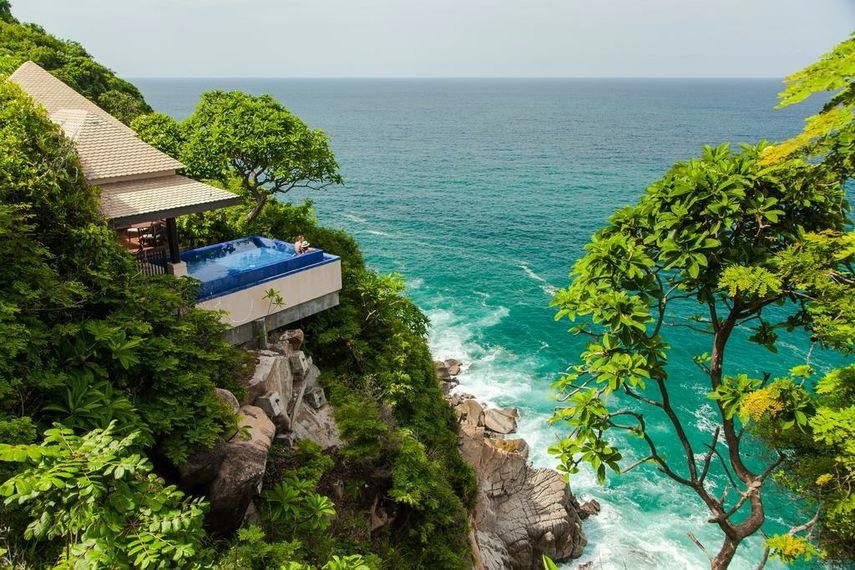
- Infinity Pool
- Panoramic View
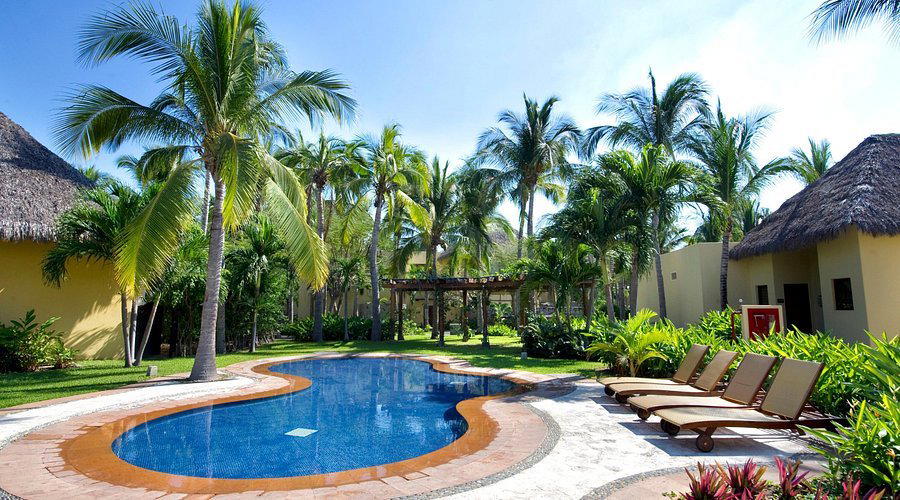
- Pool
- Spa
- Fitness Center
- Room Service
- Concierge
- Wi Fi
- Tennis
- Beach Access
- Waterfront
- Pool
- Spa
- Fitness Center
- Room Service
- Concierge
- Wi Fi
- Tennis
- Beach Access
Tranquil and luxurious with natural lighting from expansive terraces and a serene resort atmosphere.
Know Before You Go
- Getting there
- Las Brisas, Acapulco de Juárez, Gro.