ECHO Suites Extended Stay Bozeman
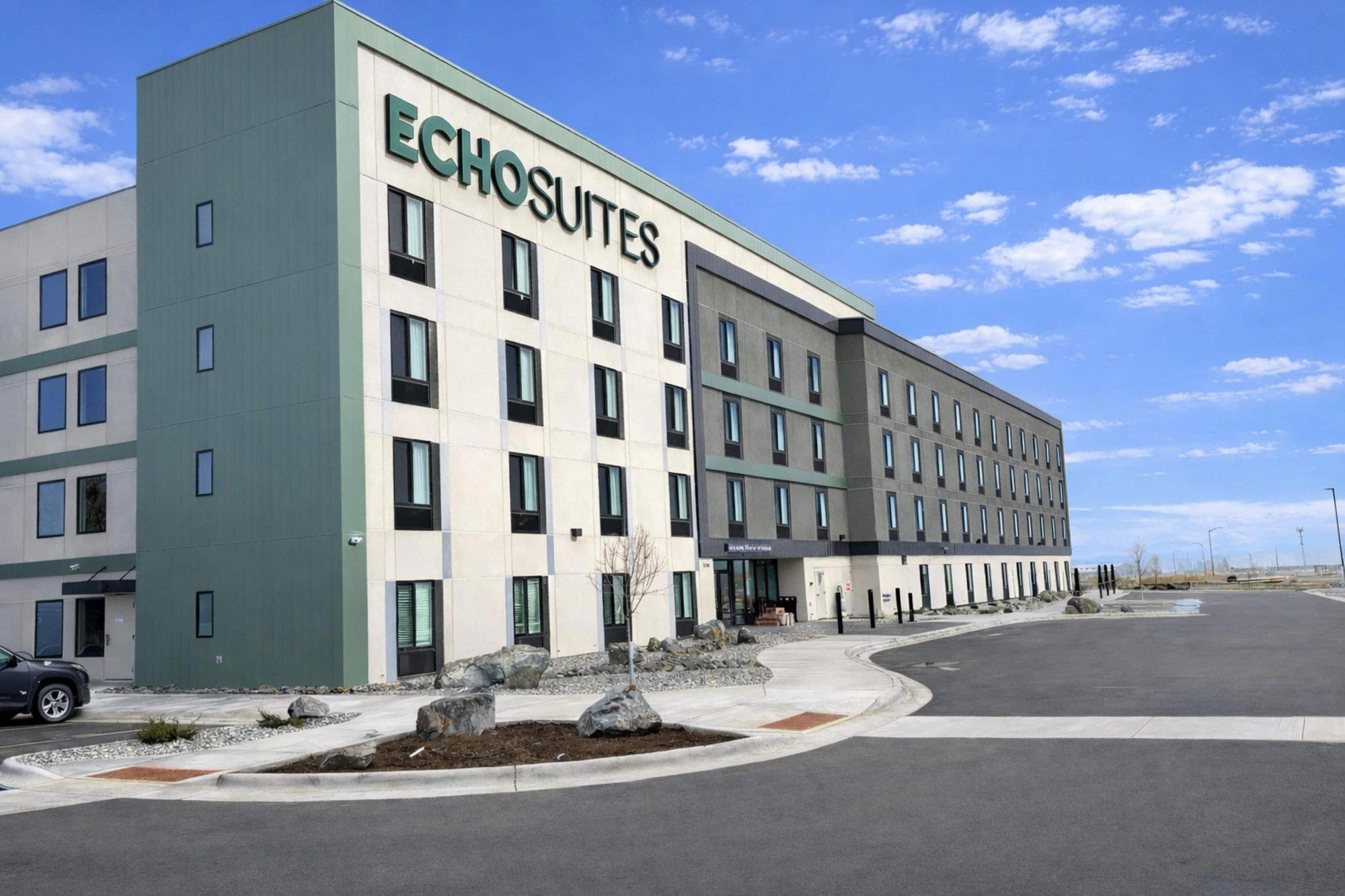
ECHO Suites Extended Stay Bozeman sits in one of Montana's fastest-growing gateway cities, where the gap between budget-conscious extended stays and premium lodge-style properties has widened considerably. For travelers needing a functional Bozeman base over multiple nights, the extended-stay format trades amenity spectacle for practical consistency at a price point well below the city's design-forward boutique tier.

Pearl is the En Primeur Club membership app — saves, bookings, and concierge access live there. Same editors, same standards.
- Address
- Bozeman, United States
- Directions
- Get directions
Extended Stay in a City That Has Outgrown Its Infrastructure
Bozeman has spent the past decade absorbing a level of inbound demand that its lodging supply has struggled to match. The city sits at the edge of Gallatin Valley, with Yellowstone National Park roughly 90 miles south and Big Sky Resort close enough to drive in under an hour. That proximity drives a particular kind of traveler: contractors on longer assignments, relocating professionals testing the market, and outdoor-focused visitors who treat the hotel room as a base rather than a destination. The extended-stay format was built precisely for this use case, and ECHO Suites Extended Stay Bozeman operates in that segment of the market.
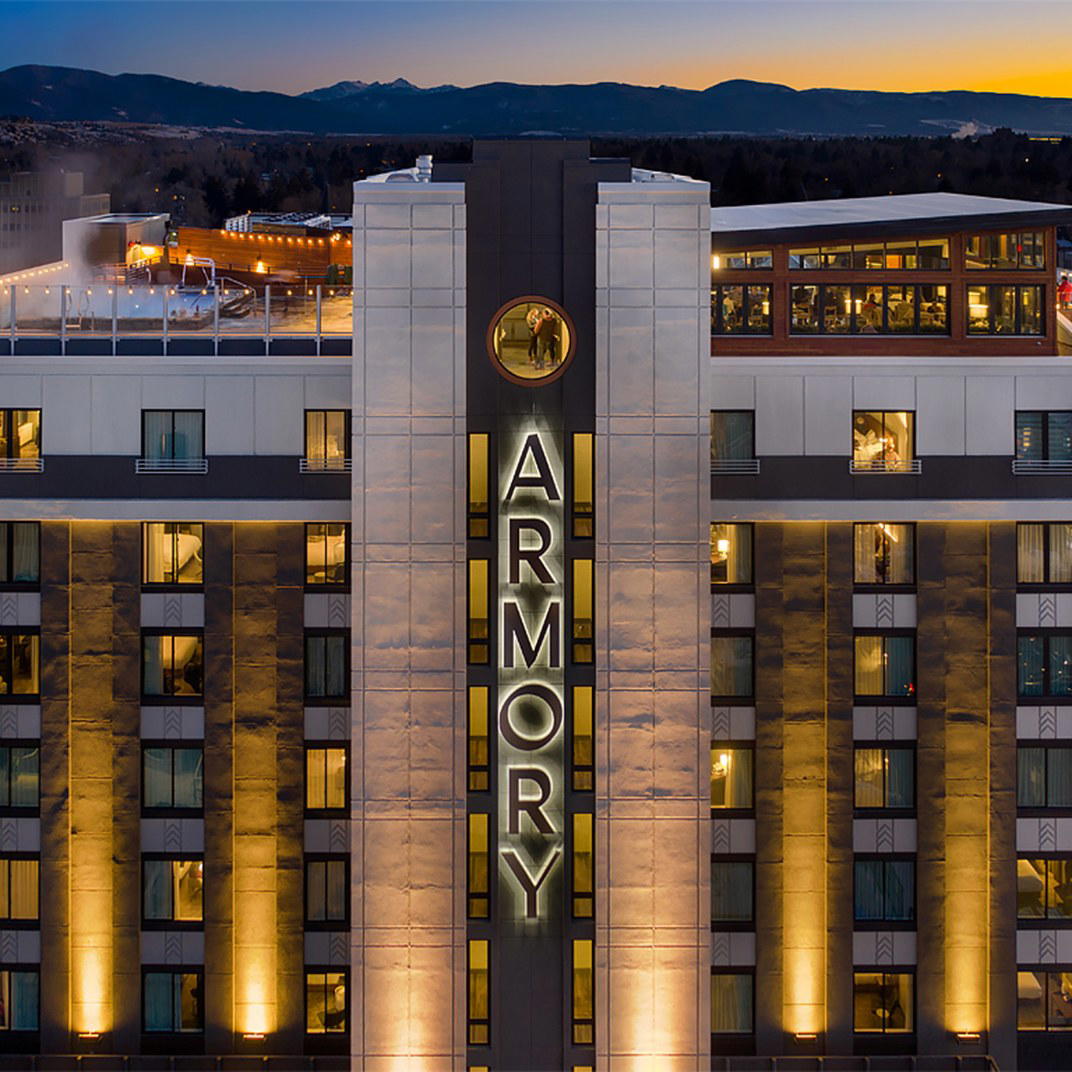
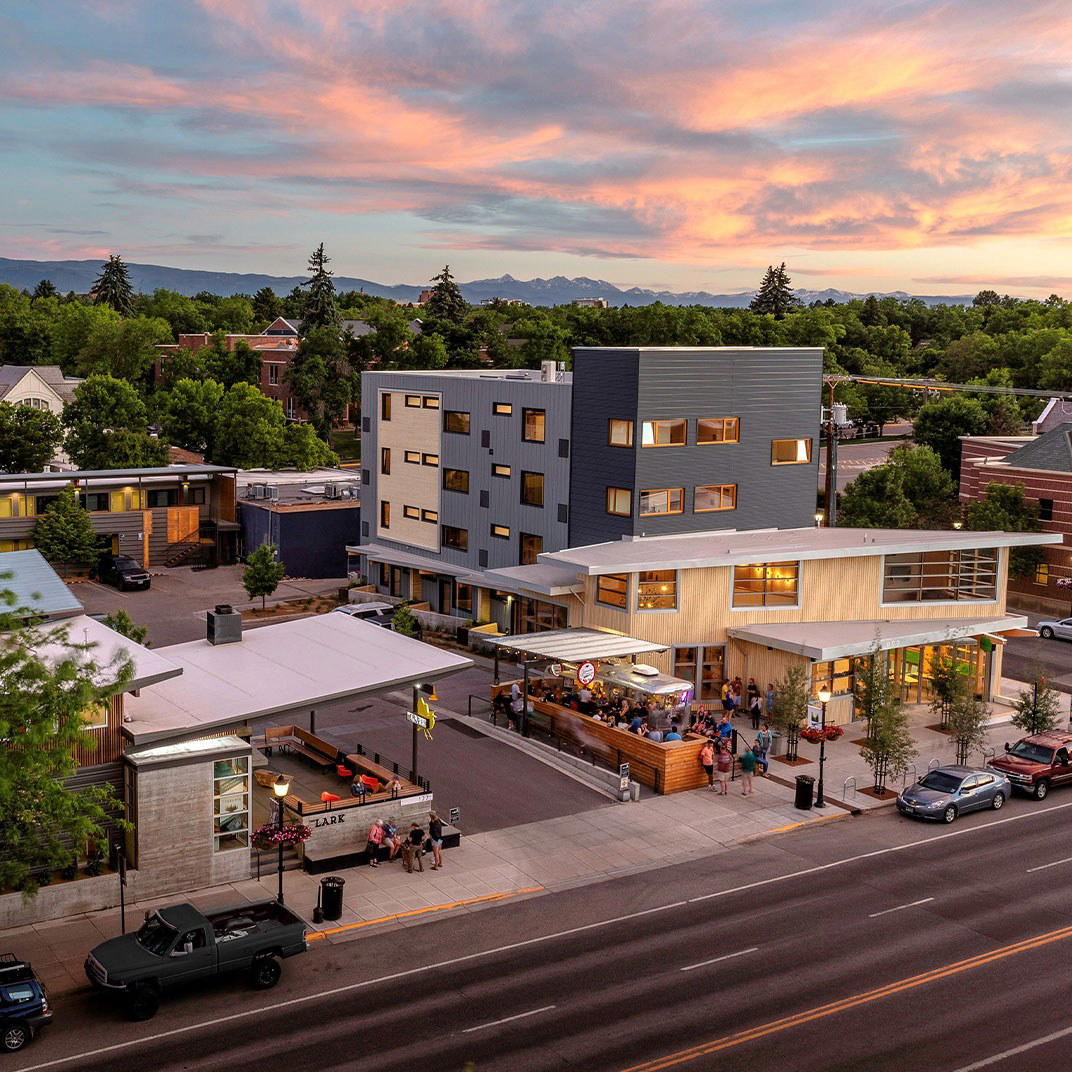
To understand where ECHO fits in Bozeman's accommodation picture, it helps to map the full range. At the upper tier, the Kimpton Armory Hotel Bozeman and The LARK compete on design identity and local character, with price points to match. Further along the spectrum, lodge-style properties near the park corridor lean into the Montana aesthetic with considerable rates during peak season. ECHO occupies the opposite end: a national extended-stay brand built around consistency of format, in-room kitchenettes, and weekly or monthly rate structures that compress cost per night for longer stays. The two tiers serve fundamentally different travelers.
The Architecture of Utility: What the Extended-Stay Format Delivers
The extended-stay model represents a distinct architectural philosophy in American hospitality. Where full-service hotels allocate square footage to lobbies, restaurants, and amenity spaces, extended-stay properties redistribute that investment into the room itself. In-unit kitchenettes, workspace configuration, and storage become the primary design considerations. The room is meant to function as a temporary apartment rather than a showpiece. Brands in this category, including ECHO Suites, typically operate with lean common-area footprints and standardized room layouts that prioritize repetition and reliability over individuality.
This stands in deliberate contrast to the hospitality design moment happening at the luxury end of the market. Properties like Amangiri in Canyon Point or Sage Lodge in Pray have placed material specificity and spatial drama at the center of their identity. The gap between those properties and a utility-forward extended-stay product is not just price: it is a fundamentally different argument about what a building should do for the people inside it. Both arguments are coherent. The question is which one fits the trip.
Bozeman's Position in the Western Mountain Market
Montana's property market has attracted significant attention from out-of-state buyers since approximately 2020, and Bozeman has absorbed a disproportionate share of that migration. The practical result for hospitality is a city where demand fluctuates sharply by season, where construction costs have increased faster than new supply can absorb, and where the gap between affordable and premium accommodation has widened rather than filled in. Extended-stay brands entering the market at this moment are, in effect, filling a functional gap that boutique development has left open.
Seasonal timing matters considerably in this market. Summer brings Yellowstone visitors and outdoor recreationists, while ski season at Big Sky drives a separate winter spike. Shoulder seasons, broadly April through May and October through November, offer more predictable availability and, in extended-stay contexts, more favorable weekly rates. For anyone planning a multi-week stay in Bozeman, timing the arrival to avoid peak compression periods materially affects both availability and cost.
For context on the wider Montana and Rocky Mountain premium tier, Dunton Hot Springs in Dunton and Canyon Ranch Tucson in Tucson represent the experience-led end of the Western mountain market, where guests pay a premium for setting and programming. These are not comparable products to ECHO Suites, but knowing they exist clarifies what ECHO is not attempting to be.
Who Uses Extended Stay and Why It Works for Bozeman
Extended-stay occupancy patterns differ from transient hotel stays in ways that affect everything from front desk staffing to the quality of sleep a guest can expect on a Tuesday night. Guests staying seven nights or more tend to establish routines: regular checkout hours, consistent housekeeping schedules, and quieter common areas mid-week. The product works well when the traveler accepts the format on its own terms rather than measuring it against a full-service hotel experience.
Bozeman's current growth profile produces exactly the kind of extended-stay demand the format was designed for. Technology workers relocating from Seattle or Denver, medical professionals on temporary assignment at Bozeman Health, and construction contractors working on the city's expanding residential projects all represent realistic extended-stay guests. For these travelers, proximity to employers, reliable Wi-Fi, and in-room cooking capacity matter more than a restaurant or spa.
The broader national extended-stay segment has grown substantially since 2019, partly because remote work decoupled lodging demand from corporate travel patterns and partly because residential rental markets in fast-growing cities have become difficult to access on short timelines. Bozeman illustrates both dynamics. Rental inventory in the city is constrained, and short-term lease availability has tightened. An extended-stay hotel at a manageable nightly rate fills a real need that neither the boutique hotel tier nor the standard apartment rental market addresses efficiently.
Planning a Stay: Practical Orientation
For travelers weighing options in Bozeman, the decision between ECHO Suites and the city's design-forward properties should hinge on trip length and purpose. Stays under three nights favor the boutique tier, where the experience of the room itself justifies the rate. Stays of a week or more, particularly those organized around work assignments or extended outdoor programs, shift the calculation toward the extended-stay format's weekly rate structure.
Bozeman Yellowstone International Airport serves the city with direct connections from major West Coast and Midwest hubs, with seasonal service expanding during summer. The airport is compact and efficient by regional standards, and ground transportation to most Bozeman properties is a short drive. For anyone planning an extended Montana itinerary, checking our full Bozeman restaurants guide is a reasonable starting point for understanding the city's food and hospitality character beyond where you sleep.
Travelers whose itineraries extend beyond Montana will find useful reference points across the wider EP Club coverage. The Troutbeck in Amenia, Washington School House Hotel in Park City, and Post Ranch Inn in Big Sur each represent the design-forward independent tier that sits at the opposite end of the extended-stay spectrum. Further afield, The Fifth Avenue Hotel in New York City, Raffles Boston in Boston, and Chicago Athletic Association in Chicago anchor the urban historic property category. For coastal escapes, Four Seasons at The Surf Club in Surfside, Little Palm Island Resort & Spa in Little Torch Key, and Kona Village, A Rosewood Resort in Kailua Kona fill distinct niches. European alternatives worth noting include Aman Venice in Venice, Badrutt's Palace Hotel in St. Moritz, and Hôtel de Paris Monte-Carlo in Monte Carlo. Wine country travelers should consider Meadowood Napa Valley in Napa, SingleThread Farm Inn in Healdsburg, and The Stavrand in Guerneville. For character-driven properties, The Hornibrook Mansion Empress of Little Rock in Little Rock and The Beverly Hills Hotel in Los Angeles represent opposite ends of scale with comparable levels of provenance. 1 Hotel San Francisco in San Francisco anchors the sustainability-forward urban hotel tier.
Comparable Spots, Quickly
Comparable venues nearby, for context on price, style, and recognition.
| Venue | Cuisine | Price | Awards | Notes |
|---|---|---|---|---|
| ECHO Suites Extended Stay BozemanThis venue — the venue you are viewing | New-construction extended-stay with apartment-style suites equipped for long-term comfort. | Not listed | Not listed | Not listed |
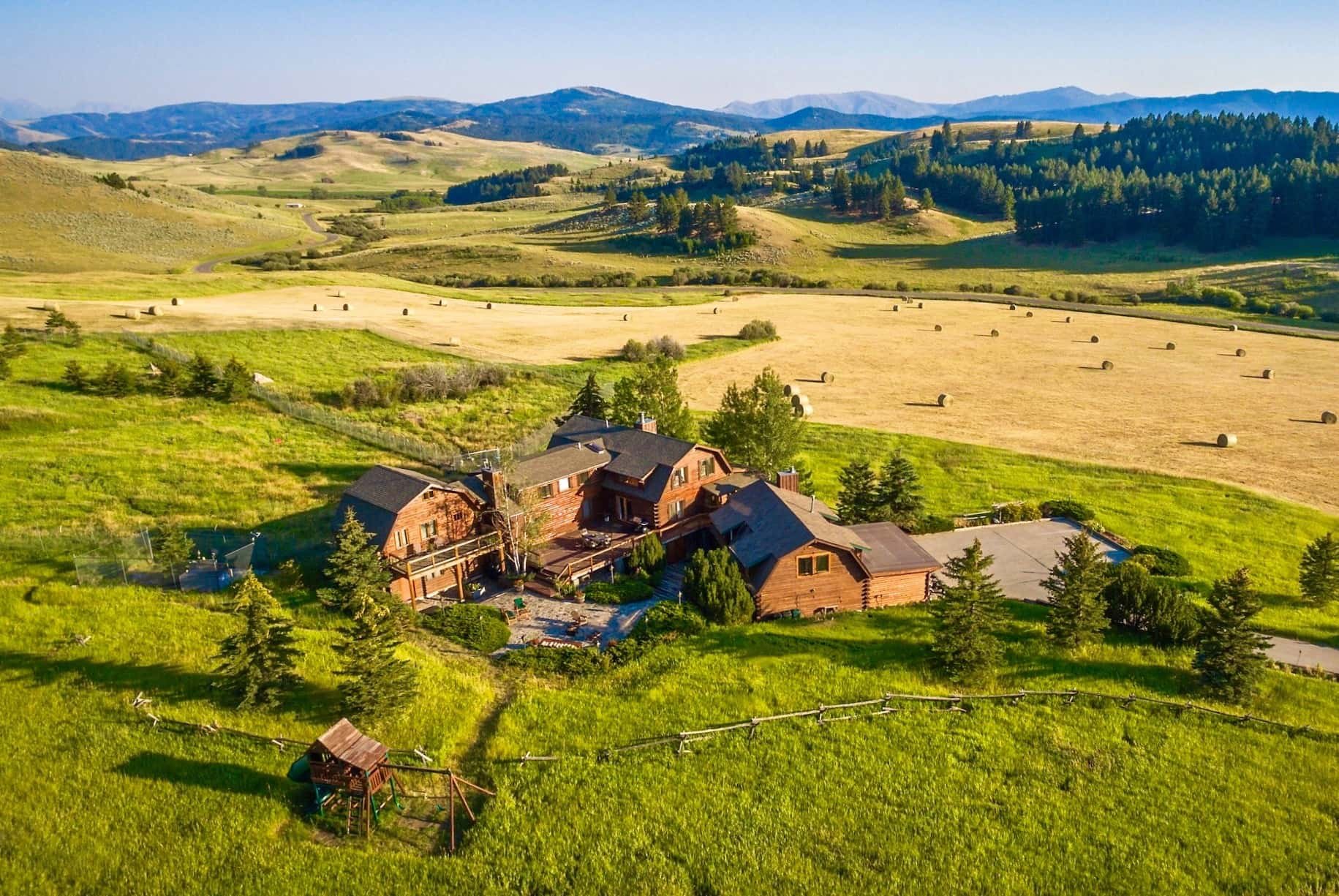
| Howlers Inn B&B and Wolf Sanctuary, Bozeman MT Bed and Breakfast Lodging | rustic log home B&B on 42 acres with wolf sanctuary | Not listed | Not listed | Bridger Canyon |
| The LARK | Renovated 1960s motor lodge serving as an adventurer's basecamp in downtown Bozeman | $100–200 | Michelin Selected | Downtown Bozeman |
| Kimpton Armory Hotel Bozeman | Historic armory building seamlessly blended with contemporary luxury. | $300–500 | Michelin Selected | downtown |
| Brennan's Wave | Hotel | Not listed | Not listed | Downtown |
| SWEET GRASS RANCH | rustic dude ranch with family cabins and main lodge | Not listed | Top 50 Ranches | Big Timber |
Details
- Modern
- Cozy
- Business Trip
- Family Vacation
- Wi Fi
- Fitness Center
- Laundry Service
- EV Charging
- Free Parking
- Mountain
- Wheelchair Accessible