Jester King Brewery
Set on a working farm along Fitzhugh Road southwest of Austin, Jester King Brewery occupies a stretch of Texas Hill Country where wild fermentation, open-air gathering, and a commitment to place-driven brewing converge. The physical setting defines the experience as much as what's in the glass: rough cedar, rusted corrugated metal, and grazing land that doubles as context for the beer. It belongs to a small tier of American craft producers where geography is genuinely the ingredient.

Pearl is the En Primeur Club membership app — saves, bookings, and concierge access live there. Same editors, same standards.
Where the Land Does the Work
The Hill Country corridor southwest of Austin has developed its own culinary and artisan identity over the past decade, distinct from the city's restaurant scene and shaped instead by farmland, limestone aquifers, and producers who treat geography as raw material. Jester King Brewery, at 13187 Fitzhugh Rd in Hays County, sits at the more serious end of that shift. The address tells part of the story: far enough from central Austin to feel agricultural, close enough to draw a committed crowd. The property reads less like a conventional taproom and more like a working landscape that happens to serve beer — which is, in fact, the design logic behind it.
American craft brewing split into recognizable camps over the past fifteen years. One branch chased volume and distribution, scaling production facilities into industrial parks. Another developed a slower, more place-bound approach: farmhouse and wild-fermentation producers who treat local microflora, water chemistry, and seasonal cycles as inputs rather than obstacles to be overcome. Jester King operates squarely in the latter tradition, and its physical setting is the most legible expression of that philosophy. The open-air structures, the proximity to the surrounding fields, the absence of the polished hospitality infrastructure you'd find at a more urbanized venue — all of it reflects a decision to let the environment speak rather than suppress it.
The Architecture of an Outdoor Brewery
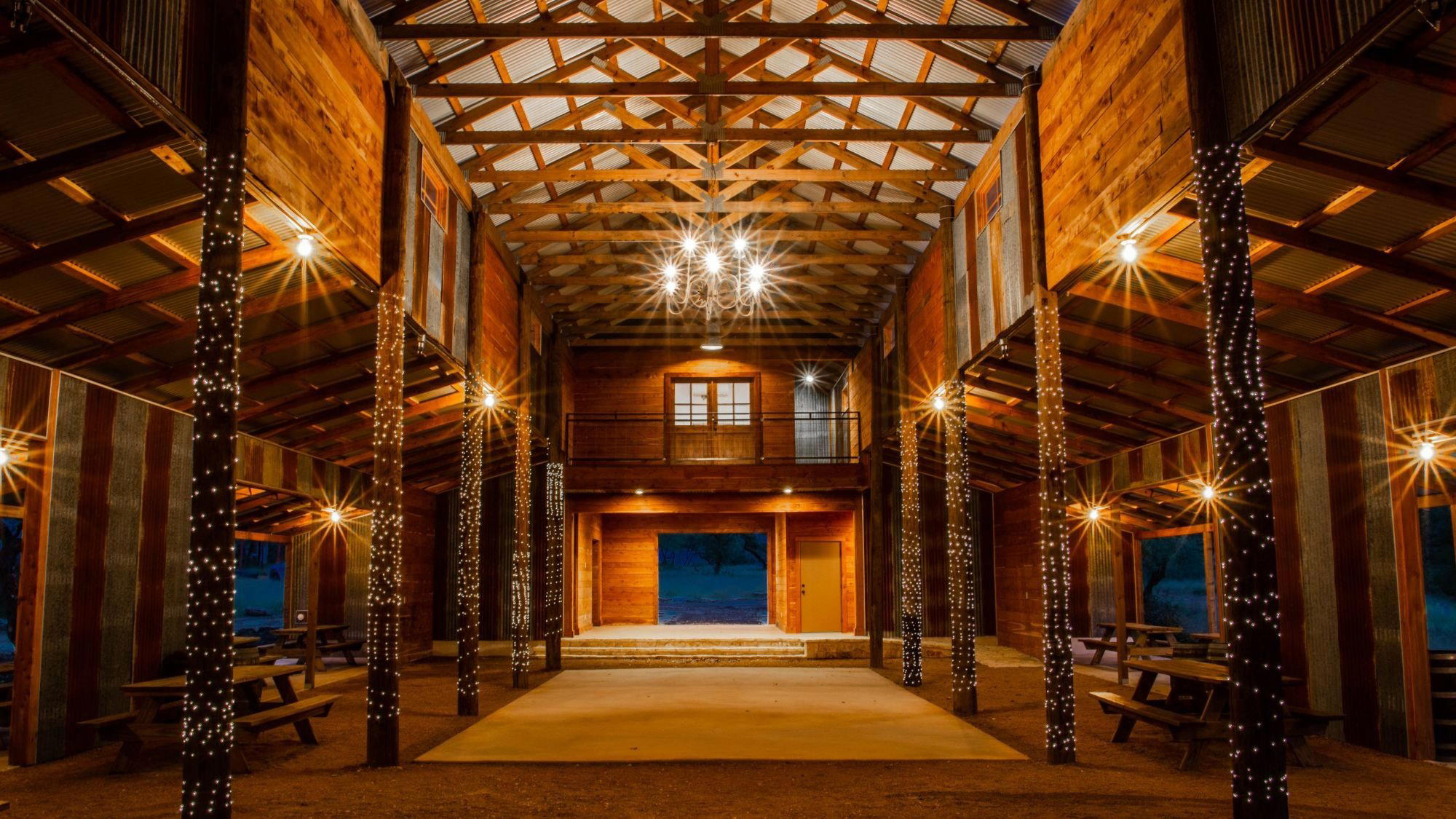
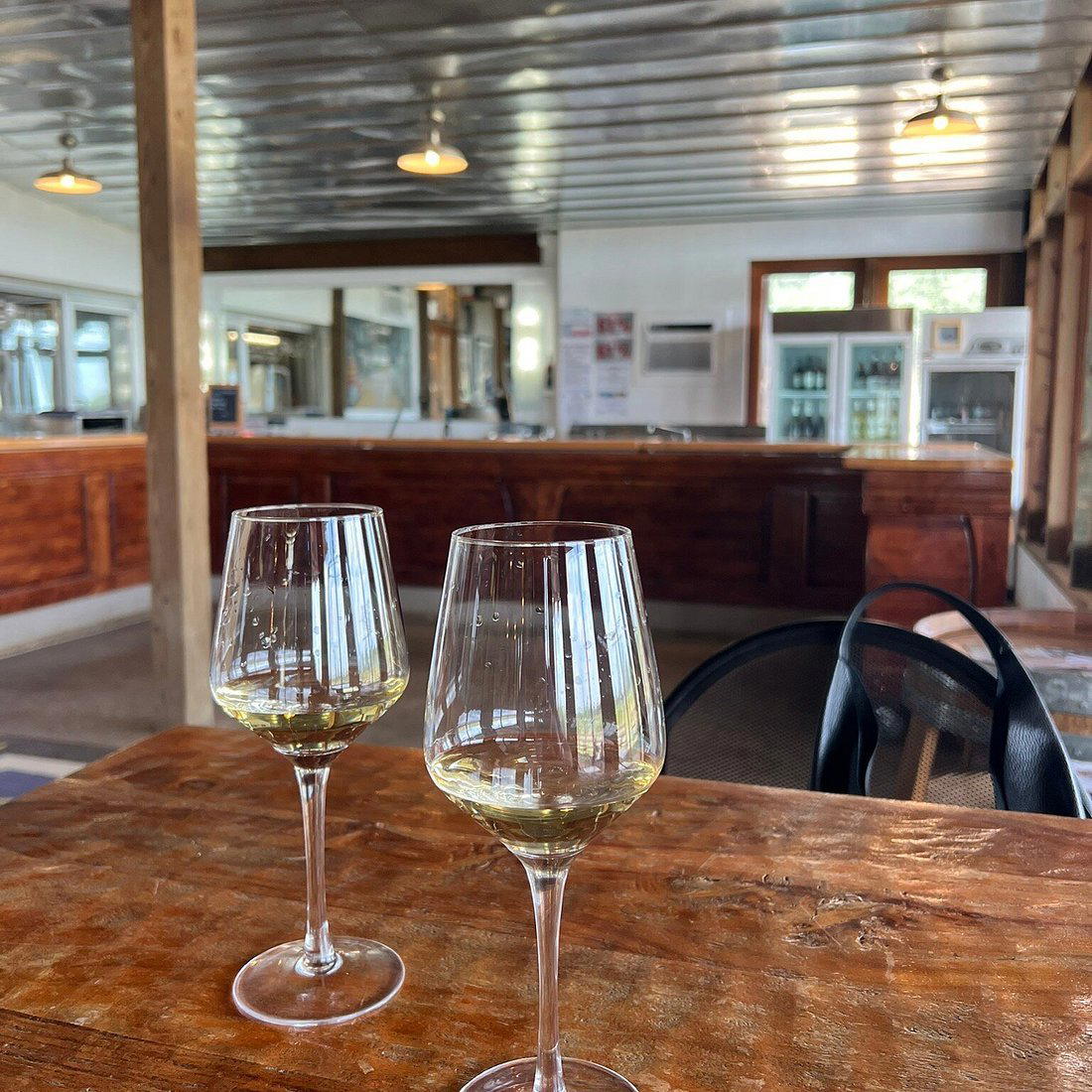
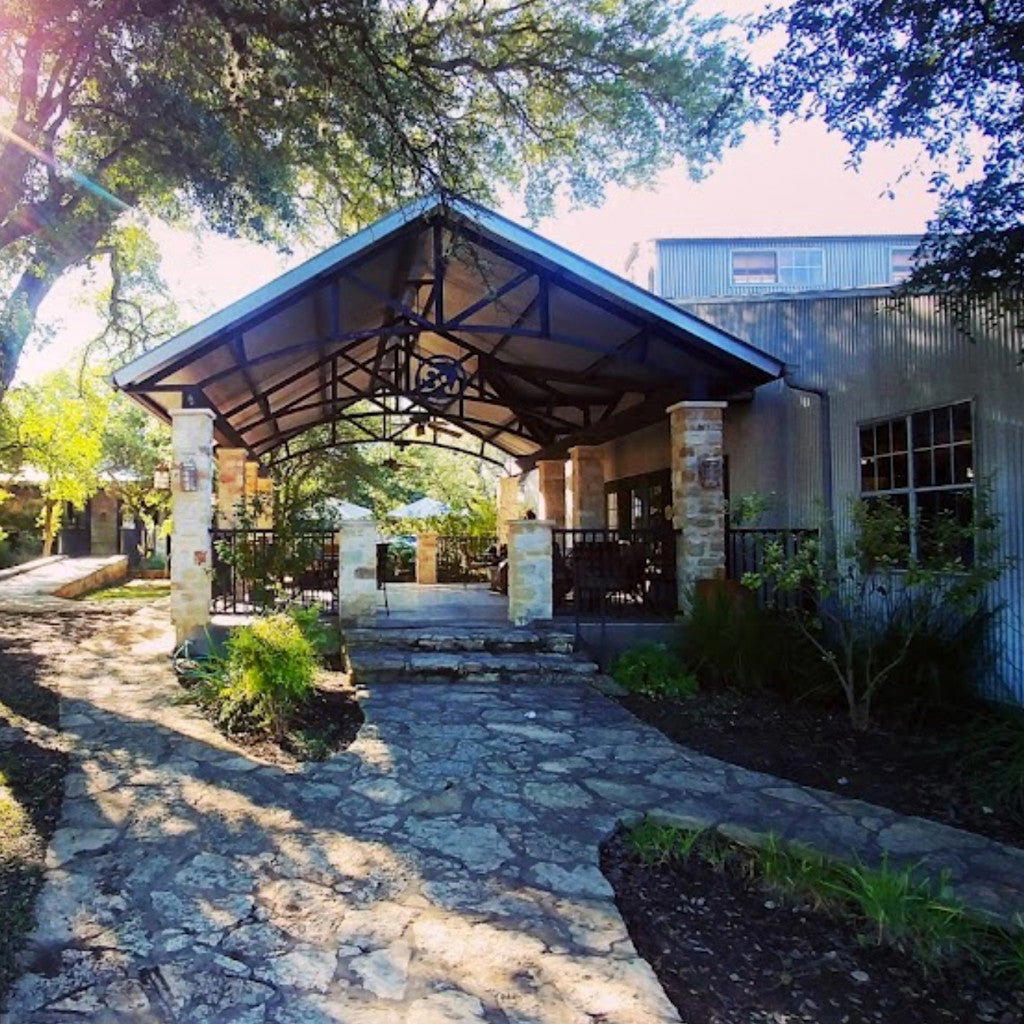
What makes Jester King's physical identity coherent is the refusal to impose a finished aesthetic on an unfinished landscape. The structures on the property draw from vernacular Texas farm architecture: corrugated metal roofing, rough timber framing, open-sided pavilions that allow the Hill Country air to move through rather than condition it out. This is not rusticity as decoration, it is functional design that acknowledges the brewery's dependence on ambient conditions. Wild fermentation, the process by which airborne yeast and bacteria inoculate the wort, requires exactly this kind of environmental permeability. The building style and the production method are the same argument made in two different materials.
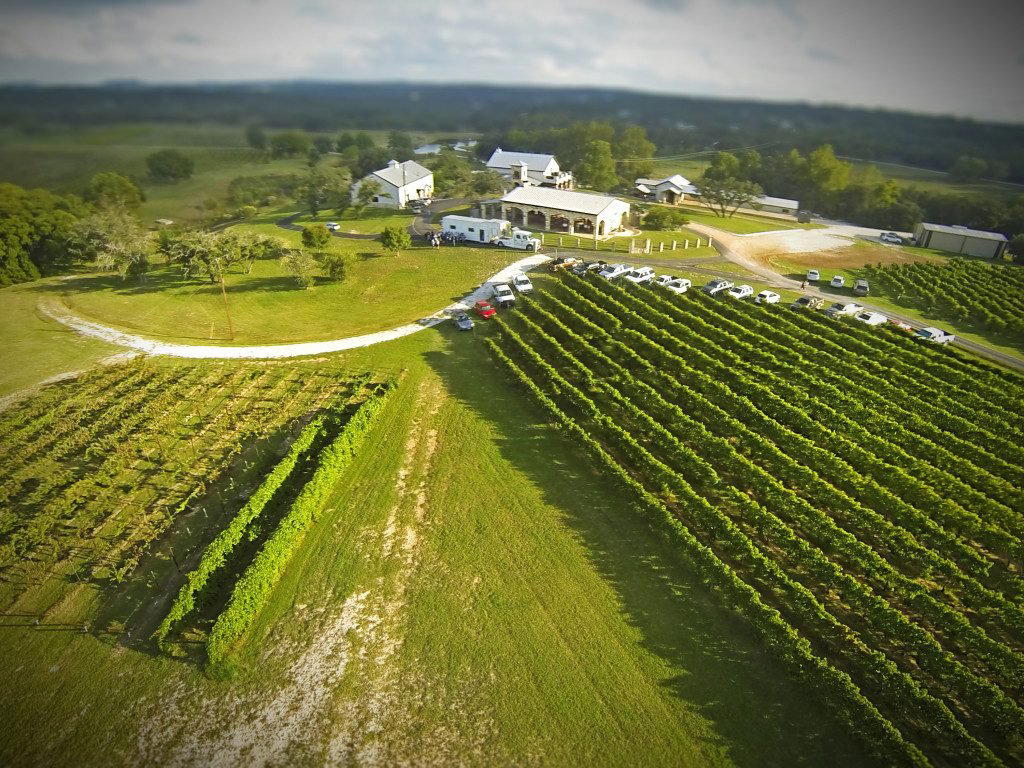
Among American breweries that have committed to this approach, very few have property large enough to make the outdoor experience feel genuinely rural rather than theatrical. The Fitzhugh Road site offers working distance from its nearest neighbors, and the grounds include grazing animals, vegetable production, and the kind of unmanicured open space that most urban brewpubs gesture toward with reclaimed wood and Edison bulbs. Visitors who arrive expecting a taproom leave having spent time on a working farm. That transition in expectation is part of what makes the place worth the drive.
For context on how design-led rural properties can shape a guest experience, properties like Troutbeck in Amenia and Blackberry Farm in Walland operate on similar principles in different categories: the physical setting is not backdrop but argument. Sage Lodge in Pray and Amangiri in Canyon Point belong to the same lineage of properties where landscape is the organizing idea. Post Ranch Inn in Big Sur and Ambiente, A Landscape Hotel in Sedona push that principle furthest, integrating structure and terrain to the point where separation becomes difficult to identify. Jester King does the same thing at a different price point and in a distinctly Texan register.
Wild Fermentation as Regional Identity
The broader context for understanding Jester King is the American farmhouse and spontaneous fermentation movement, which drew initial credibility from Belgian lambic traditions and then developed its own regional character through producers in Texas, Vermont, California, and the Pacific Northwest. In this framework, the brewery's location in Hays County is not incidental. The local environment contributes specific microbial populations to the fermentation process, which means the beer is, in a documentable sense, made from this particular place. That claim is verifiable in a way that most terroir marketing is not.
This positions Jester King in the same conversation as producers like SingleThread Farm Inn in Healdsburg or the farming operations connected to properties like Eden East Farm in the same county, places where the local environment is not a selling point but a production condition. The Hill Country's limestone geology, heat cycles, and native flora create fermentation conditions that differ from those found in coastal or northern climates, and that difference shows up in the finished product. For visitors familiar with wine's appellation logic, the parallel is useful: place of origin shapes flavor profile, and origin is verifiable.
Planning a Visit
The Fitzhugh Road location is approximately twenty miles southwest of central Austin, making it a deliberate half-day or full-day excursion rather than a quick stop. The drive along Fitzhugh Road through the Hill Country is itself context-setting, passing ranches, cedar groves, and the kinds of working properties that define Hays County's agricultural character. Visitors planning a broader Hill Country itinerary can cross-reference our full Hays County restaurants guide for complementary stops in the area. Given the outdoor format and dependence on ambient conditions, timing matters: spring and fall offer the most comfortable weather for extended time on the grounds, while summer visits require tolerance for Texas heat that the open structures do nothing to mitigate.
Those building longer trips around the Texas Hill Country or the broader American West will find relevant accommodation context in properties that share a commitment to place-based design. Canyon Ranch Tucson in Tucson, Alpine Falls Ranch in Superior, and Amangani in Jackson Hole each sit in landscapes that inform the guest experience in comparable ways. For urban counterweights on the same trip, 1 Hotel San Francisco, Raffles Boston, and Chicago Athletic Association in Chicago offer a different register of design intelligence. Further afield, Aman New York, The Fifth Avenue Hotel in New York City, Hotel Bel-Air in Los Angeles, Four Seasons at The Surf Club in Surfside, Little Palm Island Resort & Spa in Little Torch Key, Kona Village, A Rosewood Resort in Kailua Kona, Auberge du Soleil in Napa, Bernardus Lodge & Spa in Carmel Valley, Aman Venice in Venice, and Badrutt's Palace Hotel in St. Moritz round out the EP Club portfolio for those who organize travel around properties where design and place are inseparable.
Comparable Spots, Quickly
| Venue | Price | Awards |
|---|---|---|
| Jester King BreweryThis venue — the venue you are viewing | Not listed | Not listed |
| Aman New York | Not listed | 3 Michelin Keys · World's 50 Best #87 |
| Amangiri | $1,000–1,500 | 3 Michelin Keys · World's 50 Best #45 |
| Hotel Bel-Air | $750–1,000 | 3 Michelin Keys · World's 50 Best #57 |
| The Beverly Hills Hotel | Not listed | 3 Michelin Keys · World's 50 Best #65 |
| The Carlyle, A Rosewood Hotel | $1,500–2,500 | 2 Michelin Keys · World's 50 Best #64 |
Continue exploring
More in Austin
Hotels in Austin
All hotels in Austin →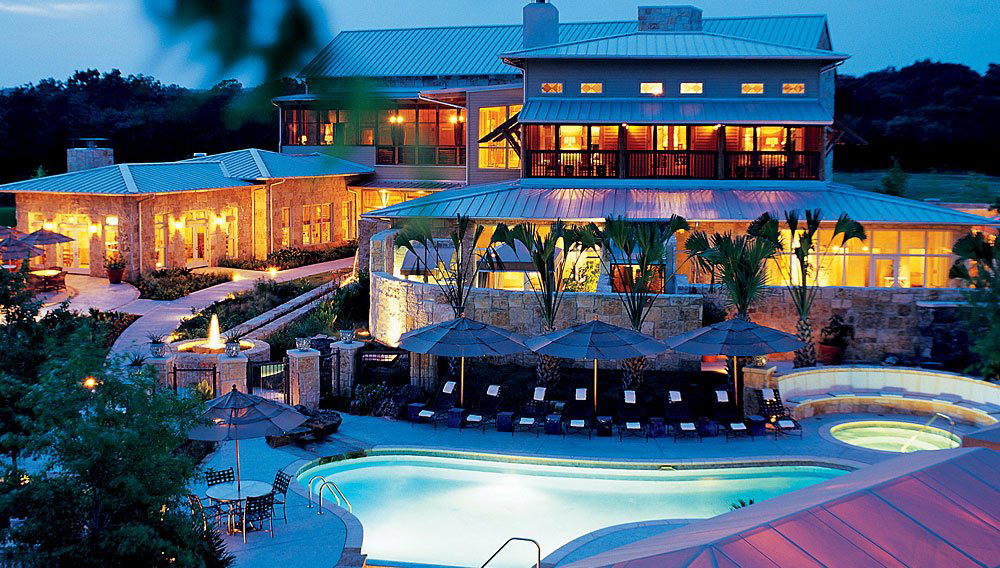
Bars in Austin
All bars in Austin →
Restaurants in Austin
All restaurants in Austin →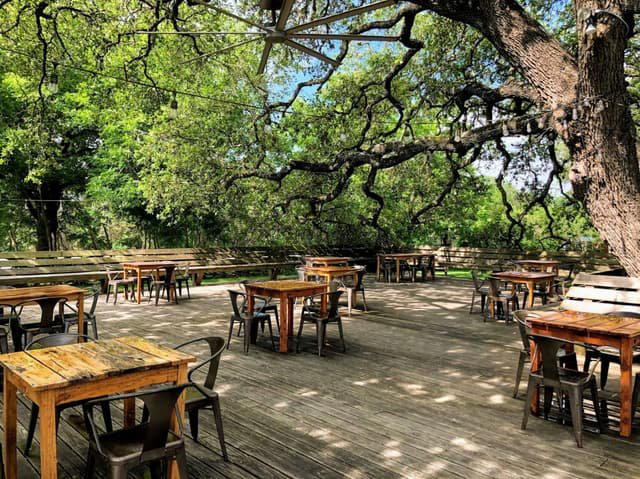
Details
- Rustic
- Scenic
- Lively
- Weekend Escape
- Group Retreat
- Garden
- Terrace
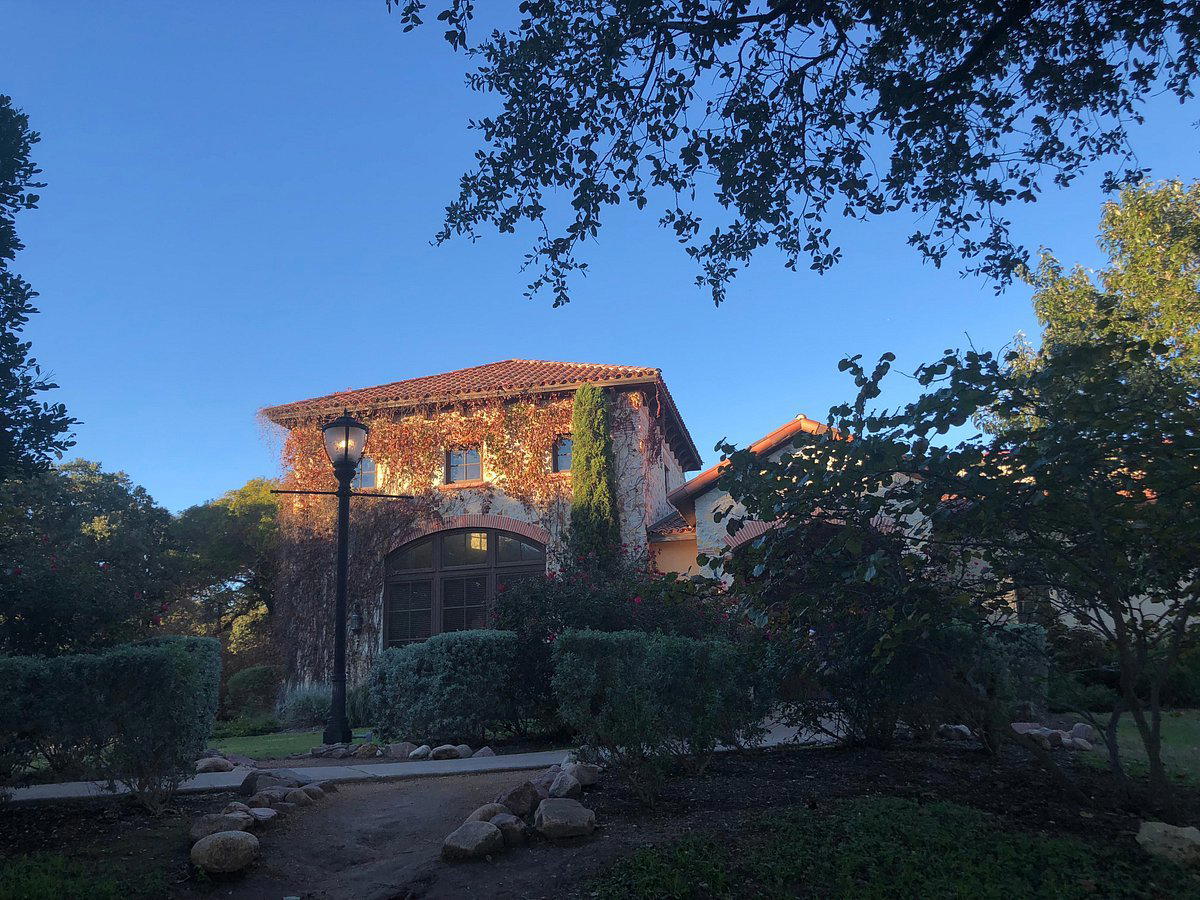
Open-air barn with outdoor picnic seating on expansive farmland, creating a rustic, scenic, and family-oriented Hill Country atmosphere.