InterContinental New York Barclay


Star Wine List · Virtuoso Luxury Hotel Partner
Open since 1926 as one of four Grand Central-era railroad hotels, the InterContinental New York Barclay at 111 East 48th Street occupies a distinct tier in Midtown East luxury — a property where Federalist architecture and a century of residential-style hospitality meet a thoroughly modernised interior.

Pearl is the En Primeur Club membership app — saves, bookings, and concierge access live there. Same editors, same standards.
- Address
- 111 East 48th Street, New York City
- Phone
- 800-496-7621
- Directions
- Get directions
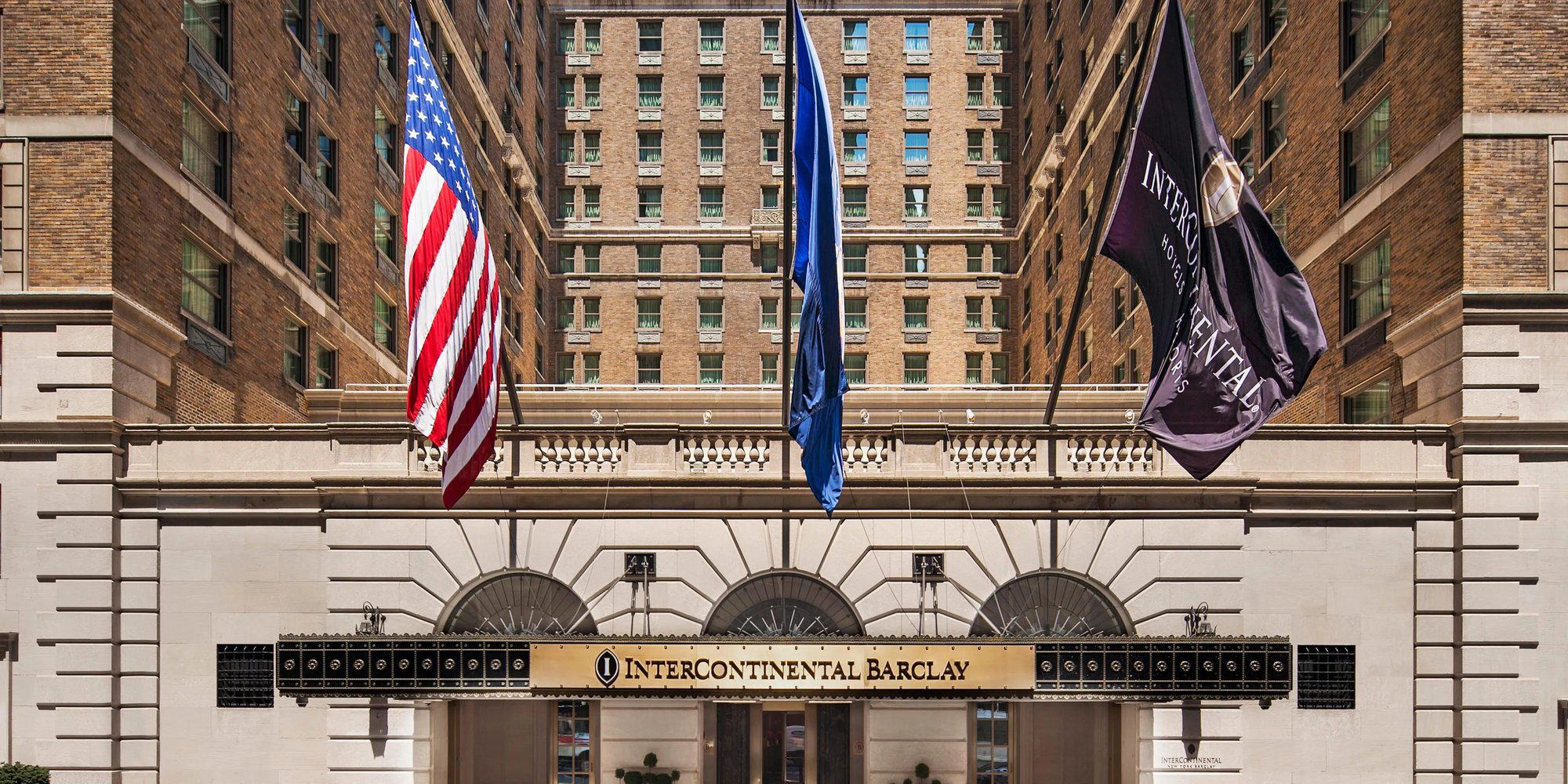
A Century of Midtown East Hospitality
Manhattan's luxury hotel market has long sorted itself into two broad camps: the grand institutional addresses that predate the post-war era, and the design-forward newcomers that have reshaped expectations over the past two decades. The InterContinental New York Barclay, at 111 East 48th Street, belongs firmly to the first cohort — and carries that lineage as both credential and competitive advantage. Properties like Aman New York and The Fifth Avenue Hotel have redefined what contemporary luxury looks like in this city, but the Barclay's proposition is different in kind, not just degree. It is an argument for continuity — for the idea that a hotel's most durable asset is its accumulated history.
The building opened in 1926, constructed as part of the Grand Central Terminal expansion that reshaped Midtown East's commercial and hospitality geography in the early twentieth century. Four notable railroad hotels emerged from that project; the Barclay was among them, positioned to serve the well-heeled travellers arriving by rail into what was then the city's most important transit hub. The detail that distinguishes it from its peers from that era is architectural: the hotel sat directly above the railroad tracks, which gave it a private platform in the basement, reserved for guests arriving by private train car. That infrastructure is long obsolete, but it signals the market the hotel was built for, one where convenience and discretion operated as a single service proposition.
What the Restoration Preserved
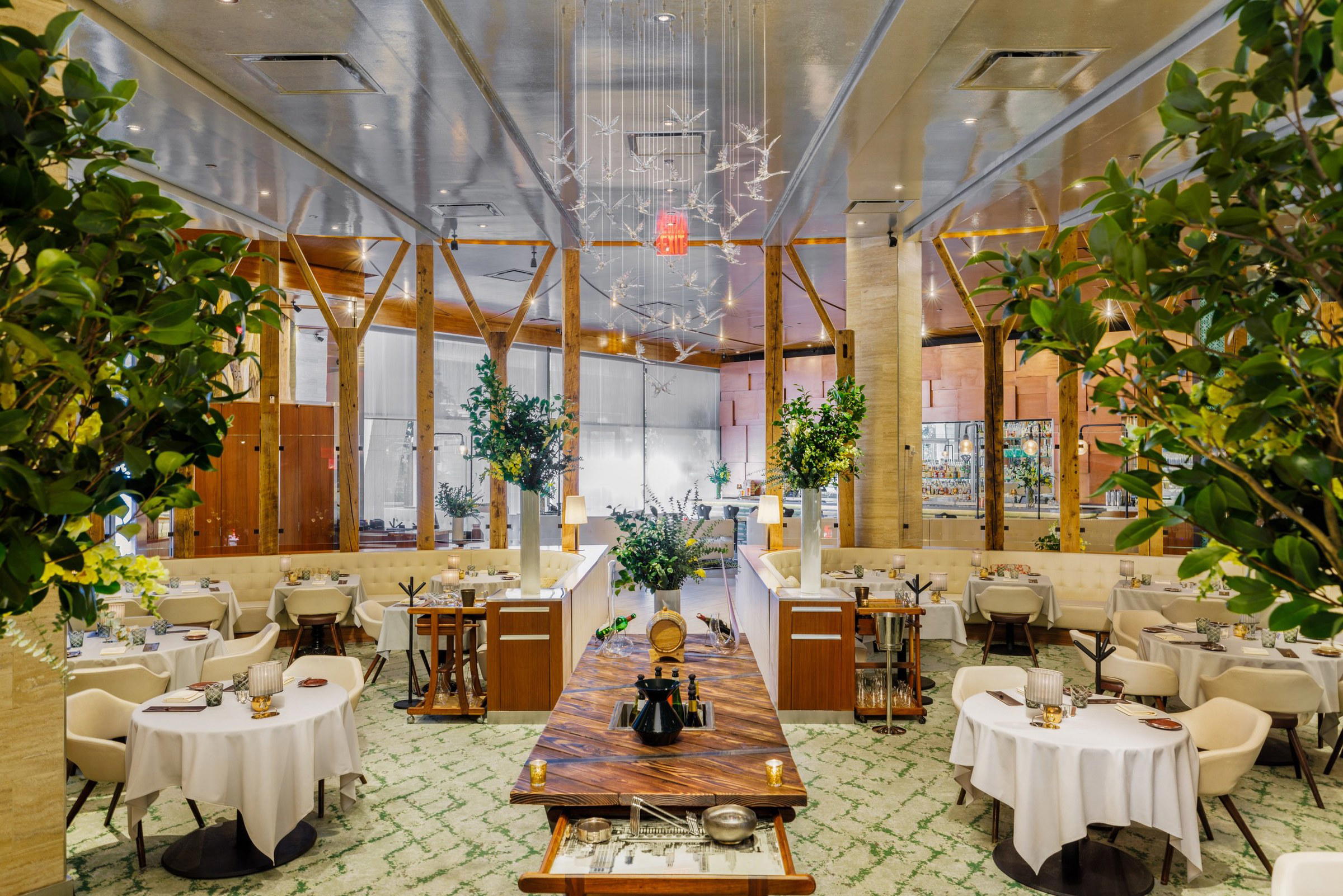
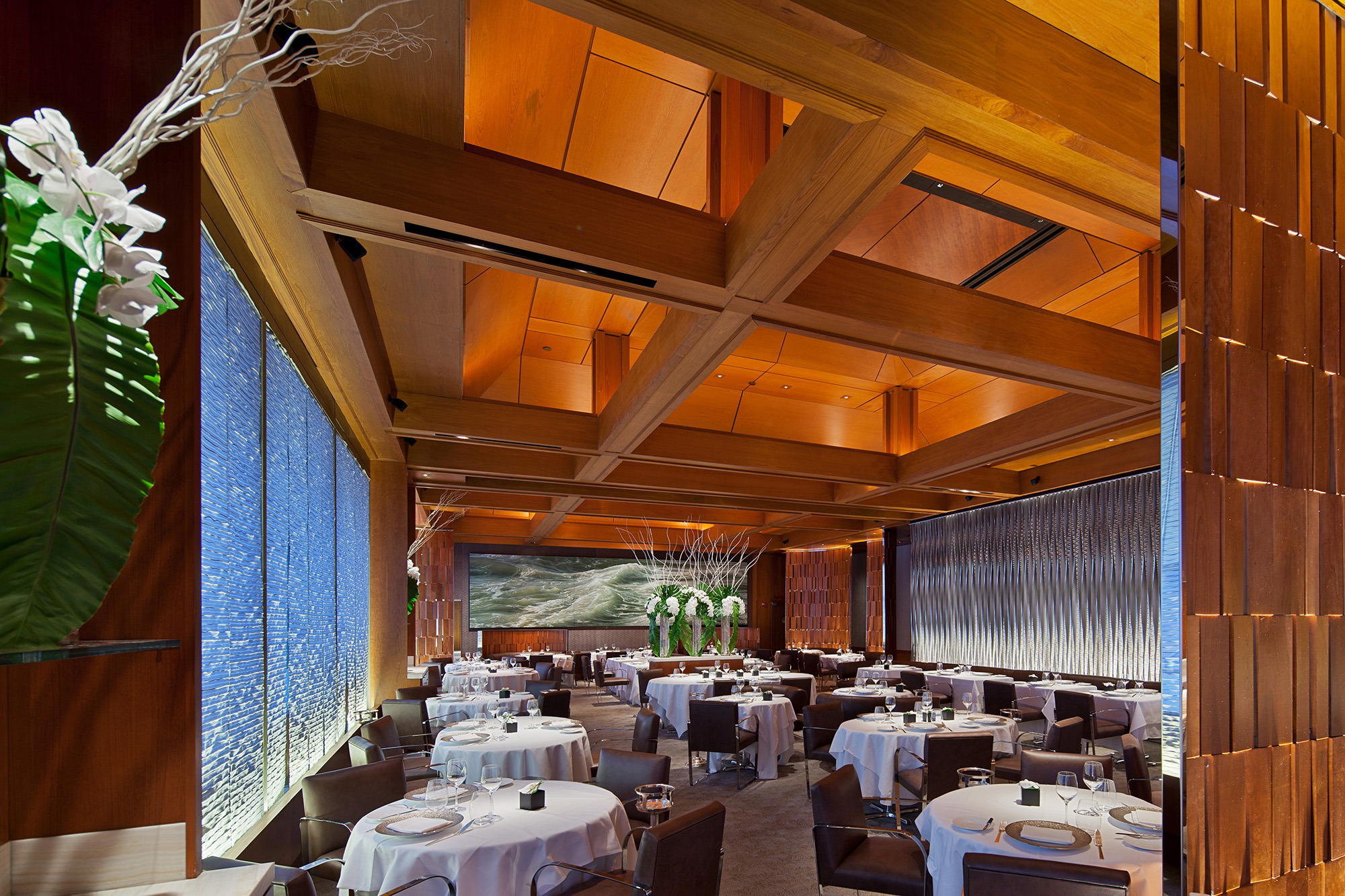
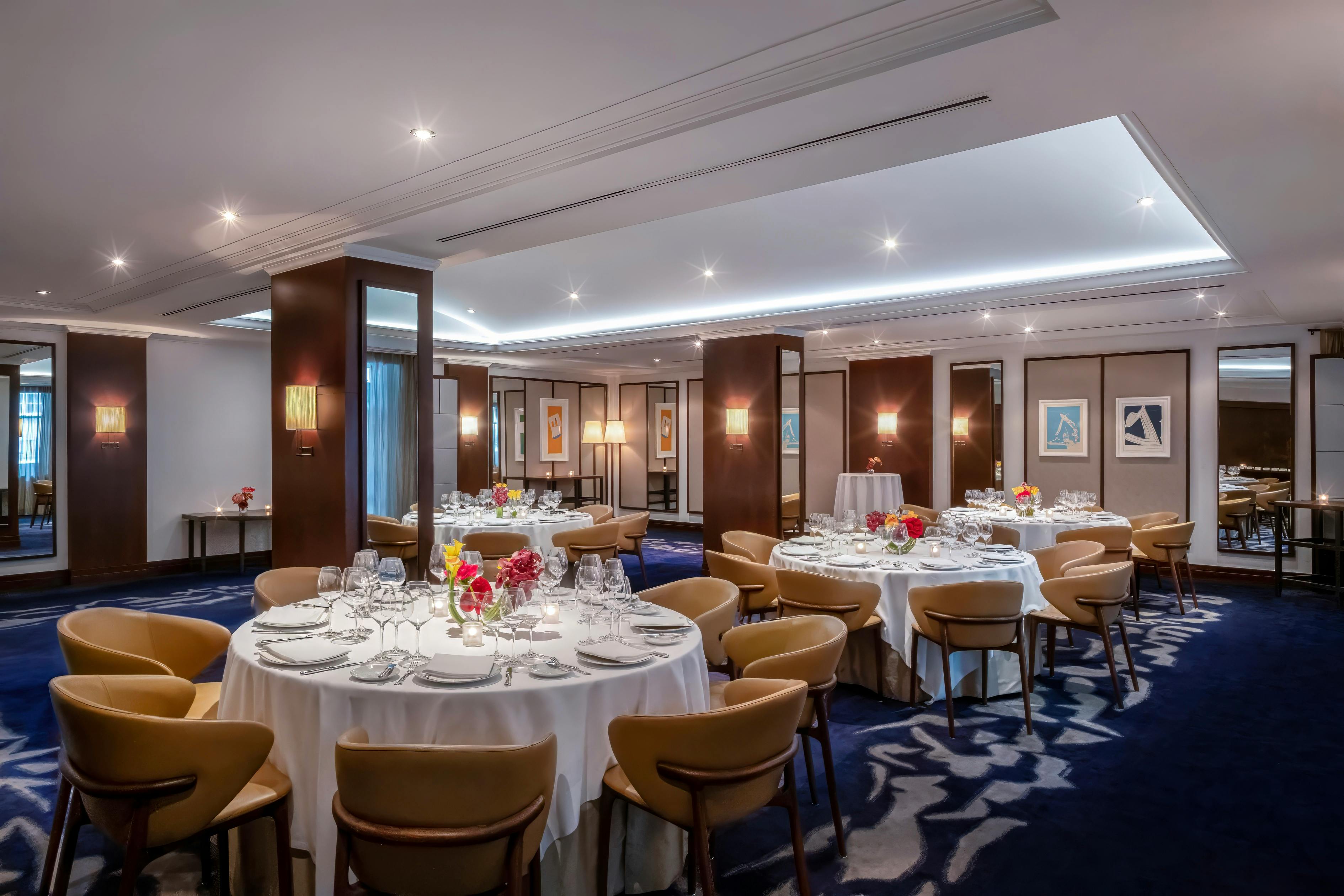
The Barclay has undergone significant restoration since its 1926 opening, with the most recent described as the most ambitious in the property's history. The challenge in any such project involving a century-old hotel is the same across properties, how much of the original character survives the modernisation, and how much is replaced by a generic version of period style. Here, the decision was to anchor the renovation to the hotel's original Federalist design language rather than overlay a contemporary aesthetic. The result is an interior that reads as a restoration rather than a reinvention: warm, residential in scale, and specific to its era in its proportions and detailing.
That residential quality was part of the original brief when the hotel opened. In an era when grand hotel lobbies were designed to project civic scale, the Barclay positioned itself differently, emphasising comfort and domesticity over spectacle. That positioning has held through successive decades and, after the recent restoration, continues to define how the property feels relative to its Midtown East neighbours. Guests who approach the 48th Street entrance encounter a building that carries its age legibly, not as a liability, but as a deliberate market position.
The Beverage Program in Context
The hotel holds a Star Wine List recognition for 2026, which places its beverage program within a curated tier of Manhattan properties distinguished by list depth and service standards. Star Wine List evaluates on criteria including range, balance across regions and price points, and the expertise evident in how the list is assembled and presented, criteria that require sustained investment from the hotel's food and beverage team, not just a strong opening selection.
In Manhattan's hotel wine context, that recognition matters more than it might in a standalone restaurant setting, because hotel beverage programs operate under structural pressures that standalone venues do not. Volume requirements, banqueting demands, and the need to serve a broad guest demographic across multiple dayparts all pull against the kind of focused curation that earns critical recognition. When a hotel beverage program earns external validation despite those constraints, it reflects a degree of intentionality at the team level, a commitment to the list as an editorial statement rather than a procurement exercise. This connects directly to the dynamic between front-of-house service, sommelier expertise, and the broader hospitality vision: the coordination required to maintain that standard across a property of this age and scale is its own credential.
For comparison, properties like The Carlyle, A Rosewood Hotel and The Mark on the Upper East Side sit in a similar tier of legacy-property luxury, with beverage programs that reflect their respective brand positions. The Barclay's Star Wine List status places it in that peer conversation, even as its Midtown East location puts it in a different neighbourhood context, closer to the corporate and transit corridors around Grand Central than to the residential luxury of the 70s and 80s.
Midtown East as a Hotel Address
Midtown East has never been the most fashionable quadrant of Manhattan's hotel geography, but it is among the most functional. The Grand Central Terminal neighbourhood concentrates an unusual density of corporate headquarters, consulates, and transit connections, which shapes the guest profile of the hotels that occupy it. For travellers whose New York visit is structured around business, access to Midtown offices, or transit to the outer boroughs and the airport corridors, the 48th Street address is genuinely practical rather than merely central.
The contrast with lower Manhattan properties like Casa Cipriani New York or downtown design hotels like Crosby Street Hotel and The Whitby Hotel is instructive. Those properties attract a guest who is partly buying the neighbourhood, its gallery density, its independent restaurant scene, its relative distance from corporate Midtown. The Barclay's guest is buying something different: proximity to the city's institutional core, housed in a building with a century of accumulated identity. The The Greenwich Hotel in TriBeCa represents yet another distinct positioning, boutique scale, neighbourhood immersion, that underscores how deliberately each tier of Manhattan luxury has carved its own territory.
Travellers arriving from further afield who are calibrating their New York hotel against properties in other major markets, whether Raffles Boston or Hotel Bel-Air in Los Angeles, will find the Barclay occupies a comparable register: a property whose authority derives from longevity and renovation quality rather than novelty. The same pattern applies internationally, whether at Badrutt's Palace Hotel in St. Moritz or Aman Venice, legacy properties that have survived because their renovation investments respected the original proposition.
For readers considering the full range of New York's hotel options, our full New York City restaurants and hotels guide maps the broader landscape across neighbourhoods and price tiers. Those looking at nature-oriented alternatives elsewhere in the United States might also consider Amangiri in Canyon Point, Post Ranch Inn in Big Sur, or Troutbeck in Amenia for a counterpoint to the urban hotel experience. Other notable properties worth cross-referencing include SingleThread Farm Inn in Healdsburg, Auberge du Soleil in Napa, Four Seasons at The Surf Club in Surfside, Little Palm Island Resort & Spa in Little Torch Key, Kona Village, A Rosewood Resort in Kailua Kona, Canyon Ranch Tucson, Sage Lodge in Pray, 1 Hotel San Francisco, and Bvlgari Hotel Tokyo for those building a broader portfolio of reference properties.
Planning Your Stay
The hotel sits at 111 East 48th Street in Midtown East, a short walk from Grand Central Terminal and well-connected to the 4, 5, 6, 7, and S subway lines as well as Metro-North. For travellers arriving from the major airports, the 48th Street location is served by multiple transit options through Grand Central, which reduces transfer complexity compared to Midtown West addresses. Given the property's longevity and position in the IHG portfolio, booking through the InterContinental brand's loyalty infrastructure is the most direct route; IHG One Rewards members typically access preferential rates and room category upgrades at this tier of the program. The hotel operates year-round, and the Midtown East corridor sees relatively consistent occupancy across seasons given its corporate and diplomatic traffic, which means advance booking is advisable for peak-period travel regardless of leisure or business intent.
Comparable Venues
Comparable venues nearby, for context on price, style, and recognition.
| Venue | Cuisine | Price | Awards | Notes |
|---|---|---|---|---|
| InterContinental New York BarclayThis venue — the venue you are viewing | Historic luxury residential-style hotel with modern upgrades | $300–500 | Star Wine List · Virtuoso Luxury Hotel Partner | Not listed |
| Gramercy Park Hotel | Luxury boutique with Renaissance-revival architecture and custom artist-designed interiors | Not listed | Not listed | Gramercy |
| JW Marriott Essex House | Well-known Art Deco luxury hotel | $300–500 | Not listed | Midtown-Times Square |
| Andaz 5th Avenue | Luxury urban loft-style boutique hotel | $300–500 | Forbes 4-Star | Midtown-Times Square |
| The Michelangelo New York - Starhotels Collezione | Italian-inspired luxury boutique in historic building | $500–750 | Preferred Hotels Member | Midtown-Times Square |
| The Garden City Hotel | Elegant full-service urban hotel with custom Italian furnishings and modern residential luxury suites. | Not listed | Star Wine List · Forbes Recommended | Garden City |
Recognition history
Dated appearances from independent guides and award organizations, with the underlying list record or original source where available.
Star Wine List
Star Wine List
Virtuoso Luxury Hotel Partner
Virtuoso
Continue exploring
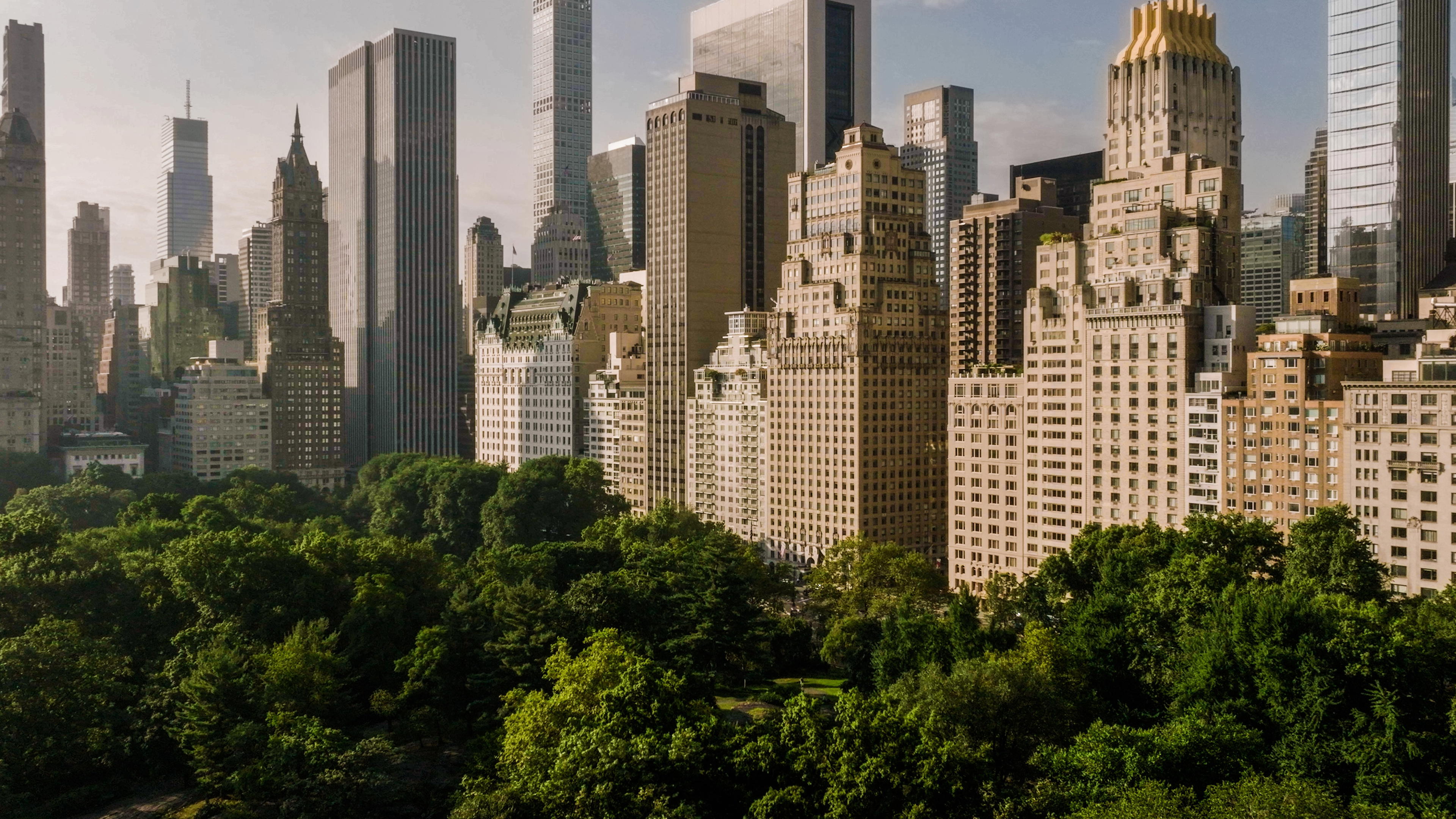
More in New York City
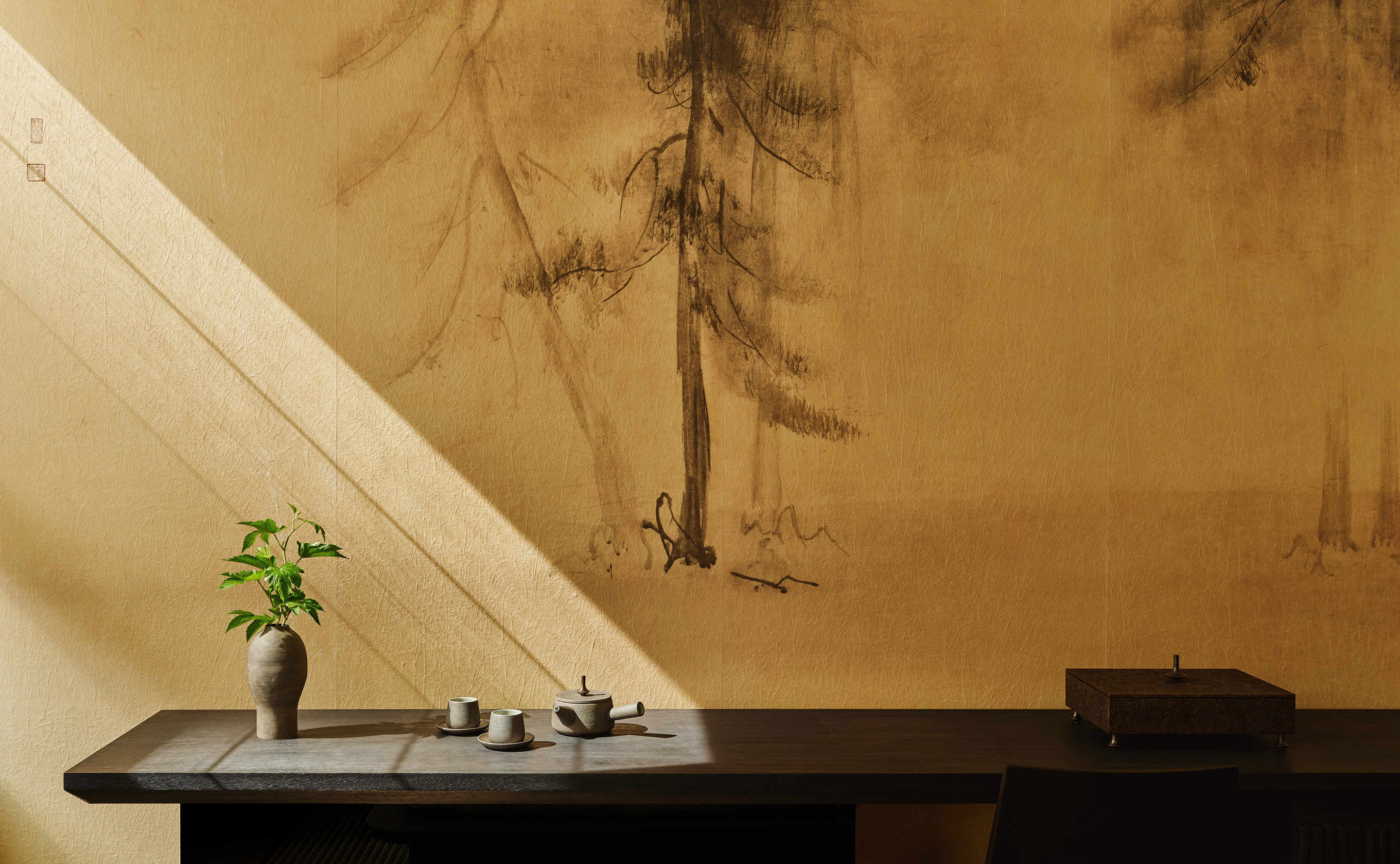
Hotels in New York City
Browse all →
Bars in New York City
Browse all →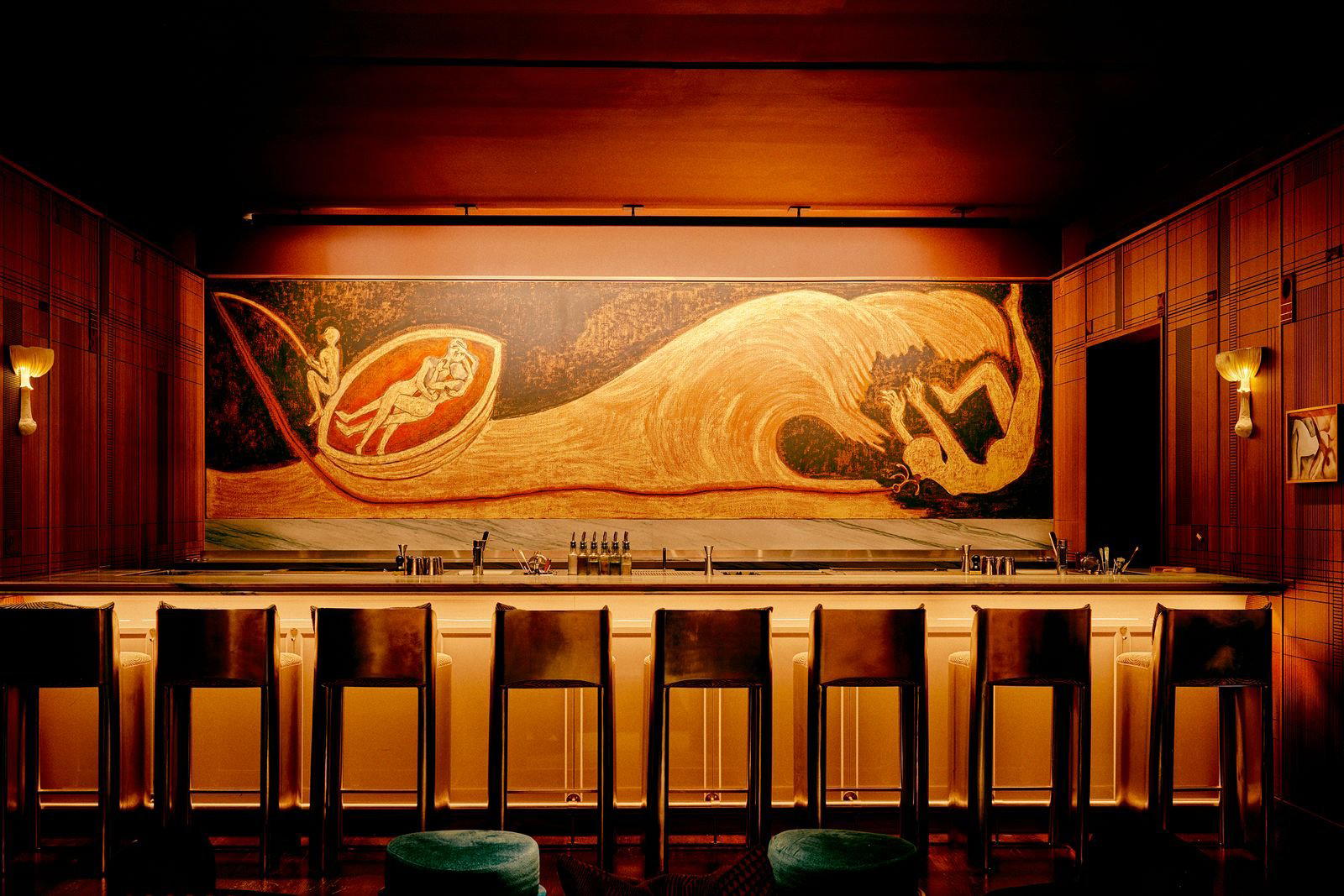
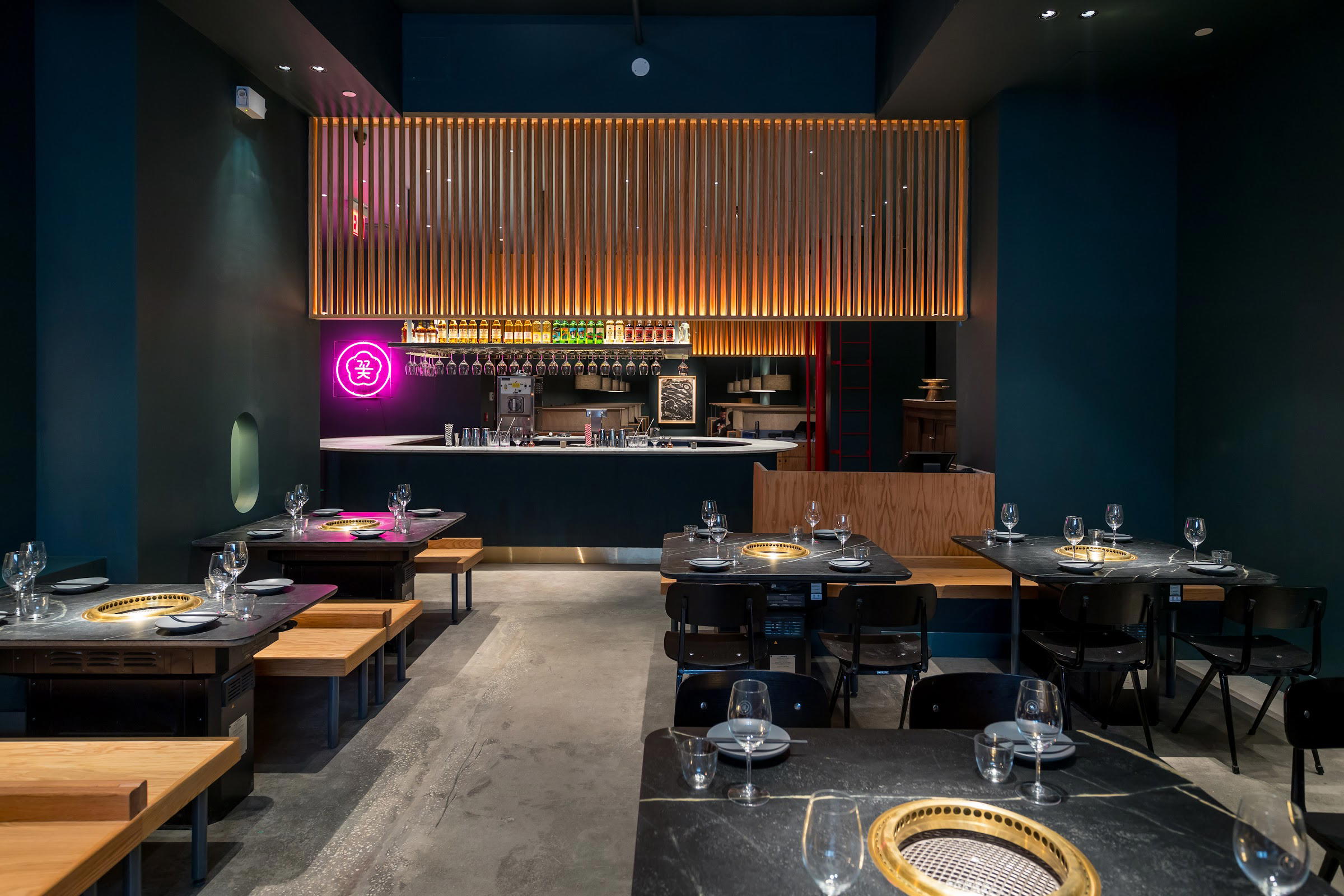
Restaurants in New York City
Browse all →




Details
- Elegant
- Sophisticated
- Classic
- Well Known
- Business Trip
- Romantic Getaway
- Weekend Escape
- Historic Building
- Rooftop
- Panoramic View
- Wi Fi
- Fitness Center
- Spa
- Room Service
- Concierge
- Business Center
- Valet Parking
- Skyline
- Garden
- Wheelchair Accessible
- Elevator
- Accessible Parking
Intimate 1920s glamour with sophisticated, elegant lighting and tranquil atmosphere praised in guest reviews.