Hotel Schani City Vienna sits in a city where hotel choice often signals a traveller’s intended Vienna: imperial formality, museum-quarter design, Ringstrasse polish, or a more practical urban base. With no published public sources for star rating, awards, room category, dining programme, or price, it is better assessed through location strategy and comparison with Vienna’s better-documented hotel tiers than through unverified claims.

Pearl is the En Primeur Club membership app — saves, bookings, and concierge access live there. Same editors, same standards.
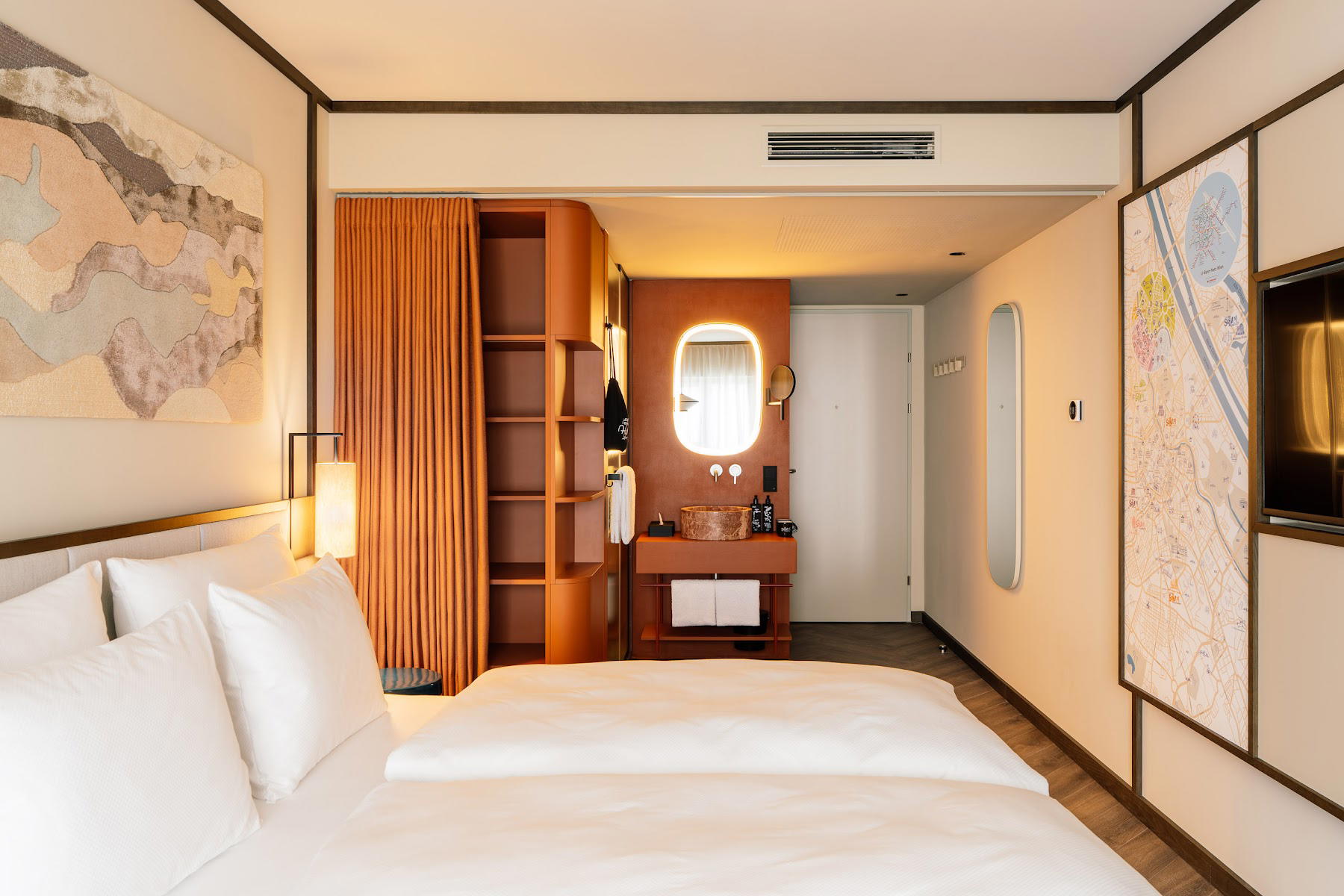
Vienna hotel arrivals tend to announce their category before the room key appears: polished stone around the Ringstrasse, discreet doormen near the old banking quarter, design graphics around the MuseumsQuartier, and practical city hotels built for travellers who plan to spend more time in cafés, museums, restaurants, and concert halls than in a lobby.
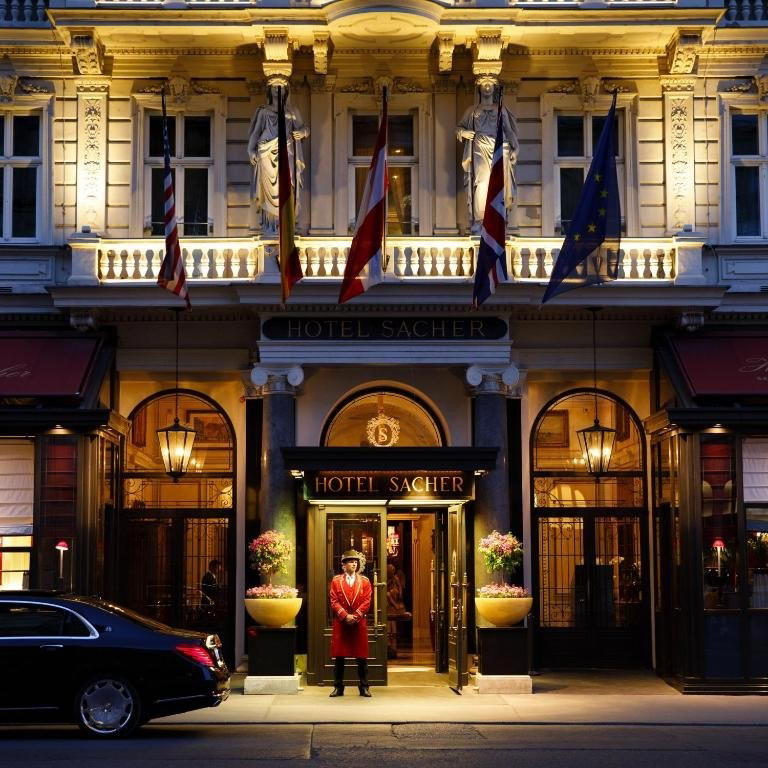
That matters because Vienna is not a single hotel market. It is a city of sharply different hospitality signals.A stay at Hotel Sacher Wien carries the weight of grand-hotel ceremony and dessert-room mythology. Hotel Imperial points toward Ringstrasse statecraft, high ceilings, and old diplomatic codes. Park Hyatt Vienna and Rosewood Vienna sit in the luxury-conversion bracket, where banking buildings and central addresses become part of the rate logic.A city hotel without published awards or luxury specifications must be judged differently: not by ceremonial theatre, but by how it fits a traveller’s itinerary, dining plans, and tolerance for paying for facilities that may not be used.
Vienna's hotel decision often starts outside the hotel
The stronger Vienna itinerary is rarely built around a hotel dining room alone. The city’s food culture is unusually distributed: coffeehouses with historical gravity, heuriger wine taverns on the urban edge, Beisl cooking in neighbourhood rooms, ambitious tasting menus, hotel bars, pastry counters, and market-driven kitchens. That distribution changes what a hotel needs to provide. In cities where restaurants cluster inside resorts, the dining programme can define the stay. In Vienna, the hotel often functions as an anchor between meals elsewhere.
For that reason, Hotel Schani City Vienna should be read as a base for a city-led dining trip unless new venue-specific data proves otherwise. That absence is itself useful. Travellers comparing Vienna hotels should separate properties with documented dining ambitions from those that make sense because the city does the culinary heavy lifting. For restaurant planning beyond the hotel, the Vienna restaurants guide is the better companion, while evening routing can be cross-checked against the Vienna bars guide.
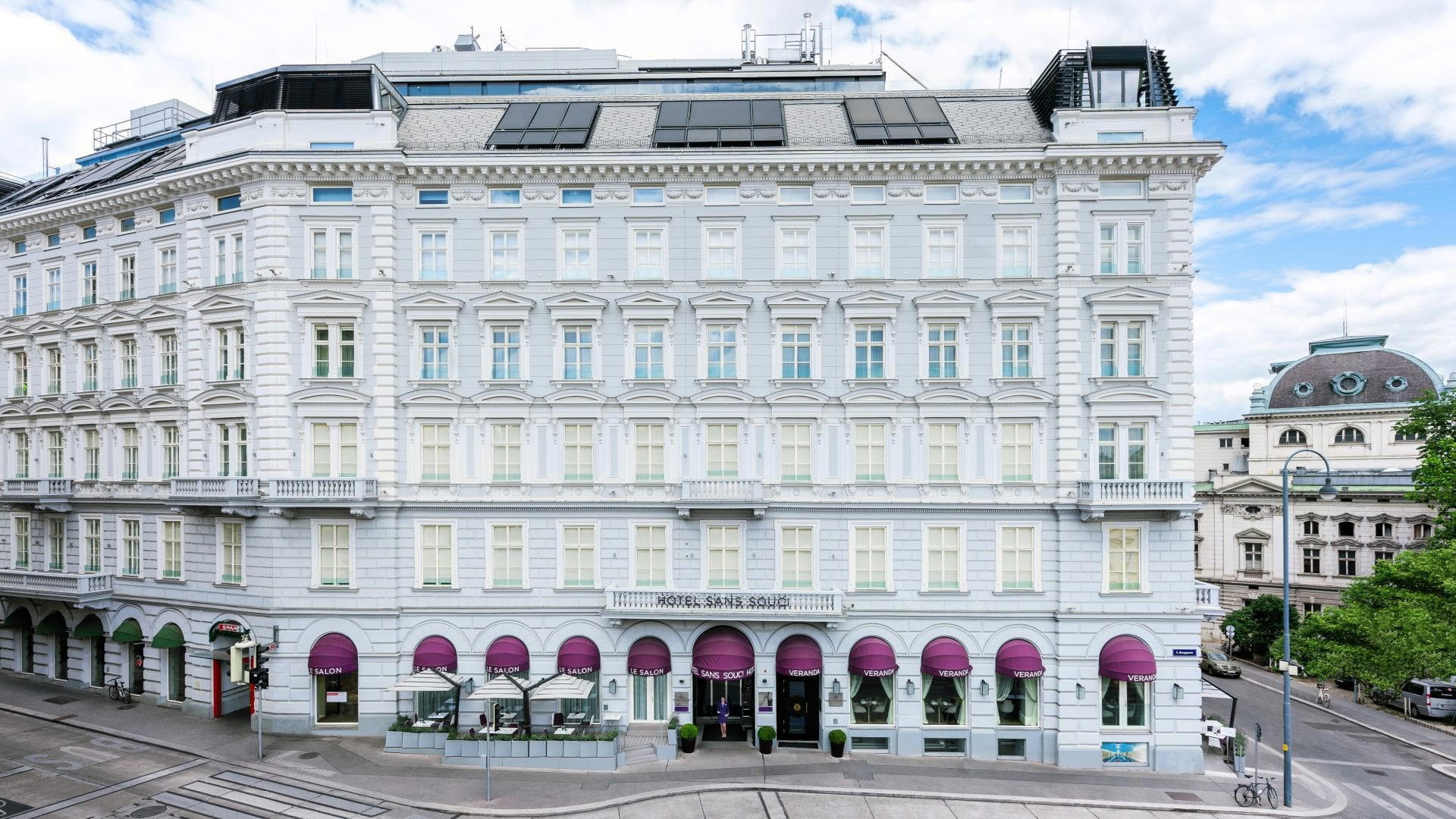
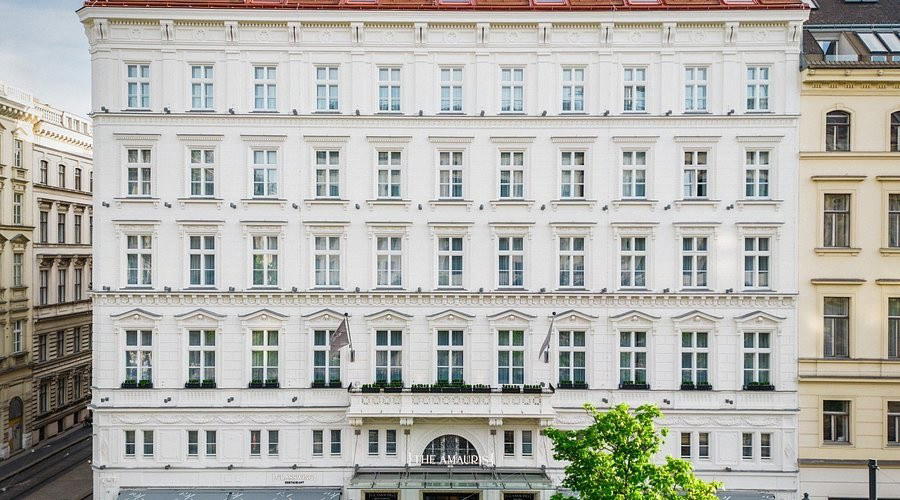
The practical implication is clear: choose a hotel like this only after deciding how much of the trip will be spent outside. Vienna rewards that approach.A day can move from a museum visit to a coffeehouse, then toward a dining room with a reservation, then into a bar without needing the hotel to supply every social function. That is a different logic from booking The Amauris Vienna or Hotel Sans Souci Wien, where the hotel’s design, service tier, and surrounding cultural district may carry more of the stay’s identity.
The dining programme: what can and cannot be claimed
There is no listed restaurant, chef, cuisine, bar, breakfast format, room-service policy, tasting menu, wine list, or award history.EP Club should not invent those elements. In practical editorial terms, Hotel Schani City Vienna currently reads less like a hotel to choose for a named culinary destination and more like a Vienna lodging option to pair with external dining reservations.
This is not a weakness if the traveller understands the category. Vienna’s stronger food days are often assembled across the city rather than contained inside one building.A hotel breakfast may matter less than proximity to a preferred café; a lobby bar may matter less than access to a serious cocktail room; an in-house restaurant may matter less than timing a dinner reservation across town. The current record does not allow a claim that Hotel Schani City Vienna solves those needs internally. It does allow a cautious recommendation: treat the hotel as a possible base, then build the eating and drinking plan separately through verified city guides.
The comparison with larger Austrian and European hotel culture is instructive. Palace hotels and resort properties frequently use dining as a core trust signal: a named chef, a listed award, a cellar reputation, or a breakfast room with public recognition. Austrian resort hotels such as Naturhotel Waldklause in Längenfeld, Hotel Schloss Seefels in Techelsberg, Family Nature Resort Moar Gut in Grossarl, and Grand Tirolia Kitzbühel in Kitzbühel often sit in a different travel rhythm, where the property can occupy the entire day. Vienna city hotels compete in a denser urban field. The restaurant across town may be the point; the hotel is the logistical instrument.
That distinction should shape expectations. If a traveller wants a hotel where dinner, bar, spa, and room combine into a self-contained evening, Vienna has better-documented candidates in EP Club’s city set. If the plan is theatre, galleries, coffee, a reserved dinner, and a clean return at night, a less ceremonial city hotel can be a rational choice, provided price and location support the decision. The current record does publish a nightly rate of about $120, so value can be assessed in broad terms.
How it compares with Vienna's better-documented hotel tiers
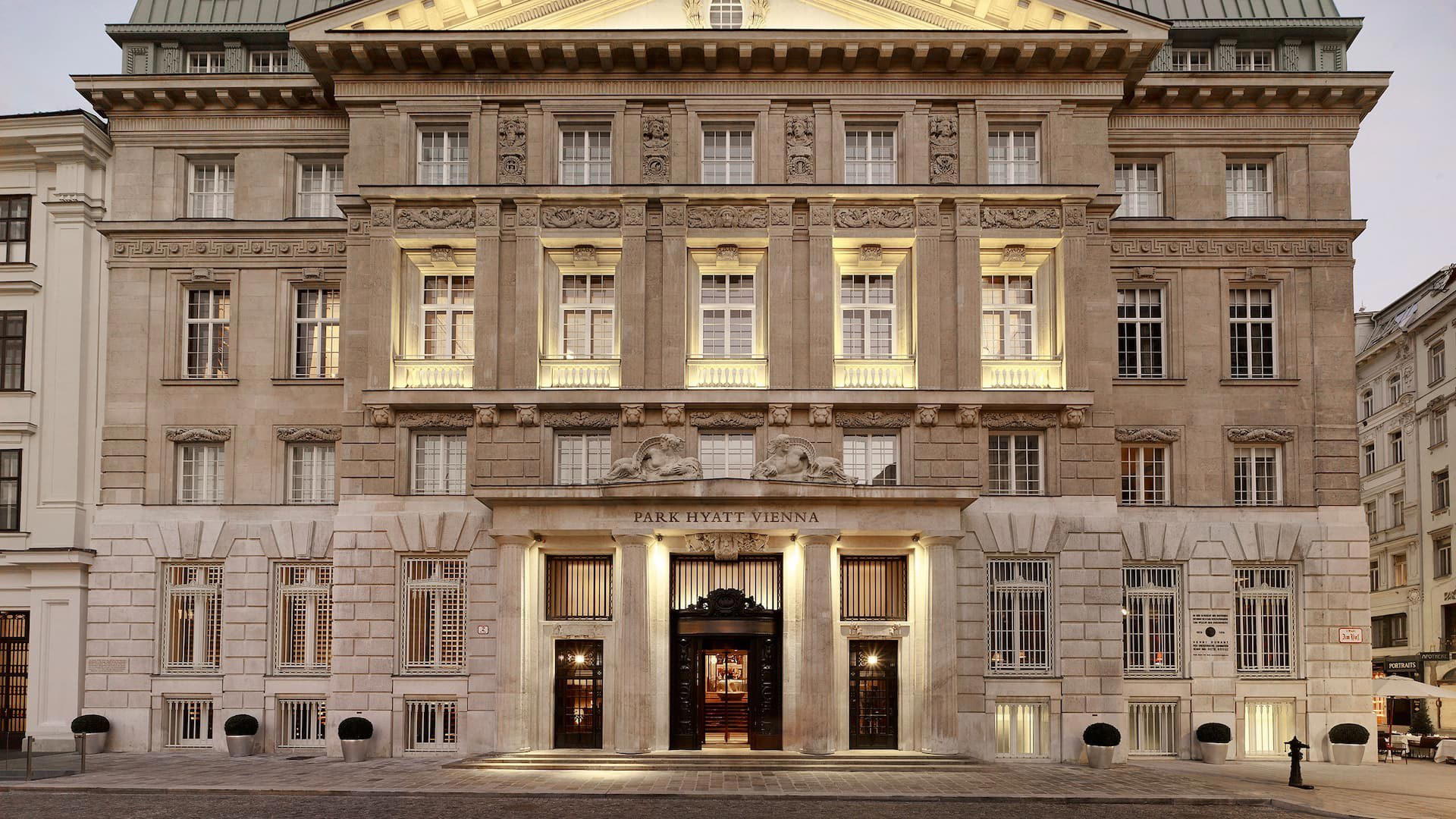
Vienna’s upper hotel tier trades on history, architecture, and service infrastructure. Hotel Sacher Wien and Hotel Imperial sit in the grand-hotel tradition, where public rooms, formal service, and heritage associations are part of the proposition. Rosewood Vienna and Park Hyatt Vienna belong to the contemporary luxury conversion set, where international operators translate historic urban buildings into high-service hotels. 25hours Hotel Vienna at MuseumsQuartier points to a design-led, culturally proximate model. A by Adina Vienna Danube suggests another modern urban format, useful for travellers looking beyond the old imperial core.
Against those reference points, Hotel Schani City Vienna should not be positioned as a trophy stay unless verified data changes that reading.A 4-star rating and 126 rooms appear in the current record, though no award, room category, design credential, or dining accolade is listed. The more defensible comparison is with practical city hotels that compete on convenience, availability, and price discipline rather than on heritage myth. That segment matters in Vienna because cultural travellers often allocate budget to opera tickets, museum time, restaurant reservations, and onward rail travel rather than to a hotel suite.
There is an editorial advantage to being precise about this. Luxury language can blur categories and make every property sound equivalent. They are not equivalent.A grand hotel sells theatre.A design hotel sells aesthetic confidence and neighbourhood alignment.A resort sells on-property time.A practical city hotel sells the ability to support a fuller day elsewhere. Hotel Schani City Vienna can only be assessed in that final bracket until the missing fields, especially location, dining, and room data, are documented.
Who should consider it, and who should look elsewhere
The hotel makes sense when the hotel is not intended to be the centre of the trip. It suits a Vienna plan built around external reservations, daytime cultural stops, and movement through the city rather than long hours in public rooms. That is especially relevant for travellers who consult Our full Vienna experiences guide and build days around specific visits, performances, or specialist formats. It can also work for travellers using the hotel as one part of a wider Austrian itinerary, especially when Vienna is the arrival or departure point rather than the only destination.
It makes less sense for travellers who want published luxury signals before committing. The current record offers no star rating, no awards, no price band, no confirmed website, and no phone number. Those omissions do not prove a lack of quality, but they do limit editorial confidence.A traveller who wants a documented high-service hotel in Vienna should compare the better-specified city options in Our full Vienna hotels guide before treating this as the primary choice.
The broader Austria comparison also helps. Alpine and lakeside hotels such as LEADING Hotel Hochgurgl in Hochgurgl, Hotel Almhof Schneider in Lech, Alpen-Wellness Resort Hochfirst in Obergurgl, and Aktiv & Wellnesshotel Bergfried in Tux usually ask guests to spend more time on site, because mountain weather, spa infrastructure, ski access, and half-board traditions shape the day. Vienna reverses that formula. The city provides the programme; the hotel must justify the rate by making that programme easier.
Planning notes for a Vienna stay
The current record does not list address, latitude, longitude, website, phone number, booking method, hours, or dress code. That means route planning, direct booking checks, cancellation terms, breakfast inclusion, and arrival logistics need to be verified through a live booking source before any commitment. In a city with strong public transport and walkable central districts, address precision matters: a hotel name alone is not enough to estimate museum access, dinner-transfer time, or late-night return comfort.
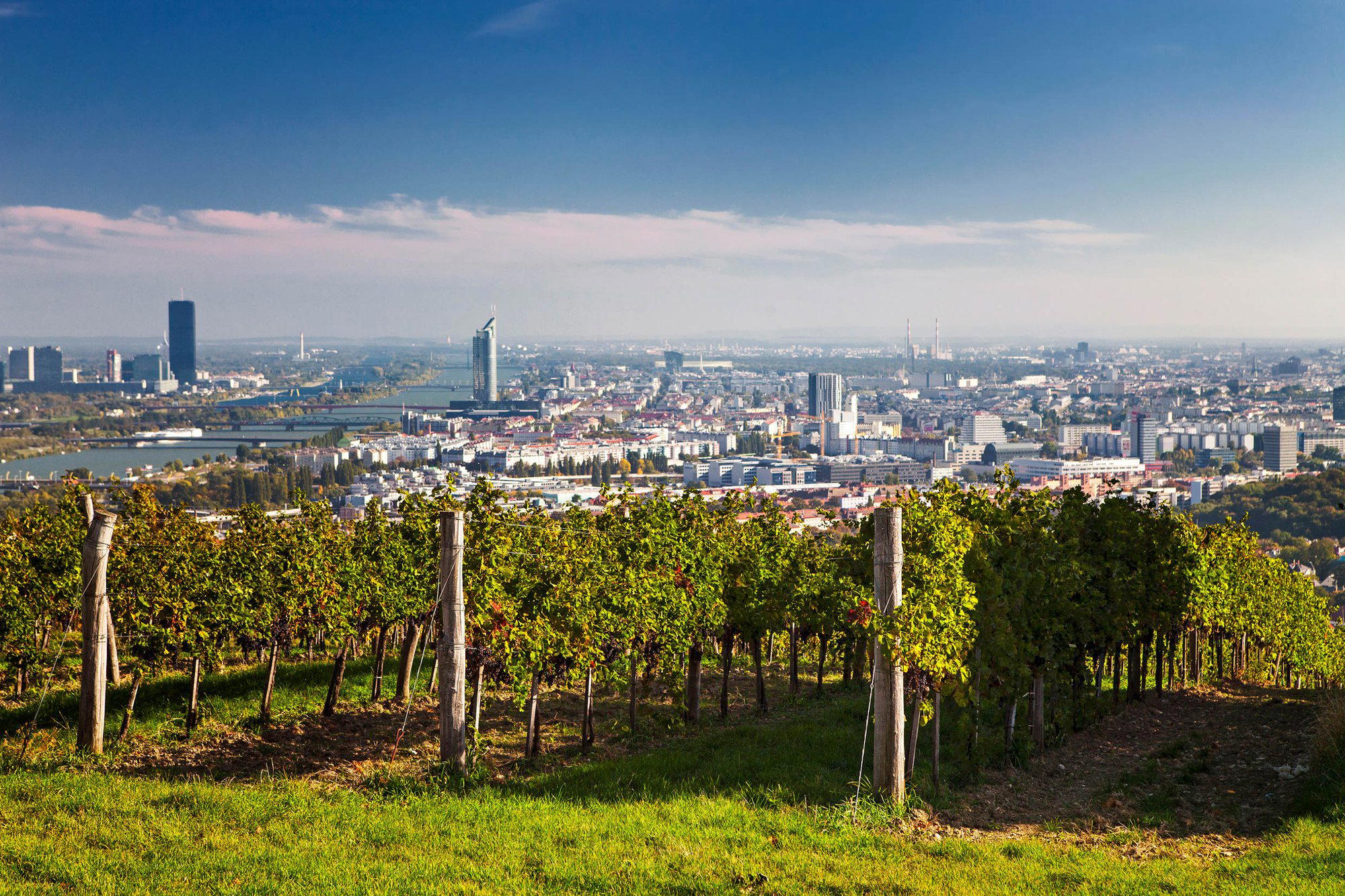
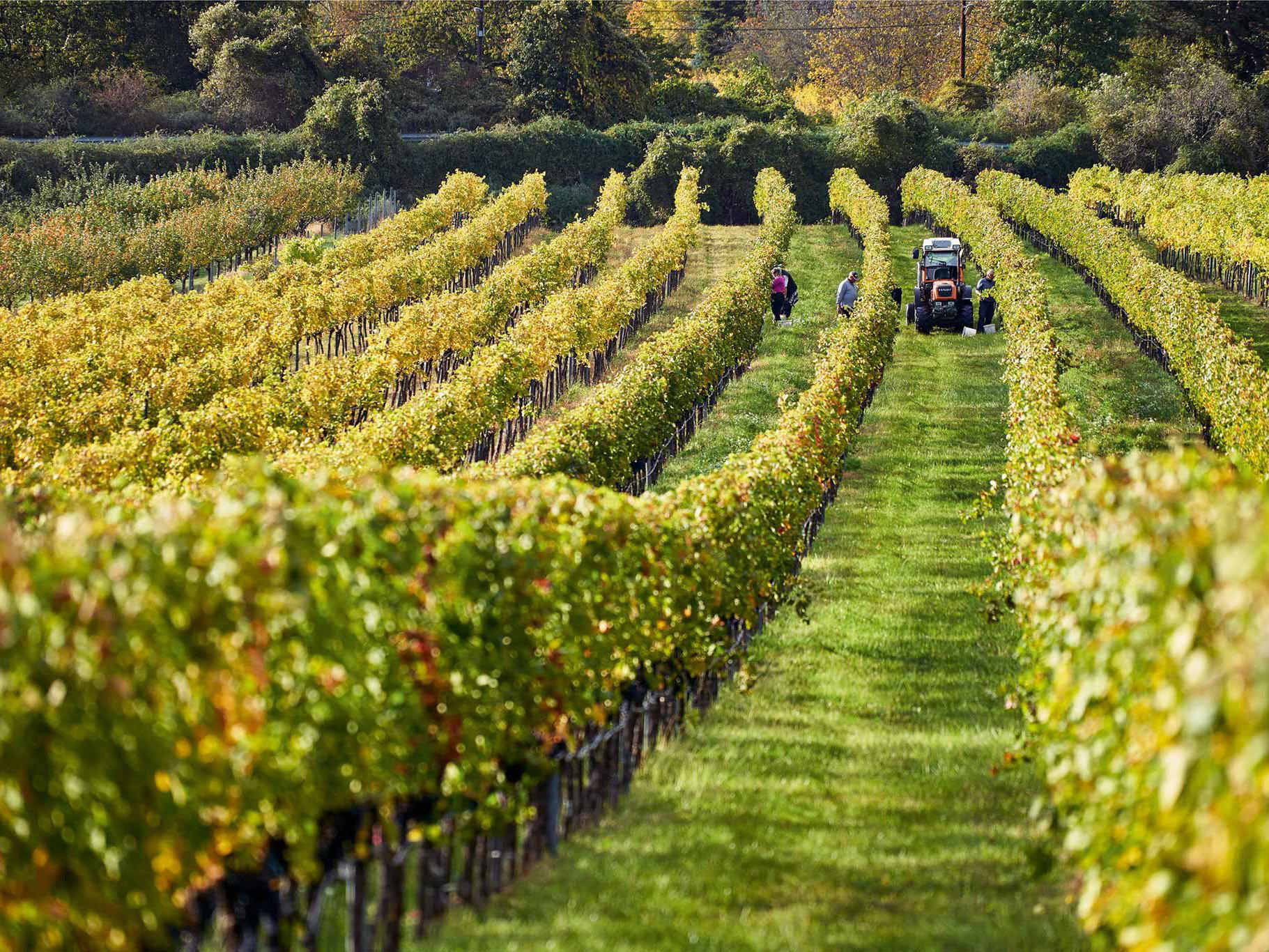
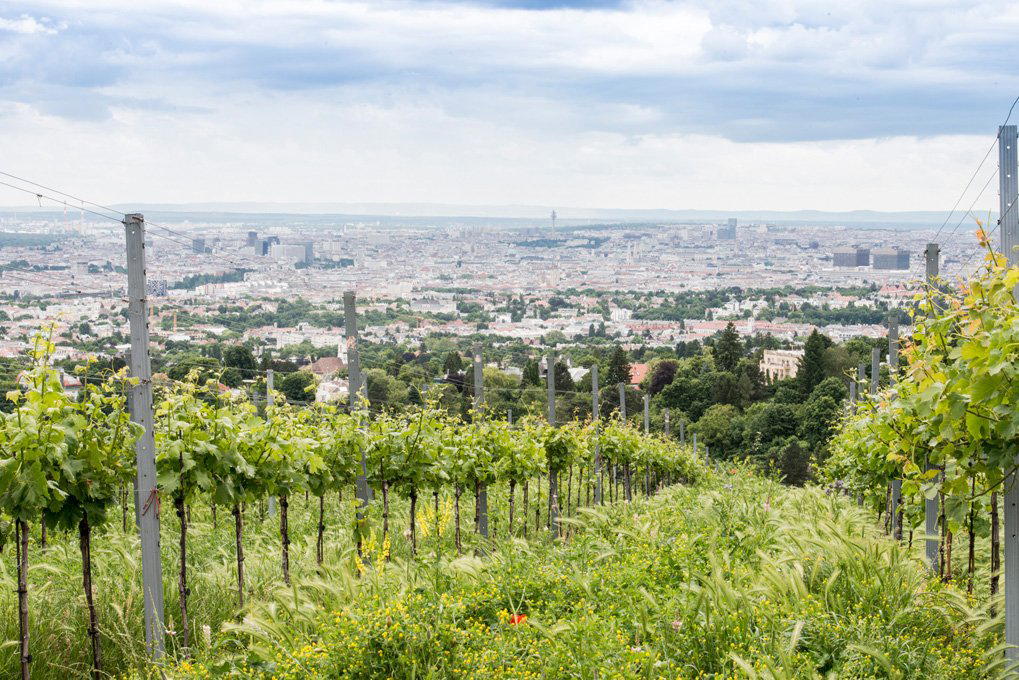
For dining-led travel, the safer planning sequence is to secure the key restaurant and bar reservations first, then choose the hotel according to travel time and rate. That approach is particularly useful in Vienna, where the cultural day can run long and dinner may sit in a different district from the morning’s museums. If wine is part of the trip, Our full Vienna wineries guide can help frame the city’s unusual urban wine culture, including the tradition of vineyards within the municipal boundary. That context often matters more than any single hotel beverage programme, especially when no property-specific bar or cellar data is published.
Travellers comparing outside Austria can also calibrate expectations against other high-profile city hotels. The Fifth Avenue Hotel in New York City, Hôtel de Paris Monte-Carlo in Monte Carlo, and Badrutt's Palace Hotel in St. Moritz belong to hotel conversations where reputation, dining, service choreography, and public-room theatre can become the trip itself. The hotel does not currently carry that level of documented signal in public sources. It should be evaluated with a more functional question: does it place the traveller where the Vienna itinerary needs them to be, at a rate that leaves room for the city?
For a wider Austrian route, the city can pair naturally with resort or lake stays such as Rosewood Schloss Fuschl in Hof bei Salzburg. That contrast clarifies Vienna’s role. The capital is where hotel selection should follow the programme: museums, coffeehouses, restaurants, bars, concert halls, and transport.A resort is where the programme often follows the hotel. Until more verified fields are available, the hotel belongs to the first model.
In Context
Comparable venues nearby, for context on price, style, and recognition.
| Venue | Price | Awards | Notes |
|---|---|---|---|
| Hotel Schani City ViennaThis venue — the venue you are viewing | $$ | 4-Star | Not listed |
| Hotel Daniel Vienna | $$ | 4-Star | Sudbahnhof, Smart luxury boutique hotel emphasizing minimalism and contemporary design with quirky artistic installations and sustainable urban living practices. |
| The Weekend | $$ | 4-Star | Neubau, Revitalized urban boutique with retro-chic positioning. |
| Graetzlhotel Karmelitermarkt | $$$ | 3-Star | Praterstern Wien Nord, Urban studio apartments in repurposed ground-floor shops |
| Hotel Grand Ferdinand Wien | $$$$ | 5-Star | Staatsoper, Contemporary revival of Viennese grandeur in a preserved 1950s Ringstraße building. |
| DAS Triest, A Design Hotel | $$$$ | 4-Star | Wieden, Historic design hotel revitalized with contemporary elegance. |
At a Glance
- Modern
- Quiet
- Cozy
- Trendy
- Minimalist
- Weekend Escape
- Business Trip
- Romantic Getaway
- Family Vacation
- Design Destination
- Terrace
- Historic Building
- Wi Fi
- Restaurant
- Bar
- Room Service
- Business Center
- EV Charging
- Concierge
- Street Scene
- Wi Fi
- Restaurant
- Bar
- Room Service
- Business Center
- EV Charging
- Concierge
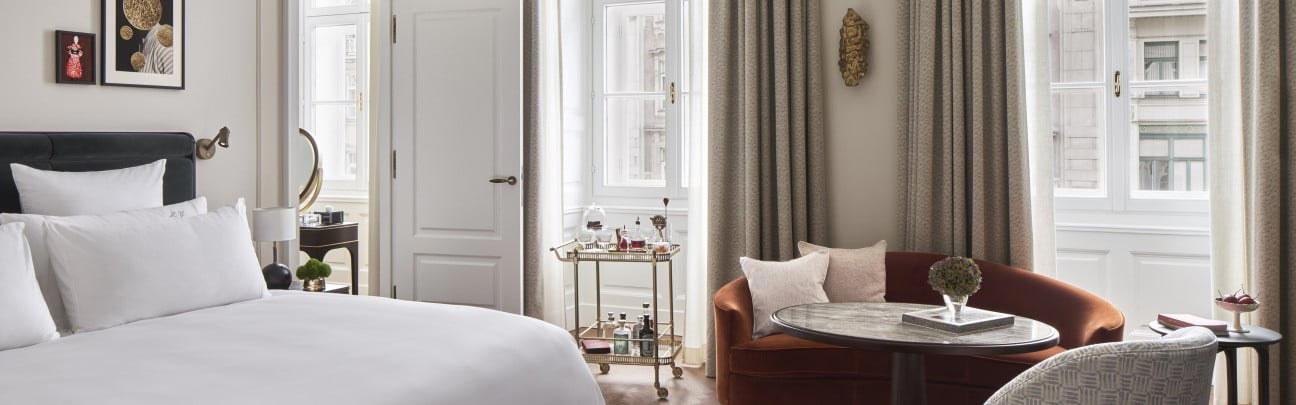
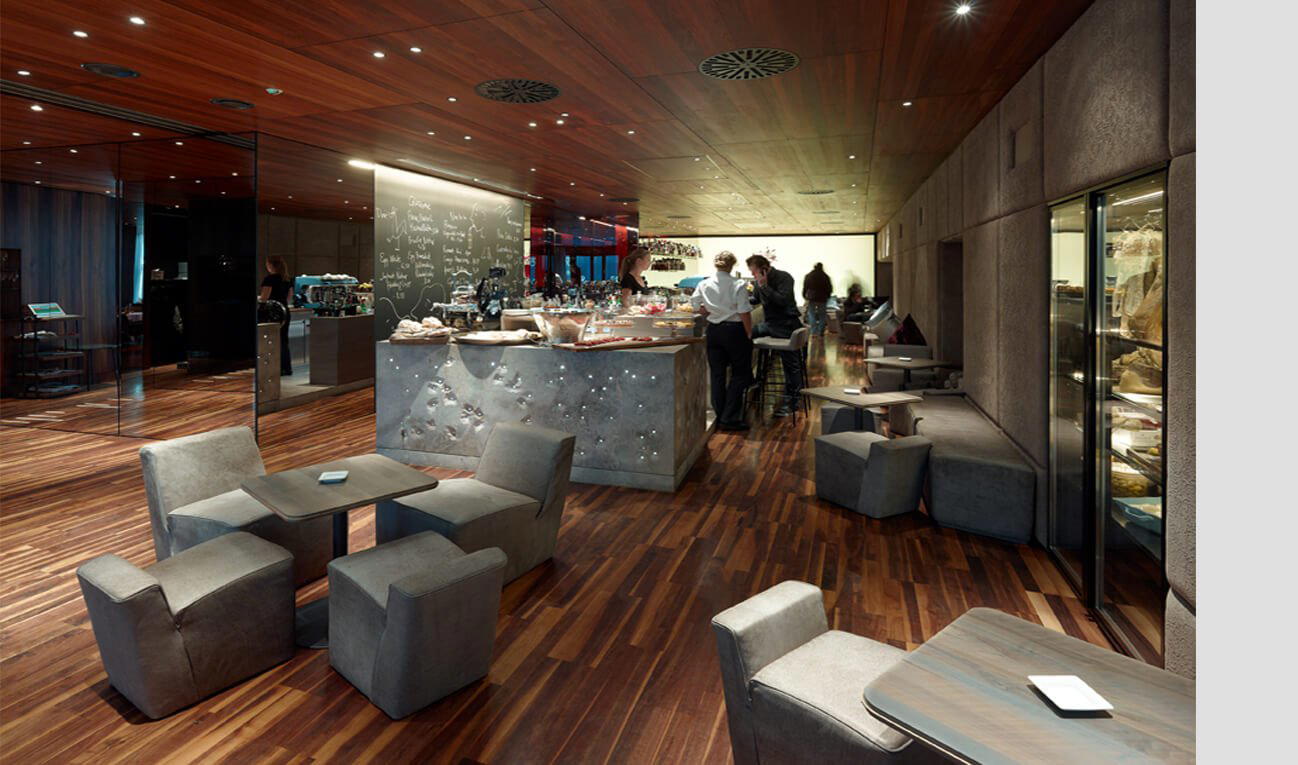
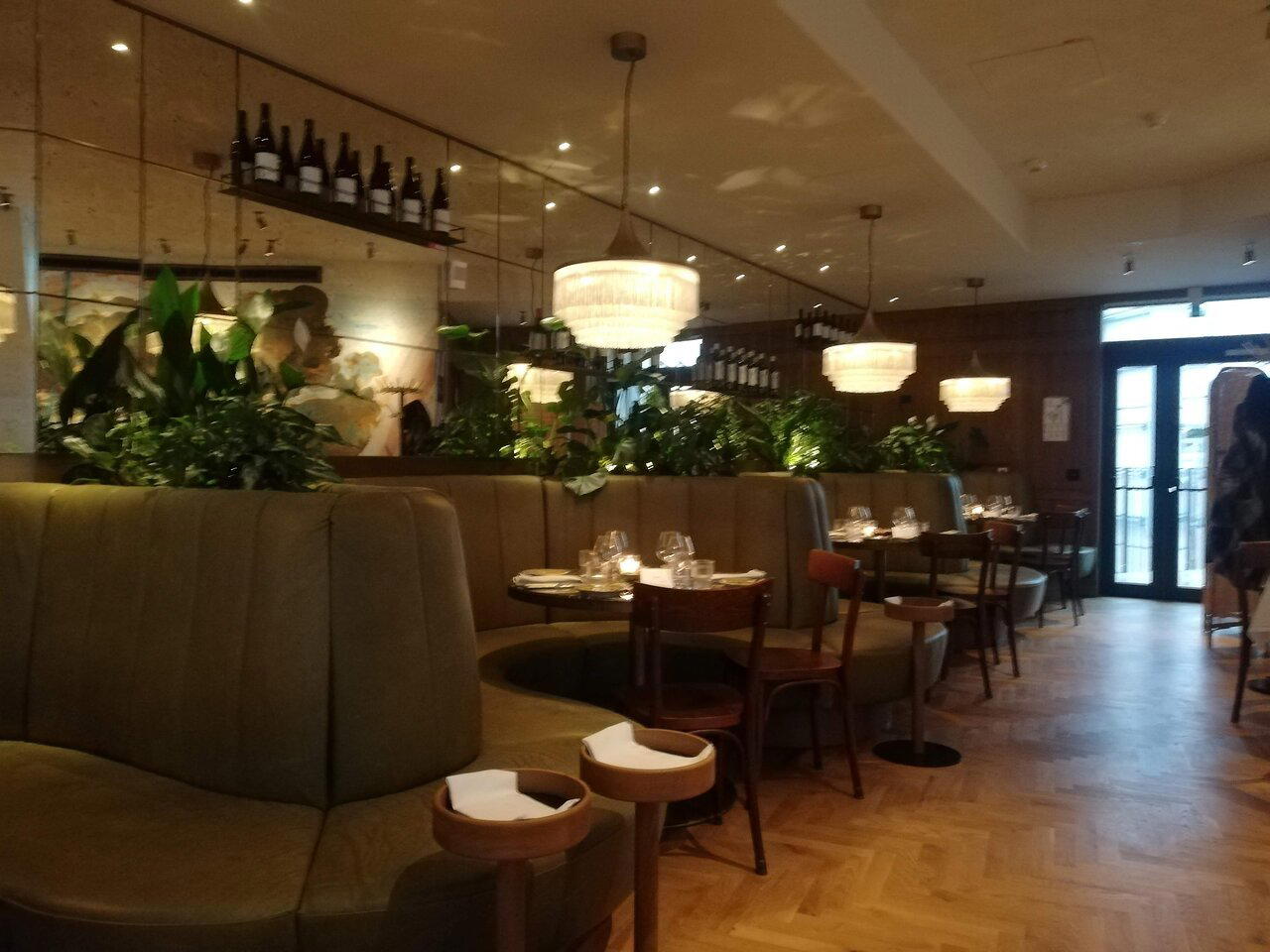
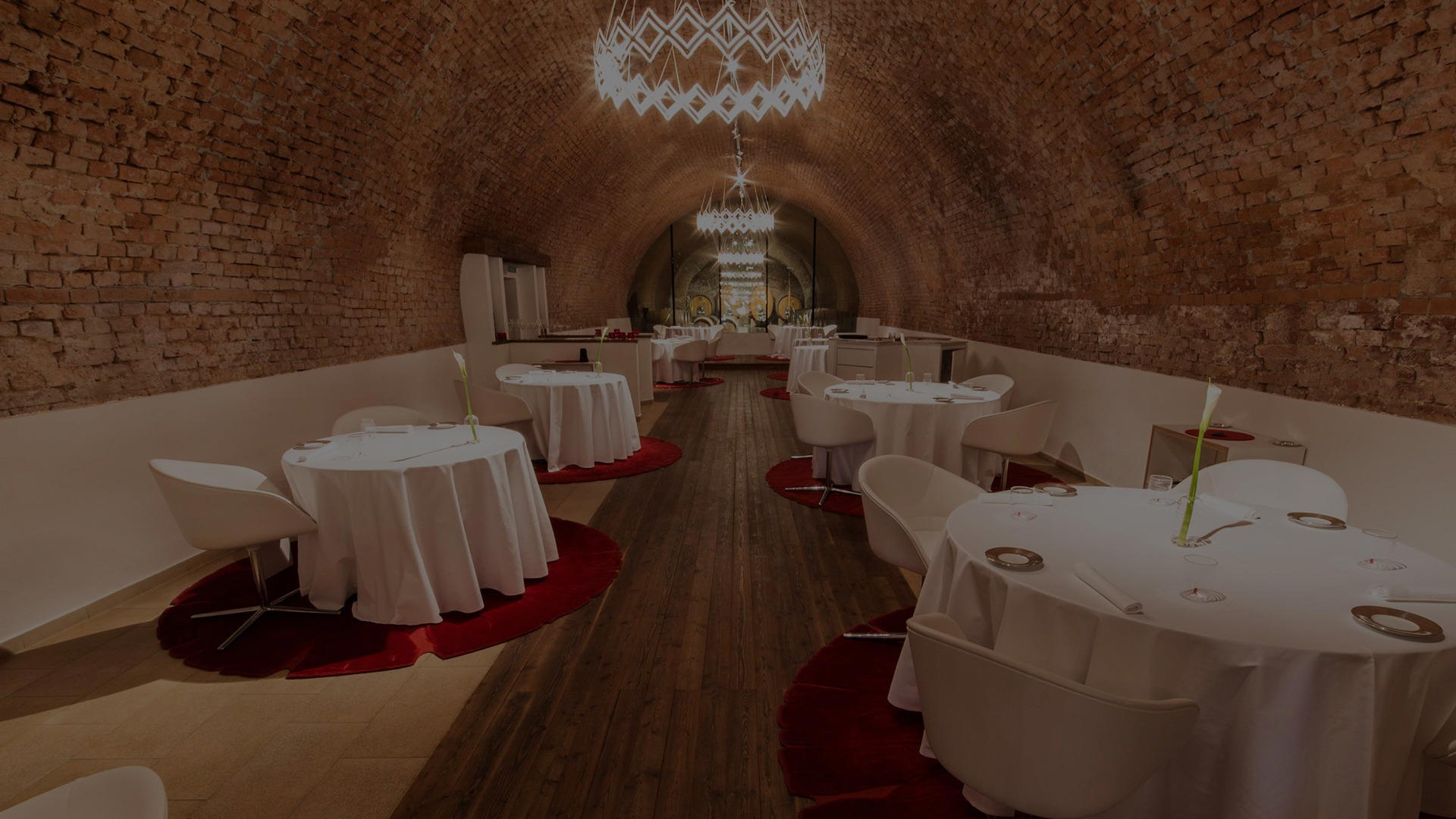
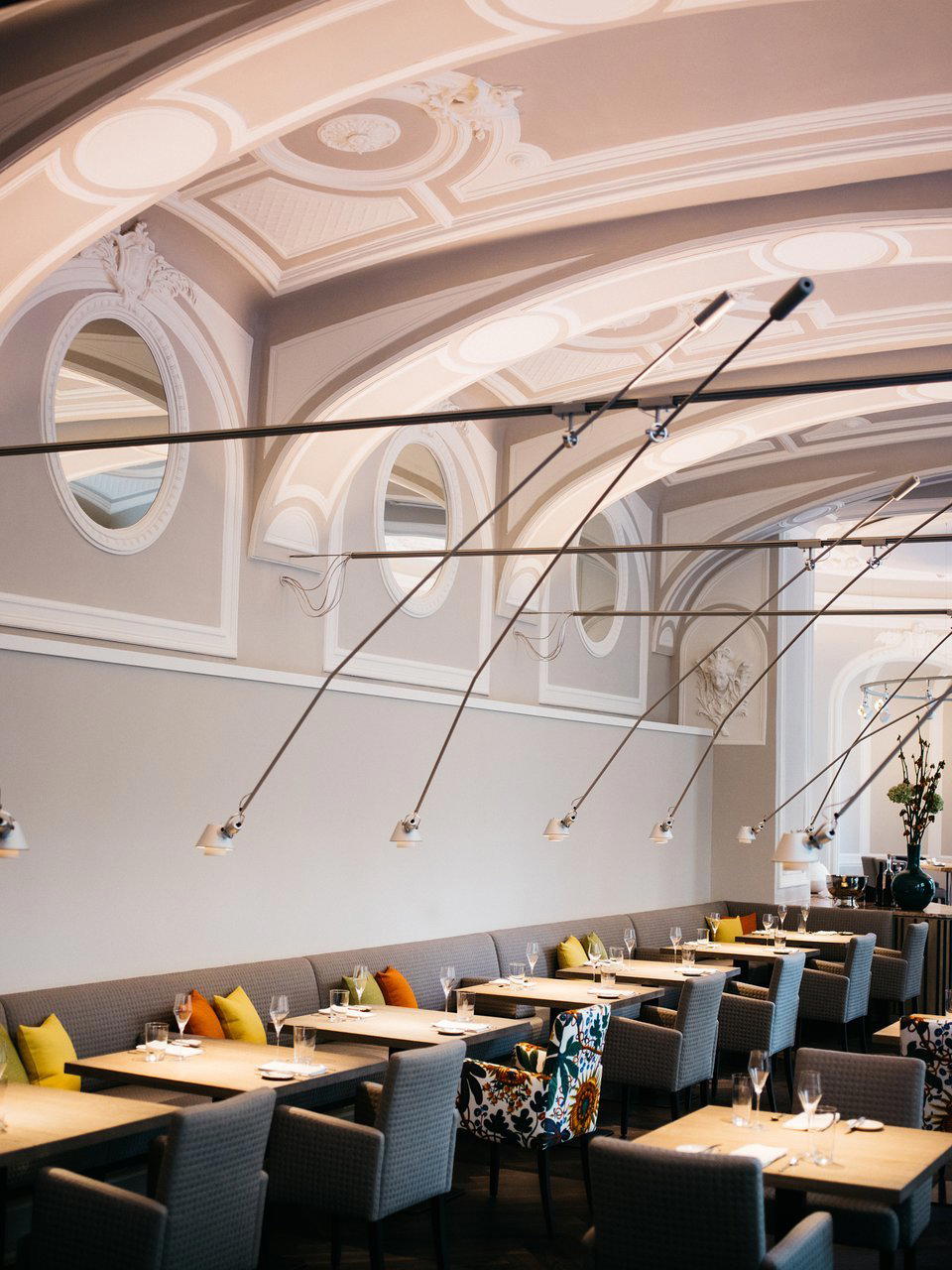
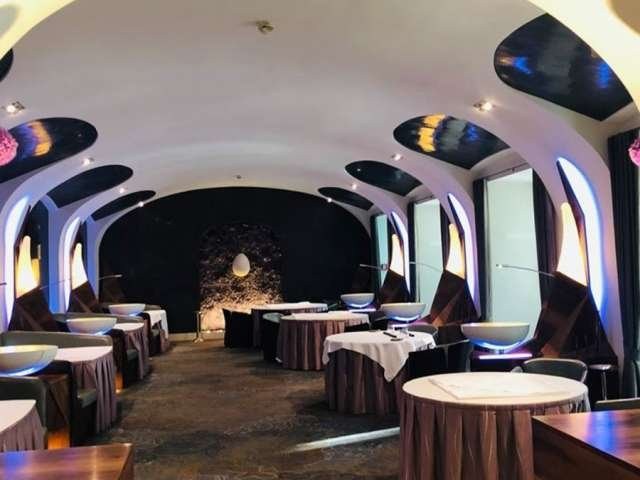
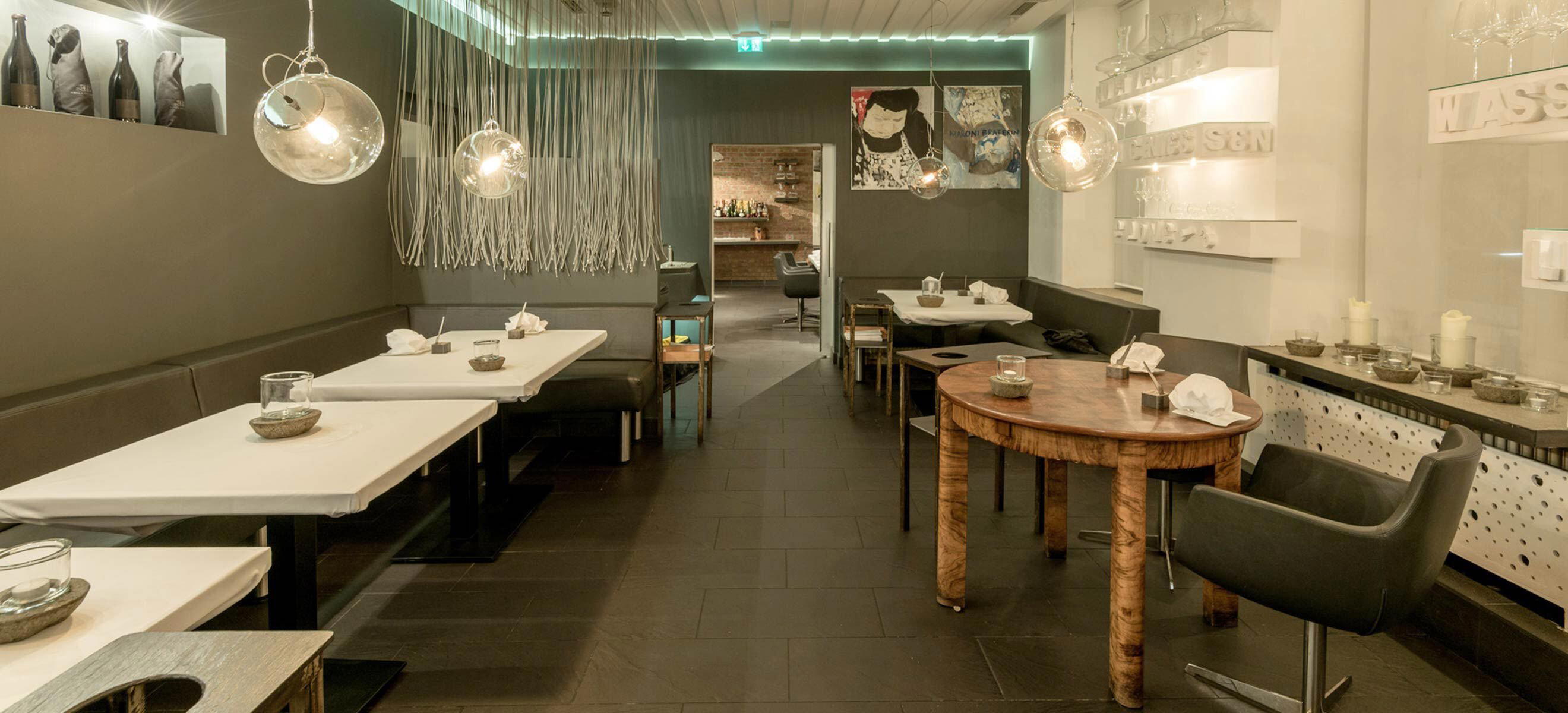
The ambiance is modern and intimate, with clean minimalist lines, warm wood and soft lighting creating a calm retreat; public spaces center on a casual bar and kitchen that feel more like a neighborhood living room than a conventional lobby.