
A Michelin Selected property on Travessa da Glória, Hotel Hotel Lisbon sits at the edge of Bairro Alto where the neighbourhood's layered architecture sets expectations the building works to meet. The name, a deliberate doubling, signals a self-aware approach to the hotel format itself. For Lisbon visitors weighing design-led independents against the city's larger international properties, it represents a considered alternative.
Pearl is the En Primeur Club membership app — saves, bookings, and concierge access live there. Same editors, same standards.
- Address
- Travessa da Glória nº22, Lisbon, Portugal
- Website
- hotelhotel.pt
 Saves & bookings on Pearl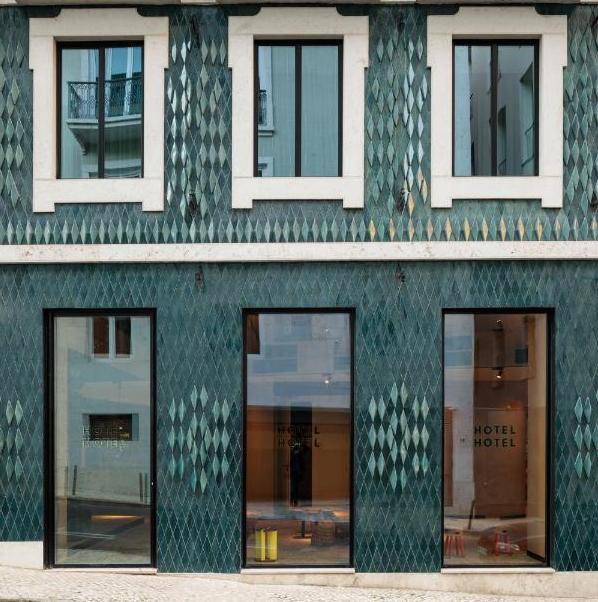
A Street, a Name, and What It Signals
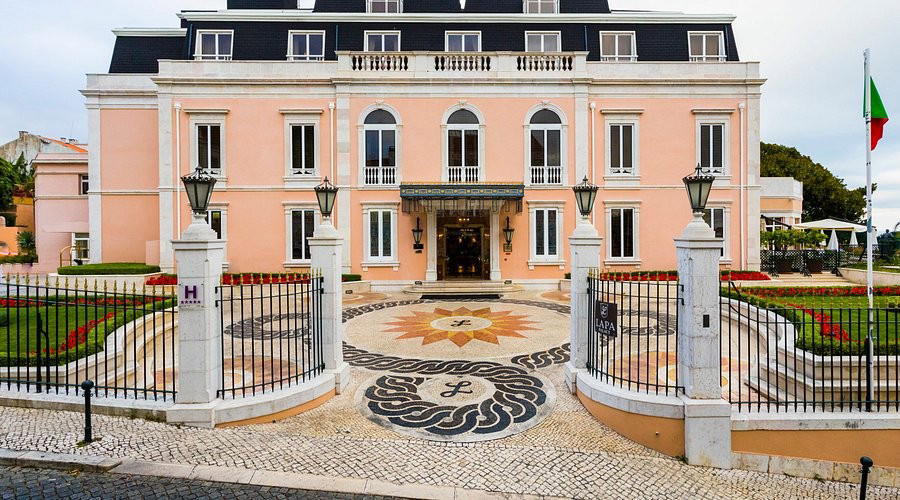
Travessa da Glória is a narrow lane that climbs toward Bairro Alto from the lower grid of Príncipe Real, flanked by the kind of tiled facades and wrought-iron balconies that define Lisbon's domestic architecture rather than its grand civic set pieces. Hotels in this part of the city rarely announce themselves at scale. The address at number 22 follows that pattern, placing Hotel Hotel Lisbon within a district where the built environment already does most of the contextual work before a guest crosses the threshold.
The name itself is worth pausing on. In a city where boutique hotels have multiplied across converted palacetes and former merchant houses throughout the 2010s and 2020s, the decision to call a property Hotel Hotel is a deliberate act of self-reference. It positions the place less as a heritage-restoration project and more as a comment on what a hotel is supposed to be. That framing shapes how the space inside reads.
The Physical Container: Space as Editorial Argument
Lisbon's design-led independents tend to fall into two broad approaches: faithful restoration that foregrounds the original fabric of a building, and interventionist design that uses the historic shell as a contrast surface for contemporary insertions. Hotel Hotel Lisbon operates in this second mode, where the relationship between old structure and new material decisions is the central visual argument of the interior.
In Lisbon's tighter residential conversions, room count is usually low by necessity. Properties along streets like Travessa da Glória work within the footprint of former apartment buildings or town houses, which constrains both key count and room geometry. The effect is a more considered spatial sequence than a purpose-built hotel can offer: corridors that follow the logic of a domestic floor plan, rooms where the ceiling height or window proportion reflects the building's original use rather than a hospitality brief. This is not incidental to the appeal. Guests who choose properties of this type are, in part, choosing to stay inside a particular kind of architectural history.
Michelin's hotel selection process, which awarded Hotel Hotel Lisbon a place on its 2025 Selected list, evaluates properties across categories that include design and atmosphere alongside the more quantifiable hospitality metrics. Inclusion at that level places the property in a competitive set that includes other Lisbon independents where spatial quality and character are primary differentiators rather than amenity breadth. The Michelin Selected designation does not rank hotels against each other numerically; it identifies properties the guide considers worth the attention of its readership, which in the hotel context skews toward guests who treat the stay itself as part of the experience rather than a logistical requirement.
Lisbon's Design Hotel Scene in 2025
The broader context matters here. Lisbon's hotel market has stratified considerably since the tourism surge of the mid-2010s. At one end sit the large international flagships, led by properties like the Four Seasons Hotel Ritz Lisbon and the InterContinental Lisbon, which compete on scale, F&B; programming, and loyalty infrastructure. At the other end, a dense cluster of design-led independents and boutique conversions occupy the city's historic neighbourhoods, competing on character, location, and the quality of individual spaces. The hotel belongs to this second tier, which means its relevant comparable set is not the Sofitel Lisbon Liberdade or the InterContinental Cascais-Estoril but rather properties like AlmaLusa Baixa/Chiado, AlmaLusa Alfama, and Altis Avenida Hotel, each of which brings its own architectural logic to the conversion brief.
Within that peer group, properties distinguish themselves through the specificity of their design decisions rather than through amenity lists. The question a guest asks of the hotel is the same question they might ask of 1908 Lisboa Hotel or A Casa das Janelas Com Vista: does the interior hold up on its own terms?
The Neighbourhood as Extension of the Hotel
Bairro Alto and Príncipe Real together form one of Lisbon's most concentrated zones for independent retail, restaurants, and wine bars. The density of quality options within walking distance of Travessa da Glória means that a property in this location can afford to have a lighter F&B; footprint than a destination hotel would require. Guests eat and drink outside. The hotel's job is to provide a well-considered base from which to do that, and to offer a room that feels worth returning to at the end of the evening.
That geographic logic applies across Lisbon's design-independent tier. Properties like Almaria da Corte Apartments in Chiado, Almaria Ex Libris Apartments, and Almaria Officina Real Apartments work on a similar premise: the neighbourhood absorbs the programming burden that a resort property would have to provide internally.
Planning the Stay
The hotel sits at Travessa da Glória nº22, within walking distance of Príncipe Real's garden square and the western edge of Chiado.
Portugal Beyond Lisbon
Guests extending their Portugal itinerary will find Michelin-listed and design-led properties across the country. In Porto, Palacete Severo offers a comparable independent sensibility. The Alentejo and Algarve bring a different register: The Lince Ecorkhotel in Évora and Palácio de Tavira represent the southern tier. For rural retreats, Ventozelo Hotel and Quinta in the Douro Valley and Vidago Palace in the north offer landscape-integrated alternatives. Coastal options near Lisbon include Sheraton Cascais Resort and Hotel Casa Palmela in Setúbal. Those travelling to the Azores can consider Octant Furnas or Aqua Pópulo in Ponta Delgada.
Side-by-Side Snapshot
Comparable venues nearby, for context on price, style, and recognition.
| Venue | Cuisine | Price | Notes |
|---|---|---|---|
| Hotel Hotel LisbonThis venue — the venue you are viewing | Urban oasis boutique hotel | $$$ | Not listed |
| Montecarmo12 | Historic boutique hotel reimagined with minimalist Portuguese design. | $$$ | Rato |
| Hermitage Castelo - Casa Chafariz | Luxury serviced apartments in a historic building | $$$$ | Madragoa |
| Santa Clara 1728 | 18th-century heritage townhouse revived with forward-thinking design | $$$$ | Santa Apolonia |
| AlmaLusa Alfama | Historic boutique hotel fusing 12th-century architecture with modern Mediterranean design | $$$ | Castelo |
| Convent Square Lisbon, Vignette Collection | Restored 13th-century convent in Lisbon's historic center | $$$$ | Baixa |
Recognition history
Dated appearances from independent guides and award organizations, with the underlying list record or original source where available.
Michelin Selected
Michelin
Continue exploring
More in Lisbon
Hotels in Lisbon
Browse all →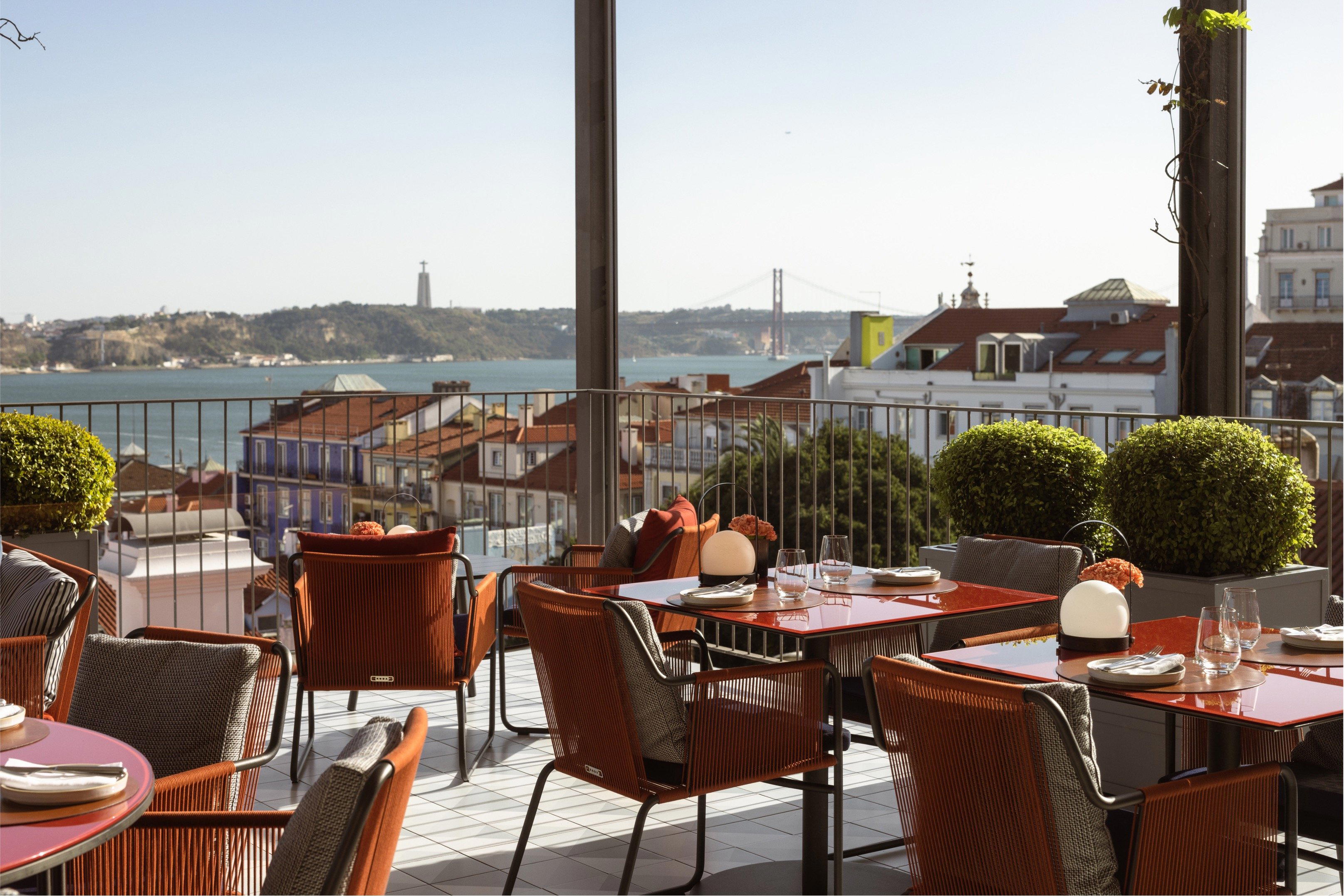
Bars in Lisbon
Browse all →
Restaurants in Lisbon
Browse all →

Wineries in Lisbon
Browse all →
At a Glance
- Modern
- Trendy
- Cozy
- Intimate
- Romantic Getaway
- Weekend Escape
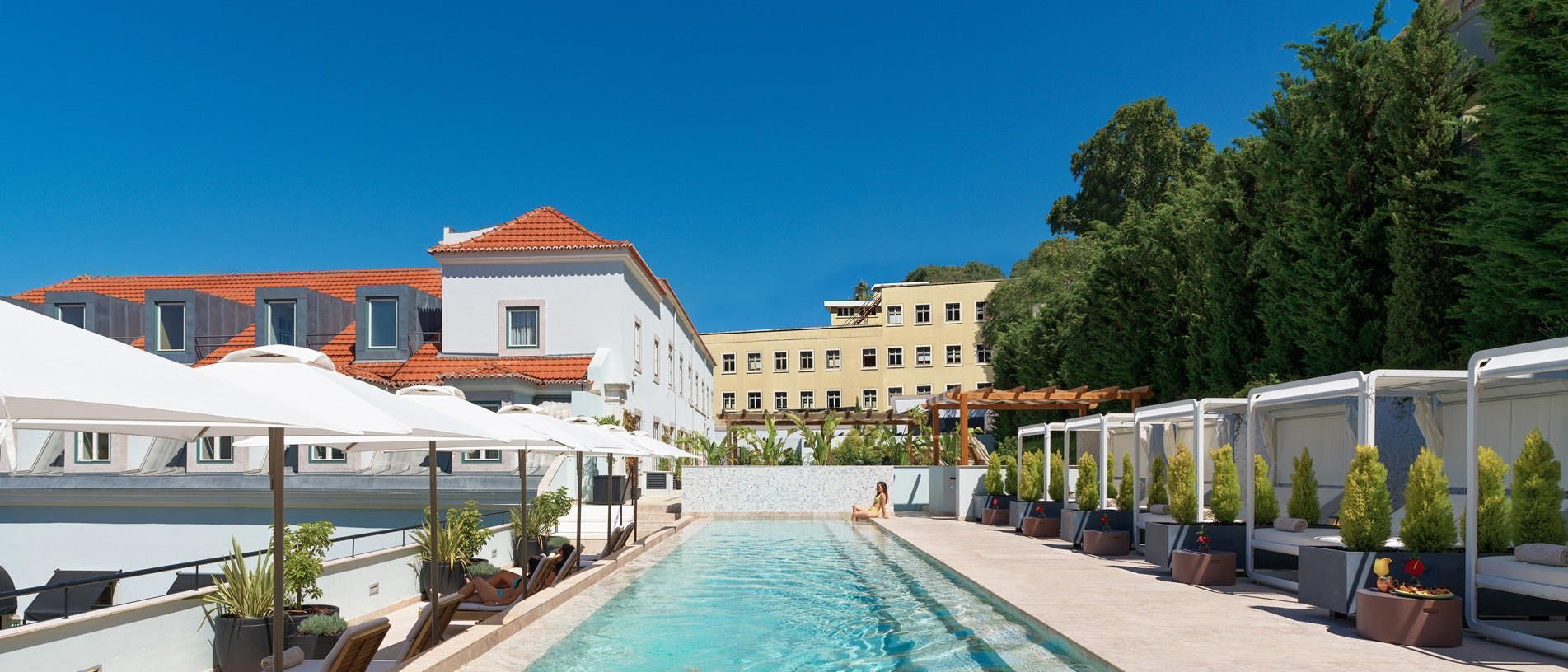
- Rooftop Pool
- Terrace
- Design Destination
- Wi Fi
- Pool
- Room Service
- Concierge
- Air Conditioning
- Wi Fi
- Pool
- Room Service
- Concierge
- Air Conditioning
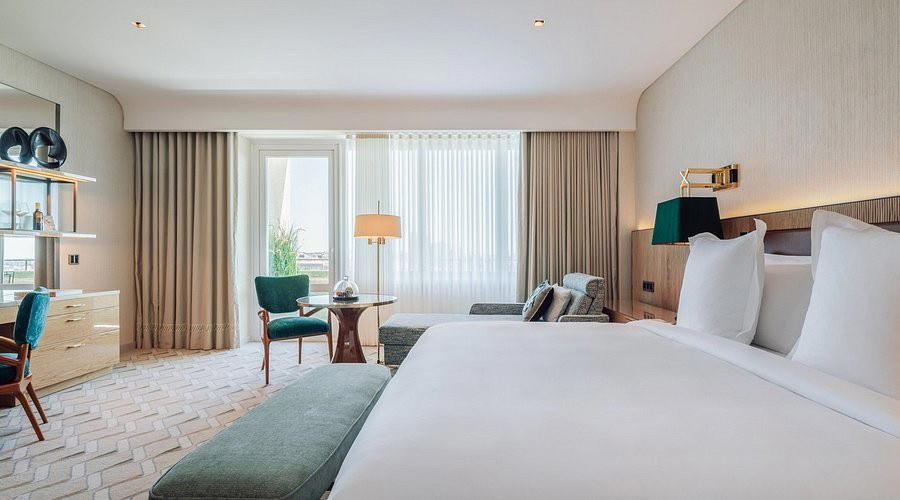
Bright, airy rooms in soothing pastels with warm earthy tones, creating a quiet and comfortable urban retreat.