Hotel De Plesman
Hotel De Plesman sits inside The Hague’s hotel conversation as a design-led city stay rather than a resort escape or canal-house fantasy. With no published public sources for star rating, pricing, awards, chef, or room count, the useful reading is comparative: place it against The Hague’s diplomatic formality, beach-adjacent leisure market, and growing appetite for architecture-forward hotels.
Pearl is the En Primeur Club membership app — saves, bookings, and concierge access live there. Same editors, same standards.
- Address
- The Hague, Netherlands
- Website
- deplesman.com
 Saves & bookings on Pearl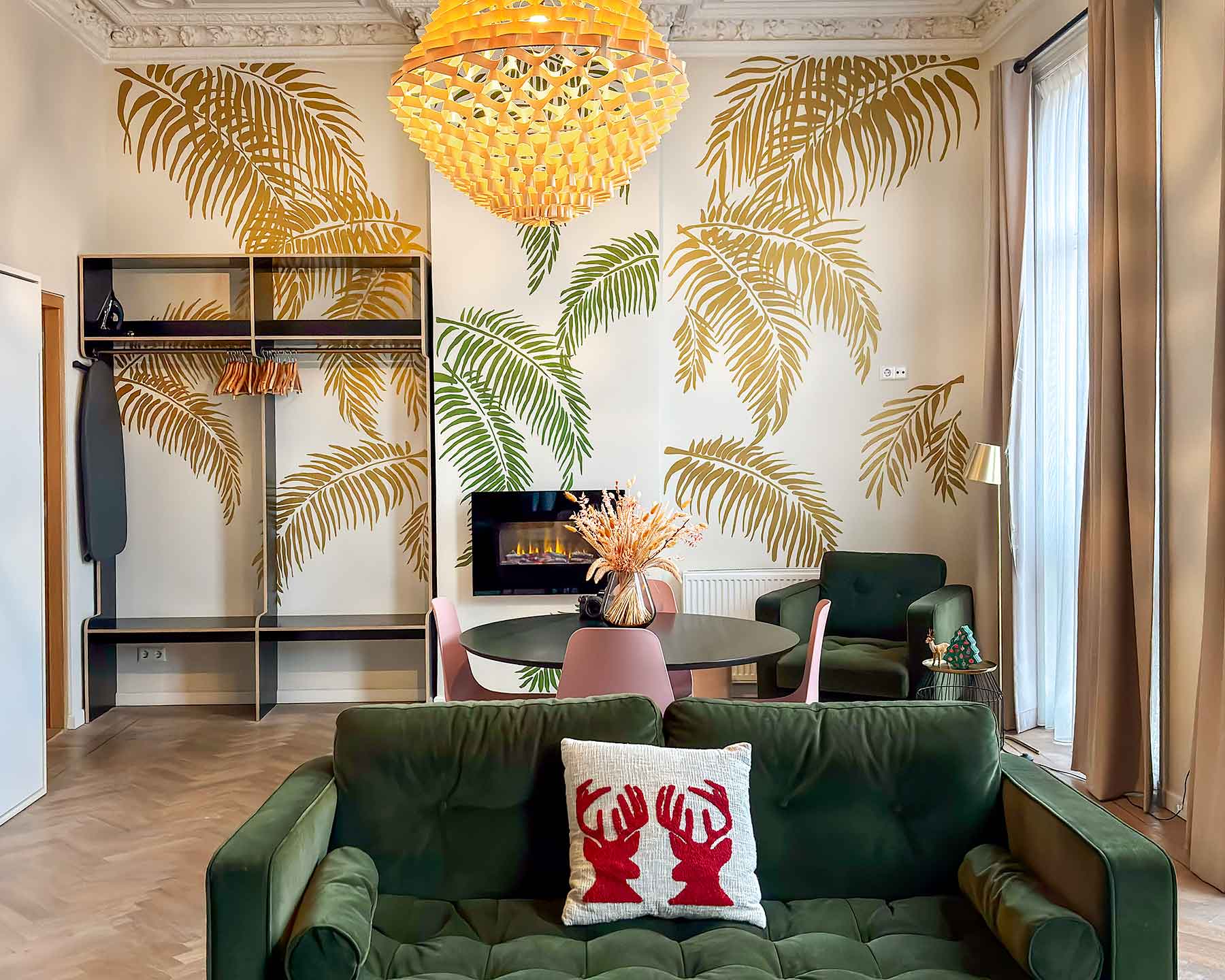
Architecture first in a city that understands ceremony
Approaching a hotel in The Hague is never quite the same as arriving in Amsterdam or Rotterdam. The city has a lower register: embassies behind clipped hedges, government buildings around the Binnenhof, tramlines cutting through orderly streets, and a North Sea horizon that keeps the mood less theatrical than the capital. In that context, Hotel De Plesman belongs to a strand of Dutch hospitality where the building matters as much as the bed. Hotel De Plesman is a 4-star hotel in The Hague with 103 rooms and a price point around $200 per night, so the honest assessment starts with category rather than claims. This is a The Hague hotel to read through architecture, urban character, and comparable set, not through invented amenities or a glossy list of services.
The Hague’s hotel scene splits into several clear groups. There are grand diplomatic addresses, business-friendly central hotels, compact design properties, beach-route stays, and newer lifestyle formats that trade on informality. De Plesman Hotel The Hague sits in the architecture-led end of that spectrum, where the appeal depends on spatial identity and the way the property interprets the city’s composed public life. That matters because The Hague rewards hotels with a sense of civic proportion. Amsterdam can forgive eccentricity; Rotterdam can absorb hard-edged experimentation. The Hague asks for restraint, clarity, and a relationship with institutional scale.
The Hague hotel scene: formality, coast, and design
The city’s accommodation map is shaped by three forces. First, The Hague is the administrative centre of the Netherlands, which gives weekday demand a diplomatic and legal rhythm. Second, the coast at Scheveningen pulls leisure traffic toward the sea, especially in warmer months. Third, the city has been absorbing more design-conscious stays that do not rely on old-world formality. That mix makes hotel choice more strategic than it first appears. A guest selecting a property here is choosing between political-city composure, seaside release, and the quieter pleasure of Dutch urban design.
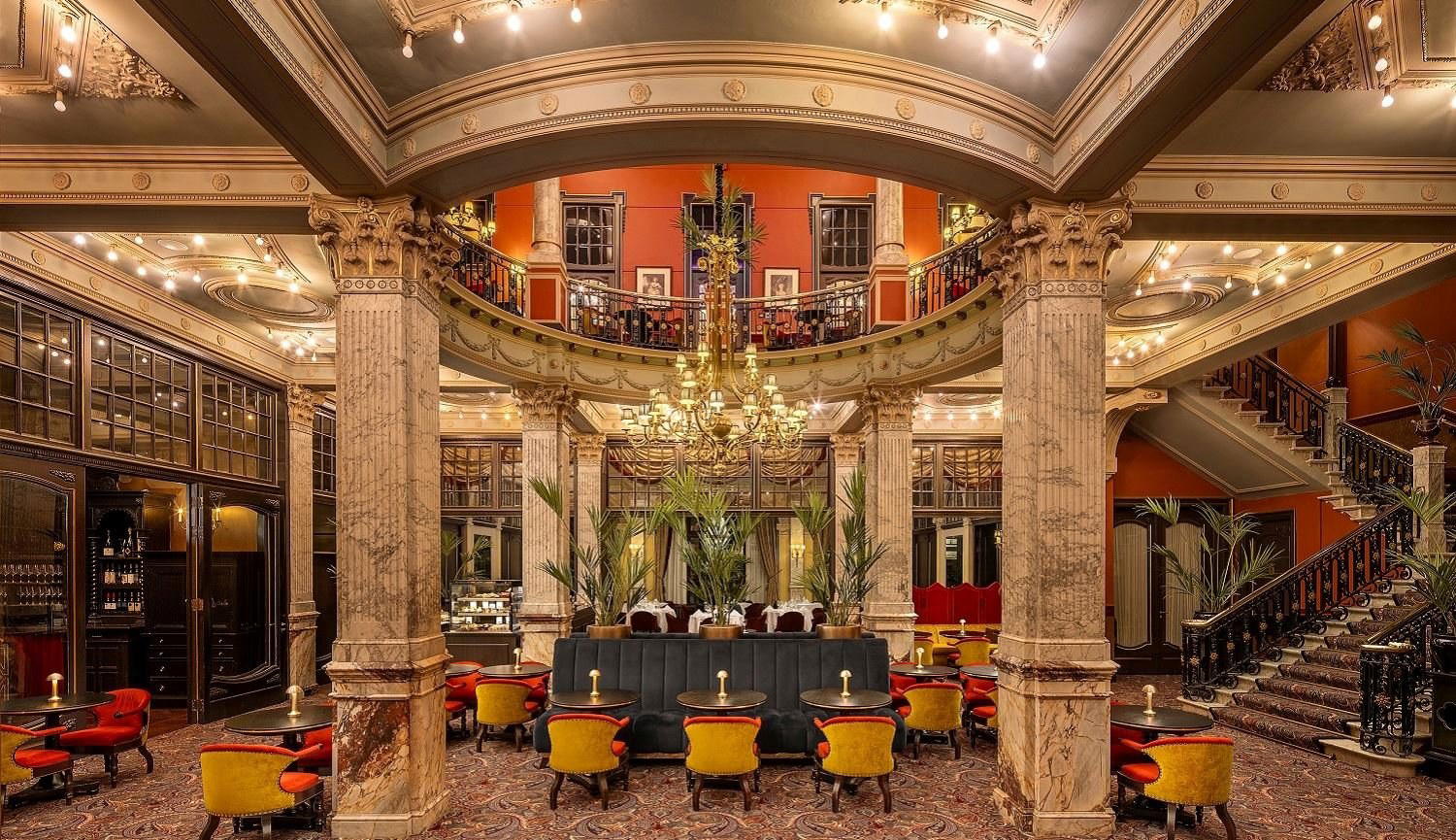
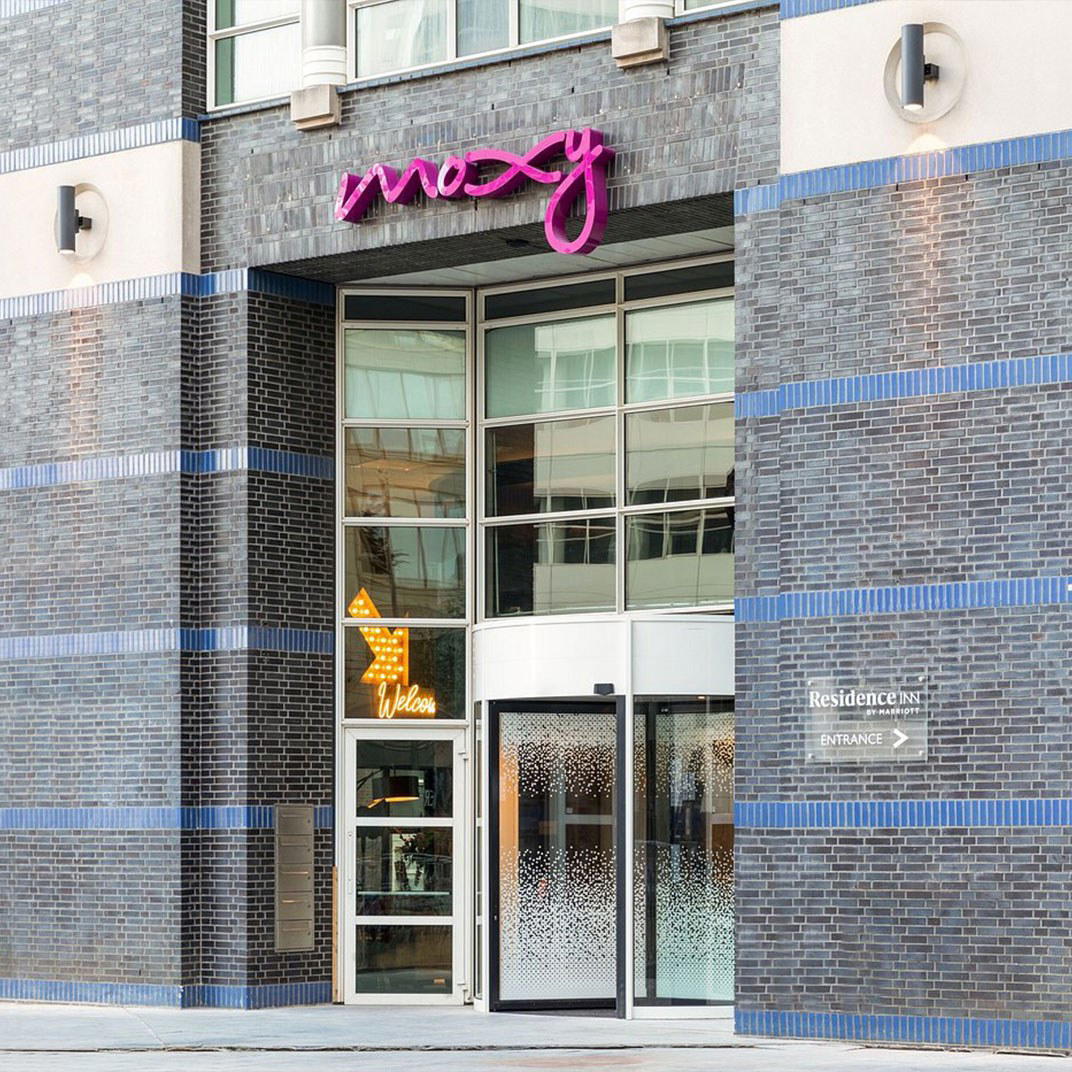
For comparison, Hotel des Indes represents the ceremonial side of The Hague: the sort of address that suits guests who want the city’s diplomatic history close to the surface. Moxy The Hague belongs to a different lane, with the international lifestyle-hotel language of efficiency, social lobby energy, and less emphasis on local gravitas. Park Centraal Den Haag and The Collector broaden the middle of the market, where location, design attitude, and ease of use tend to matter more than formal service rituals. Townhouse Den Haag points to the smaller-scale city-stay category. Against that spread, Hotel De Plesman reads as a property for travellers who care about the physical frame of the stay: corridors, volume, materials, public rooms, and the way a hotel converts civic presence into overnight use.
Why architecture changes the stay
Design-led hotels are often discussed too loosely, as though a colour palette or handsome lobby were enough. In The Hague, architecture has a more specific job. It mediates between privacy and public life. The city’s strongest hospitality addresses often feel connected to institutions, parks, embassies, museums, or routes toward the coast. The question is not whether a hotel looks dramatic in photographs, but whether its spaces support the tempo of the place: morning meetings, measured dinners, museum hours, beach detours, and late returns through quiet streets.
Hotel De Plesman’s available database entry is sparse, which prevents claims about rooms, restaurants, designers, or heritage detail. That limitation is useful for a critical reader. Instead, the meaningful point is market position. The hotel belongs in the conversation for travellers comparing The Hague stays by architectural identity rather than by resort inventory. It is a different decision from choosing a compact urban base, a heritage grand hotel, or a brand-led lifestyle property.
This is where The Hague differs from many European city breaks. The hotel does not need to compete with the city by staging constant spectacle. The surrounding destination already provides heavyweight cultural context: the Mauritshuis for Dutch painting, the Peace Palace for international law, the Binnenhof area for political memory, and Scheveningen for the coast. A hotel with architectural self-possession can work well here because the city rewards intervals of calm between formal appointments and cultural visits.
Food, drink, and the limits of the record
The record for Hotel De Plesman lists no cuisine type, chef name, signature dishes, hours, or awards. That absence should shape expectations. The hotel should not be chosen on the basis of an unverified restaurant claim, and no serious editorial page should invent a menu or kitchen identity to make the property sound fuller. In The Hague, dining decisions are often better made at neighbourhood level: city-centre restaurants for cultural itineraries, Scheveningen for sea-facing meals, and embassy-district addresses for quieter evenings.
The city’s restaurant rhythm is not the same as Amsterdam’s volume-driven scene. It has a more distributed pattern, with diplomatic dining, Indonesian influence tied to Dutch colonial history, contemporary European kitchens, and coastal seafood all playing roles.
Who should choose this kind of hotel
The stronger case for the hotel is not generic luxury. It is fit. The property makes sense for travellers who want The Hague to feel like The Hague: controlled, architectural, civic, and close to the Netherlands’ quieter version of international importance. It is less suited to travellers who judge a stay mainly through published resort-style amenities, chef-led dining credentials, or a confirmed awards trail, because those details are not present in the record.
That distinction is practical. A design-oriented guest may value the building and public-space experience more than a long facilities list. A business traveller may care about composure and access to the city’s institutional rhythm. A culture-focused weekend guest may want a hotel that does not drown out museum days and coastal walks. A nightlife-first visitor may be better served by comparing locations and bar access before committing. The right choice depends on how the traveller expects to use the room: as a retreat between appointments, as a design object, as a base for the city, or as a full-service destination in itself.
How it compares with Dutch design stays beyond The Hague
The Netherlands has become especially good at adaptive hospitality: former institutional buildings, estate houses, waterside properties, and compact city hotels converted into contemporary stays. That national context helps explain why an architecture-led hotel in The Hague has a plausible audience. The Dutch market is not only about canal houses and business hotels. It includes rural calm, coastline formality, airport efficiency, and city-centre design.
For a softer rural register, Op Oost in Oosterend offers a different reading of Dutch hospitality, tied to island scale rather than administrative-city poise. De Durgerdam in Amsterdam shows how a waterside setting can turn small-scale architecture into the main event. Kasteel Daelenbroeck in Herkenbosch places the stay inside a castle framework, while Room Mate Bruno in Rotterdam belongs to the bolder urban-design conversation of the port city. Weeshuis Gouda in Gouda and Pillows Grand Boutique Hotel Ter Borch Zwolle in Zwolle suggest how smaller Dutch cities can support hotels with a strong building narrative.
Coastal and estate comparisons are also useful. Grand Hotel Huis ter Duin in Noordwijk aan Zee belongs to the grand seafront tradition, a different proposition from a city architecture stay. Landgoed Duin en Kruidberg in Santpoort Noord points toward estate-house hospitality, while Klein Zwitserland in Slenaken operates in a range of hills, dining, and retreat. Urban alternatives such as MUZE Hotel Utrecht in Utrecht City and citizenM Schiphol Airport in Schiphol demonstrate the other poles of the market: intimate city culture on one side, precision transit efficiency on the other.
International reference points
For readers used to grand European hotels, the right comparison is not about matching palace service or scale. It is about understanding how a building can define the emotional register of a stay. The Fifth Avenue Hotel in New York City uses maximal urban personality in a dense cultural district. Hôtel de Paris Monte-Carlo in Monte Carlo belongs to a casino-square tradition of European theatre and status. Badrutt's Palace Hotel in St. Moritz carries alpine seasonality and palace-hotel ritual. The Hague does not play that game. Its better hotels tend to work through control, location, and architectural credibility rather than spectacle.
That is the editorial reason the hotel is worth assessing carefully. A hotel in this city can be compelling without announcing itself loudly. The richer question is whether the property’s physical identity suits a traveller’s reading of The Hague. For those seeking flamboyance, other European capitals offer louder choices. For those drawn to a city where institutions, museums, parks, and the sea sit within a compact travel pattern, an architecture-forward hotel can feel aligned with the destination’s grain.
Planning the stay
Planning should be handled through current official channels or a trusted travel adviser before dates are fixed. Advance booking is sensible for The Hague during parliamentary weeks, international legal events, school holidays, and warm-weather periods when Scheveningen increases leisure demand across the city. Price comparison also matters: without a published EP Club price range, the meaningful check is against nearby design hotels, grand hotels, and lifestyle properties for the same dates rather than against a generic Dutch average.
Location should be verified before confirming, especially if the itinerary includes the Mauritshuis, the Peace Palace, Scheveningen, or rail links to Amsterdam, Rotterdam, Leiden, and Delft. The Hague is manageable, but it is not a single-node city; a hotel that is ideal for institutions may be less convenient for beach time, and a beach-oriented stay may add friction to museum days. Use the city’s hotel guide to compare the hotel types in one place before pairing the property with dining and cultural plans.
Comparable venues nearby, for context on price, style, and recognition.
| Venue | Cuisine | Price | Awards | Notes |
|---|---|---|---|---|
| Hotel De PlesmanThis venue — the venue you are viewing | Boutique design hotel in a restored 1939 aviation landmark with a strong sense of place between city and sea. | $$$ | 4-Star | Not listed |
| Park Centraal Den Haag | Historic Art Deco hotel with modern renovations preserving 160-year heritage | $$$ | 4-Star | Hofkwartier |
| Moxy The Hague | Playful urban hotel in the old city with stylish communal spaces. | $$ | 4-Star | The Hague City Center |
| The Collector | Chic boutique hotel with characterful courtyard oasis in city center | $$$$ | 4-Star | Haagsche Bluf |
| Townhouse Den Haag | Boutique townhouse-style hotel feeling like a stylish home away from home | $$ | 4-Star | City Center |
| Hotel des Indes | Historic luxury with contemporary comforts | $$$$ | 5-Star | Lange Voorhout |
Continue exploring
More in The Hague
Hotels in The Hague
Browse all →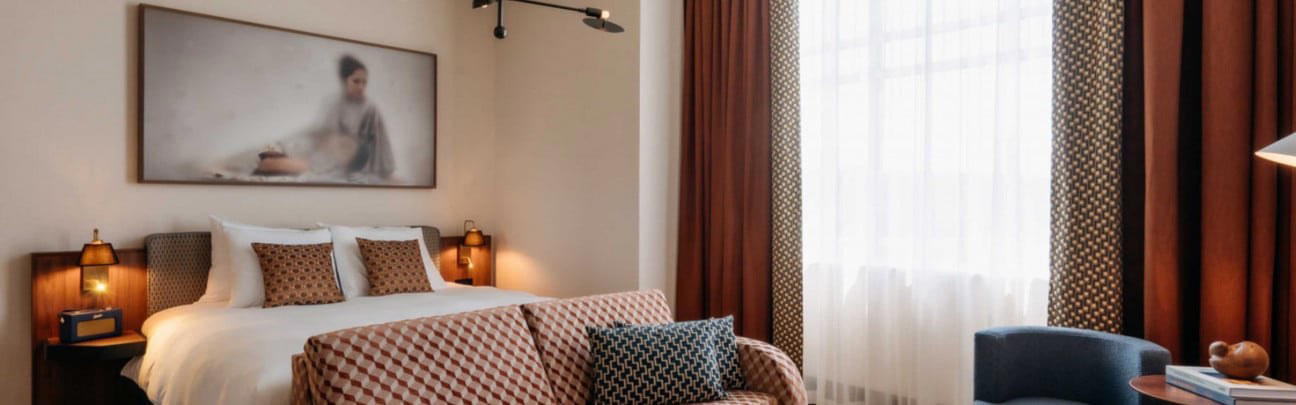
Bars in The Hague
Browse all →
Restaurants in The Hague
Browse all →
Wineries in The Hague
Browse all →
At a Glance
- Modern
- Classic
- Elegant
- Well Known
- Sophisticated
- Weekend Escape
- Business Trip
- Romantic Getaway
- Group Retreat
- Family Vacation
- Celebration
- Historic Building
- Design Destination
- Garden
- Terrace
- Panoramic View
- Wi Fi
- Fitness Center
- Spa
- Pool
- Room Service
- Concierge
- Business Center
- Laundry Service
- Meeting Rooms
- EV Charging
- Bicycle Rental
- Garden
- Street Scene
- Wi Fi
- Fitness Center
- Spa
- Pool
- Room Service
- Concierge
- Business Center
- Laundry Service
- Meeting Rooms
- EV Charging
- Bicycle Rental
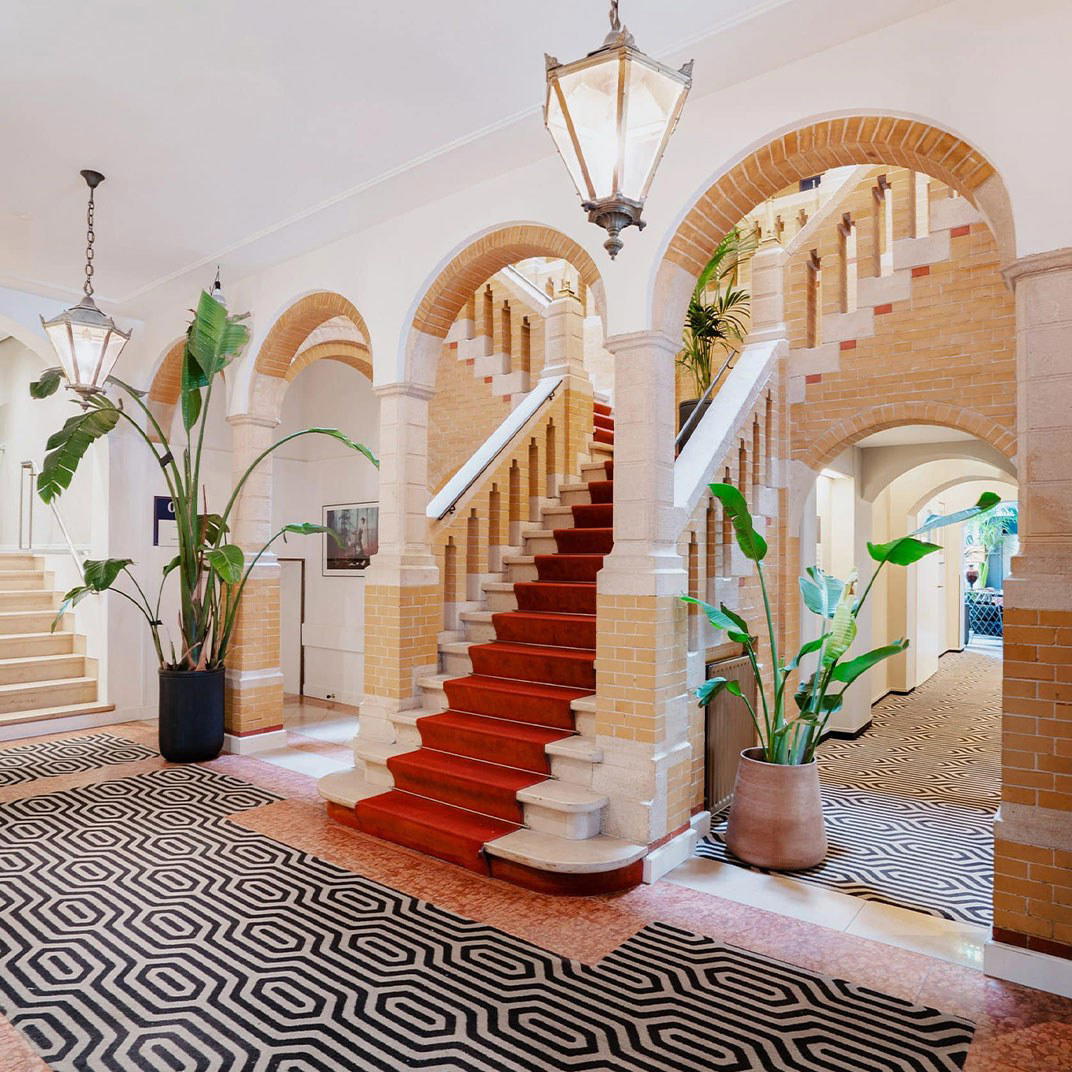
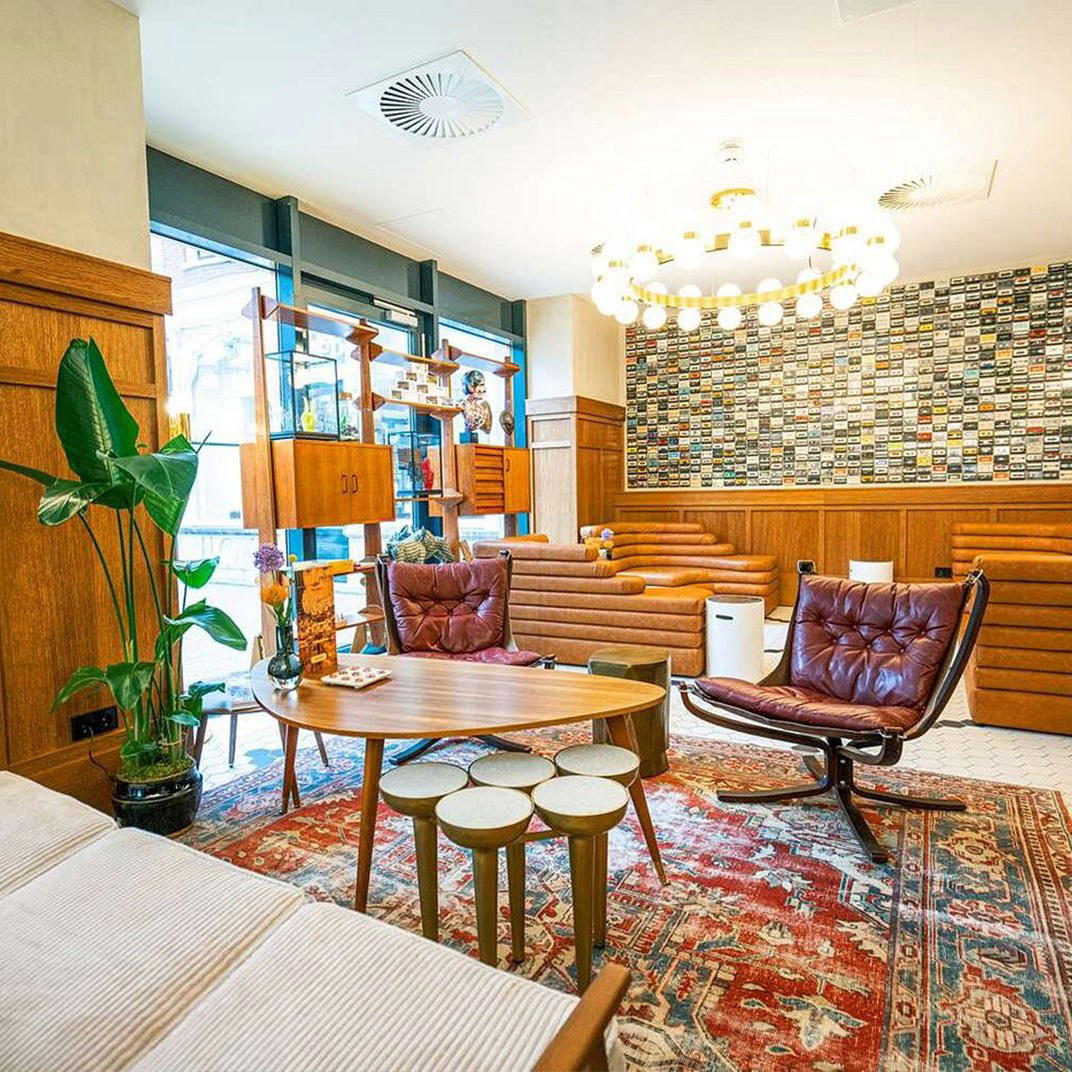
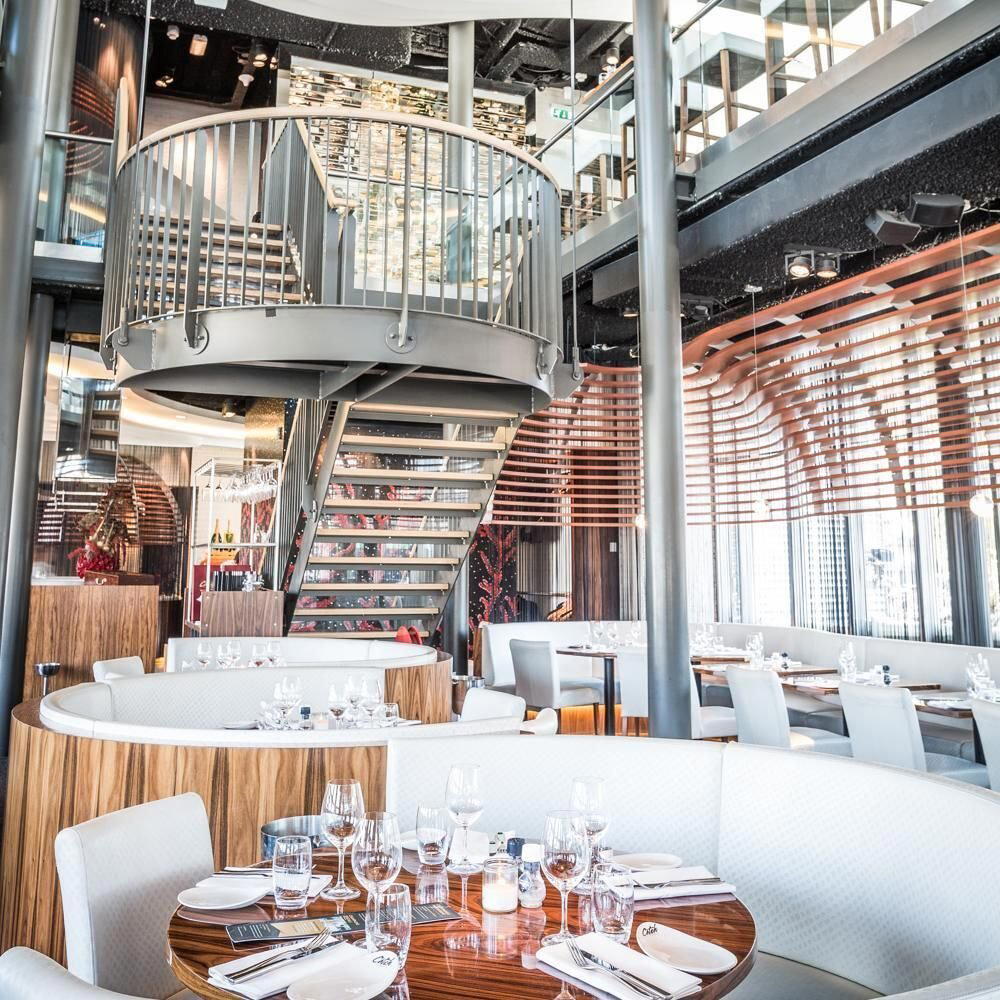
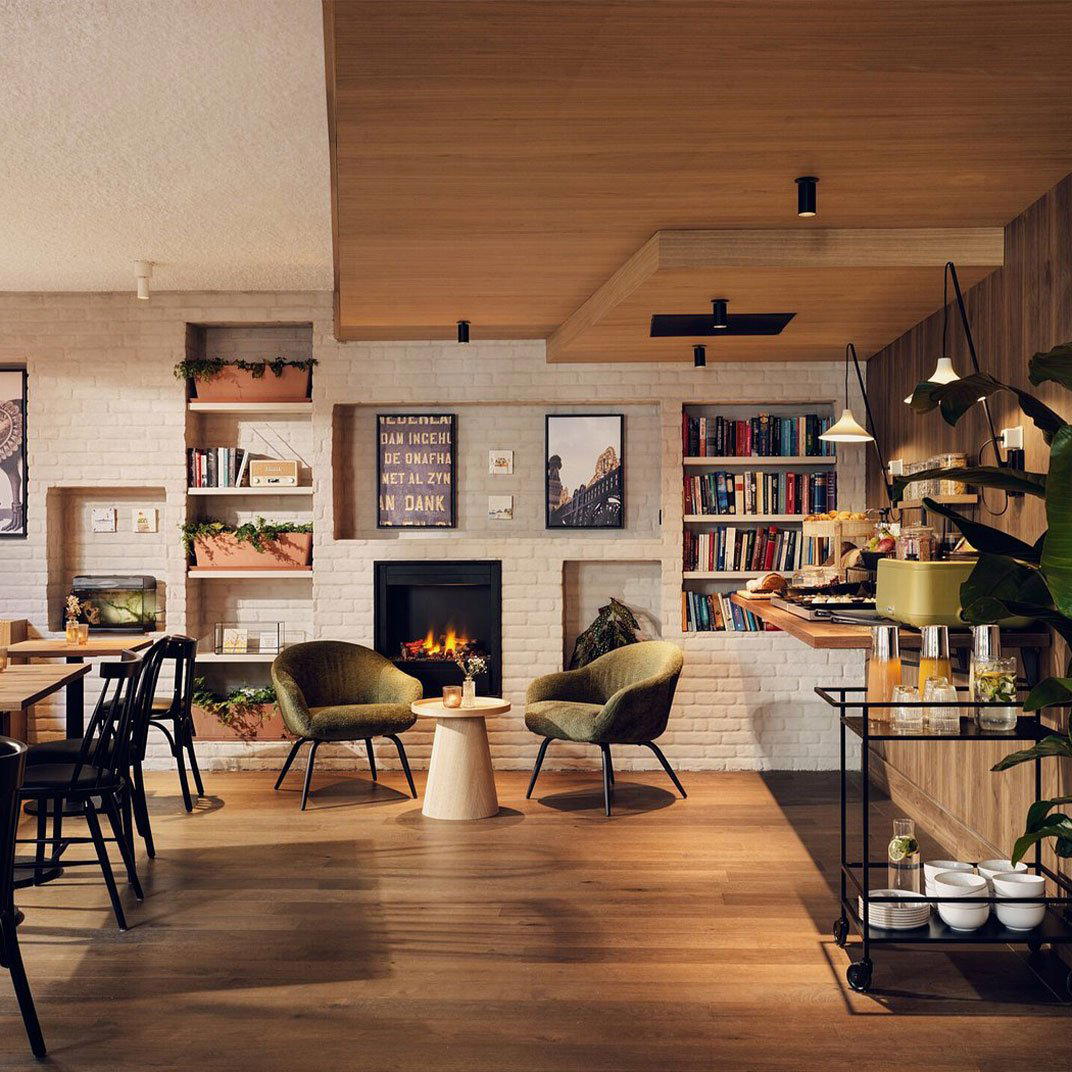
Calm, upscale and design‑driven, with high ceilings, abundant natural light, modern art and restored original details that create a warm yet sophisticated aviation‑themed atmosphere.