Hotel Byron


Hotel Byron occupies an Art Nouveau villa on Forte dei Marmi's most fashionable stretch of coast, with 47 rooms and suites across a range of categories and a Michelin-starred restaurant, La Magnolia, at its centre. The property belongs to a small comparable set of historic Versilian addresses that trade on discretion and setting over scale. It is the dining programme, anchored by that Michelin star, that sharpens Byron's identity within the town's competitive hotel market.
Pearl is the En Primeur Club membership app — saves, bookings, and concierge access live there. Same editors, same standards.
- Address
- Viale A. Morin, 46
- Phone
- +39 0584 787052
- Directions
- Get directions
 Saves & bookings on Pearl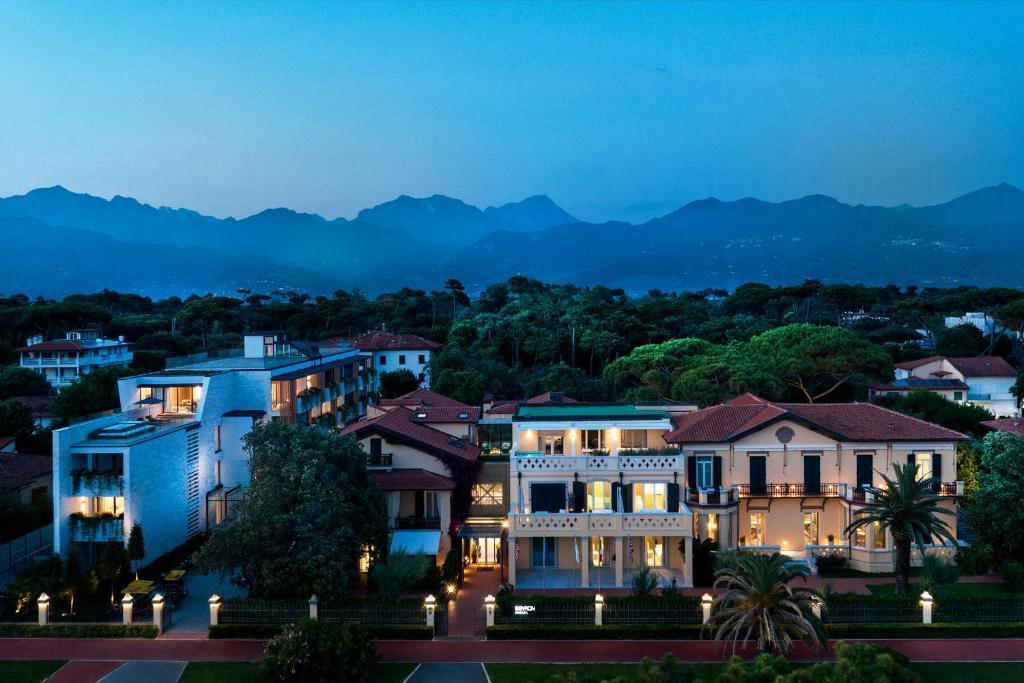
Forte dei Marmi and the Hotel That Helped Define It
The Versilian coast has long operated on a particular logic: small, carefully controlled, expensive. Forte dei Marmi sits at the centre of that logic, a town of roughly twelve thousand permanent residents that draws a disproportionate share of Italy's monied summer set, Milanese industrialists, Roman professionals, and a steady international contingent who return year after year not because the place surprises them but because it doesn't. The sandy beach is wide, the Apuan Alps provide a dramatic rear backdrop, and the social rituals are as codified as those of any comparable resort on the Côte d'Azur. What distinguishes Forte dei Marmi from flashier alternatives further south is a studied restraint: the boutiques are serious, the restaurants are considered, and the hotels that endure are the ones that understand their role as stage-sets for a specific kind of Italian summer.
Hotel Byron is a five-star hotel on Viale A. Morin, 46, in Forte dei Marmi. The villa was built for José "Pepito" Ceferino Canevaro, Duke of Zoagli, a figure whose appetite for sophisticated living shaped the property's bones. That original architectural intention, Art Nouveau detailing, a domestic scale that resists the institutional feel of grander resort hotels, has persisted through successive incarnations, and today it situates Byron in the same conversation as Hotel Principe Forte dei Marmi and Grand Hotel Imperiale: properties where the architecture and the season's social calendar carry roughly equal weight. Simpler options like Pensione America and Villa Roma Imperiale serve a different function in the town's accommodation range, the competitive set Byron sits in is the upper tier, where the room count stays small and the finish stays meticulous.
La Magnolia: The Michelin Star as Editorial Statement
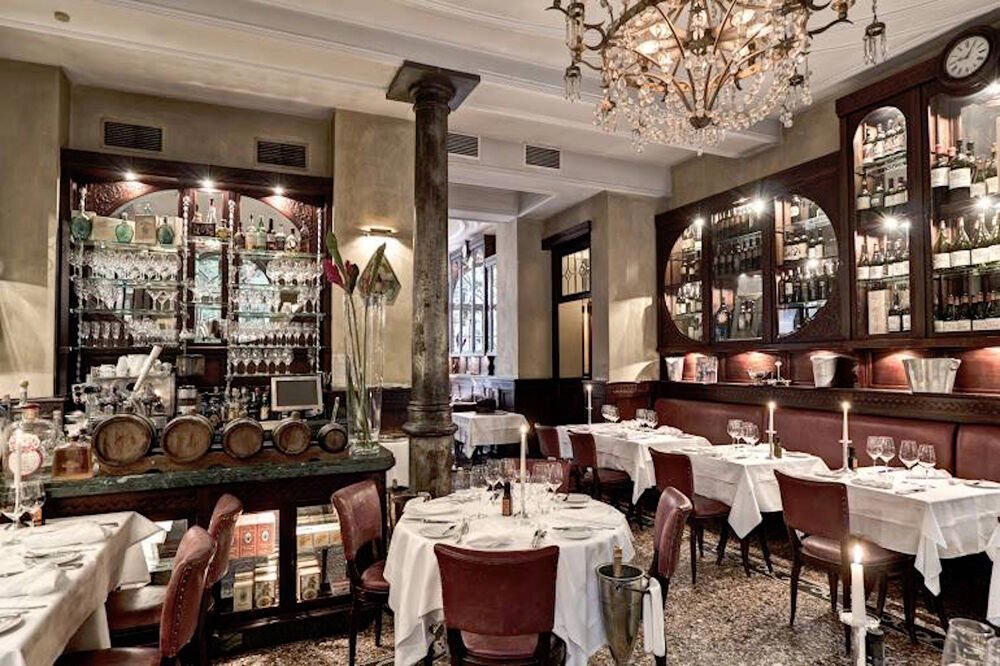
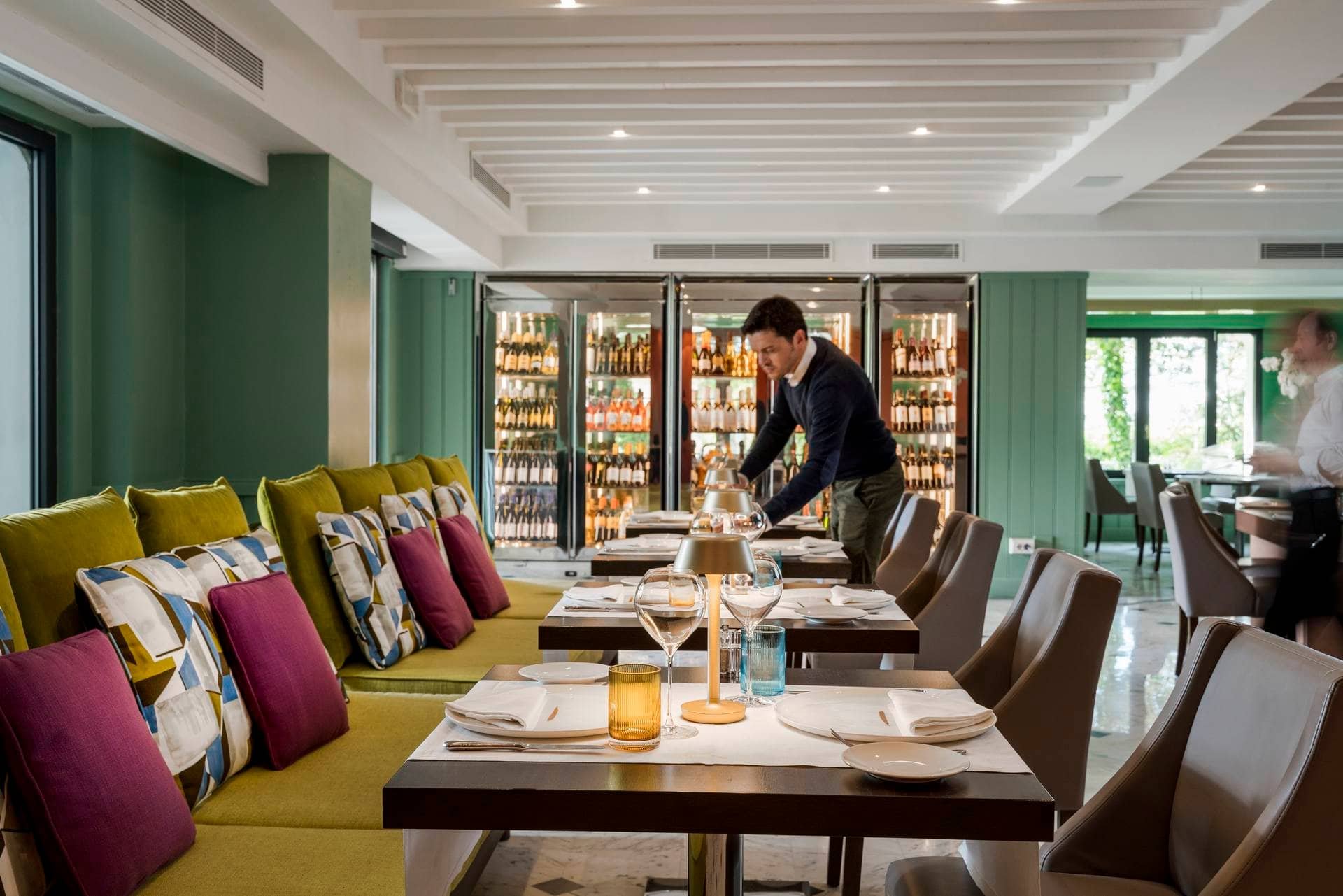
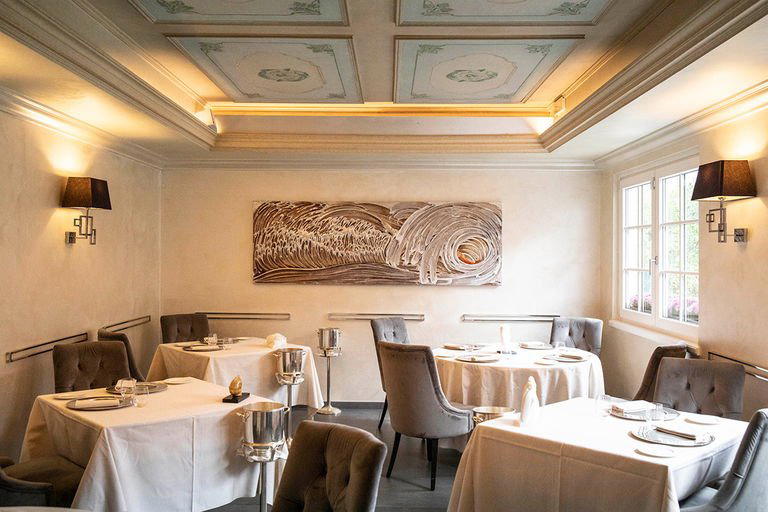
In Italian resort hotels, the restaurant is often an afterthought, a service obligation dressed up in white linen. Forte dei Marmi's better hotels have resisted that pattern, and Byron's La Magnolia is the clearest evidence. The restaurant holds a Michelin star, a credential that sharpens the property's identity considerably and positions it in a different tier from competitors whose dining programmes function purely as convenience. At this level of Italian resort cooking, the Michelin recognition signals not just technique but a commitment to sourcing and seasonal discipline that the star system, whatever its limitations, still reliably indicates.
The kitchen at La Magnolia works at the intersection that defines contemporary Tuscan fine dining: classical tradition as structure, modern technique as the editing tool. This is the approach that has defined the region's most serious restaurants over the past two decades, and it connects Byron's dining programme to a broader shift in how Versilian hotels position themselves, less reliant on the beach monopoly, more committed to earning guests who would otherwise choose a city property for the food alone. The Michelin star is not an anomaly in this market; it is the necessary cost of entry if a Forte dei Marmi hotel wants to compete on culinary terms with the properties that have made dining a reason to book.
Rooms, Scale, and What 47 Keys Implies
At 47 rooms and suites, Byron occupies a deliberate middle position: larger than the intimate villa-hotel format, smaller than the resort complexes that dominate the Italian Riviera's volume end. That count allows for a range of accommodation categories, Classic through to Prestige Suite, Apuane Suite, Family Suite, and Penthouse Suite, without the property losing the residential feeling that the Art Nouveau villa format generates almost automatically. Some rooms carry balconies; some offer sea views. The suite hierarchy runs deep enough to give returning guests clear upgrade paths across multiple visits, which is characteristic of Forte dei Marmi's loyal repeat clientele rather than its transient summer traffic.
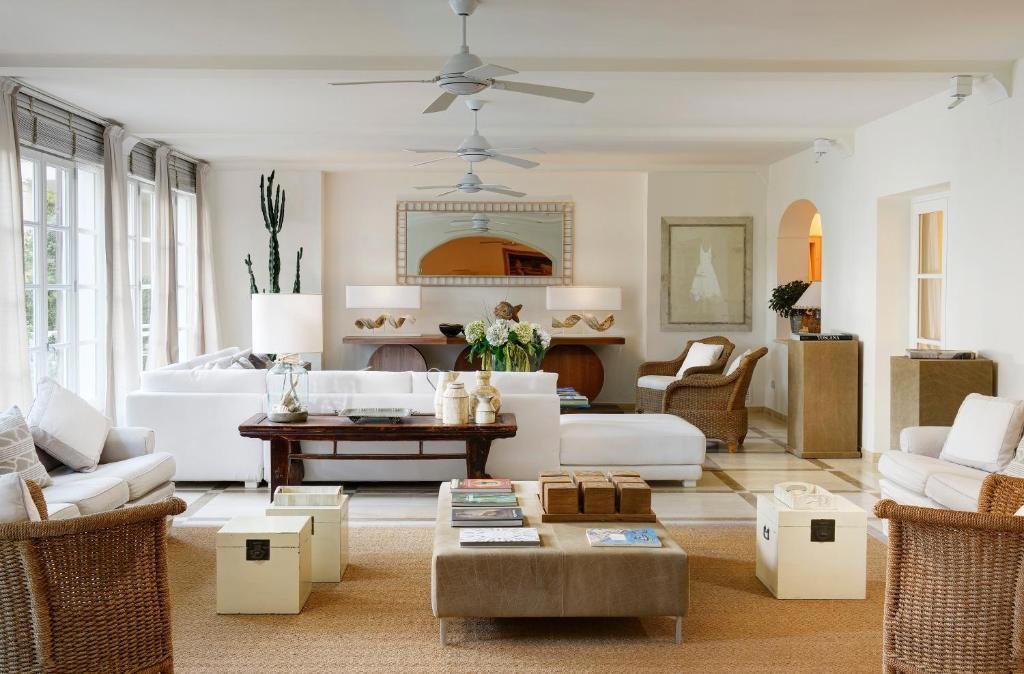
The Art Nouveau setting gives the interiors a period coherence that more recently built luxury hotels tend to simulate rather than inherit. Colors, materials, and scale decisions were made within a specific early-twentieth-century design vocabulary, and the property has maintained that vocabulary rather than overlaying it with a contemporary refit. This is an aesthetic choice with genuine consequences for the guest experience: the rooms feel furnished rather than installed, the kind of distinction that takes years rather than money alone to achieve. Compare this approach to how Italian small luxury operates at properties like Castello di Reschio in Lisciano Niccone or Casa Maria Luigia in Modena, where the residential architecture is similarly central to the experience rather than decorative.
Byron in the Italian Luxury Hotel Conversation
The benchmark for Italian hotel dining at stronger examples from the market has been set by a handful of properties that made their restaurants the primary reason to stay: Four Seasons Hotel Firenze in Florence, Borgo Egnazia in Savelletri di Fasano, Il Pellicano in Porto Ercole, and Rosewood Castiglion Del Bosco in Montalcino among them. Hotel Byron does not operate at the same scale as those properties, but La Magnolia's star places it in a credible conversation about hotel restaurants that earn their own attention. On Italy's resort coast, that puts Byron in a select peer group alongside places like Borgo Santandrea in Amalfi Coast, Il San Pietro di Positano in Positano, and Bellevue Syrene 1820 in Sorrento, properties where the architectural setting and the culinary programme carry roughly equal weight in the decision to book.
For travellers building an Italian itinerary around properties with genuine culinary depth, other reference points include Passalacqua in Moltrasio, JK Place Capri in Capri, Bulgari Hotel Roma in Rome, Portrait Milano in Milan, Borgo San Felice Resort in Castelnuovo Berardenga, Castel Fragsburg in Merano, Corte della Maestà in Civita di Bagnoregio, and Aman Venice in Venice. Outside Italy, comparable formats where heritage architecture and serious food share the agenda include Aman New York in New York City, The Fifth Avenue Hotel in New York City, and Amangiri in Canyon Point.
Planning a Stay
Hotel Byron sits on Viale A. Morin, 46, in the centre of Forte dei Marmi, within walking distance of the beach, the main boutique streets, and the town's nightlife corridor. Forte dei Marmi's high season runs from late June through August, when the town operates at full pressure and the better hotels fill through repeat bookings and advance reservation rather than walk-in availability. The shoulder months, May, June, and September, offer the same setting at a quieter register, with the Apuan Alps particularly clear in the autumn light.
Cost and Credentials
Comparable venues nearby, for context on price, style, and recognition.
| Venue | Cuisine | Price | Awards | Notes |
|---|---|---|---|---|
| Hotel ByronThis venue — the venue you are viewing | Not listed | $$$$ | 5-Star | Not listed |
| Grand Hotel Imperiale | Not listed | $$$$ | 5-Star | Forte dei Marmi, Luxurious seaside retreat surrounded by pine woods with private beach access. |
| Villa Grey | Not listed | $$$$ | 4-Star | Forte dei Marmi seafront, Renovated 20th-century beachfront villa with historic Versilian charm. |
| Villa Roma Imperiale | Not listed | $$$$ | 4-Star | Roma Imperiale, Classic Italian villa in private park |
| Pensione America | Not listed | $$$$ | Michelin 1 Key | Forte dei Marmi, Historic villa with timeless Italian elegance and contemporary comfort. |
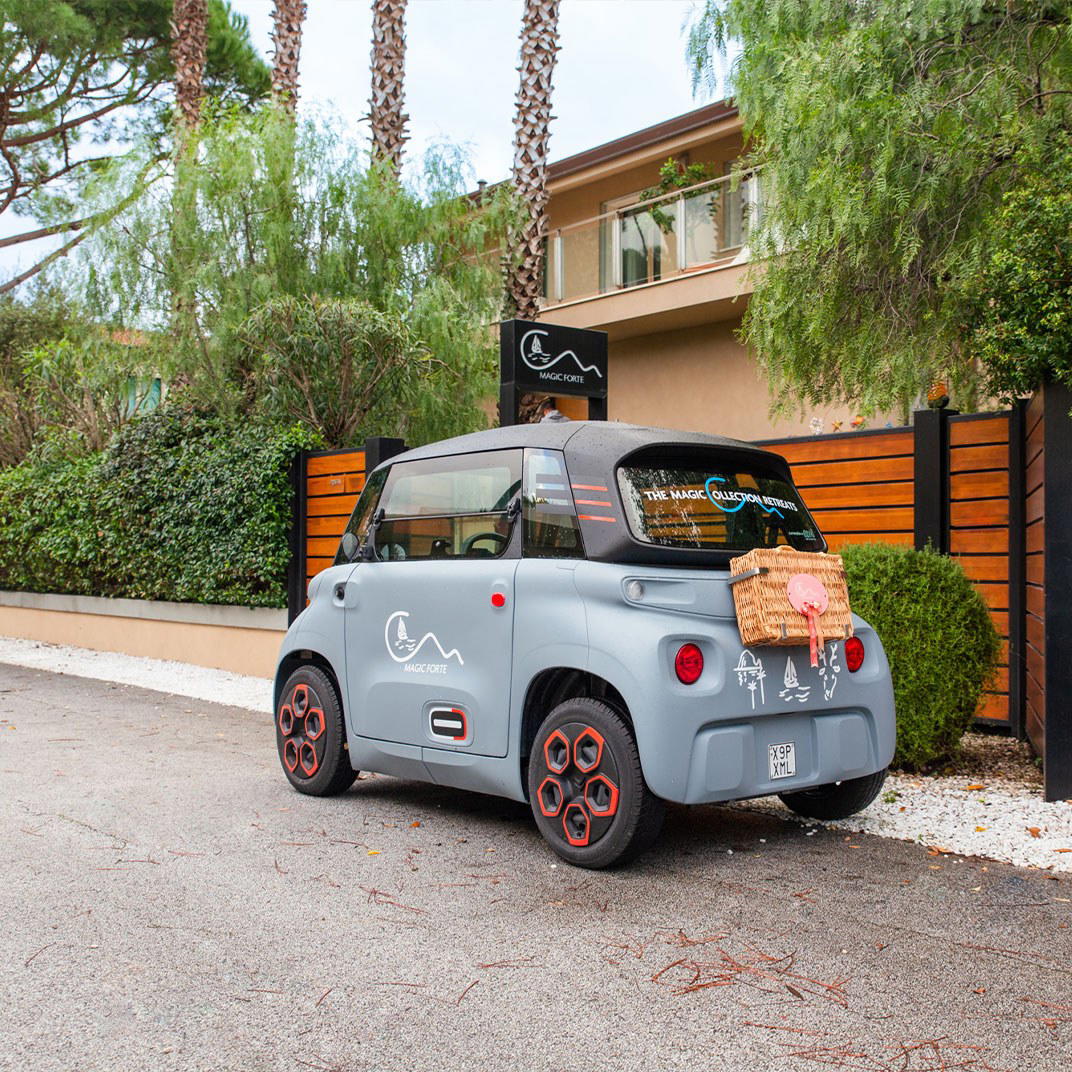
| The Magic Forte dei Marmi | Forte dei Marmi, Contemporary art villa | $$$$ | Not listed | Not listed |
Recognition history
Dated appearances from independent guides and award organizations, with the underlying list record or original source where available.
Virtuoso Luxury Hotel Partner
Virtuoso
Michelin Selected
Michelin
Continue exploring
More in Forte dei Marmi
Hotels in Forte dei Marmi
Browse all →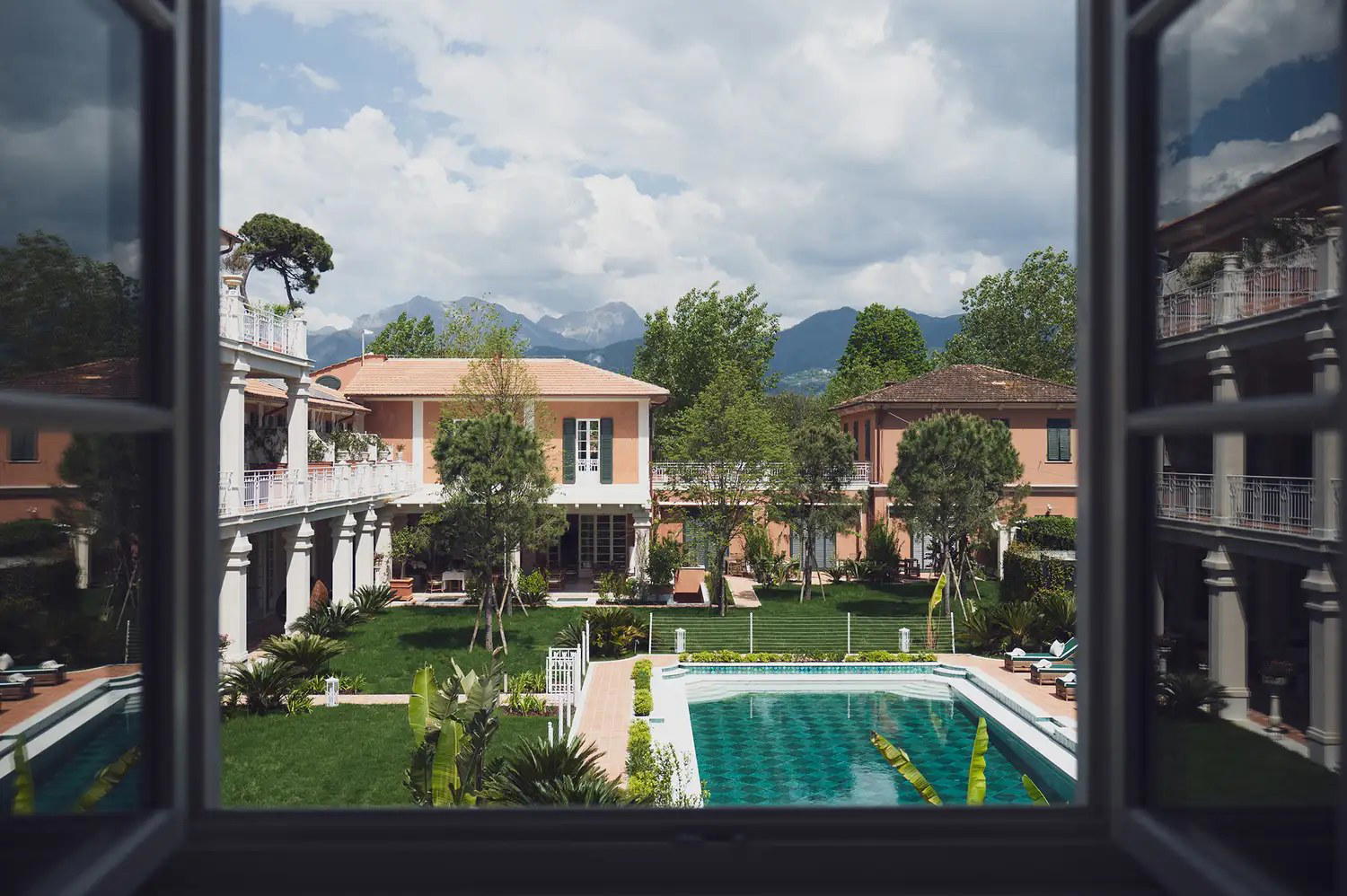
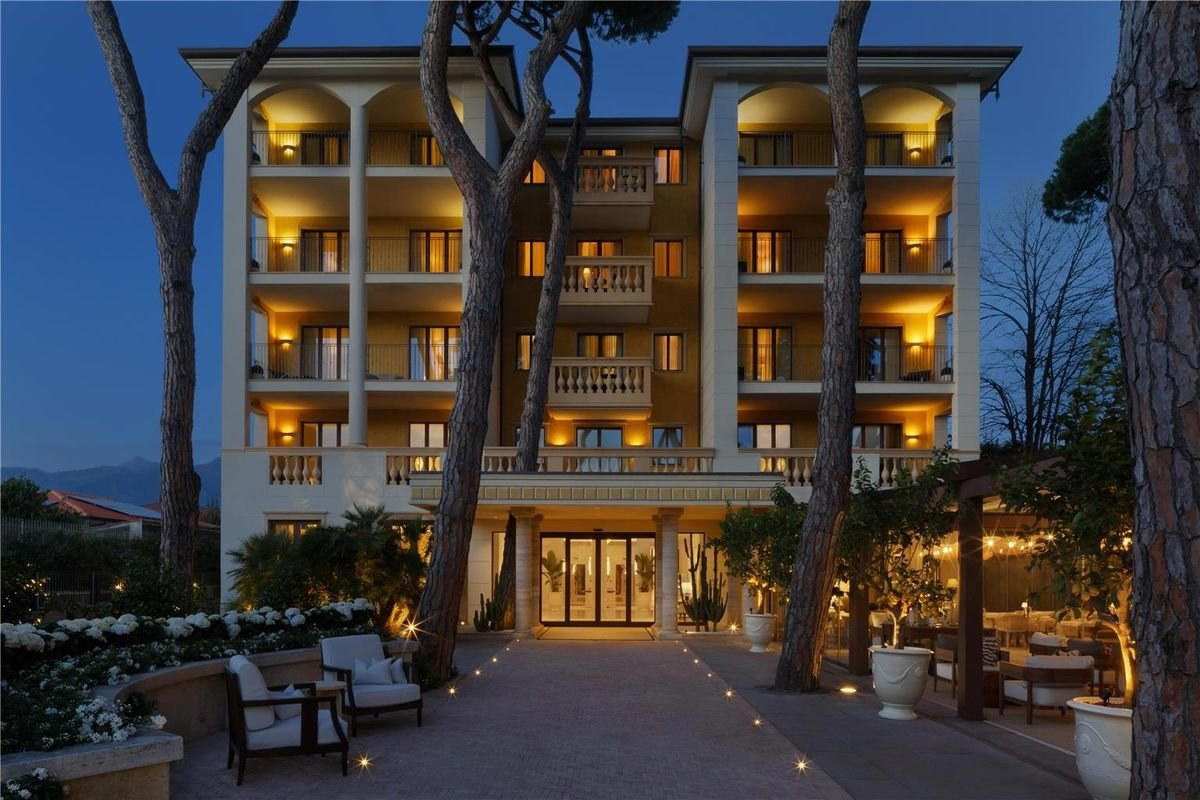
Bars in Forte dei Marmi
Browse all →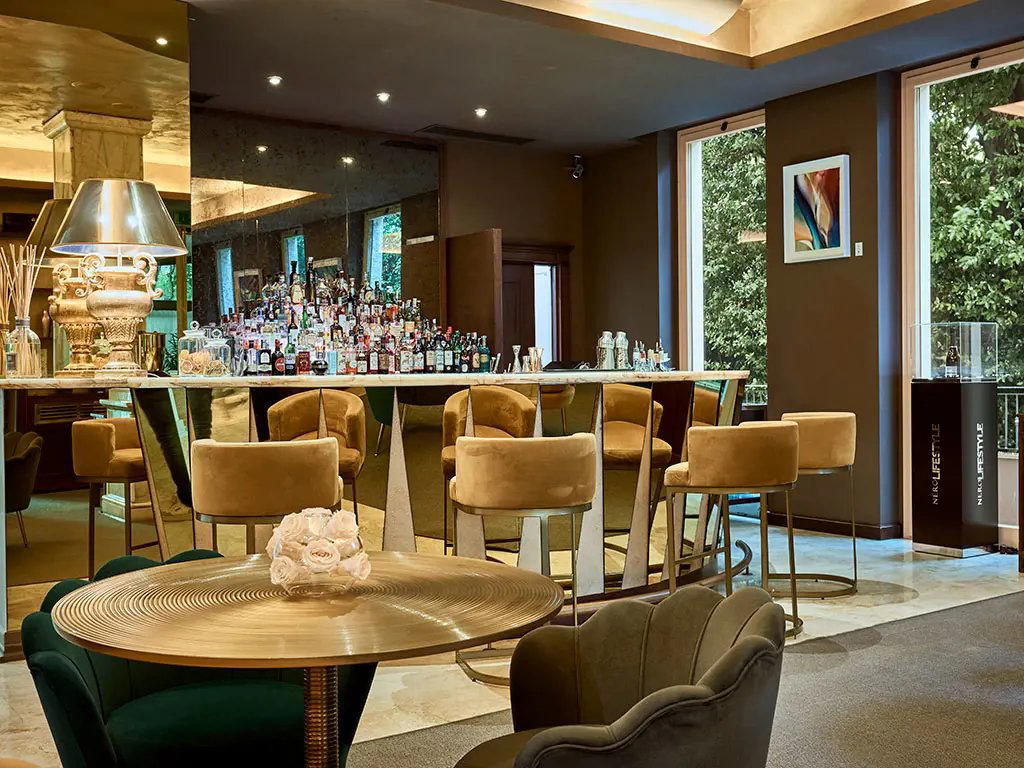
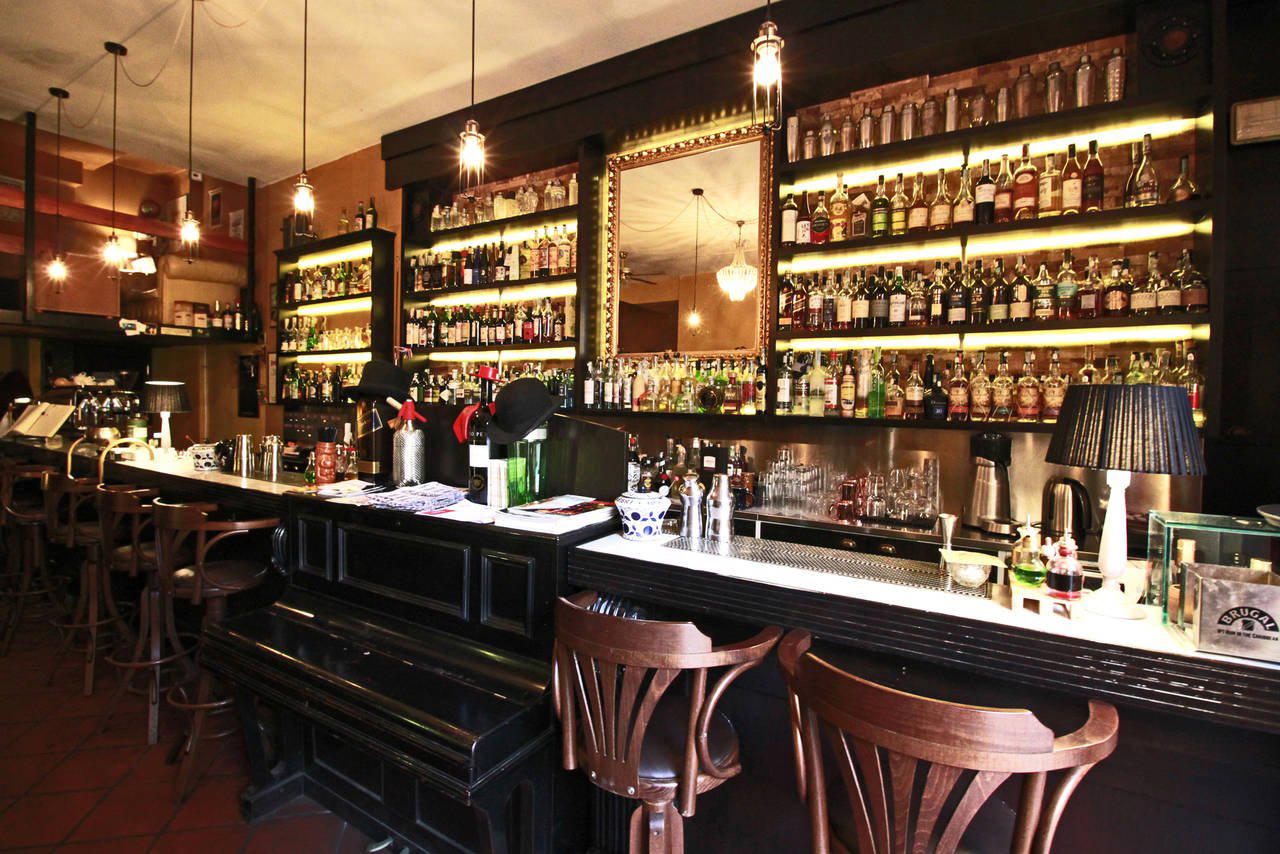
Restaurants in Forte dei Marmi
Browse all →

At a Glance
- Elegant
- Modern
- Cozy
- Sophisticated
- Intimate
- Romantic Getaway
- Family Vacation
- Weekend Escape
- Beachfront
- Garden
- Terrace
- Pool
- Wi Fi
- Spa
- Room Service
- Concierge
- Restaurant
- Beach Access
- Bicycle Rental
- Garden
- Pool
- Wi Fi
- Spa
- Room Service
- Concierge
- Restaurant
- Beach Access
- Bicycle Rental
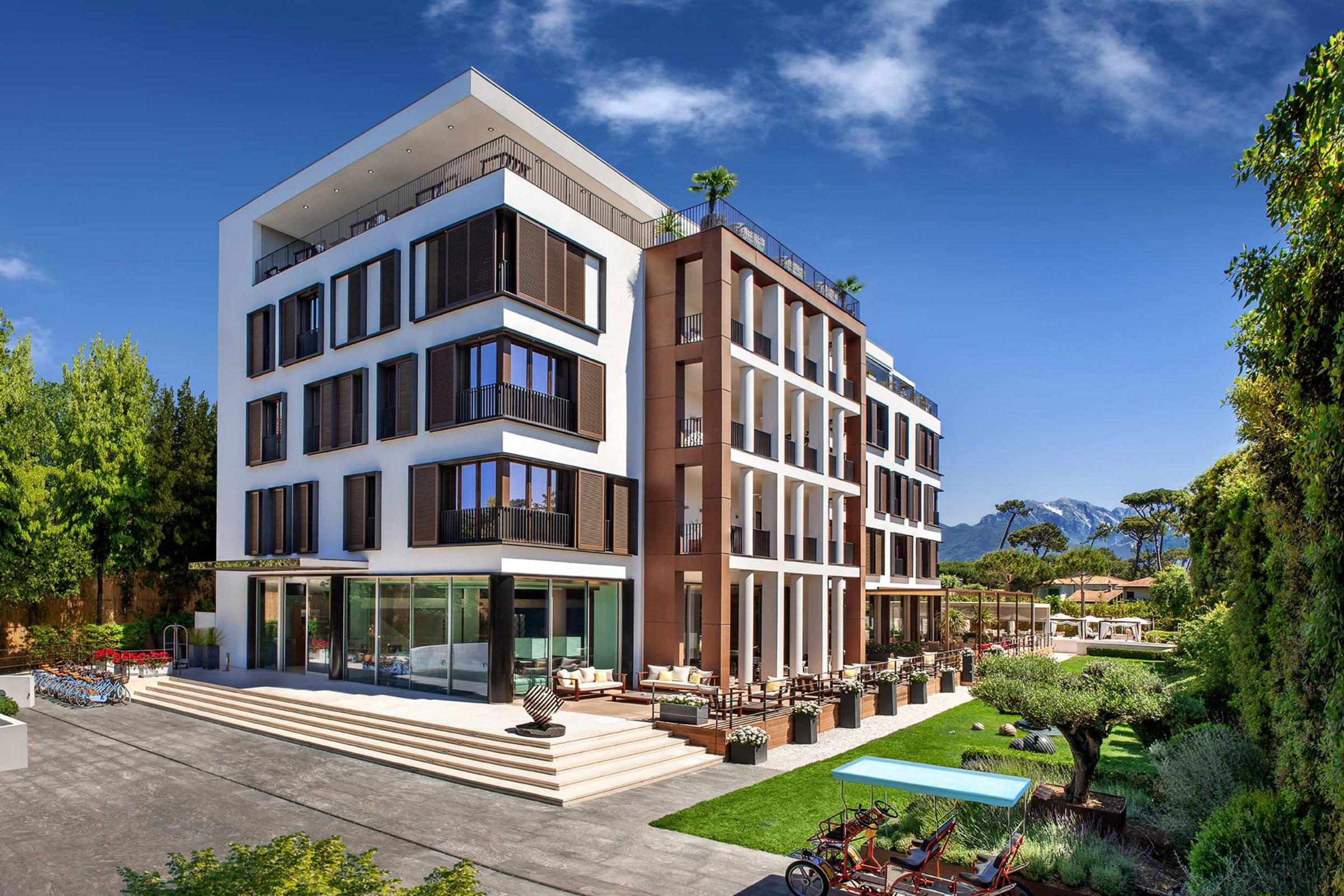
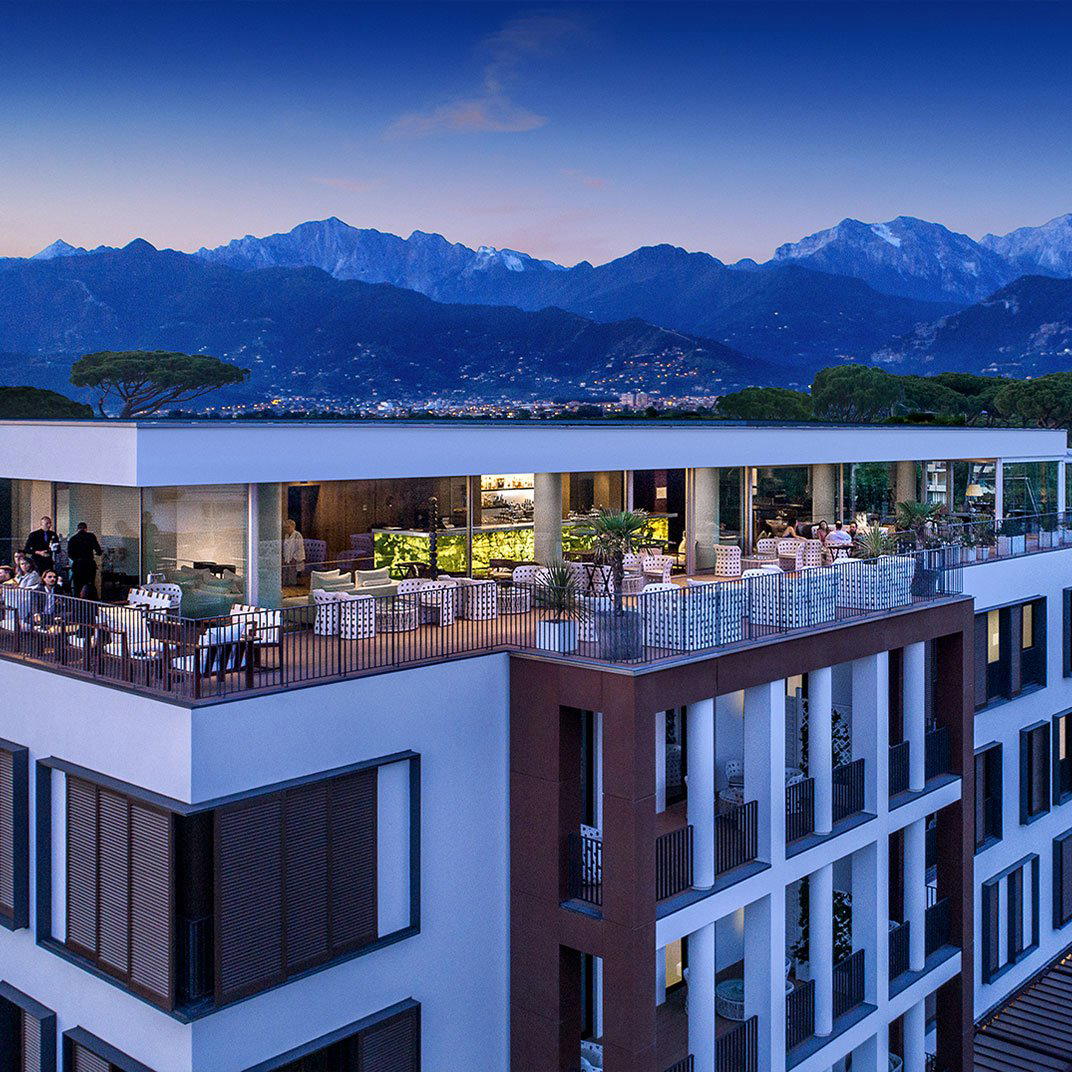
Refined and secluded atmosphere with fresh, natural, minimal interiors, curated gardens, and pleasant pool and terrace areas.