

Michelin Selected · Design Hotels Member
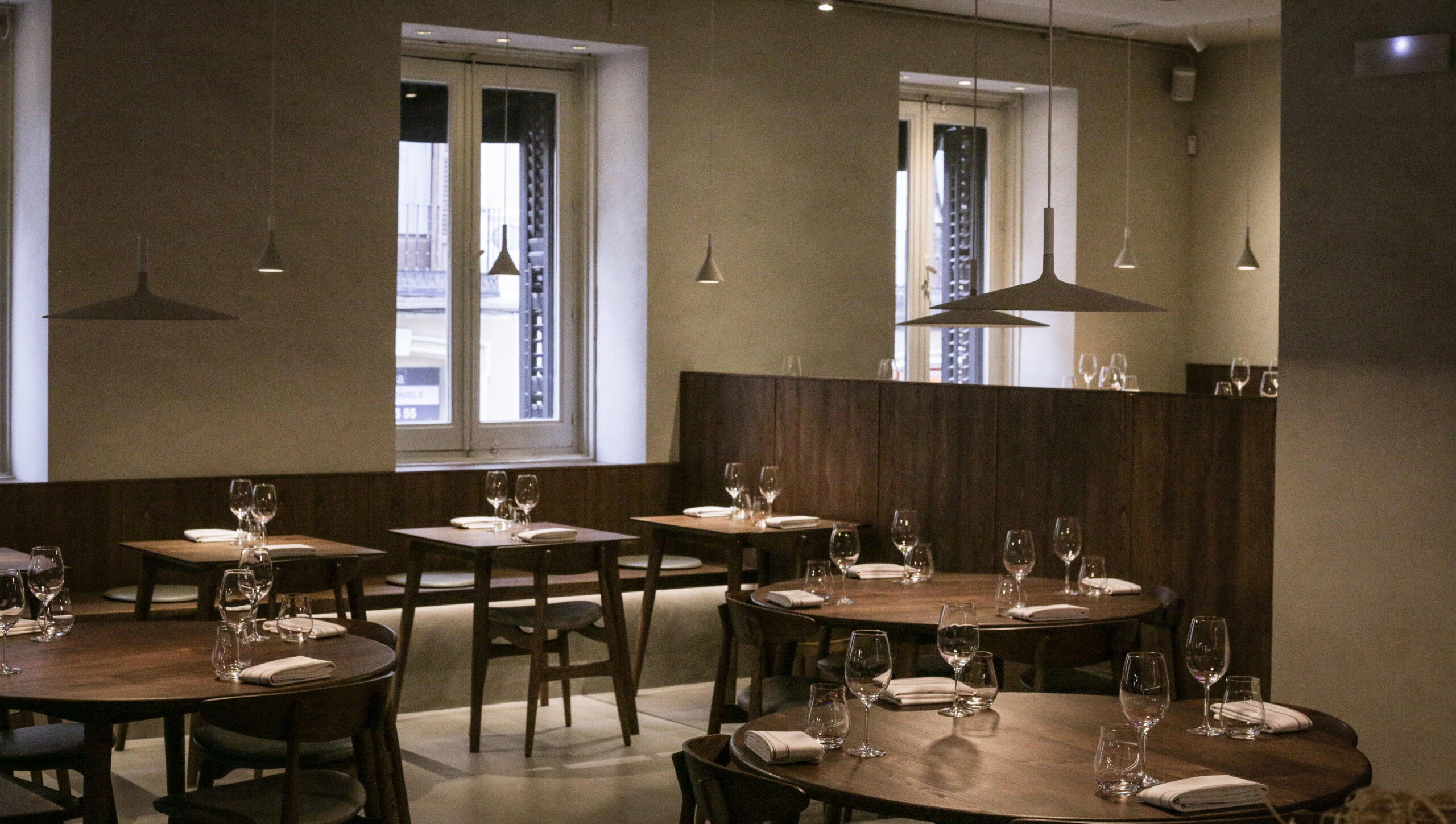
Positioned directly opposite the Puerta de Alcalá arch in Madrid's Retiro district, Hospes Puerta de Alcalá occupies a 19th-century palace whose architecture sets the terms for everything inside: dark woods, gold and silver accents, and a spare minimalism that reads as restraint rather than austerity. The address alone locates it within Madrid's most historically charged kilometre, placing it in direct conversation with the city's grand hotel tradition.

Pearl is the En Primeur Club membership app — saves, bookings, and concierge access live there. Same editors, same standards.
- Address
- Plaza de la Independencia, 3, Madrid 28001, Spain
- Phone
- +34 91 432 29 11
- Website
- marriott.com
- Directions
- Get directions
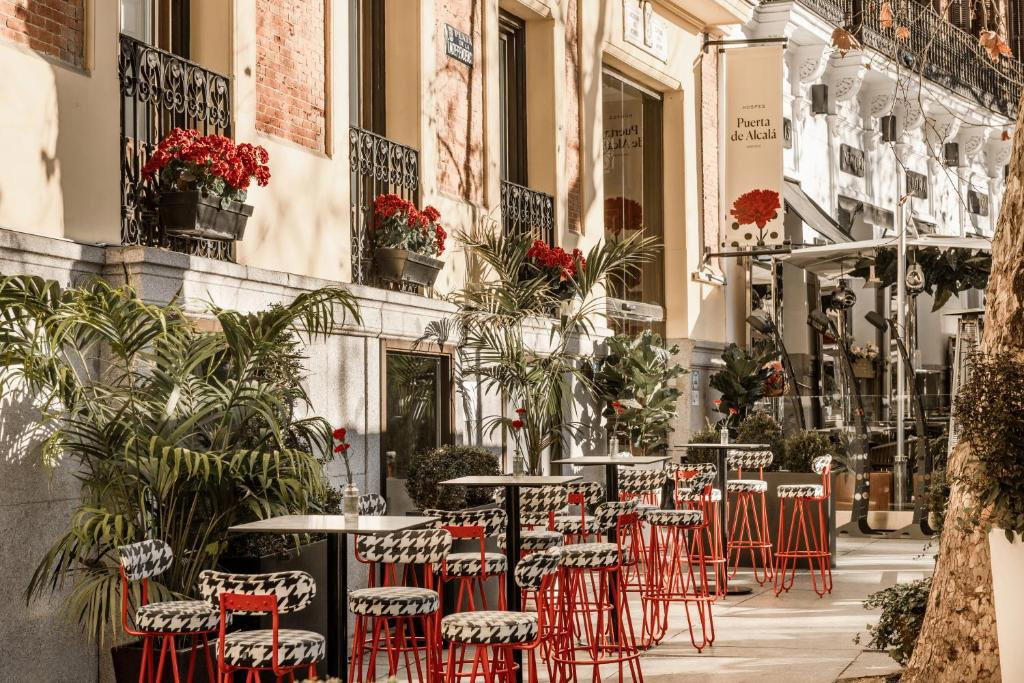
A 19th-Century Address in Madrid's Most Symbolic Square
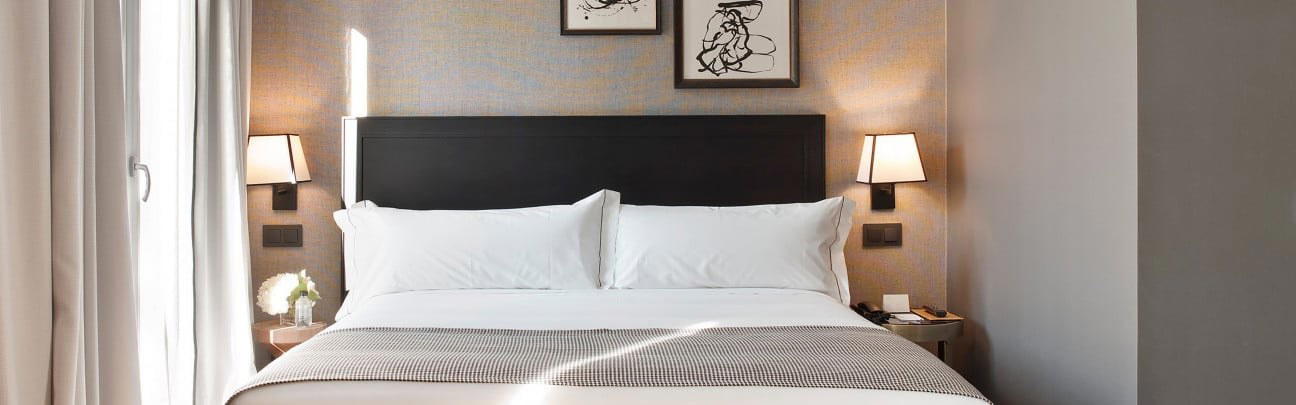
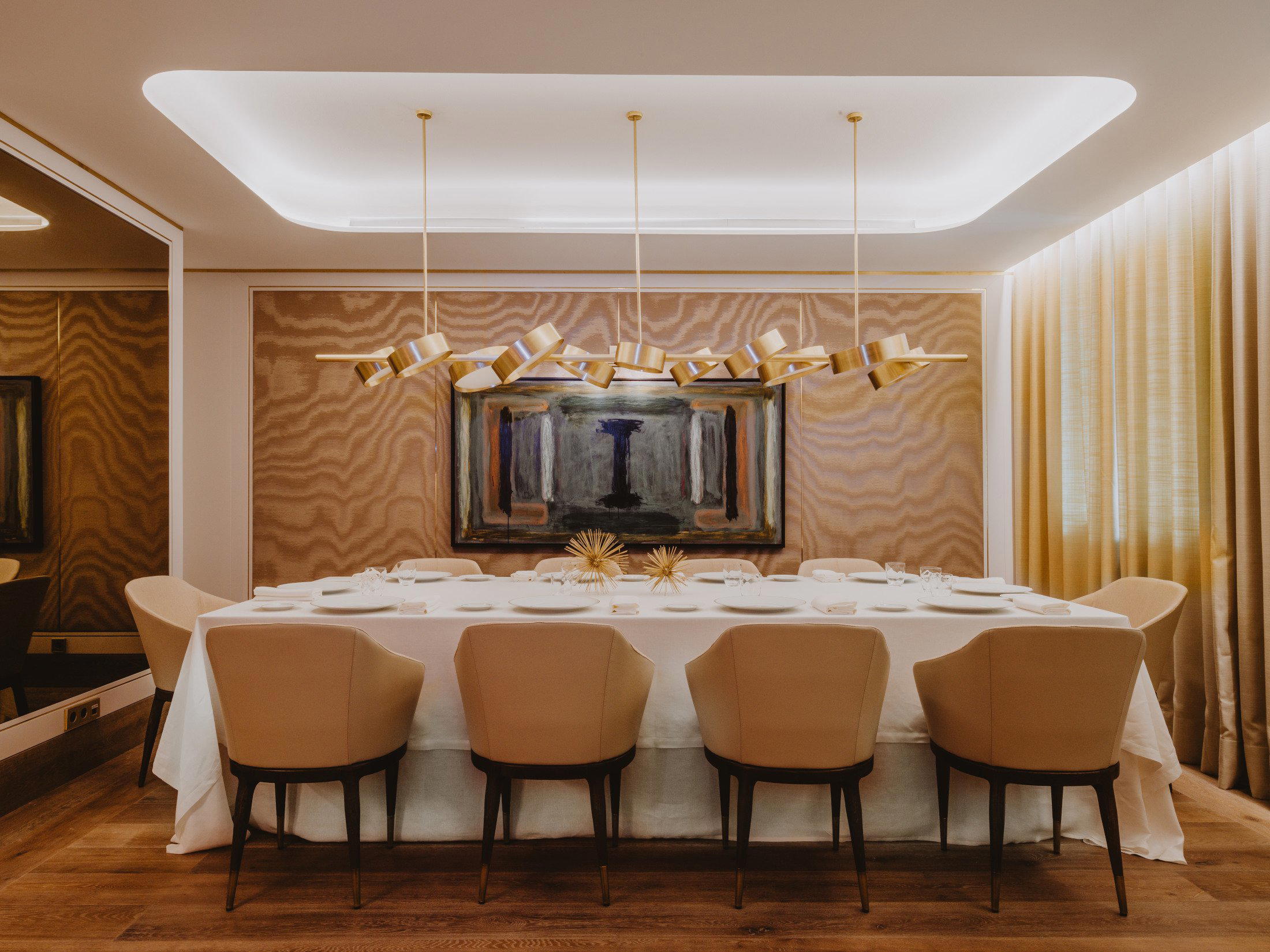
Plaza de la Independencia is not a square that eases you in gently. The Puerta de Alcalá, Carlos III's neoclassical triumphal arch, dominates the space with a weight that has structured the eastern edge of Madrid's old city since 1778. Hotels in this position inherit a particular burden: the architecture outside will always command more attention than whatever is happening inside, unless the interior has something genuinely considered to offer. Hospes Puerta de Alcalá addresses that tension by working with the building's 19th-century bones rather than against them, translating the period structure into a palette of dark woods, gold, silver, and white that reads as edited rather than decorated.
That editorial restraint is the defining quality of the Hospes brand's Madrid outpost. Where competitors in the city's upper tier often resolve the tension between heritage and contemporaneity through sheer quantity of period detail, Hospes takes the opposite approach: minimalist touches within a historically significant shell. The result sits somewhere between a boutique design property and a grand city hotel, a position that gives it a distinct competitive profile within Madrid's crowded luxury accommodation market.
Where Hospes Sits in Madrid's Hotel Hierarchy
Madrid's premium hotel sector has expanded considerably over the past decade. The Mandarin Oriental Ritz, Madrid represents the city's most formally palatial option, with a restoration that leans hard into Edwardian grandeur. The Four Seasons Hotel Madrid occupies the former Canalejas complex near Sol and trades on institutional scale and F&B; depth. The Rosewood Villa Magna anchors the Castellana corridor with a corporate-luxury focus. Hospes Puerta de Alcalá plays a different game: the address is historically charged but the approach is quieter, more design-conscious, and less focused on spectacle.
Within the mid-to-upper boutique tier, it shares some positioning with properties like the Gran Hotel Inglés and the Hotel Unico Madrid, both of which operate on the premise that a tighter, more curated offer can compete with the scale advantages of the international chains. The Gran Meliá Palacio de los Duques and the CoolRooms Palacio de Atocha occupy a similar heritage-meets-contemporary register, though with different neighbourhood contexts and ownership cultures.
The Hospes group, which also operates notable properties elsewhere in Spain, has built a recognisable design language across its portfolio. For travellers who have encountered the brand at Abadía Retuerta LeDomaine in Teruel or the Atrio Restaurante Hotel in Cáceres, the Madrid property will read as coherent with that sensibility: considered interiors, heritage structures, and a preference for atmosphere over amenity excess.
The Architecture as the Programme
In a city where 19th-century civic architecture is abundant but often underutilised by the hospitality sector, Hospes Puerta de Alcalá occupies a particularly legible position. The building's period structure is the primary experience, and the interior design functions as a commentary on it rather than a replacement for it. The gold, silver, and white colour registers reference the building's ornamental past while the minimalist execution insists on a contemporary reading. Dark woods anchor the spaces, preventing the lighter palette from tipping into clinical territory.
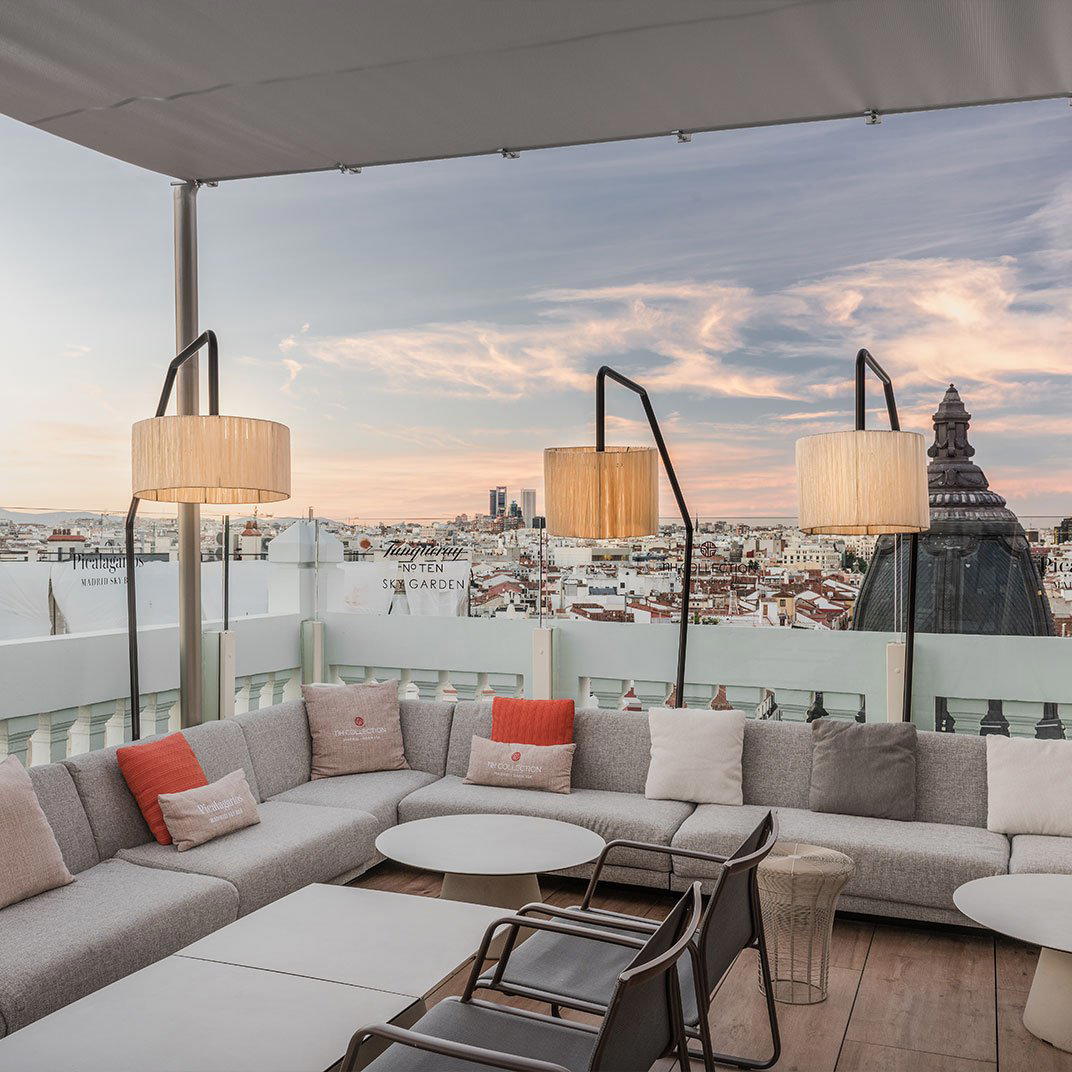
This approach to heritage interiors has become more common across Spain's design-led hotel sector. Properties like Hotel Can Cera in Palma and Mas de Torrent Hotel & Spa in Torrent follow a comparable logic: the building's bones carry the narrative, and the design team's job is to frame them clearly. What distinguishes the Puerta de Alcalá property is the specific density of its urban context. There are few hotel addresses in Spain where the view from the window competes as directly with the interior for the guest's attention.
The Neighbourhood and What It Implies
Plaza de la Independencia sits at the axis of three distinct Madrid zones. To the west, the Paseo del Prado corridor connects the Prado, the Thyssen-Bornemisza, and the Reina Sofía within a 20-minute walk. To the east, the Retiro park provides what few European capitals can offer in their central districts: genuine green space on a monumental scale. The Salamanca district, Madrid's most concentrated luxury retail and dining zone, is a short walk north along the Castellana.
For guests whose Madrid programme includes the full range of the city's dining and cultural offer, this location functions as a genuine hub rather than a compromise. The Hotel Rector offers a comparable boutique scale in a different neighbourhood context, but the Retiro adjacency is particular to the Puerta de Alcalá address.
Spain's broader travel circuit connects naturally from Madrid to properties including Akelarre in San Sebastián, Cap Rocat in Cala Blava, La Residencia, A Belmond Hotel, Mallorca, and the Marbella Club Hotel. For travellers building a multi-stop Spanish itinerary, the Puerta de Alcalá property works as a Madrid anchor with easy access to the city's main rail and air connections.
Planning a Stay
Madrid operates on a relatively accessible booking horizon compared to cities like Barcelona during peak season, but the Retiro area hotels fill quickly around major cultural events, long weekends, and the spring and autumn shoulder periods when the city is at its most comfortable climatically. Reaching the hotel by public transport from Madrid Barajas airport is direct via the metro's Line 4, with the Retiro station a short walk from the plaza. For guests arriving from other parts of Spain, the city's Atocha and Chamartín rail stations are both reachable within 20 minutes.
Travellers for whom Madrid is a connecting point in a wider European trip may also be cross-referencing the property against non-Spanish options: the Aman Venice, the Aman New York, or The Fifth Avenue Hotel in New York City sit in a comparable design-conscious, heritage-building tier. The Mandarin Oriental Barcelona offers a useful Spanish comparison point for those splitting time between the two cities.
What It’s Closest To
Comparable venues nearby, for context on price, style, and recognition.
| Venue | Cuisine | Price | Awards | Notes |
|---|---|---|---|---|
| Hospes Puerta de AlcaláThis venue — the venue you are viewing | Historic boutique hotel with minimalist restoration | Not listed | Michelin Selected · Design Hotels Member | Not listed |
| The Palace, a Luxury Collection Hotel, Madrid | Historic palace reimagined as a contemporary luxury hotel, honoring 20th-century Spanish heritage with modern amenities and bespoke design elements. | $300–500 | 1 Michelin Key · Conde Nast Hot List Hotels | Barrio de las Letras |
| Thompson Madrid | Lifestyle hotel in the heart of Madrid's lively center | Not listed | Michelin Selected · Virtuoso Luxury Hotel Partner | Sol |
| UMusic Hotel Madrid | Music and culture-infused luxury in a historic landmark. | $100–200 | Michelin Selected | Centro |
| NH Collection Madrid Suecia | Modern renovation of historic property blending Spanish architecture with Scandinavian design | $200–300 | Michelin Selected | Cortes |
| Hotel Palacio Del Retiro, Autograph Collection | Boutique luxury palace hotel blending belle-époque architectural heritage with contemporary minimalist design, positioned as a culturally-curated sanctuary for informed travelers. | Not listed | Not listed | Jeronimos |
Recognition history
Dated appearances from independent guides and award organizations, with the underlying list record or original source where available.
Michelin Selected
Michelin
Design Hotels Member
Design Hotels
Continue exploring
More in Madrid
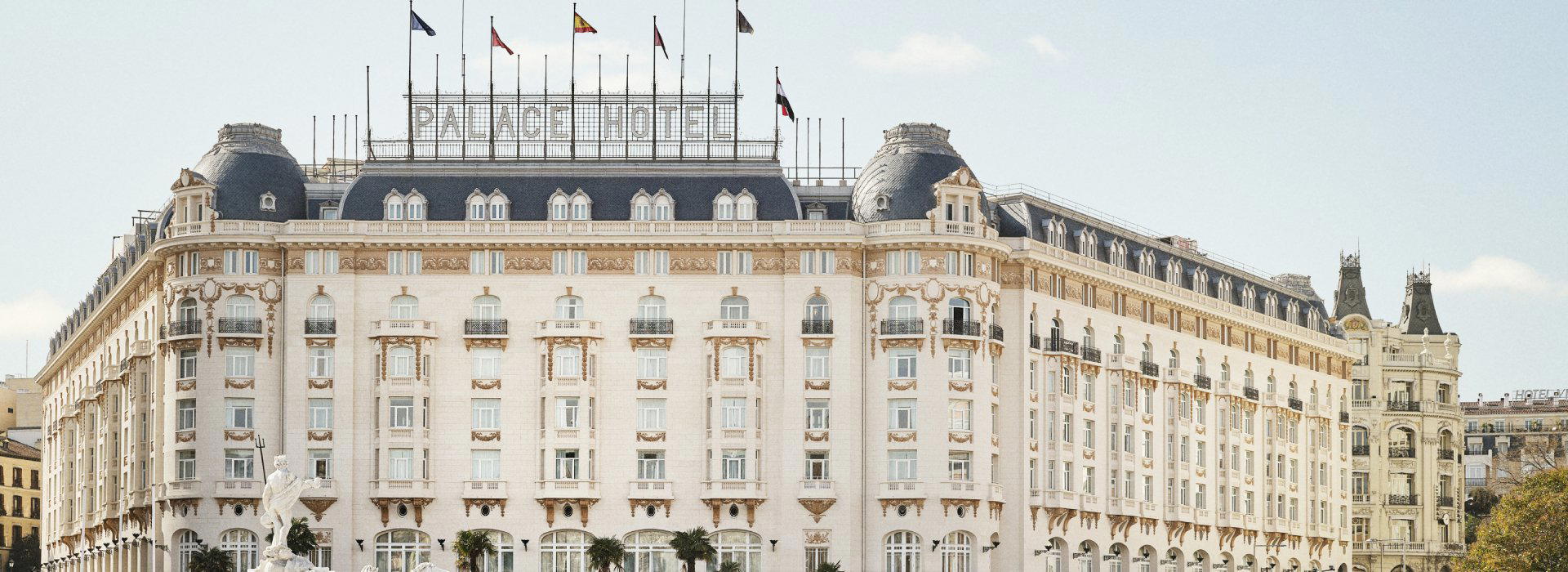
Hotels in Madrid
Browse all →
Bars in Madrid
Browse all →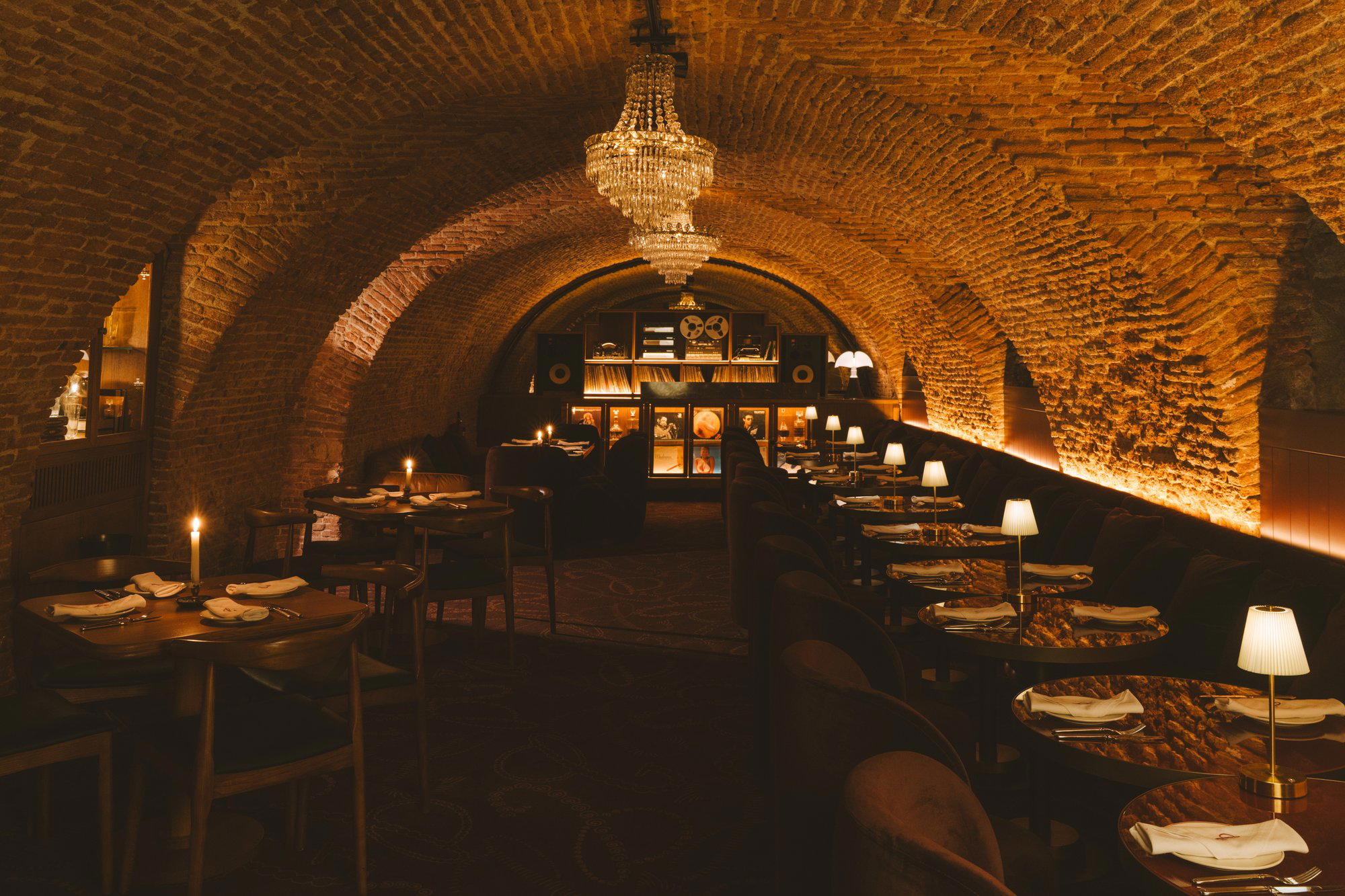
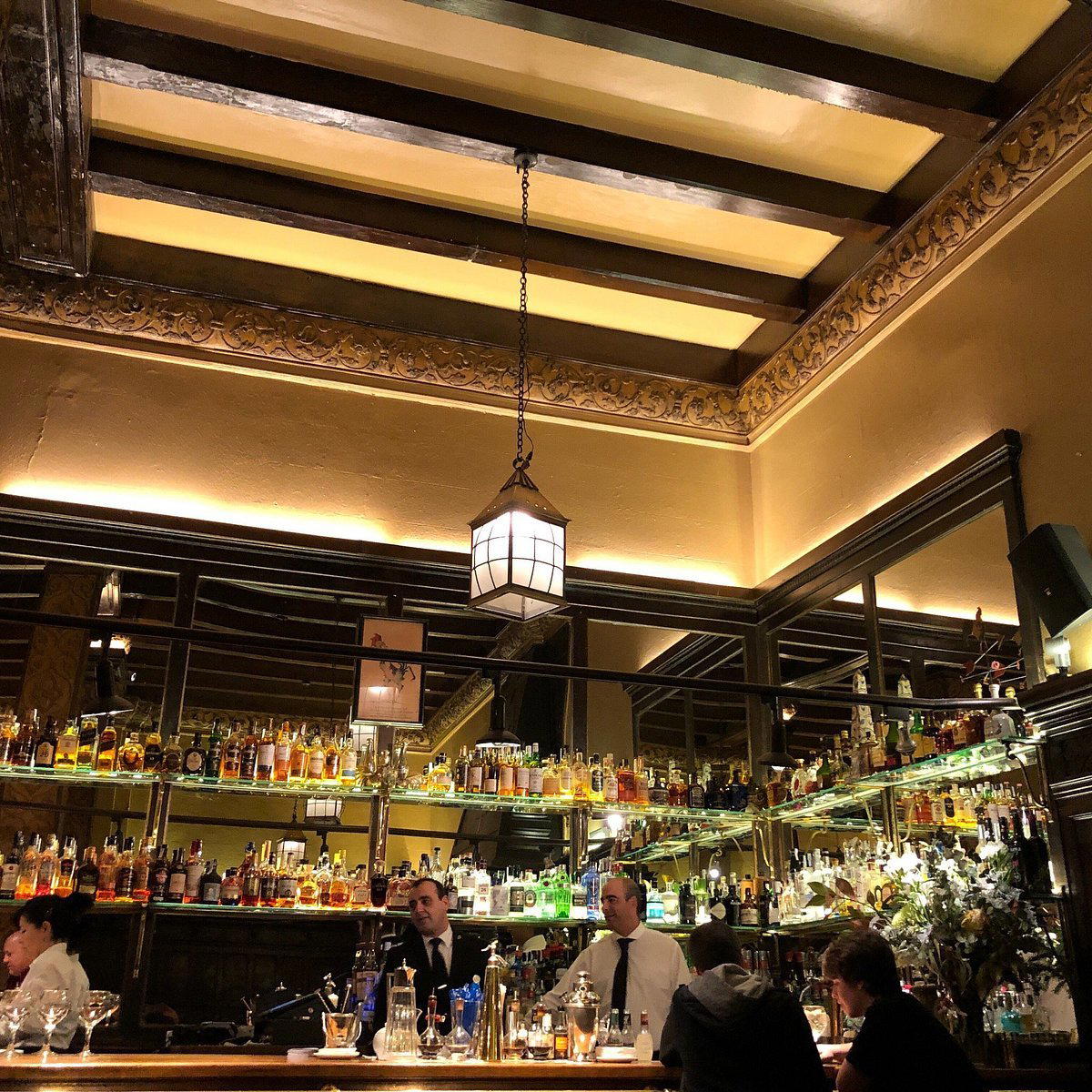
Restaurants in Madrid
Browse all →

Details
- Elegant
- Sophisticated
- Romantic
- Modern
- Quiet
- Romantic Getaway
- Business Trip
- Anniversary
- Historic Building
- Terrace
- Spa
- Pool
- Fitness Center
- Room Service
- Concierge
- Wi Fi
- Restaurant
- Valet Parking
- Street Scene
- Garden
- Elevator
- Wheelchair Accessible
Refined and luminous with dark woods offsetting gold, silver, and white hues; quiet, soundproofed rooms with an elegant, aristocratic atmosphere.