


Michelin Selected · La Liste Top Hotels · Design Hotels Member
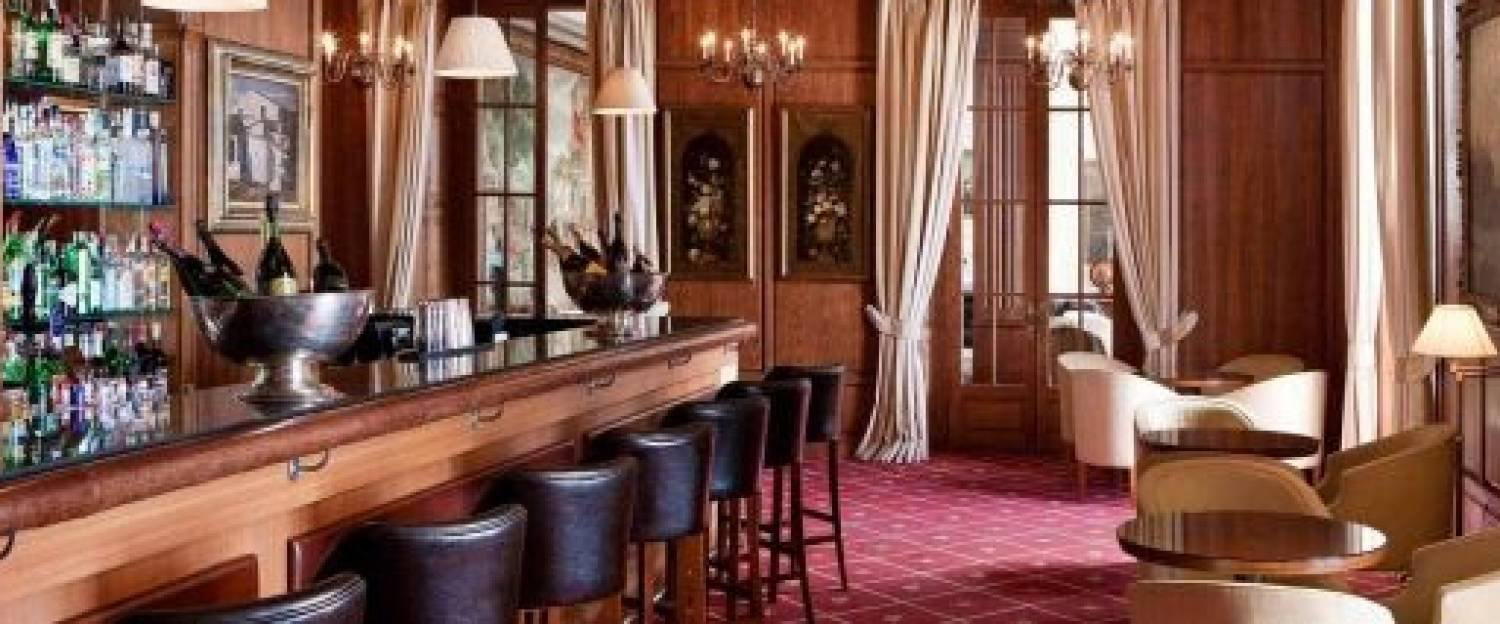
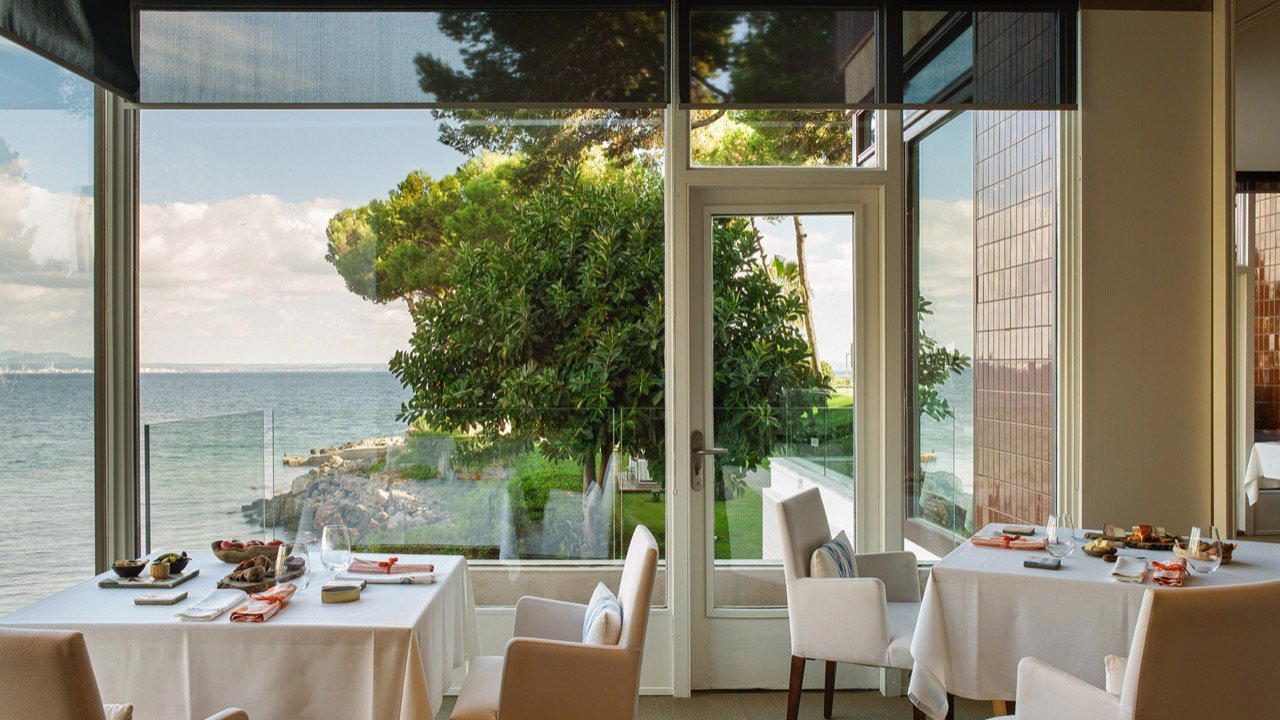
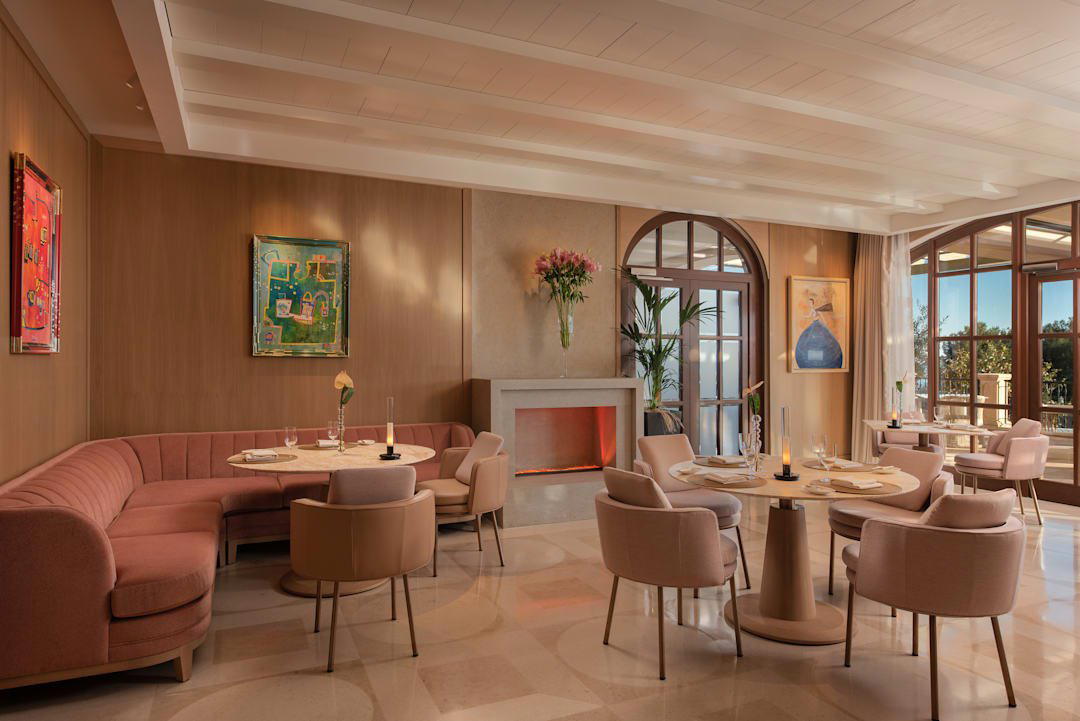
Hospes Maricel sits on the Cas Català coastline west of Palma, where a 16th and 17th-century palace structure meets a contemporary seafront wing to create one of Mallorca's most architecturally layered retreats. Recognised on La Liste's Top Hotels list for 2026 with 91 points, it positions itself in the upper tier of Balearic luxury, where heritage fabric, Mediterranean setting, and restrained design work in concert.

Pearl is the En Primeur Club membership app, where members save venues, book tables and use the concierge.
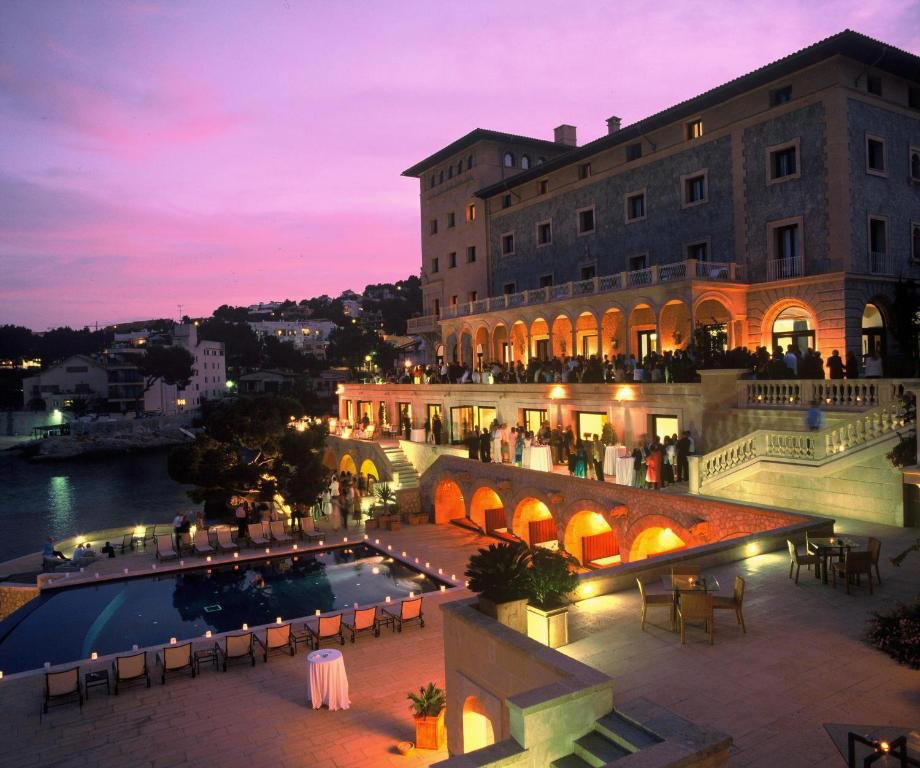
Where Heritage Architecture Meets the Balearic Shoreline
The road west out of Palma along the Carretera d'Andratx changes character quickly. Within a few kilometres, the city's dense fabric gives way to limestone cliffs, pine-edged coves, and a sequence of properties that have long attracted travellers who want proximity to Palma without its summer density. Cas Català and the adjacent Illetes area represent a specific stratum of the Mallorcan hospitality market: close enough to the old town to be convenient, far enough from it to feel genuinely removed. Hospes Maricel occupies this corridor at number 11, Carretera Andratx, and its position on that coastal stretch is itself an editorial statement about what kind of Mallorca experience it is offering.
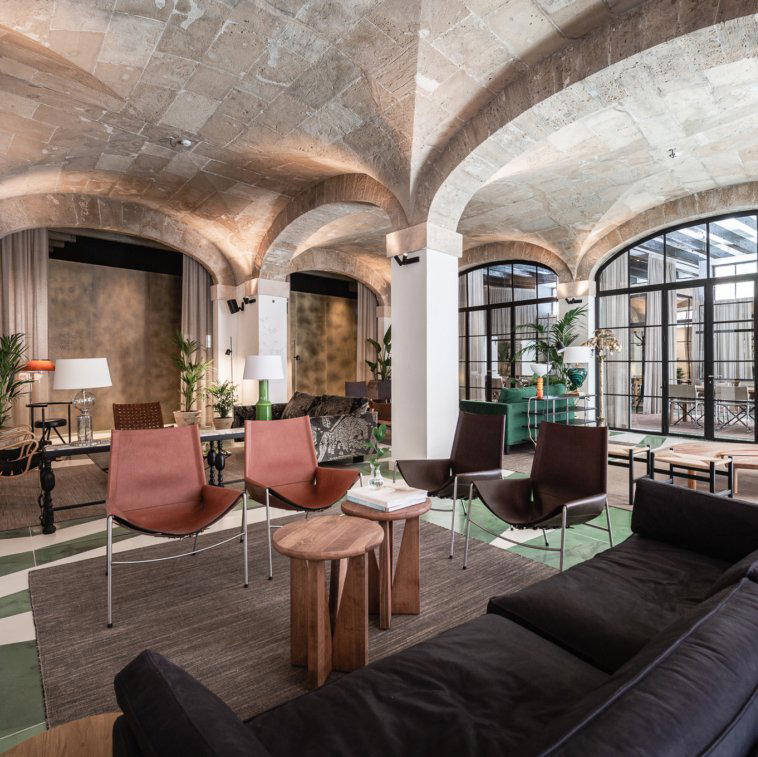
The property's architectural premise is one that appears repeatedly in the Balearic premium tier: the marriage of a historic structure with a contemporary addition, where the tension between the two periods is the design's main argument. Here, a palace drawing on 16th and 17th-century regal architecture is paired with a modern Mediterranean wing, the two connected across a site that looks directly over the sea. This dual-structure format places Hospes Maricel in a smaller, more architecturally specific niche than the island's purpose-built resort hotels. The comparable properties on Mallorca, including La Residencia, A Belmond Hotel, Mallorca, also work with historic fabric, though each takes a distinct geographic and tonal approach to how that heritage is inhabited.
A Place in the Verified Upper Tier
La Liste's Leading Hotels ranking for 2026 placed Hospes Maricel at 91 points. On Mallorca specifically, the upper end of the market has been contested with increasing seriousness over the past decade, as the island has attracted properties from design-led independents, converted rural estates, and international groups. In that competitive context, a La Liste score of 91 is a signal of where the property sits relative to its island peers and to the wider Spanish luxury hotel market.
Within Spain, the properties earning comparable La Liste attention include names like Mandarin Oriental Ritz, Madrid, Atrio Restaurante Hotel in Cáceres, and Abadía Retuerta LeDomaine. The company Hospes Maricel keeps in that broader national context reinforces its position as a property operating at a level above the merely comfortable. The Mallorcan property Cap Rocat in Cala Blava also features in Spain's premium coastal tier, approaching its offer through a converted military fortress format that gives the coastline south of Palma a different character altogether.
The Heritage-to-Contemporary Transition and What It Means for Sustainability
Properties built around existing historic structures carry an implicit sustainability argument that purpose-built hotels do not. When a 16th or 17th-century palace is restored and integrated into a functioning hotel, the embodied energy and cultural capital of that existing structure is preserved rather than demolished. Across the Balearics and wider Mediterranean, the hotel properties that have invested in this kind of adaptive reuse tend to have a different relationship with their physical environment than resorts built from cleared land: the constraints of the original structure enforce a certain material discipline, and the visual connection to local architectural tradition is authentic rather than performed.
At Hospes Maricel, the dual-era format means that the contemporary addition exists in deliberate dialogue with the older palace rather than replacing it. In the broader context of responsible luxury travel, this matters for travellers who want their accommodation choices to contribute to rather than erase local heritage. Across Spain, properties like Terra Dominicata in Escaladei and Mas de Torrent Hotel & Spa in Torrent similarly anchor their offer in historic structures, each making a different argument about how responsible luxury engages with inherited built fabric.
The Balearic Islands have their own regulatory and environmental pressures, particularly around coastal development and seasonal tourism density. Properties at the upper end of the market in Mallorca are increasingly expected to address these pressures through operational choices, from energy sourcing and water management to supply chain decisions. While specific operational commitments at Hospes Maricel require direct verification, the structural choice to work within and around an existing historic building rather than build new is itself a form of environmental positioning that travellers evaluating responsible luxury options should register.
The Cas Català Address and How to Use It
Practical orientation matters here. Cas Català sits roughly 8 kilometres west of Palma's city centre, accessible by car along the coastal road or via local bus connections. Travellers arriving at Palma de Mallorca Airport, which handles flights from across Europe year-round with a significant uplift in services from late spring through September, will find the property accessible without crossing the city. That location makes Hospes Maricel useful as either a base for coastal Mallorca, with excursions westward toward Andratx and Banyalbufar, or as a quieter alternative to city-centre Palma hotels for travellers who want evening access to the old town without staying inside it.
For those who do want to stay inside Palma itself, the city's premium hotel concentration in and around the old town includes Hotel Can Cera, Can Bordoy Grand House & Garden, Sant Francesc Hotel Singular, Boutique Hotel Posada Terra Santa, and Es Princep, each occupying a different position in the city's historic fabric. Those looking for a grander scale in the Palma area should also consider Castillo Hotel Son Vida and El Llorenç Parc de la Mar, while Nobis Hotel Palma brings a Scandinavian editorial restraint to the Palma offer. A fuller picture of the city's dining and hospitality is available in our full Palma restaurants guide.
Booking windows for Mallorca's upper-tier properties typically tighten from late April through August, with July and August representing the hardest availability period. Travellers considering Hospes Maricel for summer dates should plan enquiries at least two to three months in advance. The shoulder months of May, June, and September offer the Mediterranean climate at its most manageable alongside greater flexibility.
The Broader Conversation This Property Sits In
Hospes Maricel is part of a wider European pattern in which premium coastal hotels have moved toward positions that blend historic identity, design intentionality, and environmental responsibility as a single coherent argument. The properties at the top of this tier, whether in Mallorca, the Basque Country, or the wider Mediterranean, are no longer competing purely on room size or amenity count. They are competing on the coherence of their proposition: what they preserve, what they express, and how honestly they connect to where they actually are.
For comparison outside Spain, properties like Aman Venice make a similar historic-structure argument in a different coastal European context, as does Akelarre in San Sebastián within Spain's northern Atlantic frame. Further afield, Pepe Vieira Restaurant & Hotel in Poio, Marbella Club Hotel, Torre del Marqués Hotel Spa & Winery, Casa Beatnik Hotel in A Coruña, The Fifth Avenue Hotel in New York City, Aman New York, and Mandarin Oriental Barcelona all occupy comparable positions in their respective markets: heritage-inflected, critically recognised, and competing on coherence rather than scale. Hospes Maricel, with its 91-point La Liste score and its dual-era architectural premise on a Mallorcan coastal road, belongs in that conversation.
Same-City Peers
Comparable venues nearby, for context on price, style, and recognition.
| Venue | Cuisine | Price | Awards | Notes |
|---|---|---|---|---|
| Hotel Hospes Maricel & SPAThis venue (the venue you are viewing) | Historic palace with modern annexe connected by underground walkway | Not listed | Michelin Selected · La Liste Top Hotels | Not listed |
| Son Julia Country House Hotel | Restored 15th-century country manor blending Mallorcan heritage with modern luxury | Not listed | Michelin Selected | Llucmajor |
| Aethos Mallorca | contemporary Mediterranean retreat | $300–500 | Michelin Selected | Peguera |
| Casal Santa Eulalia | Historic finca hotel in rural Mallorca | $100–200 | Michelin Selected | Santa Margalida |
| Bikini Island & Mountain Port de Soller | Boutique design hotel with bohemian flair overlooking bay and mountains. | $200–300 | Michelin Selected · Design Hotels Member | Port de Soller |
| PuroHotel Palma | Urban oasis in historic palace | $100–200 | Michelin Selected | La Lonja |
Recognition history
Dated appearances from independent guides and award organizations, with the underlying list record or original source where available.
Michelin Selected
Michelin
La Liste Top Hotels
La Liste
Design Hotels Member
Design Hotels
Continue exploring
More in Palma
Hotels in Palma
All hotels in Palma →
Bars in Palma
All bars in Palma →

Details
- Romantic
- Elegant
- Sophisticated
- Scenic
- Quiet
- Honeymoon
- Romantic Getaway
- Wellness Retreat
- Anniversary
- Infinity Pool
- Beachfront
- Terrace
- Historic Building
- Wi Fi
- Pool
- Spa
- Fitness Center
- Room Service
- Concierge
- Business Center
- Valet Parking
- EV Charging
- Waterfront
- Wheelchair Accessible
- Elevator
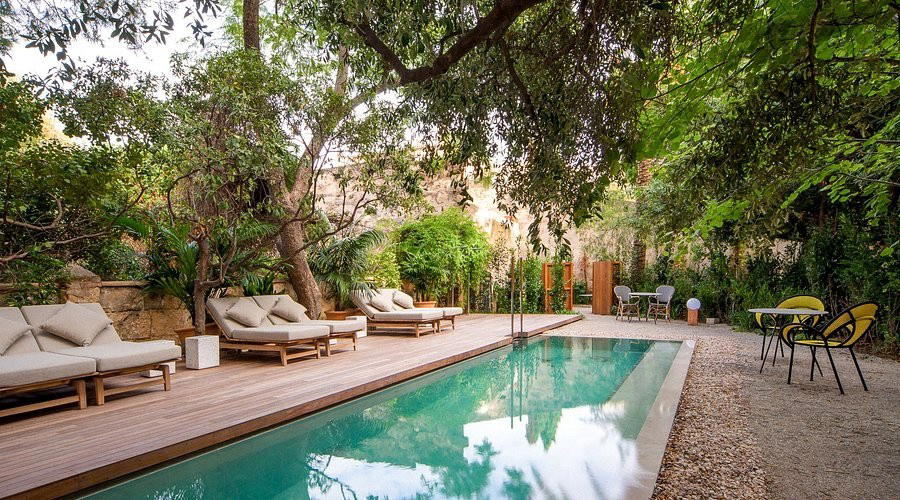
Serene and luxurious with sun-soaked solarium views of the sea, relaxing spa atmosphere, and elegant lighting in soundproofed rooms.