
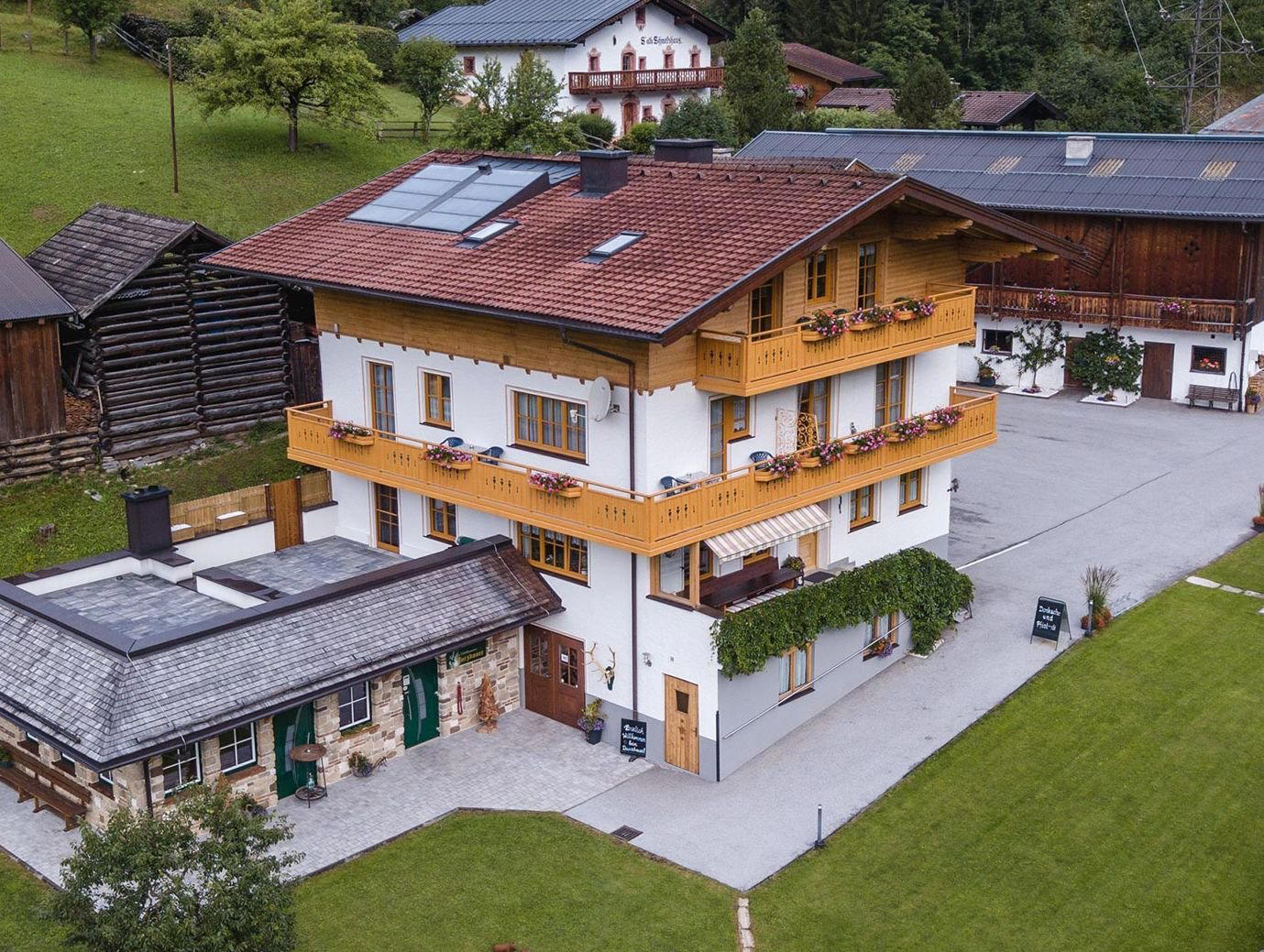
Holzhotel Forsthofalm sits above Leogang in the Austrian Alps, built almost entirely from timber in a design that treats the mountain environment as the primary architectural material. Recognised by La Liste's Top Hotels 2026 with 90 points, it occupies a niche among Alpine properties where material honesty and landscape integration take precedence over conventional resort scale.
Pearl is the En Primeur Club membership app — saves, bookings, and concierge access live there. Same editors, same standards.
- Address
- Hütten 37, 5771 Leogang
- Phone
- +43 6583 8545
- Website
- forsthofalm.com
 Saves & bookings on Pearl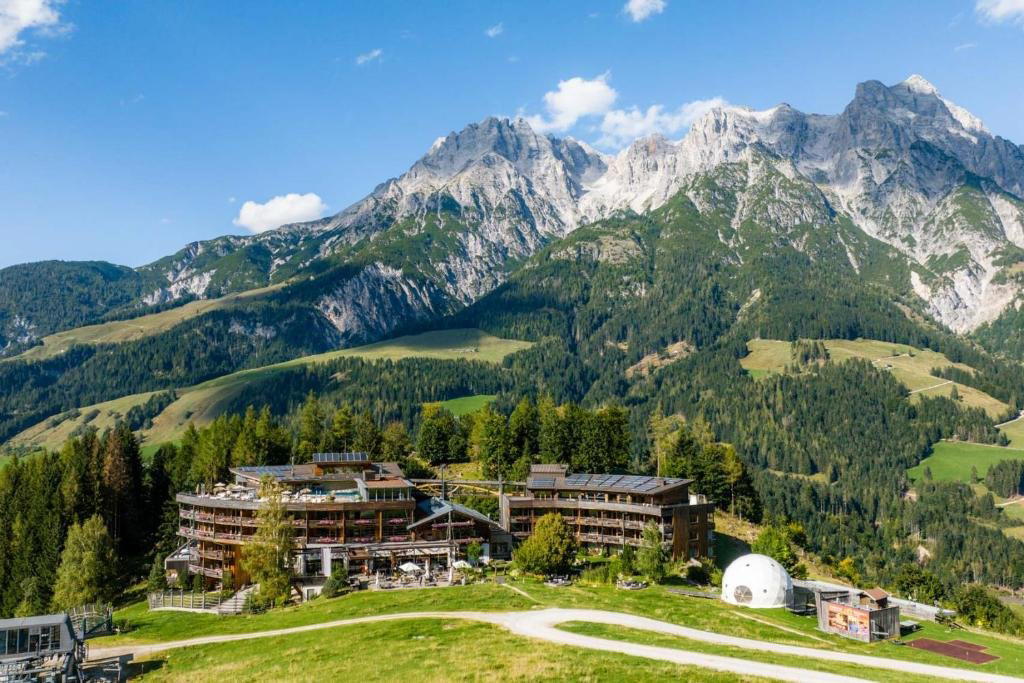
Timber, Altitude, and the Architecture of Restraint
In the Austrian Alps, the dominant grammar of luxury has long been stone, plaster, and reclaimed wood deployed as decorative gesture, a language that signals tradition without truly committing to it. Holzhotel Forsthofalm, sitting above the valley town of Leogang in Salzburger Land, operates from a different premise. Here, timber is not a finishing detail but the primary structural and spatial material, used with a consistency that pushes the property into a distinct architectural category among Alpine hotels. The result reads less like a resort and more like a considered argument about how buildings should relate to the mountains they occupy.
That argument has registered in the 2026 La Liste Top Hotels ranking, which awarded Forsthofalm 90 points. The recognition matters not because points validate experience, but because it confirms what the property's design already implies: this is a hotel operating at a peer level defined by material and spatial quality rather than by room count or amenity volume.
Where Forsthofalm Sits in Leogang's Hotel Landscape
Leogang is not a single-note ski village. The town supports a range of accommodation from large wellness resorts to smaller, character-driven properties, and the distinctions between them are meaningful for anyone planning a stay. Hotel Krallerhof anchors the traditional luxury end of the market, with a long-established reputation and a correspondingly broad service offering. mama thresl targets a younger, design-aware traveller with a more social, less formal approach. Naturhotel Forsthofgut competes directly on the sustainability and natural-materials axis.
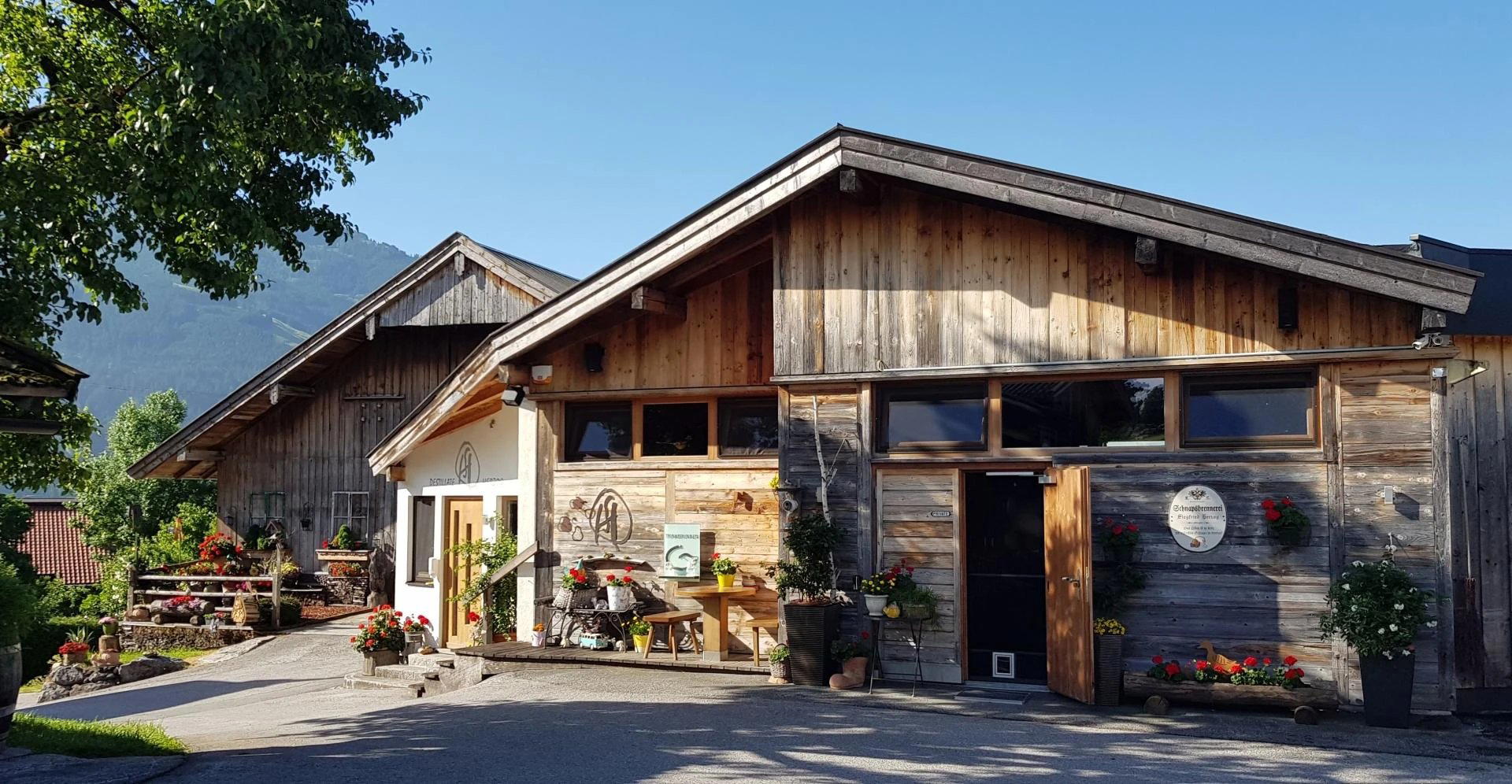
Forsthofalm sits closest to that last group in philosophy, but differentiates through its elevation and the degree to which its architecture is the product rather than the setting. Where some natural-materials hotels treat ecological credentials as a marketing layer on top of a conventional resort structure, Forsthofalm's timber-first approach is load-bearing in every sense. You notice it immediately on approach: the building doesn't read as a hotel that has been given a wood finish, but as something constructed from the same material logic as the forests surrounding it.
For comparable hotels elsewhere in the Austrian Alps, the conversation expands quickly. Naturhotel Waldklause in Längenfeld pursues a similar ecological discipline in Tyrol. Aktiv & Wellnesshotel Bergfried in Tux and Alpen-Wellness Resort Hochfirst in Obergurgl show how the high-altitude wellness format plays out at different price points and with different design priorities. None quite replicate the specific material argument that Forsthofalm makes.
The Physical Experience of the Building
Forsthofalm's architecture is not incidental to the guest experience, it is the guest experience. Alpine hotels that rely on location alone tend to deliver a reliable but interchangeable quality: the view from any well-positioned terrace in the Leoganger Steinberge is broadly similar. What differentiates stays at this level of the market is what happens inside, and specifically what the building communicates through its material choices.
Timber used at this scale and with this consistency creates a particular acoustic and thermal character. Spaces feel quieter and warmer in a way that has nothing to do with heating systems and everything to do with the acoustic absorption and thermal mass of wood. The olfactory dimension, the low, resinous presence of aged timber, is something no amount of interior design can replicate with other materials. These sensory qualities help explain why the architectural choice here is also a hospitality choice.
For guests who have stayed at more conventionally finished Alpine properties, the polished stone and heavy curtain register of somewhere like Grand Tirolia Kitzbühel, or the formal elegance of Schloss Mönchstein in Salzburg, Forsthofalm represents a deliberate move in the opposite direction. The comparison isn't about which approach is superior; it's about understanding that they address different things. One group offers historical gravitas and formal service. The other, which includes Forsthofalm, offers material honesty and a closer physical relationship with the mountain environment.
Leogang as Context
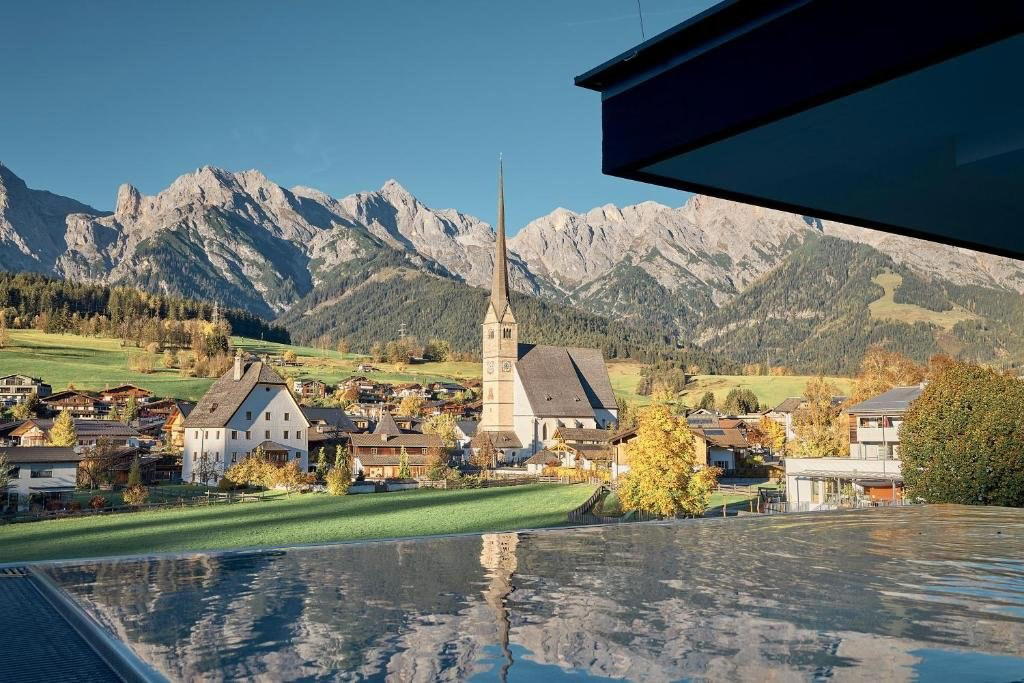
Leogang's position in the Saalbach-Hinterglemm-Leogang-Fieberbrunn ski circuit gives it access to over 270 kilometres of marked runs, which makes it a serious ski destination rather than a boutique alternative to busier resorts. The town itself is quieter and less commercially developed than Saalbach, which suits guests who want direct mountain access without the après-ski density. Summer brings mountain biking, Leogang hosts rounds of the UCI Mountain Bike World Cup, and hiking on trails that reach into the Leoganger Steinberge range. The hotel's refined position above the valley floor reduces drive time to the main lifts while increasing the sense of separation from the town below.
Fast Comparison
Comparable venues nearby, for context on price, style, and recognition.
| Venue | Cuisine | Price | Awards | Notes |
|---|---|---|---|---|
| Holzhotel ForsthofalmThis venue — the venue you are viewing | Eco-friendly wooden architecture in alpine setting | $$$$ | 4-Star | |
| Naturresort PURADIES | Alpine nature resort blending traditional farmhouse with modern chalets and wellness facilities. | $$$$ | 4-Star | Leogang |
| mama thresl | Contemporary Alpine design hotel blending urban sophistication with mountain lodge authenticity, emphasizing modern minimalism with traditional wood craftsmanship. | $$$ | Michelin 1 Key | Sonnberg |
| Hotel Krallerhof | Historic alpine resort with contemporary art integration and mid-century modern design vision, blending traditional Austrian hospitality with luxury amenities. | $$$$ | Michelin 1 Key | Leogang |
| Naturhotel Forsthofgut | Alpine authenticity blended with contemporary design using local wood, stone, and glass for harmony with nature. | $$$$ | Michelin 1 Key | Leogang |
| Bio-Hotel Stanglwirt | Traditional chalet-style bio-hotel with sustainable alpine architecture | $$$$ | 5-Star | Going am Wilden Kaiser |
Continue exploring
More in Leogang
Hotels in Leogang
Browse all →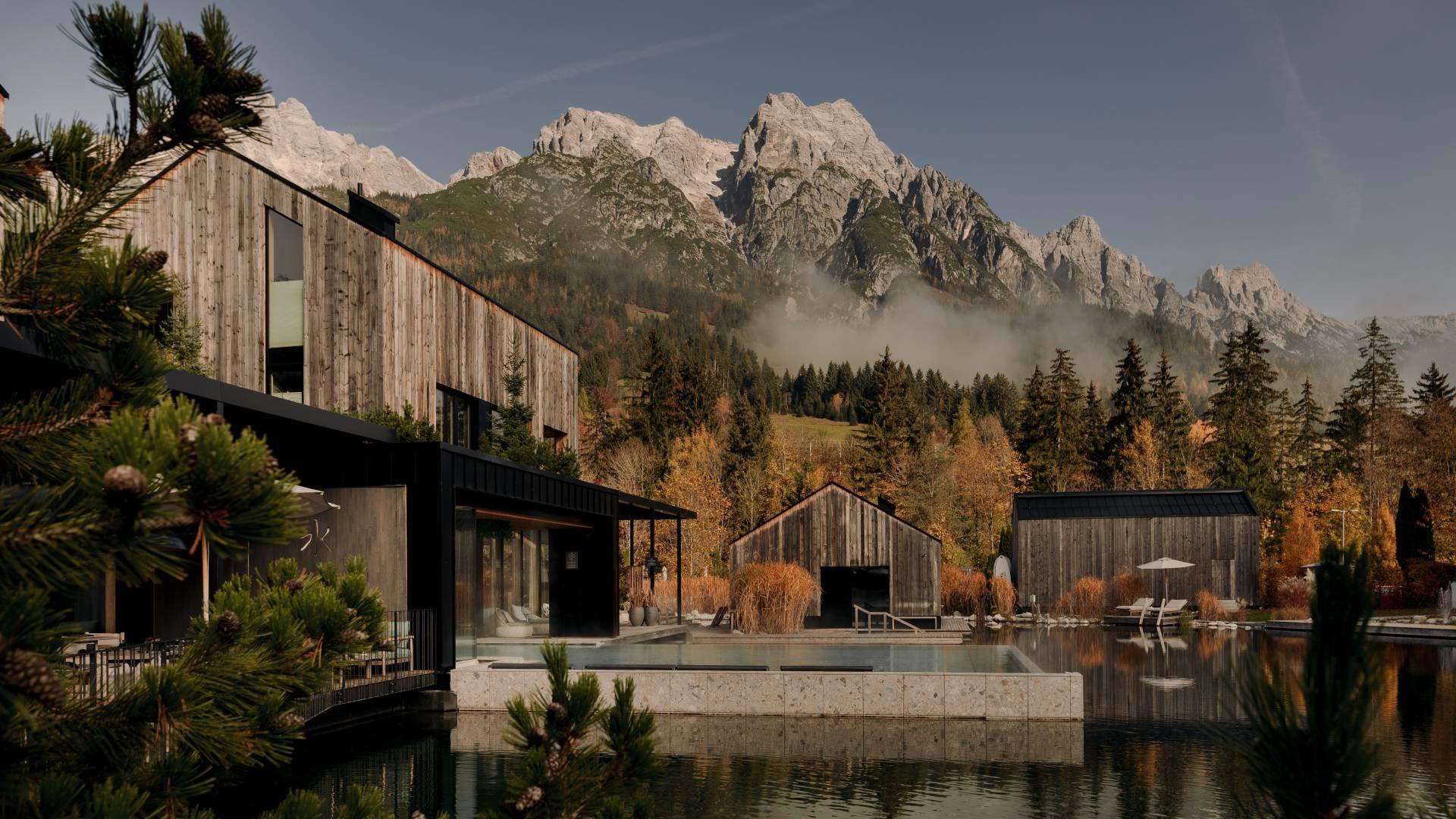
Bars in Leogang
Browse all →



Restaurants in Leogang
Browse all →
At a Glance
- Rustic
- Scenic
- Cozy
- Quiet
- Wellness Retreat
- Romantic Getaway
- Family Vacation
- Panoramic View
- Spa
- Pool
- Sauna
- Fitness Center
- Restaurant
- Wifi
- Room Service
- Mountain
- Garden
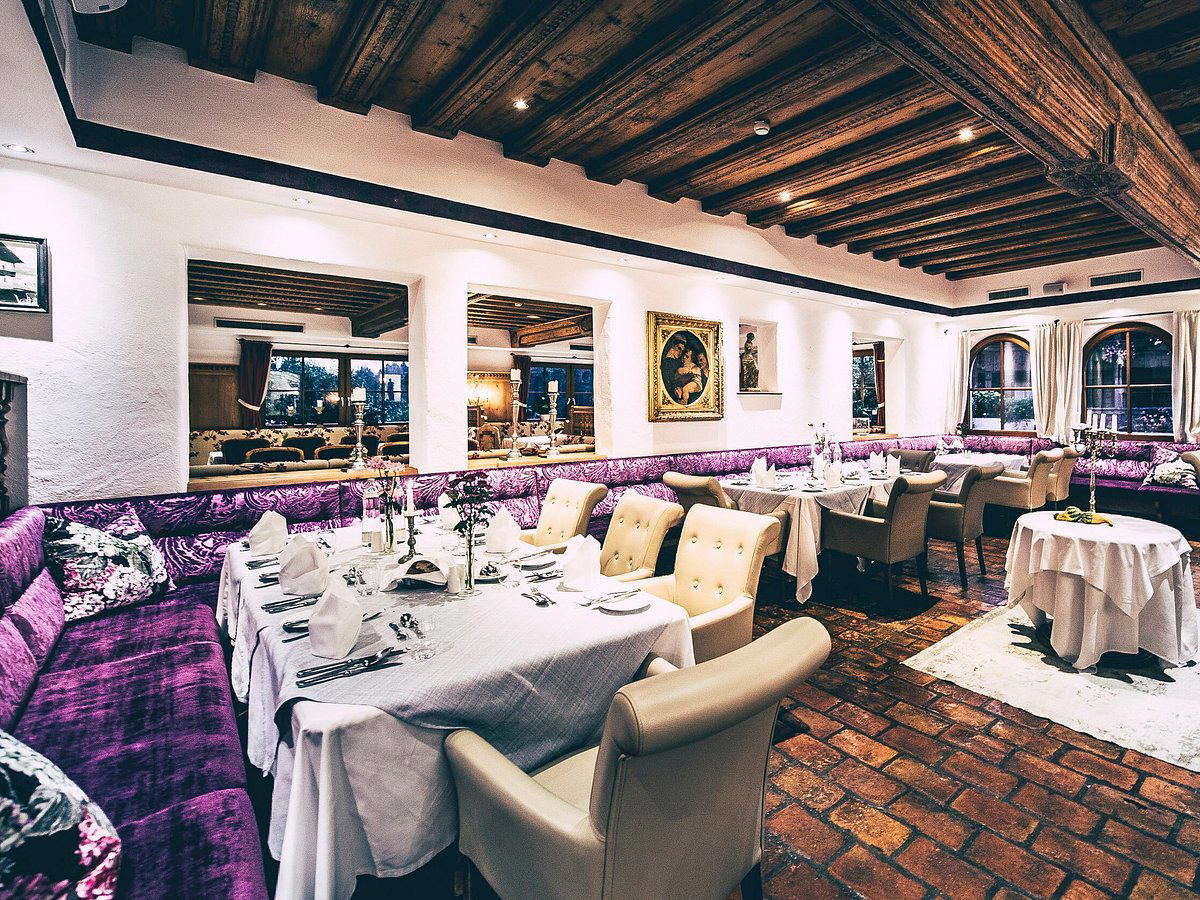
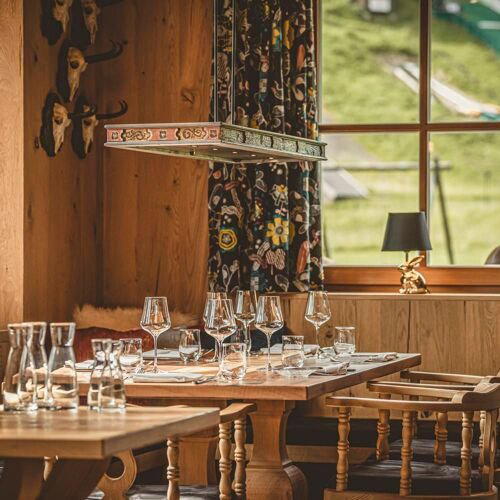
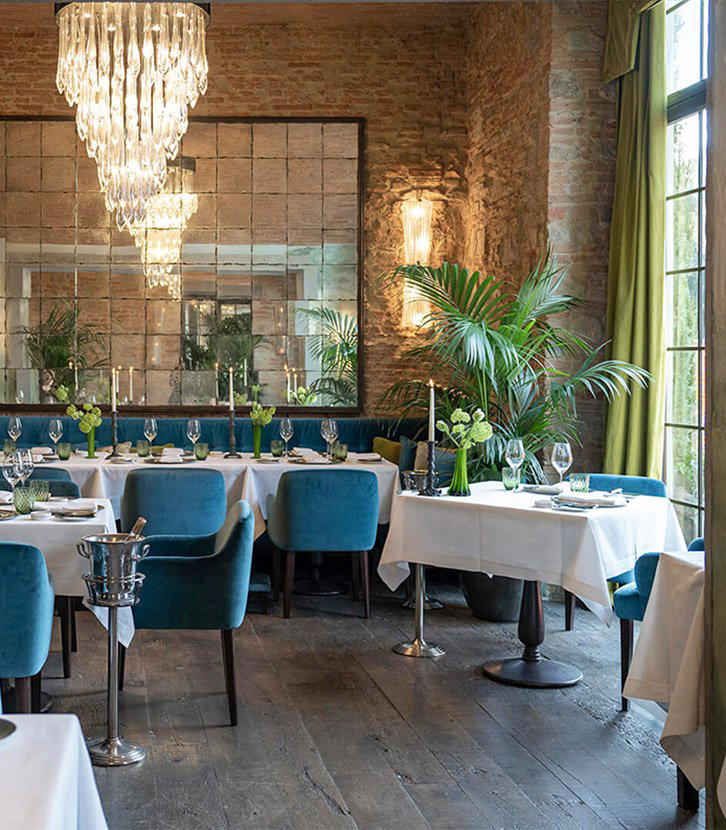
Cozy wooden interiors with pine aroma, panoramic views, relaxing spa atmosphere with fireplaces and quiet zones.