Grove of Narberth



1 Michelin Key · La Liste Top Hotels · Small Luxury Hotels of the World Member
A former historic house in the Pembrokeshire hills, Grove of Narberth has earned a 94.5-point score from La Liste's 2026 Top Hotels ranking and a reputation for housing one of Wales's most celebrated restaurant tables. Warm interiors, open fires, and garden views set the physical tone, while its position near the Pembrokeshire Coast National Park makes it a serious base for the southwest Wales countryside.

Pearl is the En Primeur Club membership app, where members save venues, book tables and use the concierge.
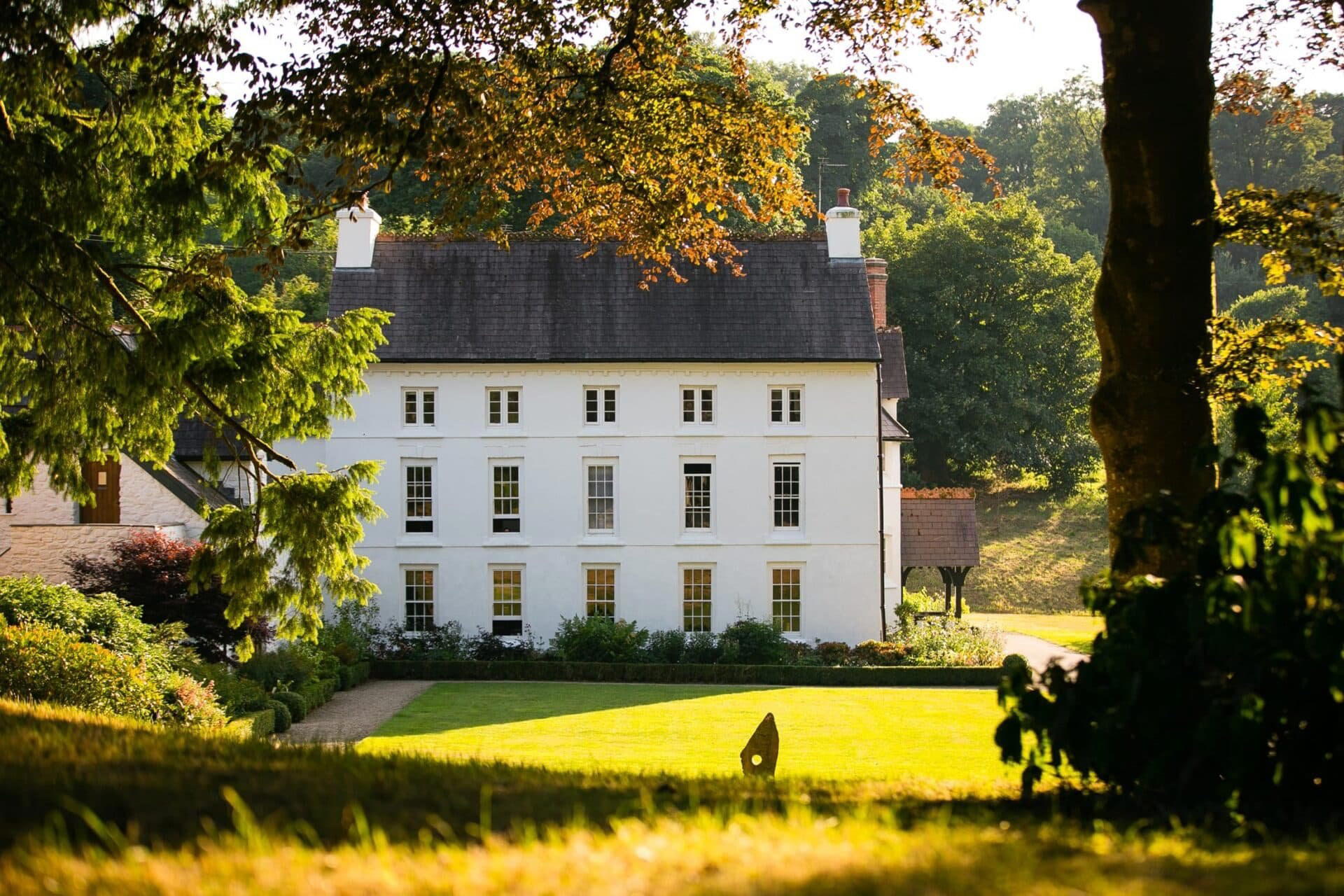
Stone, Slate, and the Pembrokeshire Slow
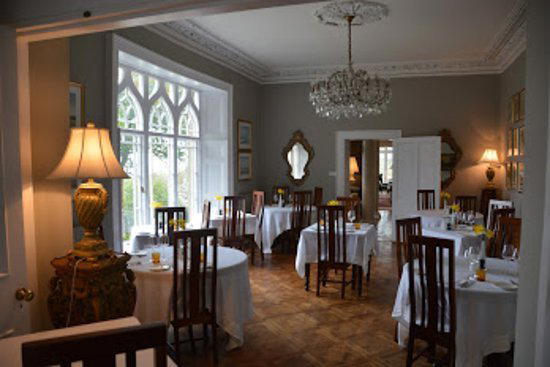
There is a particular category of British country hotel that earns its reputation not through grand ceremony but through the accumulation of considered decisions: the right sofa depth, the right fire size, the right distance between dining tables. Grove of Narberth, sitting above the village of Molleston a short drive from Narberth town, belongs firmly in that category. Its bones are those of a historic Welsh manor house, and whoever guided its conversion understood that the primary job was restraint, not reinvention. The result is a property that reads as a comfortable home that happens to take reservations rather than a hotel straining toward some abstract luxury ideal.
In the broader context of British boutique hotels, this positioning is deliberate and competitive. The country house hotel market in the UK has split in recent years between two modes: the statement property that imports contemporary architectural drama into a heritage shell, and the quieter house that amplifies the character already present in its walls. Its La Liste 2026 score of 94.5 points puts it in verifiable company with properties operating at a high tier of the global hotel ranking system, a signal that the property's approach registers on international critical benchmarks, not just domestic hospitality guides.
What the Building Communicates
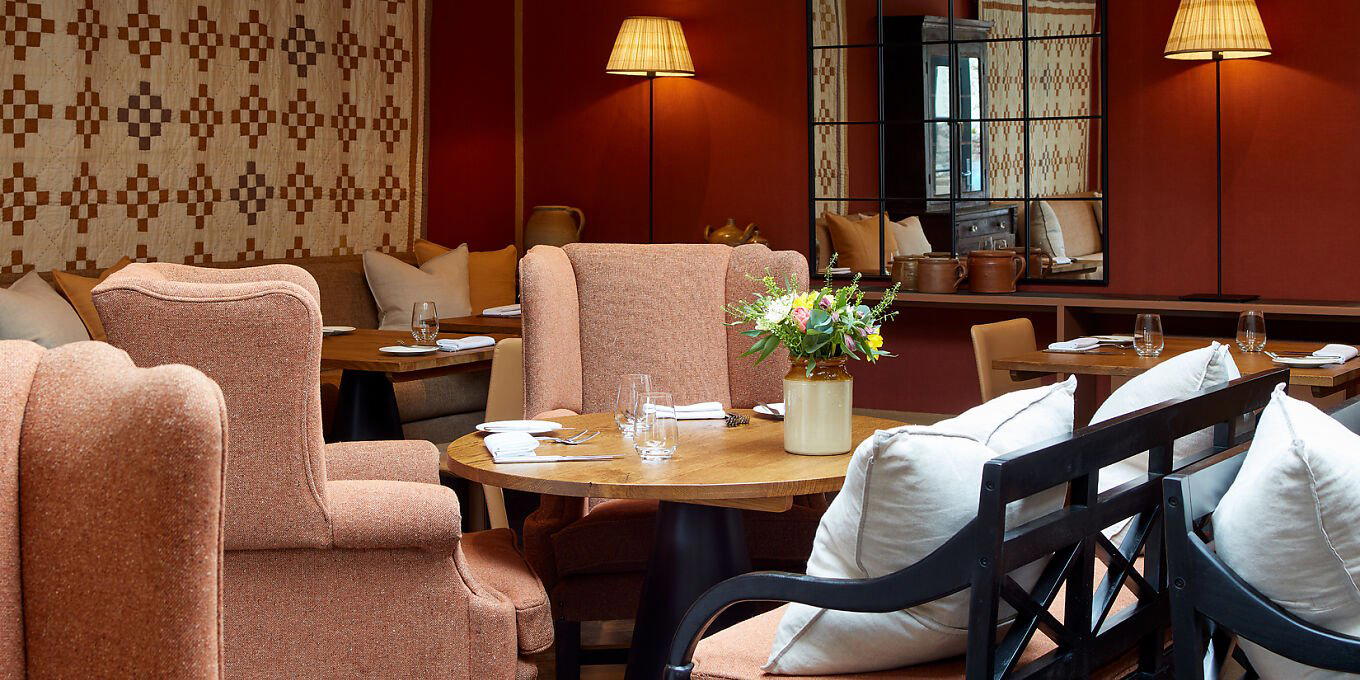
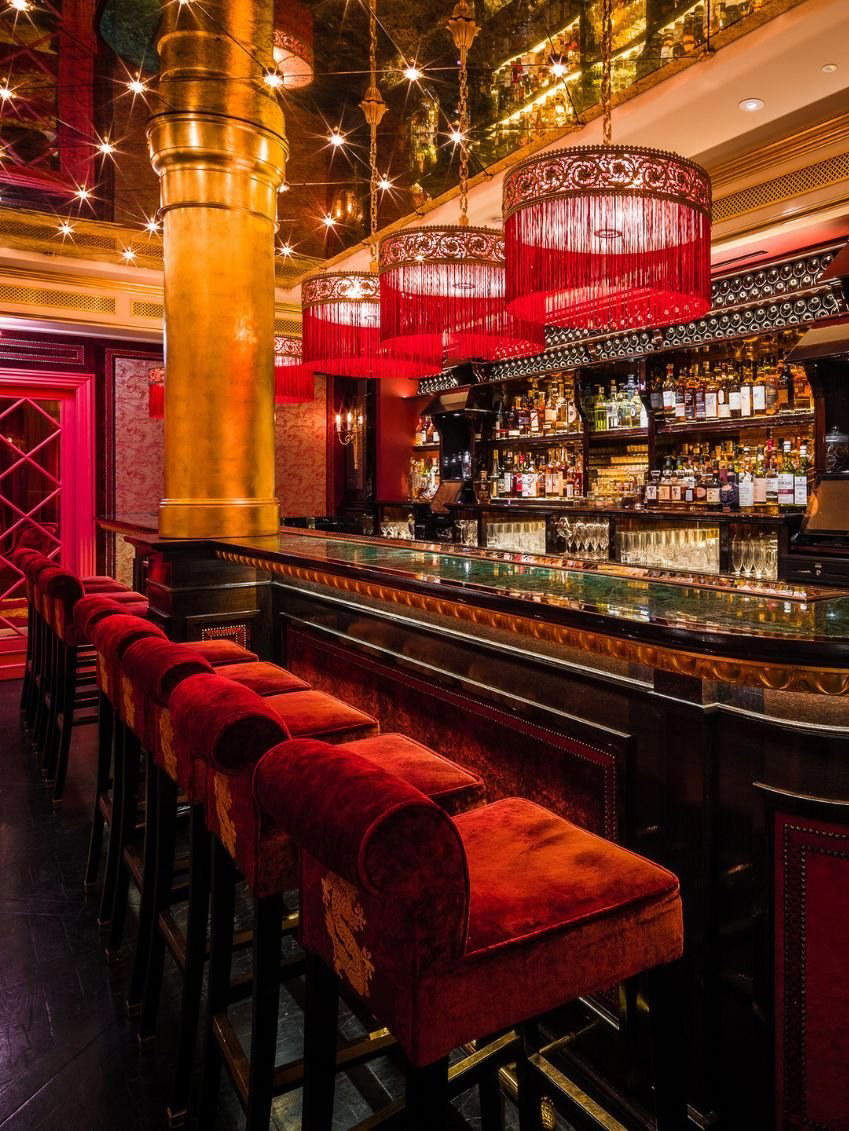
The physical language of Grove of Narberth is one of accumulated comfort rather than designed moment. The format that comes through most clearly in its public record is one centred on communal warmth: large sofas arranged for actual conversation, fireplaces that serve as spatial anchors for common rooms, and windows positioned to make use of the Pembrokeshire hill views that frame the property. These are not incidental details. In country house hospitality, the ability to stage convincing interior warmth without tipping into pastiche is harder than it looks. Properties that attempt it and miss tend to produce rooms that feel like costume sets. When it works, the effect is one of genuine residence.
The gardens add another dimension to the property's architectural reading. Acres of grounds in a part of Wales that receives high annual rainfall produce a particular kind of lush, slightly untamed English (and here, Welsh) country garden character. This matters to the guest experience because the garden is essentially a visual extension of the interior's design philosophy: nature managed enough to be navigable but left generous enough to feel real. For guests arriving from London or other urban bases, this contrast is the first piece of the hotel's value proposition.
For contextual comparison, properties like Lime Wood in Lyndhurst and The Newt in Somerset operate in the same general sector of estate-based British country hospitality, with gardens and grounds as active components of the offer. Grove of Narberth's distinctly Welsh context, rolling Pembrokeshire hills rather than New Forest or Somerset levels, gives it a different geographic character while the design philosophy runs along comparable lines.
The Restaurant as the Property's Sharpest Edge
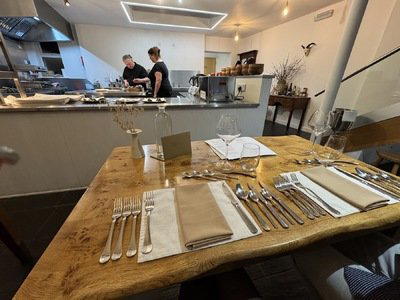
The dining room at Grove of Narberth carries a specific weight in the Welsh culinary context. According to its own public record, it is described as one of the most celebrated restaurants in Wales, which in practice means it draws guests who are building an itinerary around the table rather than treating the food as a logistical afterthought. This is a meaningful distinction in country hotel dining, where the gap between a kitchen that justifies a detour and one that merely feeds the guests who were already staying is often large.
Wales's fine dining scene has developed genuine depth in recent years, with several properties and standalone restaurants earning serious critical attention. The Grove's restaurant sits within that developing regional narrative, operating in a county, Pembrokeshire, that has built a reputation for quality local produce, particularly seafood from the coast to the west and lamb from the surrounding farmland. A kitchen in this position, in a property with strong La Liste recognition, is drawing on a deep larder. See our full Narberth restaurants guide for the broader dining context in the town and surrounding area.
Where It Sits Among British Country Hotels
The boutique country escape market in Britain is competitive and geographically spread. Properties like Estelle Manor in North Leigh, Babington House in Kilmersdon, and Gleneagles in Auchterarder each represent a different approach to the estate hotel format. Grove of Narberth's specific proposition, a relatively small Welsh property with strong restaurant credentials and a design approach centred on material warmth, places it closer to the intimate house hotel end of the spectrum than the resort model. That means guests are choosing it for a particular kind of scale and character, not for comprehensive facilities.
For those exploring Scotland's version of the same format, Monachyle Mhor Hotel in Stirling and Burts Hotel in Melrose occupy a comparable niche, small-footprint properties with serious food credentials set against dramatic countryside. The common thread across all of them is that the building and landscape do as much work as the service, which is precisely what the country house format demands when it functions well. Further afield, Langass Lodge in Na H Eileanan An Iar represents the more remote, landscape-forward expression of the same tradition.
Planning the Stay
Narberth itself is a small market town with an active food and independent retail culture that punches beyond its size. The town sits roughly equidistant from the Pembrokeshire Coast National Park to the west and the Preseli Hills to the north, which means the property functions as a base for coastal walking, inland hill walking, and visits to the region's significant prehistoric sites, including the Preseli bluestone quarries associated with Stonehenge. Getting to Narberth from London involves either the train to Narberth station (served off the Swansea to Pembroke Dock line) or a drive of approximately four hours depending on traffic through the Severn crossing. The journey itself, through the Welsh Marches and into Pembrokeshire, is worth factoring into the experience rather than treating as a logistical inconvenience.
Given the property's country house format and restaurant reputation, guests staying for two nights rather than one will have time to use the dining room properly, explore the grounds, and build a day around the national park or coast without feeling rushed. Single-night stays are possible but underuse what the property offers in terms of decompression and landscape access.
Frequently Asked Questions
Is Grove of Narberth more formal or casual?
The property sits toward the relaxed end of the Welsh country hotel spectrum. The design language, large sofas, open fires, informal garden access, signals comfort over ceremony. The restaurant carries more weight than a typical hotel dining room, which introduces a degree of occasion, but the overall character of the property is one that prioritises ease over formality. Compared to the grander-scale British country hotels, the tone here is closer to a well-run private house.
What room should I choose at Grove of Narberth?
Given the property's La Liste 94.5-point rating and its emphasis on hill views and garden access, rooms with direct outlook over the Pembrokeshire landscape are likely to represent the clearest expression of the property's design logic. It is worth contacting the hotel directly to ask which room configurations offer the leading garden or hill views before booking.
What should I know about Grove of Narberth before I go?
The property's primary draw is the combination of a historic Welsh house setting, a restaurant with strong regional recognition, and proximity to the Pembrokeshire Coast National Park. Narberth is a small town with good independent food culture. Arriving without a dining reservation for the main restaurant is a risk, as demand for a table of this regional profile in a small-capacity property tends to exceed walk-in availability. Plan the restaurant booking at the same time as the room.
At-a-Glance Comparison
Comparable venues nearby, for context on price, style, and recognition.
| Venue | Cuisine | Price | Awards | Notes |
|---|---|---|---|---|
| Grove of NarberthThis venue (the venue you are viewing) | Georgian country house with modern renovations and Arts & Crafts details | $300–500 | 1 Michelin Key · La Liste Top Hotels | Not listed |
| The Franklin London - Starhotels Collezione | Victorian townhouses refurbished as luxury boutique with Italian residential feel. | Not listed | Michelin Selected · Small Luxury Hotels of the World Member | Knightsbridge |
| Trump MacLeod House & Lodge | Historic Scottish country house hotel with contemporary luxury restoration; blends 15th-century heritage architecture with ornate modern amenities. | $500–750 | Michelin Selected | Balmedie |
| voco St. David's Cardiff | Upscale waterfront landmark with bold, distinctive design and private balconies. | $100–200 | Michelin Selected | Cardiff Bay |
| The Londoner Hotel | Contemporary luxury super-boutique with theatrical West End inspiration and modern British sensibility | $500–750 | Michelin Selected · Virtuoso Luxury Hotel Partner | Leicester Square, West End |
| Sanderson | Boutique design hotel in historic modernist building | Not listed | Michelin Selected | Fitzrovia |
Recognition history
Dated appearances from independent guides and award organizations, with the underlying list record or original source where available.
Michelin 1 Key
Michelin
La Liste Top Hotels
La Liste
Small Luxury Hotels of the World Member
Small Luxury Hotels of the World
Full recognition history (4 entries)
Michelin 1 Key
Michelin
Continue exploring
More in Narberth
Hotels in Narberth
All hotels in Narberth →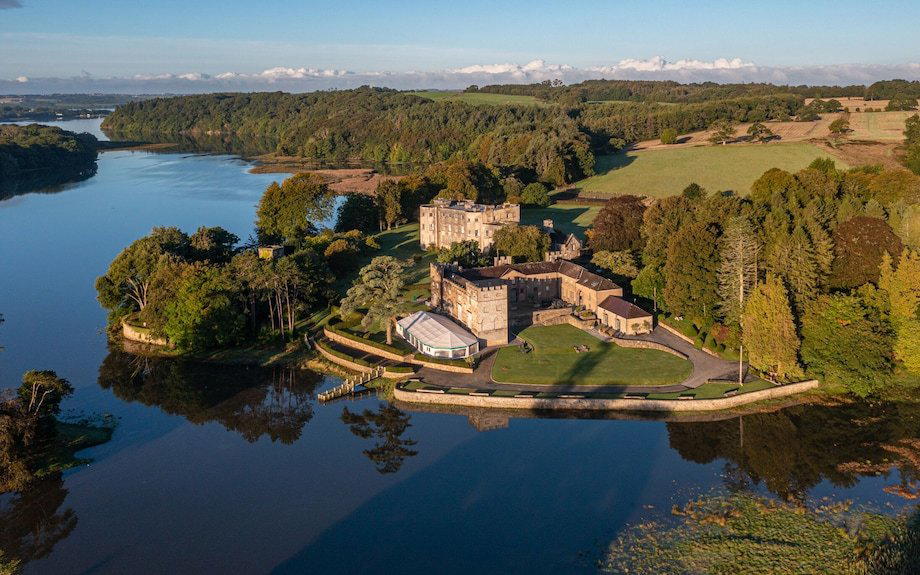
Bars in Narberth
Browse all →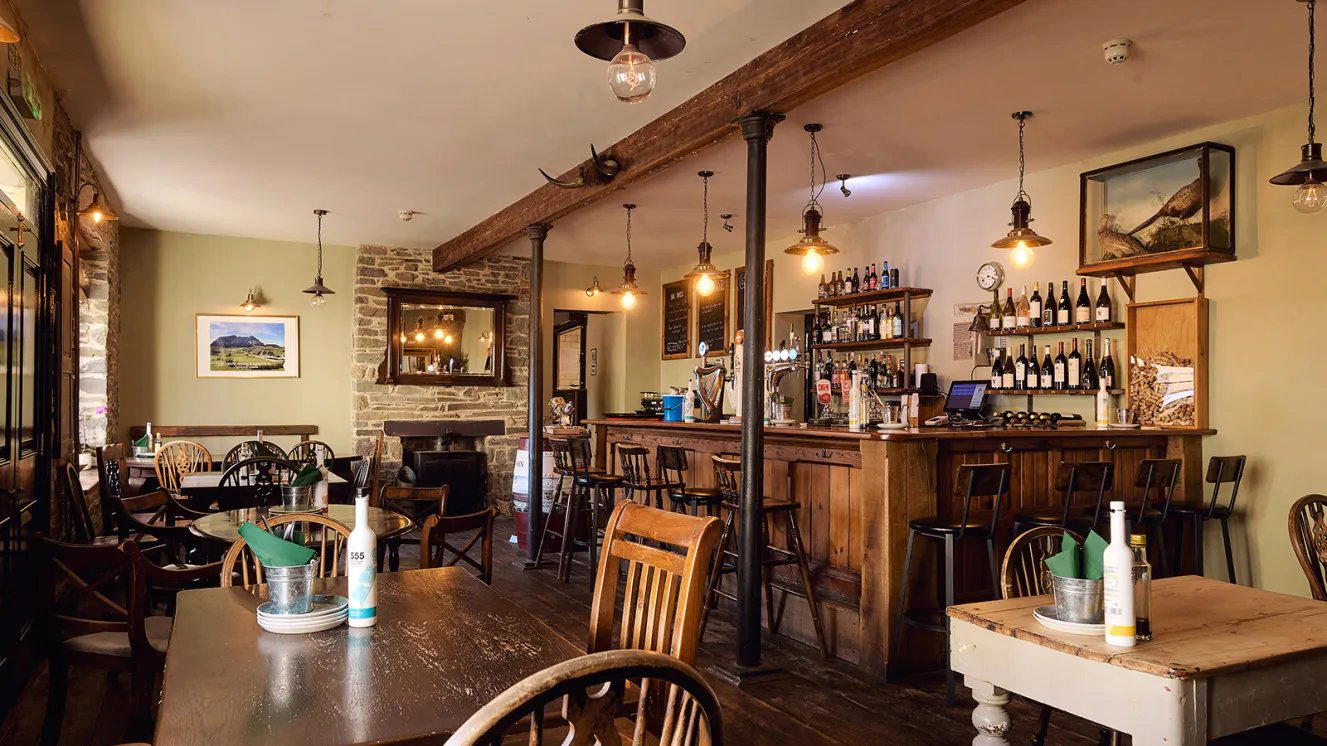
Details
- Romantic
- Elegant
- Cozy
- Scenic
- Intimate
- Sophisticated
- Romantic Getaway
- Anniversary
- Weekend Escape
- Garden
- Terrace
- Historic Building
- Wi Fi
- Spa
- Room Service
- Garden
- Garden
- Wheelchair Accessible
- Step Free Entrance
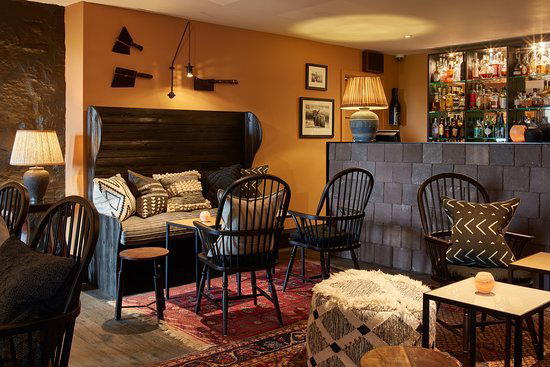
Low-lit, intimate atmosphere with thoughtful details like ferns from the garden and Victorian-style candles, creating a relaxing and elegant country house feel.