Beach House




1 Michelin Star · AA Rosettes 3 Rosettes · The Good Food Guide GFG Very Good
Our verdict
A Michelin-starred restaurant set in a converted coal store directly on Oxwich Beach, Beach House places Welsh produce at the centre of sophisticated, classically grounded cooking. Head Chef Hywel Griffith writes his menus in English and Welsh, with salt marsh lamb, laver seaweed bread, and the celebrated bara brith soufflé signalling where the kitchen's loyalties lie. Three menu formats run from three to eight courses.

Pearl is the En Primeur Club membership app, where members save venues, book tables and use the concierge.
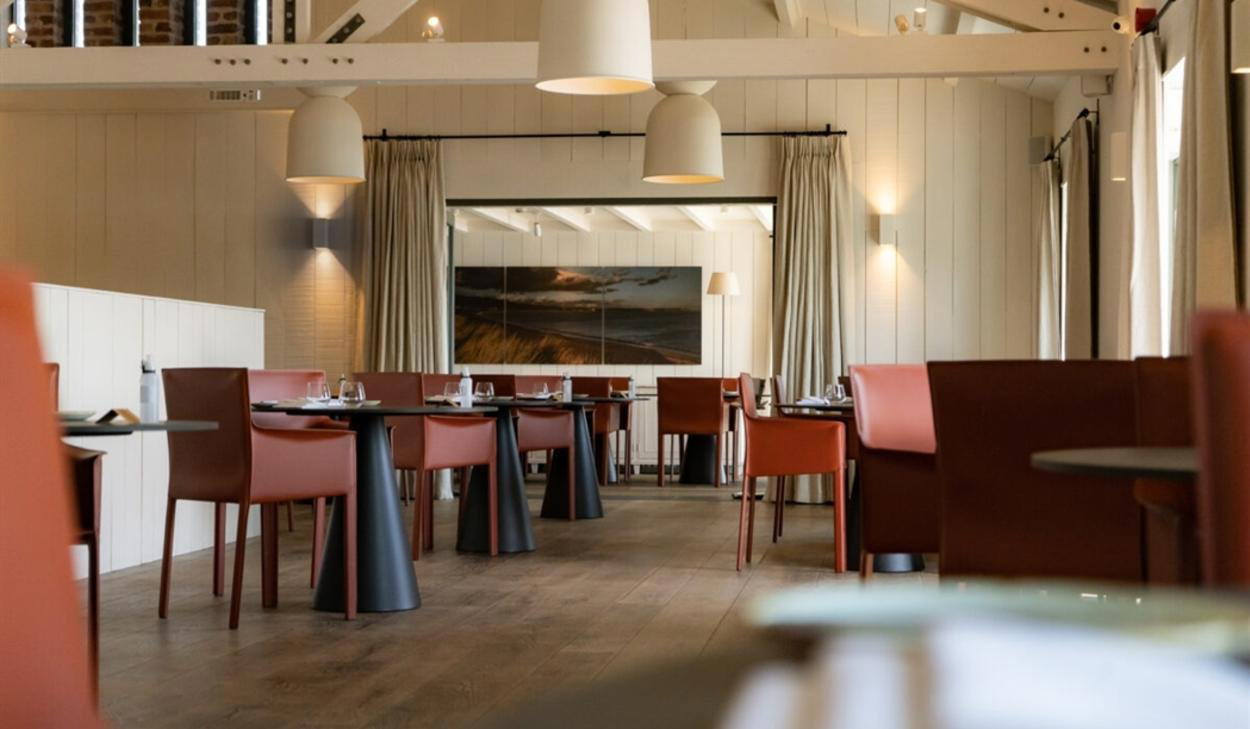
Where the Gower Peninsula Meets the Plate
Sand reaches the doorstep. The building, a low, one-storey structure of old stone, sits directly on Oxwich Beach on the southern edge of the Gower Peninsula, the first Area of Outstanding Natural Beauty designated in England and Wales. Wind off the Bristol Channel has shaped the dunes around it for centuries; the kitchen inside has been shaping the area's dining reputation for considerably less time, but with comparable force. Beach House holds a Michelin star (2024) and, in a county not historically associated with destination dining, that single fact repositions the Gower in any serious traveller's mental map.
The dining room reads as rustic-chic with European urban undertones: a gleaming pass catches the light, the metal of the kitchen visible through it, giving the room a transparency that feels deliberate rather than incidental. On fair days, pre-dinner drinks move to the terrace, where the beach is an immediate, unhurried presence. This is the kind of setting that risks distracting from the food; at Beach House, the two work in proportion.
The Sourcing Logic Behind the Menu
The most instructive thing about the cooking here is not what arrives on the plate but where it originates. Head Chef Hywel Griffith, born in north Wales, structures the menu around a sourcing philosophy that reaches into Wales's pastoral and coastal geography with unusual consistency. Salt marsh lamb from the Gower's tidal grasslands appears alongside lobsters pulled from surrounding waters. Laver seaweed, harvested along the Welsh coast and historically used in laverbread, finds its way into the warm bread service. These are not token gestures toward locality; they reflect a kitchen that has spent time building relationships with producers whose output is legible in the cooking.
Griffith writes his menus in both English and Welsh, a decision that carries cultural weight in a bilingual country where the language's presence on a menu signals something more than branding. It tells you the kitchen is engaging with where it is, not merely occupying the postcode. That engagement extends to the wine list, which prioritises interest and sustainability across its 240 selections and approximately 1,000-bottle inventory, with a sommelier available to guide pairings. Welsh spirits and cocktails also feature, reinforcing the regional coherence of the drinks programme.
This sourcing-first approach connects Beach House to a broader pattern among the UK's destination restaurants outside London. L'Enclume in Cartmel draws from its own kitchen garden and the Cumbrian landscape; Moor Hall in Aughton similarly anchors its cooking in northern English produce. What distinguishes Beach House within this cohort is the cultural dimension: the sourcing is also a statement about Welsh identity, made through ingredients that carry specific regional histories.
The Cooking Itself
The menu structure offers three, six, or eight courses, spanning from pig's cheek with Jerusalem artichoke, crispy shallots, lardo, and sherry vinegar through to chocolate tart with blackberries and smoked Douglas fir ice cream. The shorter format functions as a practical entry point; the eight-course version allows the kitchen's multidimensional thinking to accumulate properly across a meal.
The approach is classical and recognisable in its foundations, with components assembled to spotlight the main ingredient rather than compete with it. Flavour contrasts are calibrated rather than aggressive: a dish of cured sea trout with smoked eel and chive sauce takes on an extra dimension through pickled kohlrabi, pomelo, ponzu, and sea purslane, building lateral complexity without obscuring the fish. Llandeilo fallow deer with BBQ celeriac, broccoli, pickled pear, and monkfish is the kind of combination that requires confidence in both sourcing and technique to land correctly.
Bara brith soufflé warrants specific attention. Bara brith is a spiced, fruit-studded Welsh tea bread with deep roots in the country's baking tradition. Translating it into a soufflé format, served alongside tea ice cream, is the kind of move that could tip into novelty; in practice it functions as the meal's emotional pivot, grounding the cooking in a tradition that predates any fine-dining framework. Michelin's own note on the restaurant highlights it, which is notable given how rarely guides single out individual dishes in formal recommendations.
Broader range of similar cooking in the UK can be found at venues like hide and fox in Saltwood, Midsummer House in Cambridge, and Gidleigh Park in Chagford, all of which operate in rural or semi-rural settings and position local produce within a classical framework.
Planning a Visit
Beach House is closed on Sundays and Mondays. Tuesday through Thursday, service runs at lunch (noon to 2 PM) and dinner (6:30 PM to 9 PM); on Friday and Saturday, the dinner window extends to 11 PM, allowing for a longer evening without the compression of an early close. Oxwich is on the southern Gower, roughly 12 miles southwest of Swansea city centre, accessible by car along the A4118. The remoteness is not incidental: arriving at Oxwich Beach as part of the experience contextualises why this kitchen leans so hard into local sourcing. The landscape the food comes from is visible from the terrace.
For those planning a broader stay in the area, our full Oxwich hotels guide covers accommodation options on the peninsula. The full Oxwich restaurants guide, bars guide, wineries guide, and experiences guide map out the broader options across the Gower. For those comparing coastal destination dining across the UK, Restaurant Andrew Fairlie in Auchterarder and Opheem in Birmingham represent different regional expressions of the same impulse to anchor serious cooking in a specific place and tradition. At the international end of modern cuisine, Frantzén in Stockholm and FZN by Björn Frantzén in Dubai show how that same sourcing logic scales across different geographies. Closer to home, The Fat Duck in Bray remains the benchmark for how a destination restaurant can define a village's culinary reputation, a trajectory Beach House is tracing in its own register on the Gower.
Frequently asked questions
What dish is Beach House famous for?
What's the vibe at Beach House?
Would Beach House be comfortable with kids?
Comparison Snapshot
| Venue | Cuisine | Price | Awards | Notes |
|---|---|---|---|---|
| Beach HouseThis venue (the venue you are viewing) | Modern British Fine Dining | $50–100 | 1 Michelin Star · AA Rosettes 3 Rosettes | Not listed |
| The Ledbury | Modern British Fine Dining | $300–500 | 3 Michelin Stars · World's 50 Best #42 | Modern European, Modern Cuisine |
| Sketch, The Lecture Room and Library | Modern French Fine Dining | $200–300 | 3 Michelin Stars · World's 50 Best #18 | Modern French |
| CORE by Clare Smyth | Modern British Fine Dining | $150–200 | 3 Michelin Stars · World's 50 Best #97 | Modern British |
| Restaurant Gordon Ramsay | French Fine Dining | $200–300 | 3 Michelin Stars · World's 50 Best #13 | Contemporary European, French |
| Dinner by Heston Blumenthal | Modern British, Traditional British | Not listed | Michelin 2 Star | Not listed |
Recognition history
Dated appearances from independent guides and award organizations, with the underlying list record or original source where available.
Michelin 1 Star
Michelin
AA Rosettes 3 Rosettes
AA Rosettes
The Good Food Guide GFG Very Good
The Good Food Guide
Wine Spectator Award of Excellence
Wine Spectator
Full recognition history (6 entries)
Michelin 1 Star
Michelin
Michelin 1 Star
Michelin
Continue exploring
More in Oxwich
Restaurants in Oxwich
All restaurants in Oxwich →

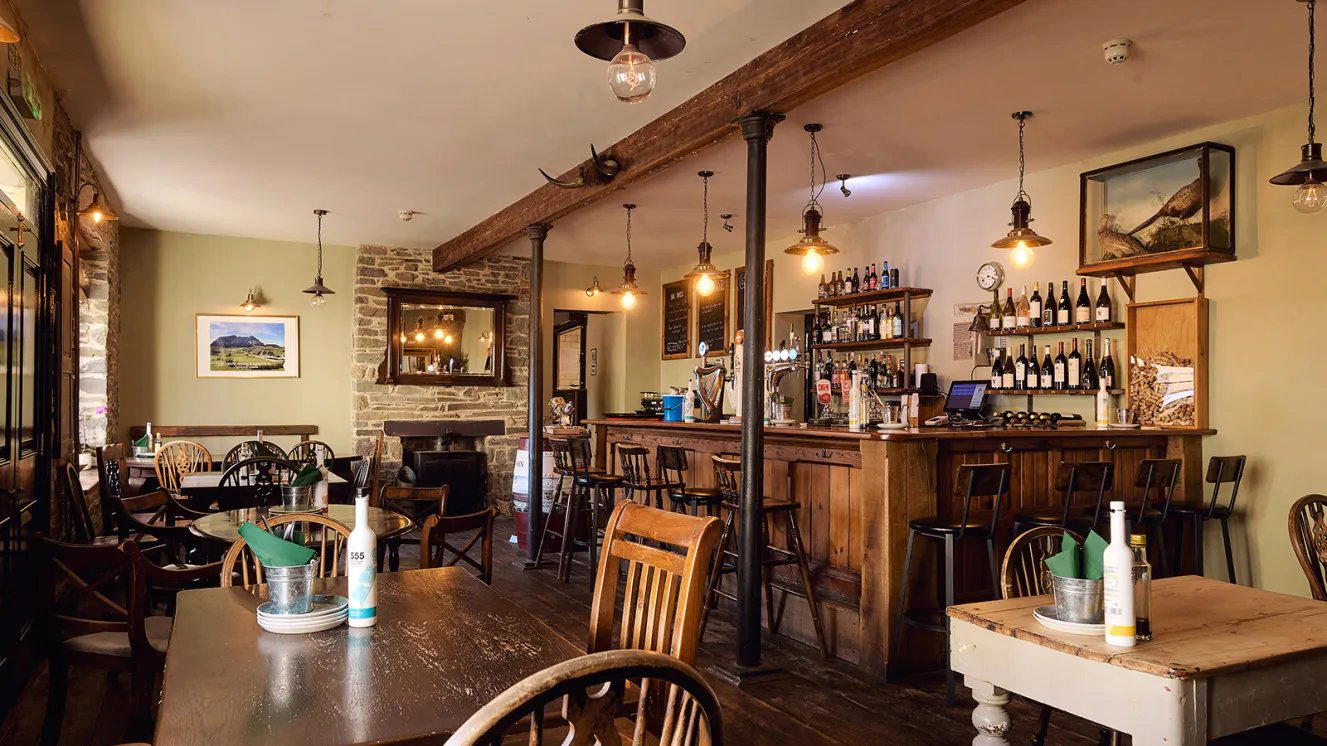
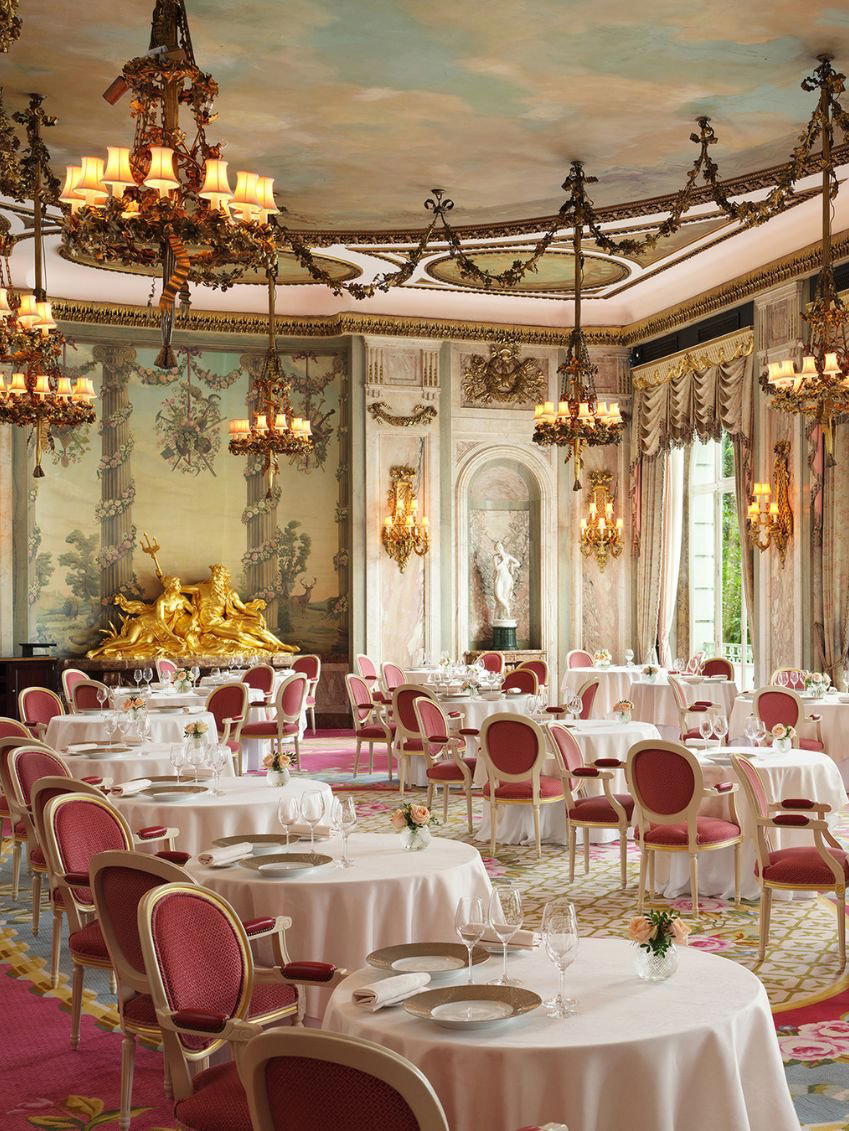
Hotels in Oxwich
Browse all →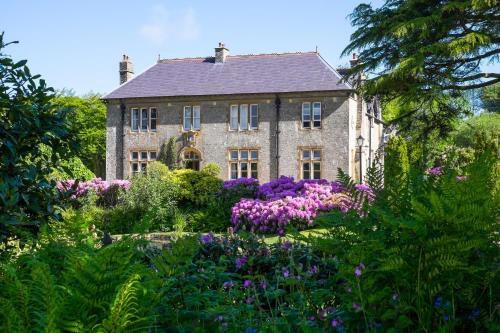
Beach House
The wine
Beach House holds the Wine Spectator Award of Excellence, which Wine Spectator gives to lists of usually 90 or more selections.
- Wine Spectator
- Wine Spectator Award of Excellence
- Selections
- 240
- Bottles in cellar
- 1,000
- List strengths
- California
- Wine director
- Norbert Szalay
- Extensive wine list
Details
- Scenic
- Elegant
- Intimate
- Sophisticated
- Date Night
- Special Occasion
- Celebration
- Waterfront
- Terrace
- Open Kitchen
- Extensive Wine List
- Local Sourcing
- Waterfront
- Tasting Menu
- A La Carte
- Vegetarian Friendly
- Allergy Accommodating
Current opening hours
- Monday
- Closed
- Tuesday
- Closed
- Wednesday
- 12–2 PM, 6:30–9 PM
- Thursday
- 12–2 PM, 6:30–9 PM
- Friday
- 12–2 PM, 6:30–11 PM
- Saturday
- 12–2 PM, 6:30–11 PM
- Sunday
- Closed
Hours can change for holidays and private events. Last verified .
Vaulted dining room overlooking sandy beach with gleaming kitchen lights, calm decor consistent with beach environment, and relaxed yet refined atmosphere.