The Exmoor Forest Inn

A former smugglers' den dating to the era of the French Revolution, the Exmoor Forest Inn in Simonsbath has been refurbished by the Greenall brewing family into a handsome moorland pub with serious culinary credentials. Chef Prim Lapuz's kitchen draws heavily on local meat and fish suppliers, and the Sunday roasts have attracted consistent reader nominations. The drinks programme benefits from an ownership lineage in the alcohol trade stretching back to the 18th century.
Pearl is the En Primeur Club membership app — saves, bookings, and concierge access live there. Same editors, same standards.
- Address
- Simonsbath, Minehead TA24 7SH, United Kingdom
- Phone
- +44 1643 831341
- Website
- exmoorforestinn.com
- Directions
- Get directions
 Saves & bookings on Pearl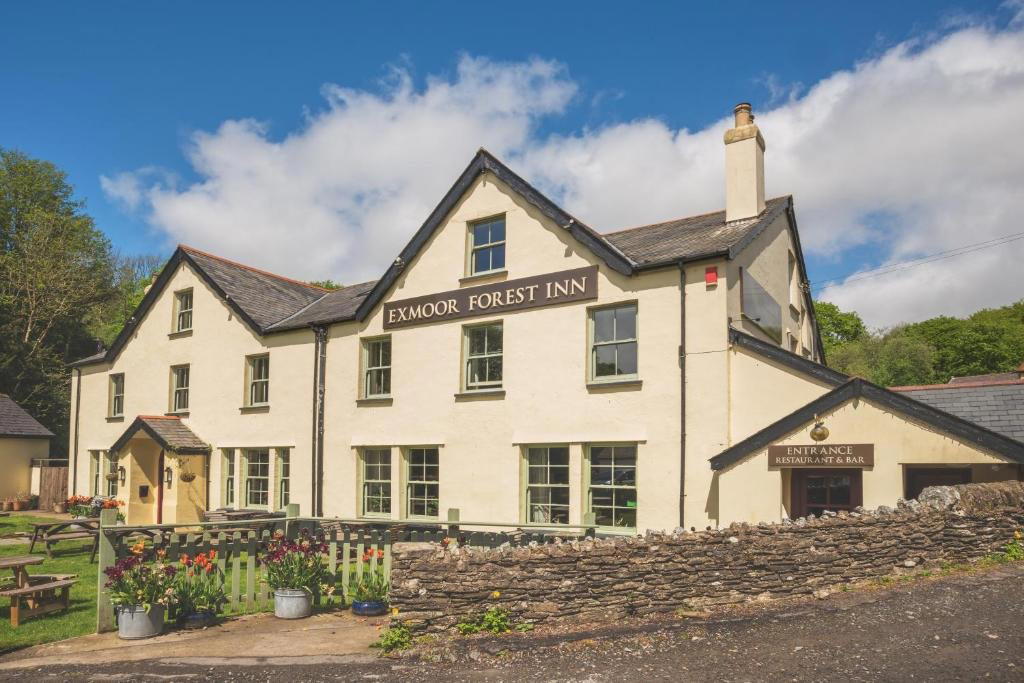
Moorland Drinking, Deep History
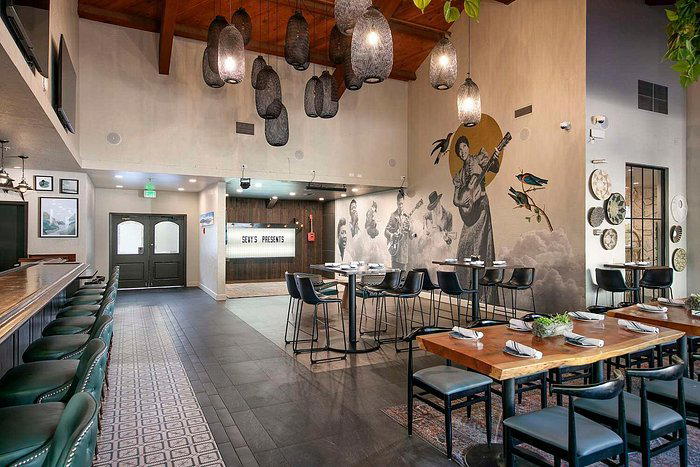
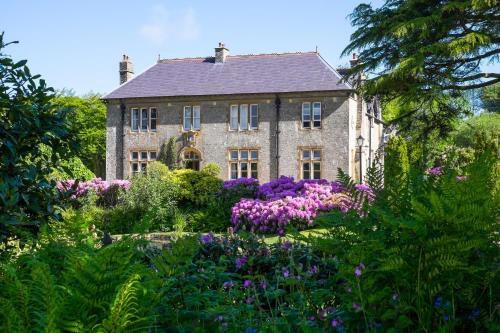
Simonsbath sits at the heart of Exmoor National Park, a village so small it barely registers on most itineraries, which is precisely why arriving at the Exmoor Forest Inn carries a particular weight. The building has been a drinking place since approximately 1789, the year the Bastille fell in Paris, making it one of the longer-serving licensed premises in the West Country. Its origins were less romantic than the present incarnation: the site functioned as a smugglers' drinking den, and the wild moorland surrounding it would have made it an ideal spot for illicit trade. That history has not been erased so much as absorbed, the pub now presenting a tasteful contemporary interior overseen by the Greenall brewing family, whose own history in the alcohol business predates even this inn's first licence.
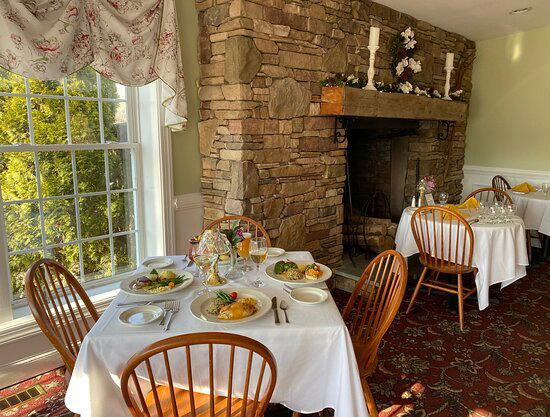
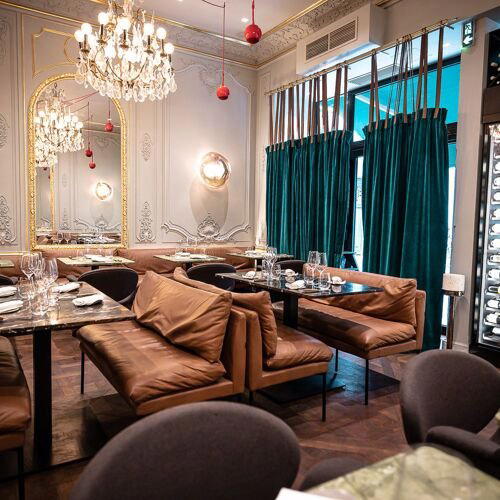
The Greenalls' refurbishment has kept the fabric honest. There is no ersatz country-house layering here, no reclaimed-barn aesthetic applied from a distance. The result reads as a moorland pub that takes itself seriously without performing seriousness, a distinction that matters in a region where visitor trade can pull establishments toward the decorative and the comfortable at the expense of the credible. For context on how British bars are threading similar needles between heritage and contemporary relevance, the approach here sits in the same broad tradition as Horseshoe Bar Glasgow or Bramble in Edinburgh, venues where a genuine sense of place anchors the offer rather than decorating it.
The Drinks Programme: Ownership as Credential
The editorial angle here is unusual for a moorland pub: the drinks side of the operation carries a genuine institutional weight. When the owners have been in the alcohol trade since the 18th century, the cellar and bar are not afterthoughts managed by a hospitality procurement team. That depth of trade experience tends to manifest in a well-furnished selection rather than a curated list built for show. Readers visiting Exmoor for the food often report the drinks matching the food's ambition, which in a remote village setting is a higher bar than it sounds. Compare this to the specialist focus of venues like Schofield's in Manchester or the technical programmes at 69 Colebrooke Row in London or Merchant Hotel in Belfast: those venues build credibility through precision and creative vision. The Exmoor Forest Inn builds it through provenance and an ownership lineage that treats the drinks offer as a long-term concern rather than a seasonal menu rotation.
Rural pubs with serious drinks lists occupy a different niche from urban cocktail programmes. The relevant comparable set is closer to Avon Gorge by Hotel du Vin in Bristol or Digby Chick in the Western Isles, venues where geography and ownership backstory do significant work in framing what arrives in the glass. In all these cases, the surrounding landscape is not just scenery but context for the drinking occasion itself.
What Chef Prim Lapuz's Kitchen Does
The kitchen's identity is built on local supply chains. Meat, which is the core of the menu's reputation, comes predominantly from nearby sources on and around Exmoor. The Sunday roast programme has generated a sustained volume of reader nominations, with one recurring comment pattern worth quoting directly: readers describing the beef as the leading they have encountered at a pub. That kind of consistent unsolicited feedback over time is a more reliable signal than a single award, because it reflects repeat experience across a varied audience.
The menu structure follows the logic of the moor rather than any fashionable format. Starters include a grilled squid with chilli jam and a country terrine with onion marmalade, both of which anchor the cooking in a tradition of satisfying, un-fussy execution. The terrine in particular signals a kitchen comfortable working with the whole animal rather than premium cuts only. Main courses extend the meat confidence into game, with sausages combining Exmoor venison and pork belly, served alongside wild garlic mash and Cumberland sauce, a plate that draws on the geography of the national park in almost every element.
Fish receives equal attention. A slab of hake in a sauce built on brown crabmeat is the kind of dish that requires good sourcing and direct technical confidence rather than culinary theatre. The Atlantic coastline of Devon and Somerset is close enough to make fresh fish a genuine option rather than a concession to non-meat eaters. Desserts run to crumbles and puddings as the main format, with a chocolate, orange and prune frangipane tart served with clotted cream representing the more structured end of the range. The clotted cream, native to this part of England, arrives here in its proper role as a condiment rather than a garnish.
The Lorna Doone Footnote
R.D. Blackmore's 1869 novel Lorna Doone is set across Exmoor, and the Exmoor Forest Inn has been identified as a location that played an incidental role in the action. Literary associations in the hospitality trade are often overstated, deployed as a shorthand for atmosphere the building itself cannot generate. In this case, the attribution is a footnote rather than a proposition, which is the appropriate way to hold it. The setting does the heavy lifting. The novel connection is simply the kind of detail that makes sense of the geography for first-time visitors arriving from outside the region.
Planning a Visit
Simonsbath is not accessible by public transport to any practical degree, and the drive across Exmoor is part of the occasion. The village sits in the Barle Valley and can be reached from Minehead or Barnstaple, with the moorland roads requiring unhurried driving. The inn's address places it at TA24 7SH, and the journey across the national park is, in conditions of clear weather, a significant part of the experience. Those travelling from Bristol, Bath, or further afield should plan for the approach rather than simply plotting the destination. Accommodation in this part of Exmoor is limited, and an overnight stay in the area is worth considering if the intention is to eat and drink without one eye on the drive home. For a broader sense of what the area offers, see our full Simonsbath restaurants guide.
The Sunday lunch programme is the kitchen's most reviewed format and one logical entry point for first visits. Weekday evenings in a village of this size will feel quieter, which is either an advantage or a drawback depending on what you are looking for in a moorland pub. The Greenall ownership means the drinks offer is consistently maintained, and there is no reason to expect the list to be thin on any given evening.
Placing the Exmoor Forest Inn in Context
The broader category of remote British pubs with serious food and drink programmes is small but coherent. These are places where geography creates a captive audience of local farmers and visiting walkers, and where the response to that audience has been to build something worth the journey rather than something that merely fills a gap. The bar sits in that category with two centuries of continuous operation behind it and a kitchen that has converted reader attention into sustained nominations. For those building an itinerary around the West Country's more considered drinking and eating destinations, it belongs in the same conversation as Harbour View and Fraggle Rock Bar in Bryher or L'Atelier Du Vin in Brighton, venues at opposite ends of the format spectrum but equally deliberate in how they connect place to what they pour. For something further afield to benchmark against in terms of programme discipline, Bar Leather Apron in Honolulu and Mojo Leeds demonstrate how different ownership philosophies shape the drinking experience, urban or otherwise.
Comparable Spots, Quickly
Comparable venues nearby, for context on price, style, and recognition.
| Venue | Cuisine | Price | Notes |
|---|---|---|---|
| The Exmoor Forest InnThis venue — the venue you are viewing | pub | $$ | Not listed |
| BAR 1597 | hotel_bar | $$ | Penrith town centre |
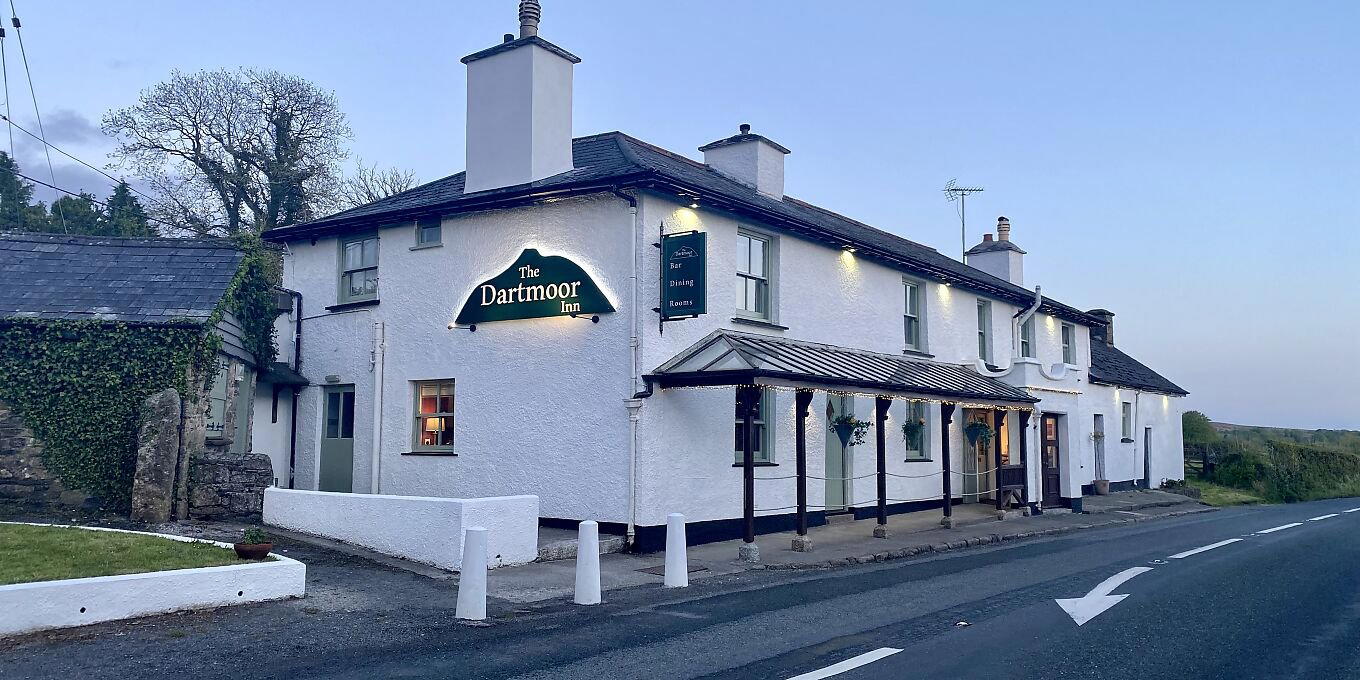
| The Dartmoor Inn | pub | $$ | Lydford |
| The Sheppey | pub | $$ | Lower Godney |
| Somerset Cider Brandy Co | pub | $$ | Kingsbury Episcopi |
Recognition history
Dated appearances from independent guides and award organizations, with the underlying list record or original source where available.
The Good Food Guide GFG Good
The Good Food Guide
Continue exploring
More in Simonsbath
Bars in Simonsbath
Browse all →
Restaurants in Simonsbath
Browse all →

At a Glance
- Rustic
- Cozy
- Scenic
- Casual Hangout
- Group Outing
- Historic Building
- Lounge Seating
- Craft Beer
- Mountain
Cozy and relaxing with log burners, wood burner fires, comfortable seating, and rustic charm.